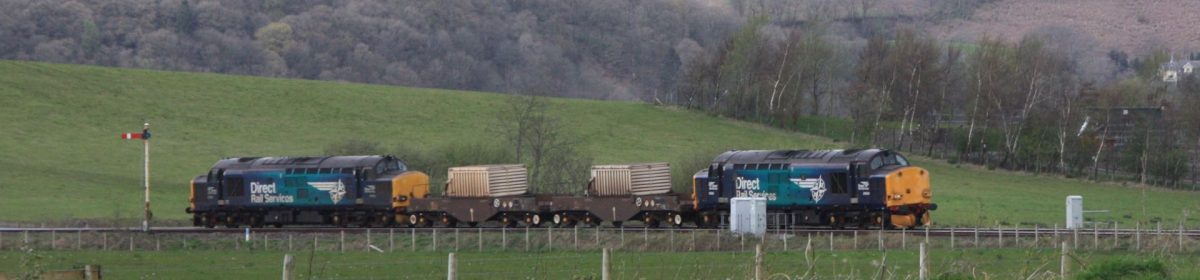
Among many attractive locations along the wonderful 72-mile Settle to Carlisle (S&C) line, one place that I had long wished to spend time at is remote Garsdale, the next stop after England’s highest station, Dent, when heading north towards Carlisle and a one-time junction for a branch line to Hawes, Redmire and Northallerton.
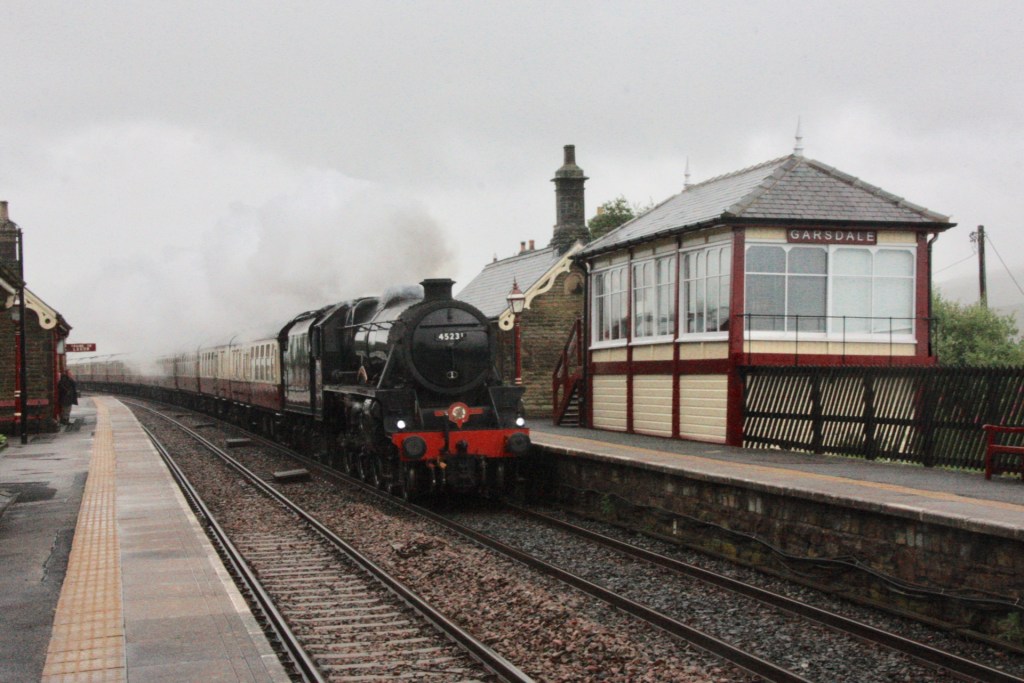
Having discovered on a visit to Settle Junction last year that Wednesdays are good for freight activity on the S&C, I planned to check the photographic loctions on the afternoon of Tuesday, 1 August 2023, then return the following day, when an added bonus would be a steam special from Crewe to Carlisle, hauled by 45231 Sherwood Forester.
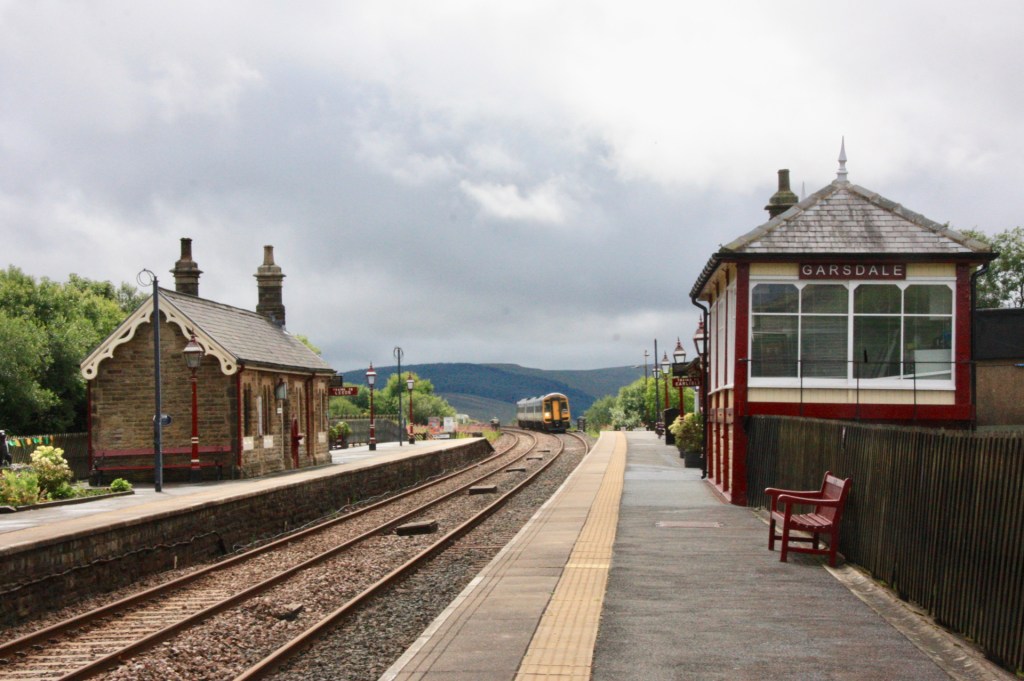
What no amount of planning and checking of timetables and maps can take account of is English weather, so for those who may be in sunnier climes it is fair to say that the conditions on 1/2 August in the Yorkshire Dales were truly dire, with gloom and near continuous rainfall on both days.
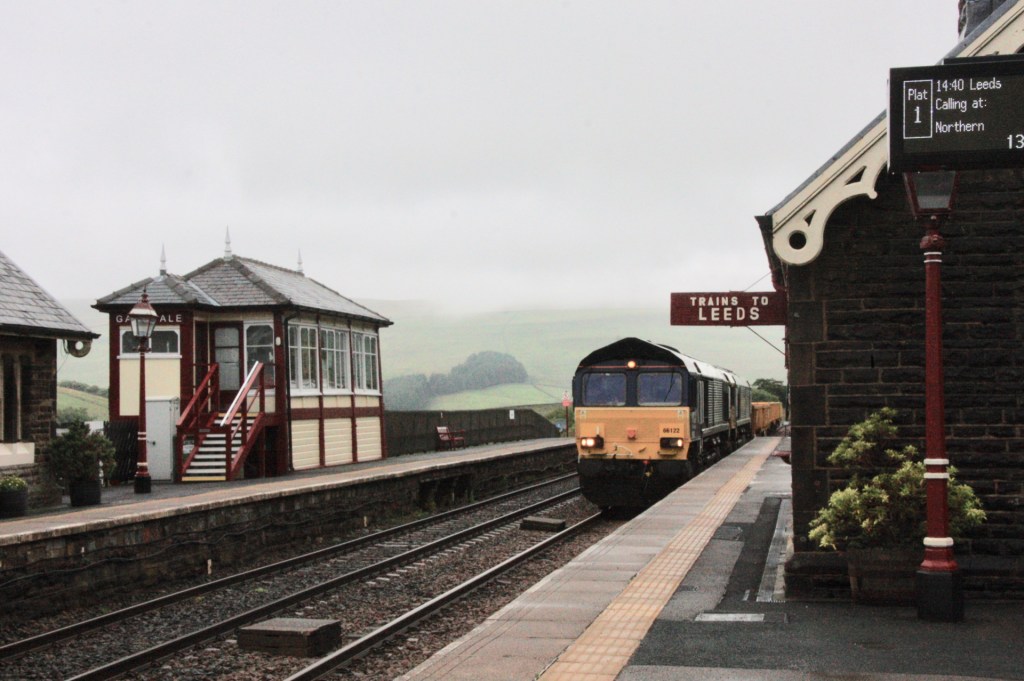
I had hoped to be able to stay at the one and only pub near Garsdale station, but there was no room at the inn, so instead I returned to another great S&C location I had visited last year and found a room at the comfortable Black Horse Inn on the main street at Hellifield, a ten-minute walk from the station there.
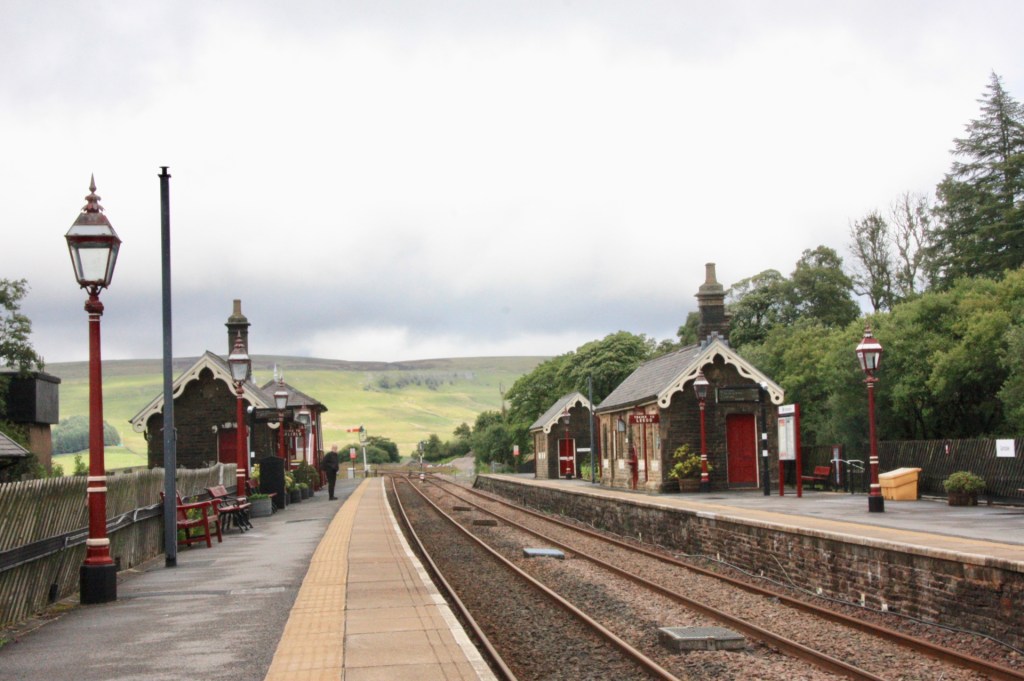
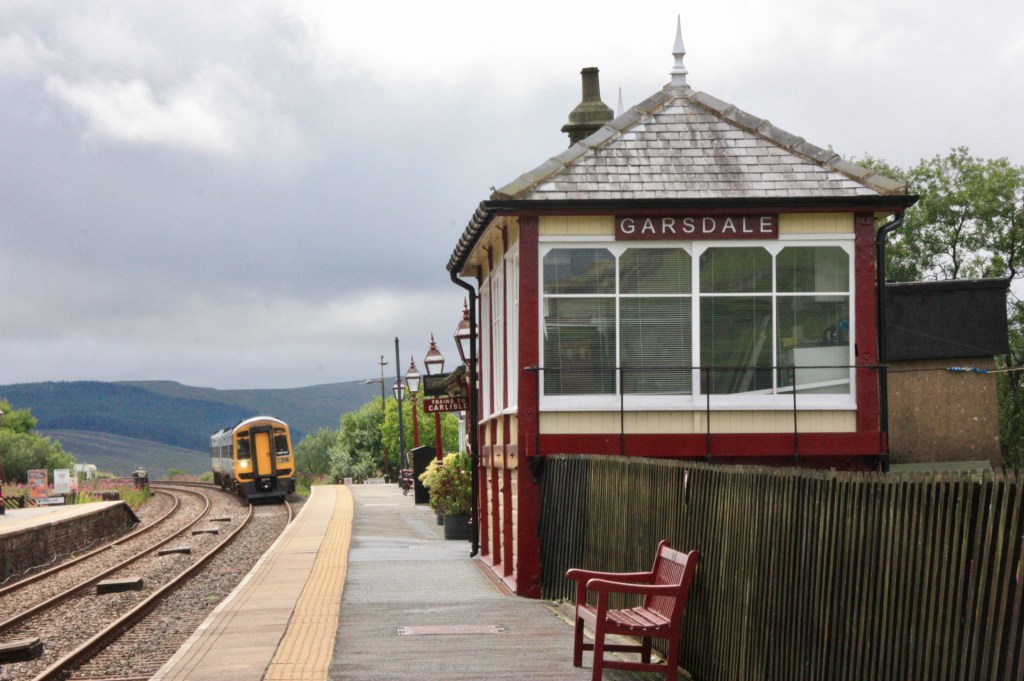
There are a number of features that make Garsdale a rather special place on our national rail network. Spectacular secenery is a feature along much of the S&C line, but Garsdale also boasts a superbly restored 1910 Midland Railway signal box on the down platform which, along with fine station buildings, is protected by its Grade II Listing.
Those immaculately preserved waiting rooms come in very handy when there is driving rain all day, and for those who with a thirst for knowledge, the one on up platform (1) is probably the only waiting room in the world to boast a full set of Encyclopaedia Britannica!
Garsdale Signal Box recently underwent a major £500,000 three-month refurbishment that was completed in December 2021 and included repairs to its structural timbers, outside cladding and electronics, along with a new roof and windows.
As I wrote in my book on semaphore signalling, Garsdale – once known as Hawes Junction – earned its place in Britain’s signalling history following the Hawes Junction accident on Christmas Eve 1910, when a northbound express train ploughed into the back of two light engines just north of the station.
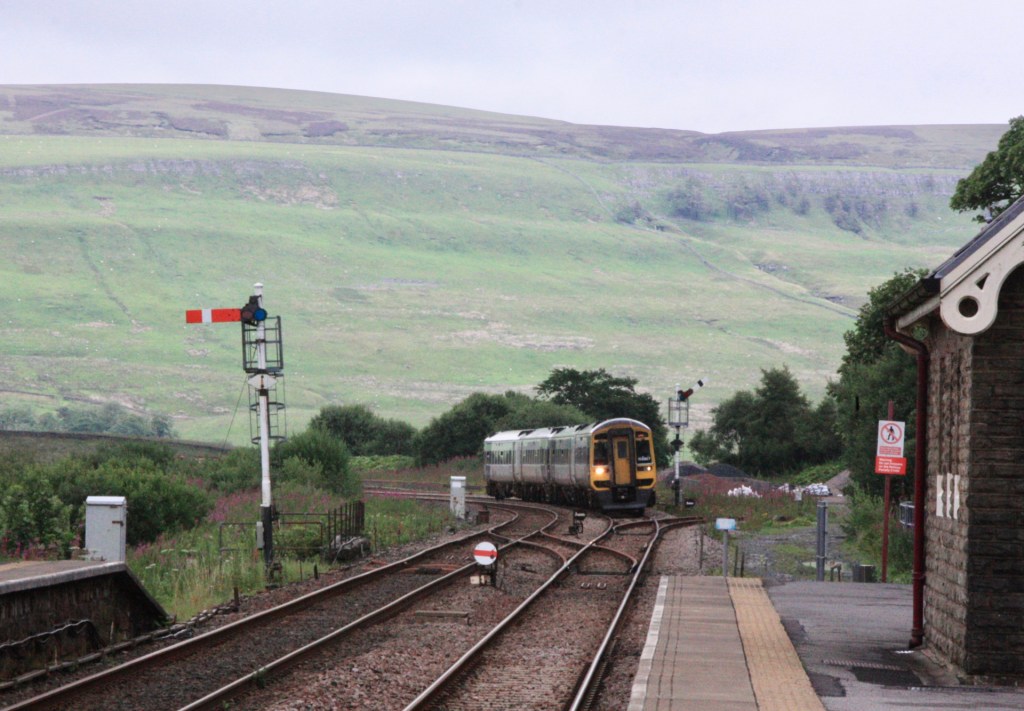
That accident was caused because the signalman had forgotten about the light engines before clearing the line for the express, at a time when track circuiting, which would have prevented such a tragedy, had not been fully adopted by the Midland Railway. Following a Board of Trade report into the accident, track circuiting was installed here and right across the company’s network.
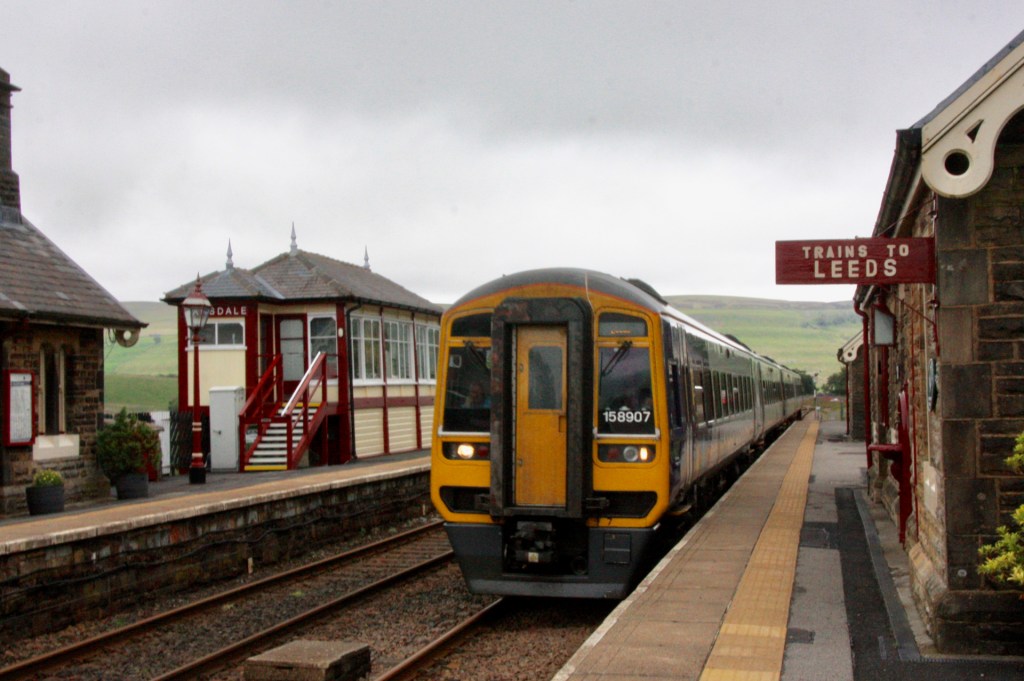
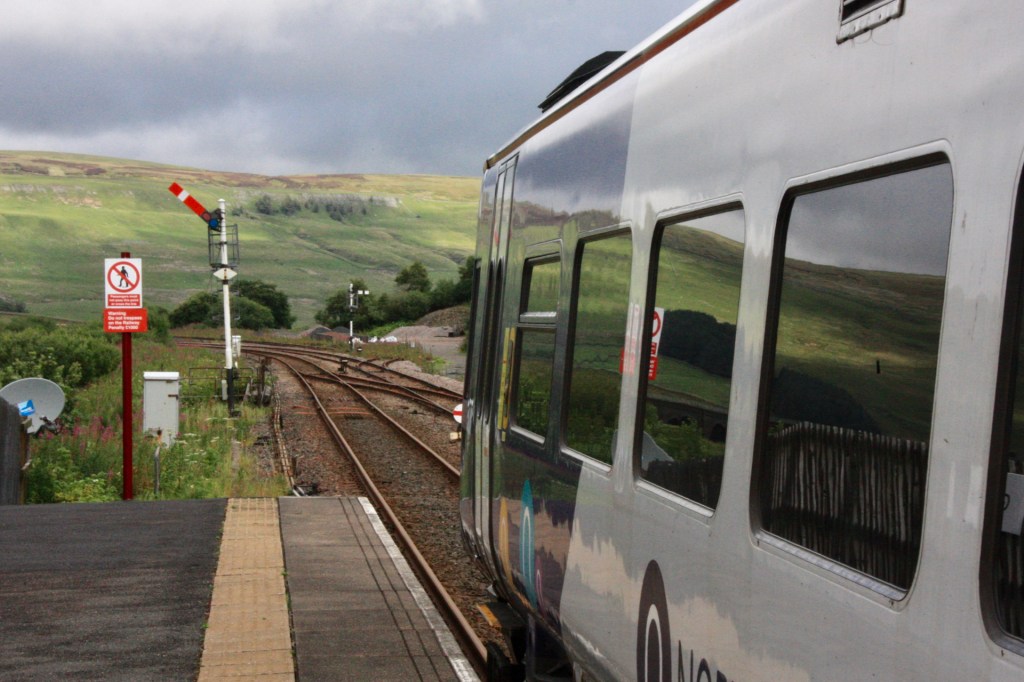
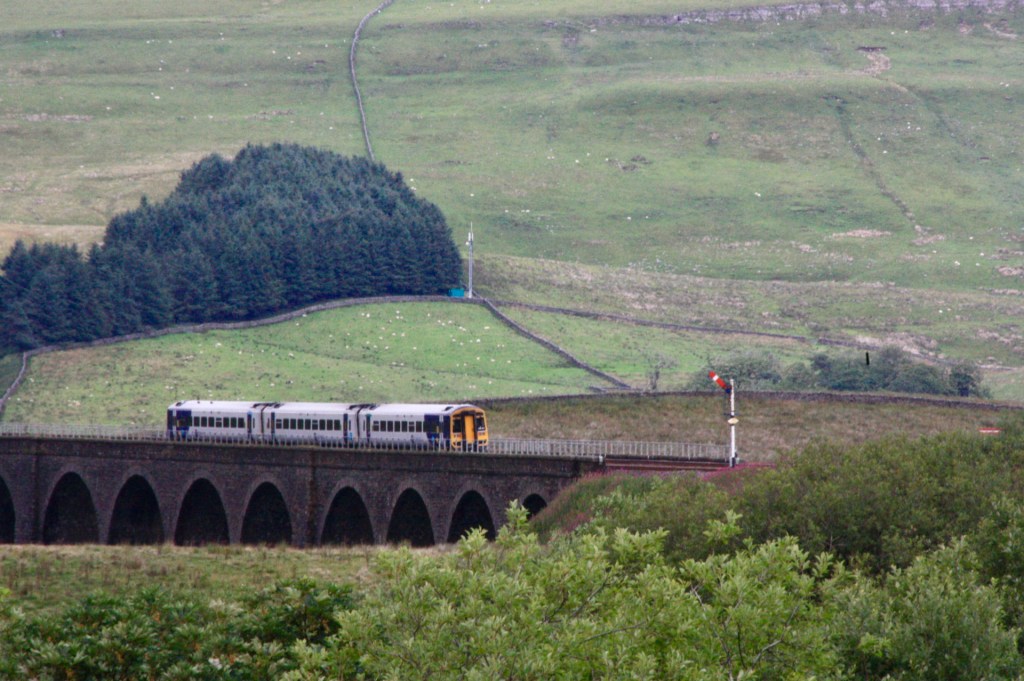
Today, the signal box at Garsdale has four semaphores under its control. Looking north from the up (southbound) station platform you will see a down starter and further out the up home, with a down section signal just visible as the line sweeps around to the left an on to Dandry Mire Viaduct. Looking south, again around a left hand bend, an up section signal stands 300 yards away.
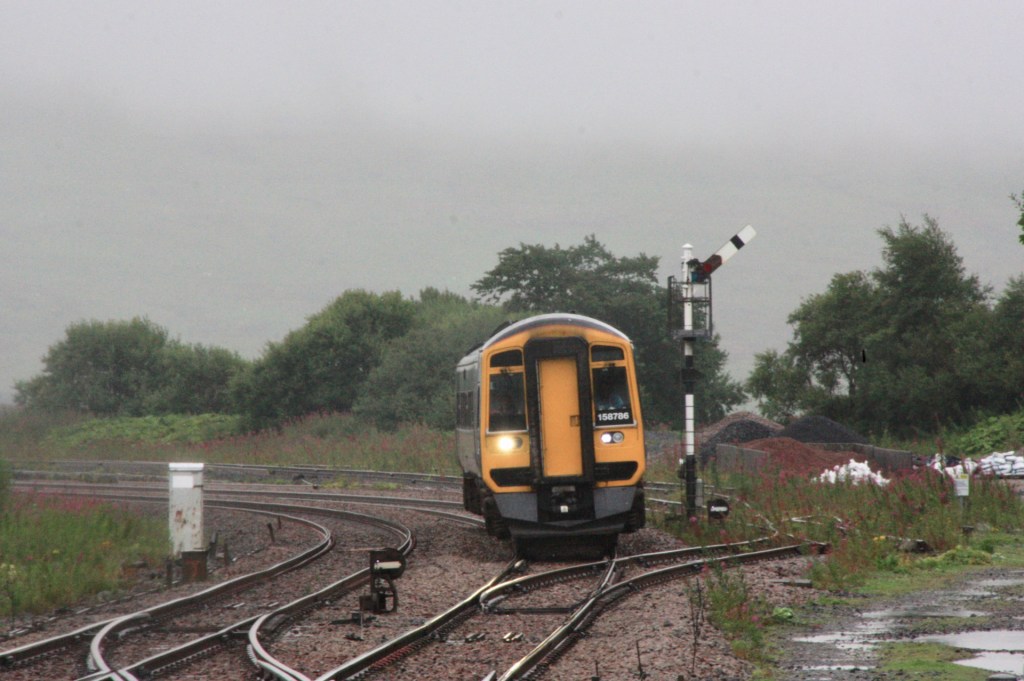
Weekday passenger services at Garsdale are probably the best they have ever been, and currently comprise eight northbound and eight southbound calls on Mondays to Fridays, with five trains calling in each direction on Sundays. Services are 2/3/4 coaches in length and all formed of Class 158 units.
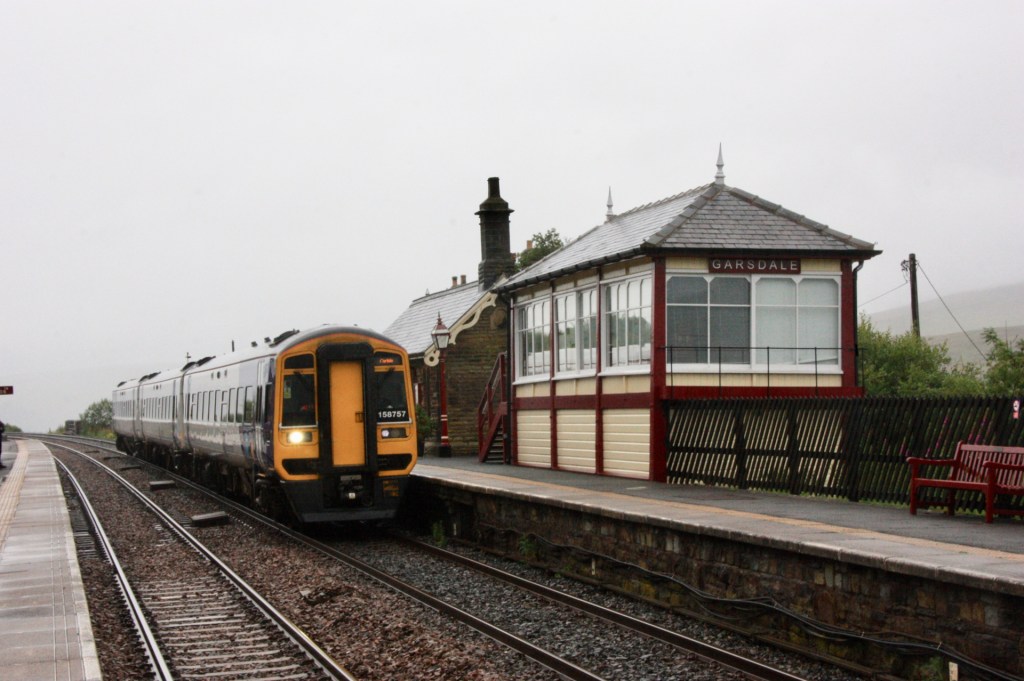
Apart from scenes on the station platforms, with a good view of Dandry Mire Viaduct from the north end of platform 2, I also hoped to get to a bridge over the line just south of the up section signal, but was defeated by the quagmire conditions of a footpath leading to it.
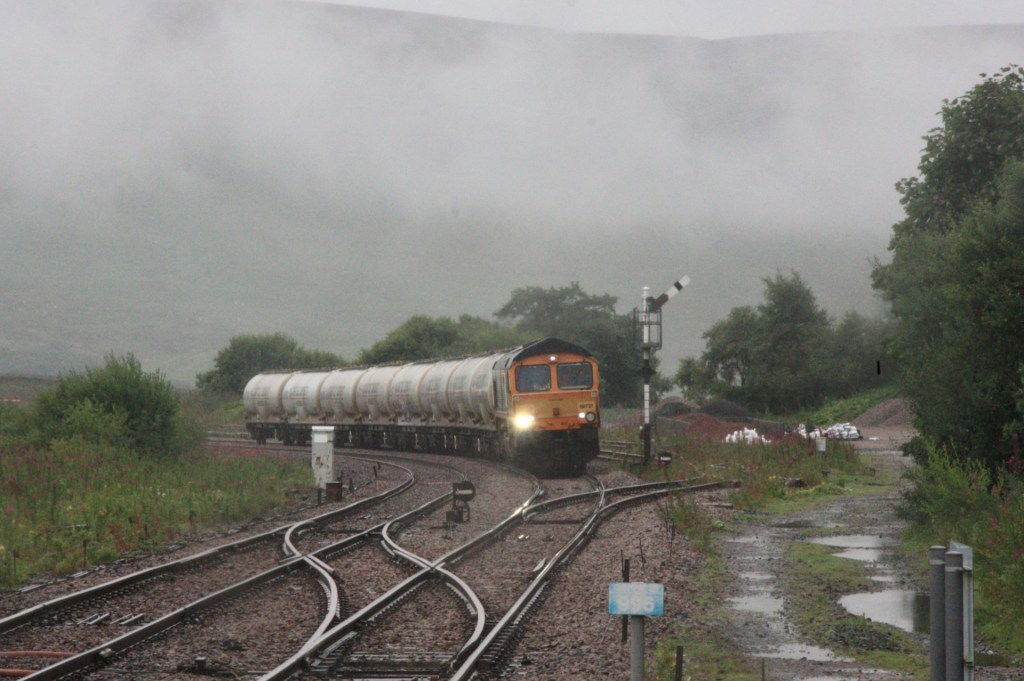
Besides its attractiveness as a railway photographic location, there are a couple of other features worth noting at Garsdale. Firstly, there is the precious chance of seeing a red squirrel scampering along the platform or around the station area, as there is a sanctuary for these endangered rodents close to the station.
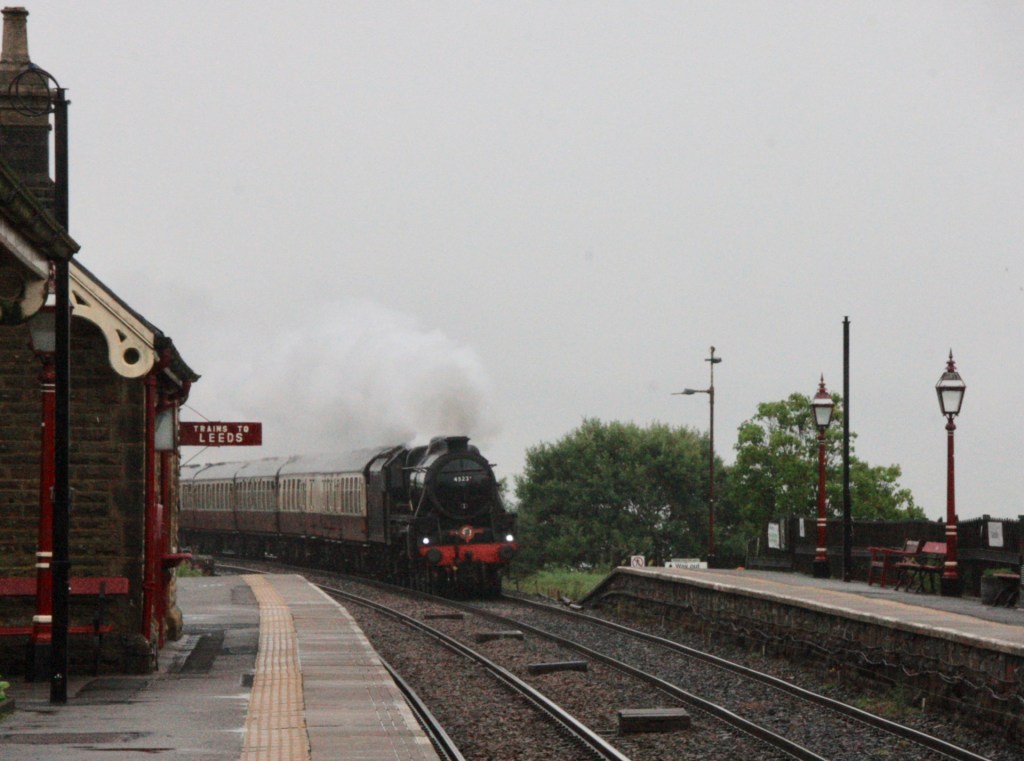
Secondly is a bronze statue on the up platform of a dog named Ruswarp, who famously featured in the remarakable 1980s campaign to prevent closure of the S&C. Ruswarp was a Border Collie belonging to a leading light in the anti-closure campaign, Graham Nuttall, and signed the anti-closure petiion with a paw print.
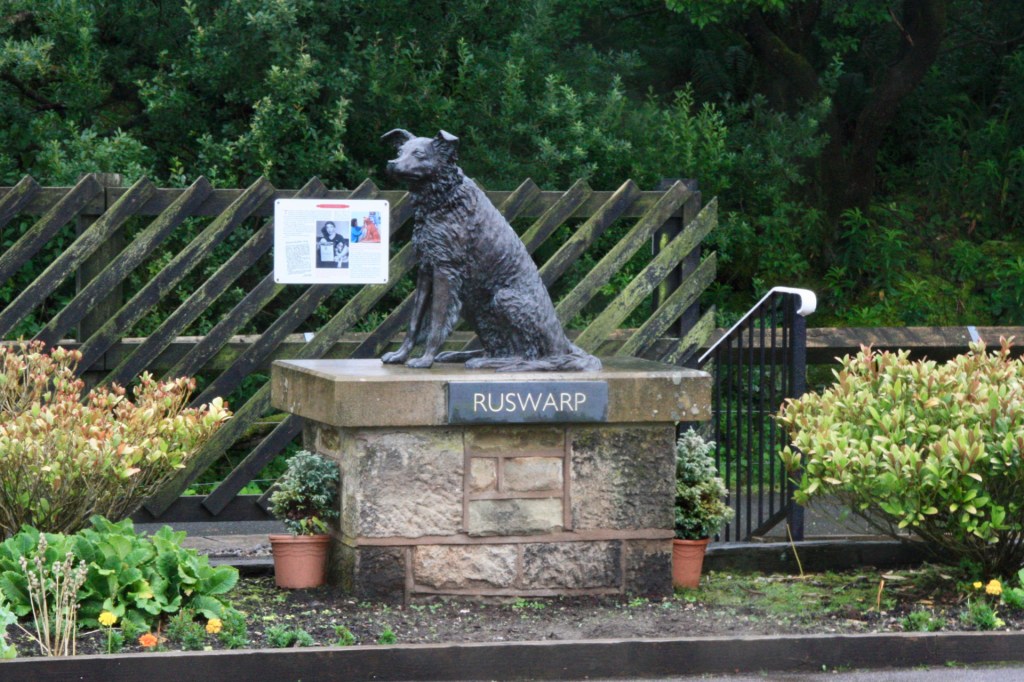
Nuttall disappeared while walking in the Welsh Mountains with Ruswarp on 20 January 1990 and his body was not discovered until 7 April, after Ruswarp had been standing by his master’s body for 11 weeks. Ruswarp died shortly after his master’s funeral and his statue was unveiled on 11 April 2009, to mark the 20th anniversary of the line being saved from closure.
 RailwayWorld.net
You must be logged in to post a comment.