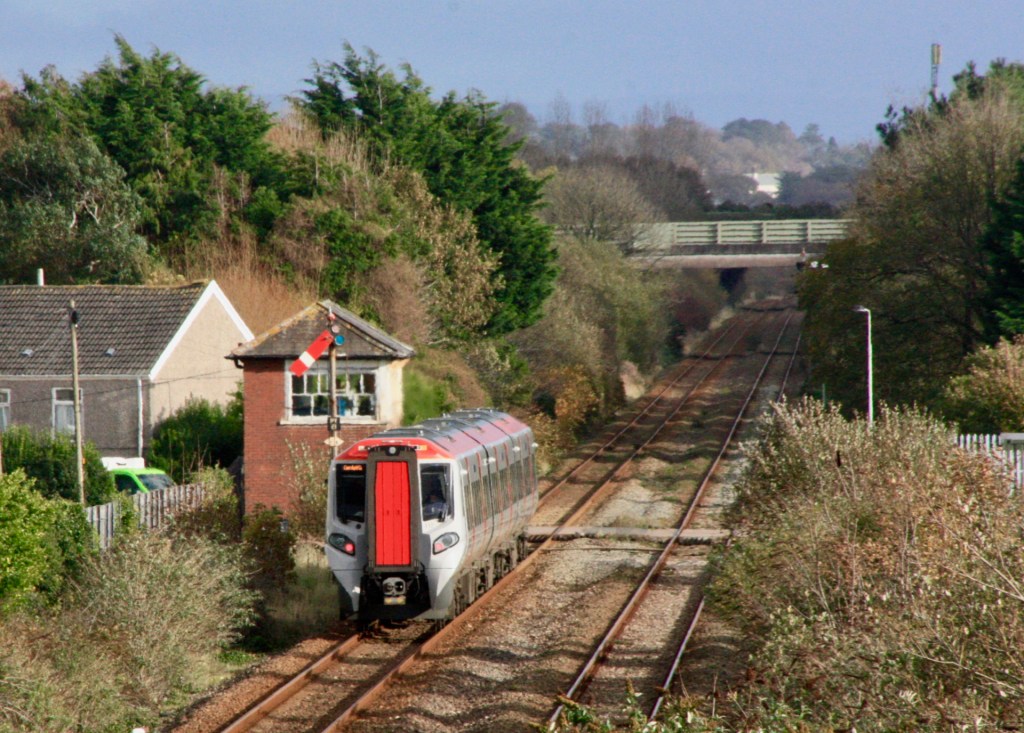
Re-signalling work is continuing apace in Cornwall and set for completion in late February 2024, when boxes at Truro and Par will close, but the same cannot be said for a similar project in West Wales, if the picture at Pembrey & Burry Port on 7 November 2023 is anything to go by.
Paying a first return to Burry Port since my last visit in February 2023 there was plenty to see in terms of new rolling stock, but precious little evidence that the signal box and semaphores would be replaced by early 2024, as a Ferryside signaller had suggested to me when I visited there three months ago.
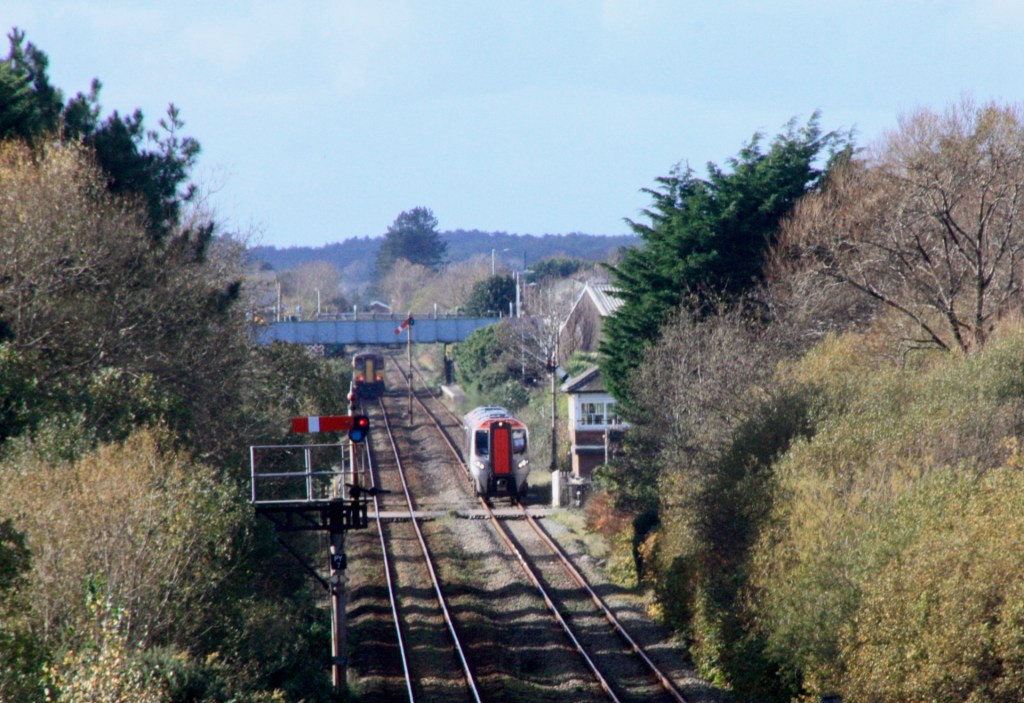
While CAF Class 197 units have now taken over services between Carmarthen, Cardiff and Manchester from the Class 175 units, which ended their time with TfW in mid-October 2023, I could see no sign of any work taking place to replace the five semaphores or upgrade the crossing controlled by Pembrey Signal Box.
If it is any guide to what is or is not happening, a paragraph in the latest issue of Rail magazine says a long-awaited new £6.6m station at St Clears – between Carmarthen and Whitland – is unlikely to go ahead because what is known as the Port Talbot West 2 (PTW2) Project is costing ‘much more than expected’.
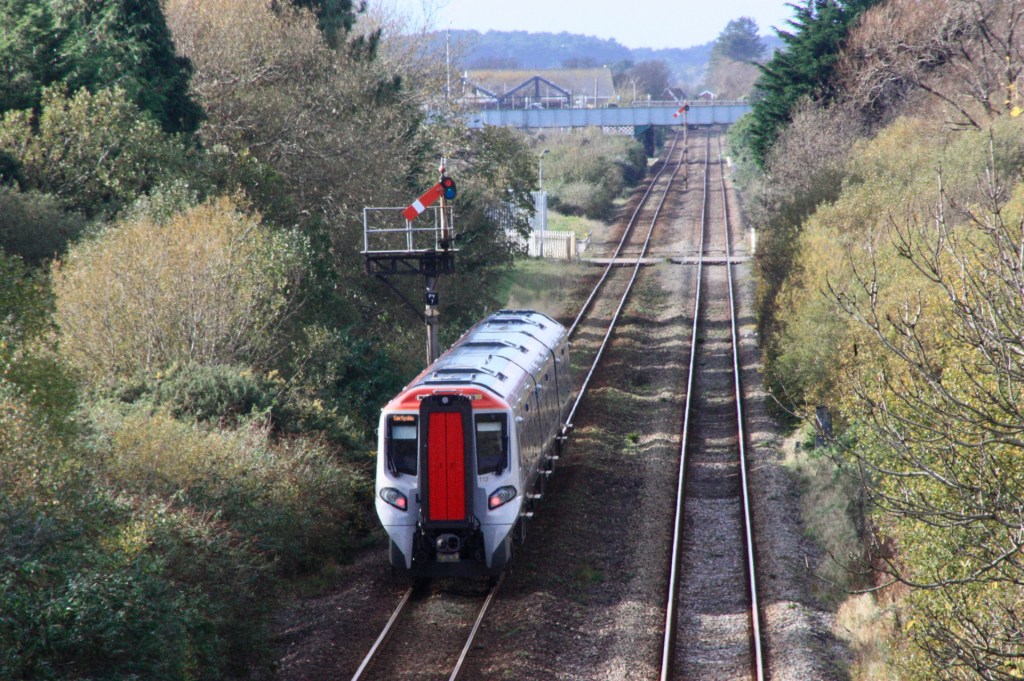
Network Rail’s PTW2 Project will eventually see control of the route from Swansea West Loop (215m 14ch) to Whitland (250m 0ch) pass to the Wales Railway Operating Centre (ROC) at Cardiff, with closure of signal boxes at Pembrey, Kidwelly, Ferryside and Carmarthen Junction.
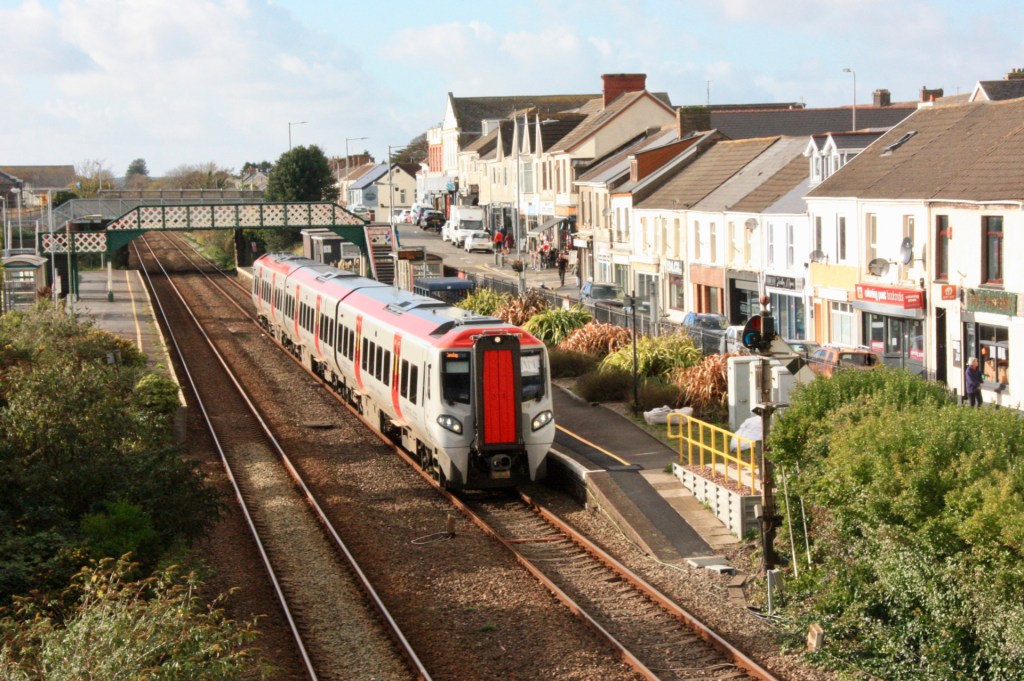
Writing after my February 2023 visit, the expectation was for re-signalling to be completed this autumn (2023), with losses of the semaphores at both Pembrey and Ferryside, and I wondered then whether the Class 197 units would be in service before the mechanical signalling was consigned to history.
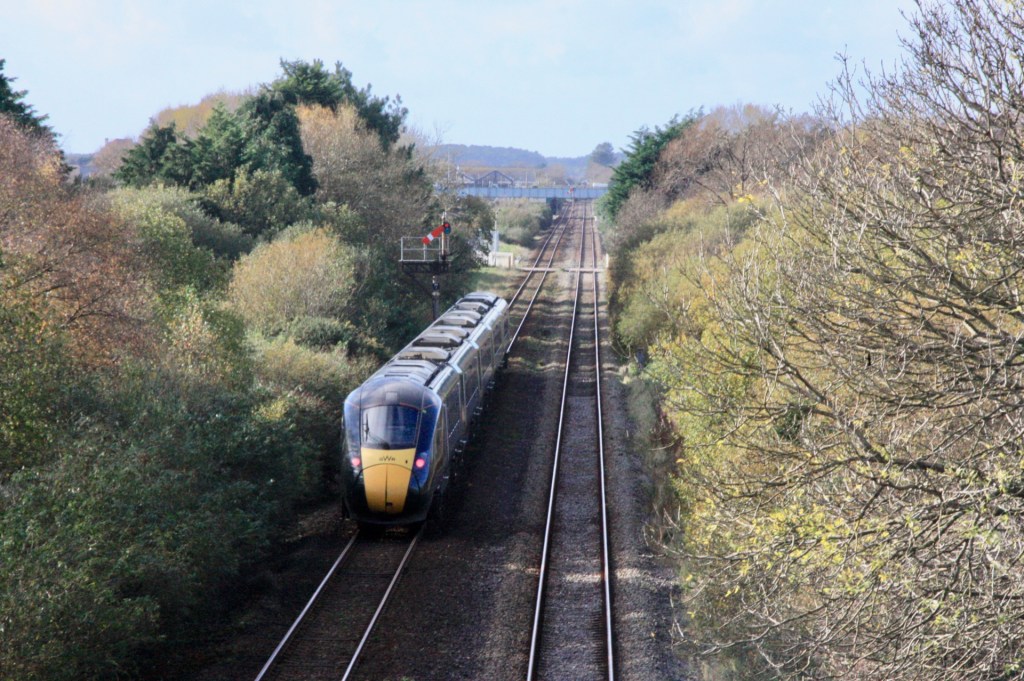
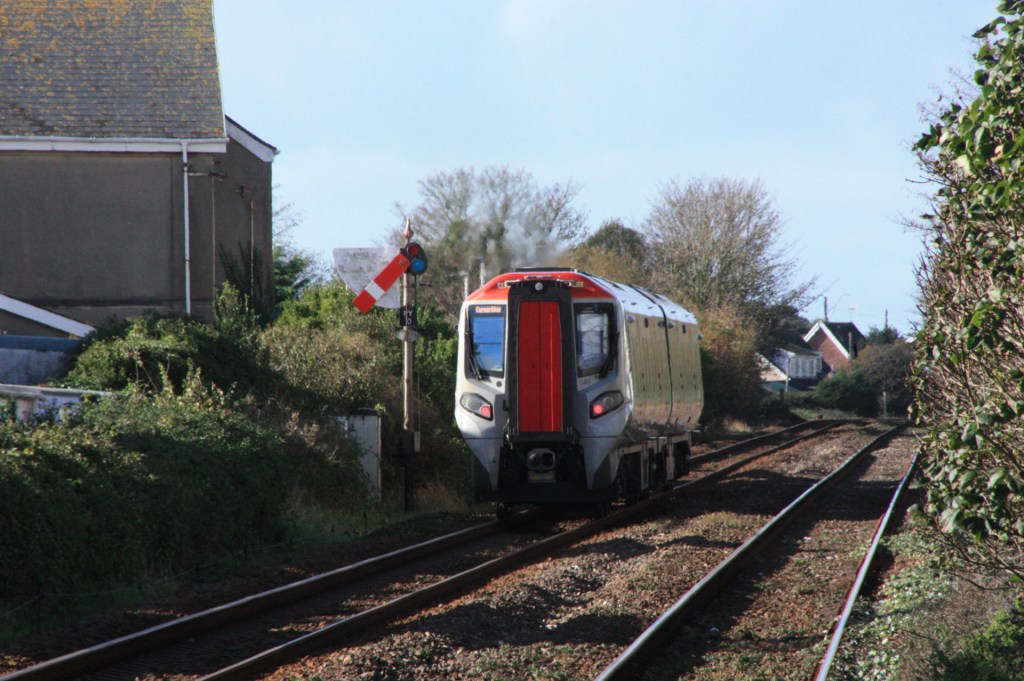
But, as I was able to see on a fine and sunny autumn day, the semaphores remain and Class 197 units have taken over services between Carmarthen, Cardiff and Manchester Piccadilly, leaving the older Class 150/153 units for now on workings between Swansea and Pembroke Dock and those between Cardiff Central and Fishguard Harbour.
It marks a major change from the past two decades, when the mainstay of longer distance services in North and South Wales were the 27 Alstom Class 175 units, which had proved popular with passengers, but suffered a number of technical issues (fires!). Many were parked in Landore depot as I passed by, pending their return to Angel Trains and potential re-use with other operators.
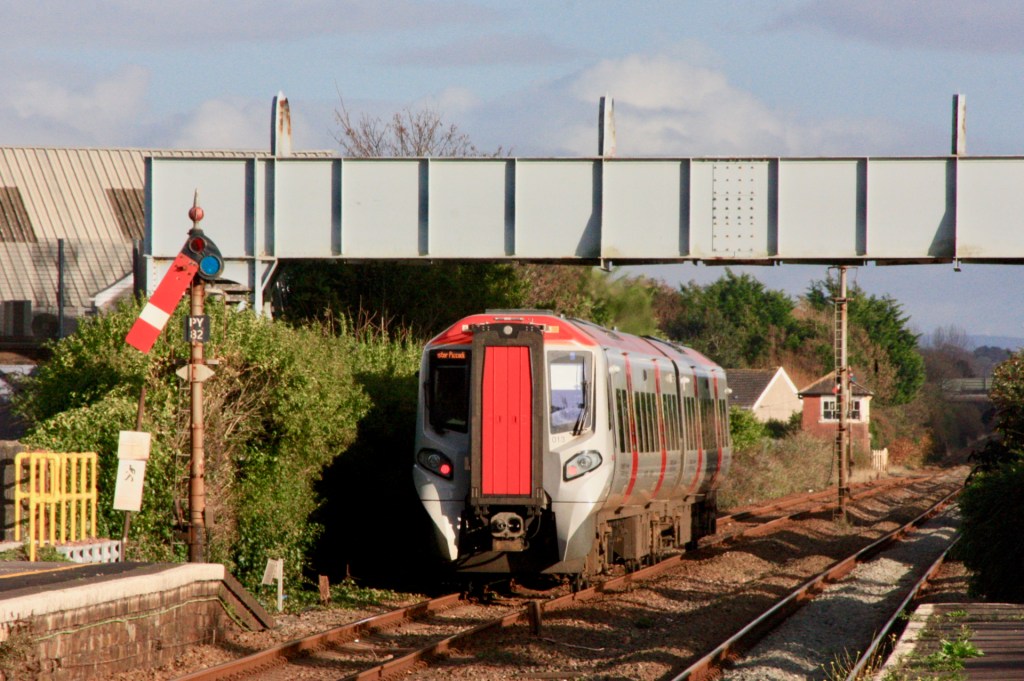
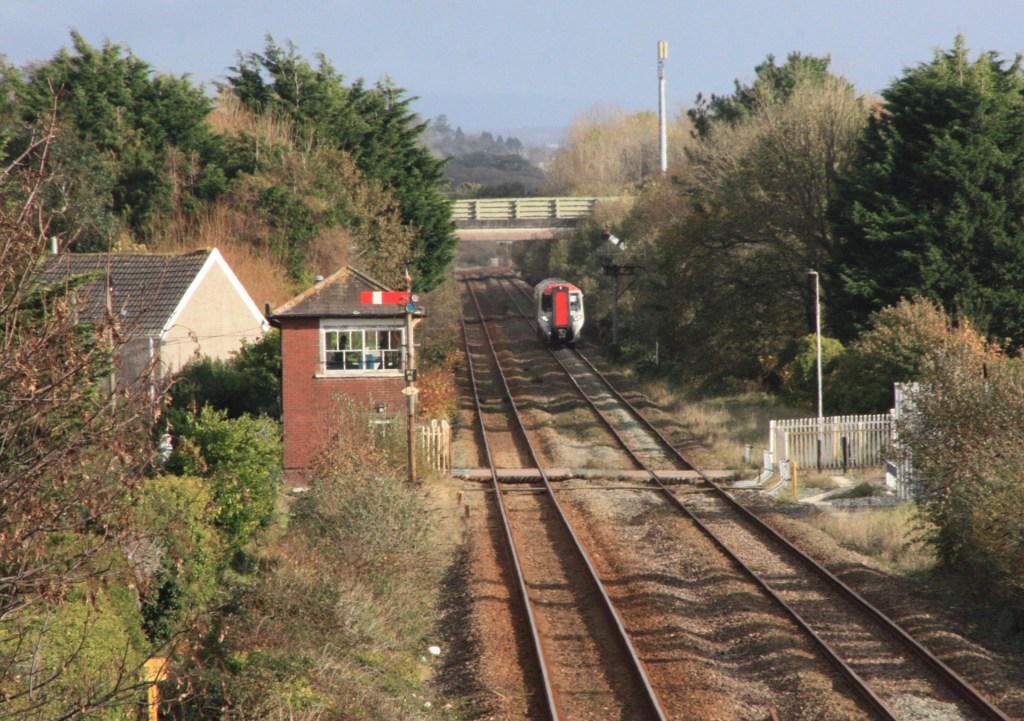
The five semaphores remaining at Pembrey & Burry Port are controlled from what was once called Pembrey East Signal Box, a large Great Western Railway Type 7 box dating from 1907 with an 83-lever frame. Its also controls a level crossing some distance east of the station and is a fine example of its type though, unlike Ferryside, is sadly not a listed building.
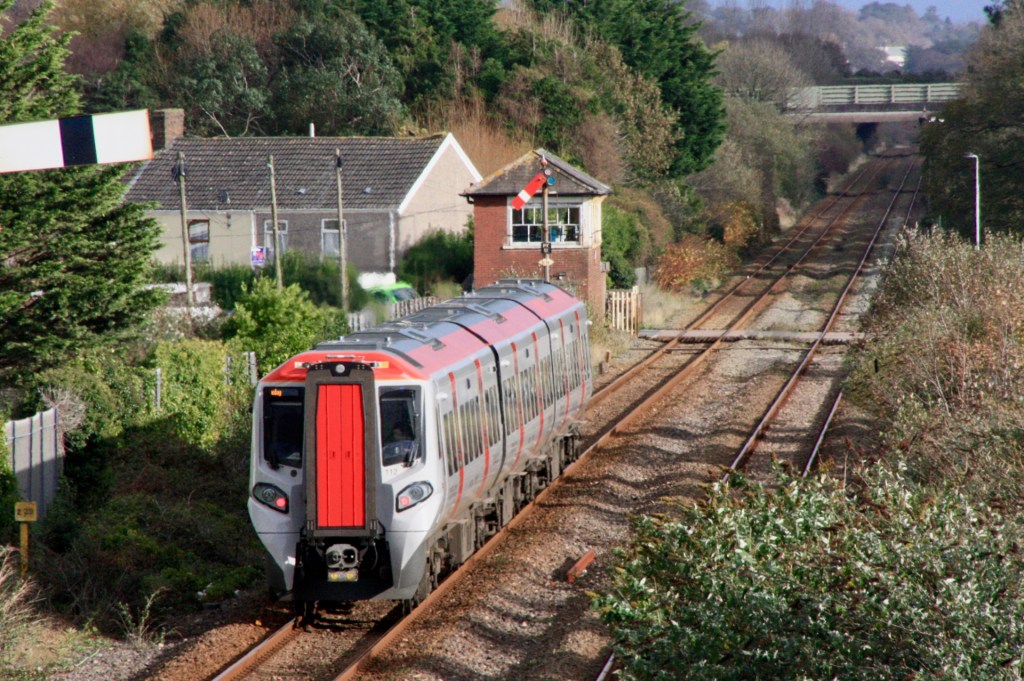
Pembrey’s five semaphores are up outer home PY82 at the end of platform 1 and an up inner home PY81 close to the signal box and protecting the level crossing. In the down direction, home signal PY7 is on a bracket east of the level crossing, starter PY9 stands between the two running lines and section signal PY10 around 200 yards west of the station.
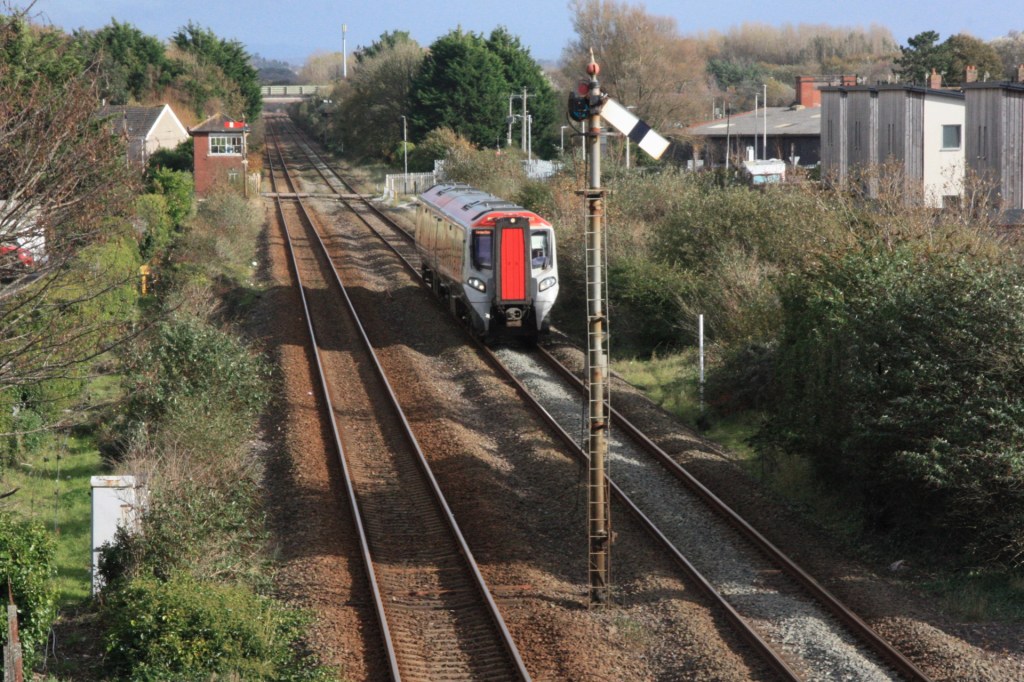
Besides the platform ends there are two great vantage points for photographing trains and semaphores at Pembrey. One is a footbridge just east of the station, while the other requires a brisk 15 minute walk south of the railway and along the B4311 town by-pass to an over-bridge called New Road Tunnel, some way east of the station and box.
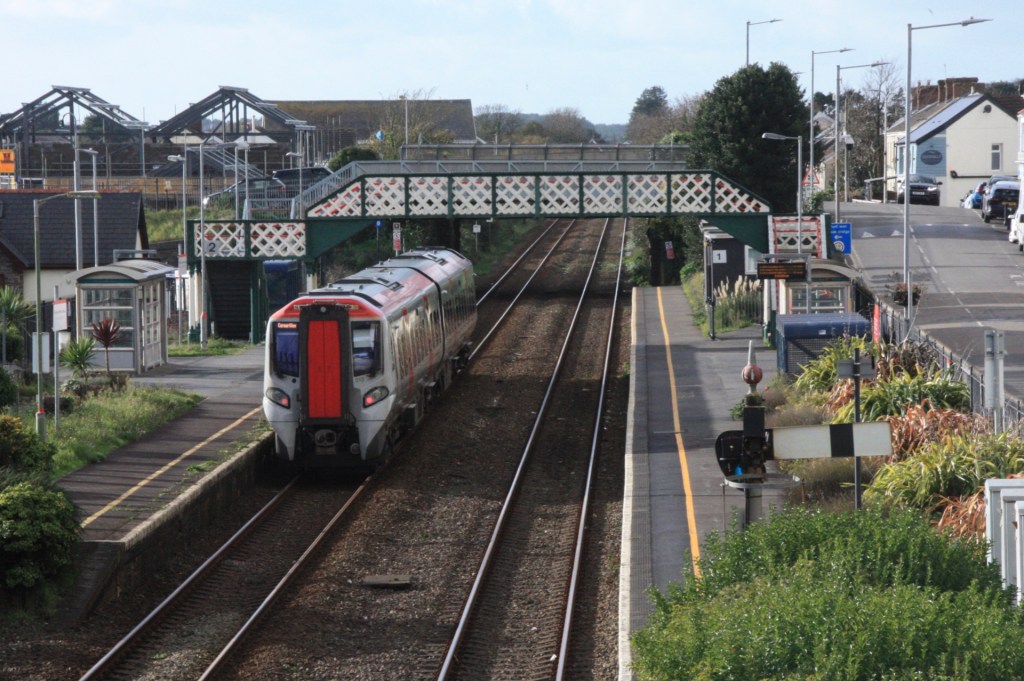
The route from Swansea to Carmarthen is a scenic gem, with some fine coastal views and, for now at least, Burry Port remains a great place to spend a few hours witnessing our changing railway scene. At times of worry about a cost of living crisis it is good to discover that a fine pint of Felinfoel Brewery’s Double Dragon is still just £2.50 in the Portobello Inn, across the road from the station.
 RailwayWorld.net
You must be logged in to post a comment.