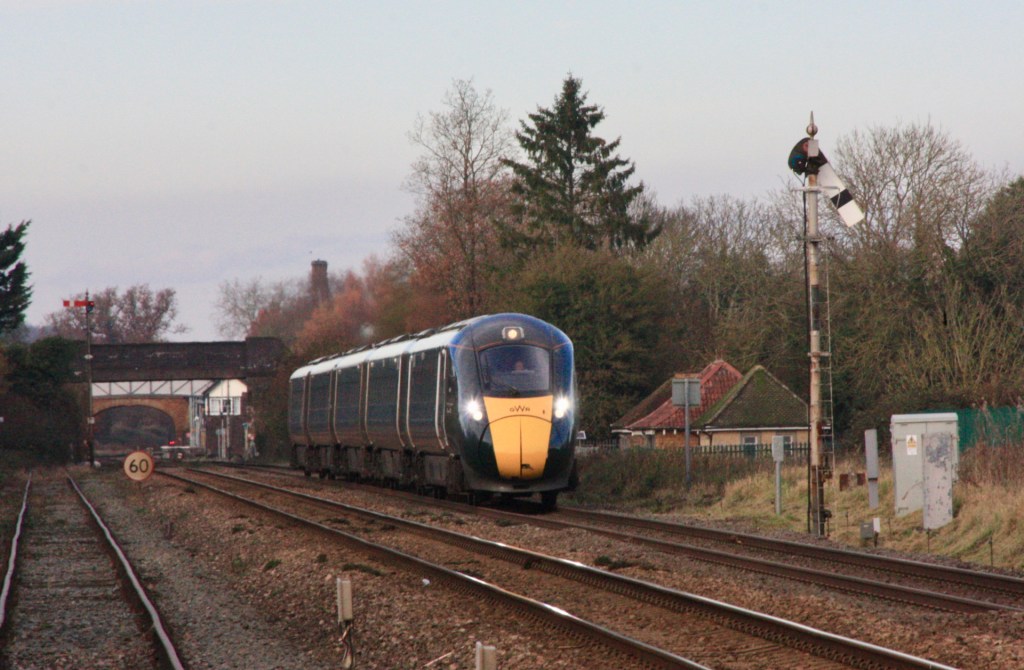
MORETON-IN-MARSH is a charming Cotswold town that is particularly popular with visitors from the Far East and boasts a remarkably unspoiled railway station and a signal box which can claim to work the closest semaphore signals a train will pass on any journey to or from London Paddington.
Standing at milepost 91¾ Moreton-in-Marsh is a good deal closer to Paddington than either Liskeard (243½ miles) or Pembrey & Burry Port (208 miles) and is a remarkable survivor from the 2011 Cotswold Line re-doubling project, when double track was reinstated from Evesham to Charlbury.
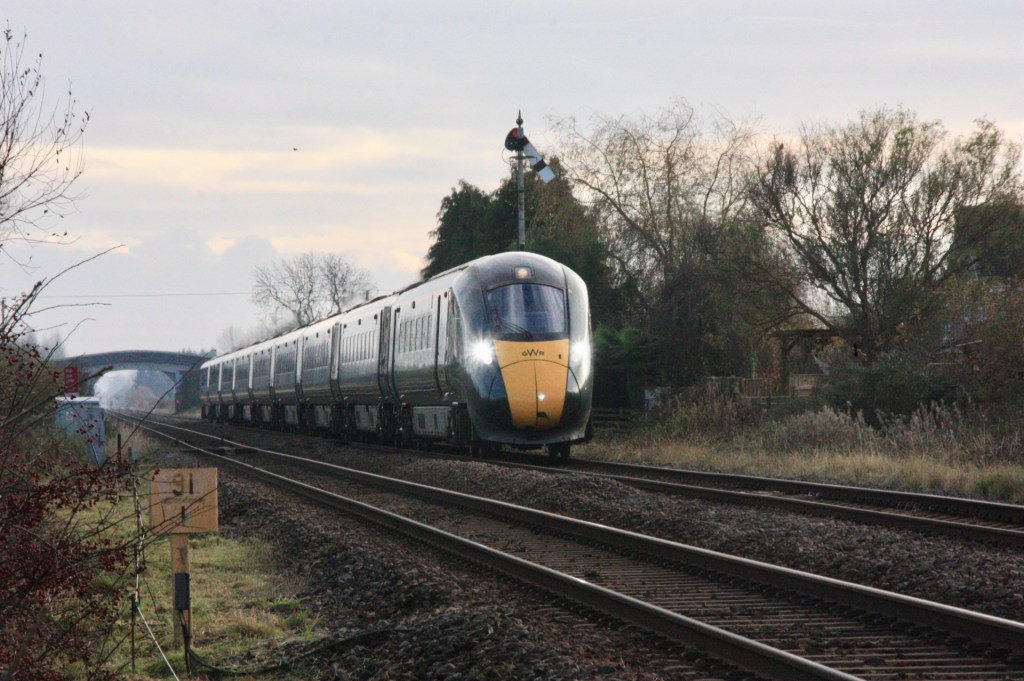
While semaphores were lost at both Evesham and Ascott-under-Wychwood, where signal boxes still survive, there was a need to cut costs on the £67m project, so the Moreton-in-Marsh semaphores were left, and the station even gained a new up starting signal.
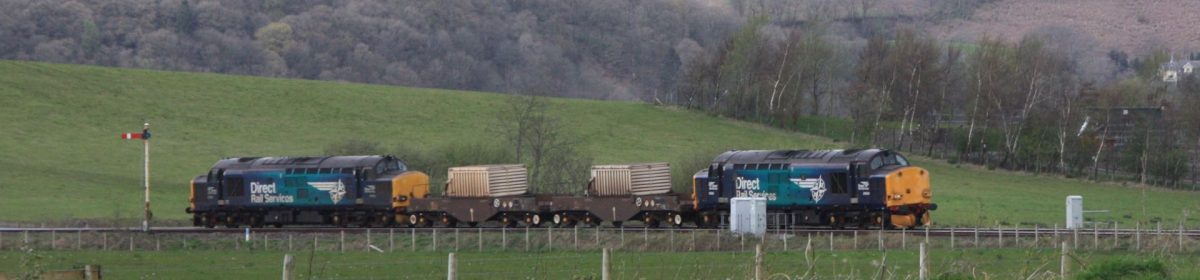
Making an overdue return visit on 29 November 2023, I had been hoping to photograph a rare loco-hauled working passing the semaphores, but delays due to a major signalling issue at Wolvercote Junction near Oxford meant train 6U41 from Worcester to Reading was diverted away from the Cotswold Line.
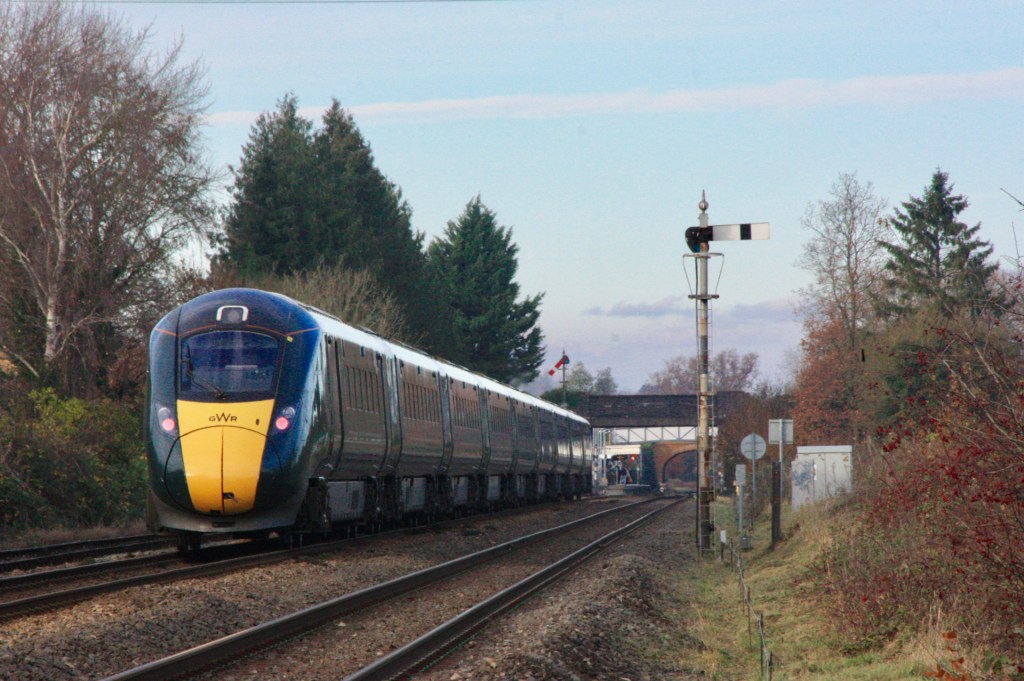
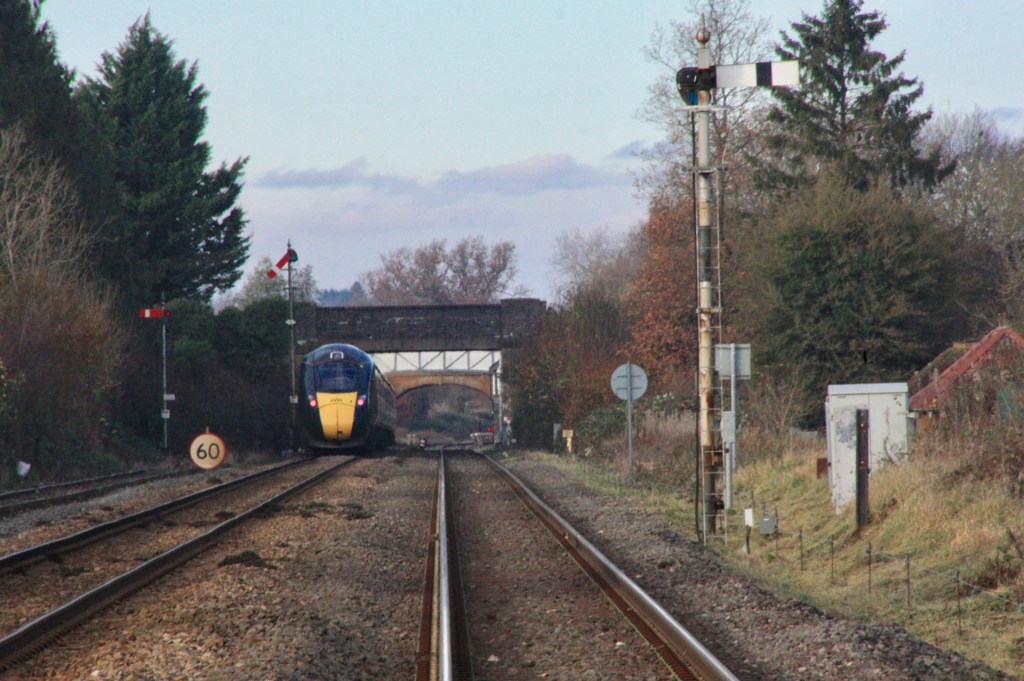
That just left the usual diet of five and nine-car Class 80x IET units to photograph passing the semaphores on their hourly workings between Paddington and Worcester, some of which normally continue on to Great Malvern or Hereford.
But at times of serious disruption, as occurred on 29 November, services west of Worcester are subject to short notice cancellation, with at least one working even being stopped at Worcester Shrub Hill when it was less that a mile short of Worcester Foregate Street, its booked city centre destination.
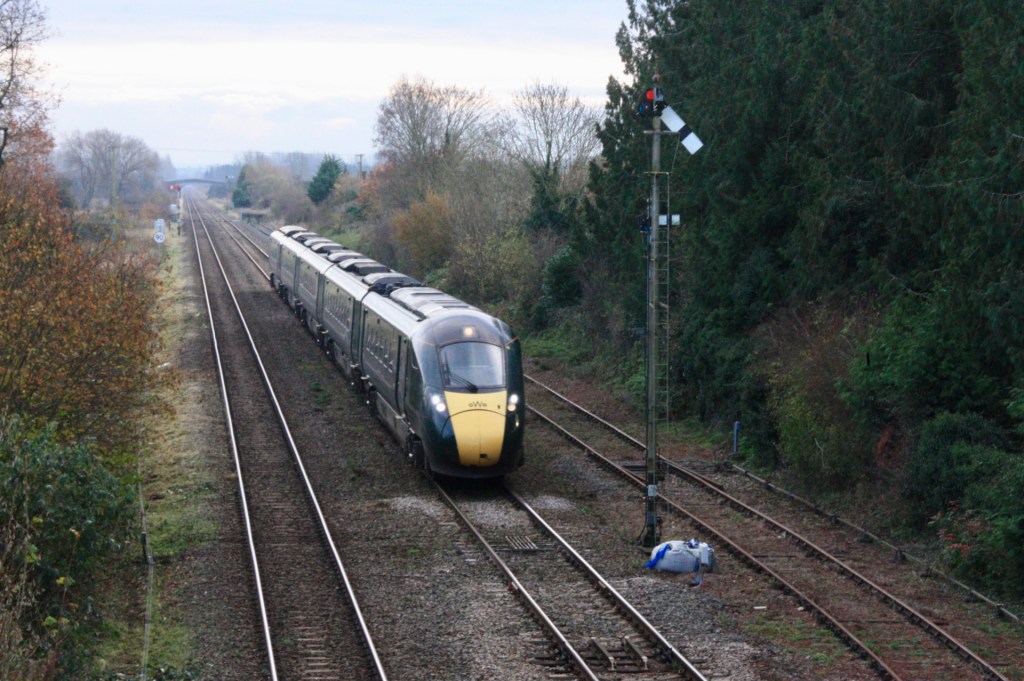
For those unfamiliar with the station, there are two great vantage points for photography, from the London Road (A44) over-bridge south of the station and from a foot crossing half a mile south of the station and close to down (westbound) outer home signal MM2.
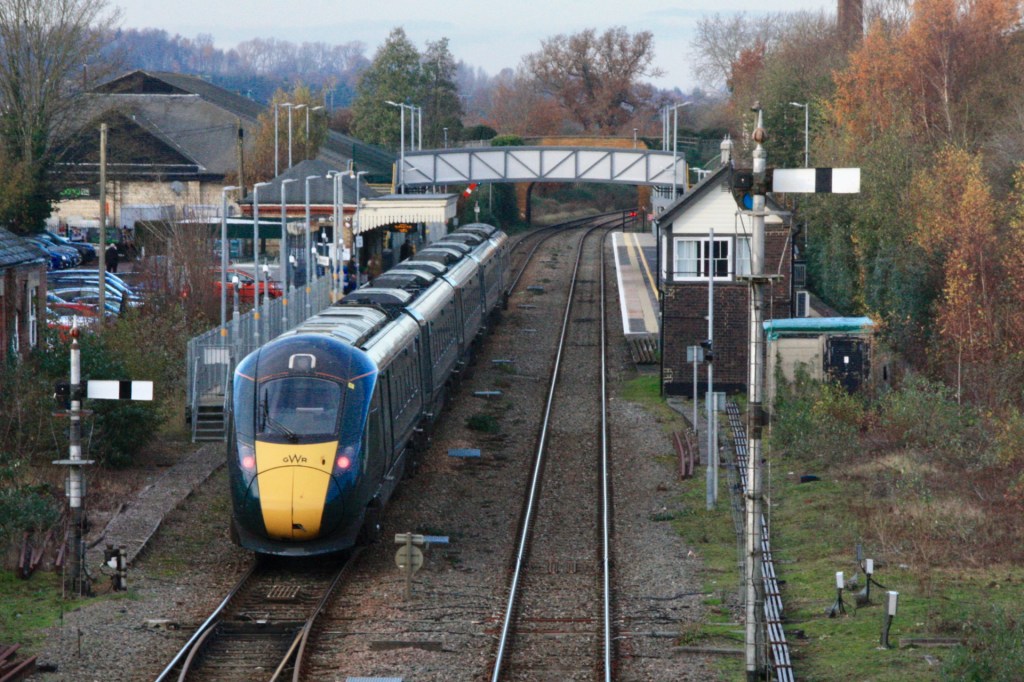
The 1883-vintage signal box at Moreton-in-Marsh controls a total of seven semaphores from its 40 lever frame. Southernmost of these is MM2, with the two other down signals being tall inner home MM3, south of London Road bridge, and starting signal MM5 just beyond the end of the down platform.
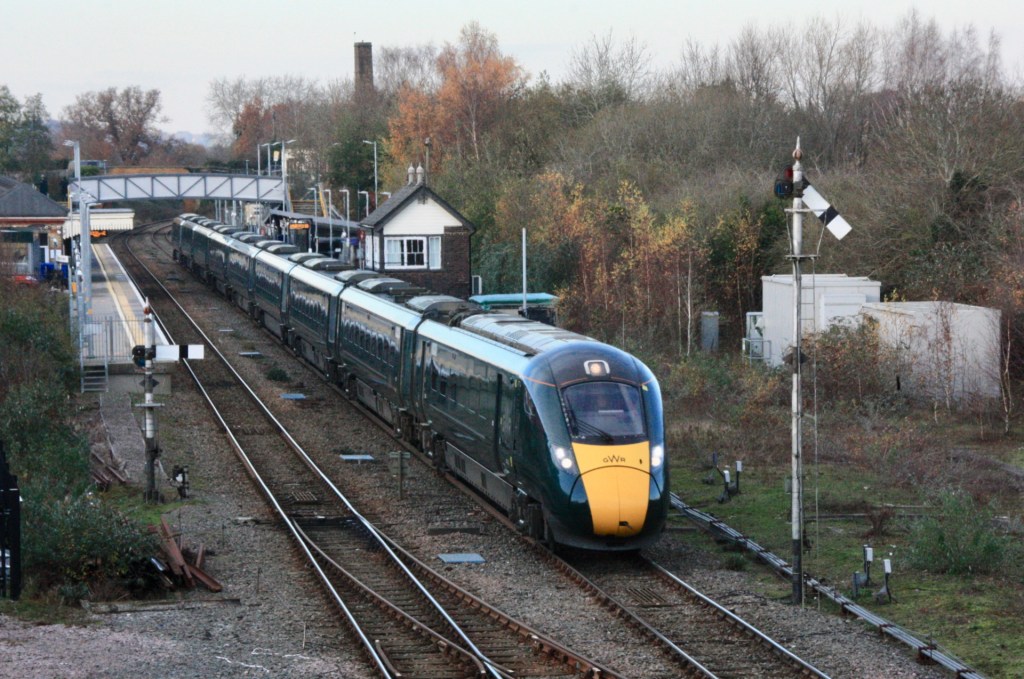
Semaphores in the up direction comprise starter MM37 and section signal MM36, the southernmost up signal, that can be photographed from both the road bridge and the foot crossing. The two other semaphore arms are MM10 controlling exit from a refuge siding on the down side of the line and the short newest signal MM27, which allows up trains to depart from down platform 1.
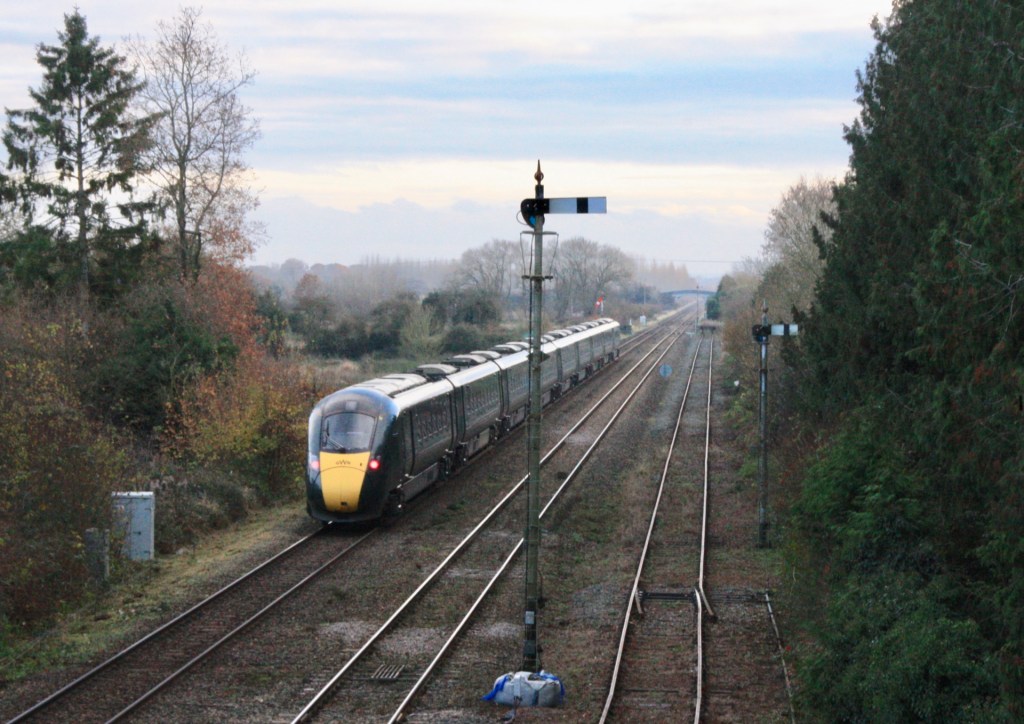
Before anyone challenges my assertion that the semaphores at Moreton-in-Marsh are closest to Paddington, I am working on the basis of regular passenger services, so although those at Greenford East are obviously far closer, there are no passenger services passing its semaphores, and only sporadic freight trains.
As I have written before, Moreton-in-Marsh is a delightful place to visit and to begin exploring the Cotswolds. For anyone who does so, I can highly recommend a pint of Donnington brewery BB (3.6%/£3.60) at the Black Bear pub in the main street, just a couple of minutes’ walk from the railway station.
 RailwayWorld.net
You must be logged in to post a comment.