 PARLIAMENTARY TRAINS are a fascinating feature of the Northern rail network, so having previously sampled the operator’s sparse workings to Chathill, Brigg, Heysham Port, Helsby-Ellesmere Port and Stalybridge-Stockport it was time to finally complete the set with a trip on the 16½-mile route between Goole and Knottingley.
While service frequencies have generally been increased on lines across the country over the past few years, that is certainly not the case for this eastern extension of the Pontefract Line from Leeds and Wakefield beyond Knottingley, which sees far more freight workings to and from Drax Power Station than it does passenger services.
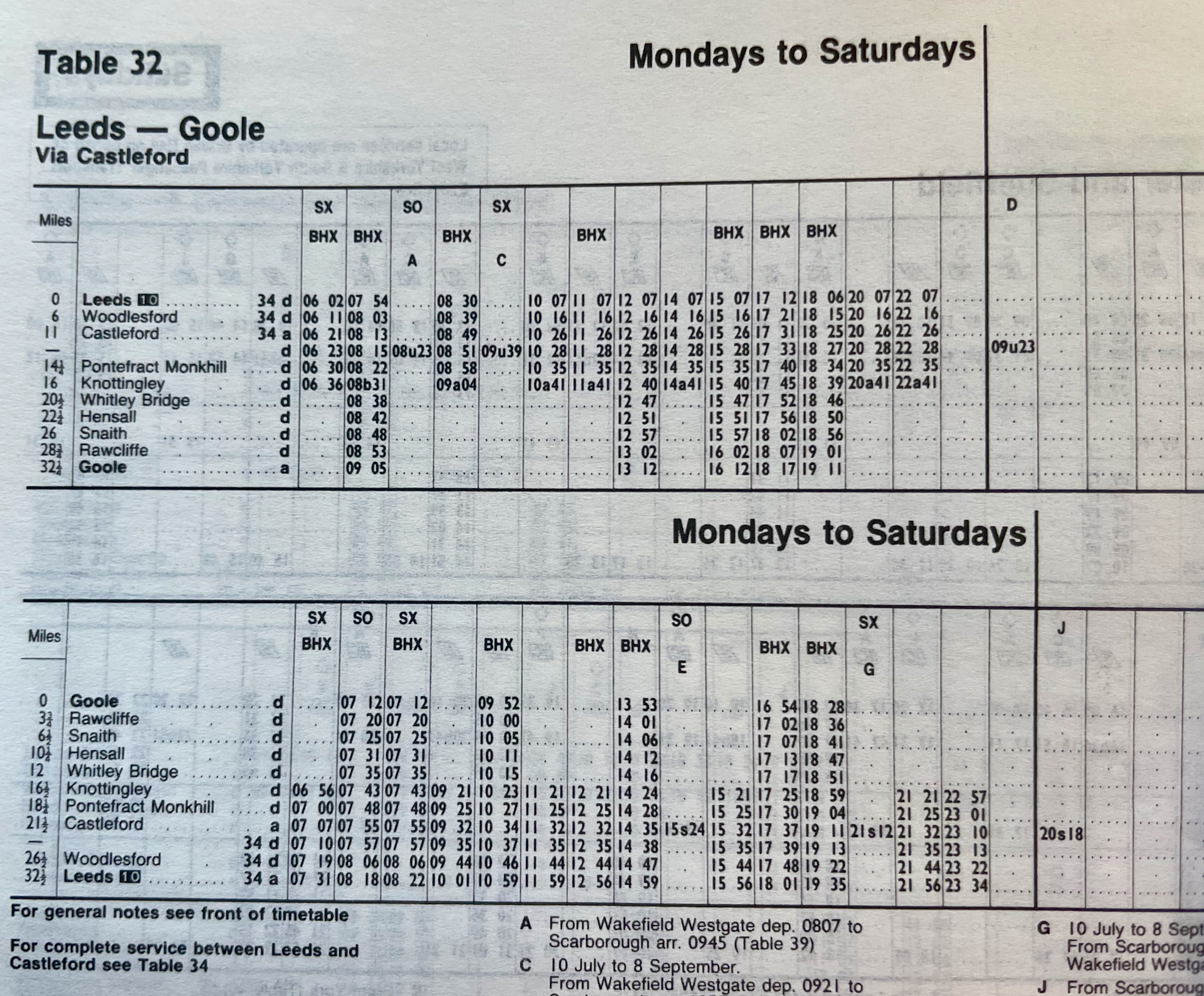 Looking back at some older iterations of Table 32, my British Rail timetable for 1989 shows a total of five round trips on Mondays to Saturdays. By 2000 that had fallen to two journeys from Leeds and three from Goole and a look in my 2008 BR timetable shows the same pathetic service as is offered today, with morning and evening services from Goole and just one evening departure from Leeds.
 Travellling from the south and eager to check out the scenery and passenger numbers, I decided to spend a night (23 May 2024) at the Premier Inn near Doncaster station, so that I could travel on the 07.42 ex-Goole the next day, after taking a trip that evening on the 17.58 from Leeds as far as what looked like the most interesting of the four intermediate stations.
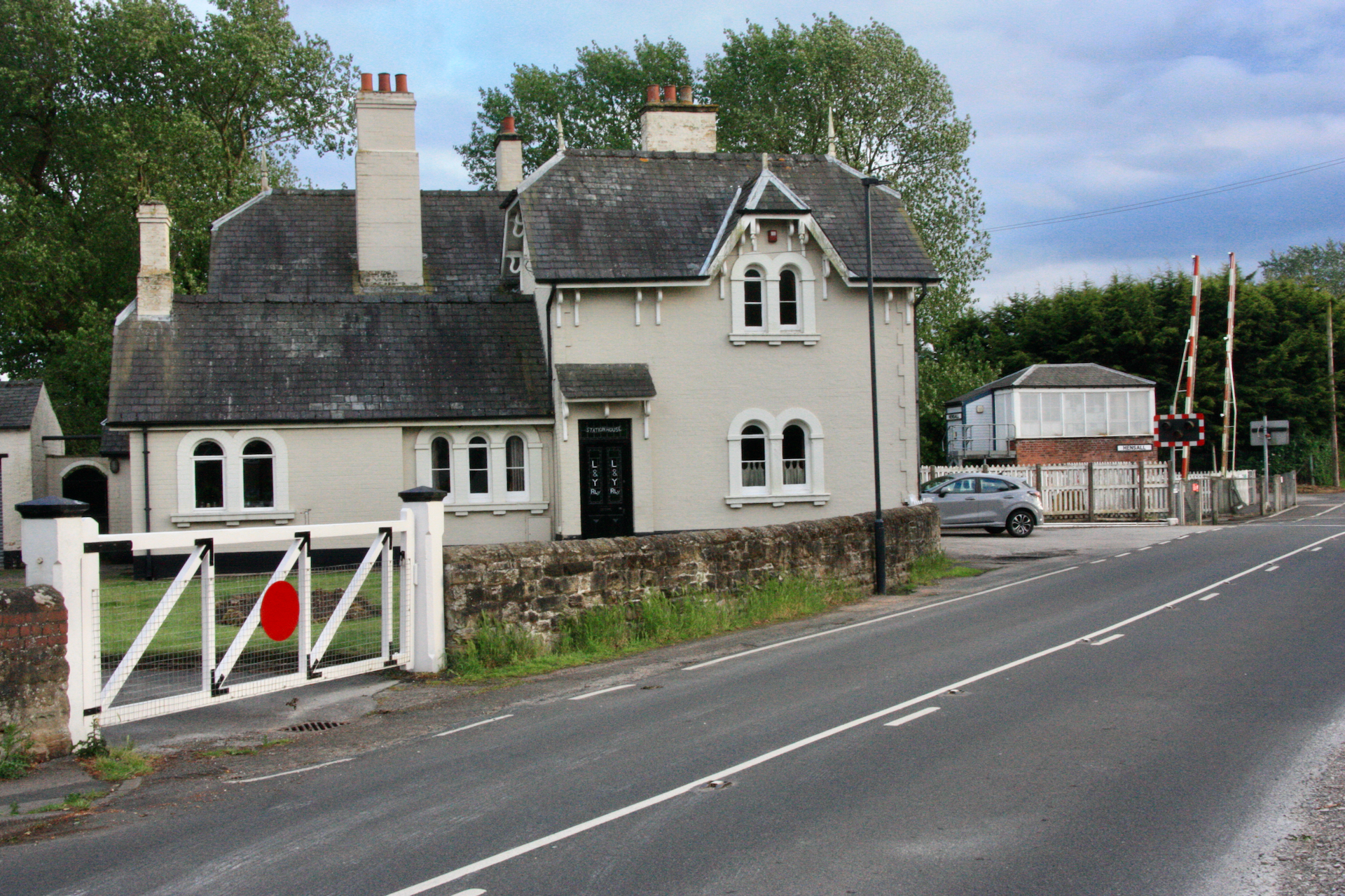
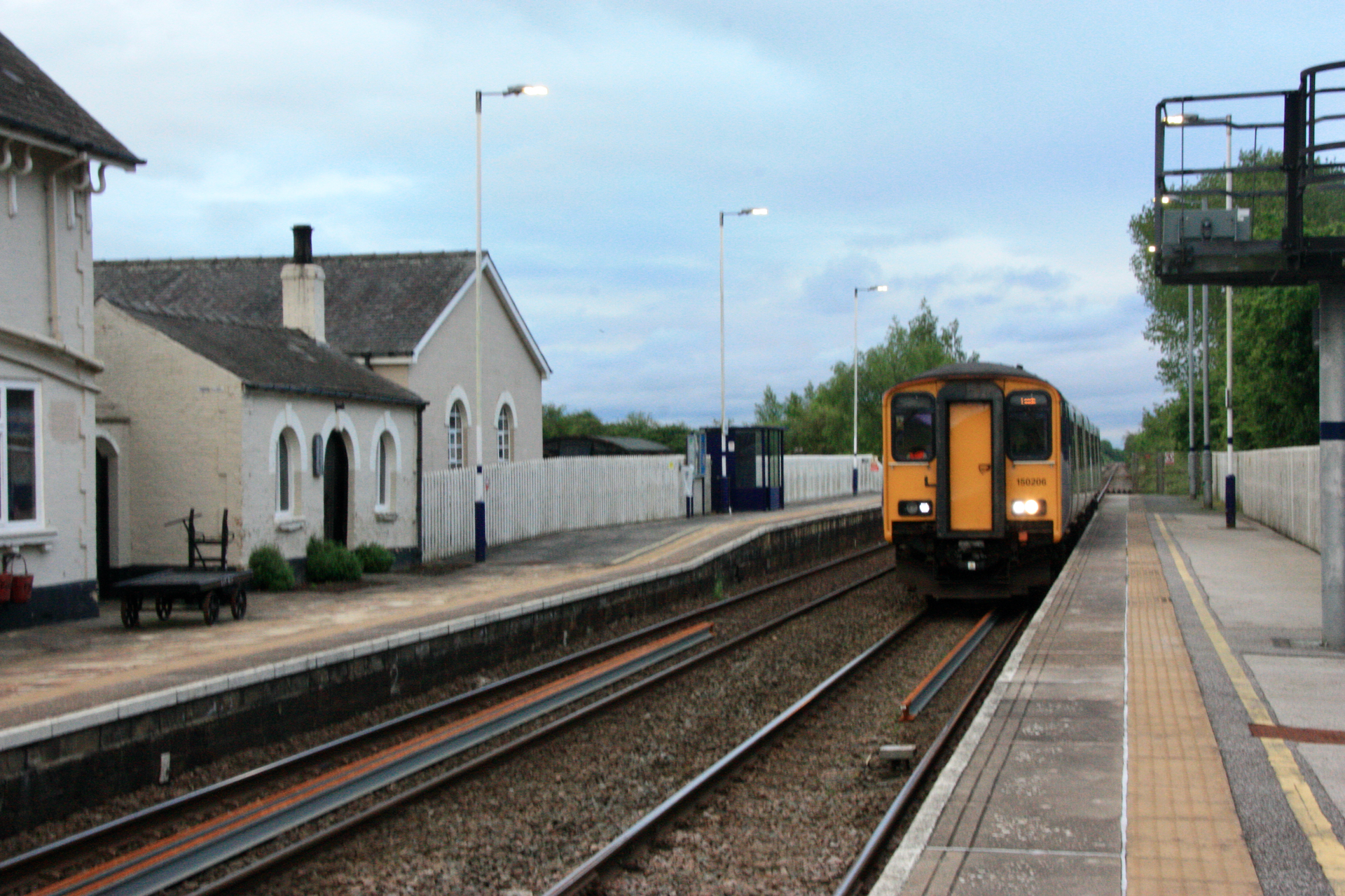
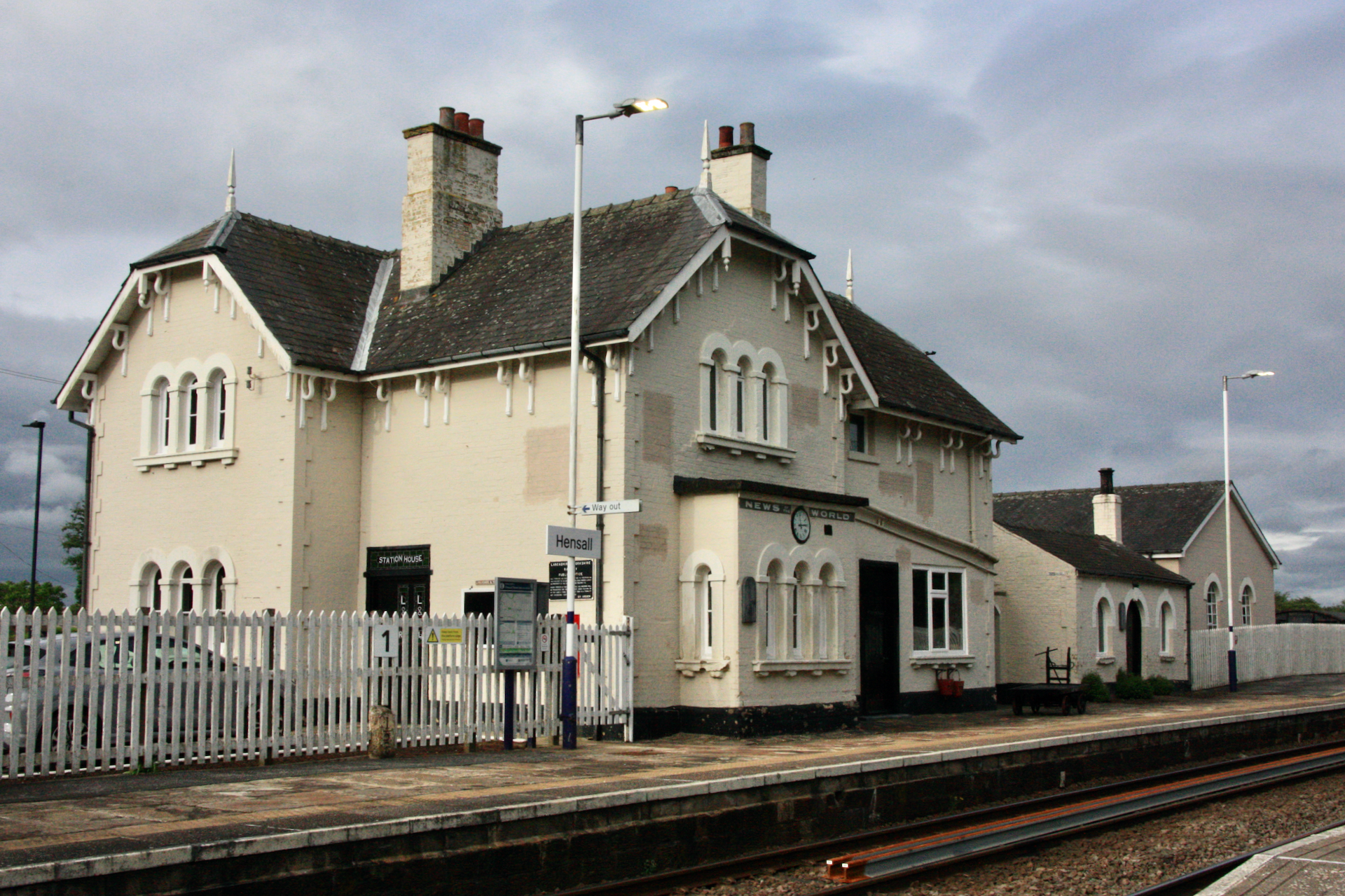
 Re-tracing a journey made by Michael Portillo in 2015 for the BBC Great British Railway Journeys series, I travelled to Hensall, the only station along the route to have both surviving station buildings and a disused, but listed, signal box, and close to the end of double track at Hensall Junction, where the route to Drax diverges from the line to Goole.
 The route’s daily evening service from Leeds reaches Hensall at 18.46, leaving just over an hour to appreciate the station’s architectural features and hopefully to see and photograph one of the numerous daily freight workings to and from Drax Power Station, before the return service to Leeds at 20.03.
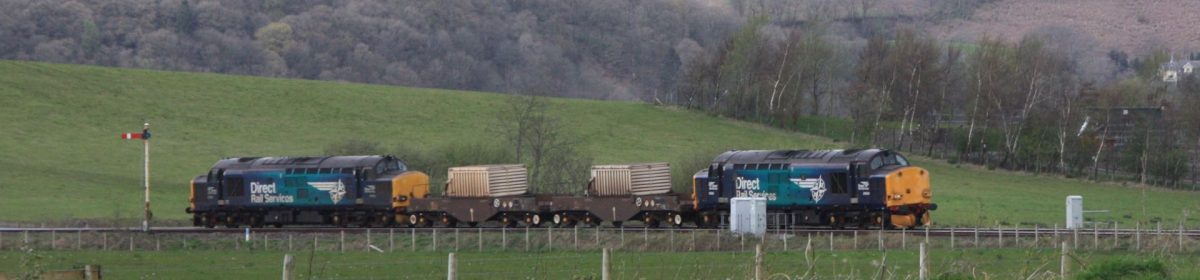
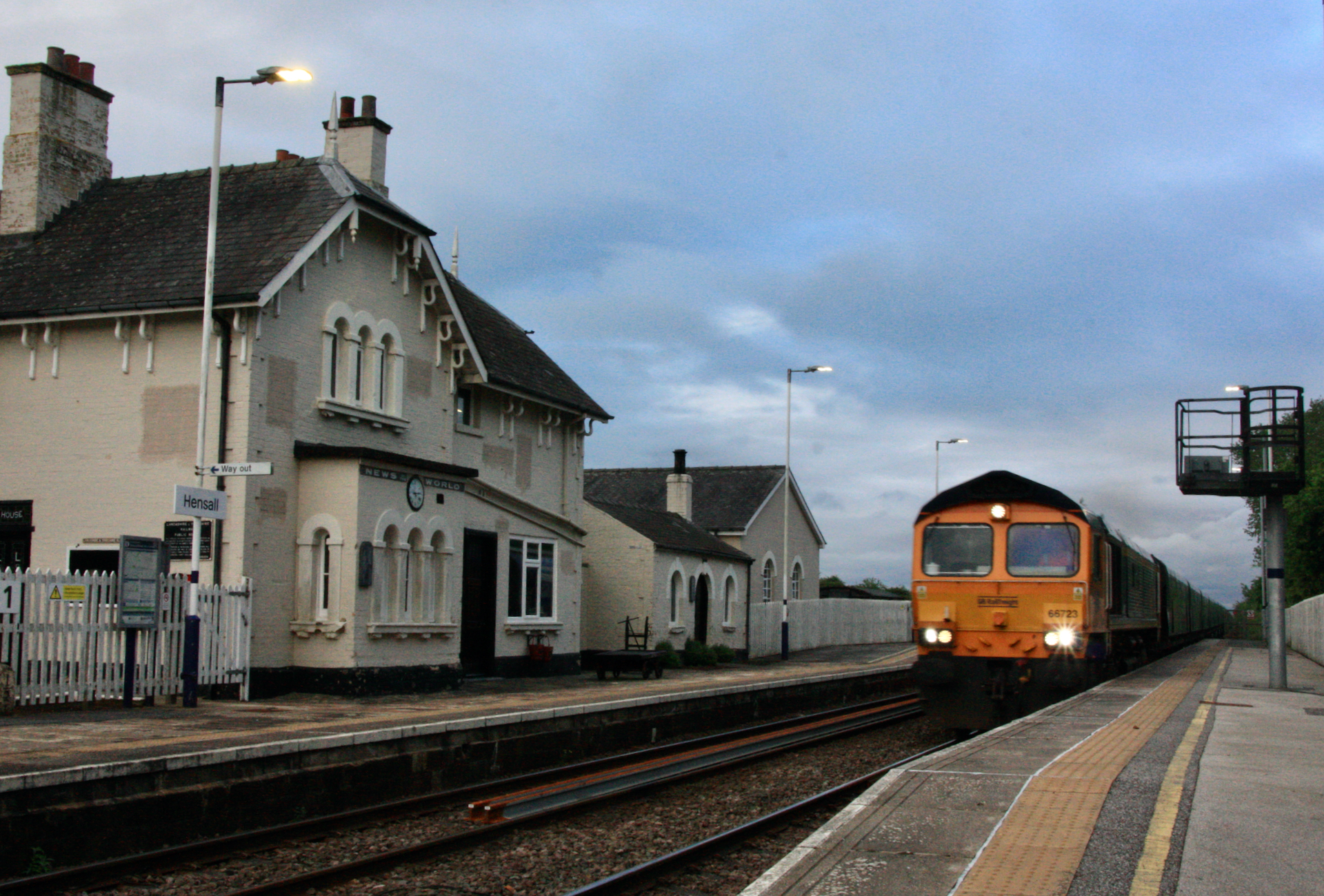 In one of the the UK’s most absurd environmental decisions Drax Power Station was converted from coal-firing to being powered by wood pellets (biomass), which are shipped half way across the world, then hauled by diesel-powered trains from Liverpool or Immingham to be burned at the power station, with between 30 and 40 freight movements each day to and from the plant.
 Besides being one of only two stations along the route to have any surviving buildings, Hensall has the dubious honour of being the least used of this quartet, with ORR figures for 2022/23 showing annual usage by just 376 passengers, or around seven per week. By contrast the next station towards Goole (Snaith) saw an almost respectable 1510 users (29 per week).
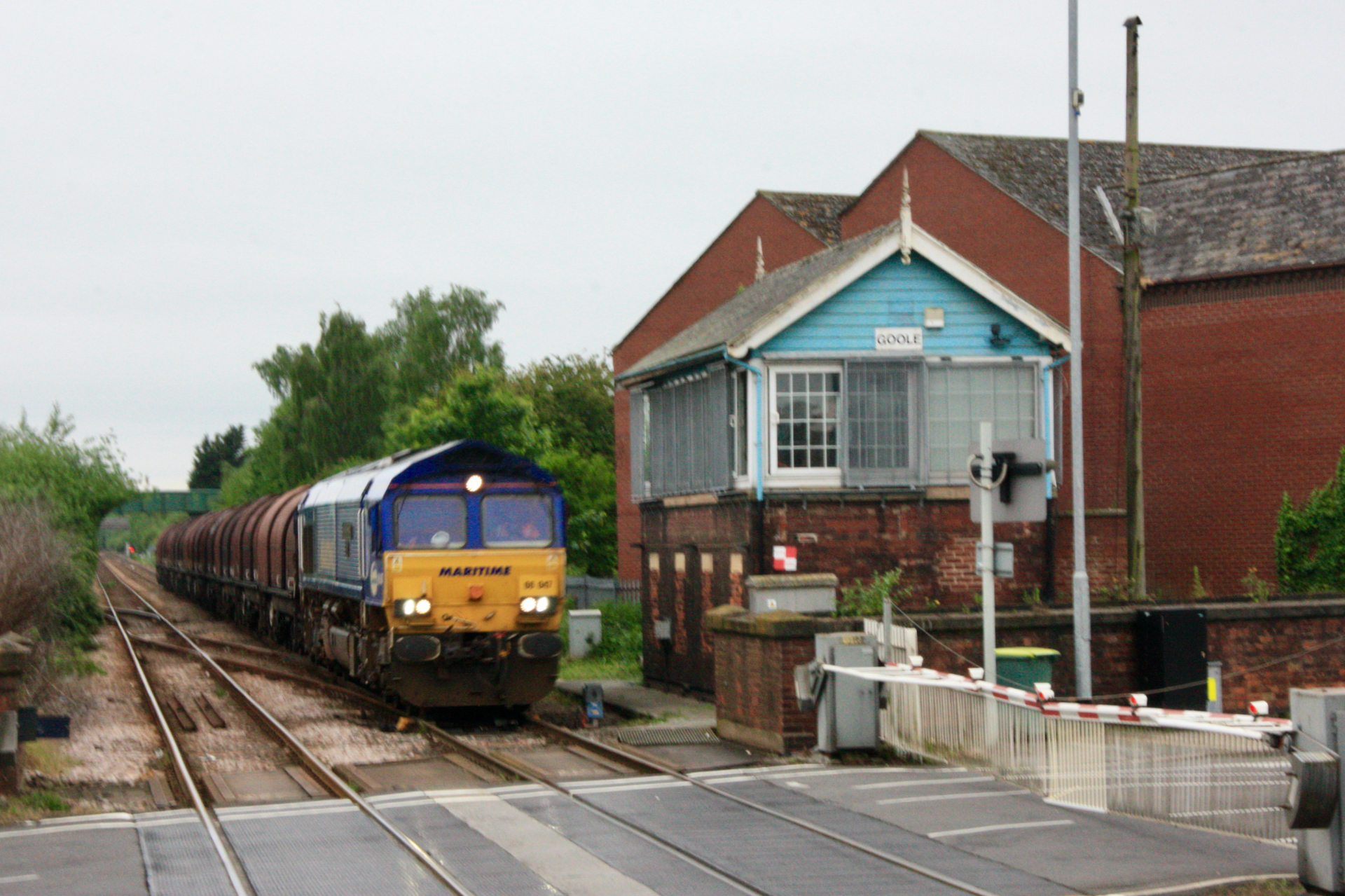 As I discovered on a trip to Brigg last year, usage of intermediate stations does not tell the whole story of passengers using a Parliamentary service, so I was intrigued to see how many takers there were for the early morning departure from Goole, as well as the number remaing aboard the evening train from Leeds when I alighted at Hensall.
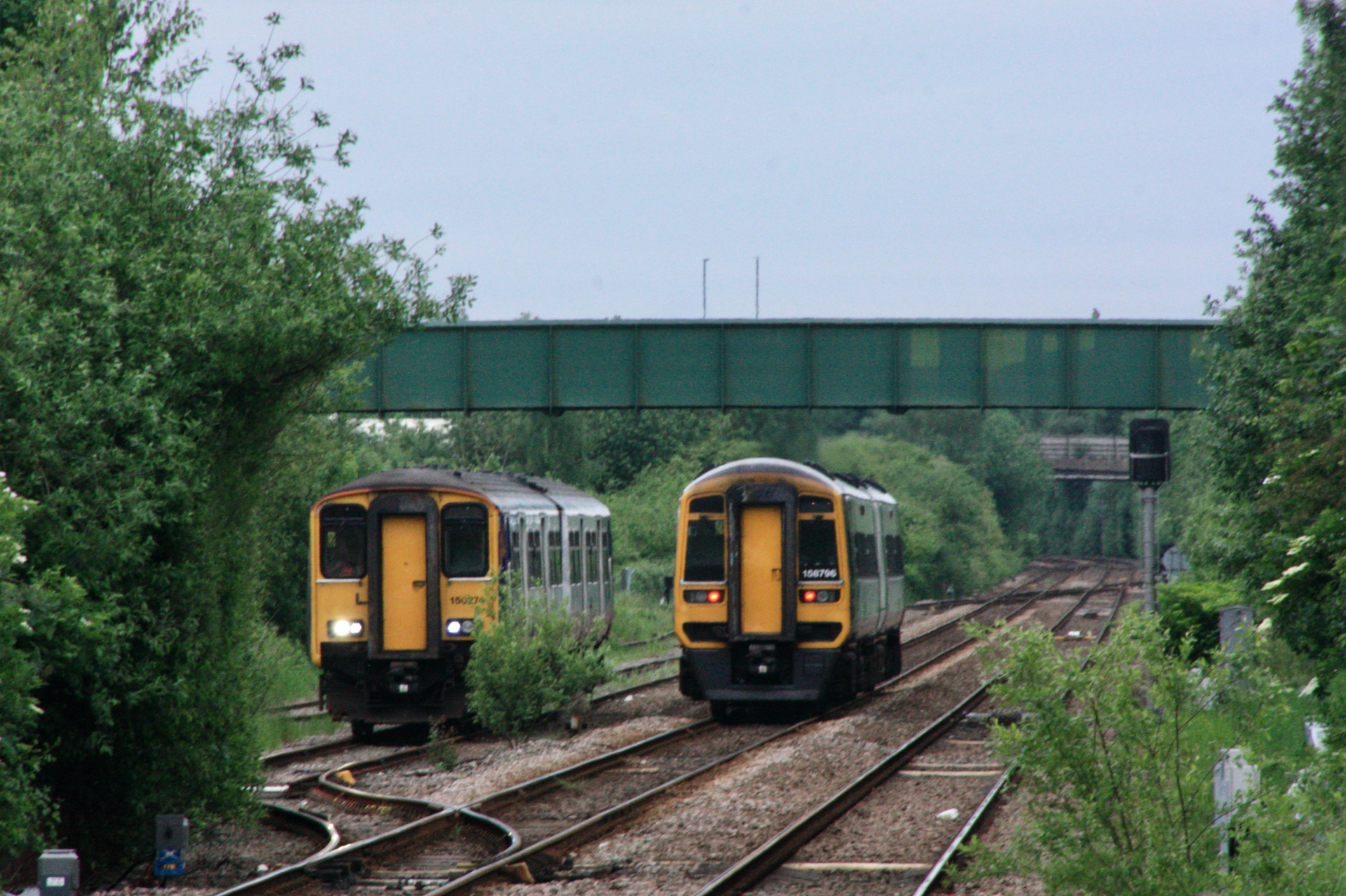 Heading east from Knottingley, the station you reach after 4½ miles is Whitley Bridge (2022/3: 17 passengers per week), a basic halt with bus shelters on both platforms. Just beyond the station you reach Whitley Bridge Junction, from where a partly-disconnected double track heads north towards the former Eggborough Power Station.
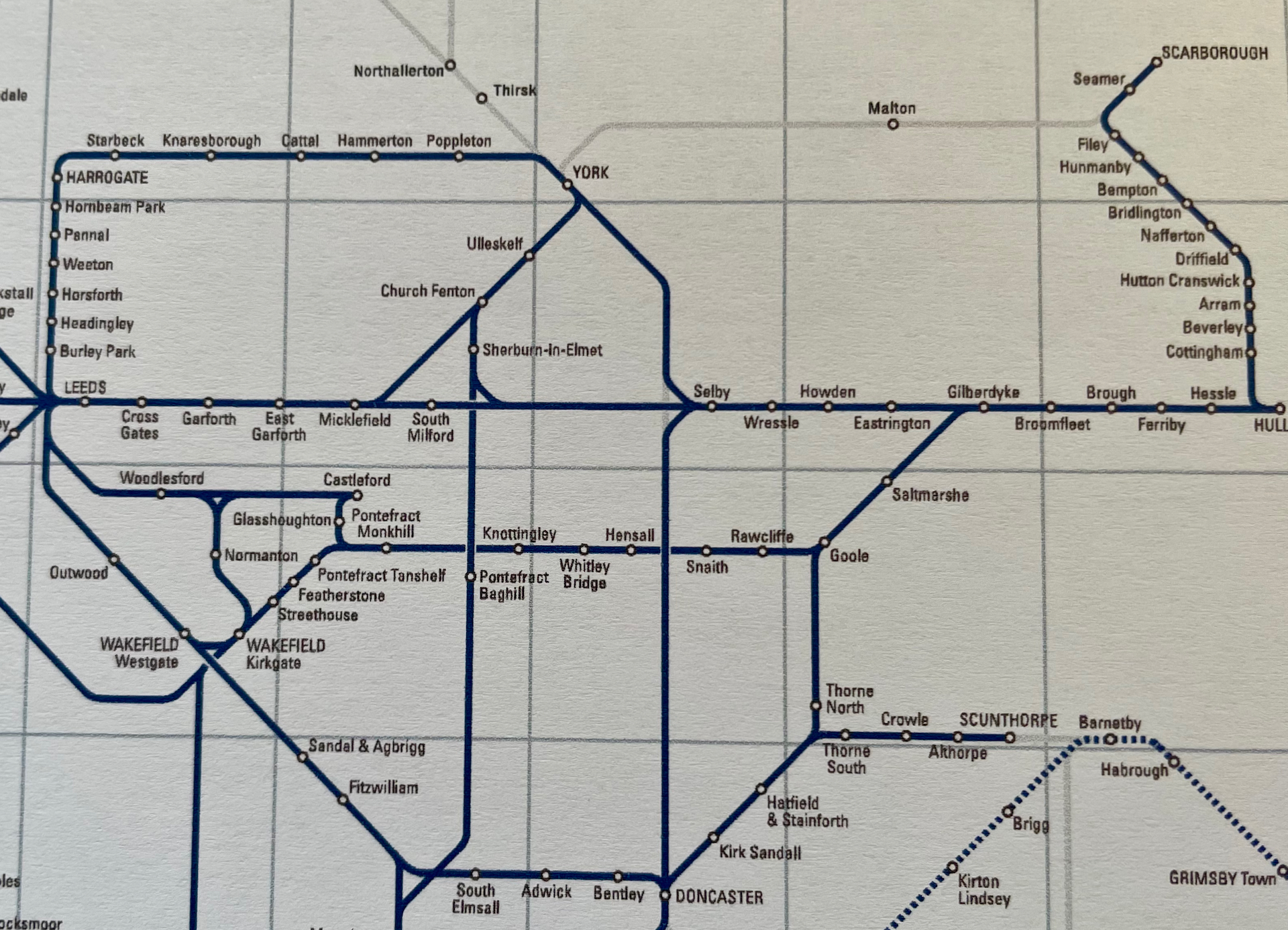 Once past Hensall station and Hensall Junction, the next station on the now single track towards Goole is Snaith, exactly ten miles from Knottingley, and where the station seems well-sited to service this small and growing market town (population 3,200). Like Whitley Bridge the only amenies here are a bus shelter and bike rack.
 One final intermediate station is Rawcliffe, which stands close to an over-bridge carrying the M62 motorway and where the former station building is now privately-owned. It serves the nearby village of Rawcliffe and was the second least-used of the four stations last year, when the ORR figures showed a total of 442 passengers (eight per week).
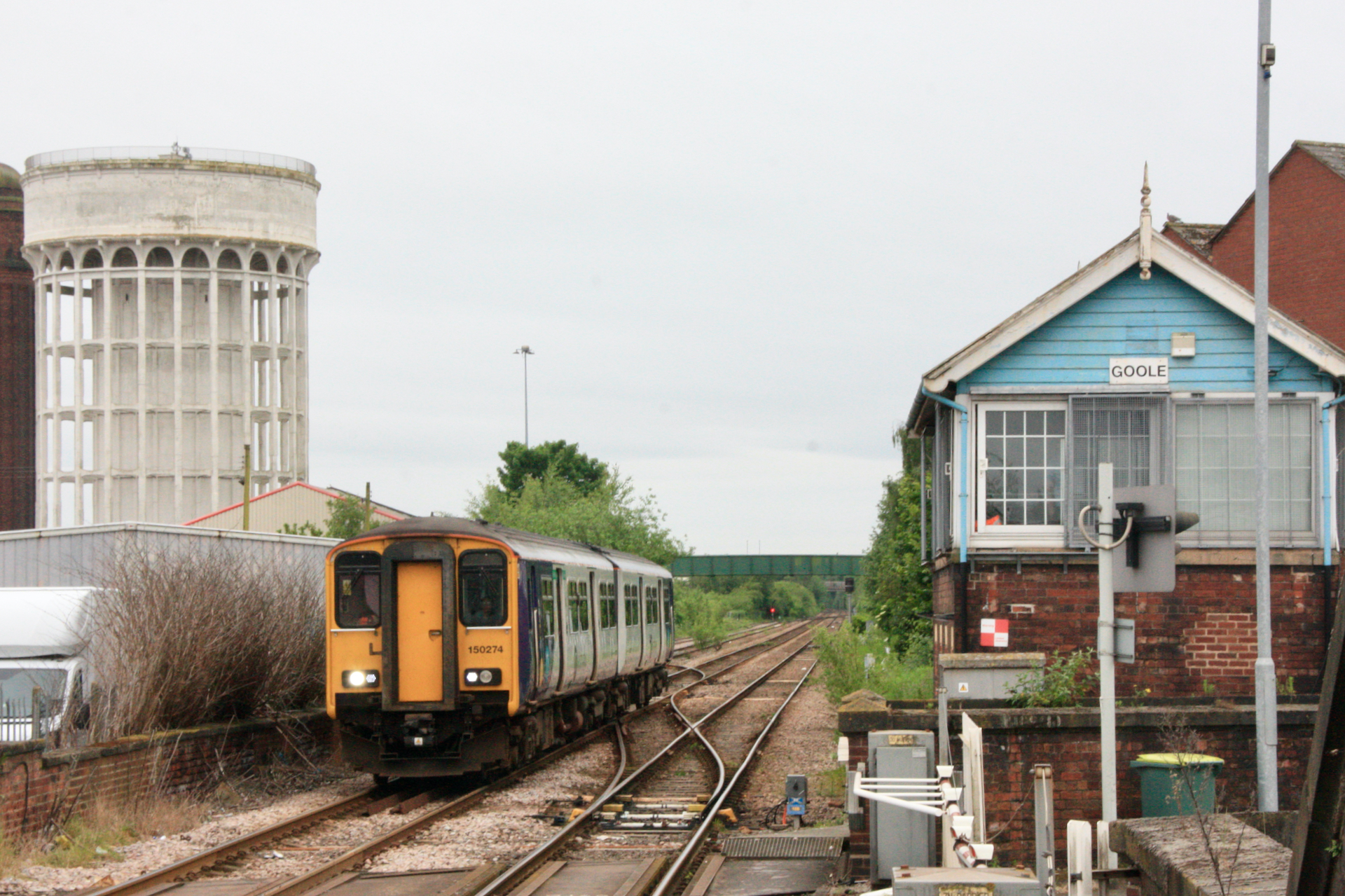
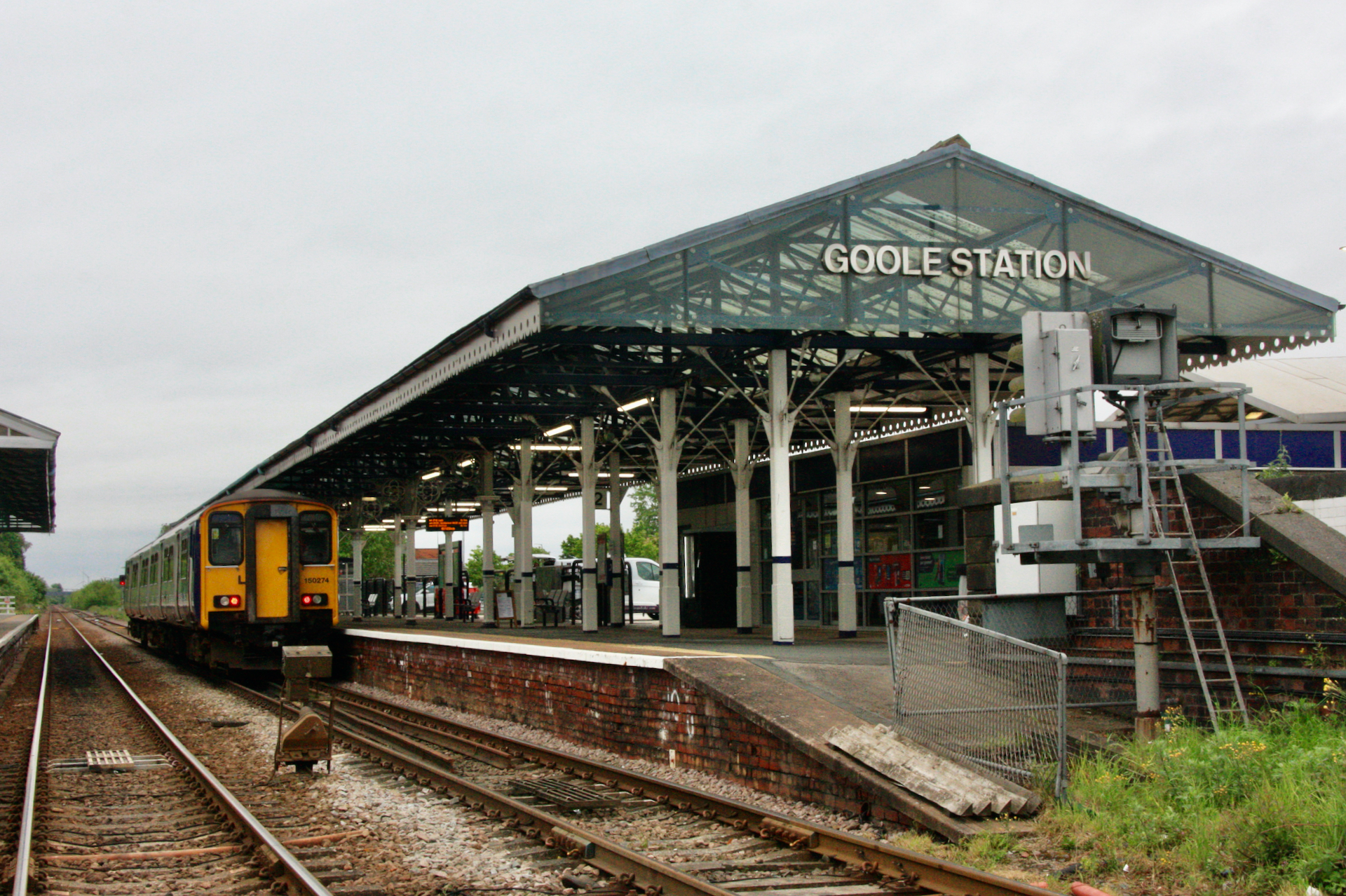
 Journey’s end for the Pontefract Line is at Goole, a sizeable town and our most inland port, (opulation 22,000) where there is a junction with the route from Doncaster to Hull. The tidy two-platform station stands next to a busy level crossing and signal box, and with the frequency of services to Hull, Sheffield and Doncaster it seems very curious that so few residents seem to want to take a train to Leeds.
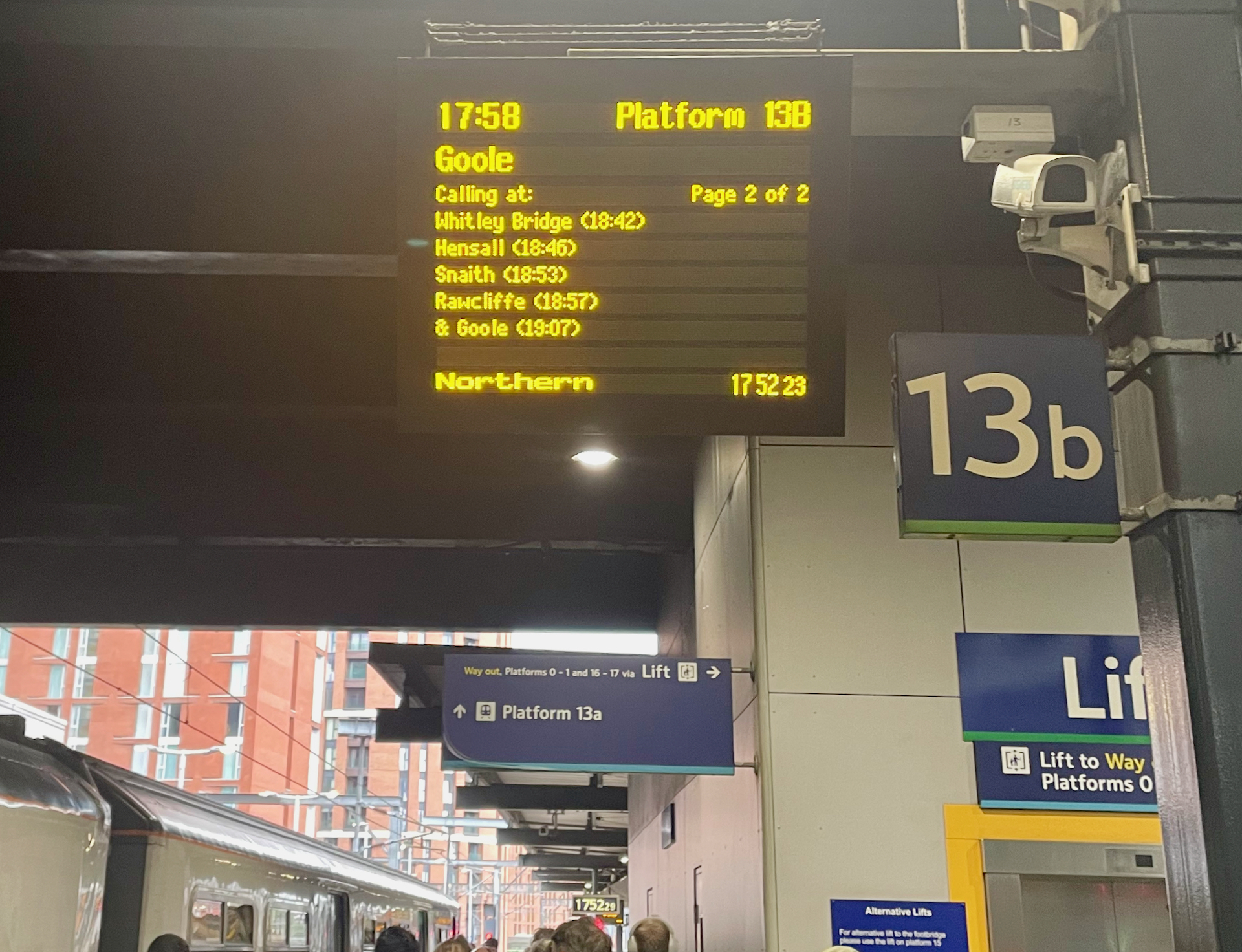
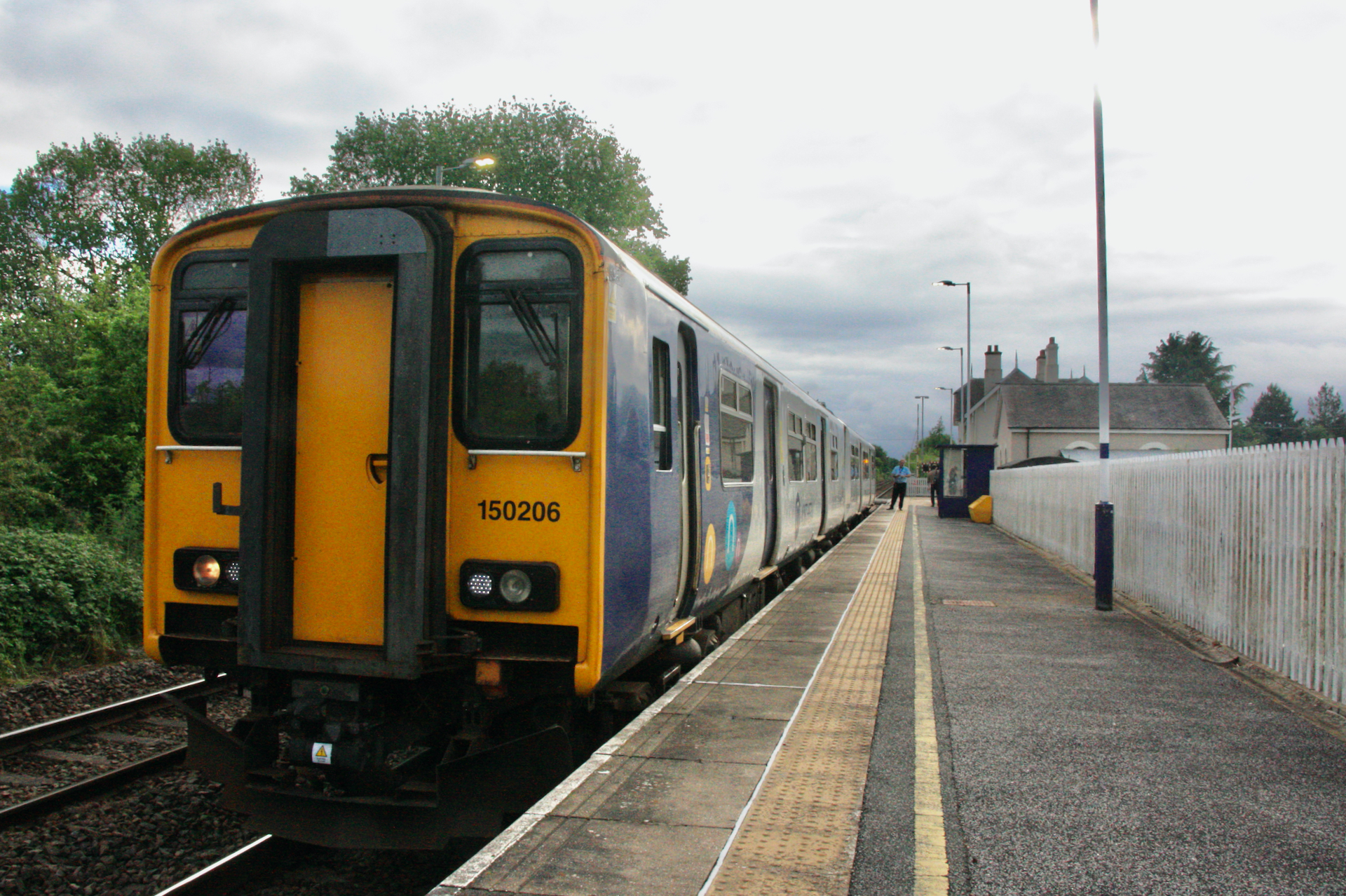
On the evening of Thursday, 23 May 2024 Northern two-car unit 150206 was full and standing on departing Leeds at 17.58, but there were just nine of us aboard when it left Knottingley, with one joining at Whitley Bridge where no one alighted. Three of us then got off at Hensall, leaving seven for the trip onwards to Goole.
Predictably enough, I was the only passenger on the 20.03 return, apart from the young man who had joined the eastbound service at Whitley Bridge, and who alighted there from the return working, having apparently been to Goole to buy a take-away dinner!
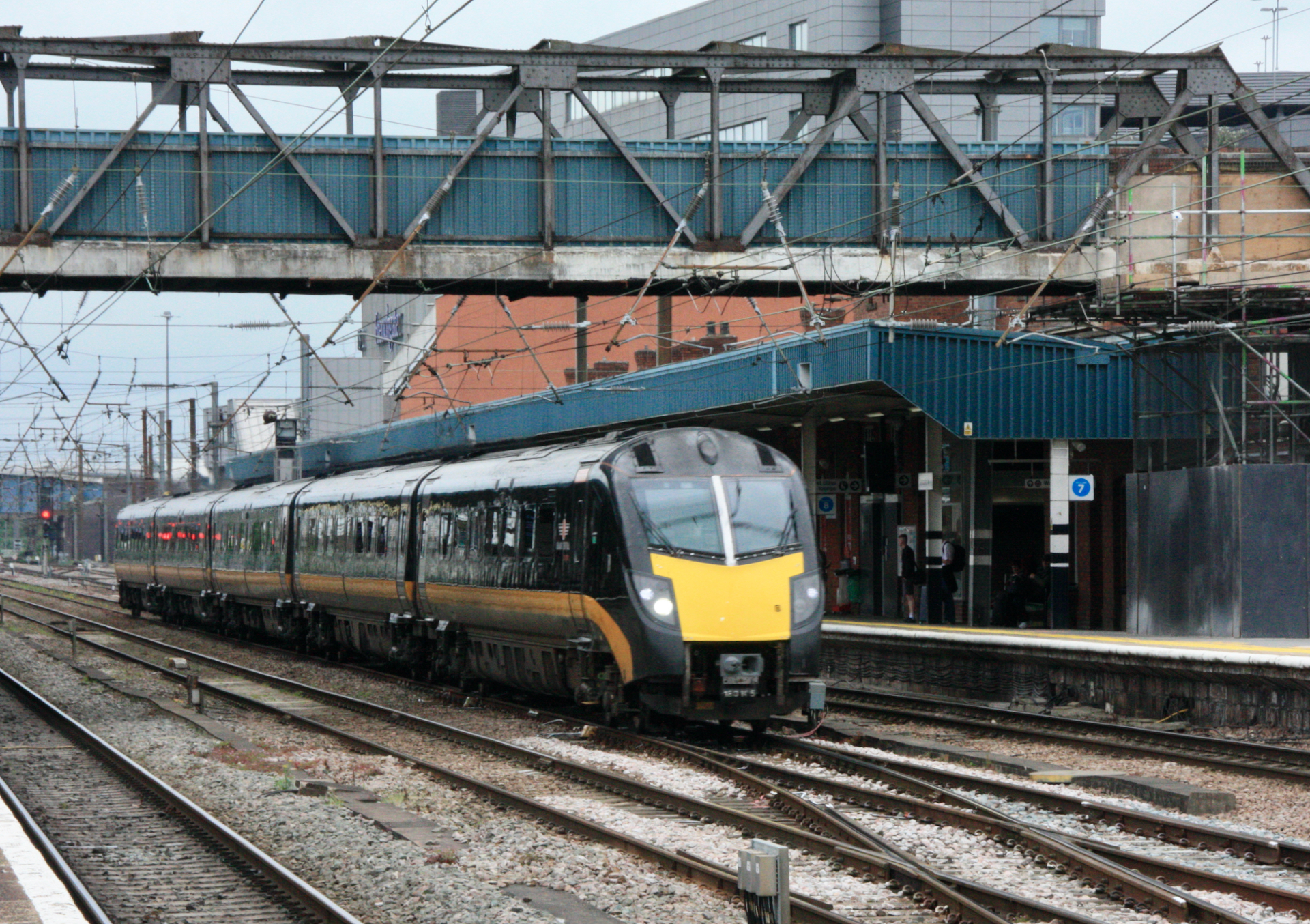
The following morning unit 150274 left Goole on schedule at 07.42 with four of us aboard, with one joining at Rawcliffe, two (plus a dog) at Snaith, then one each at Hensall and Whitley Bridge, meaning the total on board at Knottingley was nine once again, from where the train filled up on its journey to Leeds.
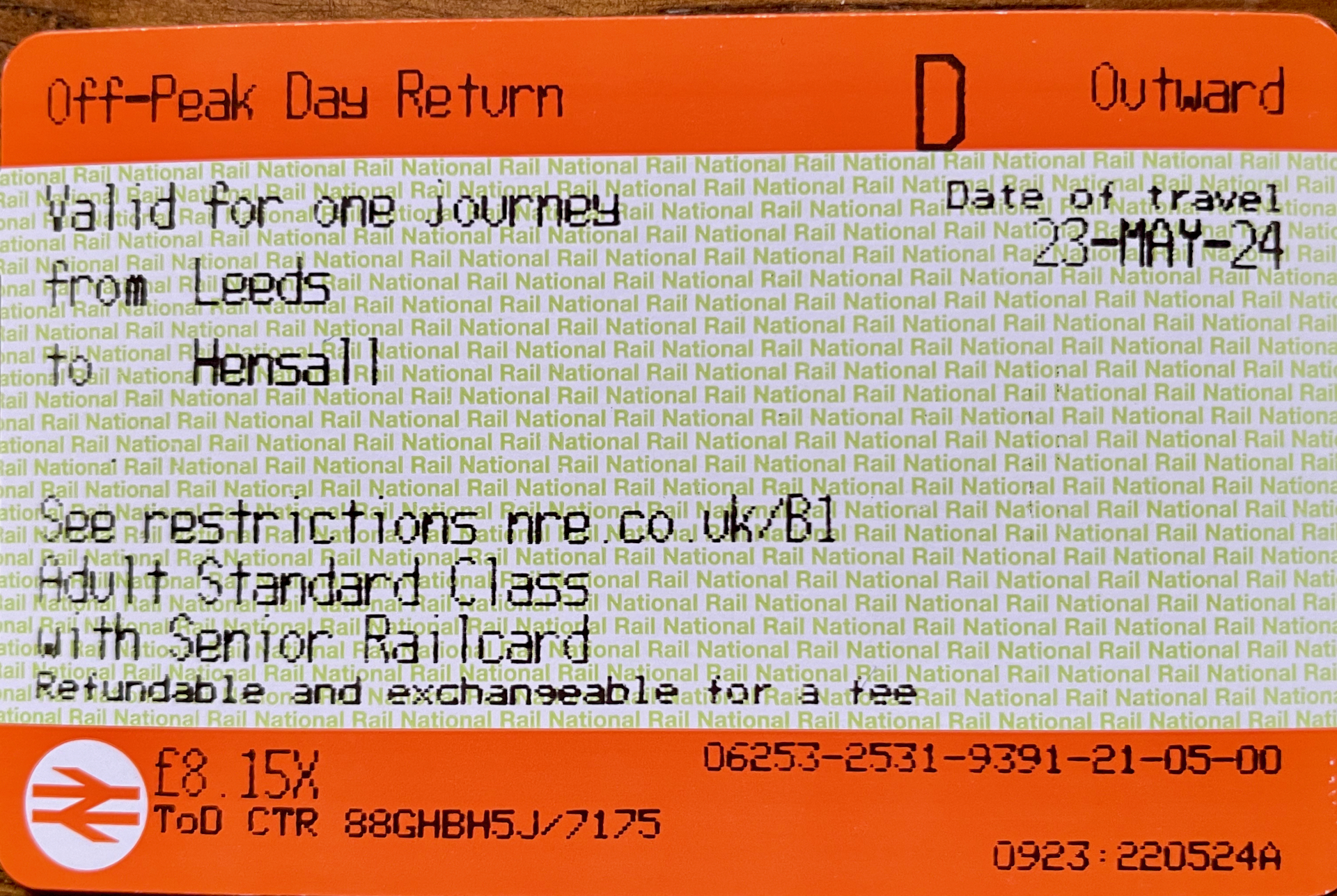
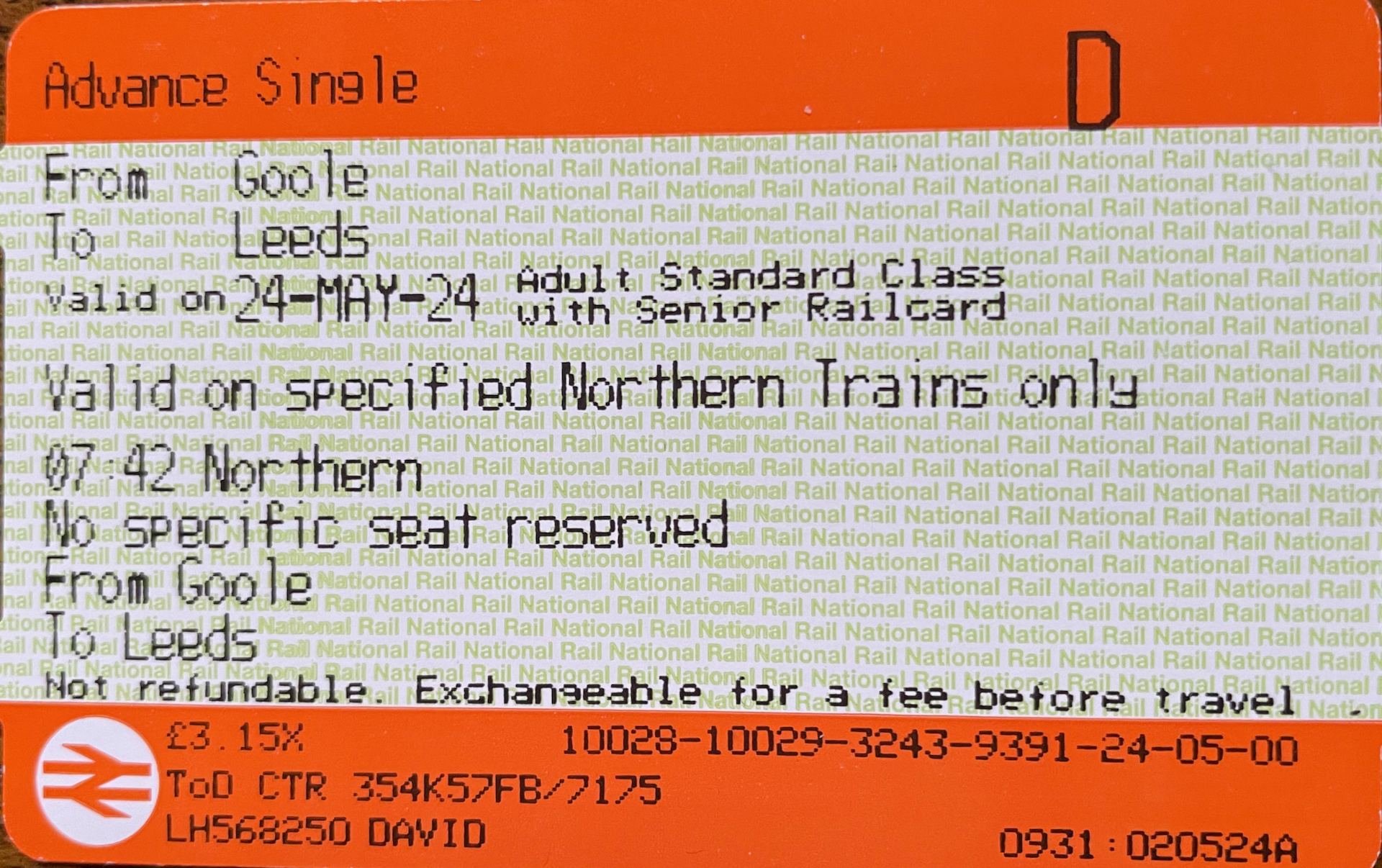 Sampling this rather exclusive service is not expensive: I paid £8.15 for an off-peak day return from Leeds to Hensall (with railcard), a ticket I suspect few have ever bought, as it only gives you 75 minutes at your destination! Even cheaper was my journey over the whole route the following day, when an advance single from Goole to Leeds set me back all of £3.15!
 Just as the route from Grimsby to Sheffield is far shorter via Brigg than the alternative via Lincoln, so anyone travelling from Goole to Leeds will find a far more direct route on the Parliamentary service (32¼ miles) than the alternative and longer route by changing at Doncaster (46½ miles). But exactly two decades after the Parliamentary service began (in 2004) it sadly doesn’t look like anything is about to improve.
 RailwayWorld.net
You must be logged in to post a comment.