When Lord Peter Hendy chose to spend a Saturday morning (8 June 2024) addressing a gathering of mainly ageing rail campaigners at a WI Hall in the Cotswolds, it is a fair bet that he had worked out just what an influential a campaign group he was speaking to.
The ebullient Network Rail Chairman was guest speaker at the AGM in Moreton-in-Marsh of what must be Britain’s most enduring, and one of the most successful rail campaign groups in railway history, the 46-year old Cotswold Line Promotion Group (CLPG).
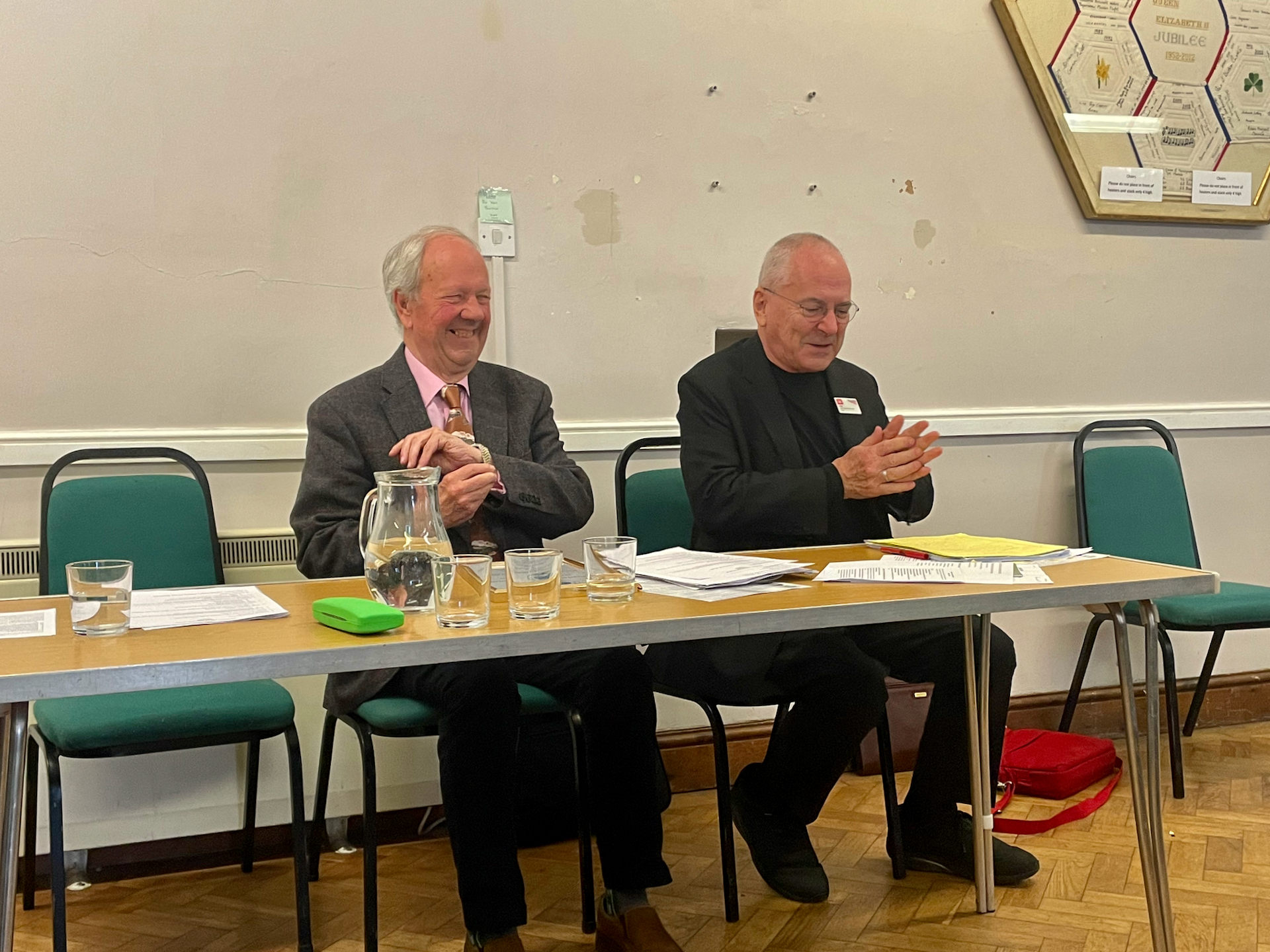
Having been a CLPG member myself for more than 40 years, as well as a regular user of the line, and having previously sat in this same WI hall to hear an AGM address by GWR boss Mark Hopwood, I was naturally keen to hear what messages the Routemaster-owning Peer had to impart.
Hendy began by telling the 50+ CLPG members that many regarded him as a bus person, and that he still drove buses, had run a bus company and then ran TfL from 2006 until 2015 under Mayors Ken Livingstone and Boris Johnson. He was then asked to Chair Network Rail, where he has been for the past nine years.
Beginning with an outline of what the railway is for, Hendy said it was to produce connectivity and that leads to economic growth, jobs, housing, social cohesion and sustainability. Speaking as someone who had previously run and integrated transport system (TfL) he said the problem was that it was so hard to run, due to its fragmentation, pointing out that the end of the Public Private Partnership (PPP) experiment on London Underground meant the business was able to get rid of 50 lawyers, whose sole job was to resolve disputes between the different parties.
“The British railway system does not work well and is saddled with the consequences of COVID-19, because we still only have four-fifths of the pre-pandemic revenue, we still have largely the same costs, we have a lot more leisure travel but those passengers pay less than commuters and there is less commuting.
“The other consequence was the contractual changes that occurred during COVID-19 in order to keep the train operators afloat is that many decisions are taken by the Treasury and the DfT and a recurring feature of investment plans is asking the DfT, because it decides nearly everything.
“Performance on the route from Paddington has not been good enough, so we have made management changes. Personal leadership is important in business and you do need the right leaders to drive your business. Railway customers are not stupid and know as much about the routes you travel and its infrastructure, but we are putting a huge amount of effort into putting it right.
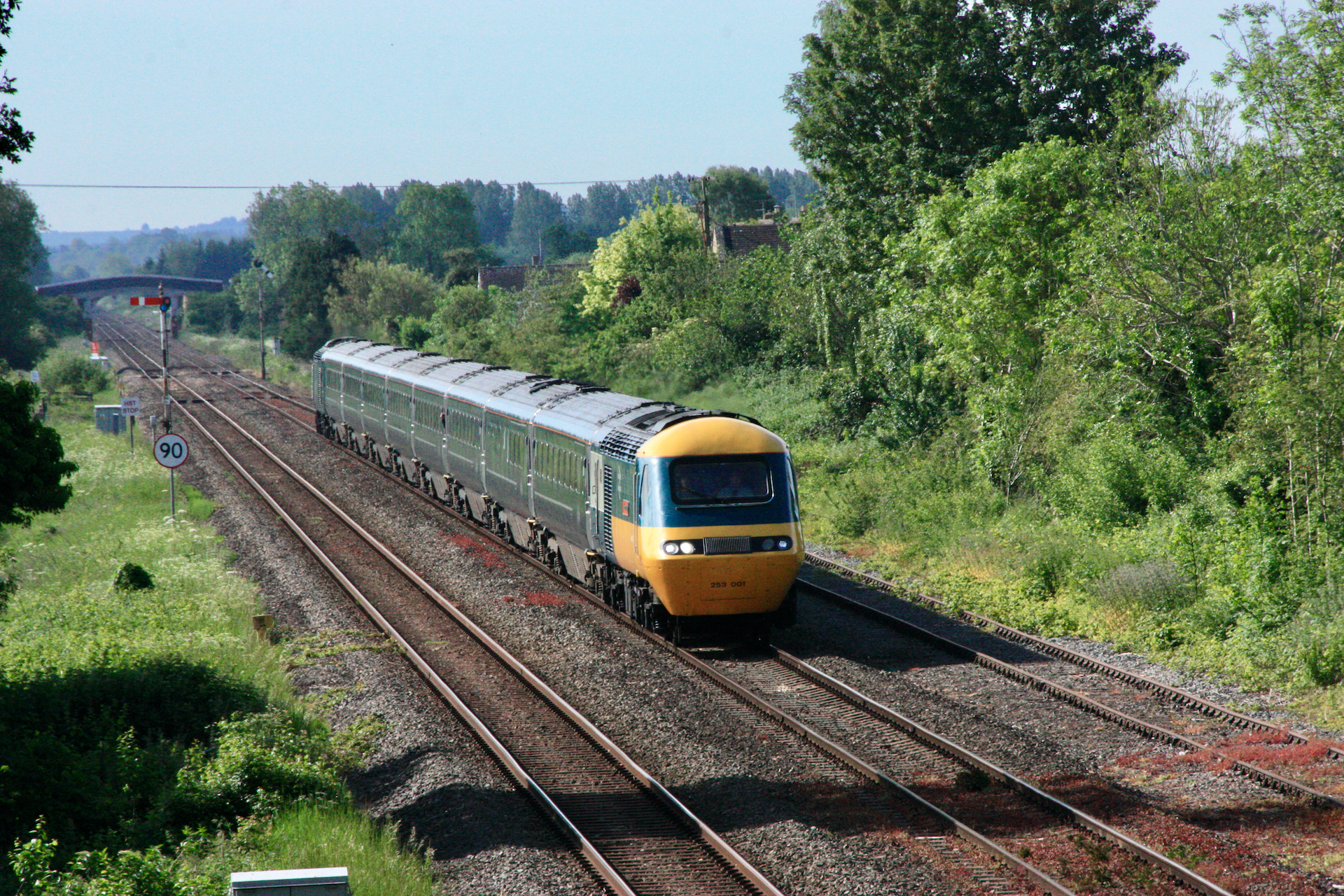
“Put simply, the massive increase in traffic [between Paddington and Reading] due to the opening of the Elizabeth Line was not accompanied by all of the work that was needed to make the route reliable for that increased volume of trains. If you look on the eastern side of London, where the Great Eastern line has always had a ten-minute frequency, as well as a load of freight trains and Anglian Main Line services, the performance there has been quite good.
“But the good news is that we are no doing the work, in conjunction with GWR who are giving us enough line access. There is also a whole programme of work on the overhead lines between Paddington and Heathrow and work on serial issues like axle counters, which fail too often. This work is reviewed every for weeks, and there is improvement now.
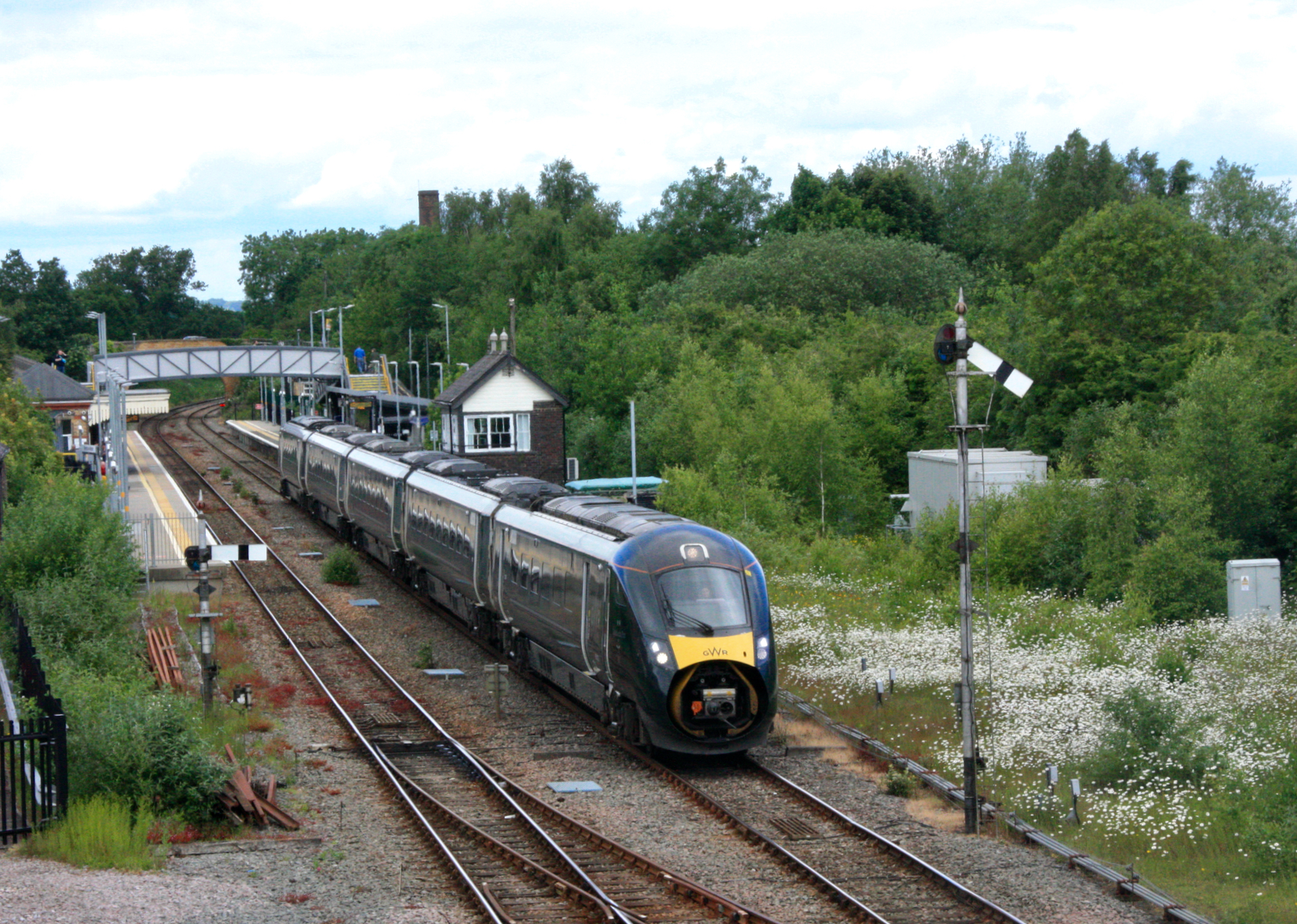
“In terms of performance there is an underlying issue about climate and weather, which won’t go away and we have once in 20 year weather events about three times a fortnight! We have had massive heat in summers and more intense rain that we have ever had before. You only have to look at foliage on linesides and in our gardens to see that there is a serious issue. In our new Control Period [CP7: 2024-29] we are putting far more effort into drainage and into our embankments and cuttings.
Hendy commended the plans for re-doubling the two remaining sections of single line on the North Cotswold route, but pointed out that enhancements such as this are not now in Network Rail’s budget, because at the start of CP6 (2019) the Government took the decision to separately authorise that money.
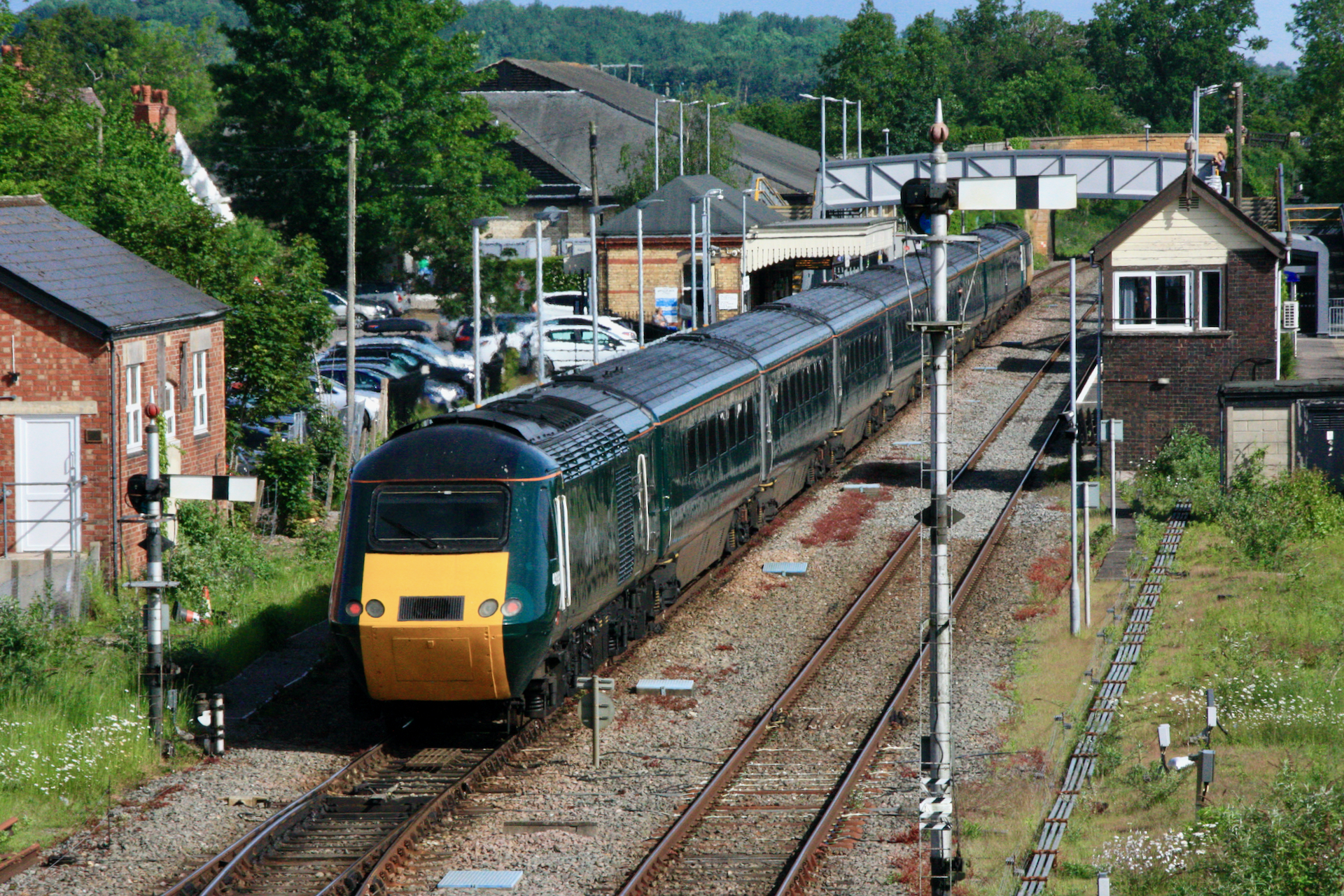
Moving on to the future of the railway network, Hendy [speaking before election manifestos were published] pointed out that both main political parties had committed to reform of the railway. He pointed out that the ultimate blame for any issues on the railway lay with the Secretary of State for Transport, whereas while at TfL Hendy was the person to shoulder any blame.
“Keith Williams’ Report into the railways [commissioned after the 2018 timetable fiasco] was the first such report to look into the whole of the railway system, talking to its customers and then devising a structure which he believed would address the issues.
“That report was published in 2021 and is still as valid today as when he wrote it. He said that customers had told him they wanted a consistent railway, which performed well and was addressing their needs, rather than a sectionalised railway that differed as you travelled across the country with different operators.
“The Conservative Government produced a reform bill which was taken to the House of Lords and enshrined the principles of the Williams Report and it has been through the Transport Select Committee but sadly, even if Parliament had gone on, the Government was not going to find time during the last Parliamentary session and now the Bill has fallen.
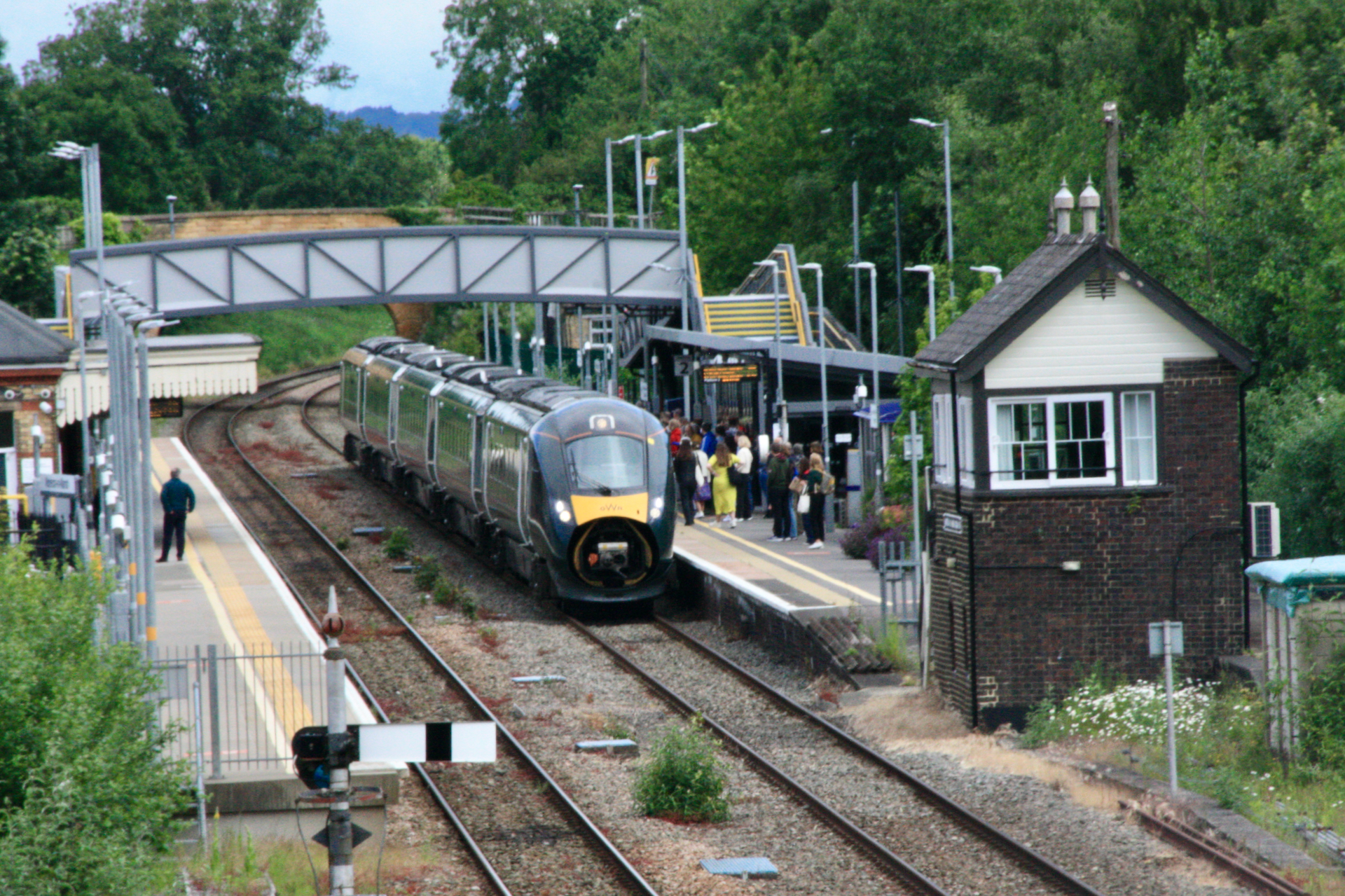
“Much of Labour manifesto for rail echoes what Keith Williams was recommending, but the principal difference is having the operating businesses in state ownership. Under a Labour Government any new rail reform bill will have to be larger, because once you have the operators in state ownership there is great forest of regulation that can be dispensed with.
“What is most important is that we get the revenue decisions and the cost decisions out of the Treasury and DfT. The railway should be given no more public money than the Government can afford, but you should then hire people to deliver the best railway they can and the highest possible revenue for the least possible cost.
“I would like to be the last Chairman of Network Rail, because its only role is infrastructure. What we want is a railway industry where there are less people being able to go around blaming somebody else for what has happened. The lesson of getting back the PPP contracts at TfL meant that if something went wrong then it was TfL, not an operating company, which would have to fix it.”
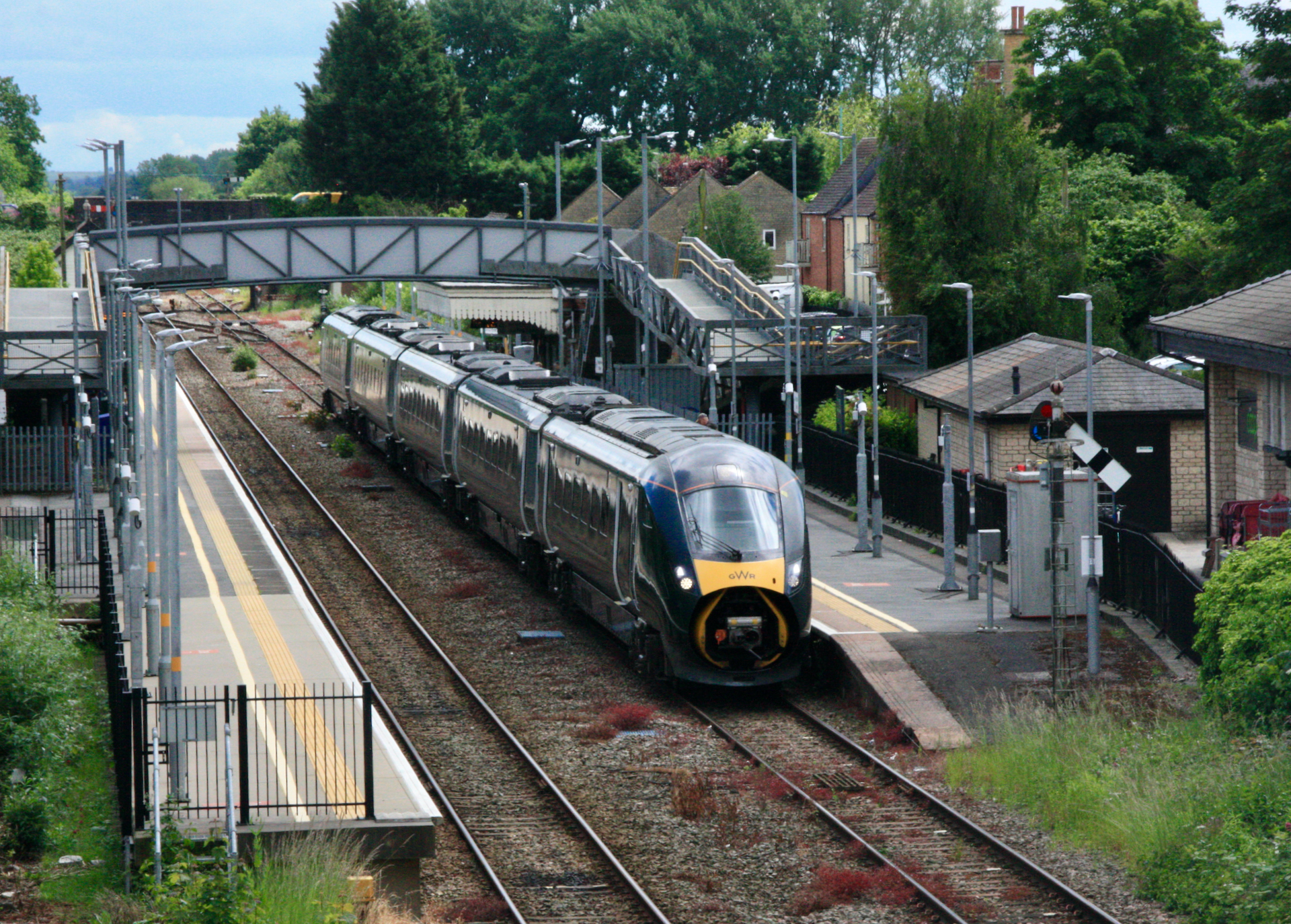
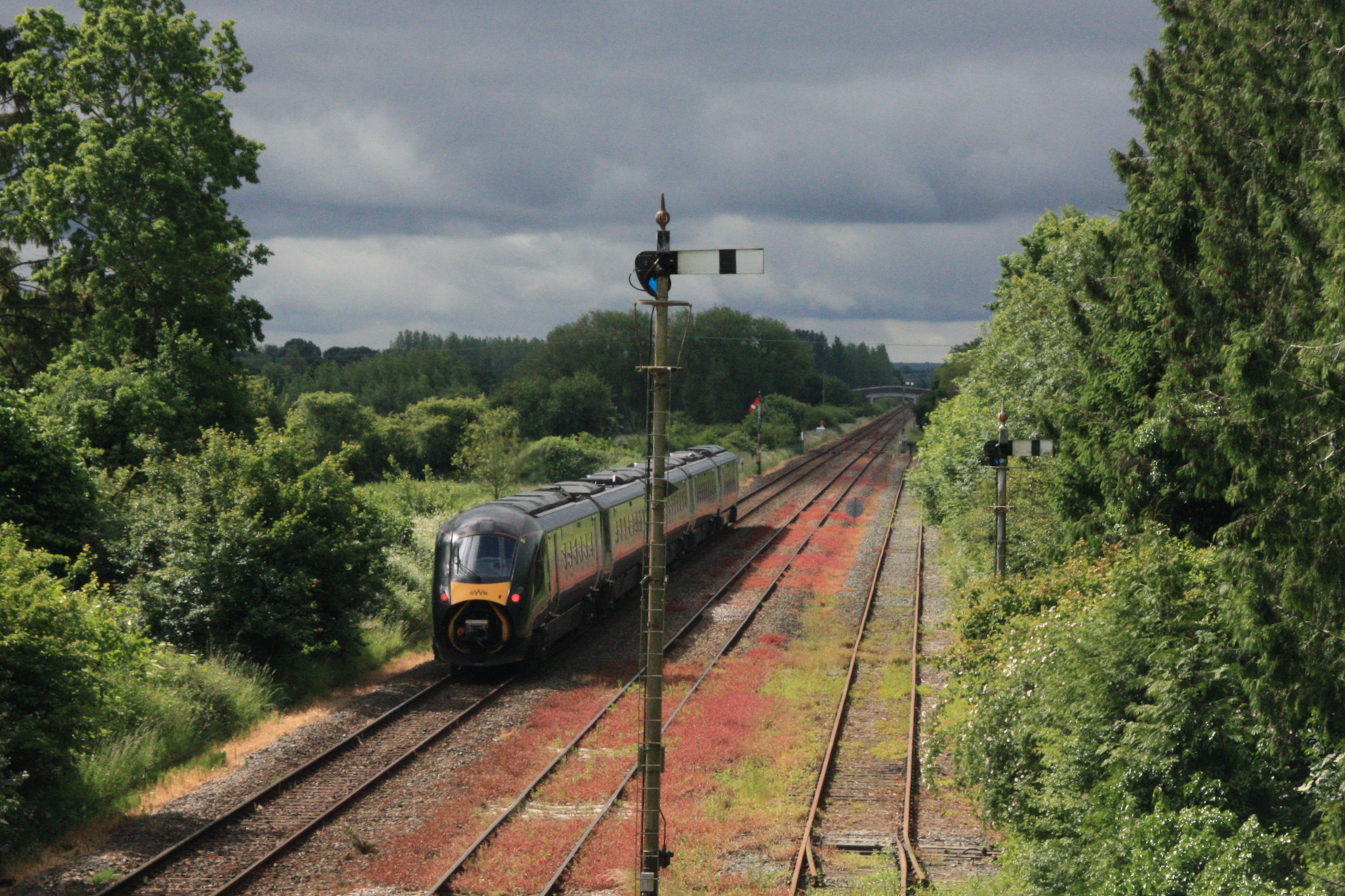 While it may not have had the emotive impact achieved by those who campaigned to save the Settle & Carlisle Line from closure in the late 1980s, the CLPG’s efforts over four decades has seen a “Cinderella” route transformed, with new and re-opened stations, much of the route re-doubled and introduction of direct hourly services between Worcester, Oxford and London Paddington.
It is easy to forget that this was a route threatened with partial closure in the 1960s then faced with the prospect of losing all its direct trains to London in 1982, and one where places like Pershore, Charlbury and Hanborough had token services for many years, while Honeybourne station was closed.
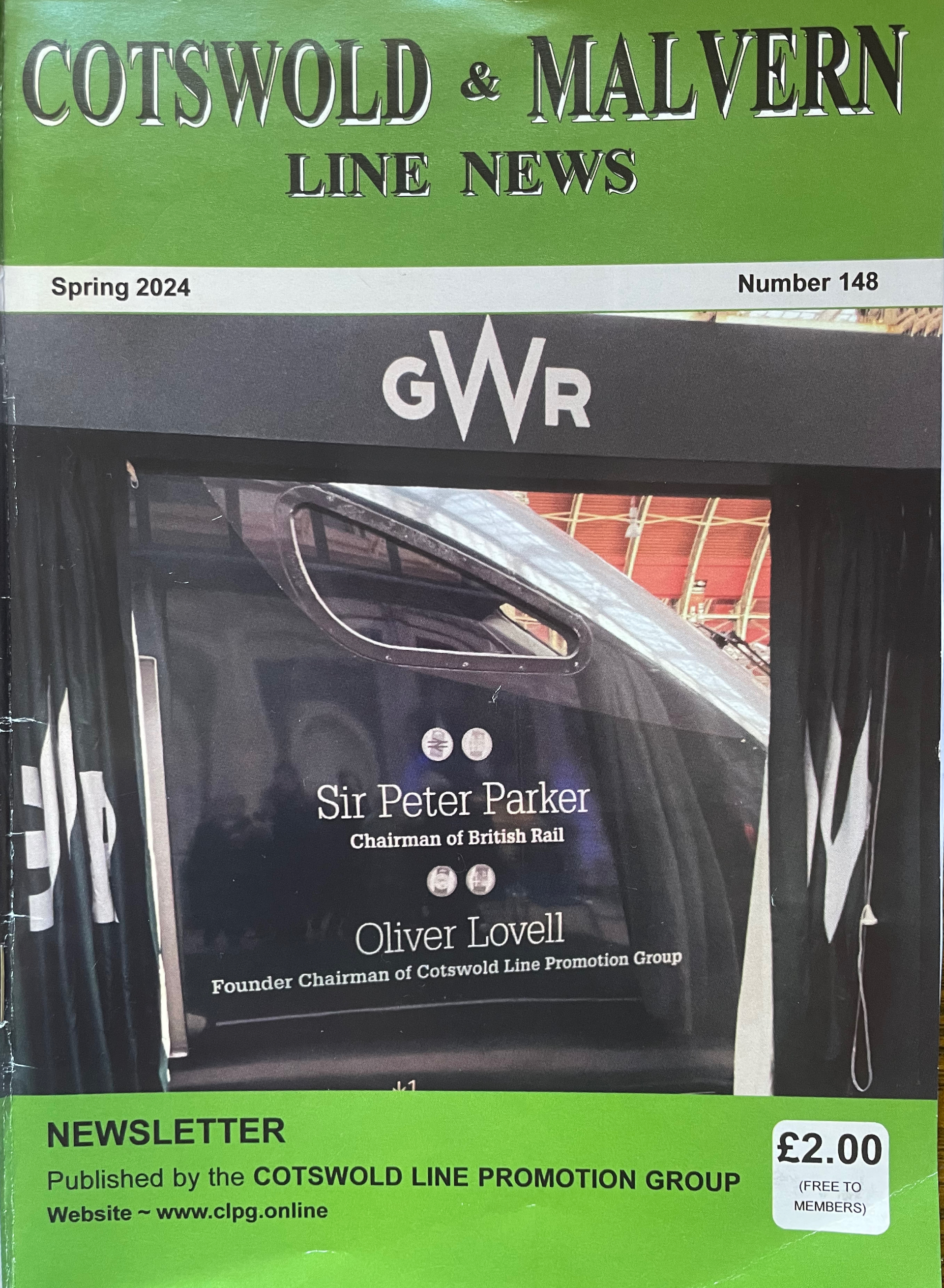
As the CLPG’s latest newsletter highlights, two individuals deserve a great deal of credit for what has been achieved since its creation in March 1978 – the late founder chairman Oliver Lovell and Sir Peter Parker, a former British Rail Chairman, and it is good to see both their names now adorning GWR IET 800028.
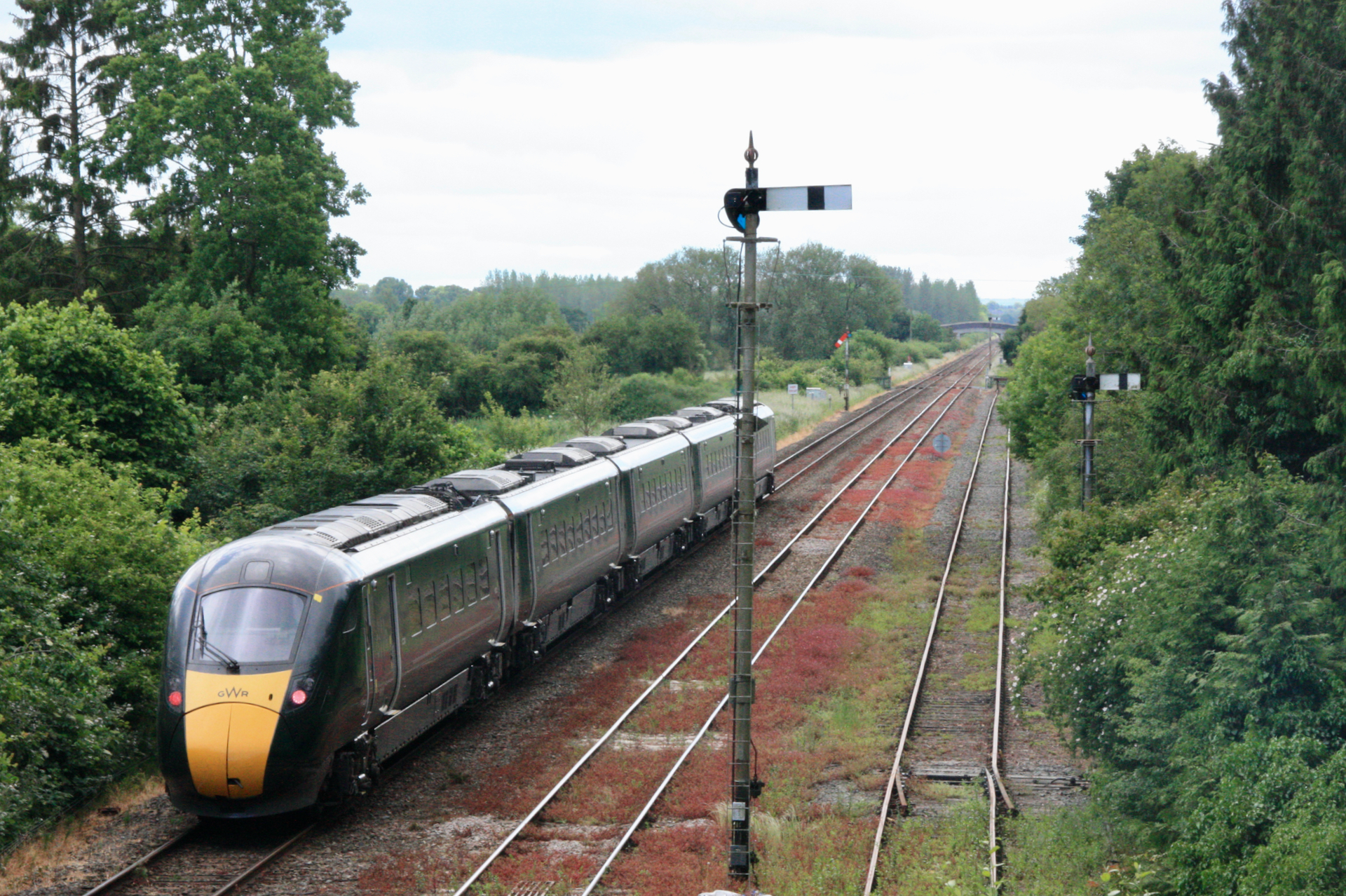
Lovell had realised that the line needed promoting after moving to Moreton in the mid-1970s at a time when little was done to promote use of a line which at the time had just seven through trains a day to and from London. He convened a meeting on 11 March 1978 in the same WI Hall as Lord Hendy was attending, and the rest is history.
Among those who expressed support for the group’s creation was the then BR Chairman, Sir Peter Parker, who was a regular user of the line as he lived near Charlbury, famously sponsored flower baskets at the station, and would never shy away from talking to sometimes irate passengers while waiting for a train there.
Note: Pre-election rules meant Lord Hendy’s remarks could not be published prior to the General Election, so this feature was delayed until after 4 July 2024. To find out more about the work of the CLPG, go to http://www.clpg.online
 RailwayWorld.net
You must be logged in to post a comment.