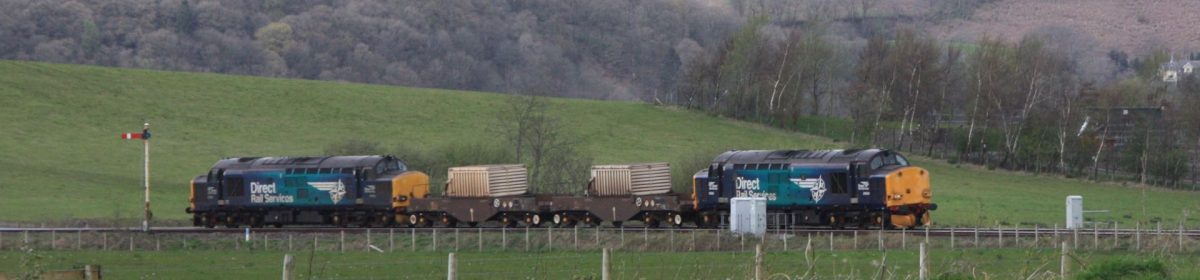
There are a few places on our national network where the combination of varied passing traffic and spectacular scenery, along with mechanical signalling interest, are the perfect excuse to pay a return visit, particularly on a fine summer’s day.
One such place for me is Edale on the busy Hope Valley Line between Manchester and Sheffield, where in rather better weather (30 July 2024) than on my previous visit (July 2023) there was the chance to photograph a variety of freight and passenger traffic passing the handful of semaphores controlled by Edale Signal Box.
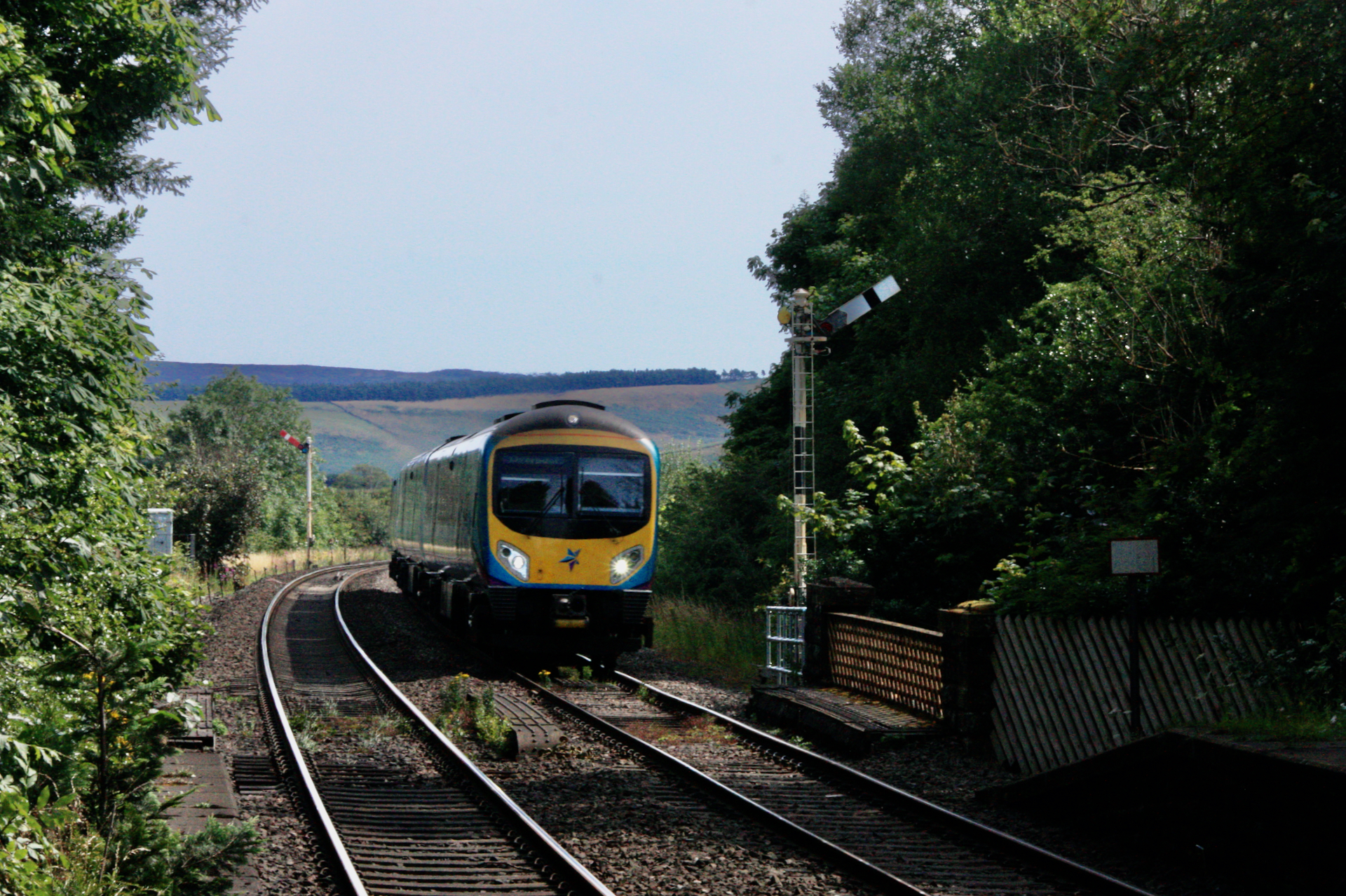
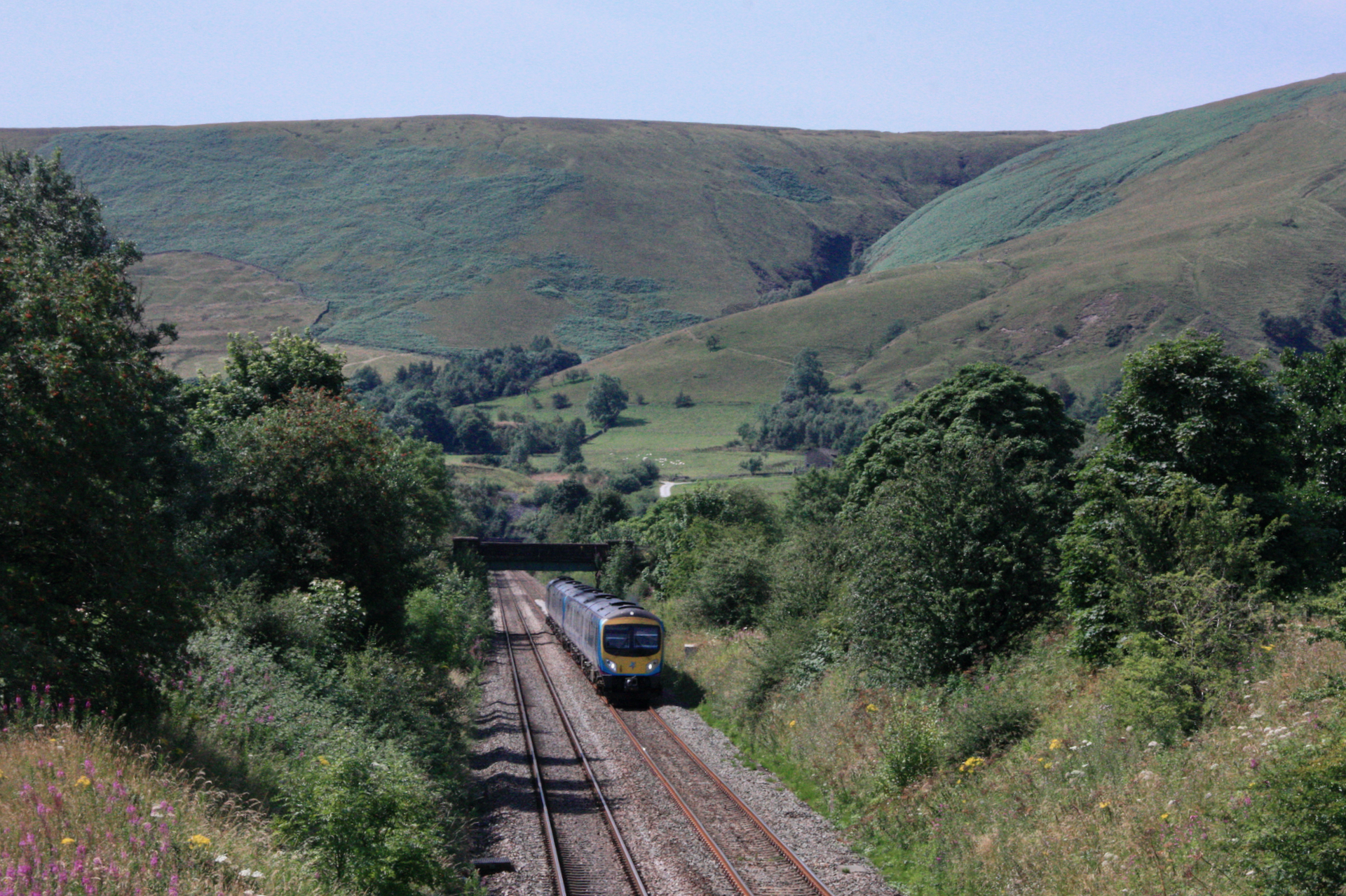
What makes Edale rather special is its remoteness and the dramatic mountainous backdrop, with trains from the Manchester direction emerging from the two-mile long Cowburn Tunnel some way west of Edale station, which at a depth of 875ft has the distinction of being the deepest railway tunnel in England.
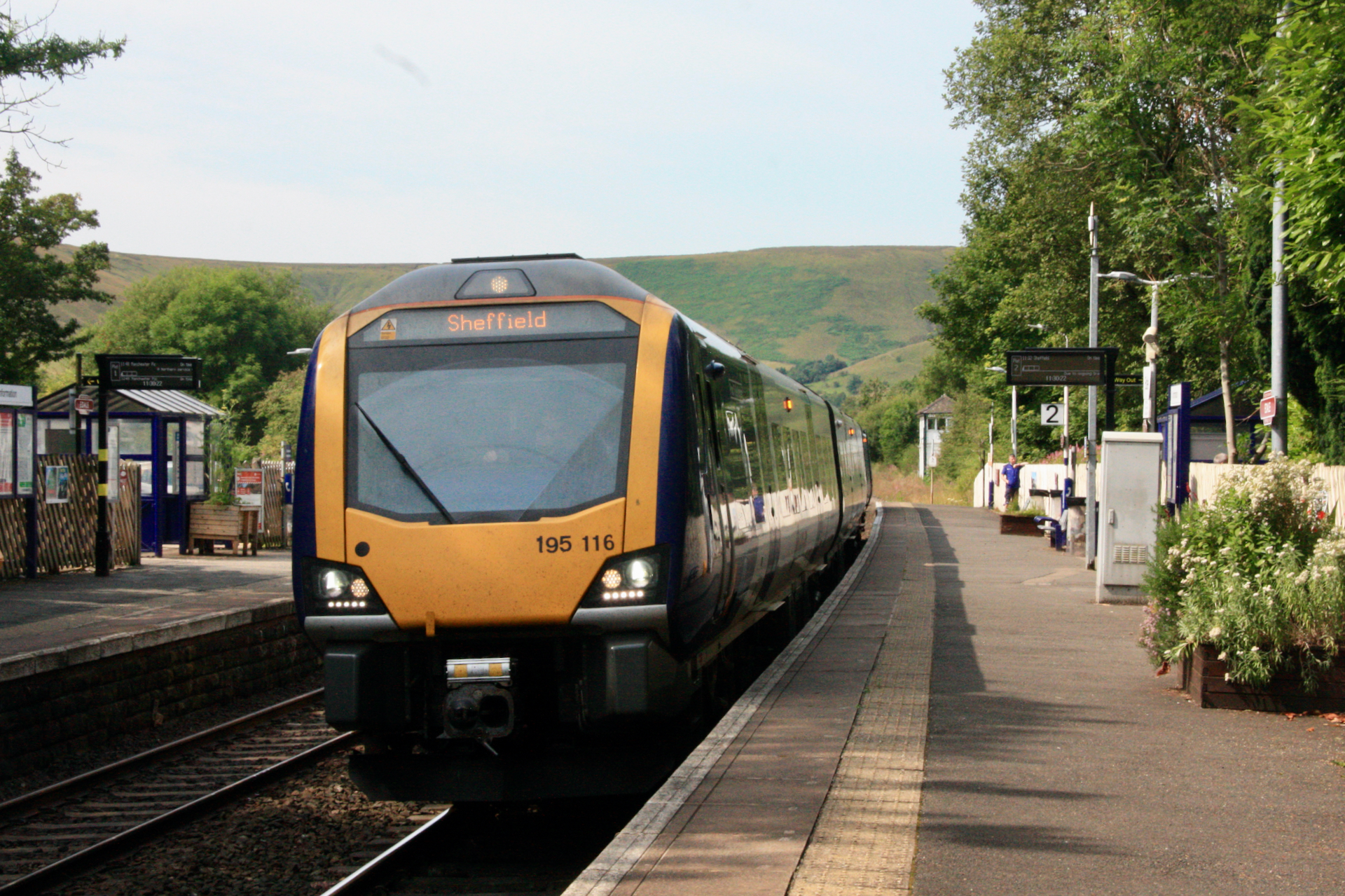
The remote station is some distance from any meaningful settlement, yet on a fine summer’s day it does brisk business, with the hourly stopping services carrying large numbers of walkers wanting to join or leave the nearby Pennine Way or those planning to tackle Kinder Scout (2,088ft), which looms up to the north of the station and railway.
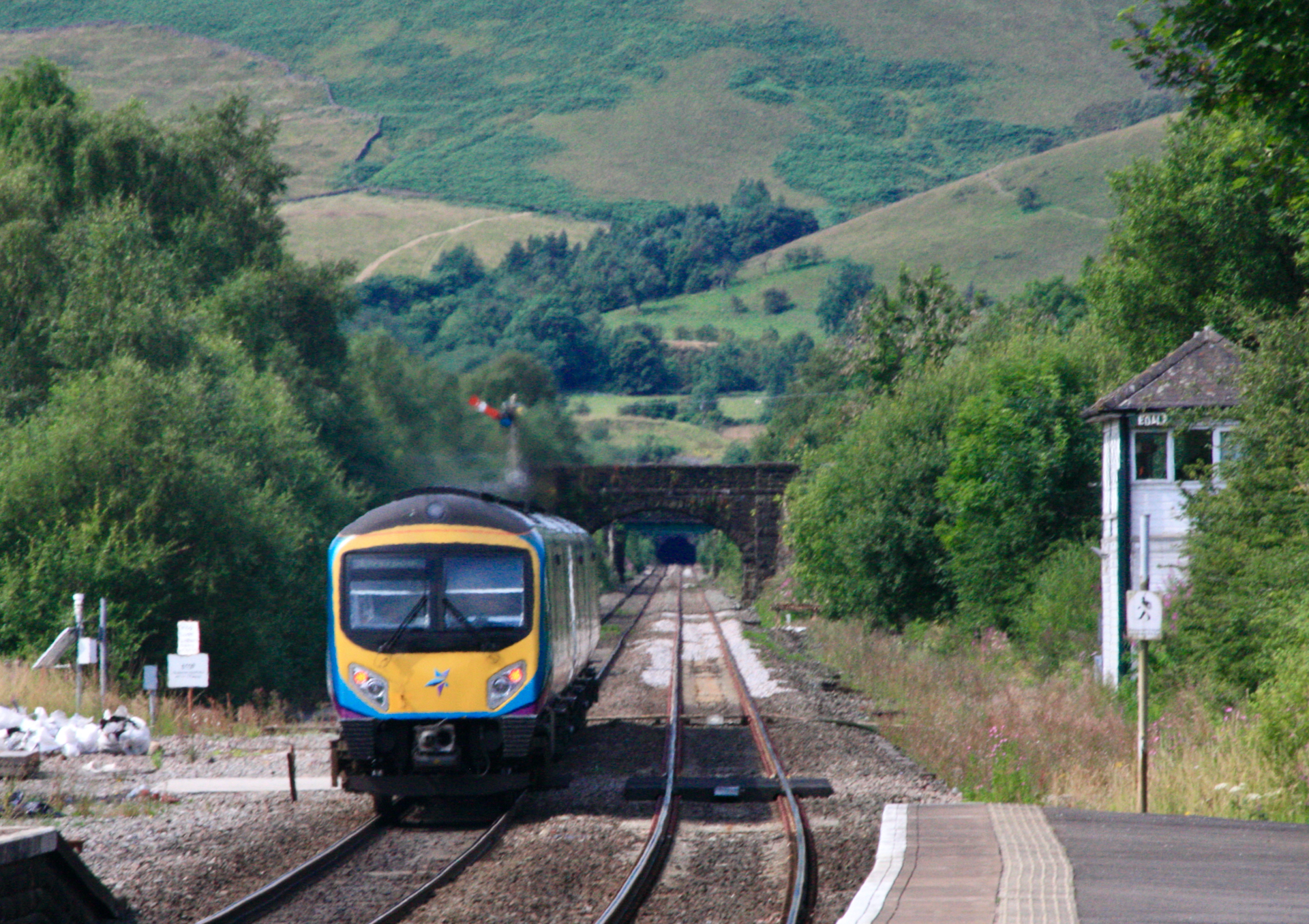
Edale’s 1893 Midland Railway signal box stands west of the station, with five semaphores controlled from its 20-lever frame. Looking east from the up (eastbound) platform (2) two signals in view are down home EE2 and up starter EE17, while turning west towards the signal box, down starter EE3 is on a bracket some distance beyond the box.
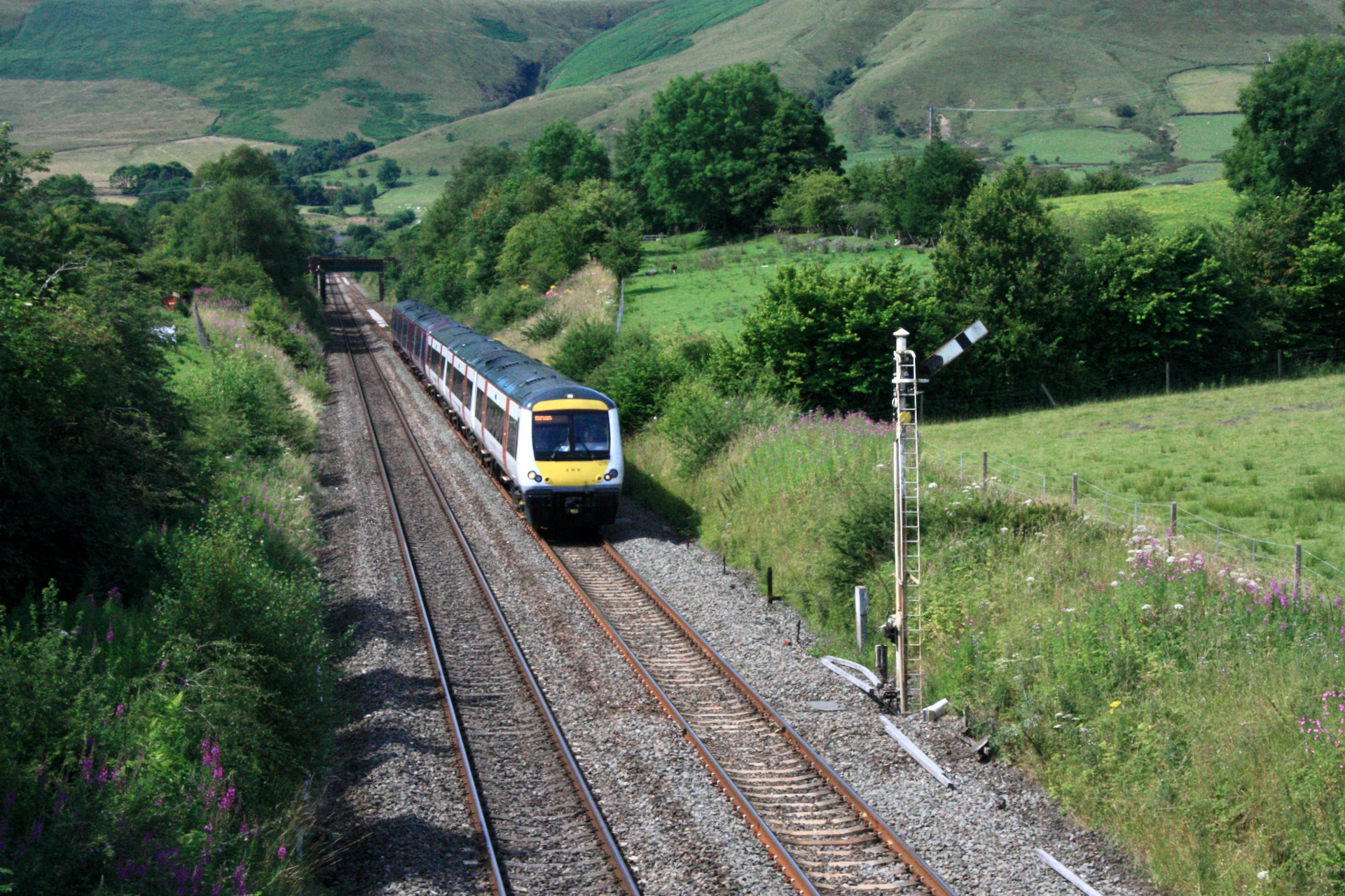
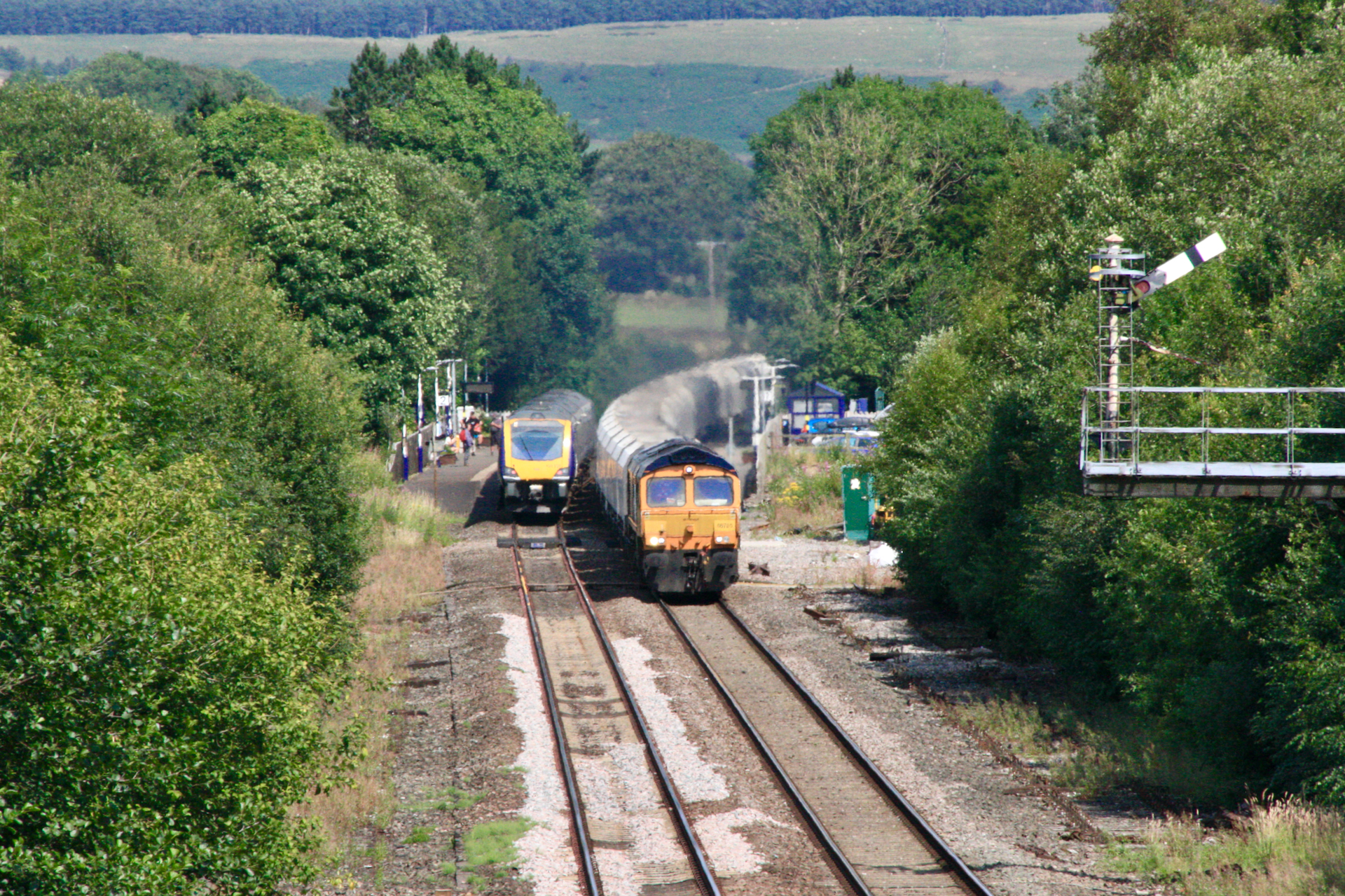
Taking a five-minute walk west from the station, to the south of the railway line, brings you to Shaw Wood Farm over-bridge, from where there is a good view back towards the station and, looking west towards Cowburn Tunnel, the two other Edale semaphores, up home signal EE19 and down section signal EE4.
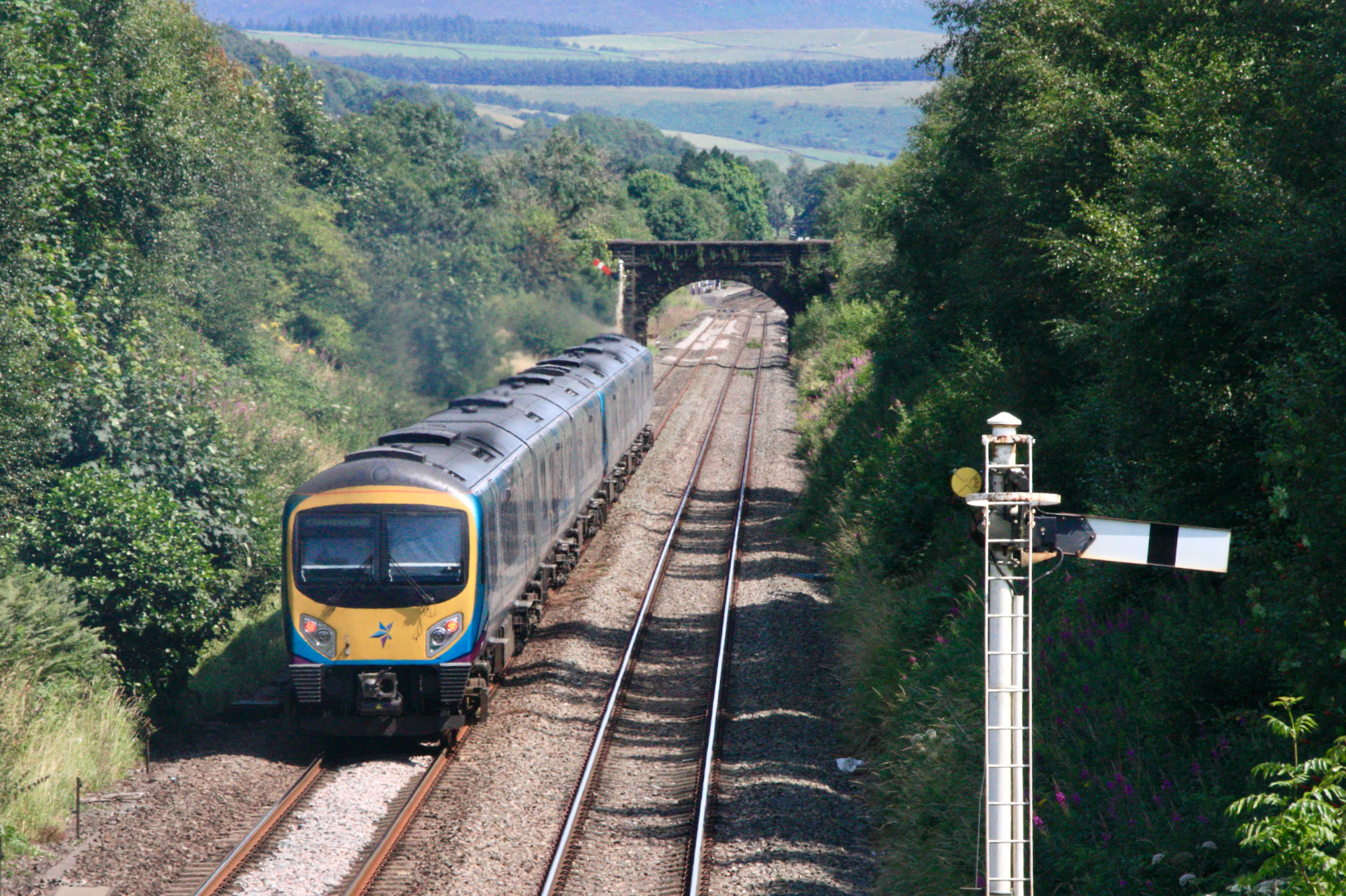
For a different view of the two westernmost semaphores it is worth taking another five minute walk along a path, this time north of the railway, which brings you to a second farm track over-bridge that is close to signal EE4 and gives you a view looking east back towards EE19 and the first over-bridge.
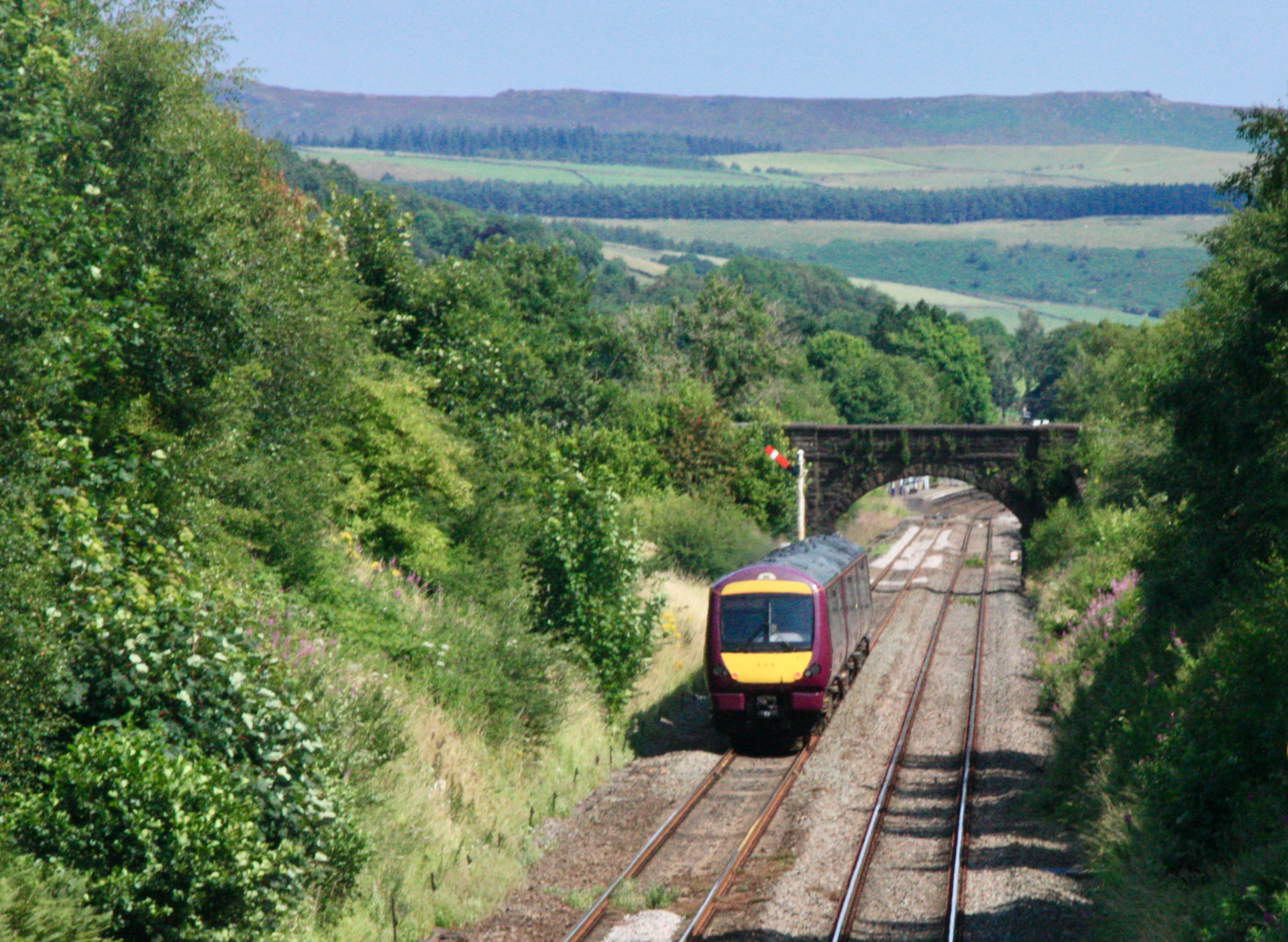
Despite the fine views from these two bridges one major drawback with Edale is the total lack of any mobile phone reception. Taking a printout of scheduled rail movements from Realtime Trains is fine as long as there is no disruption, but my day was badly affected by trespassers on the line causing lengthy delays and curtailment of many services.
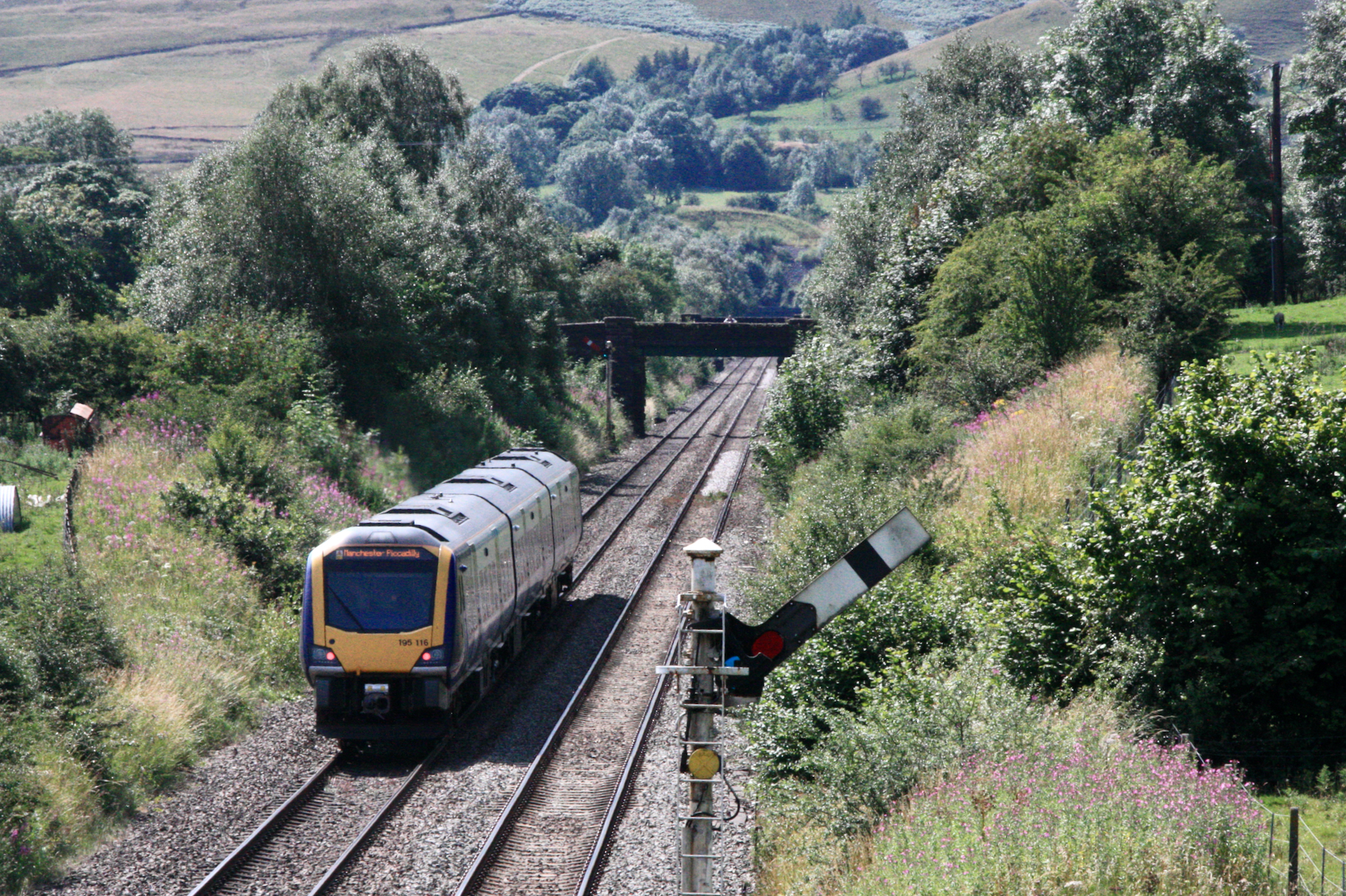
I had seen no westbound trains for over an hour when I returned to the station to discover this news and then went to the nearby Rambler Inn to use its Wi-Fi for updates, as well as reacquainting myself with a delightful local brew called Kinder Down Fall (4,5%/£4.80 a pint).
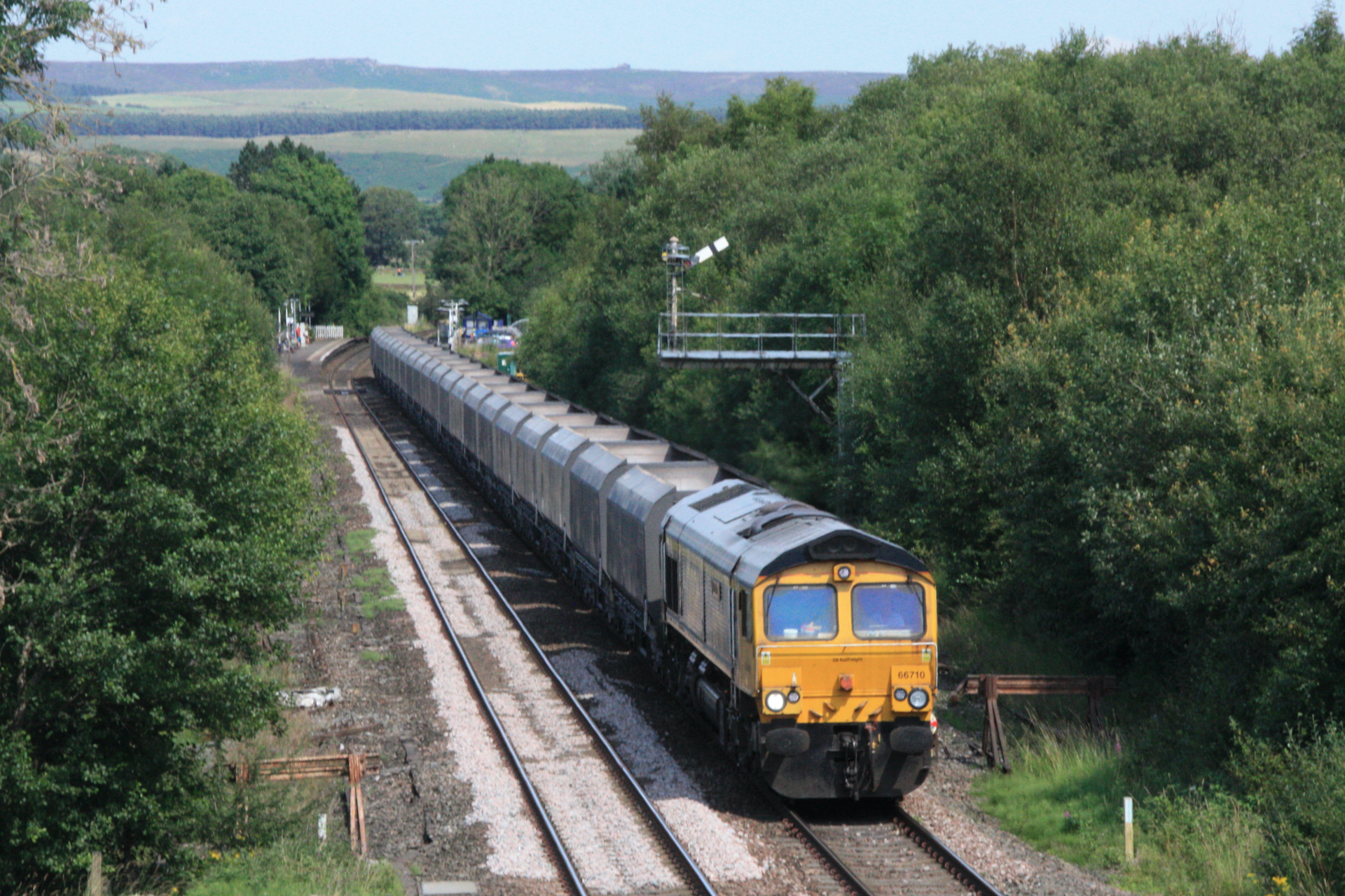
That gave me the information I needed to return to the first over-bridge and see a couple of Class 66-worked trainloads of empty aggregates wagons bound for Peak Forest and Tunstead Sidings, as well as more delayed passenger train action.
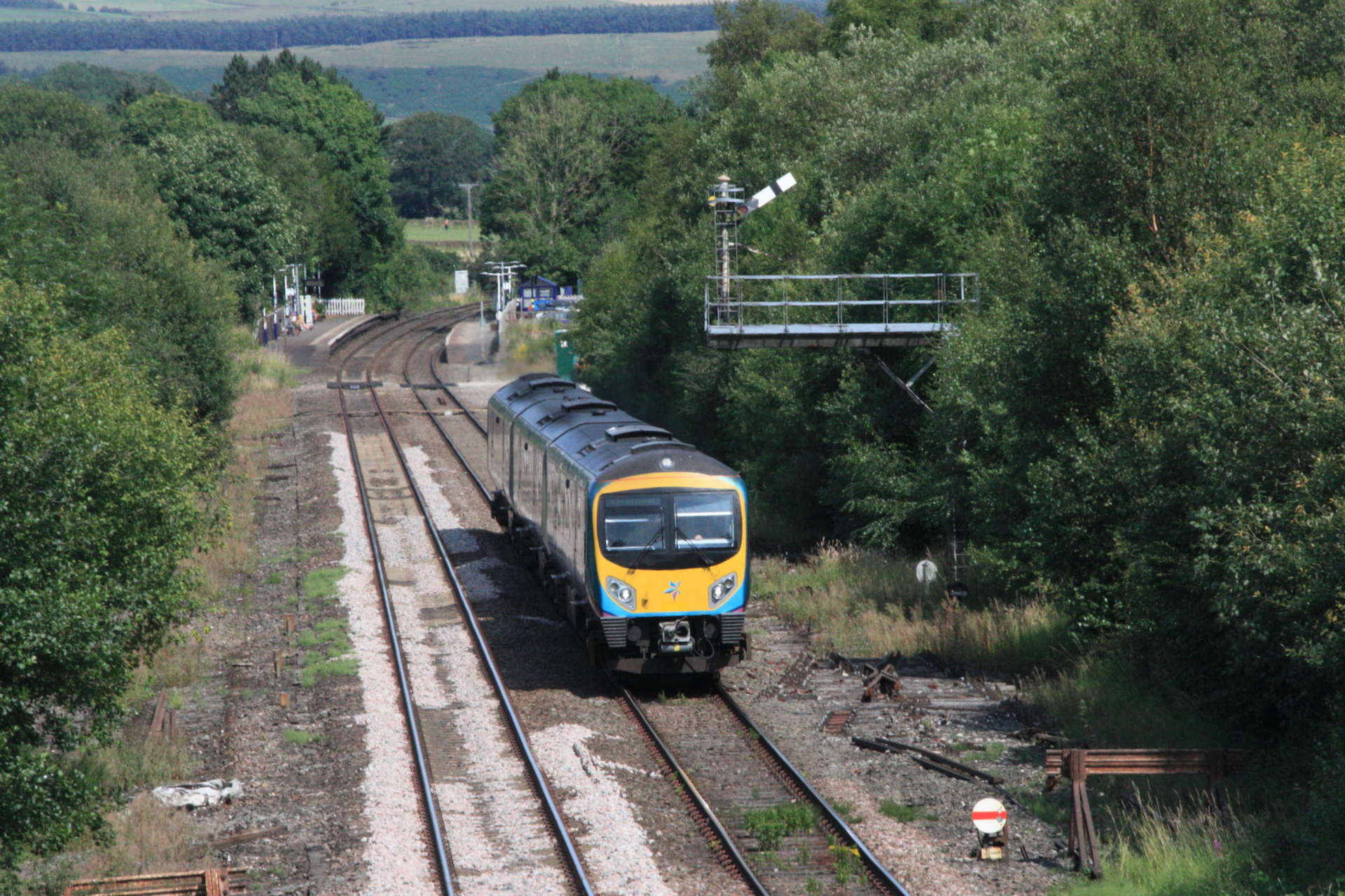
There are a trio of operators whose services pass Edale, with Northern Class 195 units forming the Manchester-Sheffield stopping services, Trans-Pennine Express Class 185 units on Liverpool-Cleethorpes workings and a mixture of East Midlands Railway Class 158 and 170 units on its Liverpool-Norwich services.
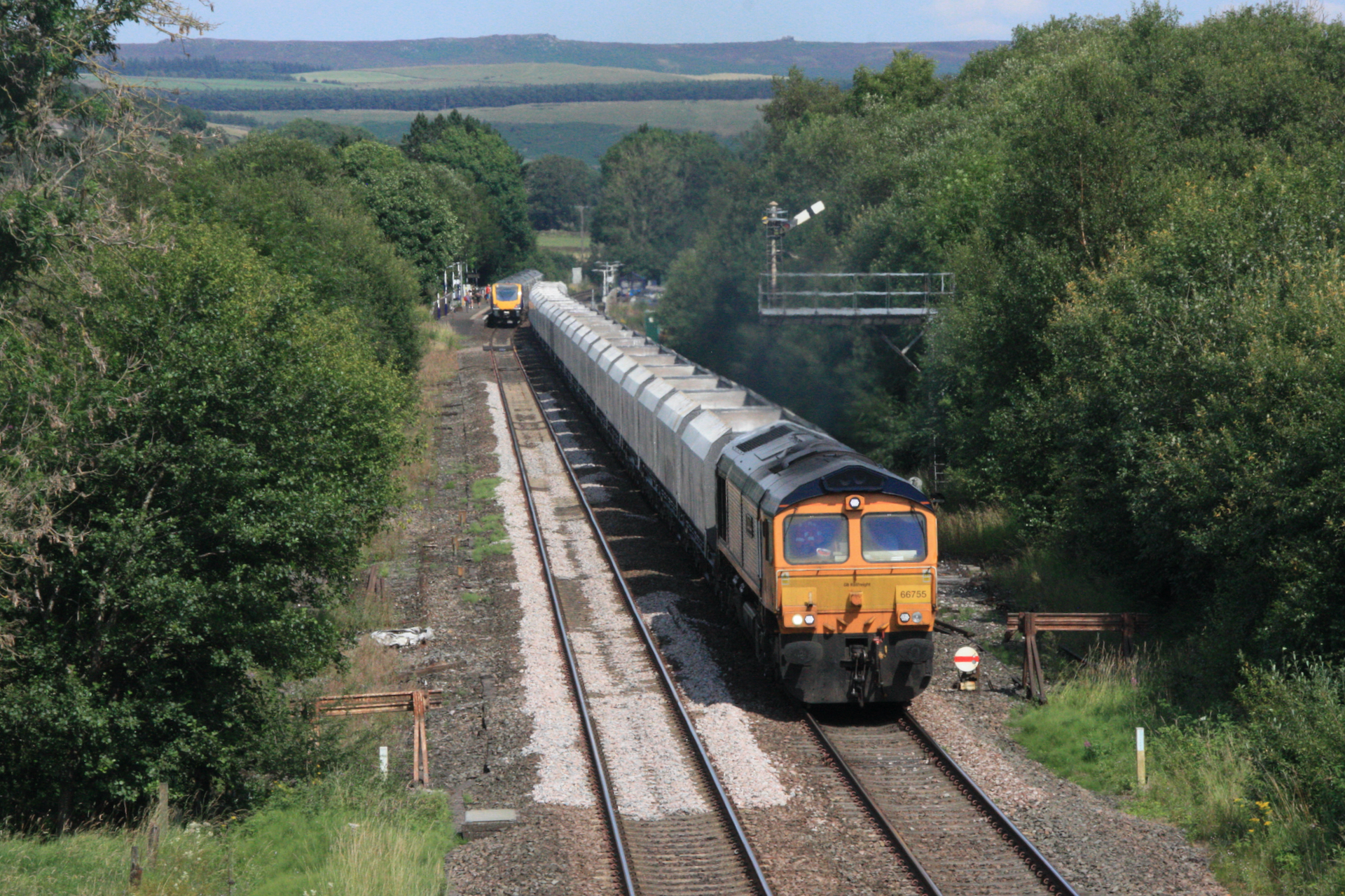
Edale Signal Box dates back to the opening of the Hope Valley route in 1893 and, after the recent closure of Grindleford Signal Box, is one of only three locations along the route to retain any semaphore signalling, the other two being New Mills South Junction and Earles Sidings at nearby Hope.
 RailwayWorld.net
You must be logged in to post a comment.