Loss of examples at Parbold and Chapel Lane Crossing on the West Lancashire Line in February 2024 means that there are now just ten combined home and working distant signals left on our national rail network, three of which control barely a mile of track in an obscure corner of West Cumbria.
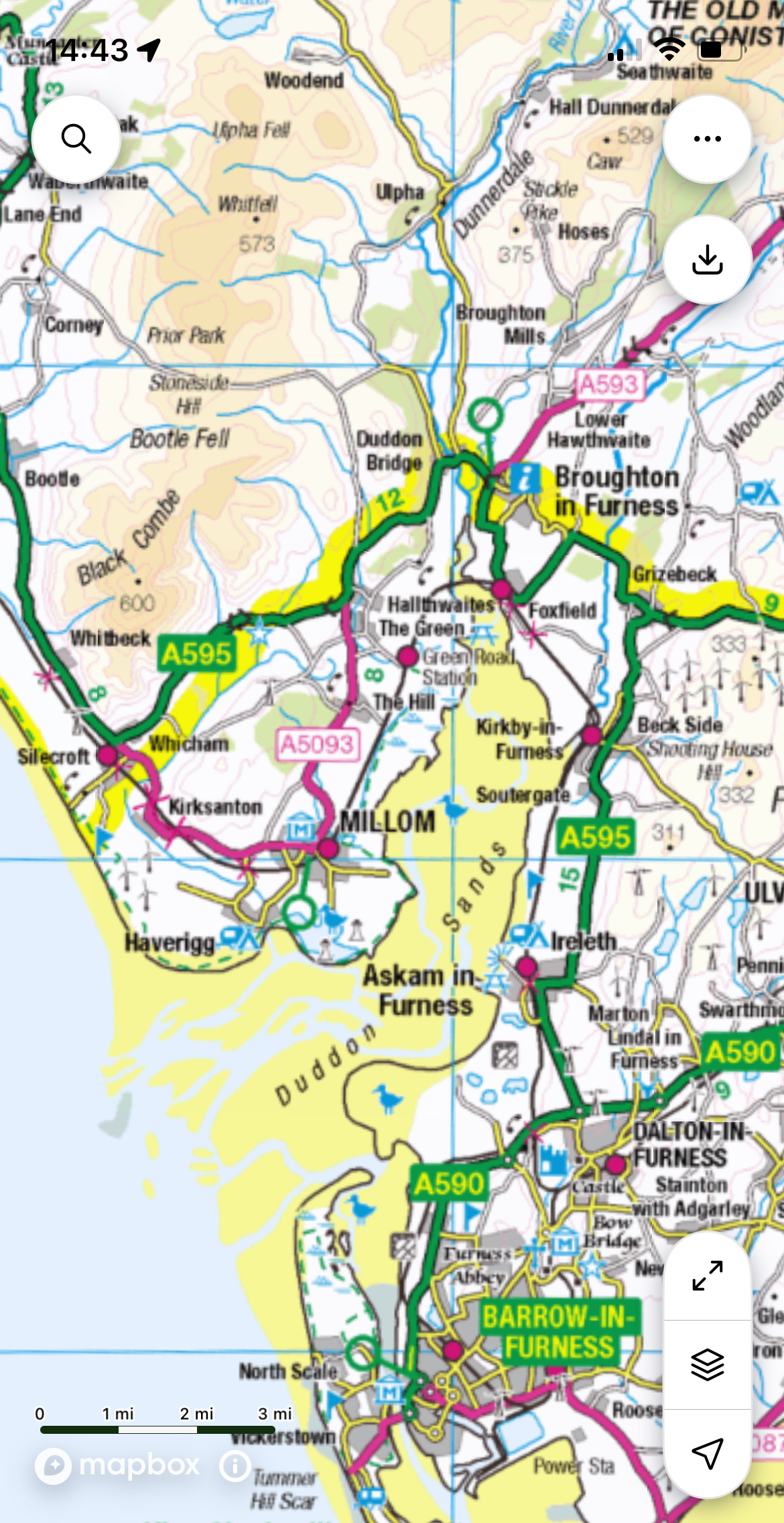
These are signals controlled by the signal box at Silecroft, and by the nearby gate boxes at Limestone Hall and Kirksanton, on the Cumbrian Coast Line to the west of Millom, where these remarkable survivors protect two level crossings on the A5093.
The Cumbrian Coast and Furness Lines between Carlisle, Barrow-in-Furness and Lancaster are home to the finest collection of mechanical signalling anywhere in Britain, with a number of working distant signals as well as this home-and-distant trio, so it felt like time to pay an overdue return to the area to capture the historic scene.
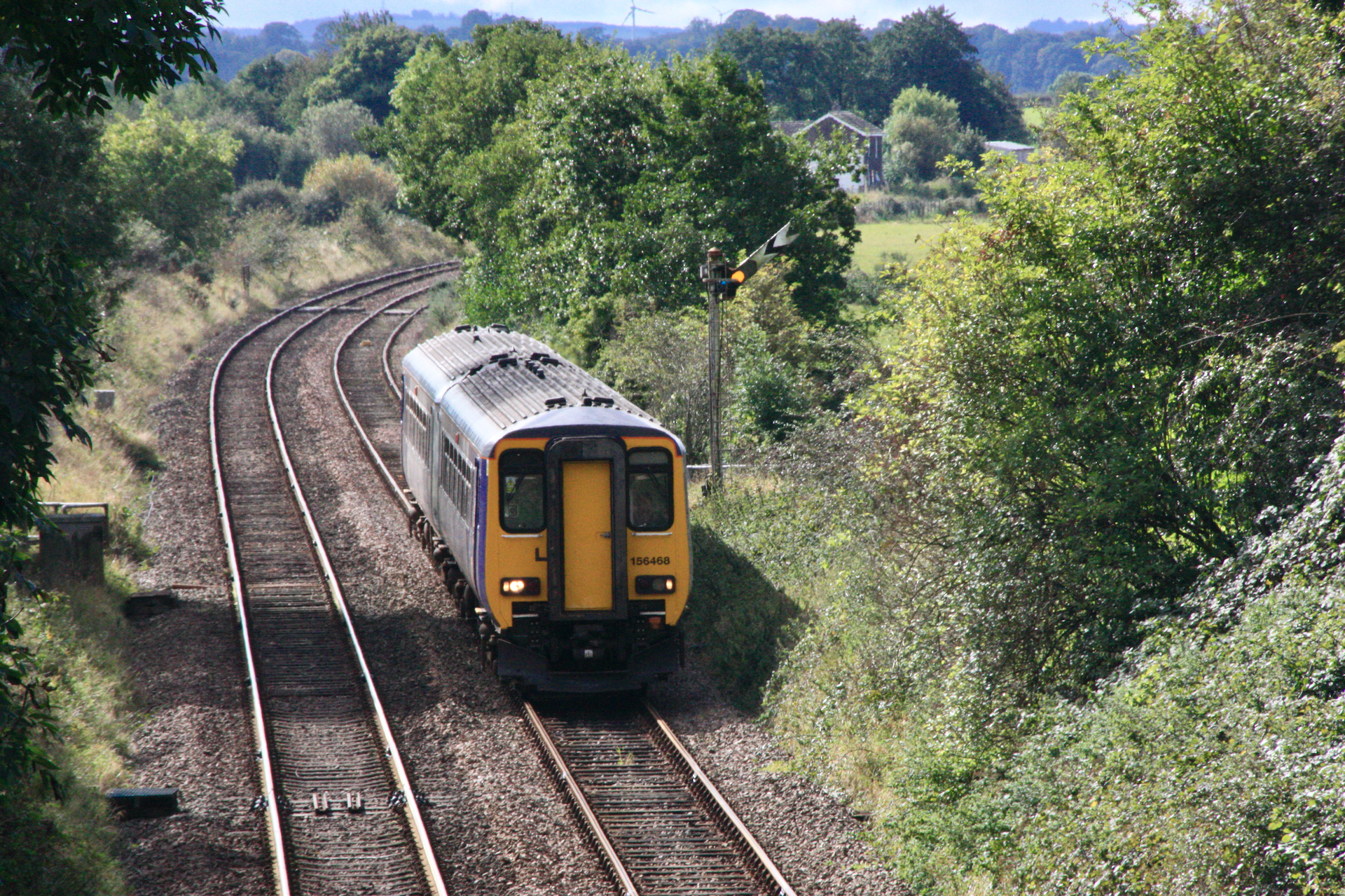
Travelling via Carlisle to spend a couple of nights in Millom (24-26 September 2024), my first stopping off point was Wigton, home to the most northerly of the 18 surviving boxes that control semaphores along the route and a place where, on passing through earlier in the year, I had seen that there was a road bridge west of the town with a view of down distant signal WN1.
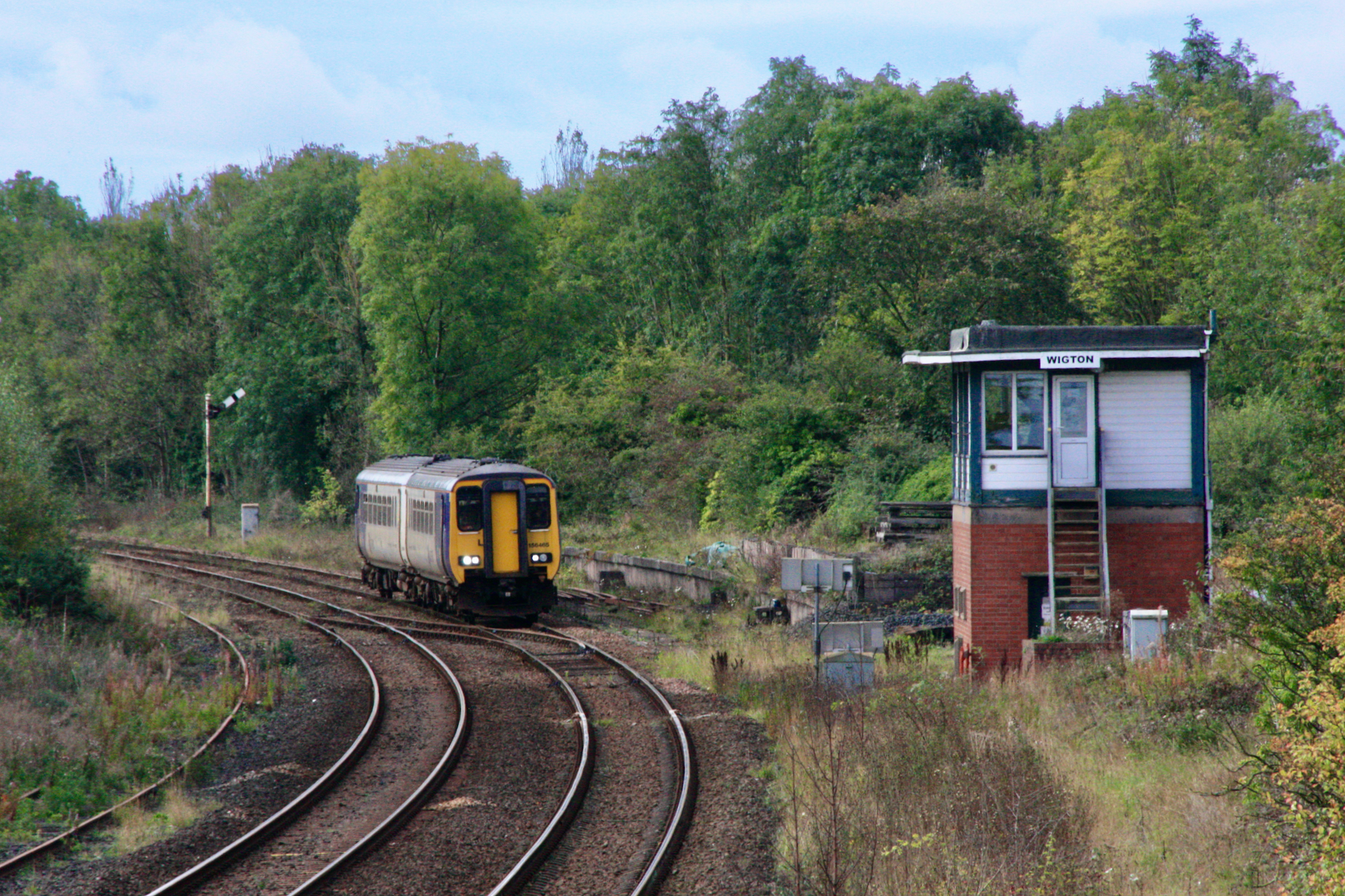
It is an easy 25 minute walk from the railway station up to the town centre and turning right through and out of town on the B5302 as far as Brookfield over-bridge, from where there is indeed a good view of WN1 looking south. But the bridge parapet is high, so I had to hastily borrow an old plastic chair from a nearby field to stand on to get the shot!
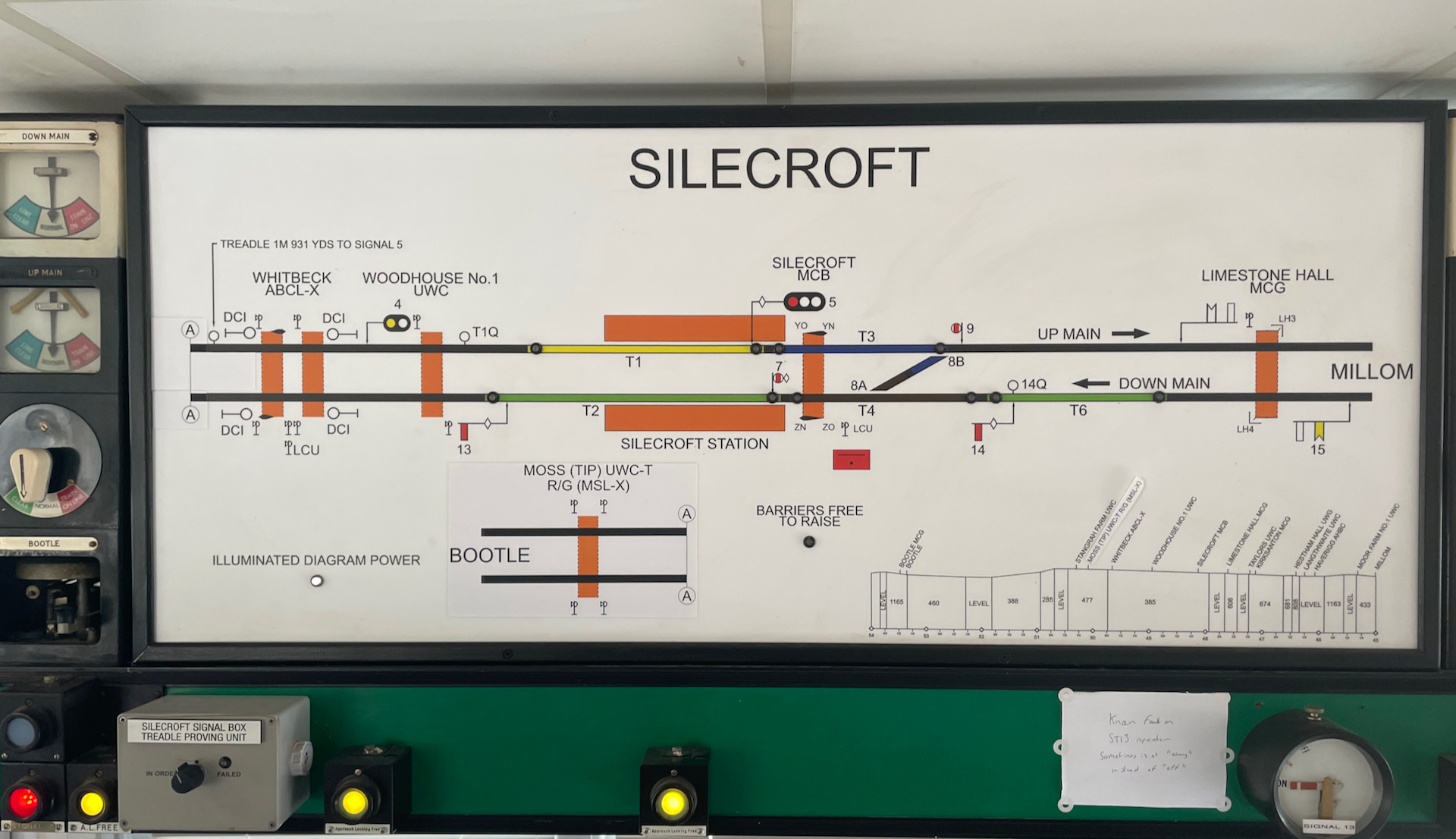
From Wigton I then caught the train on to Silecroft, the stop before Millom and a very quiet spot, with a 1923 Furness Railway signal box just south of the down (northbound) platform. This controls level crossing barriers and a trio of semaphores, all in the down direction. These are ST15, a distant signal at Limestone Hall LC, home signal ST14 close to the station and section signal ST13 400 yards to the north.
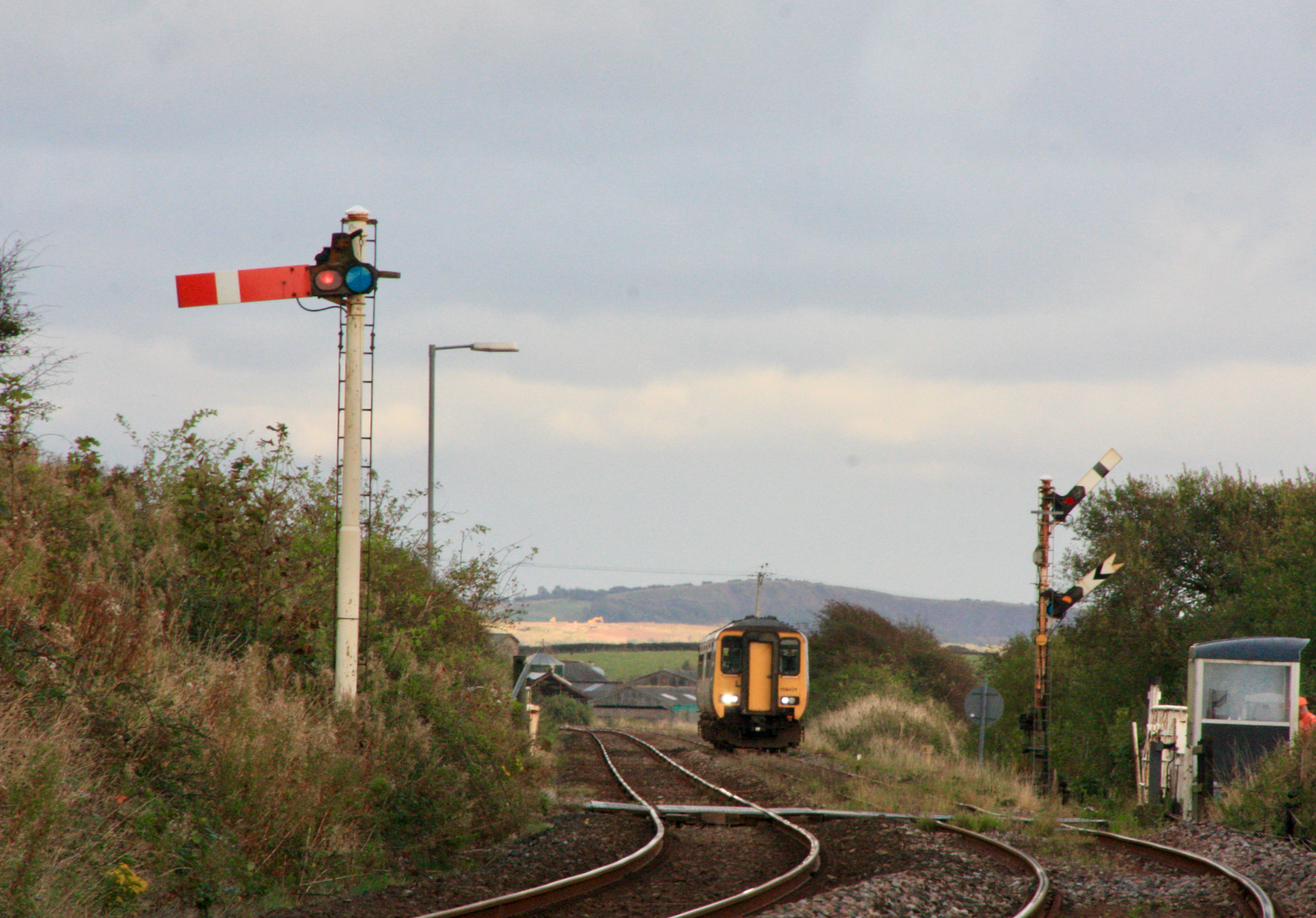
The up home and distant signals protecting Limestone Hall Level Crossing can just be seen from the platform at Silecroft, but it is well worth a 20-minute walk along the A5093 to get to Limestone Hall Level Crossing and have a better view.
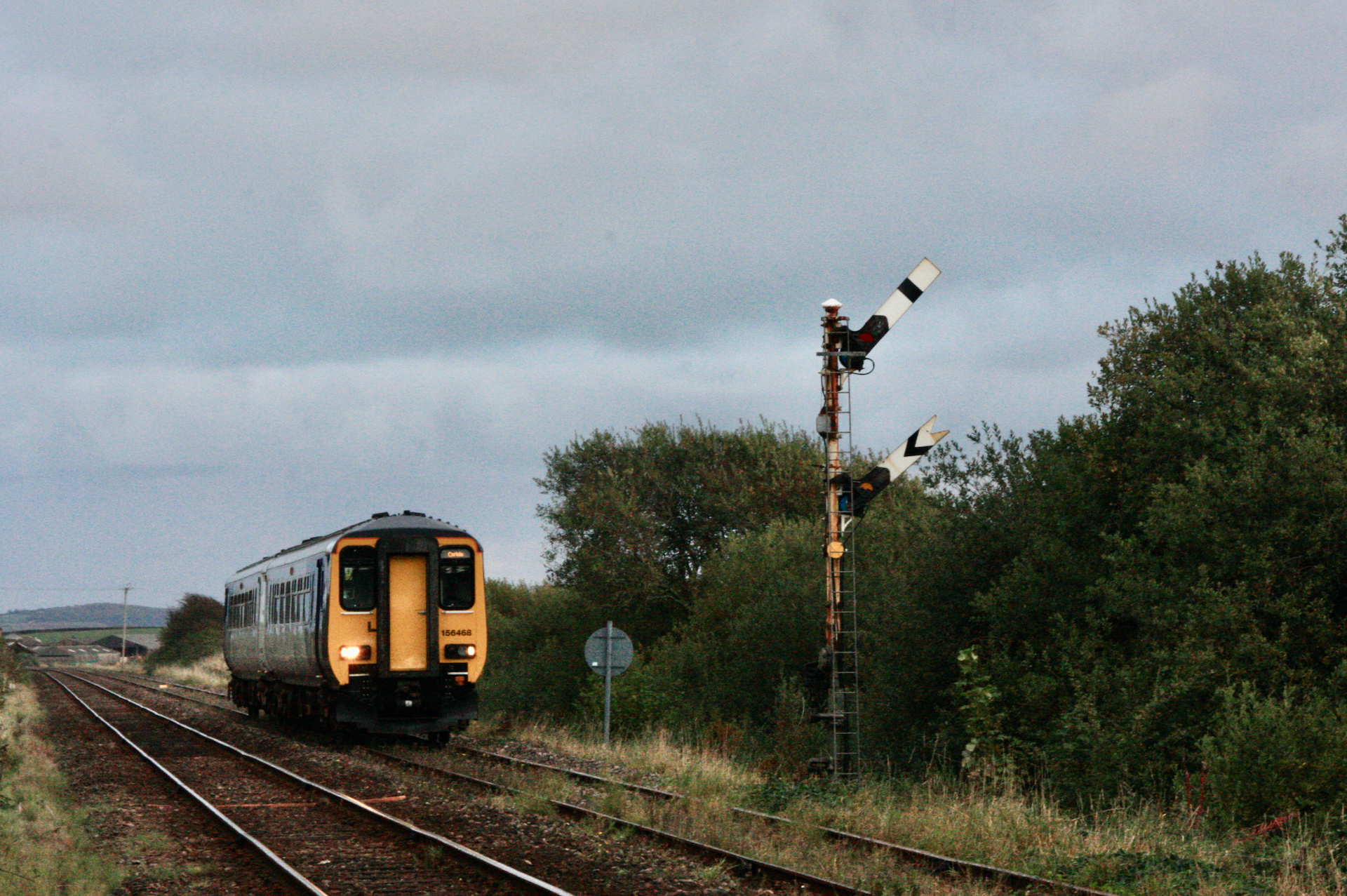
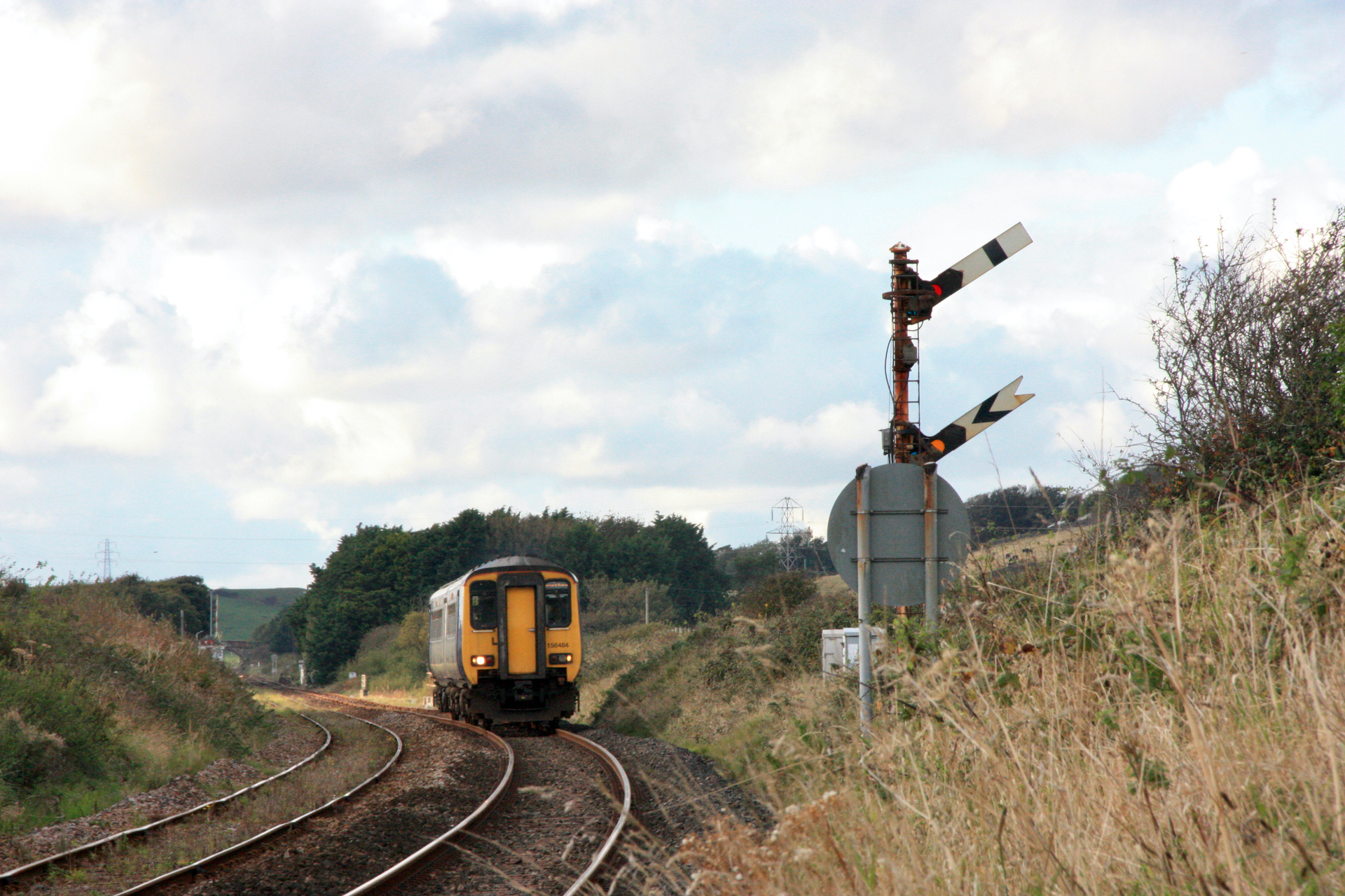
Here you will see two of the three home/distant combinations. Looking back towards Silecroft there is the pairing of Limestone Hall’s up home (6) with the Kirksanton distant (5) beneath, while looking towards Millom there is the Limestone Hall down home (2) with the Silecroft down distant signal (ST15) beneath, as seen in the photo above.
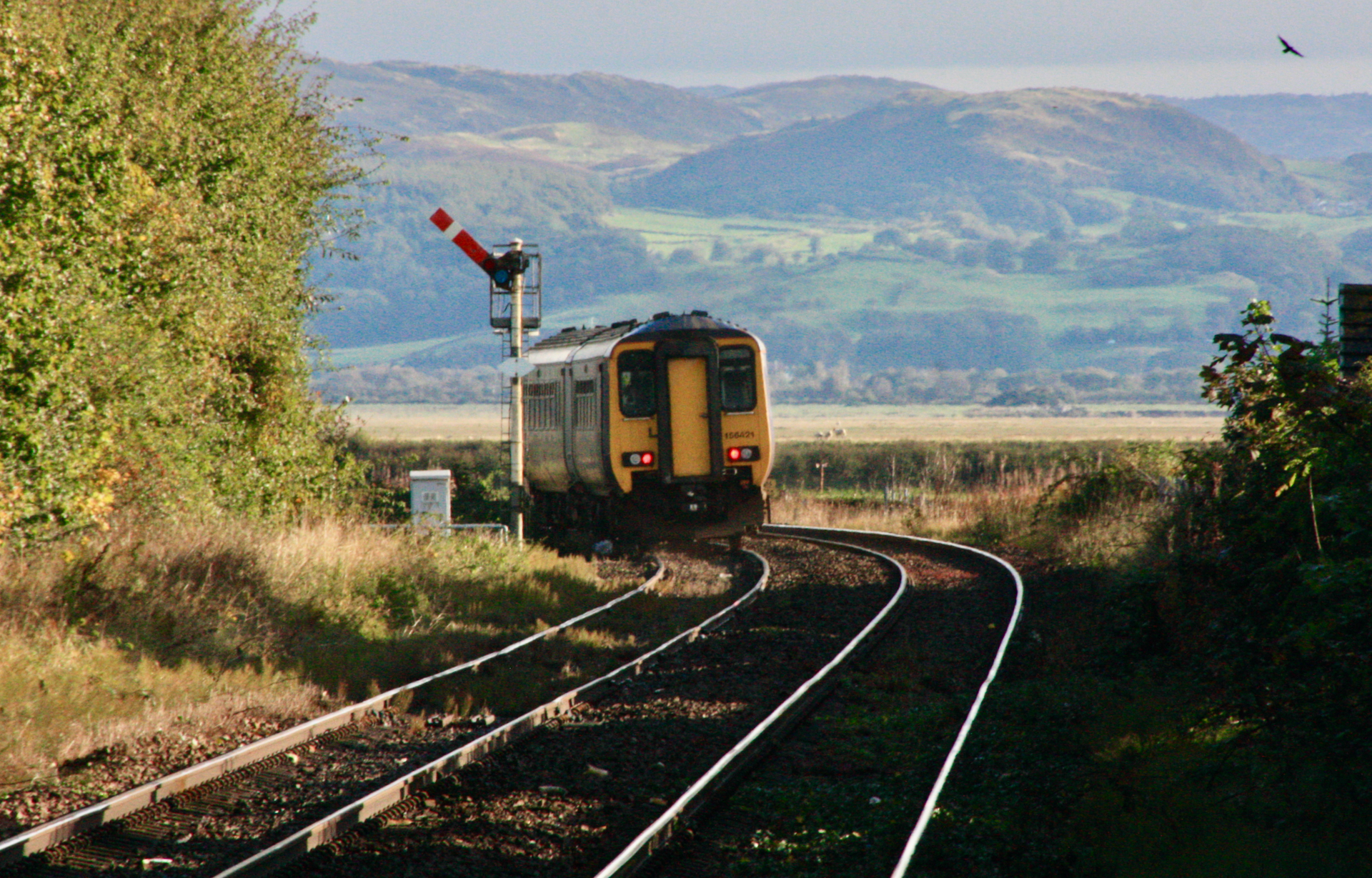
Moving on along the A5093 towards Millom, a five-minute walk brings you to Kirksanton Level Crossing, where the best view is from a foot crossing around 200 yards to the west. Here in the down direction Kirksanton is protected by its home signal (2) beneath which is Limestone Hall distant signal (1), while in the up direction there is a single home signal (4).
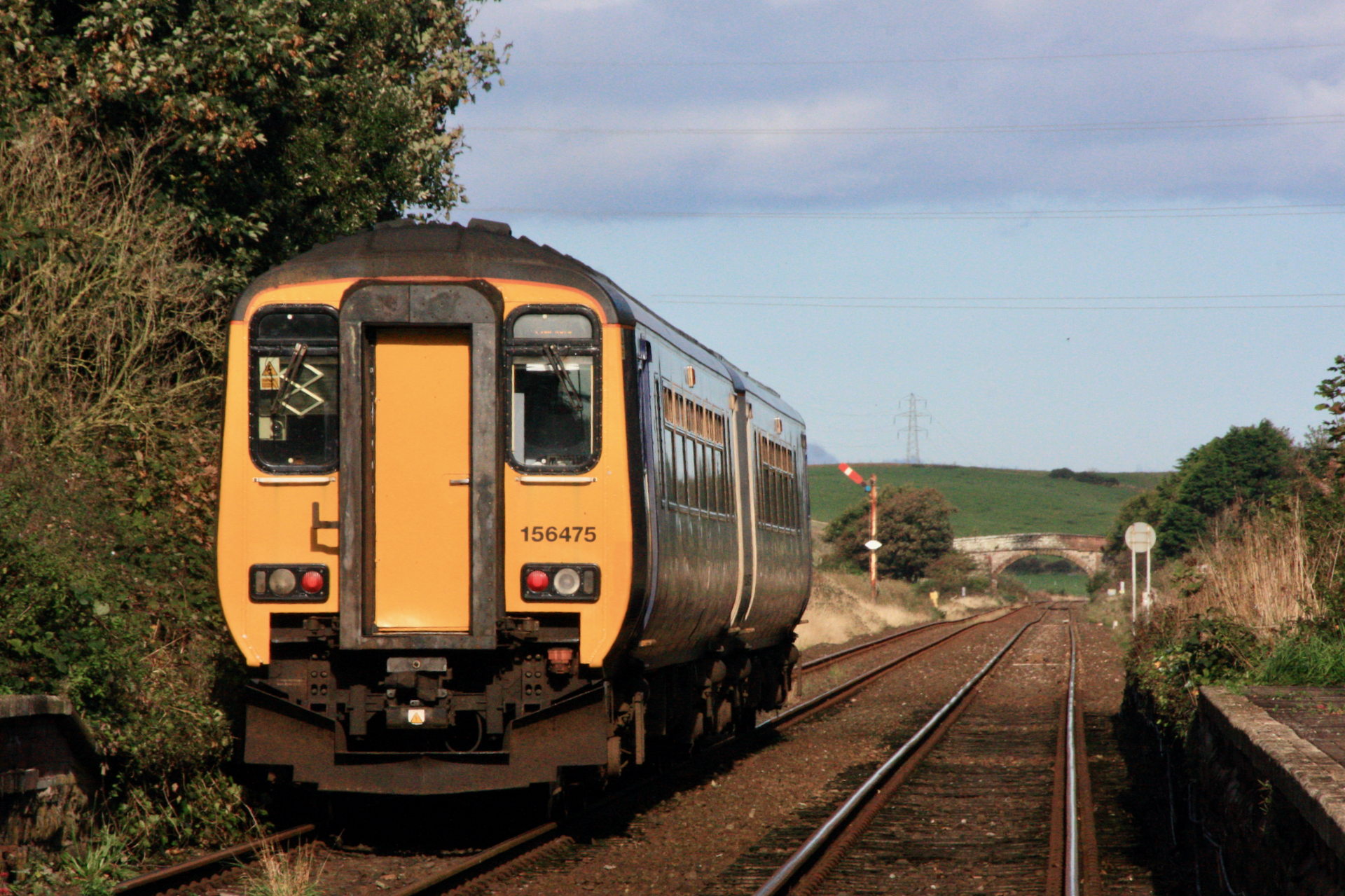
Apart from having manually worked gates, what seems remarkable here and at nearby Kirksanton is that there are no warning lights or countdown markers on the road, so crossing keepers simply have to wait for a break in the traffic before bravely stepping out to close their gates after hearing a warning bell from either the signal box at Millom (down trains) or Silecroft (up trains).
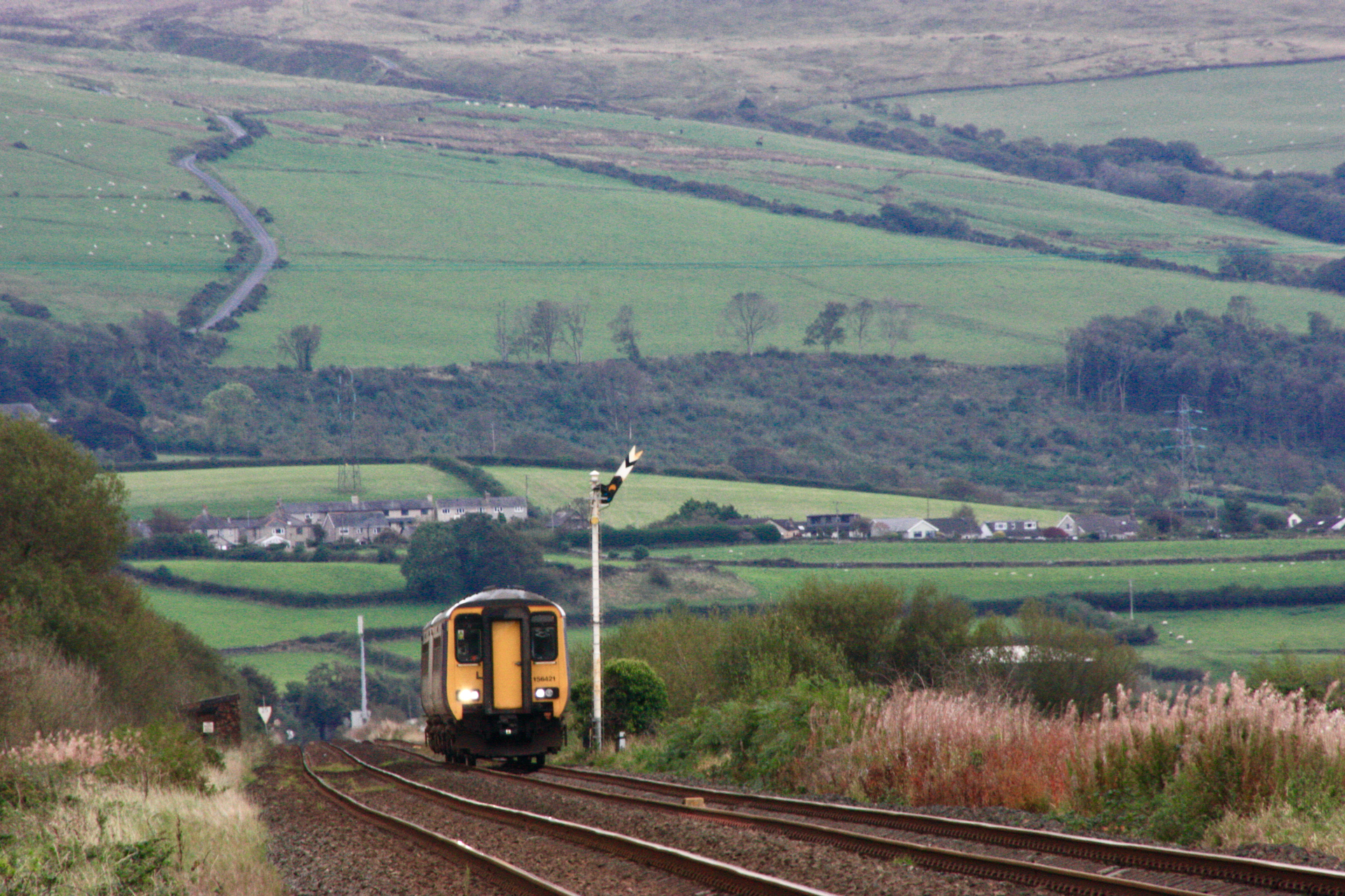
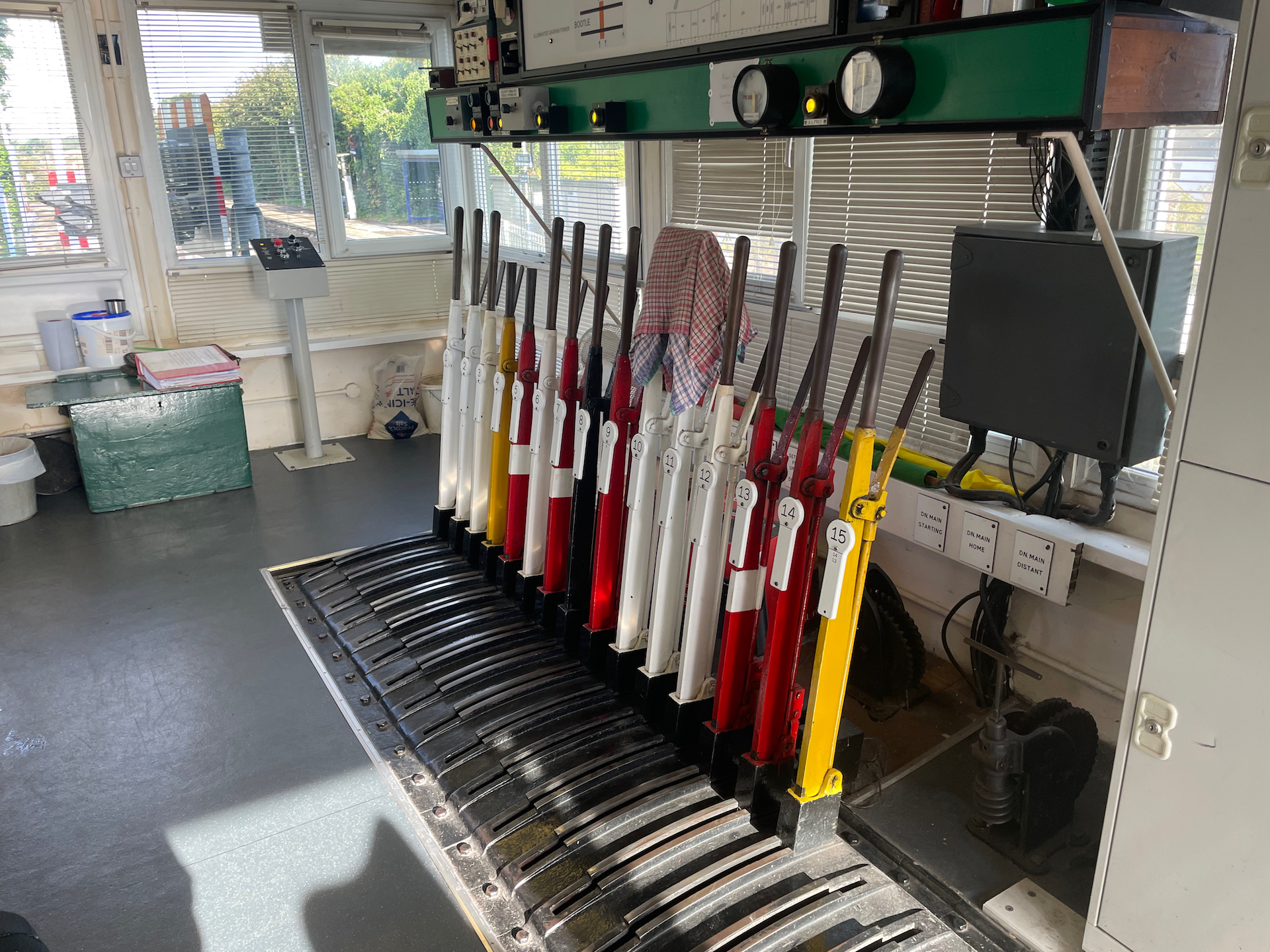
Limestone Hall LC has an eight-lever frame, on which there is just one non-mechanical (short lever) which is its up distant signal (7), a three-aspect colour light standing on the platform at Silecroft station. Nearby Kirksanton has a six-lever frame, all mechanical, with its four semaphores being down distant (1), down home (2), up home (4) and up distant (5).
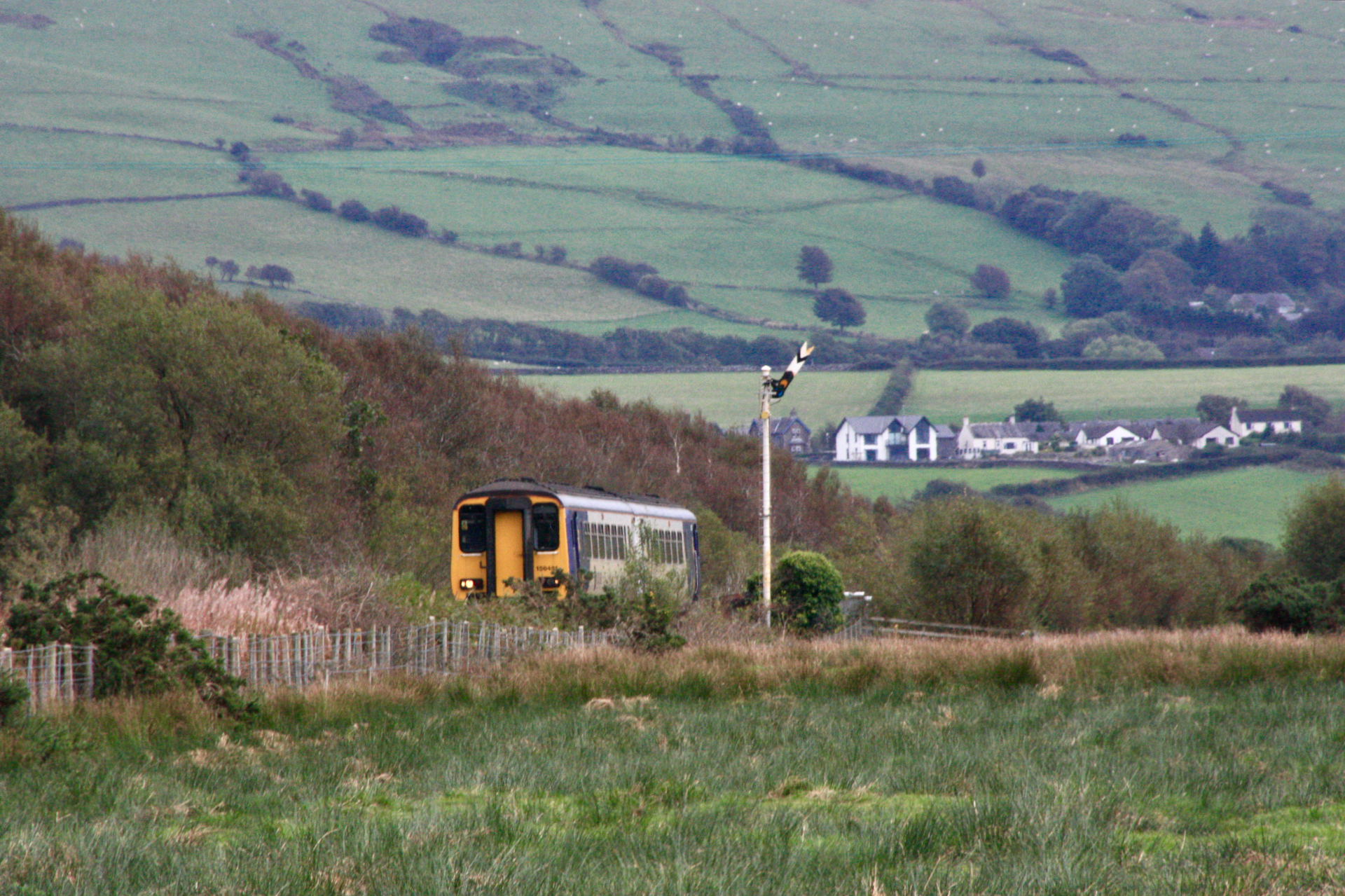
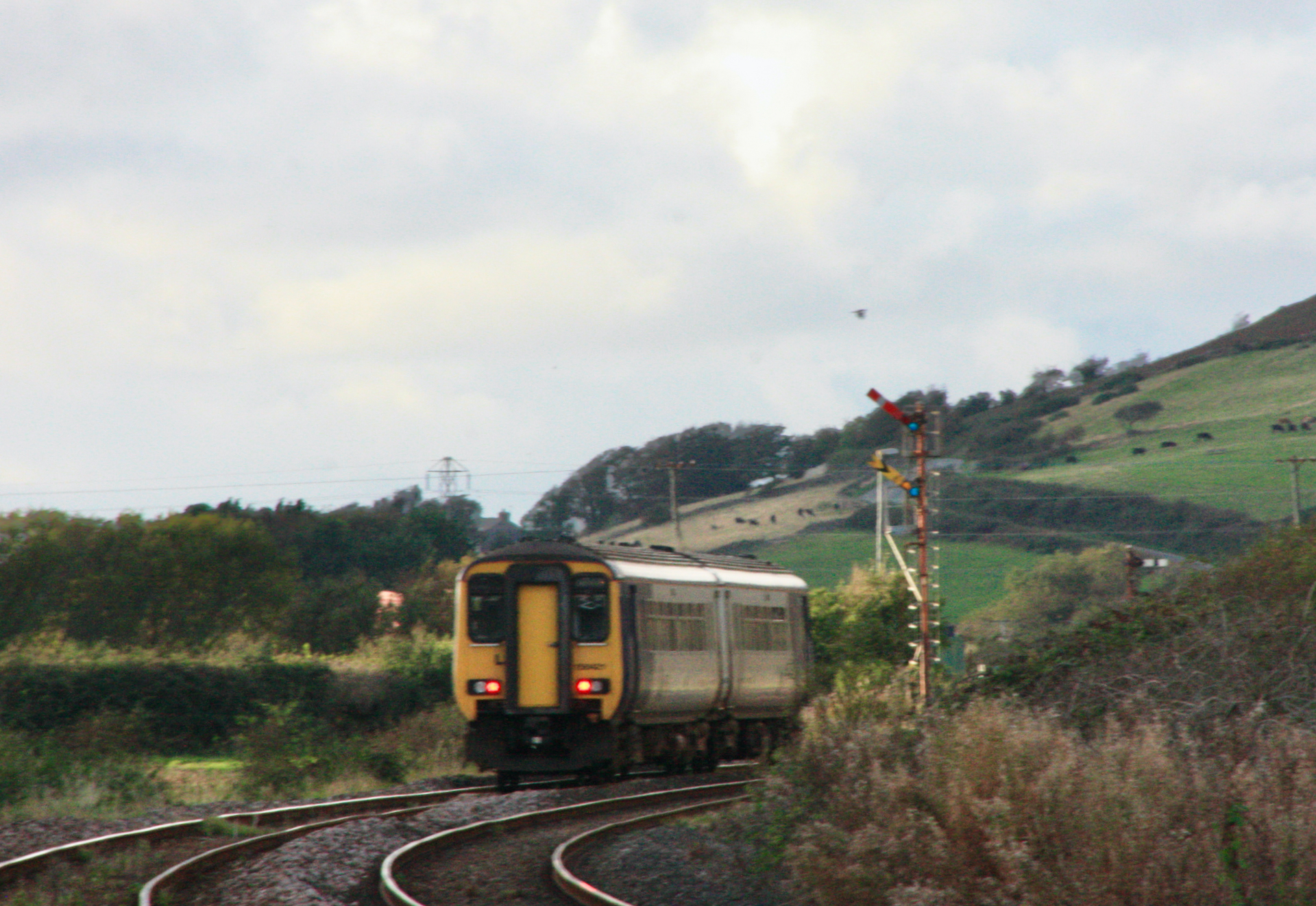
Taking the five-minute trip from Millom to Silecroft, as I did on 25 September, is a remarkable experience, as you will pass no less than three working semaphore distant signals in the space of about one mile – something you will not do anywhere else in Britain. Alas, though, some of the crossing keepers are too lazy to pull off their distant signals, which must rather confuse passing train drivers.
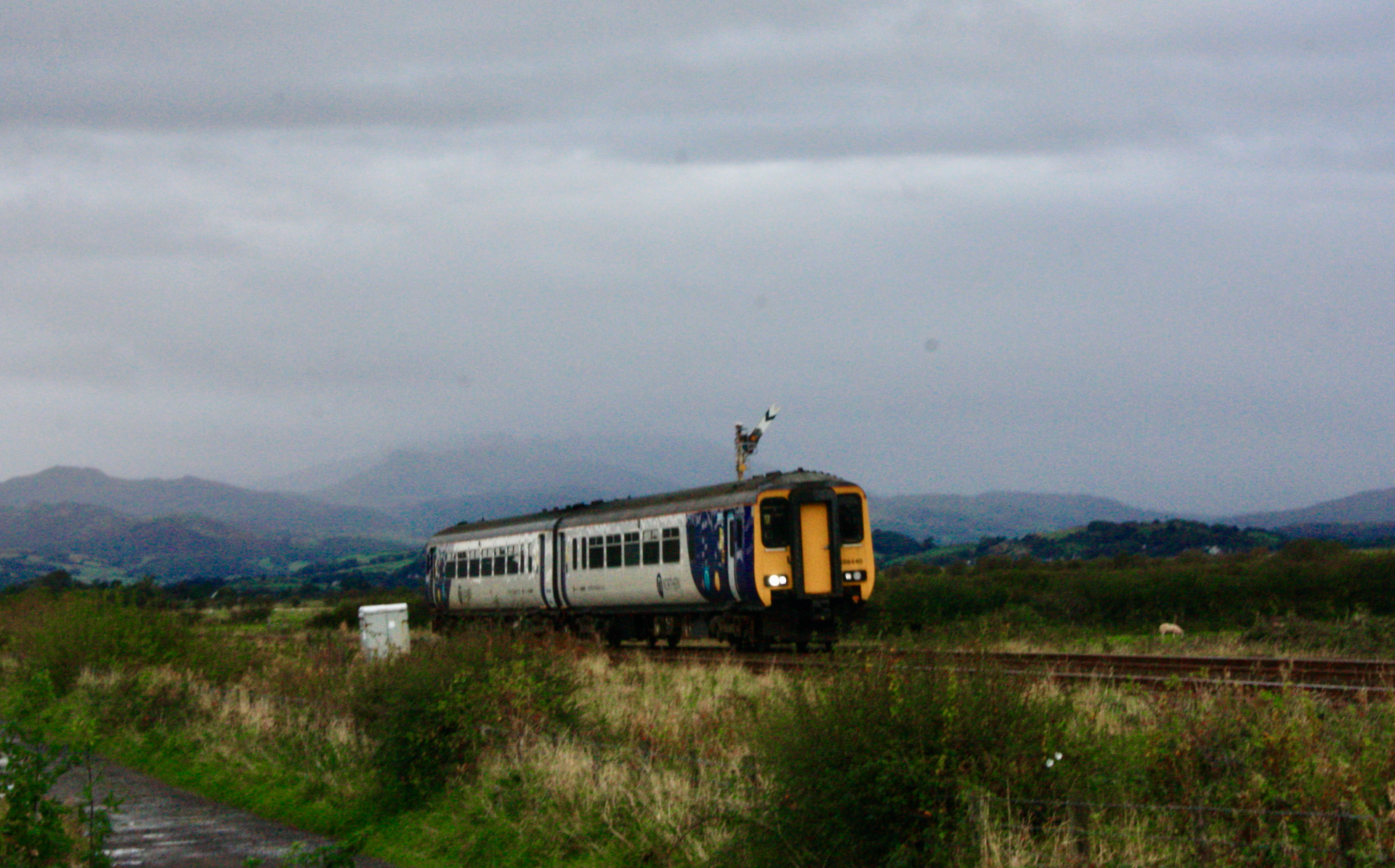
Moving on from the two remarkable level crossing survivals, I was keen to get shots of trains passing the down distant signal (51) at Foxfield, which can be seen from a crossing of the line about ¾-mile south of the station. It was motorised shortly after my last visit (May 2021), has been newly-repaired and repainted, but is now sadly slated for replacement by a colour light.
Cumbrian Coast services remain almost exclusively worked by Class 156 units, although the new Class 195 units are cleared to work as far north as Millom, as they do at weekends, and there were some empty stock workings all the way to Carlisle when the Furness Line was recently blocked at Grange-over-Sands.
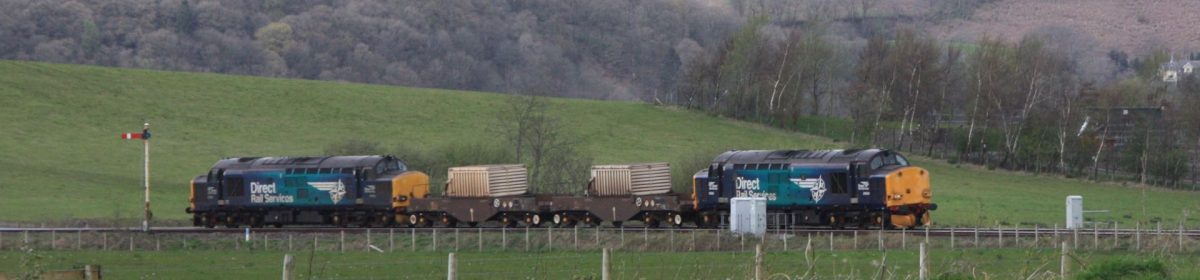
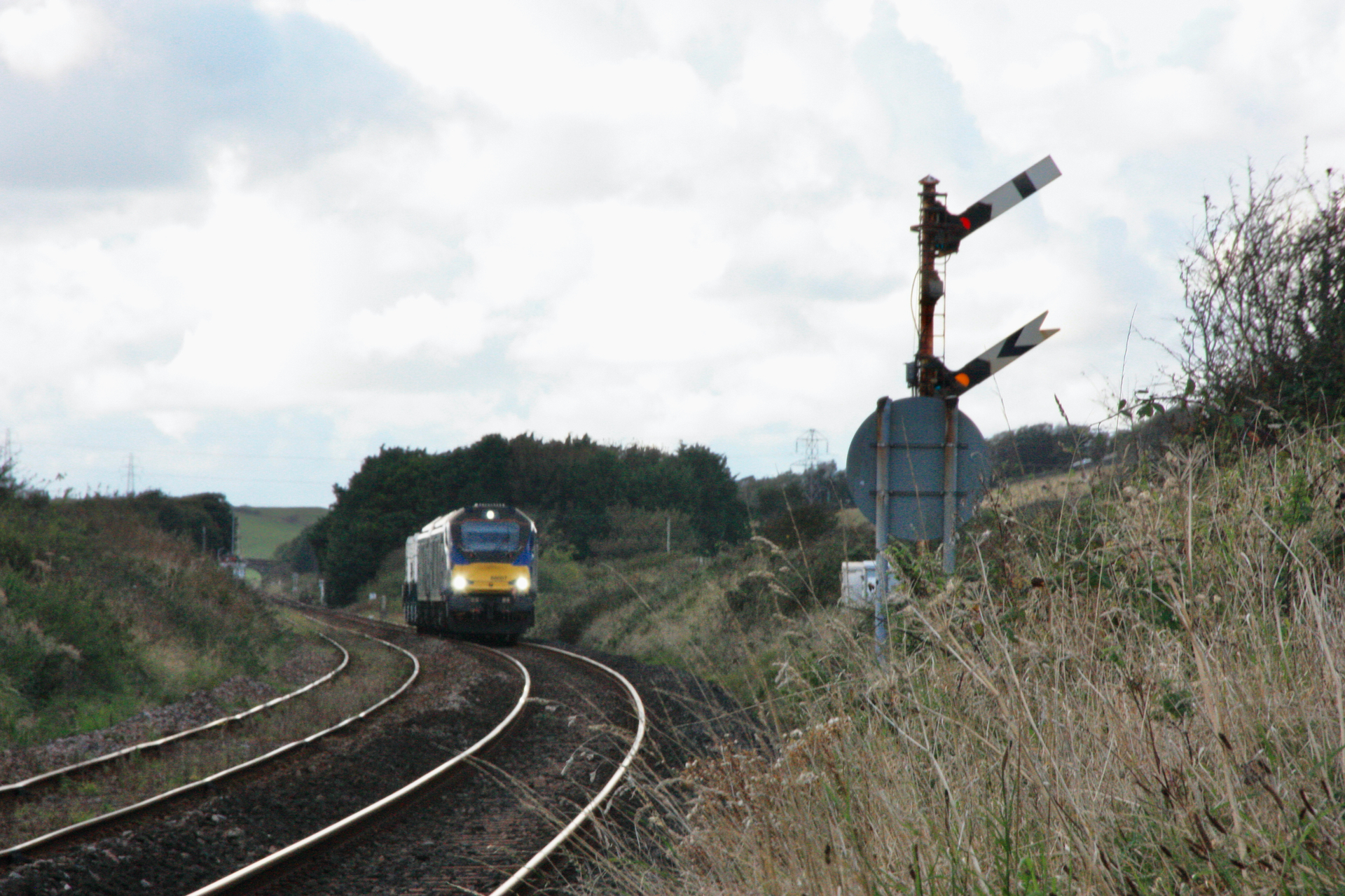
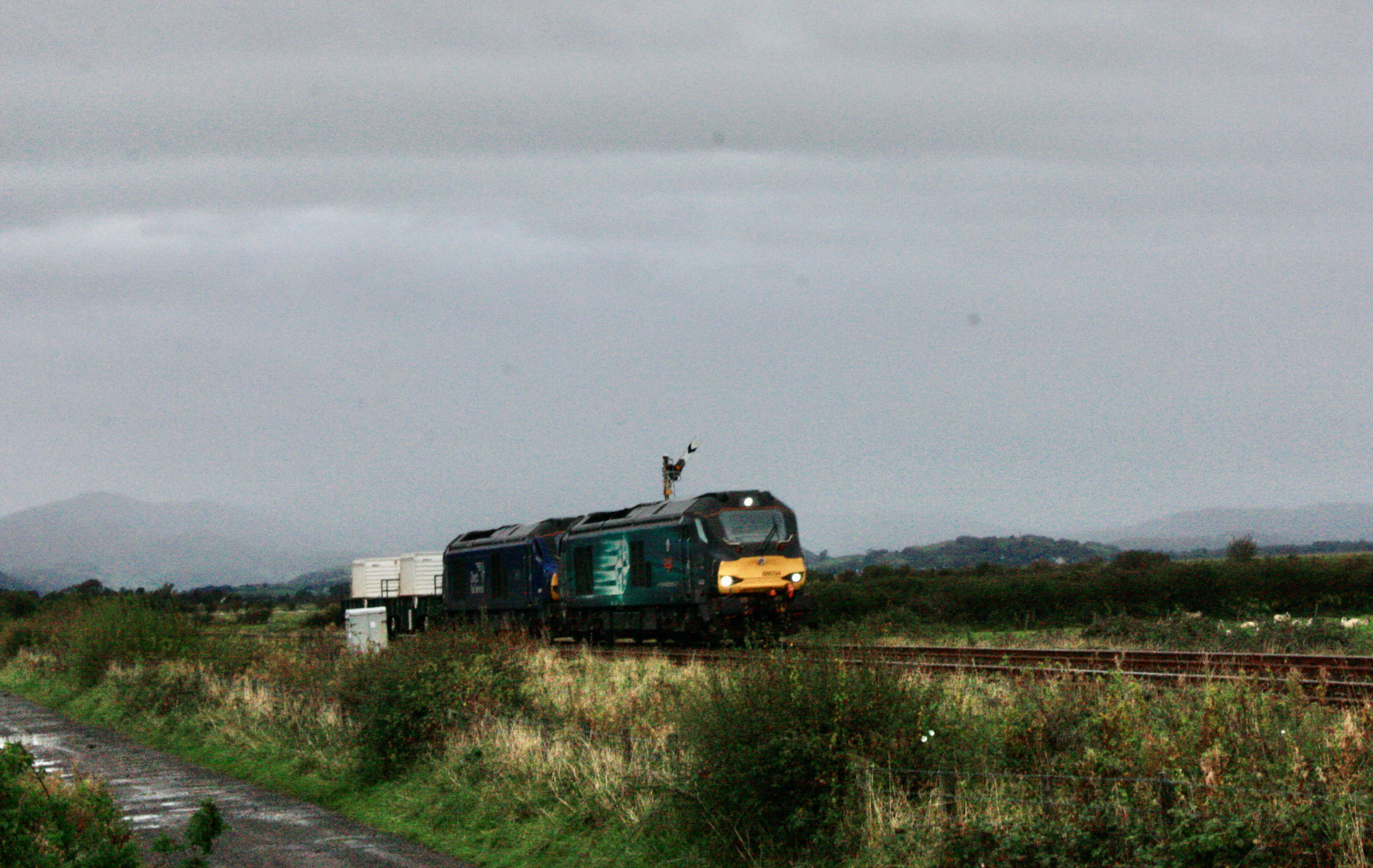
Nuclear traffic to and from Sellafield is the only regular freight movement south of Workington, and during my three days in Millom I was able to see an evening working from Sellafield to Crewe at Limestone Hall on 24 September then two days later (26 September) I was lucky enough to see the return working pass Millom’s down distant signal (51).
I had previously been told that this distant signal was only pulled off for trains like the nuclear working not scheduled to call at Millom, yet only a few minutes before the pair of DRS Class 68s appeared the distant had been pulled off for the heavily-delayed passing of 156440 on a Barrow-Carlisle working (2C41), running 44 minutes late.
For the record, the other surviving home and distant combinations are at Cattal, Marston Moor and Hessay on the York-Harrogate line, at Langham Junction near Oakham, at Peak Forest in Derbyshire, Elmton & Cresswell on the Robin Hood Line (switched out) and the last surviving lower quadrant example at Sutton Bridge Junction, Shrewsbury.
My grateful thanks once again to Richard Wilson at Skelly Crag Level Crossing, Foxfield, for his kind hospitality and wisdom, and also for the introductions to his helpful and hospitable colleagues, Pat Fagan at Limestone Hall Level Crossing and Ben Harris at Silecroft Signal Box
I must also praise train operator Northern for being one of the few to still produce any printed timetables. Its “Coast, Lakes, Dales & Fells” booklet is an excellent guide to services on the Cumbrian Coast, Settle & Carlisle and other routes in the area, along with principal bus services across the Lake District.
 RailwayWorld.net
You must be logged in to post a comment.