For all the rail trips I do around the UK and have done in Continental Europe, there is something totally compelling about Bulgaria’s only narrow gauge railway, which persuades me to return for the third consecutive year to Velingrad “Spa Capital of the Balkans”.
Velingrad stands roughly one-third of the way along the remarkable 78-mile (125km) long 760mm gauge railway that runs from a junction called Septemvri on the main rail route from Sofia to Plovdiv, all the way to the renowned ski resort of Bansko and its terminus at Dobrinishte a few miles further on.
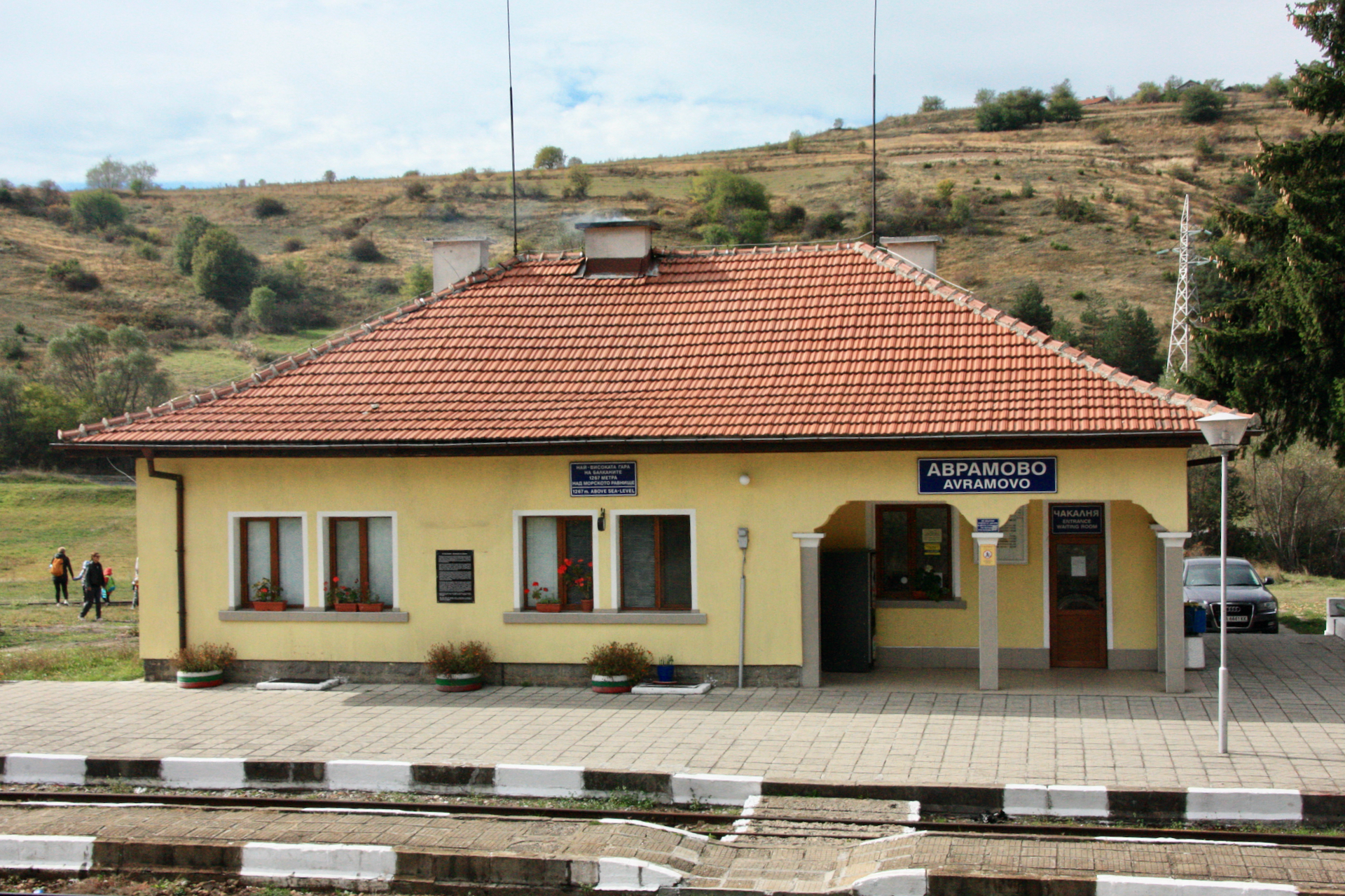
Lured once again by cheap Ryanair flights from London to Sofia, my plan for a Balkan mini-break (8-11 October 2024) was to visit one of the largest settlements along this route and also to pay a return to Avramovo, a remote spot that is the highest station in the Balkans, at an altitude of 1267m (4,157ft).
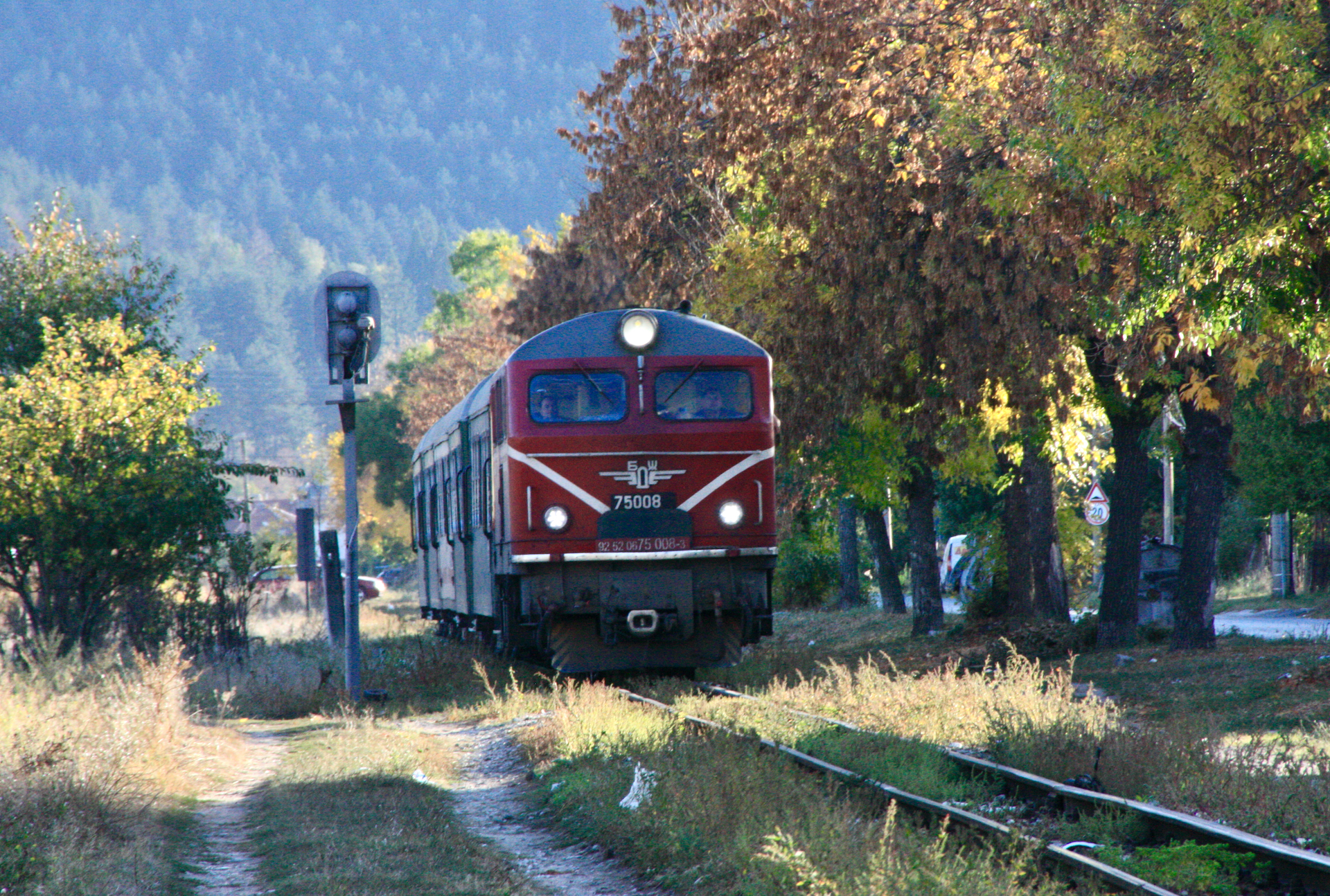
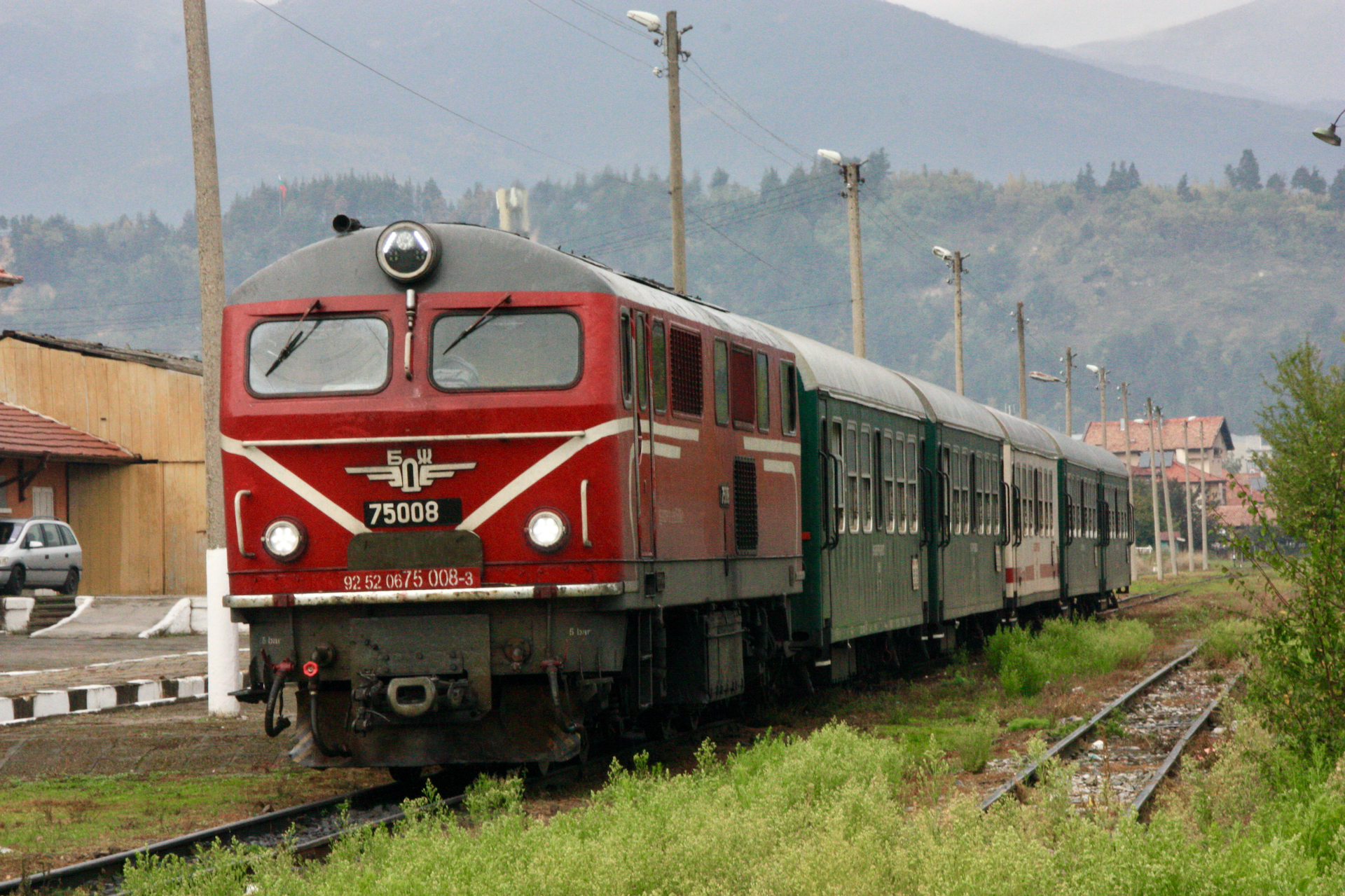
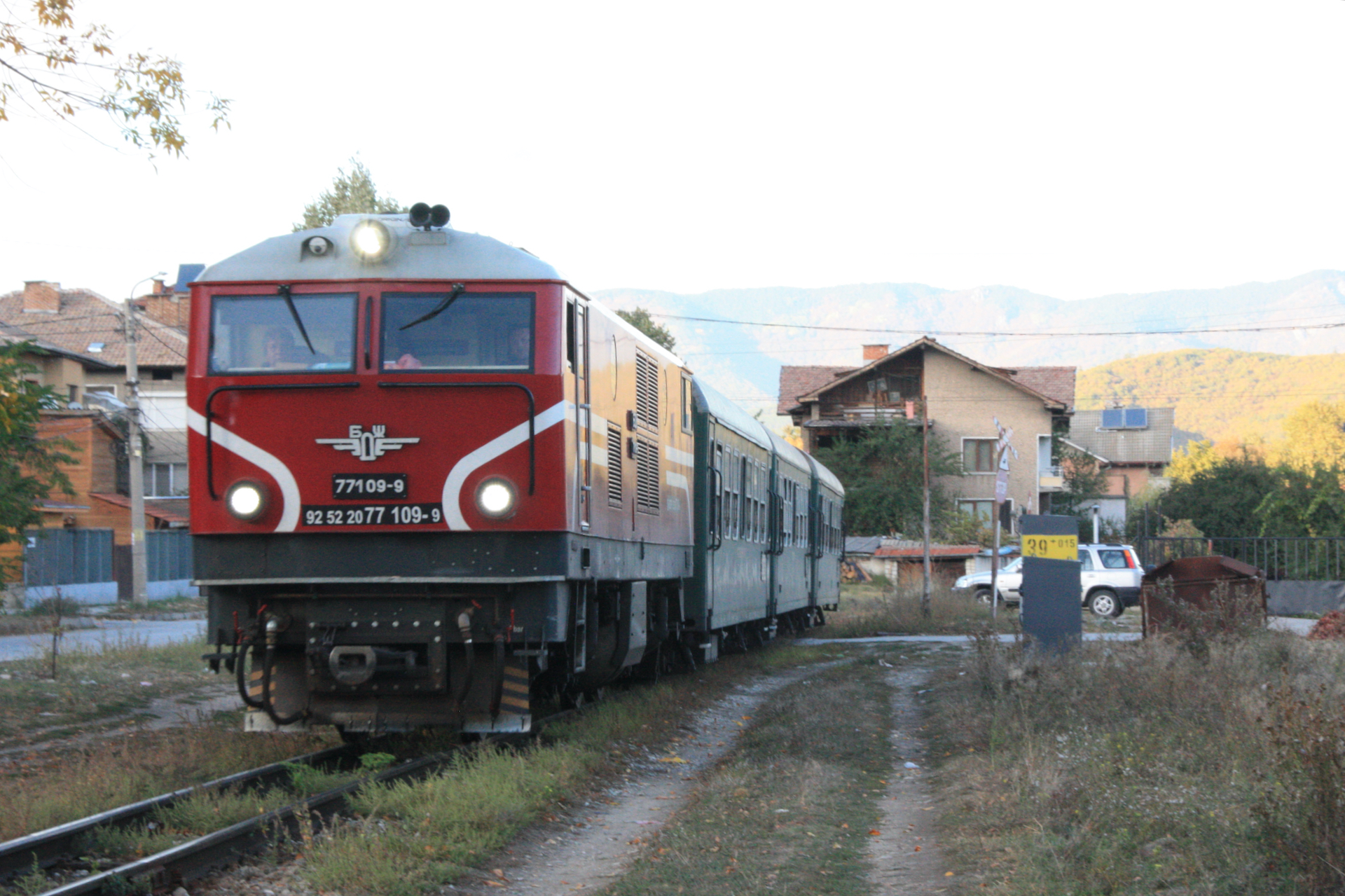
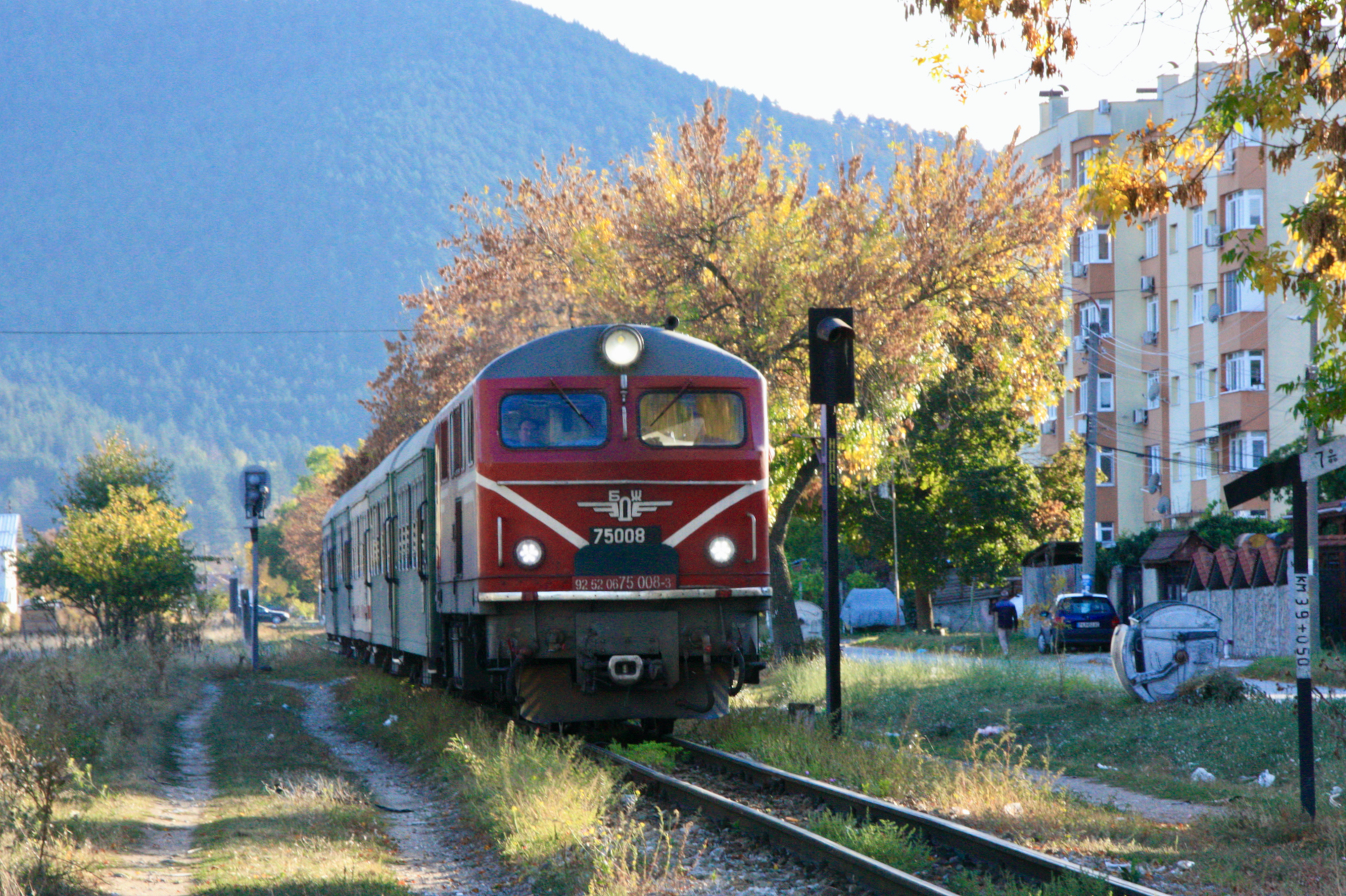
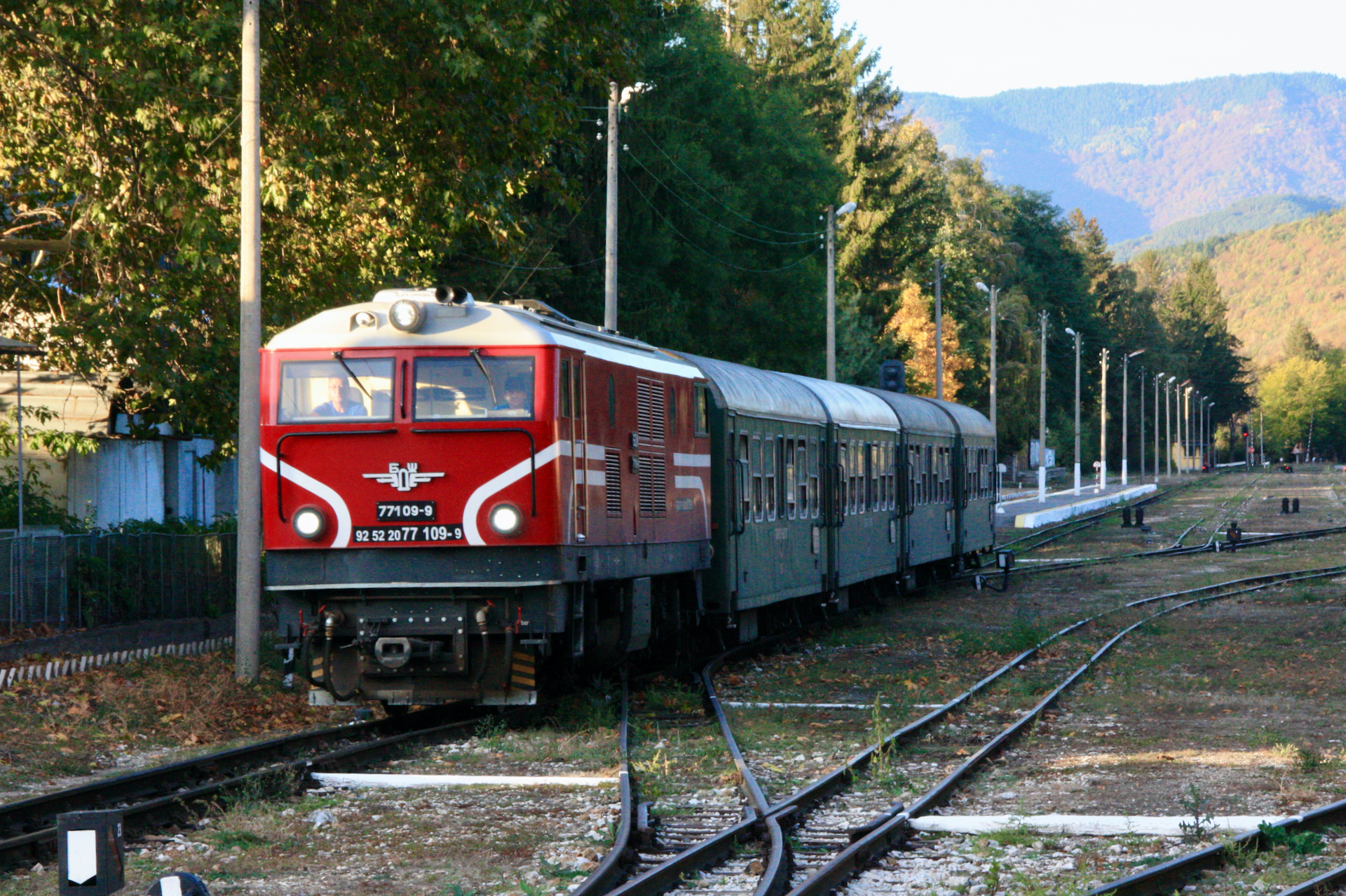
Apart from bargain air and rail fares, what makes the Septemvri-Dobrinishte railway so compelling is its remarkable scenery and the historic nature of the railway rolling stock, with steam-heated coaches and many trains hauled by the route’s fleet of five 1965/6-vintage Class 75 Henschel diesels.
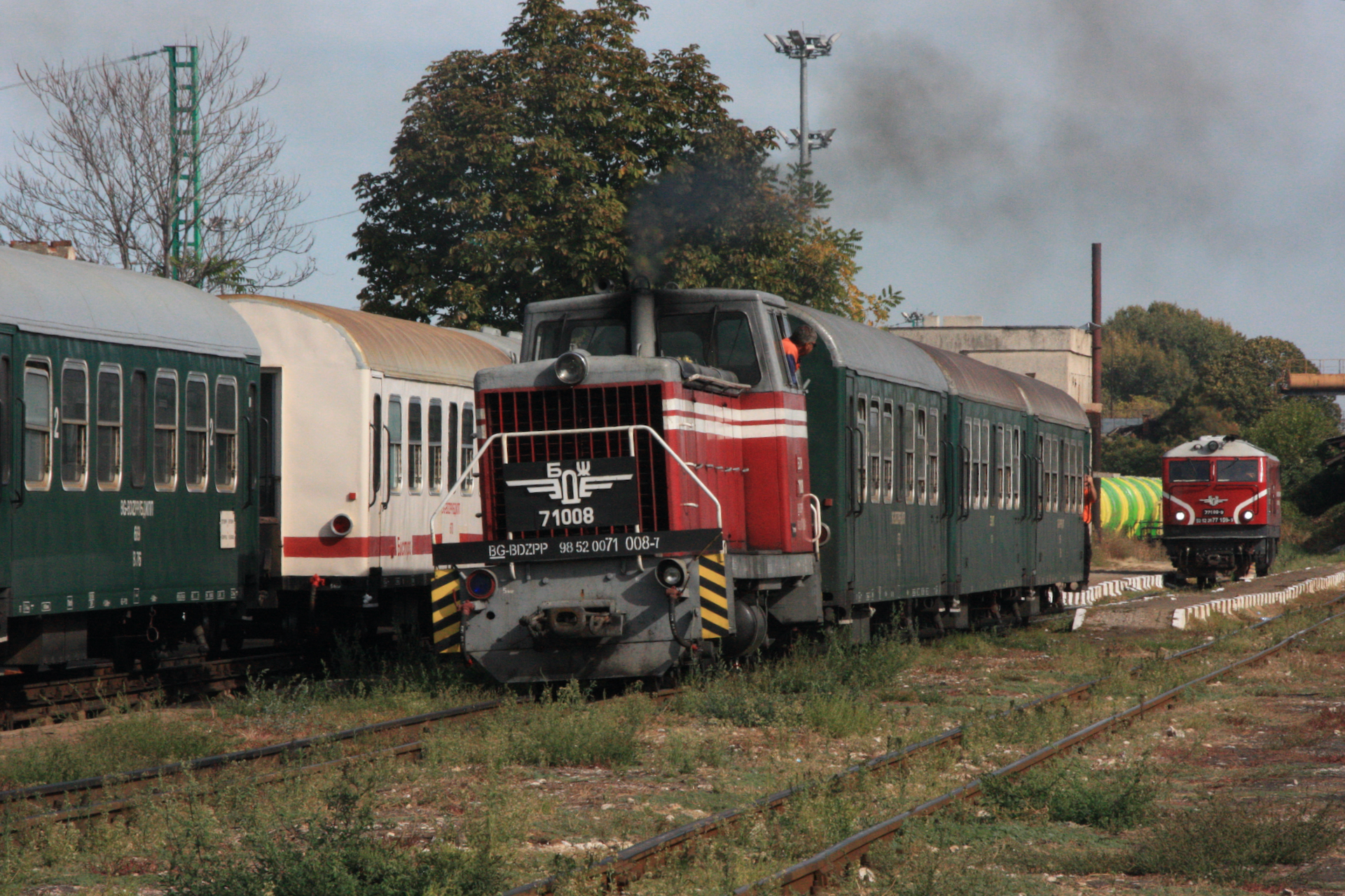
The route’s timetable seems to change very little from year to year, with four full-length trips each day, the fastest of which is the Rodopi express, taking around four and a half hours from end to end for its limited stop journey, while the other three services take almost five hours to complete their all stations workings.
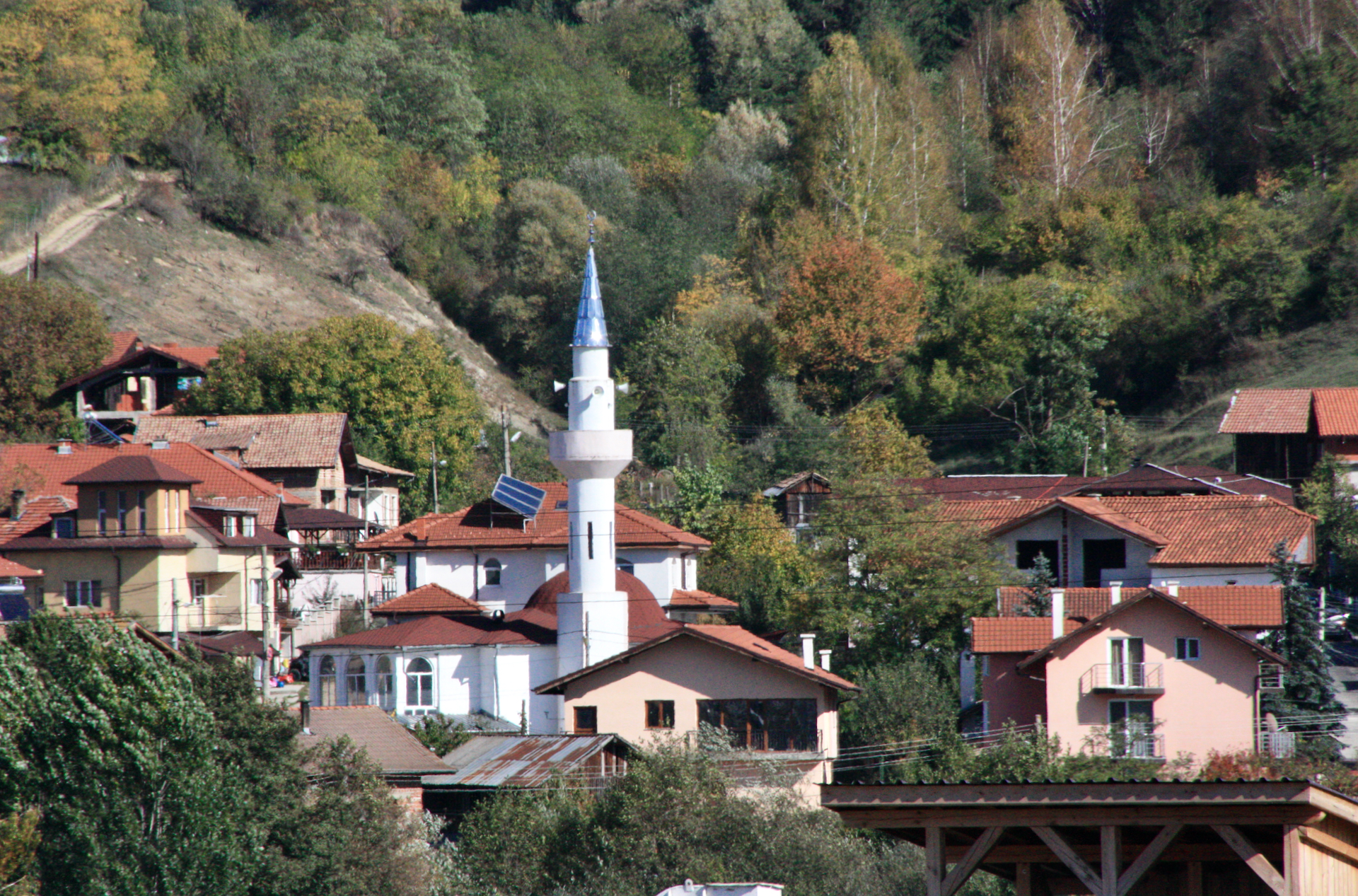
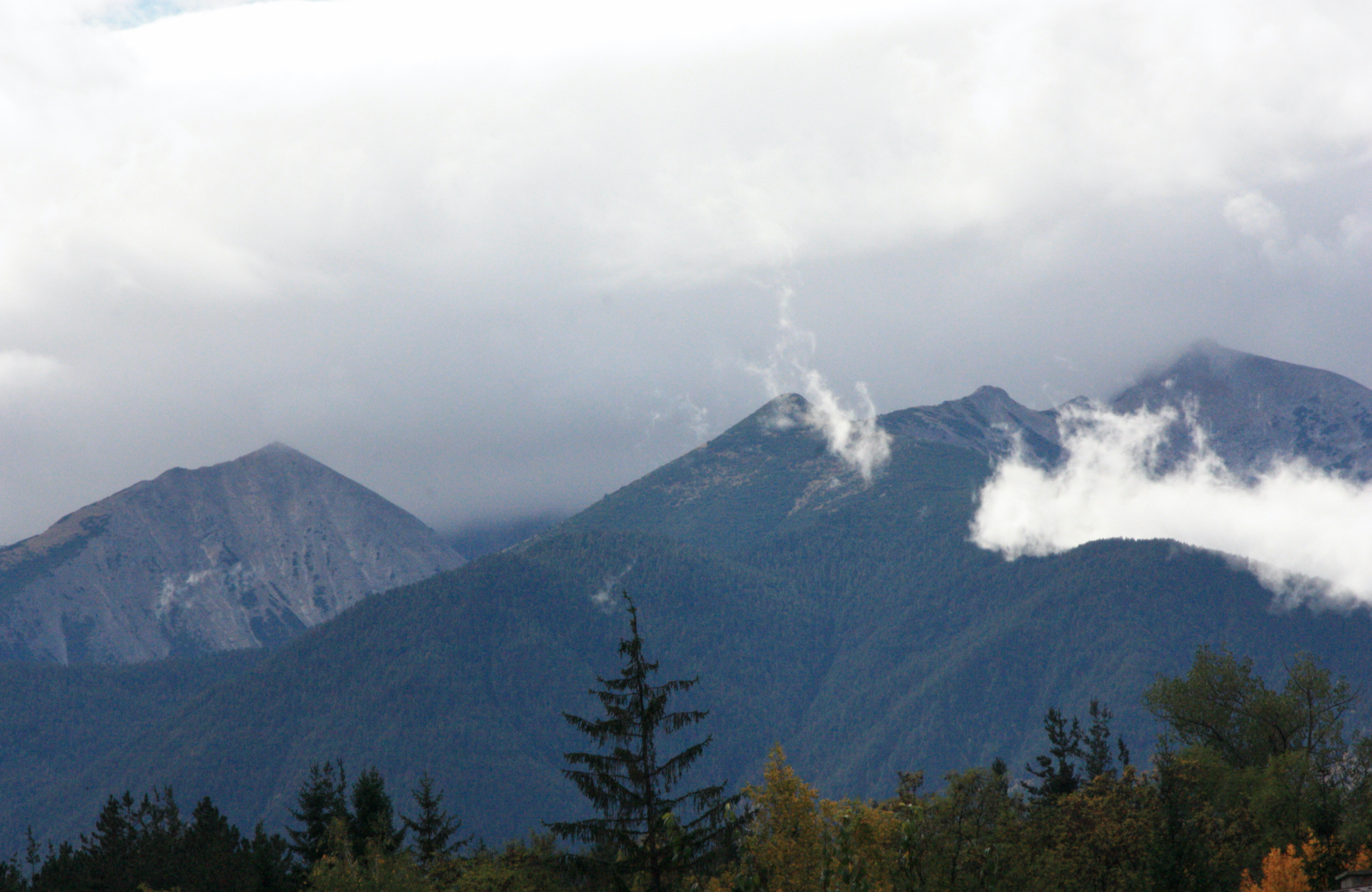
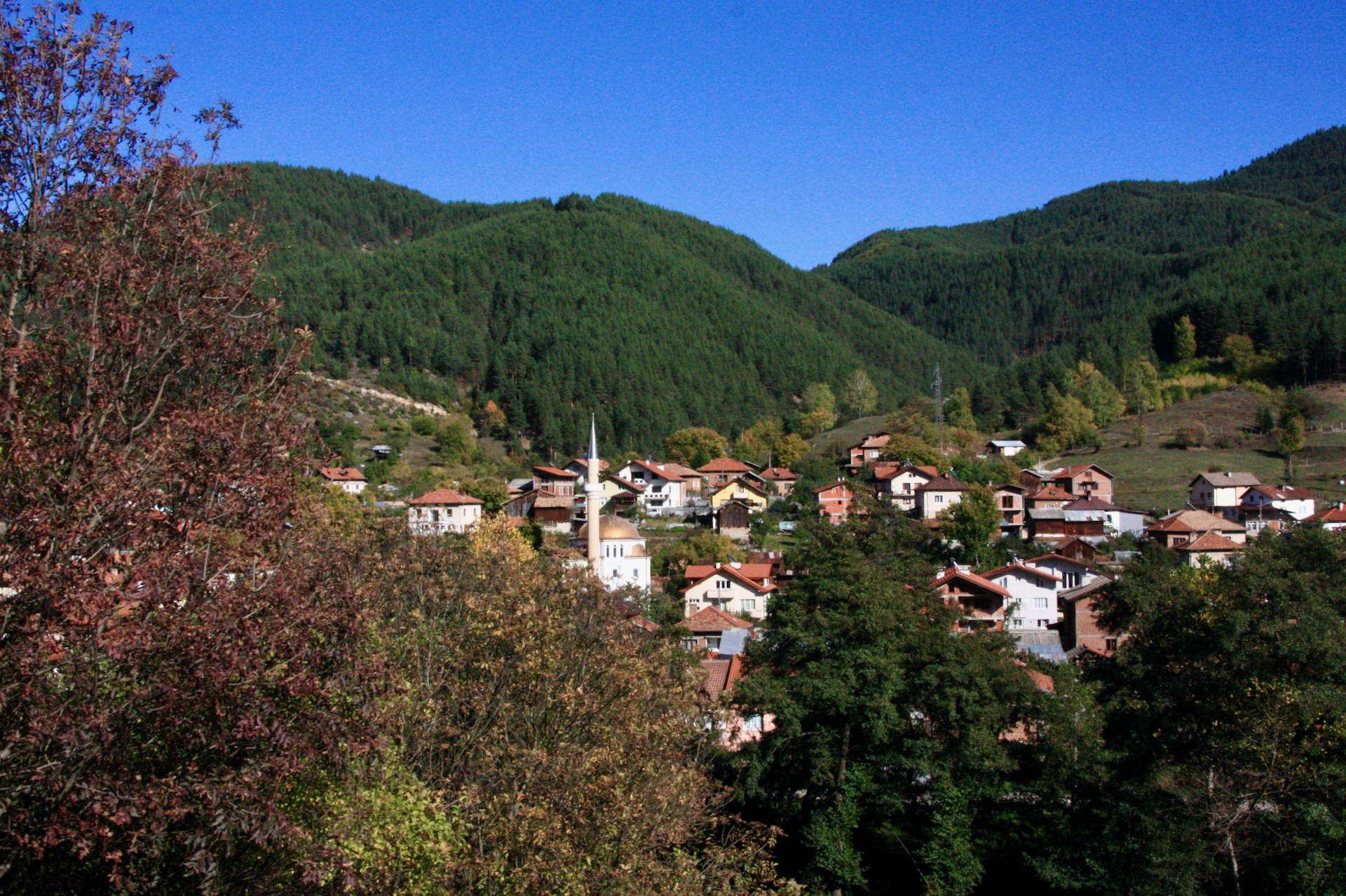
Having visited Bansko and the terminus station at Dobrinishte on my previous two visits to the area, my destination for the first of two trips along the line this time was Razlog (pictured above), the stop before Bansko and a town surrounded by dramatic mountain scenery that has attracted significant overseas investment in recent years, both as a ski resort and industrial centre.
 Getting to Velingrad from the UK in a single day is something of a challenge, but one I managed by taking a nocturnal National Express A7 coach from Waterloo station (00.48) to Stansted, then a 05.55 Ryanair flight to Sofia, followed by a two-stop trip on Metro Line M4 to a suburban station called Iskarsko Shose, from where Septemvri is a tortuous two-hour journey.
What you notice immediately you see any standard gauge Bulgarian Railways (BDZ) passenger train is that it is covered in graffiti. One train I passed on the 50-mile journey to Septemvri was the overnight Istanbul-Sofia service, made up of three immaculate looking white Turkish Railways (TCDD) sleeping cars with one disgusting second class BDZ coach attached at the back.
In stark contrast to the main line, there is not the slightest sign of any graffiti defacing the lines of little green coaches on the narrow gauge railway at Septemvri, nor does there seem to be any problem at stations along the route.
 Once at Septemvri there was plenty of time for another visit to the narrow gauge railway’s depot and workshops, where there seems little difficulty in making an unofficial visit, provided you keep your camera visible at all times and offer a friendly greeting to any railway worker you encounter.
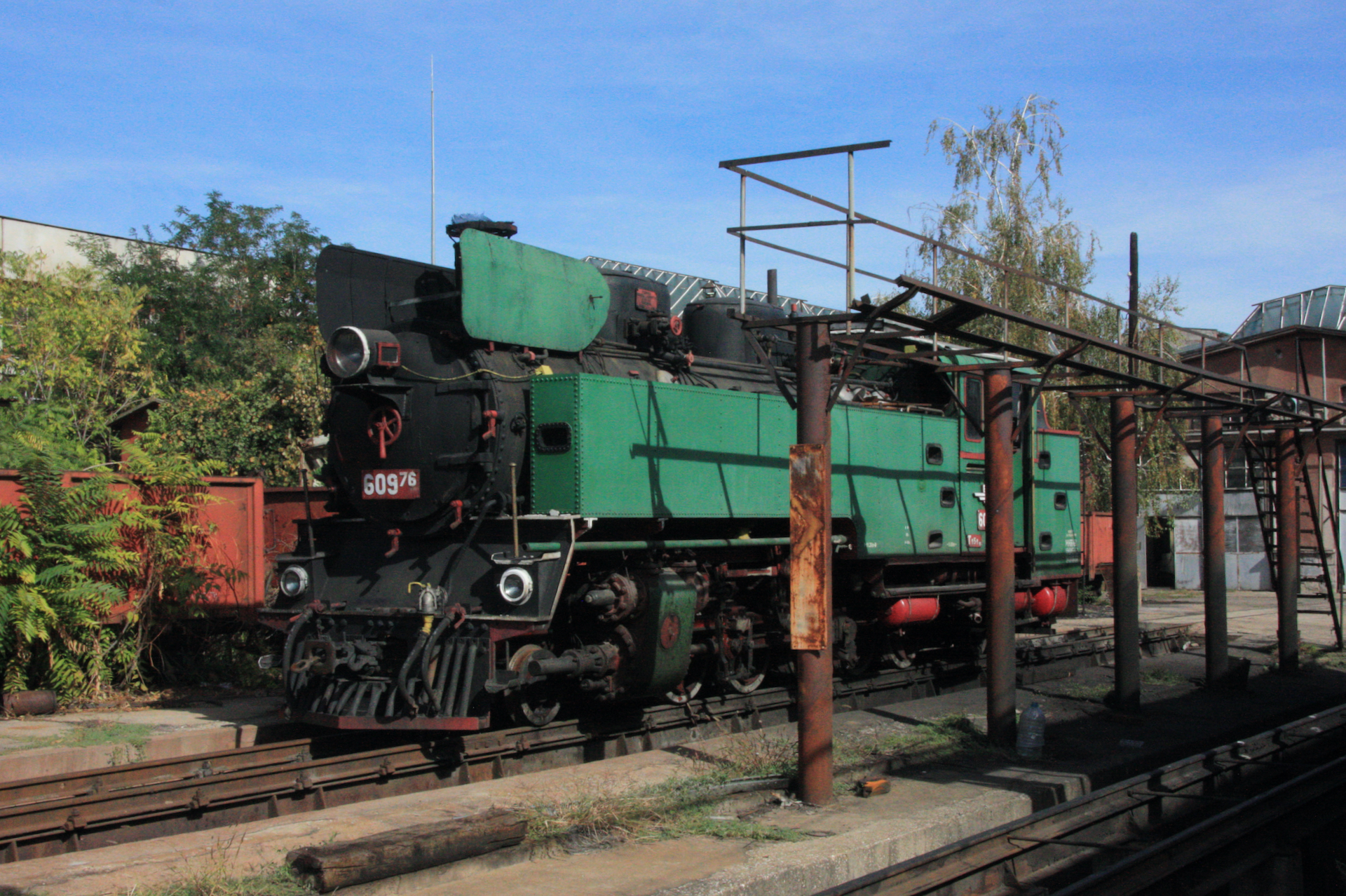
What rather concerned me on visiting the depot was how many of the operational diesel fleet were on shed – I noted 75005/6/9 and 77102 along with out of use 75002, a couple of the shunting locos and at the rear of the shed the line’s only working steam loco, 2-10-2T 609-76, which sees occasional use on special trains.
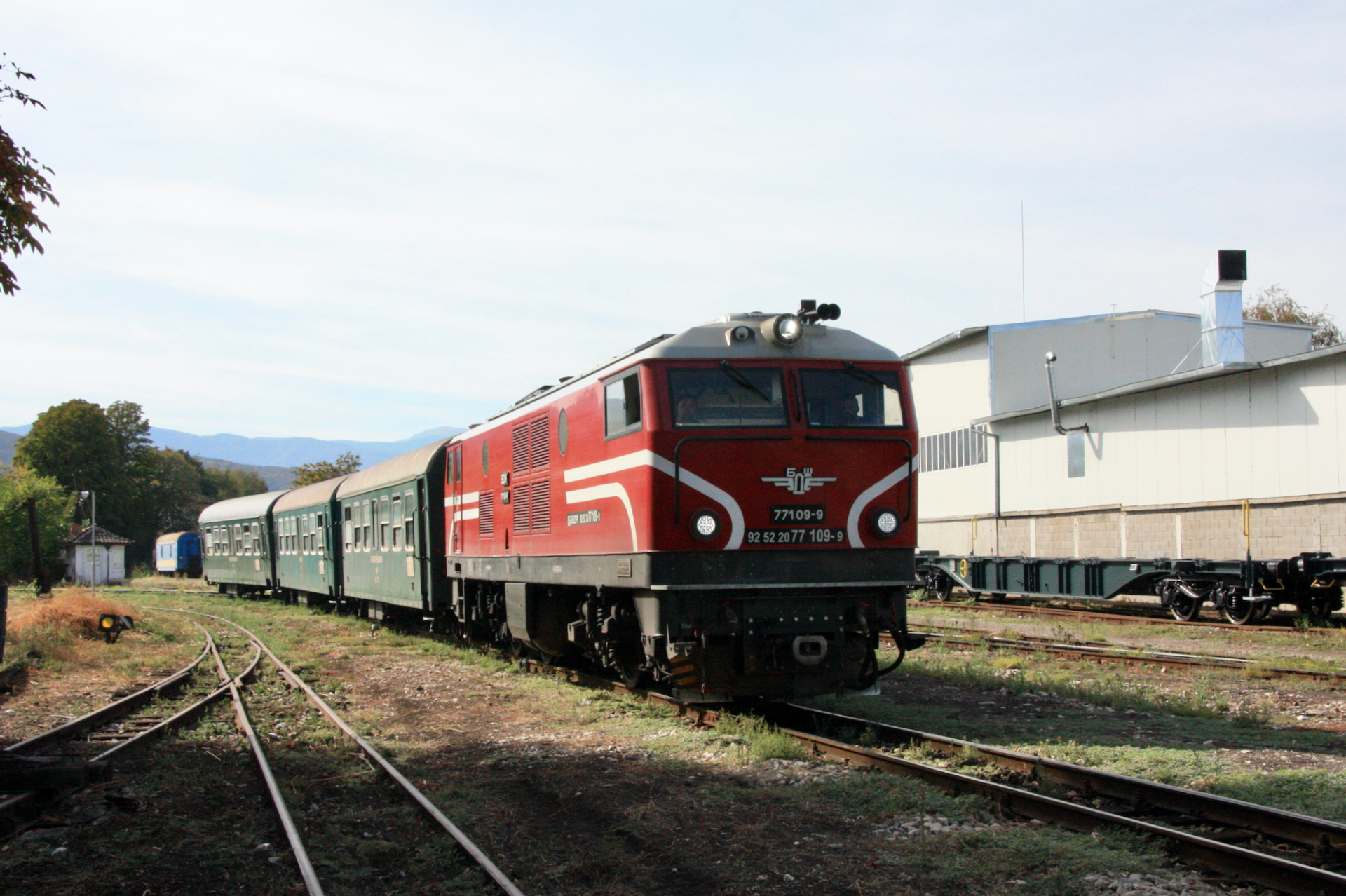
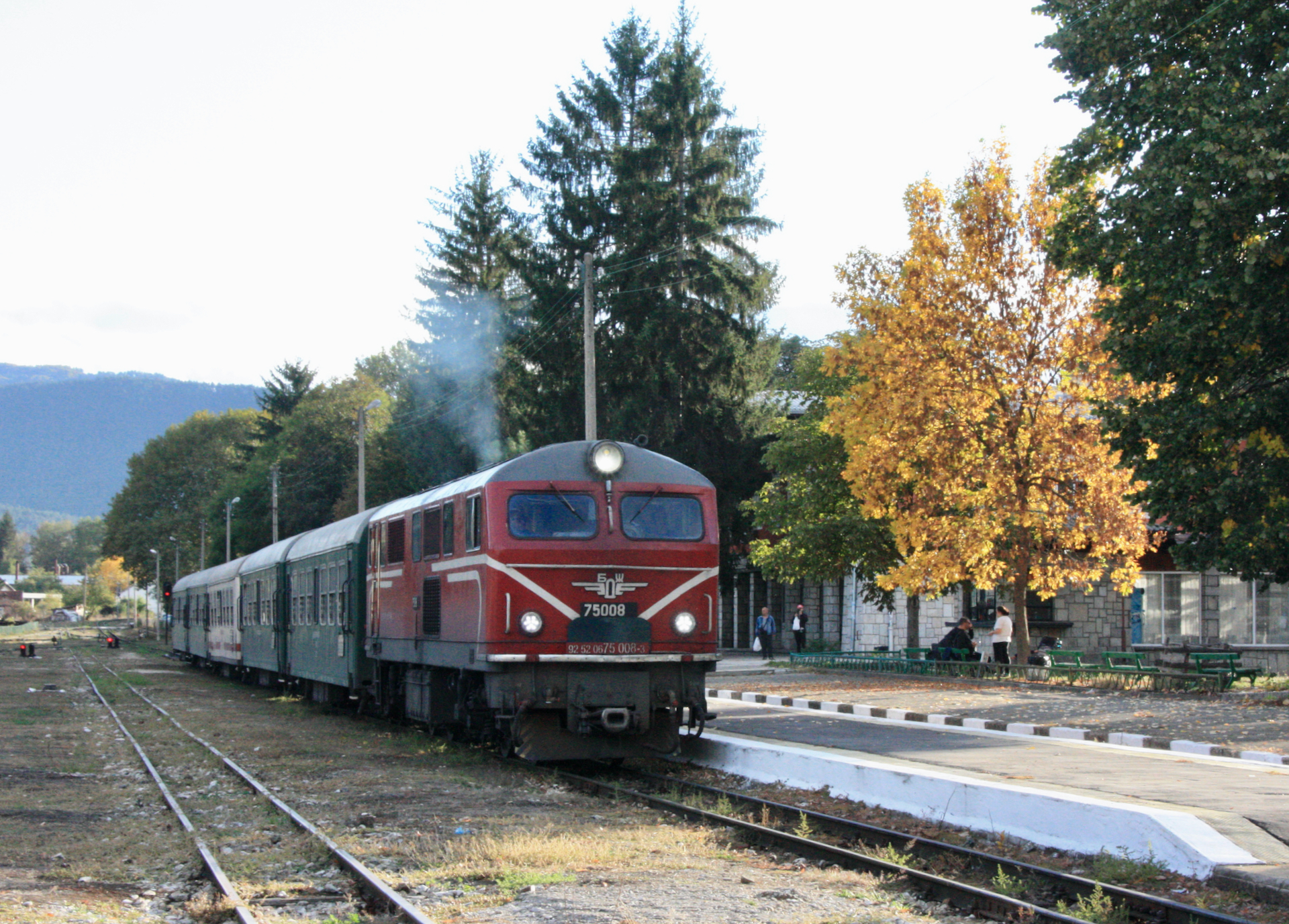
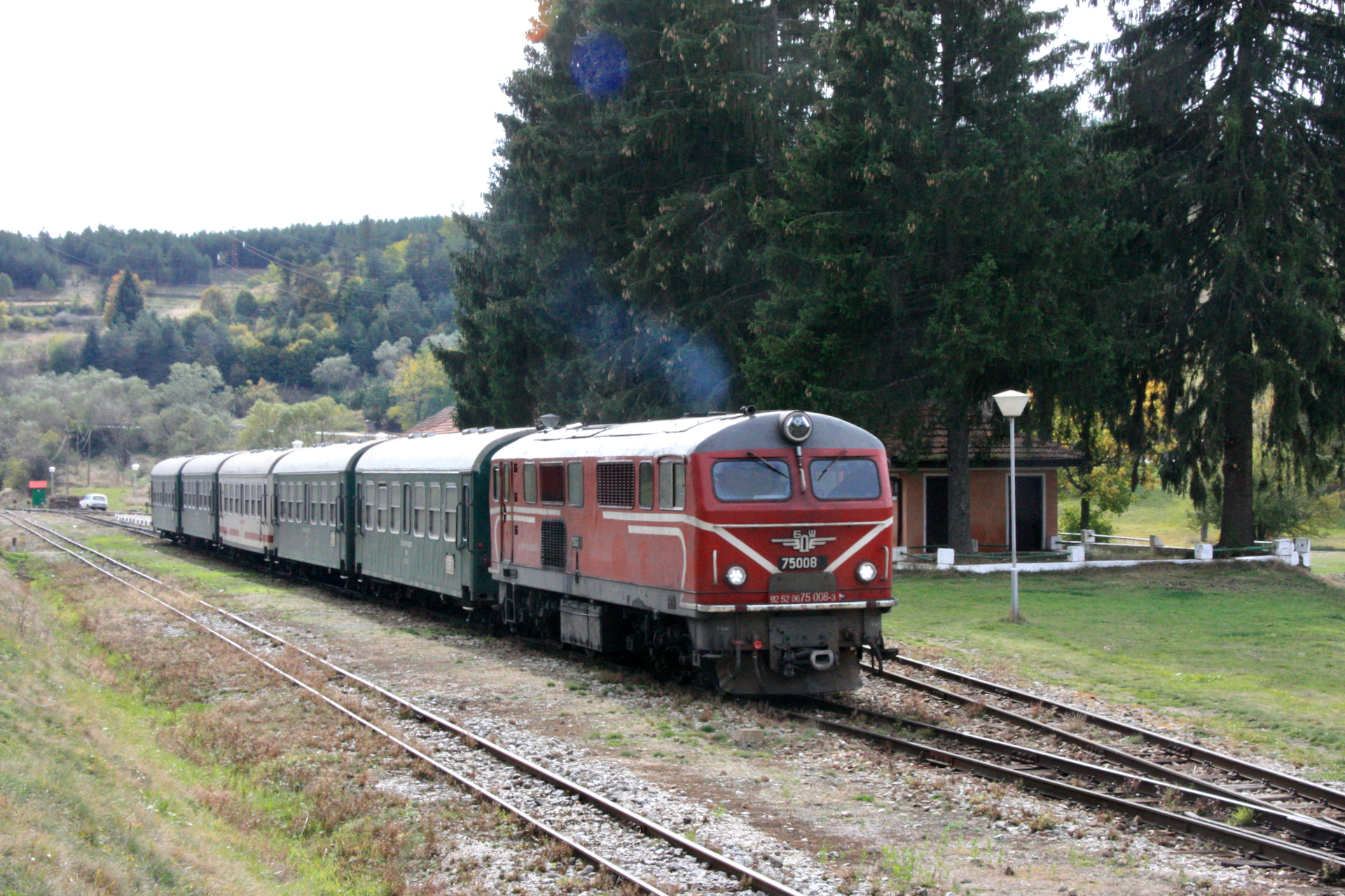
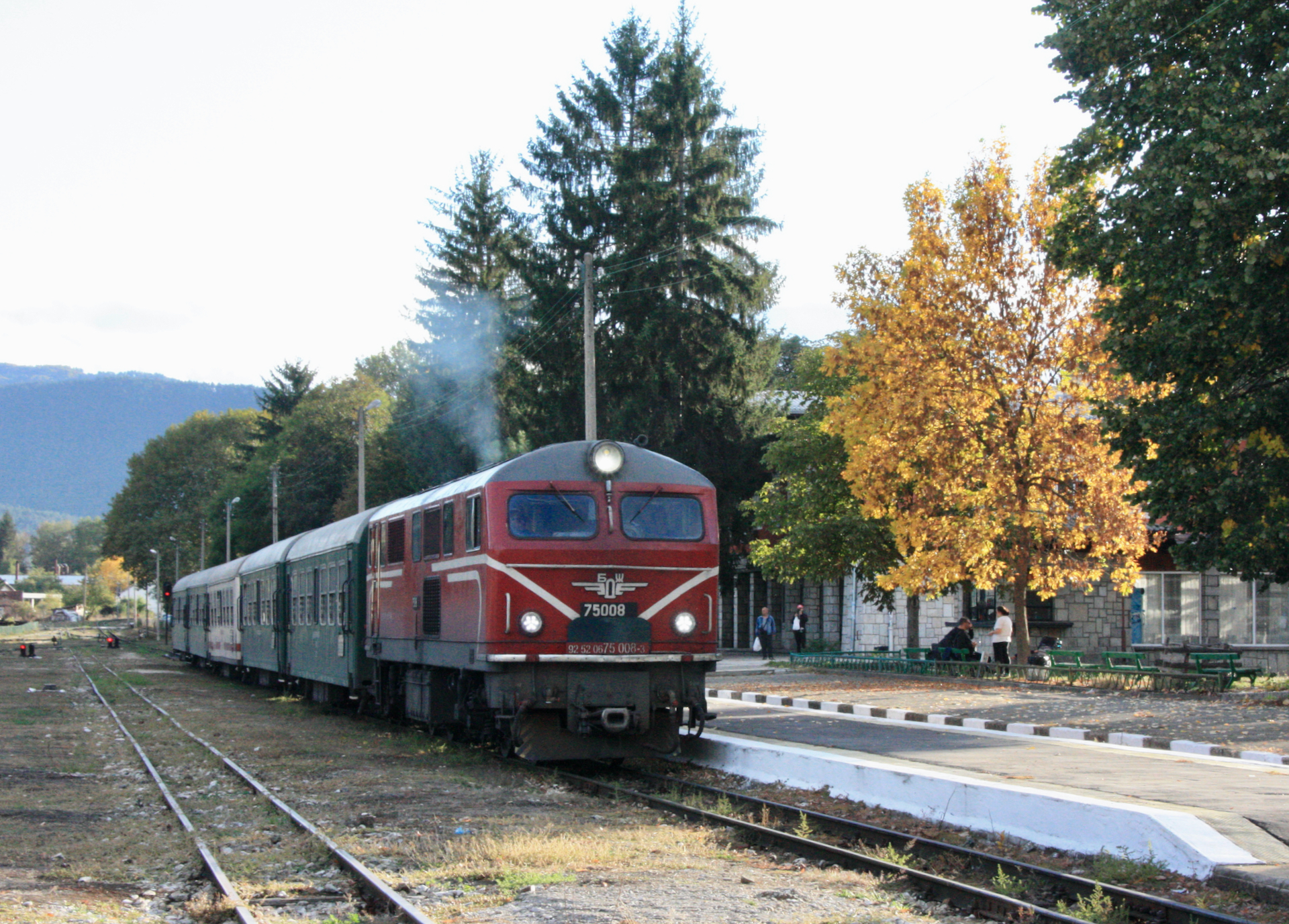
 During my four days travelling the line (8-11 October 2024) the only operational locos I saw in service were 75008, which had been under overhaul at the time of my last visit in June 2023, and 77109, the second of the 1988-vintage Romanian diesels to have been extensively modernised. That meant bus replacement for a number of the timetabled services.
 As I have written before, two outstanding features of the route from Septemvri are its perilous passage high on a narrow stone embankment alongside a road and the Chepinska River before reaching Velingrad, then the four spirals and around two dozen tunnels that allow the line’s ascent from Velingrad to Avramovo.
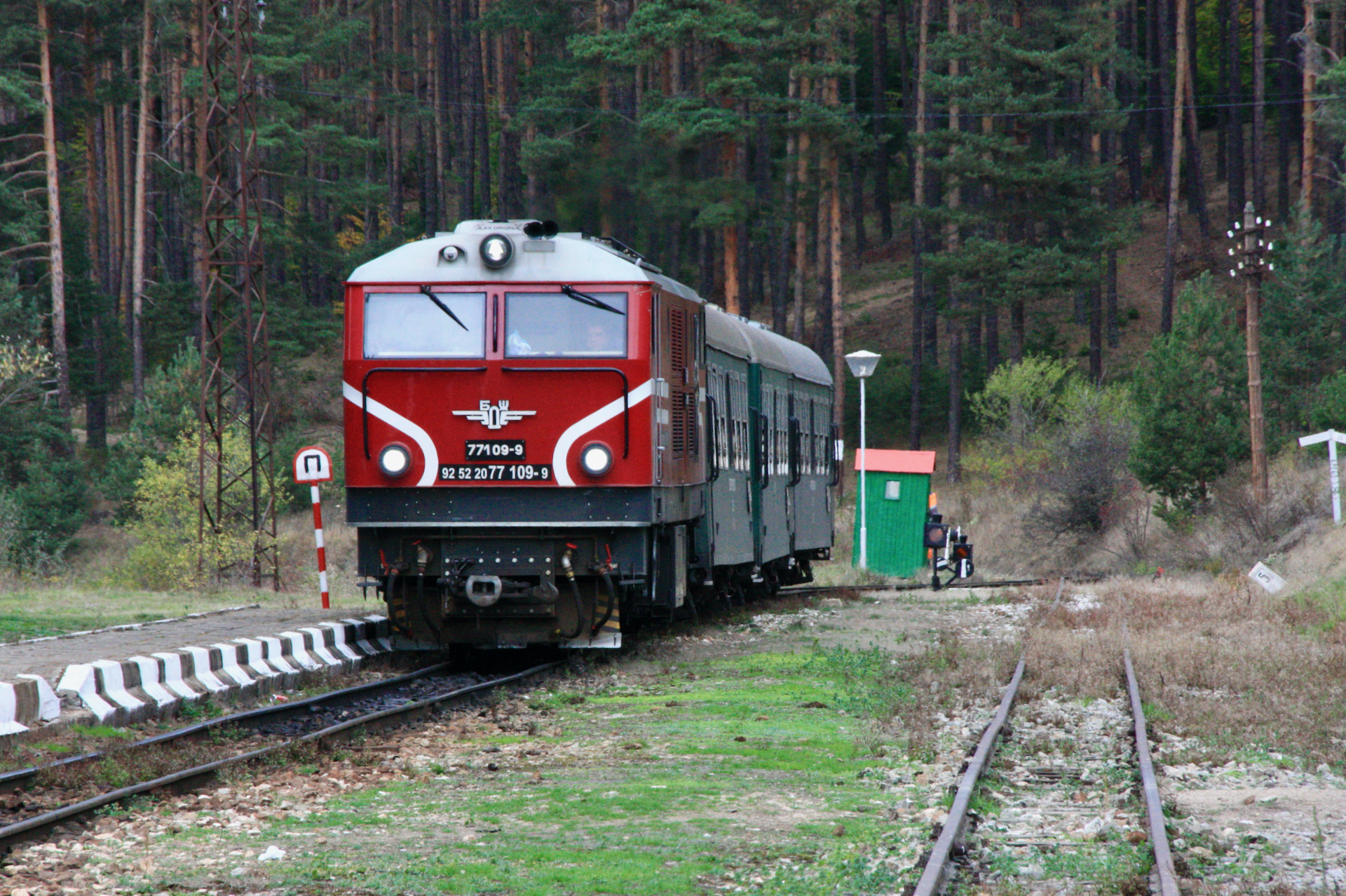
On my second full day in Velingrad I took an hour-long trip on the Rodopi to Avramovo, highest station in the Balkans, alighting there with a group of pensioners who were picked up by the coach that had dropped them at Velingrad station and a large group of young school children, who went off for an hour-long walk before returning, as I did, on the 12.35 Rila service.
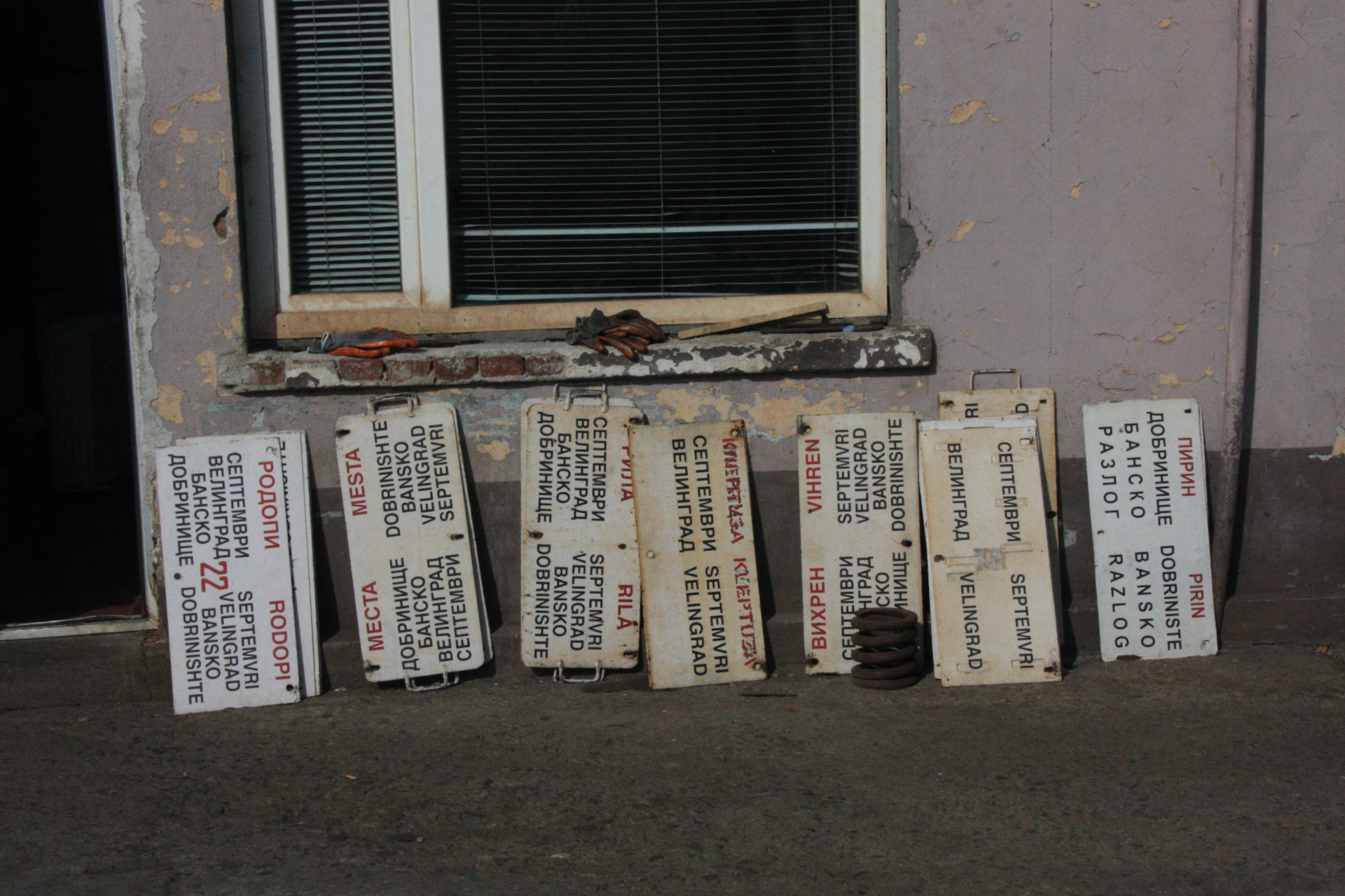
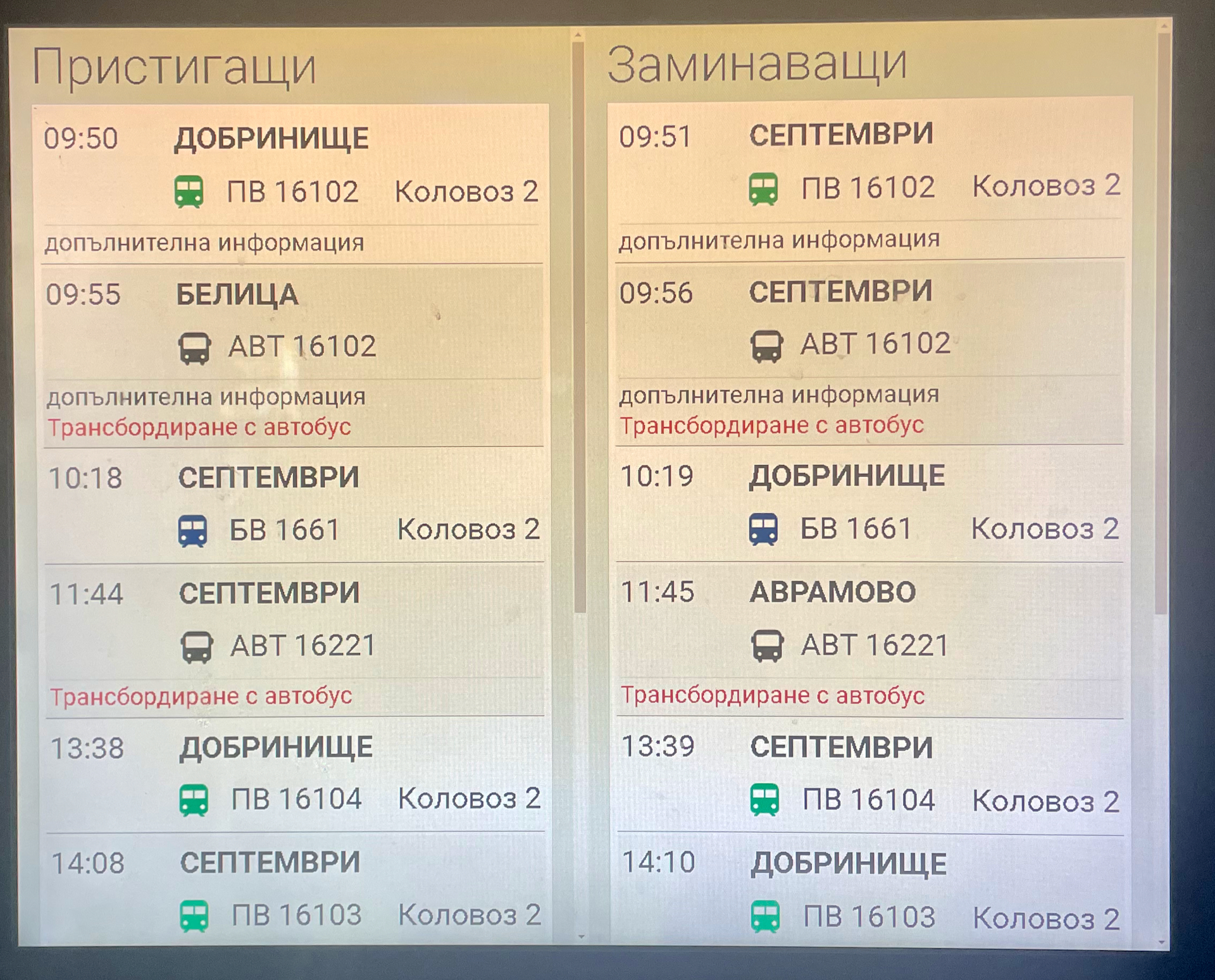 Given the difficulty of communicating in a country where few speak English, I discovered this train indicator (pictured above) in the station at Velingrad, which helpfully shows which trains are running (green icon or blue for the Rodopi express) and which are a bus (red text and black icon).
 Bulgarian train fares are remarkably cheap, but use of the Cyrillic alphabet can make buying tickets and checking station names a bit of a nightmare. I once again bought tickets by opting for English on the state railway company website (www.bdz.bg) although only one of my four print-at-home tickets was in English!
Returning from Velingrad to Sofia Airport on Friday, 11 October 2024, the 09.51 train to Septemvri was once again a replacement bus, as it had been all week. But it did leave pretty much on time, had a BDZ guard on board to check tickets, and even had to make a 30-minute stop in Varvara in order to keep to the train timetable, arriving at Septemvri in good time for a slow train to Sofia.
What is infuriating about the trip from Sofia or Iskarsko Shose to or from Septemvri is how the entire route has been reduced to single line working, with hardly any evidence of the upgrading work actually taking place. Surely it would have made more sense to do the upgrading in stages, rather than force passengers to endure years of 30mph running and numerous long waits to pass other trains?
Like train fares and accommodation, food and drink is also remarkably cheap in Bulgaria, so my latest four-day trip from Haslemere to Velingrad, inclusive of all costs, came in at slightly less than £250, which once again shows what can be done with meticulous planning!
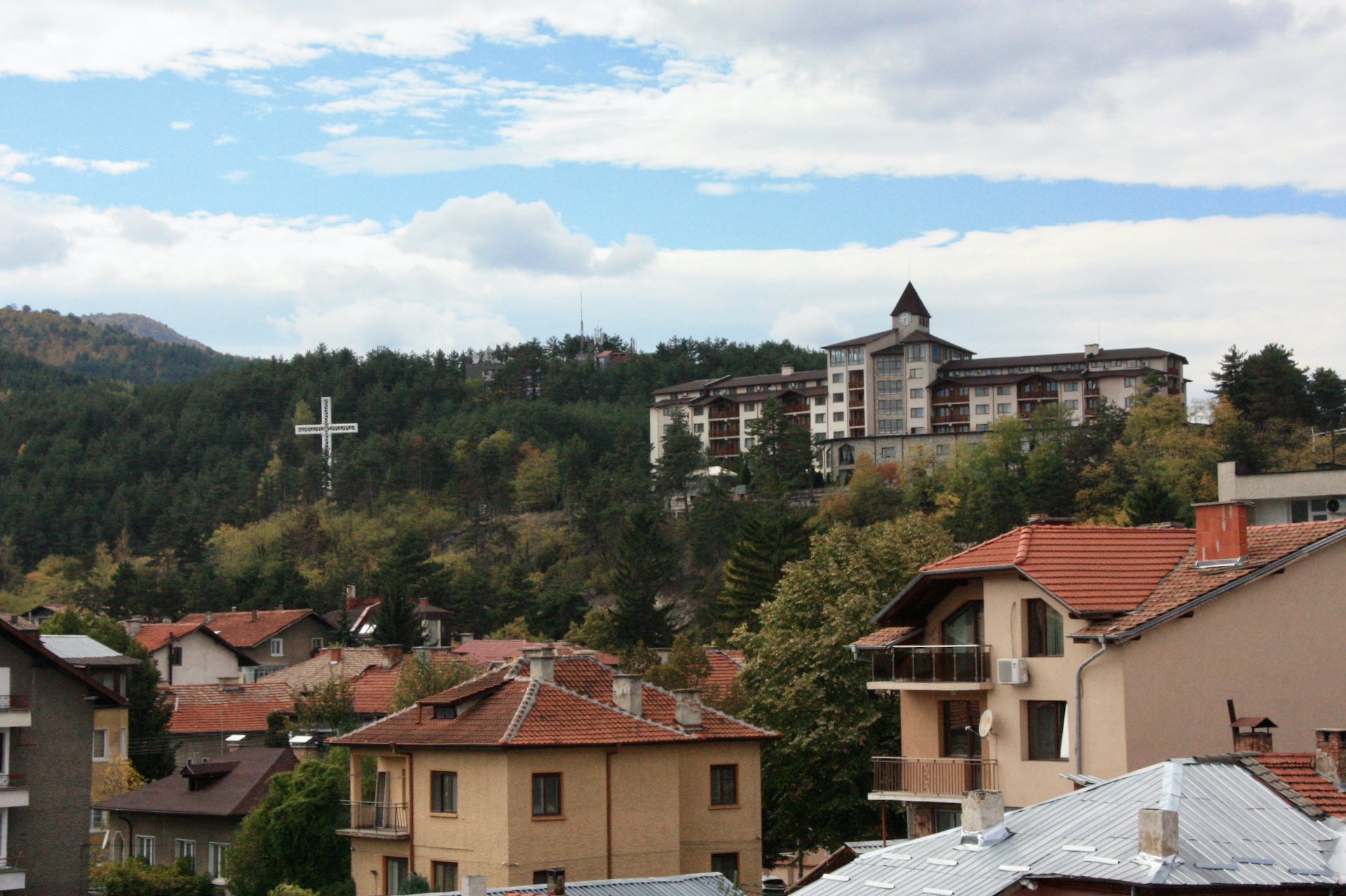 In Velingrad I spent three nights in a comfortable apartment costing about £27.00 a night that was less than 100 yards from the station – my booking.com details were all in Cyrillic, but I later discovered it was called Shoshovi Guest House and is the first building on the right on the main road leading away from a from a roundabout in front of the station. I can highly recommend it.
 RailwayWorld.net
You must be logged in to post a comment.