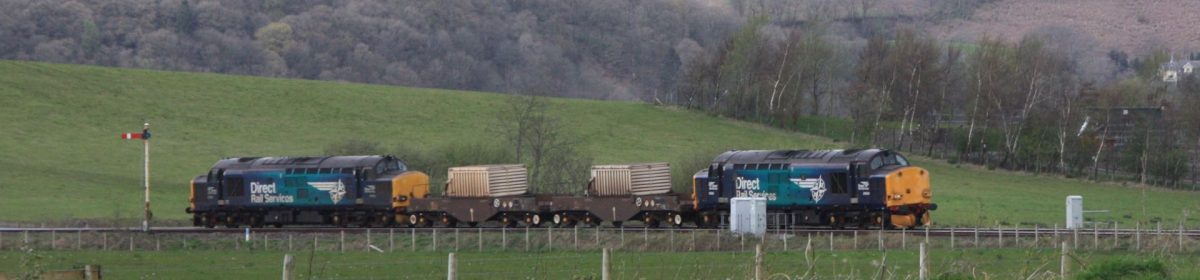
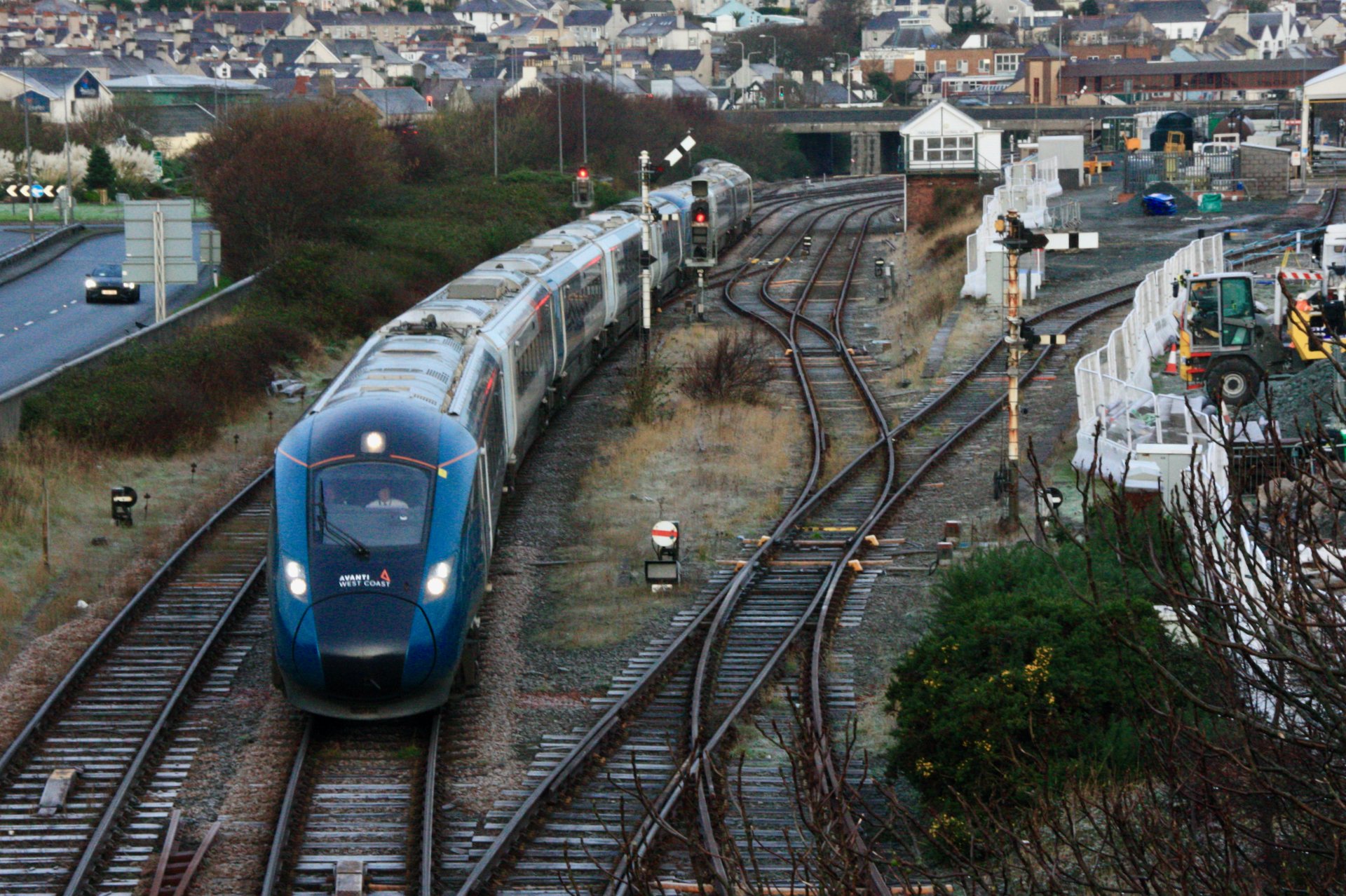
One year on from my last visit and the lure of seasonally cheap hotel accommodation tempts me to chance my luck with the weather and spend a couple of days in North Wales, to witness the ever-changing railway scene and some of its surviving semaphore signals.
Basing myself at the Holyhead Travelodge (27-29 November 2024) my aim was to photograph some of the new Avanti (AWC) Class 805 Evero bi-mode units that are now replacing Class 221 Super Voyagers on Euston-Holyhead services, along with the seasonal Class 56-worked RHTT and an HST-powered NR test train.

Under the timetable in force at the time of my visit, Class 805 Evero units accounted for four of the six daily AWC departures from the ferry port (06.48/08.53/12.48/19.48) with the remaining two workings still formed by Voyager units – a single unit at 05.48 and a pair of Class 221s at 14.48.
What I had not appreciated until this trip was that the Class 221 Super Voyagers are finishing with Avanti West Coast at the timetable change on 14 December 2024. So, after more than 20 years of being the mainstay of express services along the North Wales Coast, their time is finally up.

From a signalling perspective, I was once again keen to pay a return visit to the down semaphore distant signal (TC1) at remote Ty Croes, while on my way back to London a detour to Llandudno would allow me to photograph the only other surviving semaphore distant signal in the Principality, Deganwy’s up distant signal (DY5).
But first up was the chance to renew my acquaintance with the handful of Holyhead semaphores, all of which can be photographed from the platform ends, from a road-bridge close by, and from a footbridge some distance away and beyond the depot, for which I had remembered to bring my folding stool to see over its high parapet!

It is always good to see the installation of new semaphore signals, so a noteworthy change currently being made at Holyhead is the replacement of tall HD35 at the end of platform 1 by a much shorter replacement signal, as seen in the photo below.
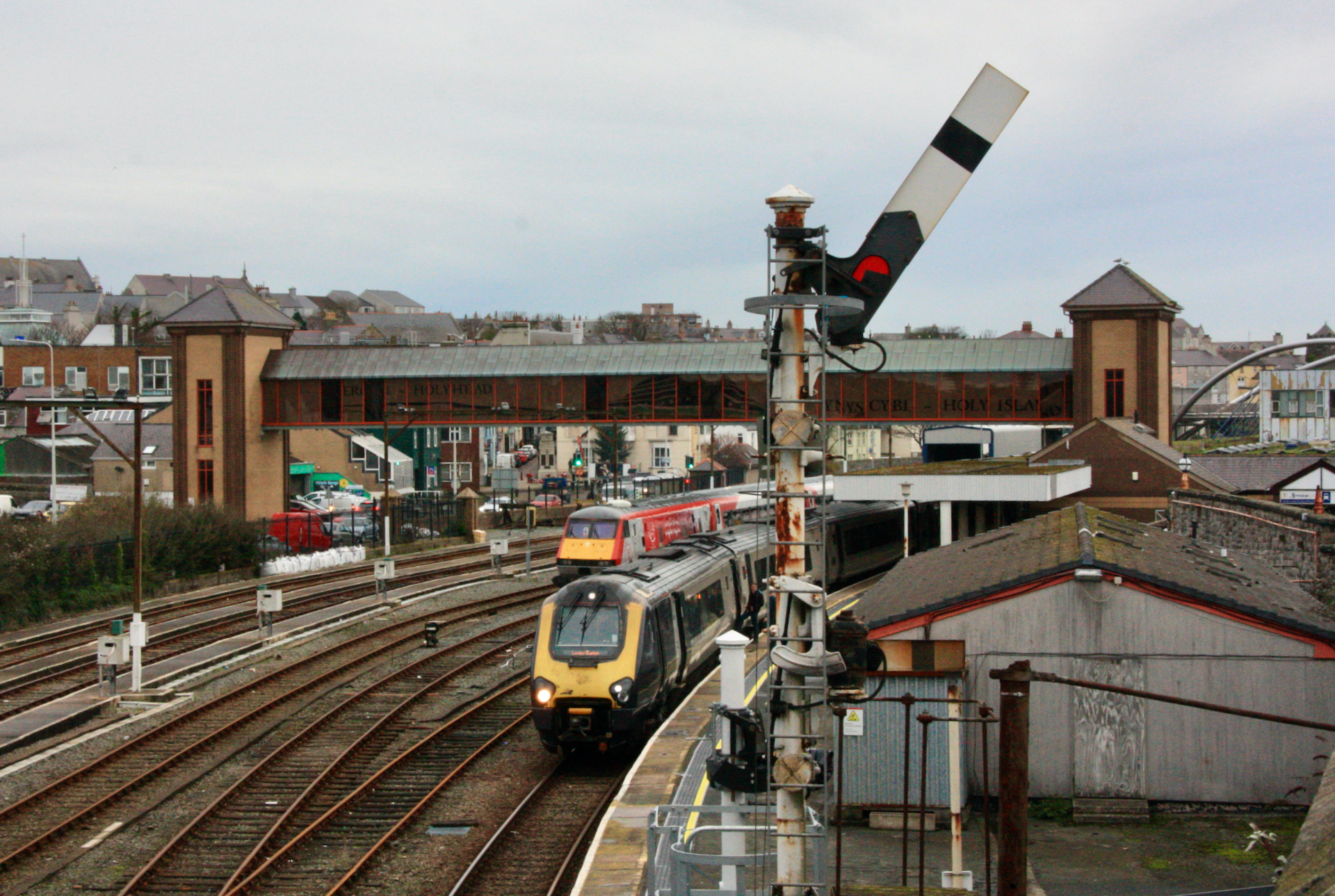 That will mean this classic shot (above) of a London service signalled out of platform 1 will no longer be possible from the station approach, but given that there are already a number of colour lights at Holyhead it is pleasing to see that this signal will remain a semaphore.

Following a major re-signalling project that was completed in 2018, there are just seven locations left with any mechanical signalling in North Wales. Before reaching the Isle of Anglesey, there are three locations on the route from Blaenau Ffestiniog to Llandudno, namely Llanrwst North, Deganwy and Llandudno Station.
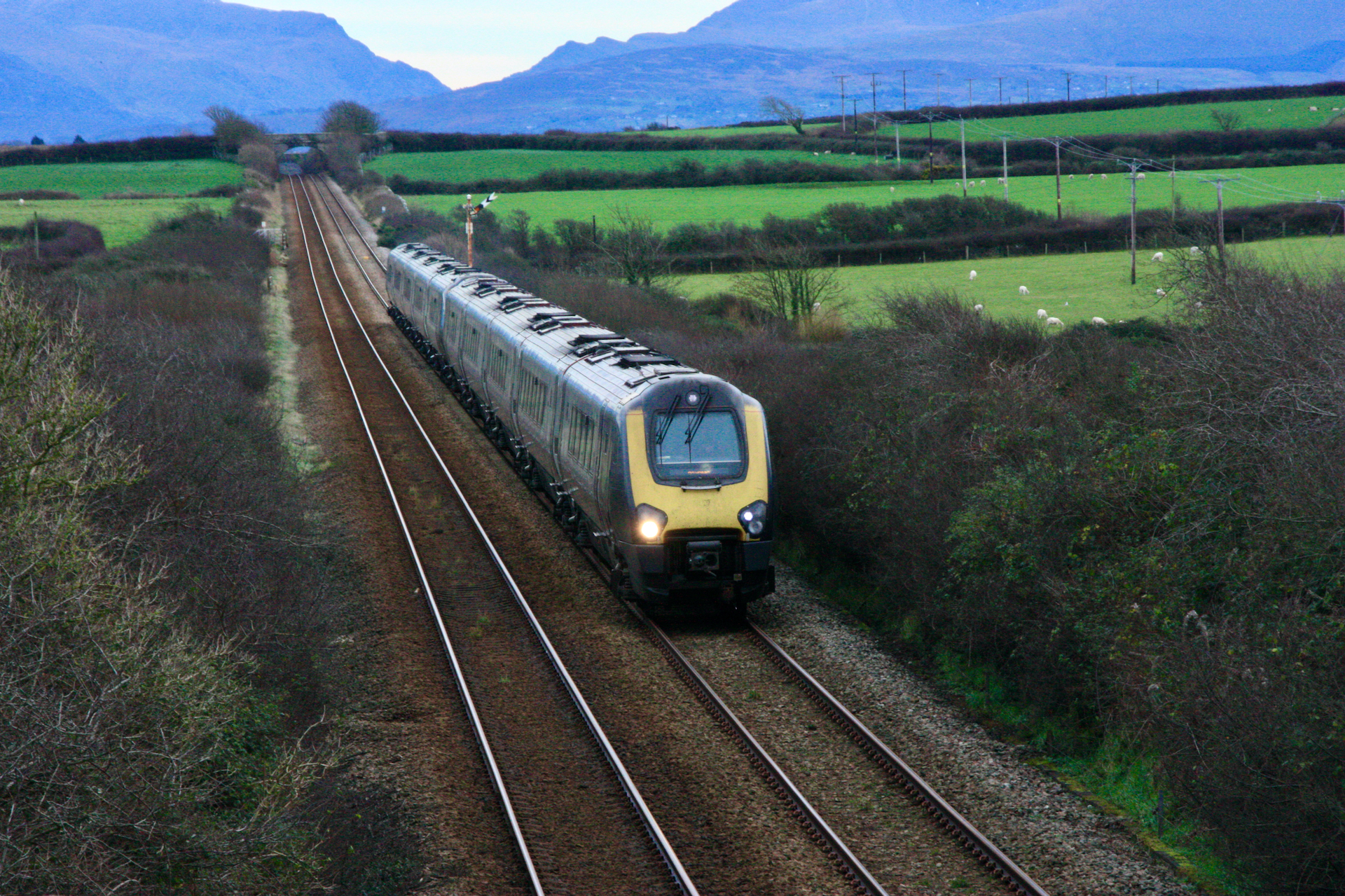
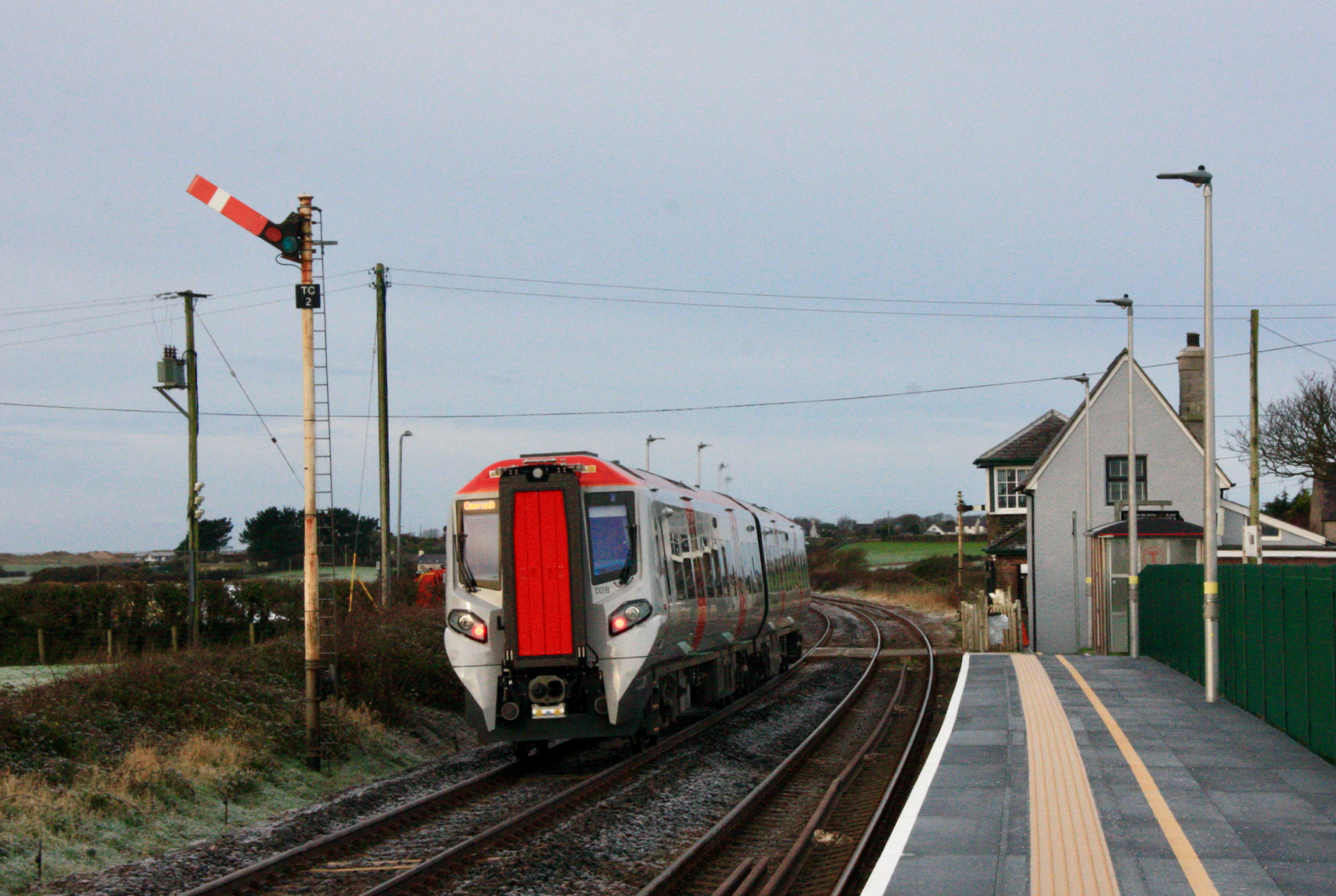
On the Isle of Anglesey your journey towards Holyhead will take you past a couple of semaphores at remote Gaerwen (GN4 and GN5) then the only other semaphores you will pass on a westbound journey will be the Ty Croes distant signal and down home signal TC2, which stands opposite the up platform and close to the signal box.
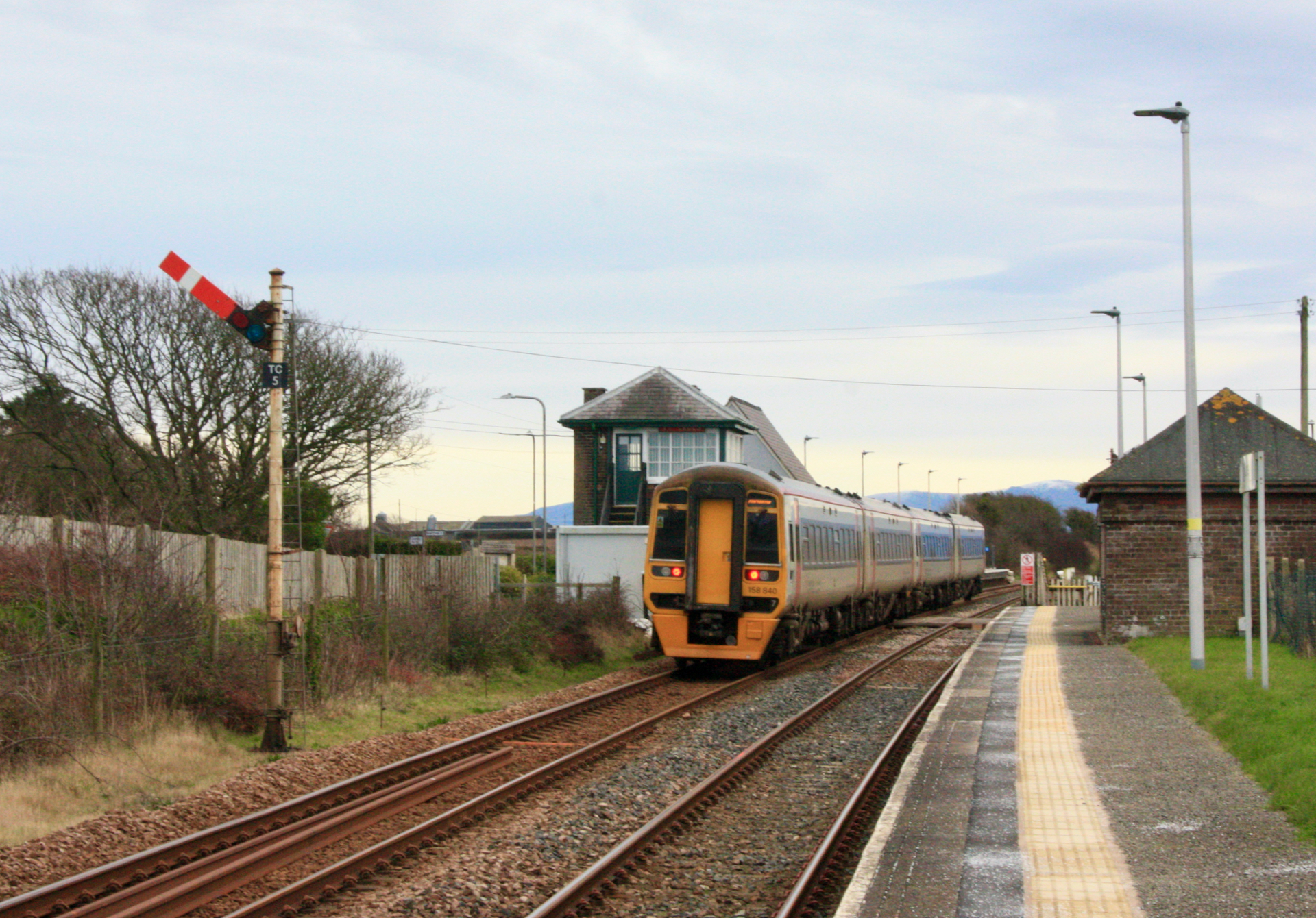
Travelling out of Holyhead you will be signalled by HD35 (platform 1), HD38 (platform 2) or HD23 (platform 3) before passing the large signal box and section signal HD39. Next are the only semaphores controlled by Valley Signal Box (VY24 then VY23) before Ty Croes up home TC5, and finally a further pair at Gaerwen (GN19 then GN17).

Apart from the advent of Class 805 workings on Avanti services to and from London Euston, a welcome change at remote Ty Croes since my last visit is a new deck on the up platform, which was dangerously low and unless the doors you were using aligned with one of the sets of wooden steps it was a dangerous plunge onto the platform.

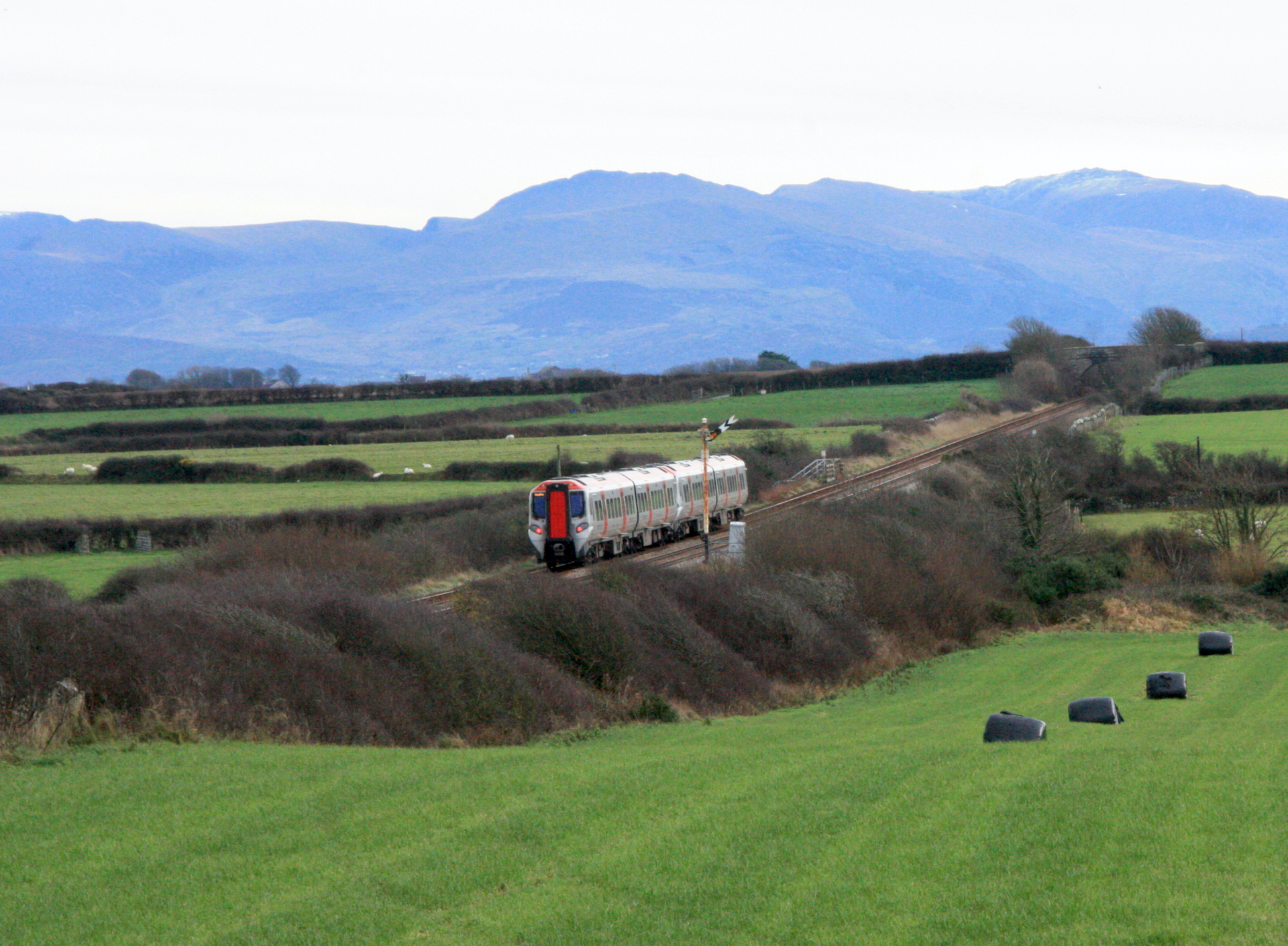
Having safely alighted onto the new platform I took the pleasant 15 minute walk down a quiet lane to Pen-Henilys over-bridge, from where there is a great view looking east of down distant signal TC1, which must be one of the very few remaining wire-worked distants anywhere on the British rail network.

During a two-hour wait here on 28 November 2024 I was able to photograph numerous Class 197-worked services, along with a pair of Colas Rail Class 56 locos on the seasonal RHTT, one a the new Class 805 Evero units bound for Euston and a pair of Class 221s on the delayed 1D83 from Euston (09.02).

Once again, I was once the only passenger when I flagged down 158836 with the 14.02 departure for Holyhead where, as the gloom descended, I was able to watch arrival of the monthly NR test train from Derby RTC (1Q30) formed of Colas Rail HST power cars 43272/357 and four yellow painted coaches.
This corner of Anglesey remains a delightful place to appreciate the ever changing nature of our railway network and some of its enduring features, such as the surviving semaphore signals and the listed signal boxes and station buildings at both Ty Croes and Valley.

While it is great to discover that rooms in the Holyhead Travelodge still cost a mere £24.99 a night at this time of year, it was disappointing to find no real ale at the nearby Holland Arms, and none either in any of the handful of hostelries dotted around the dismal town centre.

Leaving Holyhead and taking an early morning (06.48) trip to Llandudno Junction on 29 November 2024 aboard one of the new Class 805 units, it was noticeable that the seats are a good deal less comfortable than in the Class 221s they are replacing, while a temporary failure of the reservation indicators caused serious confusion for passengers joining at Bangor, when no seat reservations were shown.
From Llandudno Junction I took the short hop to Llandudno, arriving before daylight, then walking to a road bridge south of the town from where there is a good view of trains passing down outer home signal LS33 and up section signal LS9 as they run between the Maesdu and North Wales Golf Clubs, which flank the railway.

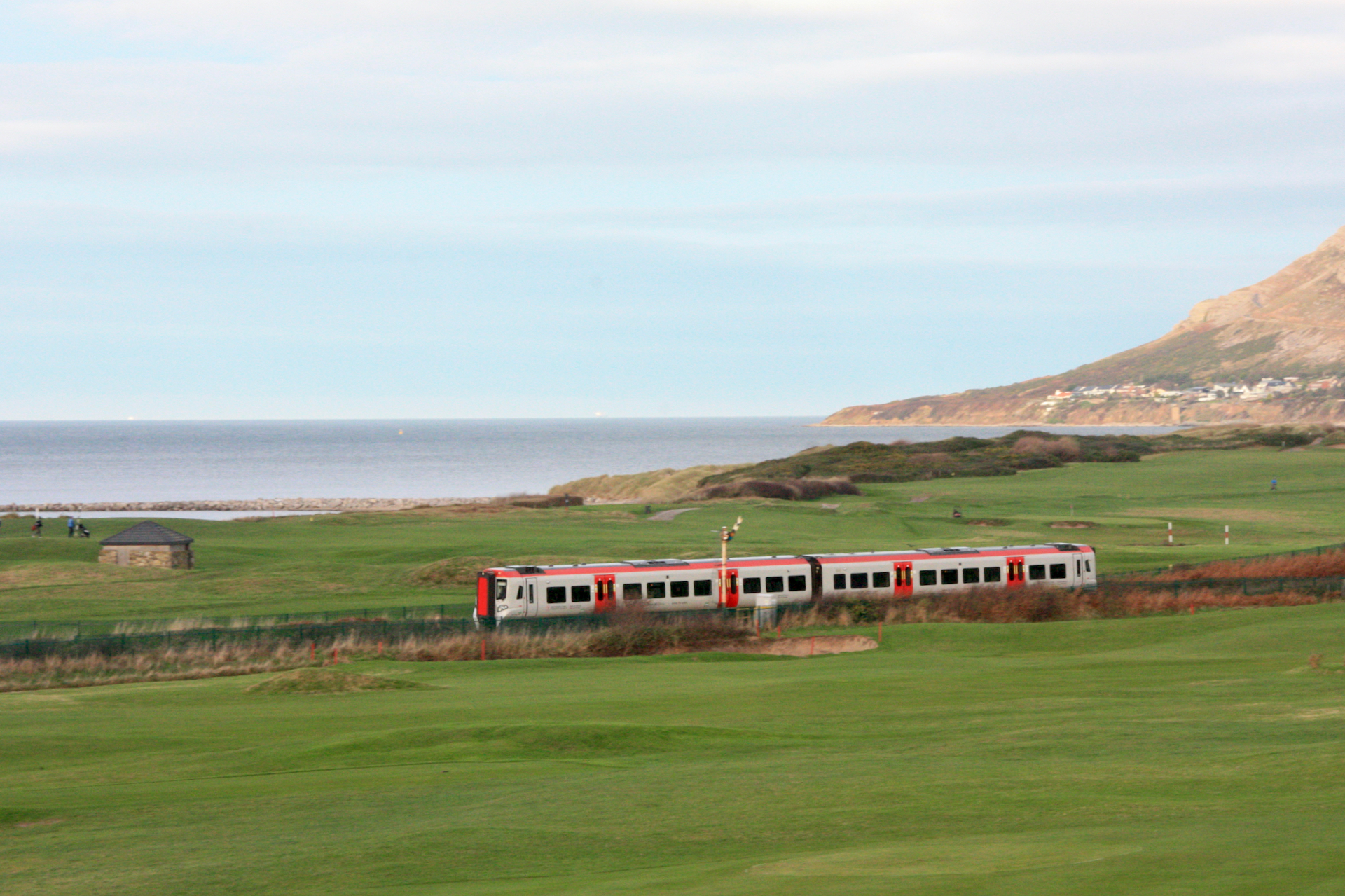
Next up was a walk south along the main A546 to a spot at the foot of a junction with Deganwy Road, from where there was a marvellous panoramic view looking out over the Maesdu course to the Deganwy up distant signal DY5, with the North Wales course and coastline beyond.

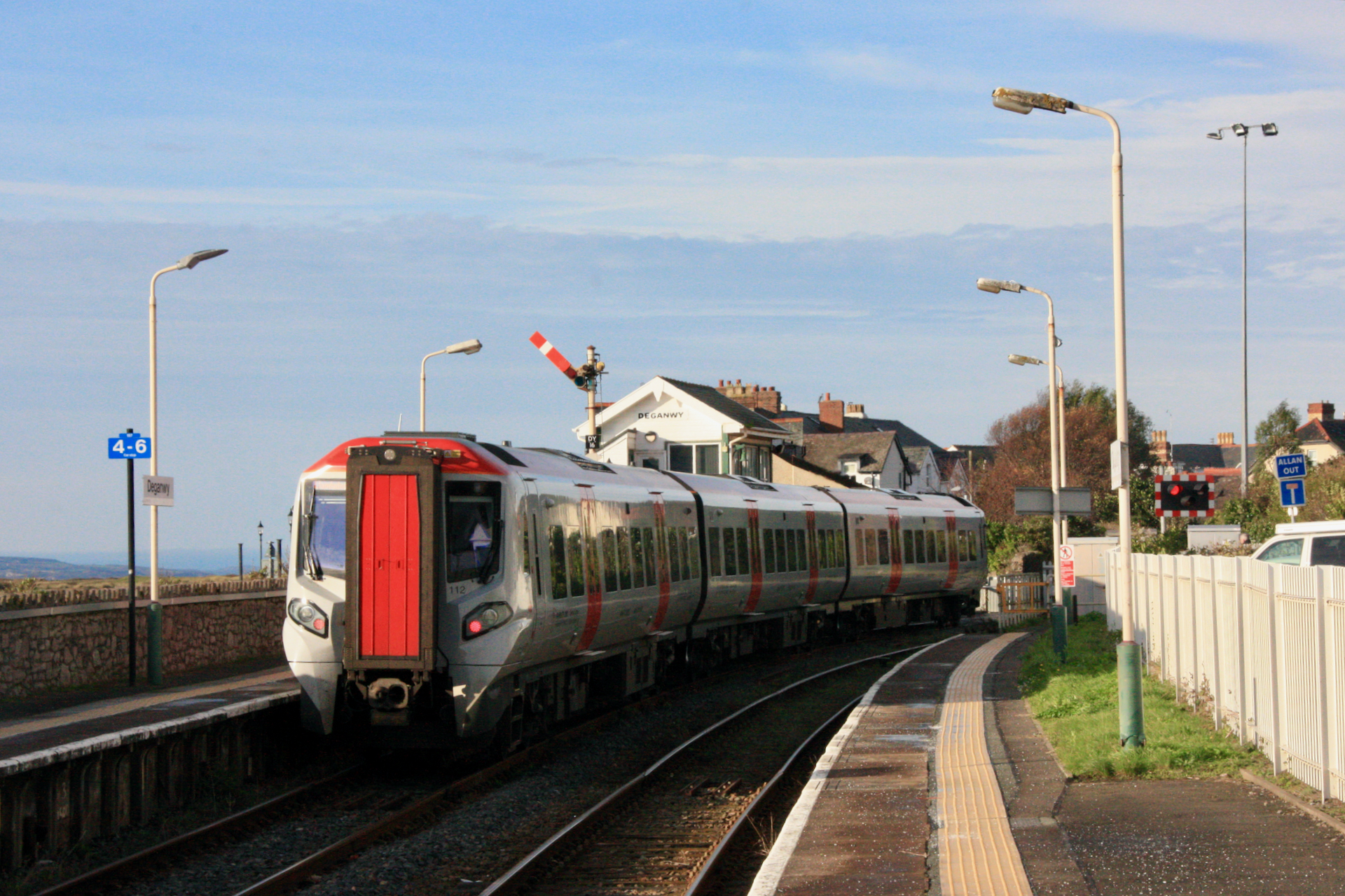
After one final shot, of 197112 departing photogenic Deganwy, I returned to Llandudno Junction where, with time to wait before my train to London, I ventured over the road to the J.W. Lees-owned Old Station Hotel, where a pint of Tan y Ddraig (Dragon’s Fire) (4.0%/£4.20) went down rather well.
 RailwayWorld.net
You must be logged in to post a comment.