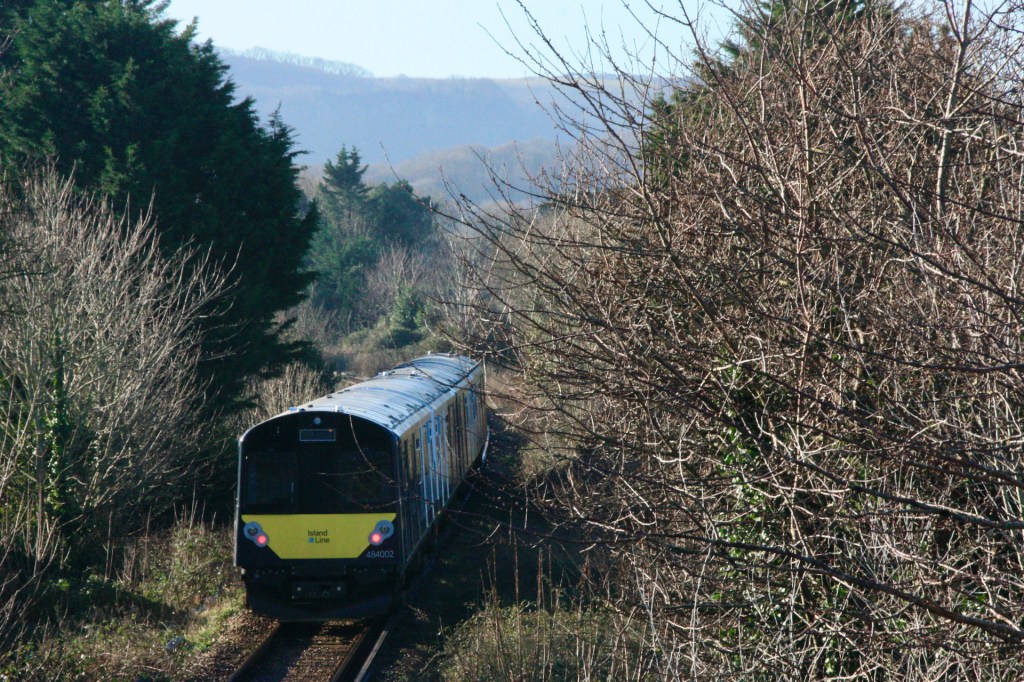
Four years after its promised transformation was begun with the pensioning off of the 1938-vintage Class 483 units on 3 January 2021, it is fair to say that things have not gone too well with rail services on the charming Isle of Wight.
An investment of £26 million in the 8½-mile route from Ryde Pier Head to Shanklin and the arrival of a new five strong fleet of two-car Class 484 units – created from former London Underground District Line D78 stock – were meant to herald a bright new future for Island Line.

But the combination of massive repairs needed to Ryde Pier, repeated issues with the new trains, flooding in Ryde Tunnel, and the newly-installed passing loop at Brading not being exactly at the route’s half-way point, have all meant that a promised even-interval half-hourly service could never be delivered.
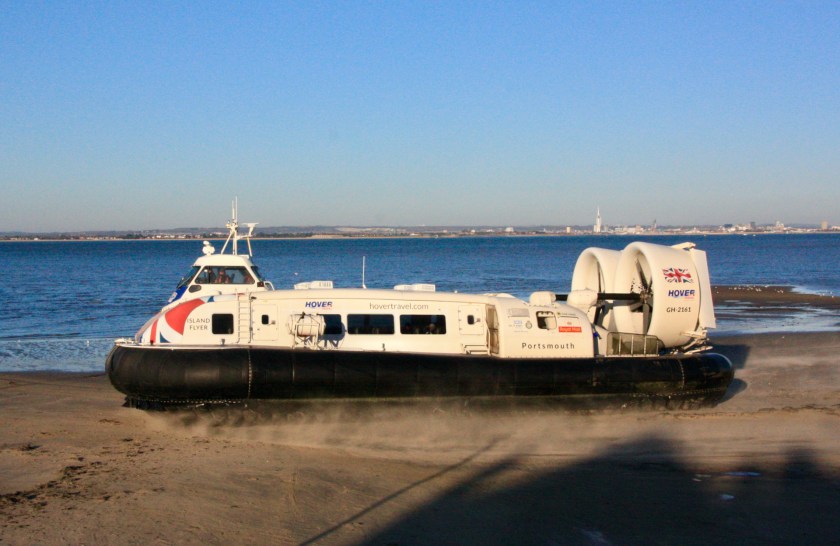
Ryde Pier remains closed until May 2025, so any intending Island Line passengers arriving on the Wightlink catamaran from Portsmouth Harbour must take a mini-bus connection to Ryde Esplanade, or face a half-mile walk, before boarding the twice-hourly service currently operating to Shanklin.
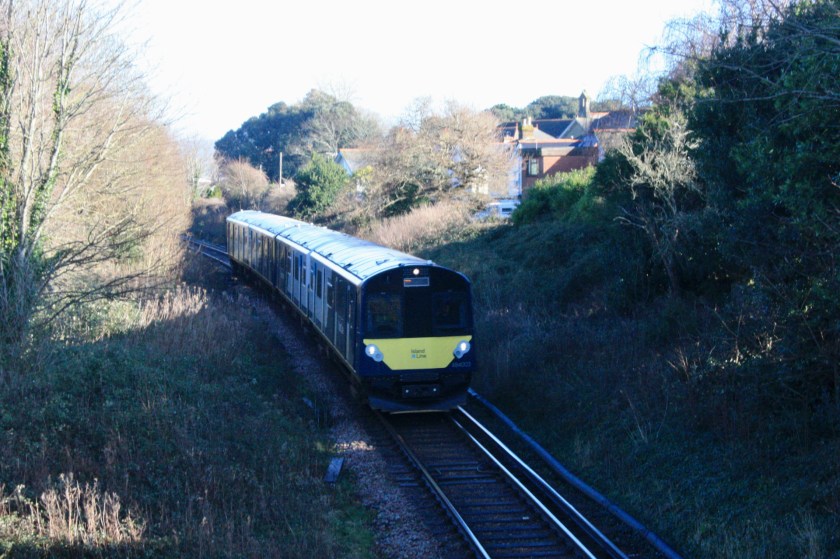
By not serving Ryde Pier Head, one saving grace is that the two-train timetable currently in force does permit an even-interval half-hourly service, with turnround times at each end of 7/8 minutes meaning that punctuality can also be maintained.

Paying a first return visit to Island Line on 9 January 2025 for almost two years, I was keen to take another trip down the line in order to photograph the Class 484 units and to note what winter loadings were like on what was once identified as Britain’s most heavily-subsidised passenger service.
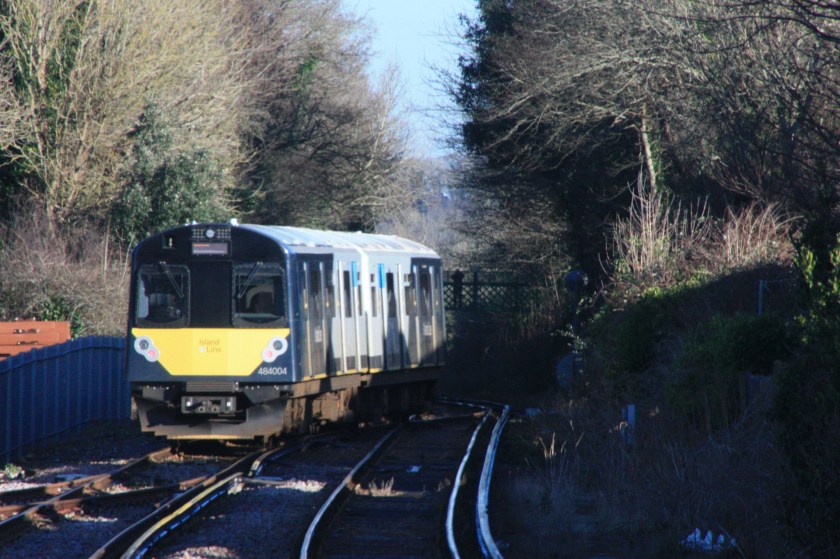
Arriving at Ryde Pier Head at 09.37 (09.15 from Portsmouth Harbour), my plan was to take the 09.59 train from Ryde Esplanade as far as its penultimate stop, Lake, before walking to an interesting photo-spot near Shanklin, then retracing my steps to Sandown, before making further stops at Brading and Ryde St. John’s Road.

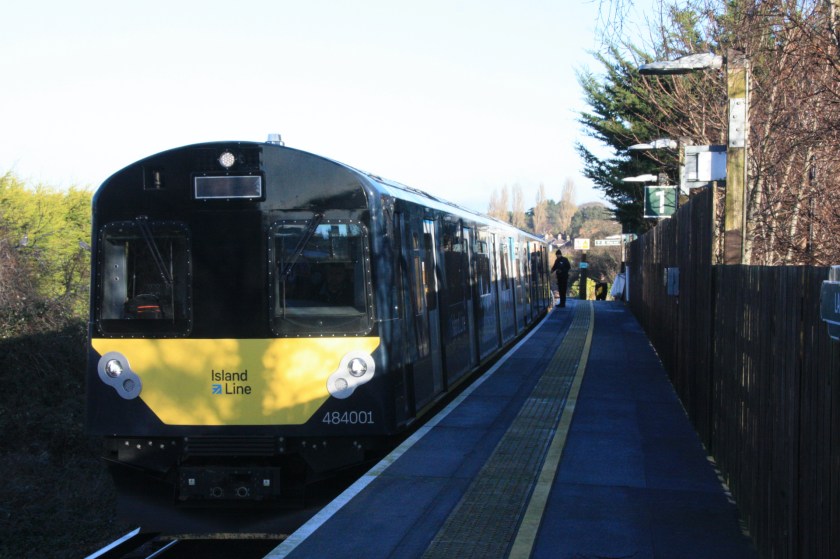
Island Line services on 9 January were being worked by units 484001/004, but also in operation during the morning was the pairing of 484002/003 on a series of test workings, while the final unit 484005 had emerged from the depot at Ryde St. John’s Road by the time I returned there at 13.20.
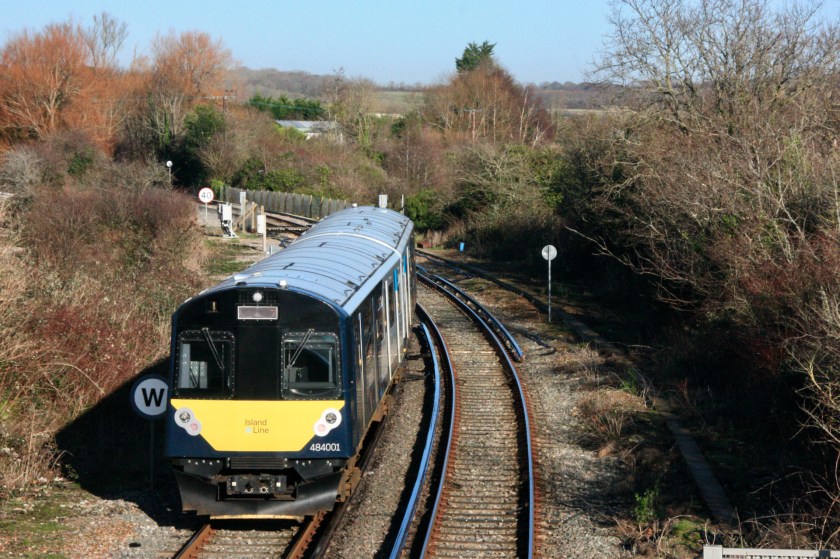
There were only a handful of us aboard 484001 for the 09.59 from Ryde Esplanade and there seemed to be no more than a handful of passengers on any of the subsequent services I travelled on.

But business on the island is very quiet in early January, there were few takers for the Wightlink catamarans I travelled on to and from the island, and the testing of a four-car formation is hopefully a sign of strengthened services during the peak summer period.
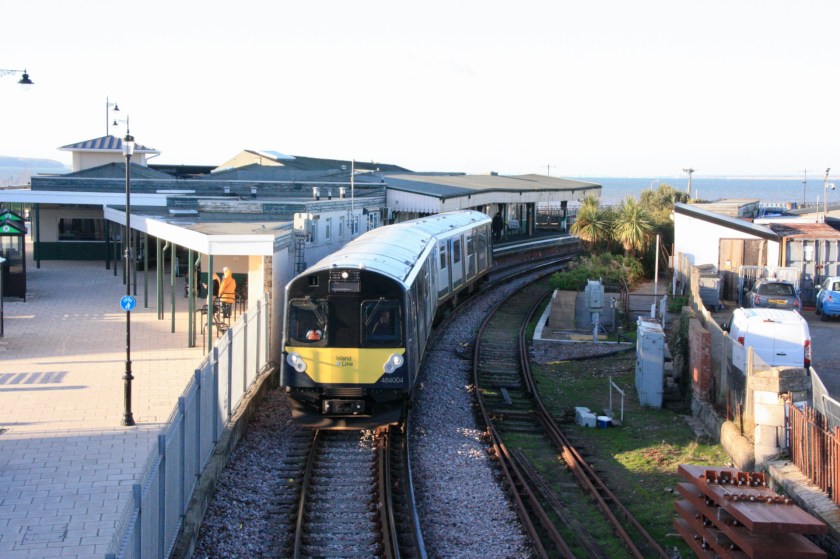
Apart from completion of the transport interchange at Ryde, one notable change since my Spring 2023 visit to the island has been the loss of one of the three surviving semaphores at Ryde St. John’s Road, along with the up fixed distant, with the home signal replaced by a light (WFP15) and another light (WFP15-R) in place of the former distant signal.

On a more positive note, it was very good to see that the historic footbridge at Brading has been fully restored and brought back into use, making a great complement to the preserved and historic station buildings, replica standard lamps and signal box.
 RailwayWorld.net
You must be logged in to post a comment.