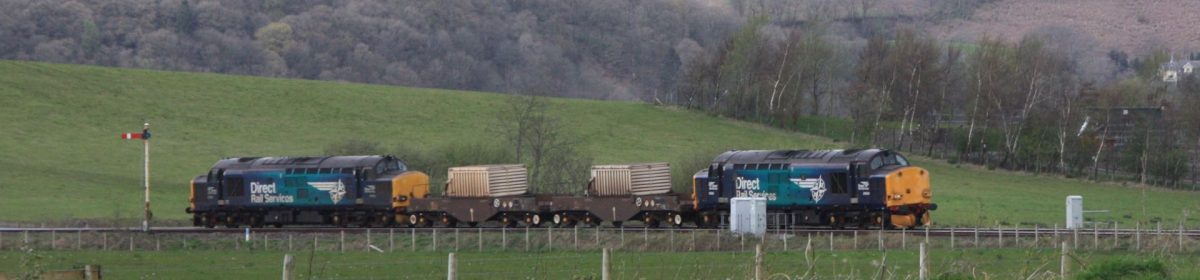
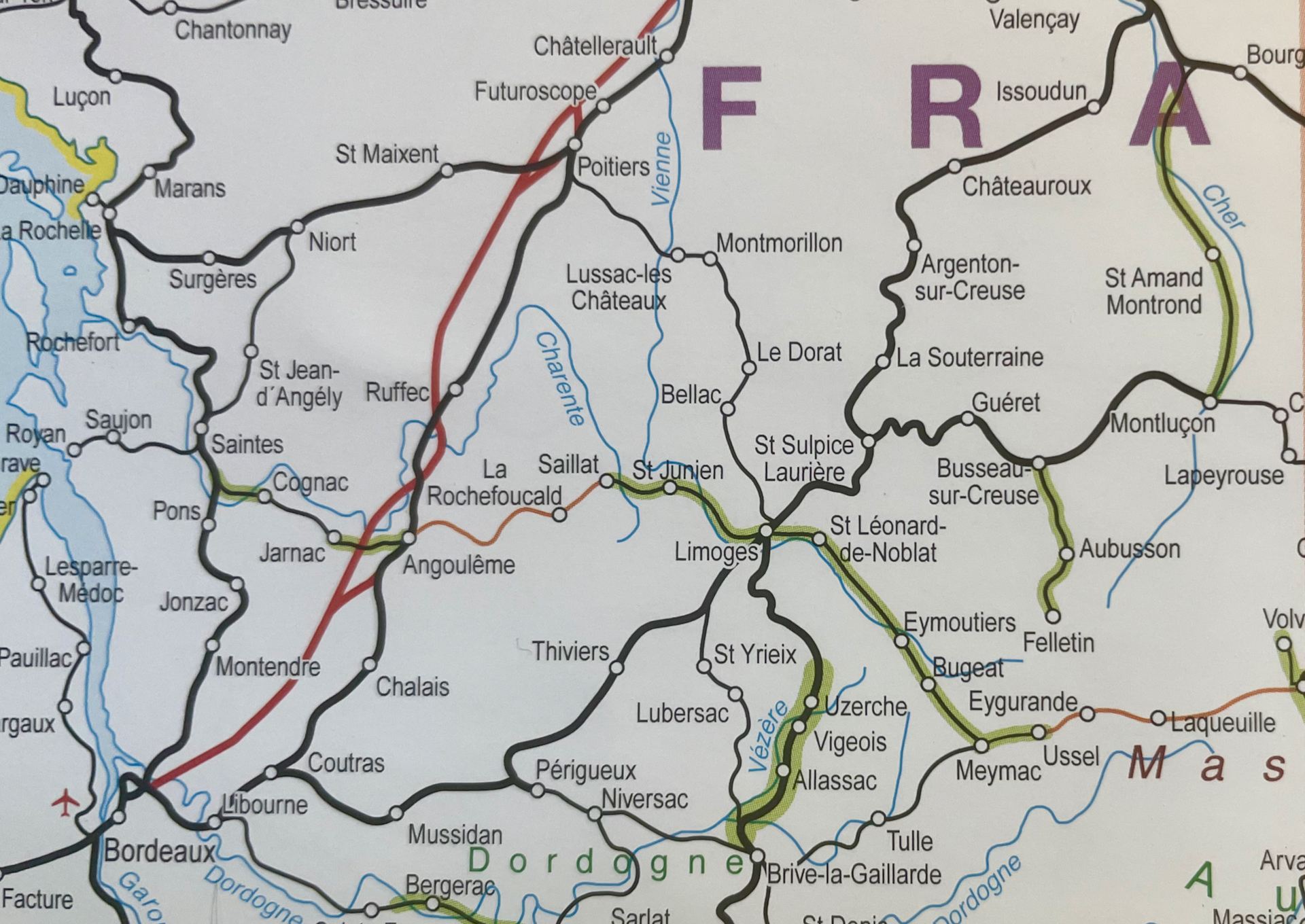
Barring a last minute miracle, 31 August 2025 will see closure of a scenic 33km (21-mile) branch line in the Nouvelle-Aquitaine region of Central France that runs from a junction station at Busseau sur Creuse, around 60 miles east of the city of Limoges, southwards to a small town called Felletin.
Line 25 in the TER Nouvelle-Aquitaine network currently sees two daily round trips, with weekday departures to Limoges-Bénédictins from Felletin at 06.23 and 16.42, and return services from the city at 13.06 and 17.10. But an end-to-end journey time of two hours is almost identical to the time it takes on a “Cars Regionaux” 204 bus and the bus fare is vastly cheaper than the train.
When it comes to railways, France is a country of stark contrasts. On the one hand there is the original, and one of Europe’s finest, high speed (TGV/LGV) networks, yet on the other hand are many areas where rural lines such as the one to Felletin hang on by a thread.
 What brought matters to a head in the Felletin case is life-expired track and two tunnels along the route which require re-lining, as they do not meet current safety standards. Infrastructure owner SNCF Réseau has said that it would cost between €50 and €80 million to renovate the line.
Nouvelle-Aquitaine is unable to commit further investment, having funded 75% of €3.5 million worth of remedial work in 2022. The line does not figure in its development plans and money for other infrastructure projects is already strained.
Alerted to the branch line’s likely fate by a feature in the February 2025 edition of the excellent French Railway Society Newsletter, I decided to pay a visit to Felletin, in order to travel and photograph the route, as well as to appreciate its plight at first hand.
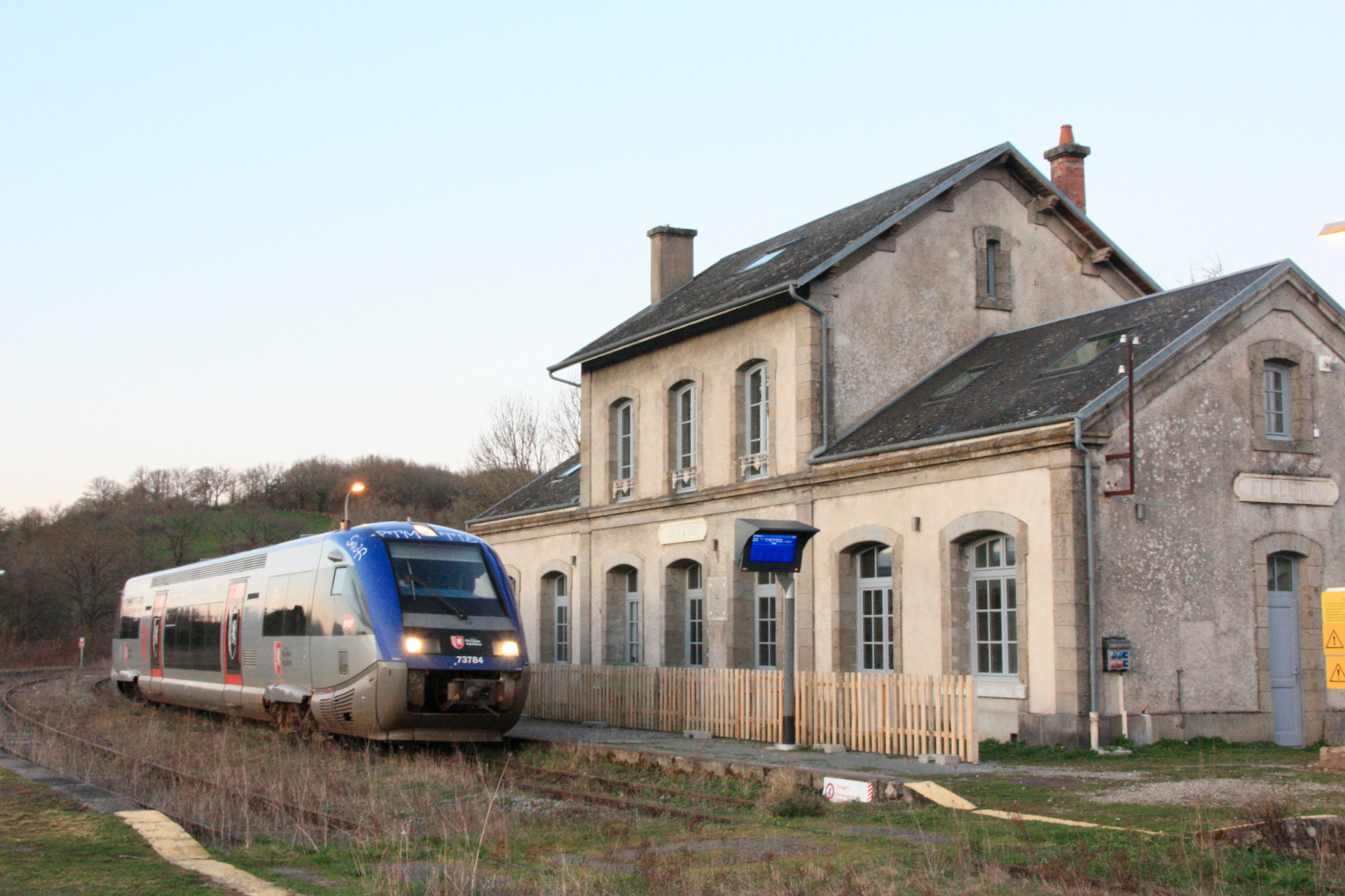
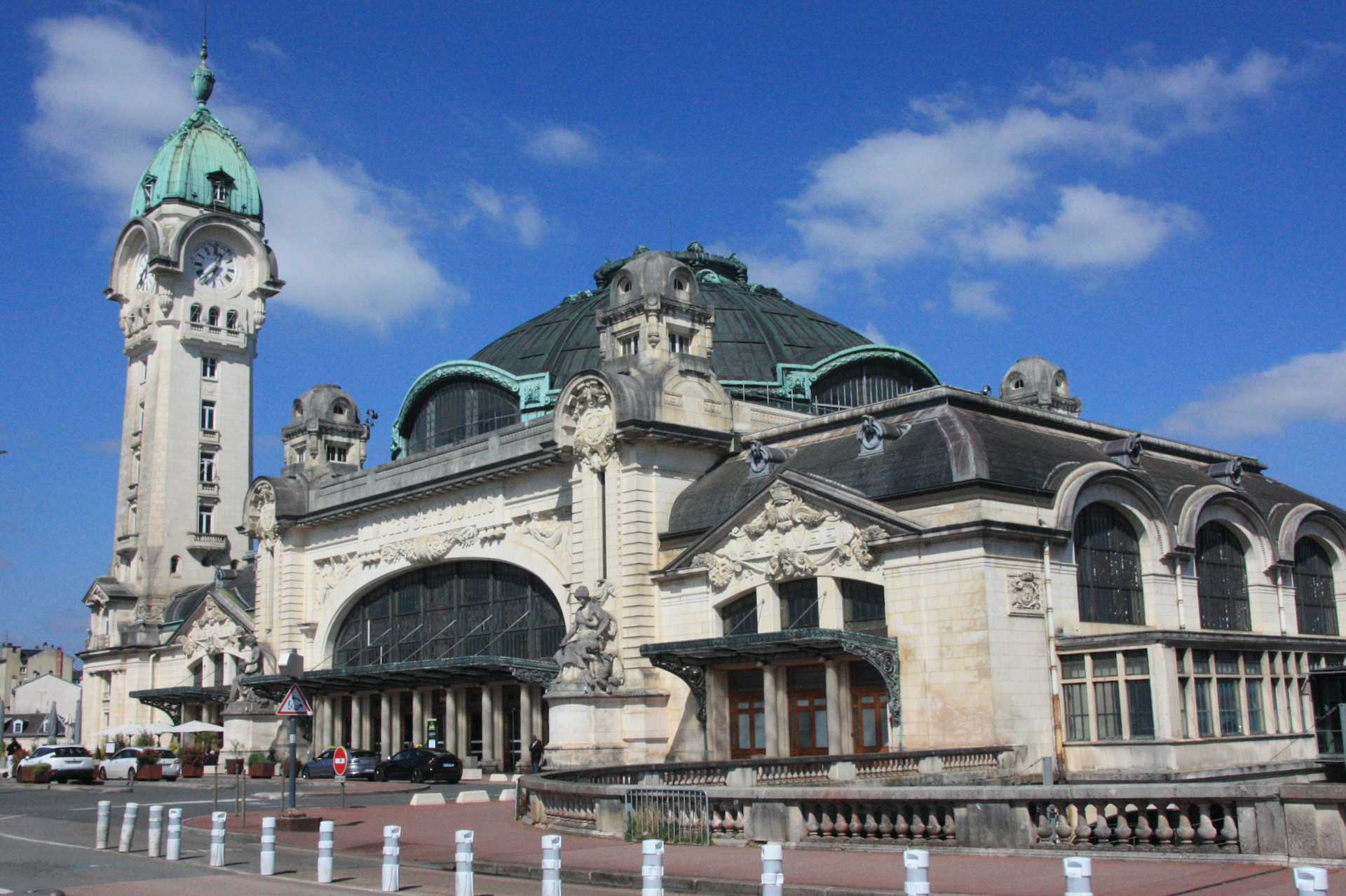
So after taking a Ryanair flight to Limoges on 24 March 2025, and armed with a Nouvelle-Aquitaine “Carte +” card (bought in advance online and giving 50% off local TER fares for one year at a cost of €29.00), I headed to Felletin aboard the 17.10 departure from the magnificent Limoges Bénédictins station.
My journey aboard railcar X73784 began with a punctual departure at 17.10 with 26 passengers on board. Most of these had alighted at the numerous intermediate stops between Limoges and Guéret, after which there were just five of us left on board.
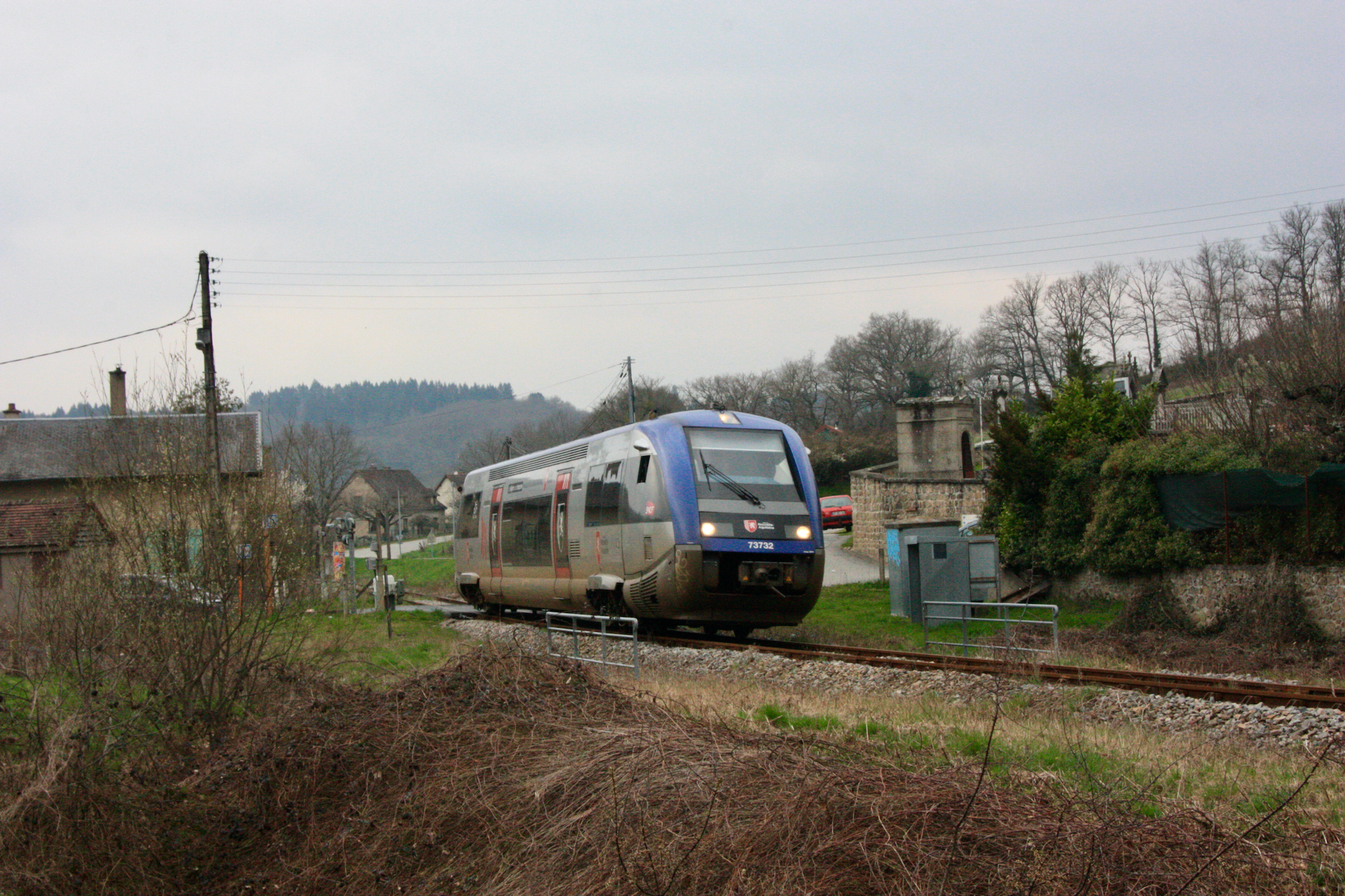
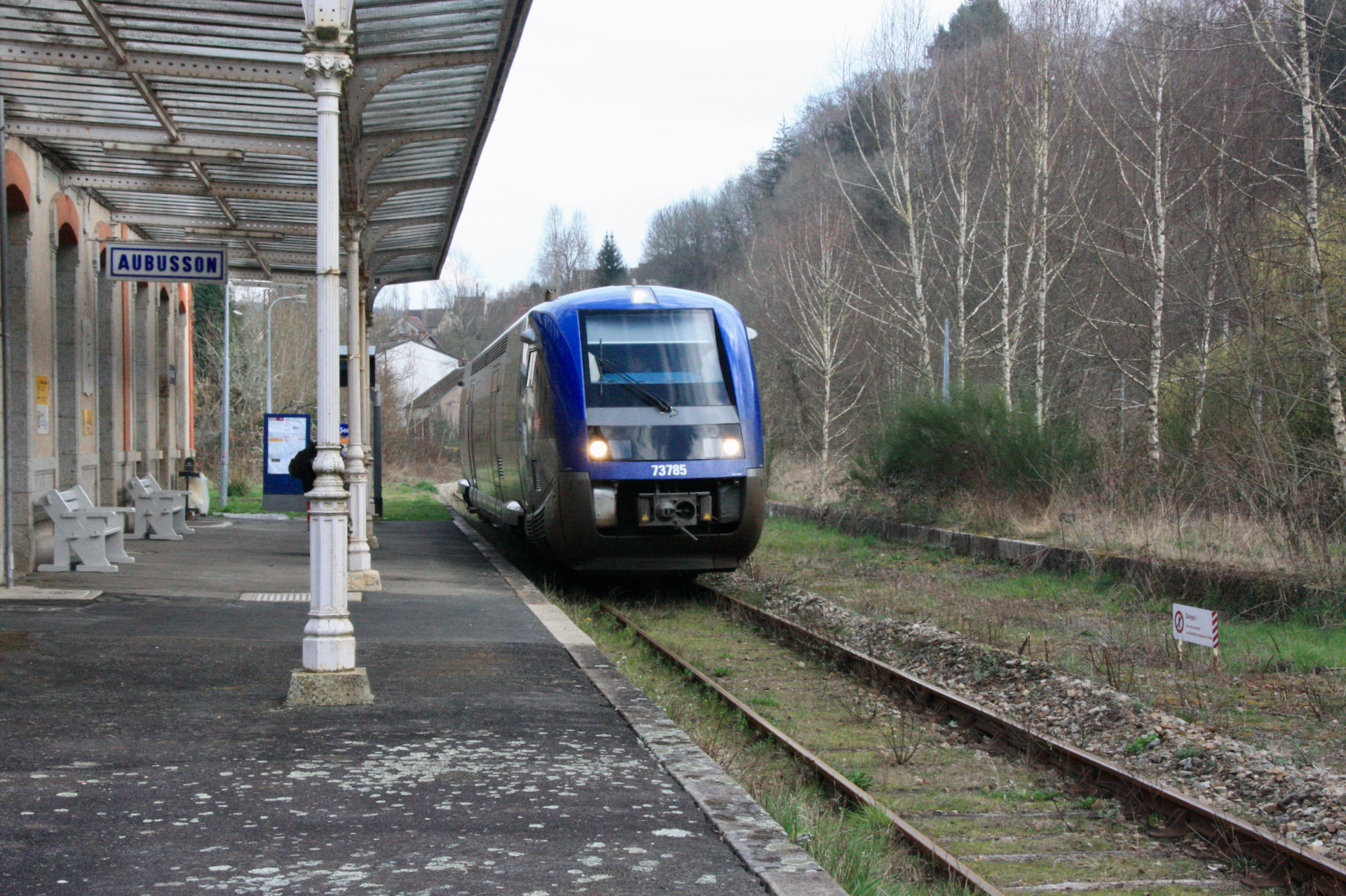
One passenger alighted at the junction station of Busseau sur Creuse and one enthusiast joined for the trip onwards over a magnificent steel viaduct then onto the Felletin branch, with one passenger then alighting at the first intermediate station, Lavaveix-les-Mines, and another at the principal intermediate station, Aubusson.
That left just three of us aboard for the final leg of the journey, one “genuine” passenger and two enthusiasts, myself and the Frenchman who had joined the train at Busseau. Hopefully I would encounter rather more passengers over the next couple of days!

Travelling by bus to Aubusson on the following day (25 March) I was reminded of the absurdity of the competition facing the railway when the driver pointed out that the flat fare of €2.70, which I was paying, would also have taken me all the way to Limoges, which on the train cost €27.00 or €13.50 with Carte+.
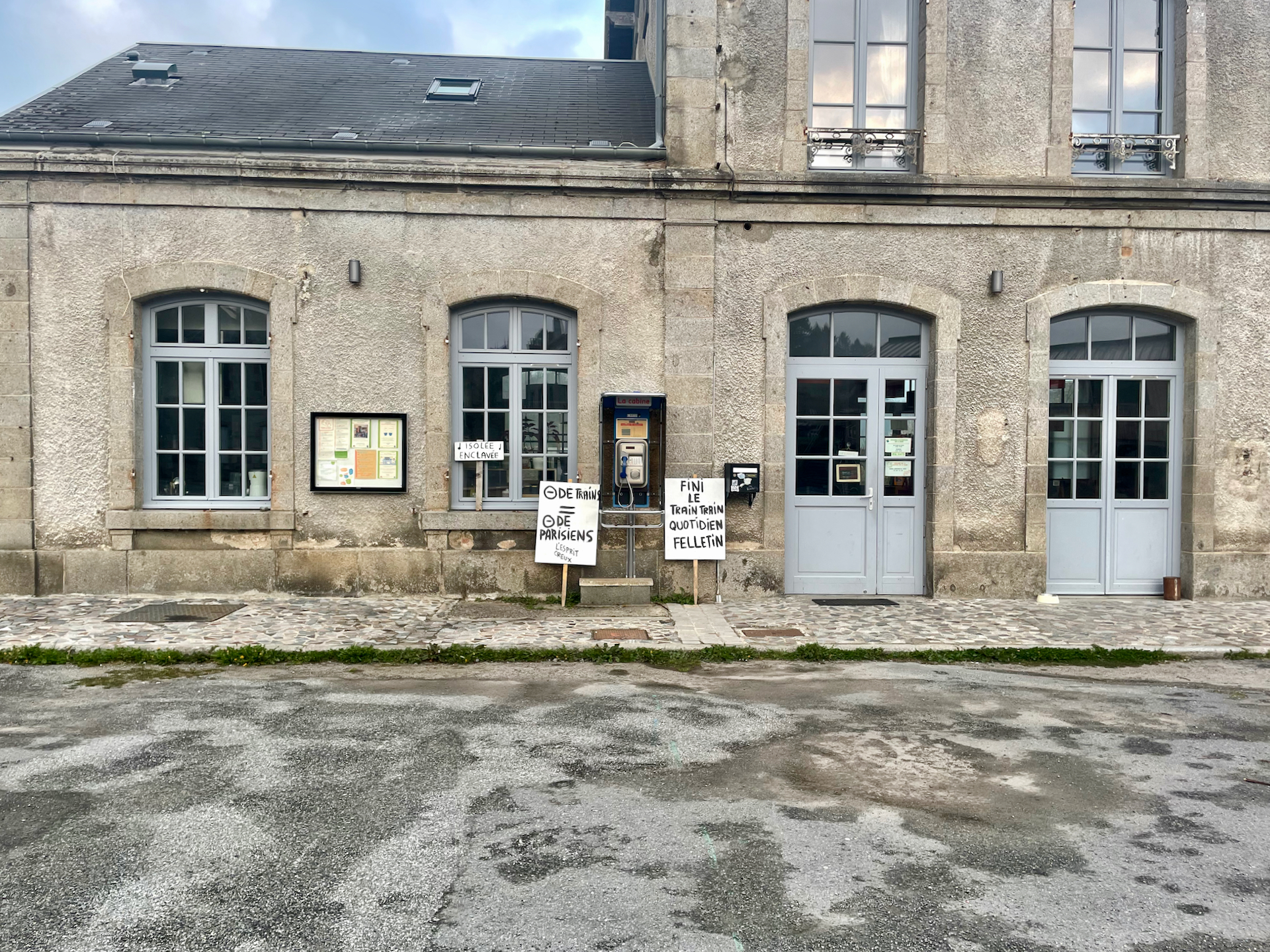
Having a morning to walk around charming Felletin, I paid a visit to the tourist office and was shocked to discover that the lady there could not tell me anything about train times and seemed to have no knowledge of the impending closure. Similarly at the station itself, now restored as a community cafe, there was no indication whatever that the end was nigh for rail services to the town.
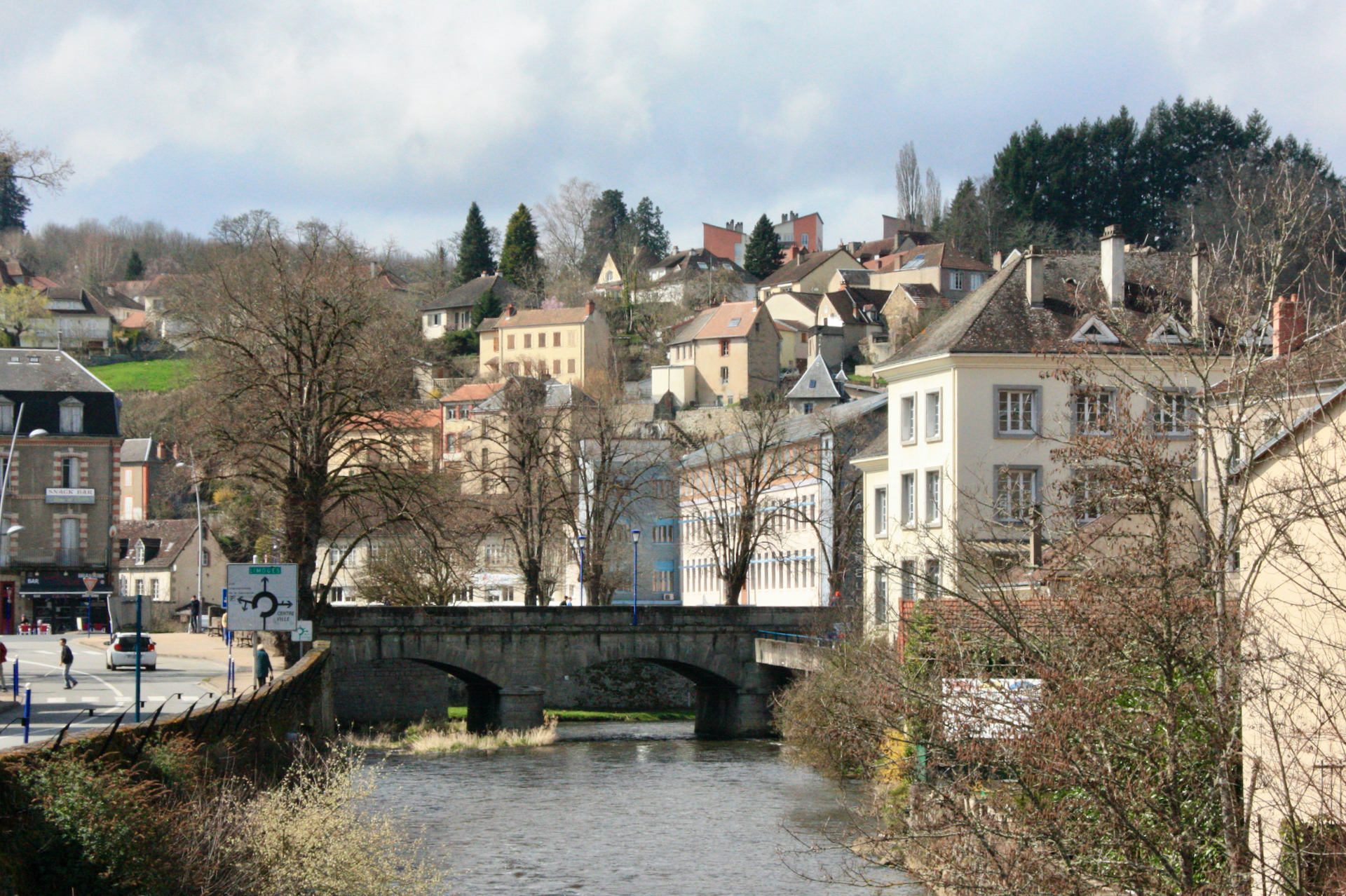
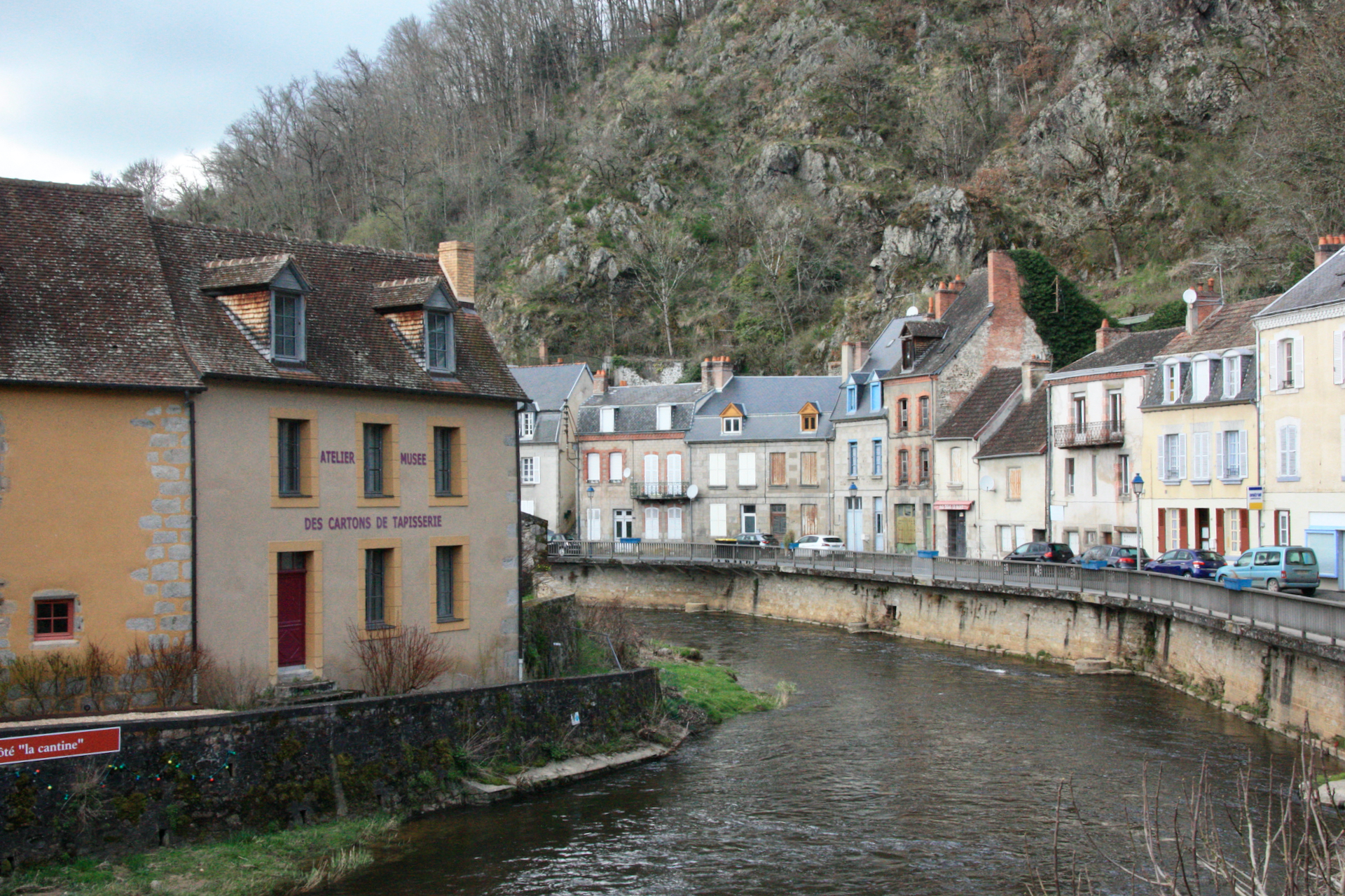
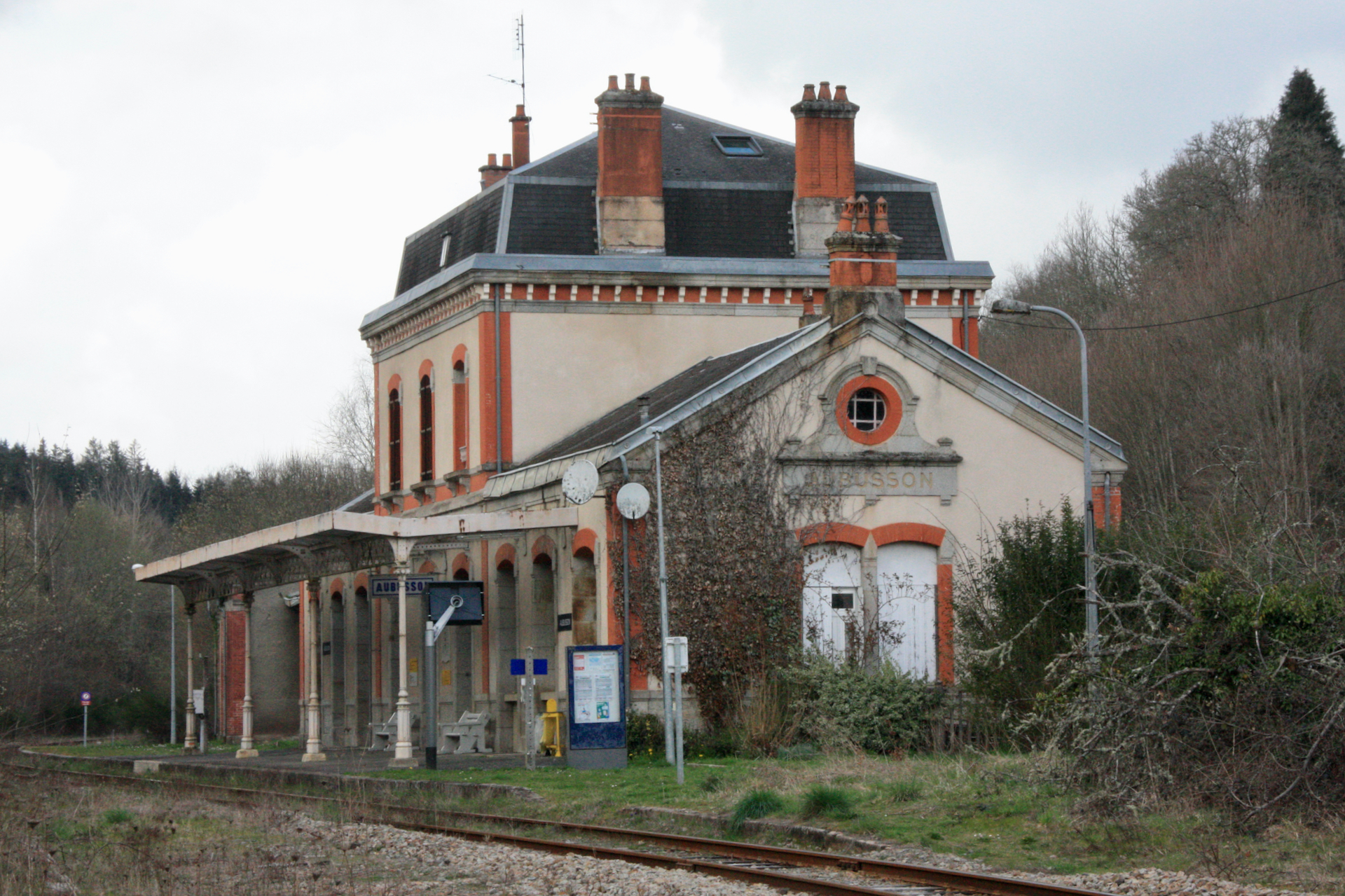
In marked contrast to sleepy Felletin, Aubusson is a lively town of around 3,000 inhabitants that straddles the Creuse River and is a renowned centre for tapestry manufacture. Its well-preserved but locked-up station stands on the northern edge of the town, rather less convenient than the centrally-located bus station.
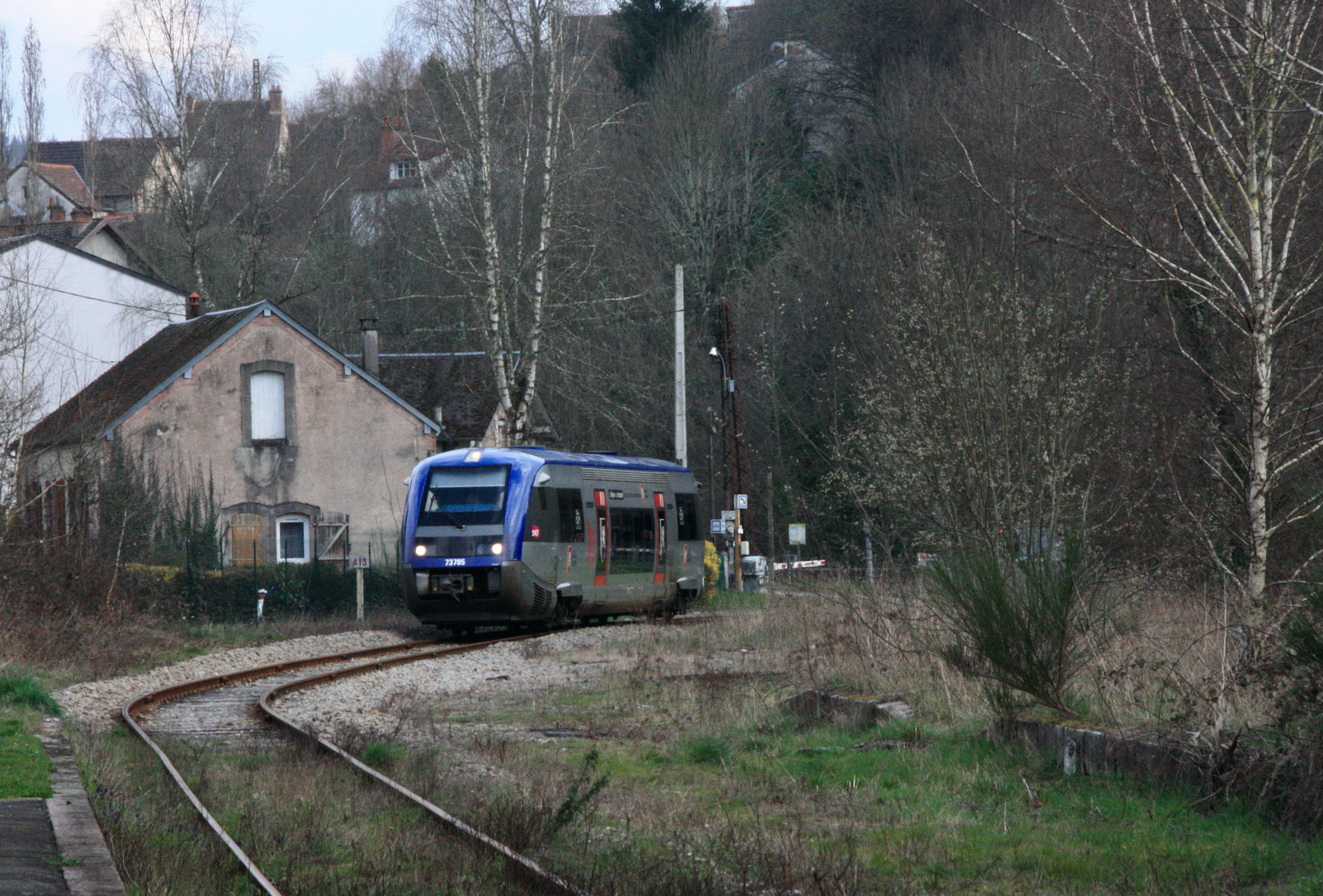
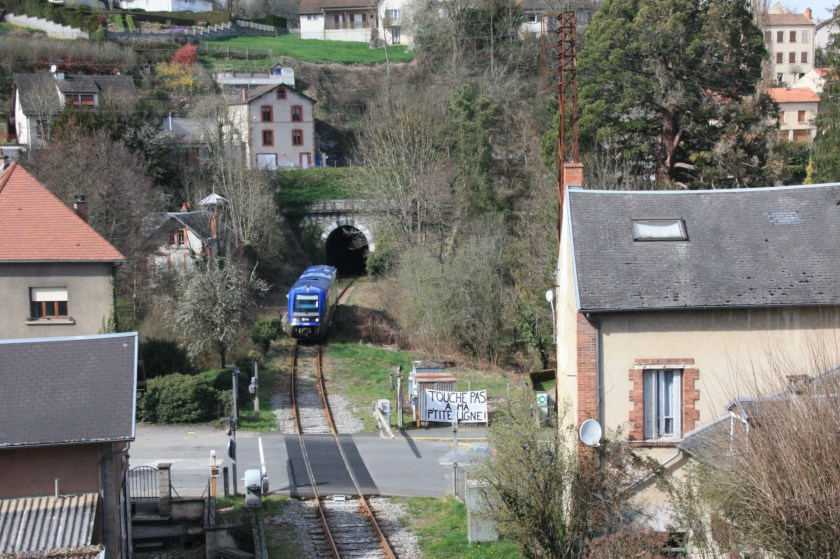
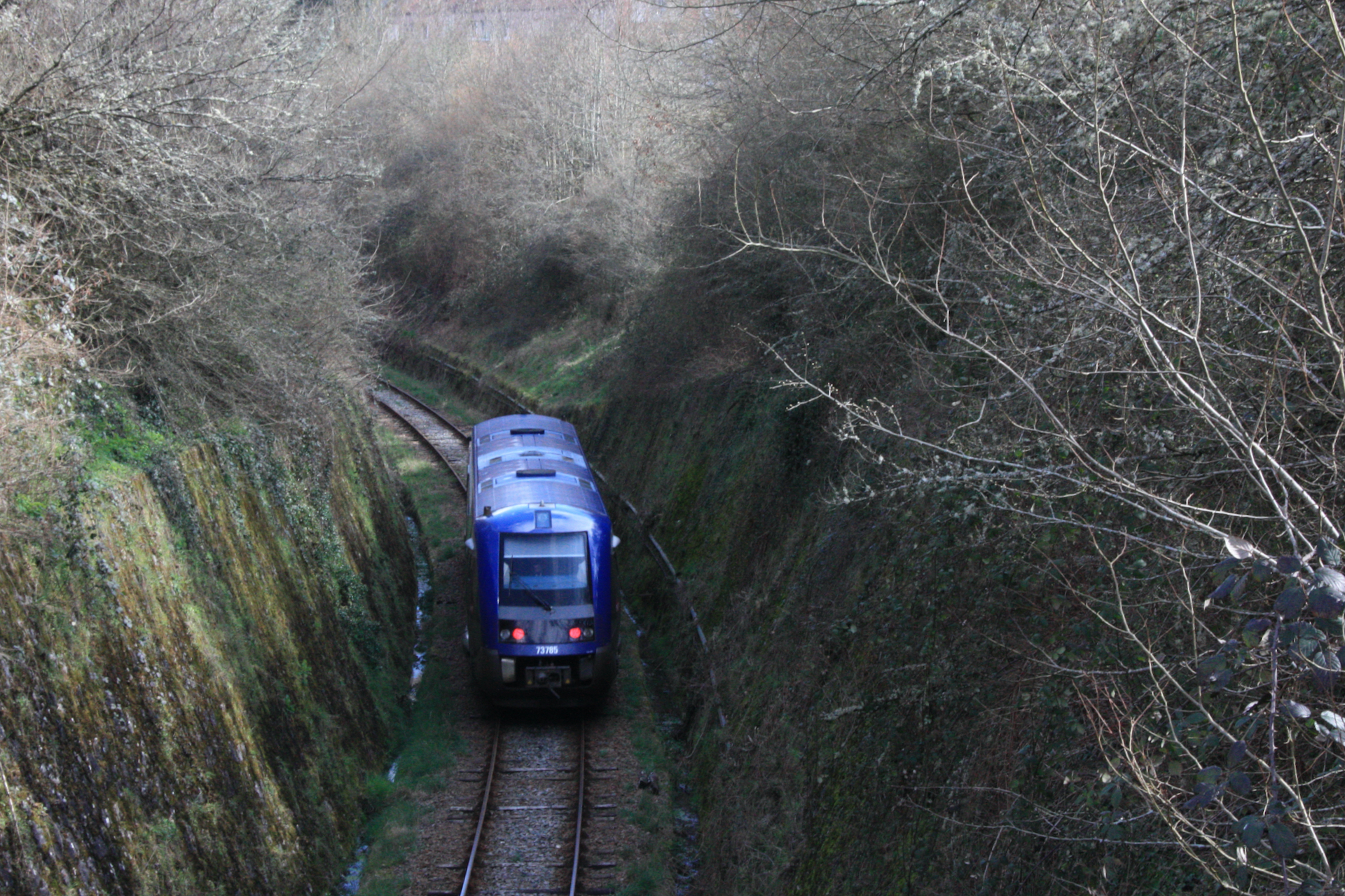
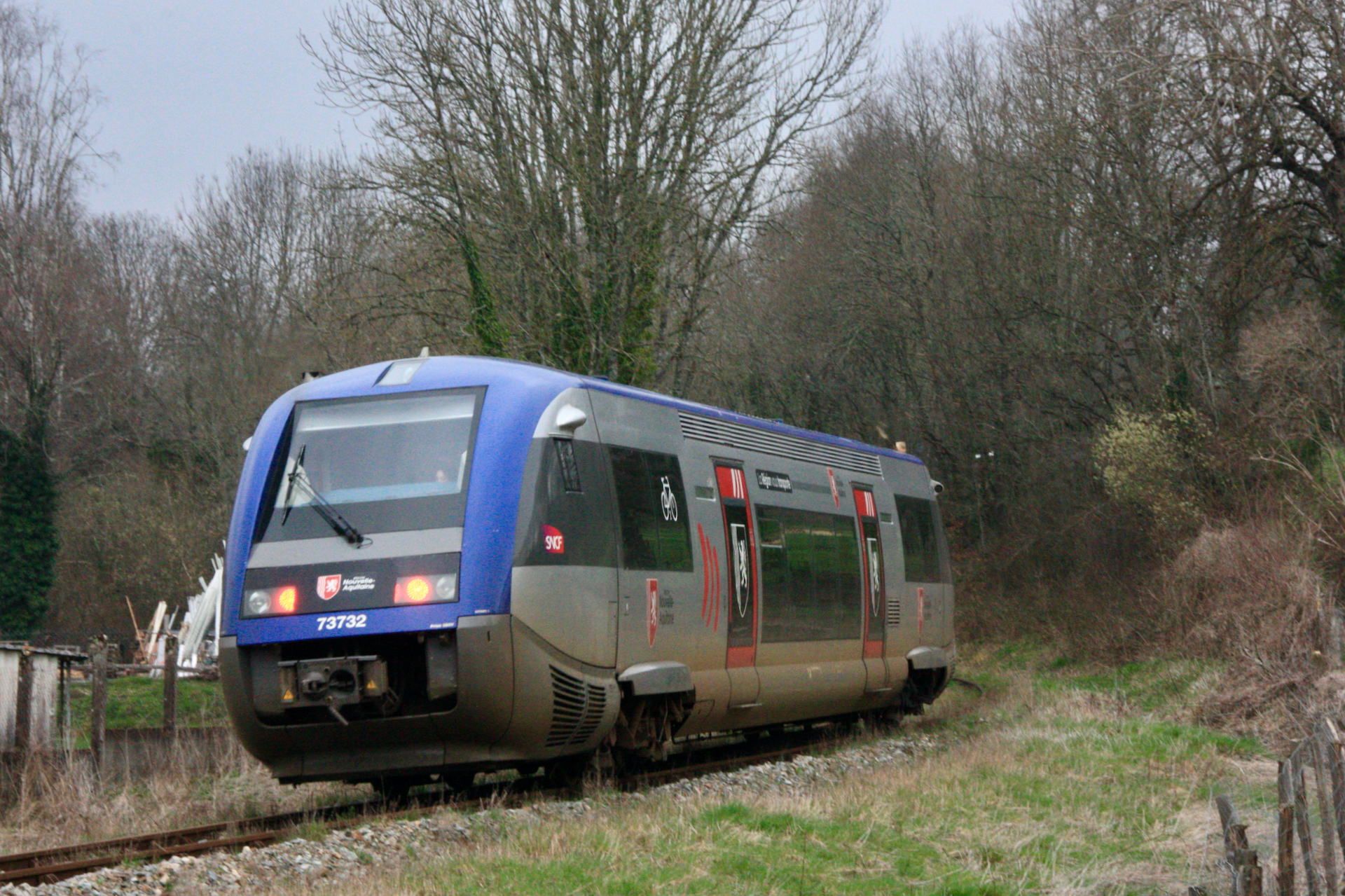
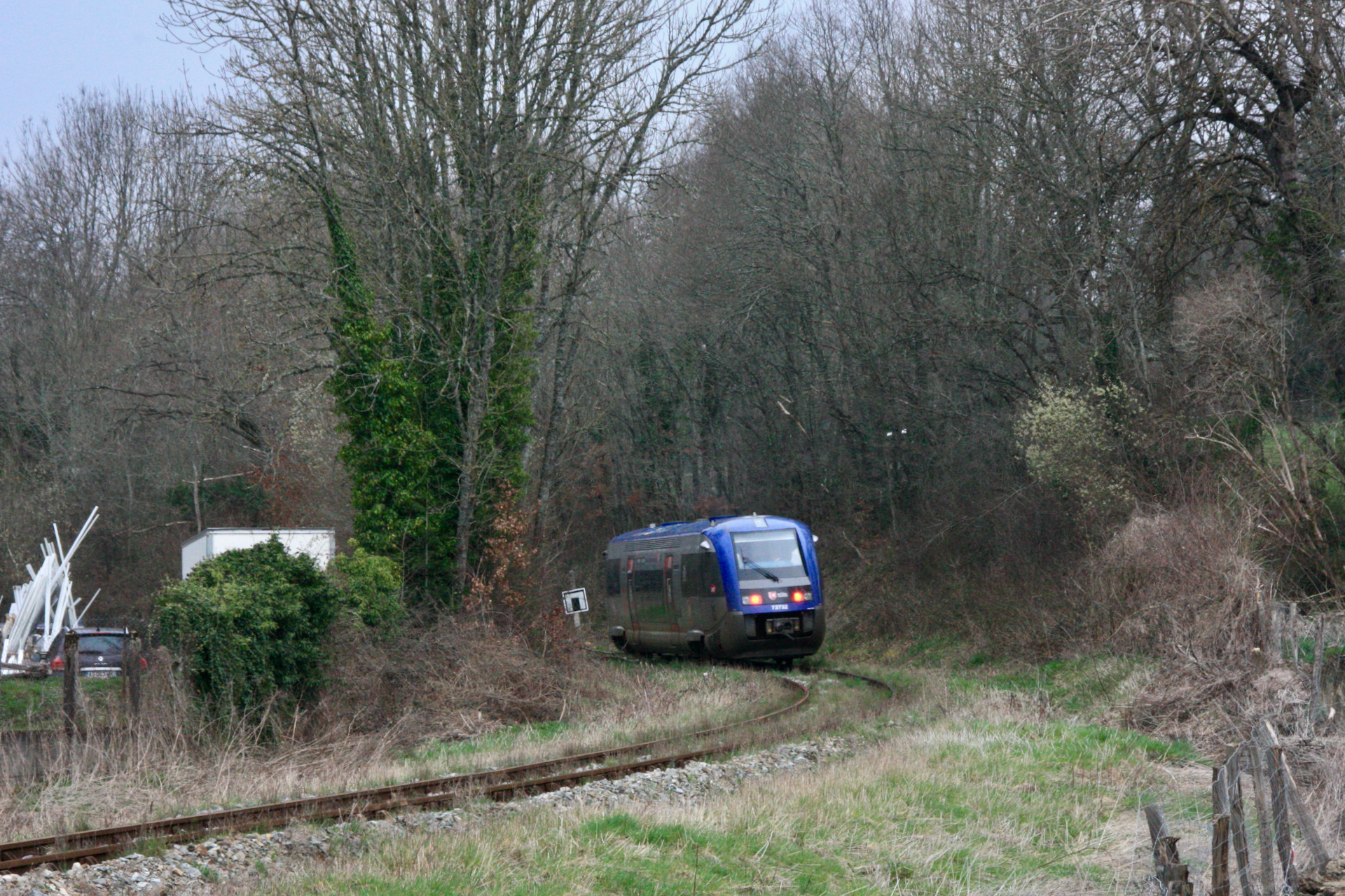
After being forced to travel here by bus, due to the absence of any rail services in the middle of the day, I got the shot I most wanted of a train for Felletin emerging from a tunnel and passing the level crossing in Avenue de la République, where a banner has been erected (as seen below) that translates into English as “hands off my little train”.
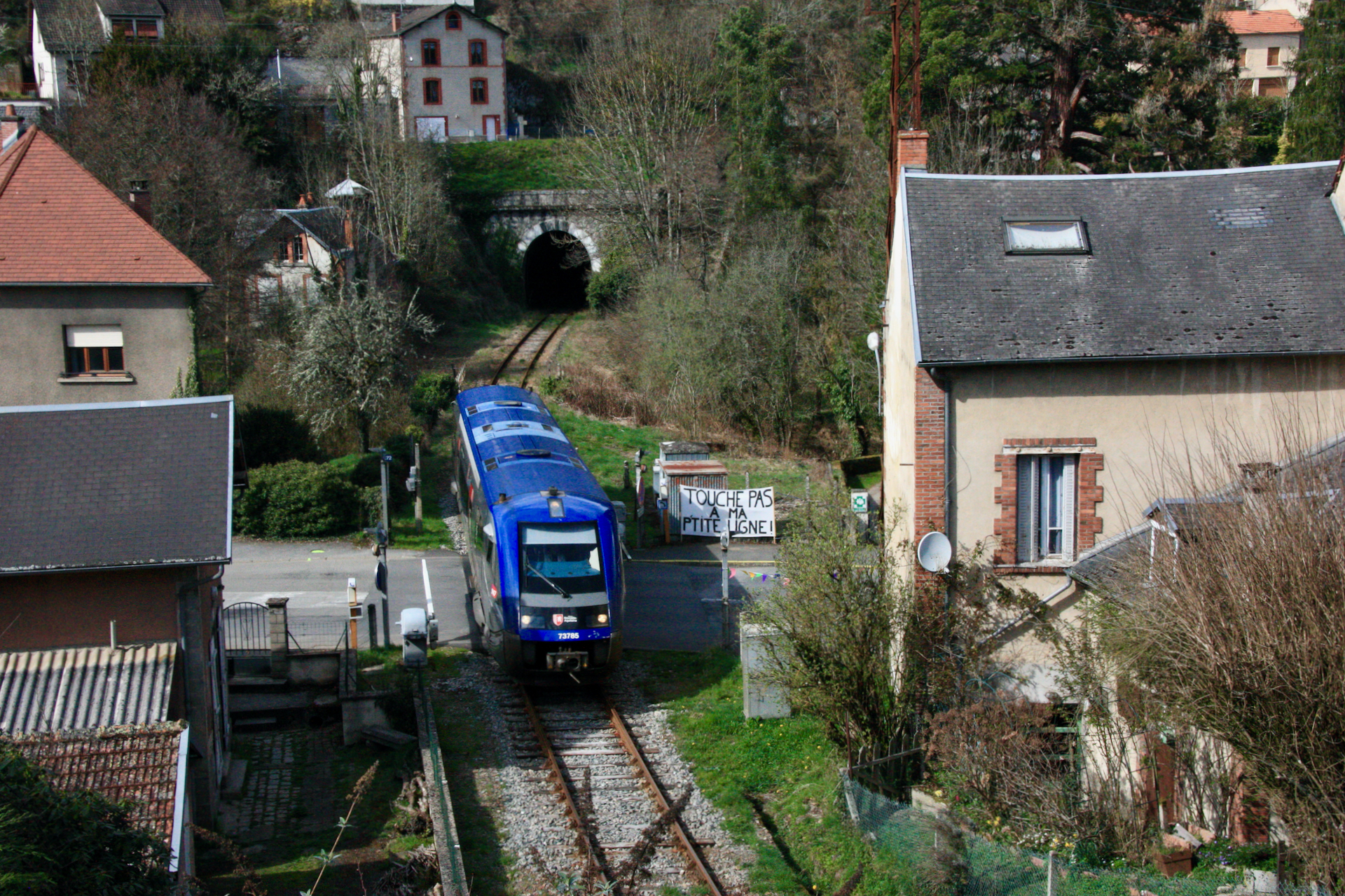
From Aubusson I resumed my travels along the doomed branch line when three of us boarded the otherwise empty 16.54 departure for Limoges (16.42 ex-Felletin) which I took as far as the junction station of Busseau sur Creuse, partly in order to get a photo of the magnificent viaduct (as seen below), though sadly not with a train on it.
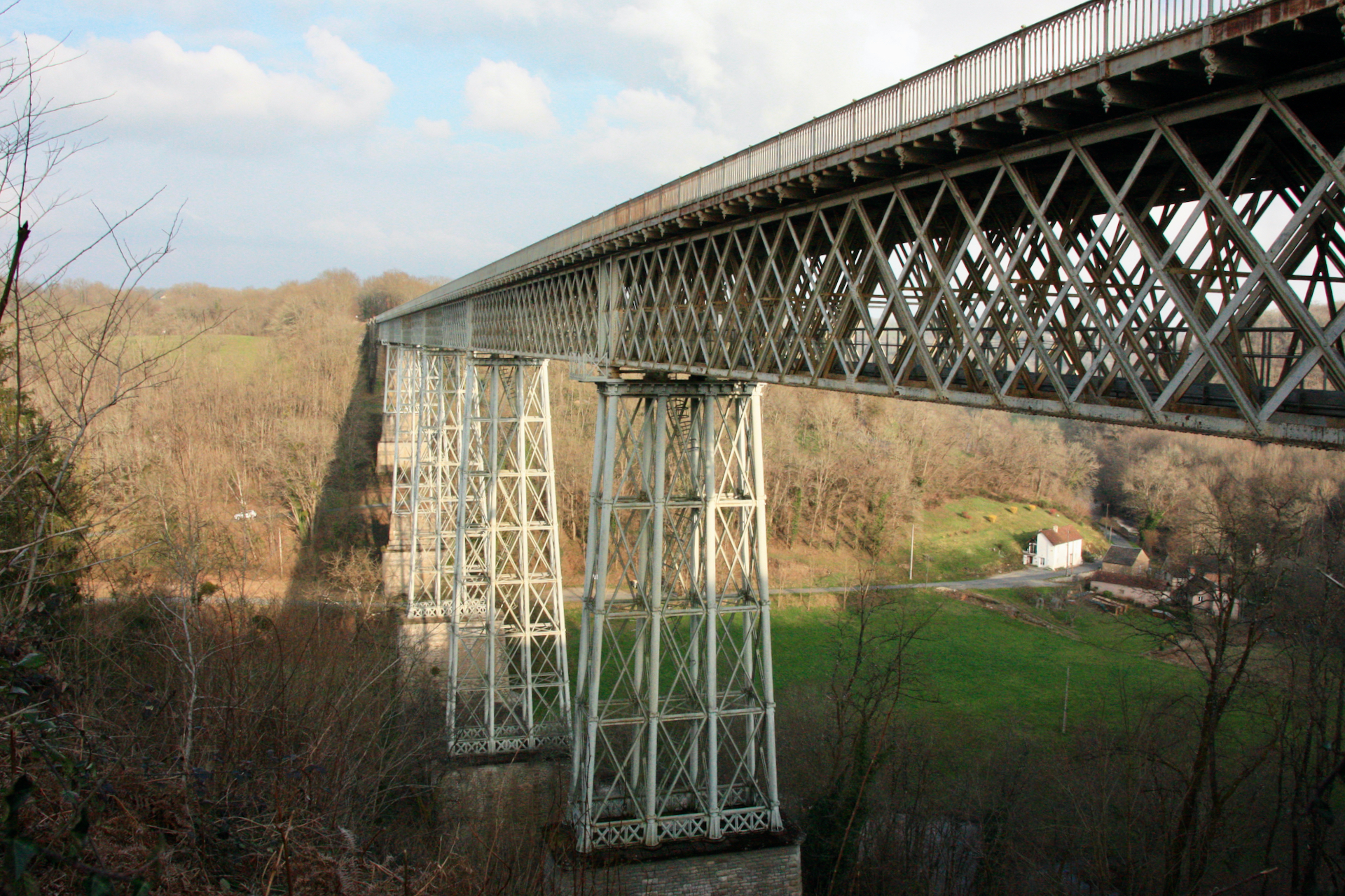 Returning to Felletin once again on the 17.10 from Limoges (18.32 from Busseau) there was a family of two adults and two children plus me for the delightful 40 minute ride back to Felletin, with no passengers boarding or leaving at either Lavaveix or Aubusson.
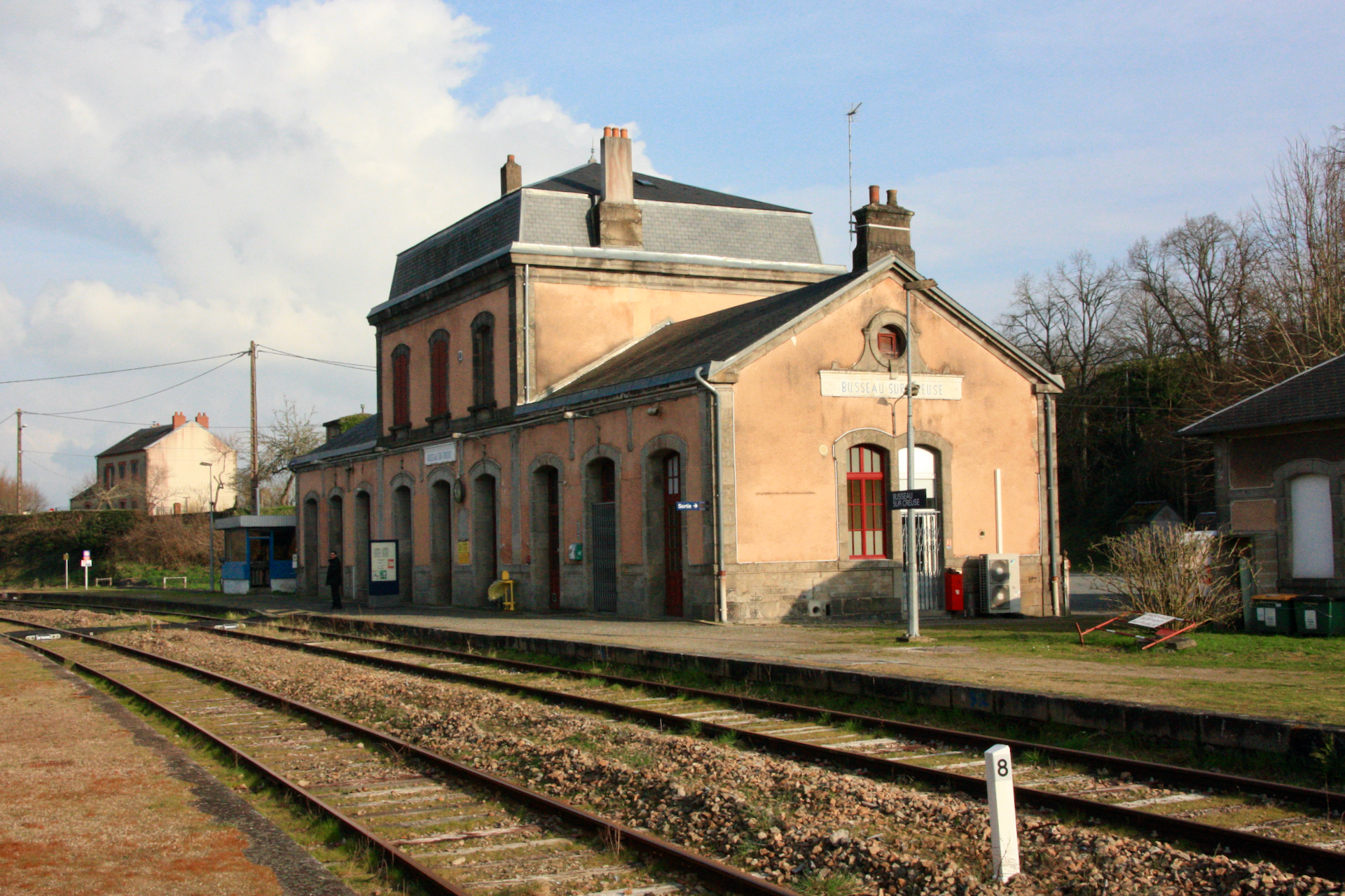
Completing my visits to the trio of doomed stations on 26 March, I took another bargain priced lunchtime bus ride (€2.50), travelling this time to Lavaveix-les-Mines, a place which until the late 1960s was an important area for coal mining.
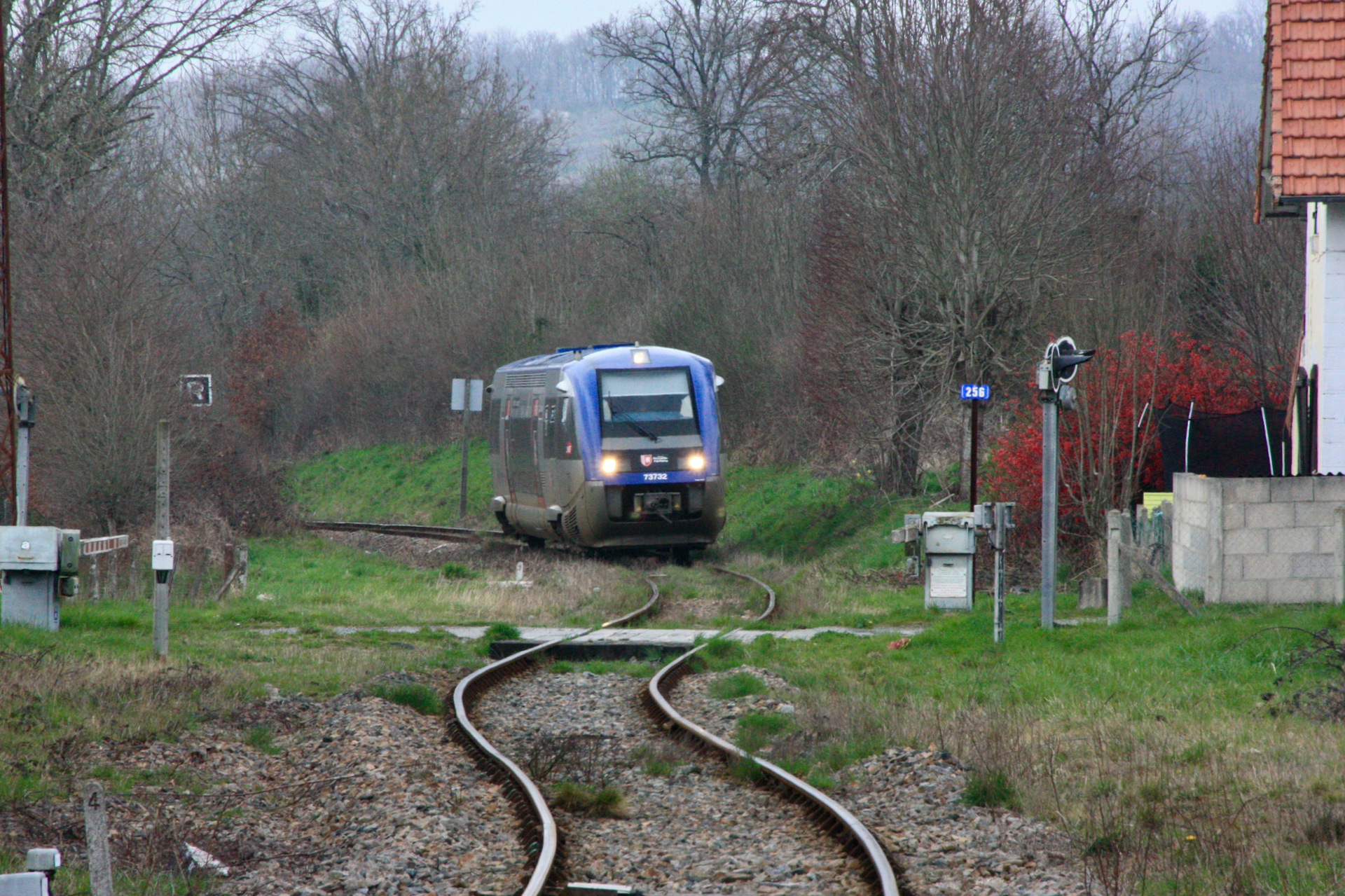
Lavaveix-les-Mines station is some distance from the centre of the town it serves and a remarkably inhospitable place to wait for a train, with the station building (as seen below) bricked up, no waiting shelter or even a bench to sit on, and the only nearby bar having long since closed down.
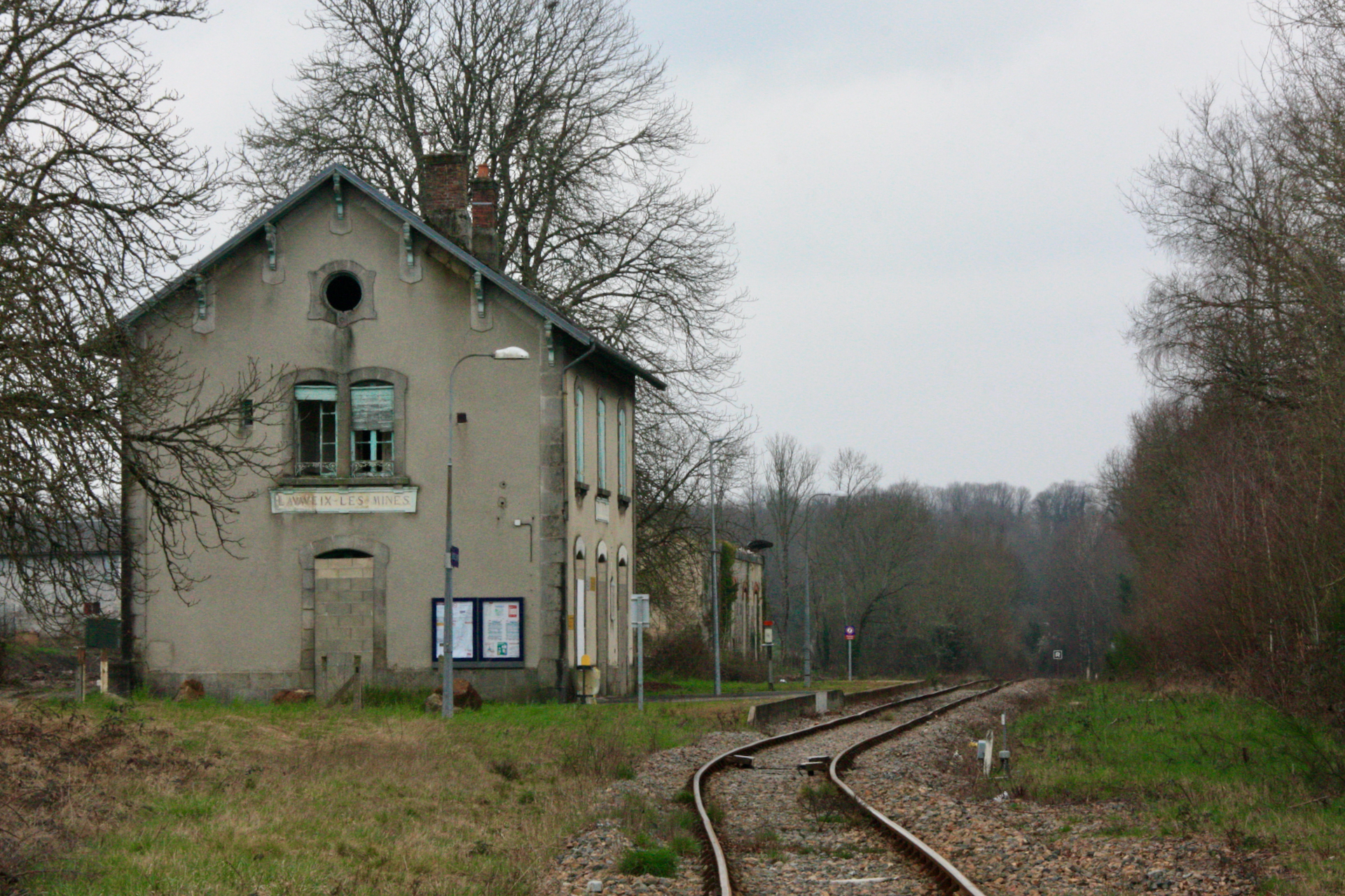 As an indication of the hopeless issues facing this line, when I got off the bus from Felletin at the main bus stop in Lavaveix-les-Mines, right next to a level crossing, I asked two schoolgirls who were also were alighting from the bus where the Gare SNCF was (in French). They had no idea and it was the bus driver, who had overheard my question, who gestured up the railway line, which I then walked along to get to the station.
Remarkably I was not the only person to board the 14.39 from Lavaveix to Felletin on 26 March (13.06 ex-Limoges) and was joined by an elderly Frenchman who I had met the previous day on the platform at Aubusson. Two others were already on board, one of whom alighted at Aubussson, leaving three of us to complete the final leg of the trip to Felletin.
News of the line’s closure emerged on 17 January 2025, when the préfet of Creuse département announced that trains from Busseau-sur-Creuse to Aubusson and Felletin will be ‘suspended’ in August, with funding of works costing €200,000 provided to keep the service going for its final few months.
A vigorous local campaign is being fought against closure under the title “La p’tite Ligne” [the little line], which can be found on facebook, and whose anti-closure petition has attracted more than 25,000 signatures. Rallies were held by campaigners outside the station at Guéret on 1 March and another at Aubusson on 21 February.
Whether it is the cheap bus fares or some other reason, the ridership figures for Felletin station make pretty dismal reading. A decade ago (2015) SNCF estimates that the station was used by 5,673 passengers, but that number sharply declined in subsequent years, recovering slightly post COVID-19, but reaching a mere 882 in 2023, an average of just 17 passengers a week, a number borne out by the evidence of my visit.
For those tempted to pay a visit to Felletin before the railway line closes, I can highly recommend a hotel called “Au Relais du Parc de Millevaches” that is an easy five minute walk from the railway station and where I paid €62 (£52) a night for a comfortable room, with extras being breakfast (€9.00) and a set three course dinner (€17.50).
Being the only remaining hotel in town, it is the place used by the two-person SNCF crews, who have a second floor suite permanently reserved and will arrive off the 19.10 arrival from Limoges and leave early the following morning to crew the 06.23 departure.
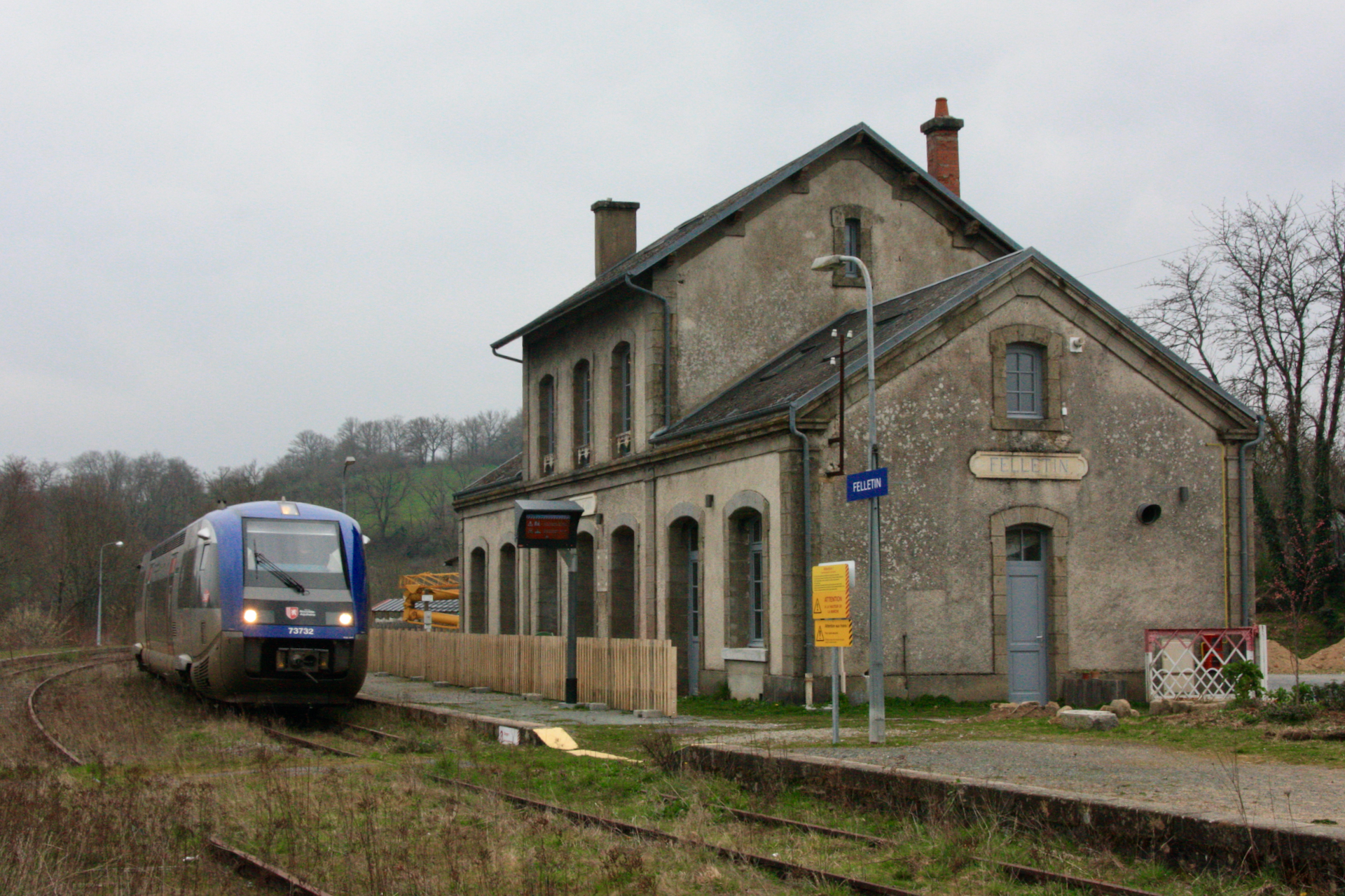
The station at Felletin opened as a terminus in August 1882, becoming a through station in June 1905 with the opening of a 43km (27 mile) section from Felletin to Ussel by the Paris to Orléans Railway Company (PO). But it became a terminus once again from 30 September 1979, when the section of route south to Ussel was closed.
Felletin is a rather pleasant small town in the Creuse department of Nouvelle-Aquitaine, situated on the banks of the Creuse River. It stands 8kms (5 miles) south of Aubusson, the branch line’s principal intermediate station, and within the Millevaches National Park, the name translating not as 1,000 cows, but 1,000 lakes!
 Returning from Felletin to Limoges on 27 March 2025 I decided to sample another of the region’s most scenic rail routes, so took a 70-minute early morning bus trip (€2.50) south to the town of Ussel, following the line of the closed railway and getting the chance to see all the surviving track layout at La Courtine, which had remained open for freight until 2001.
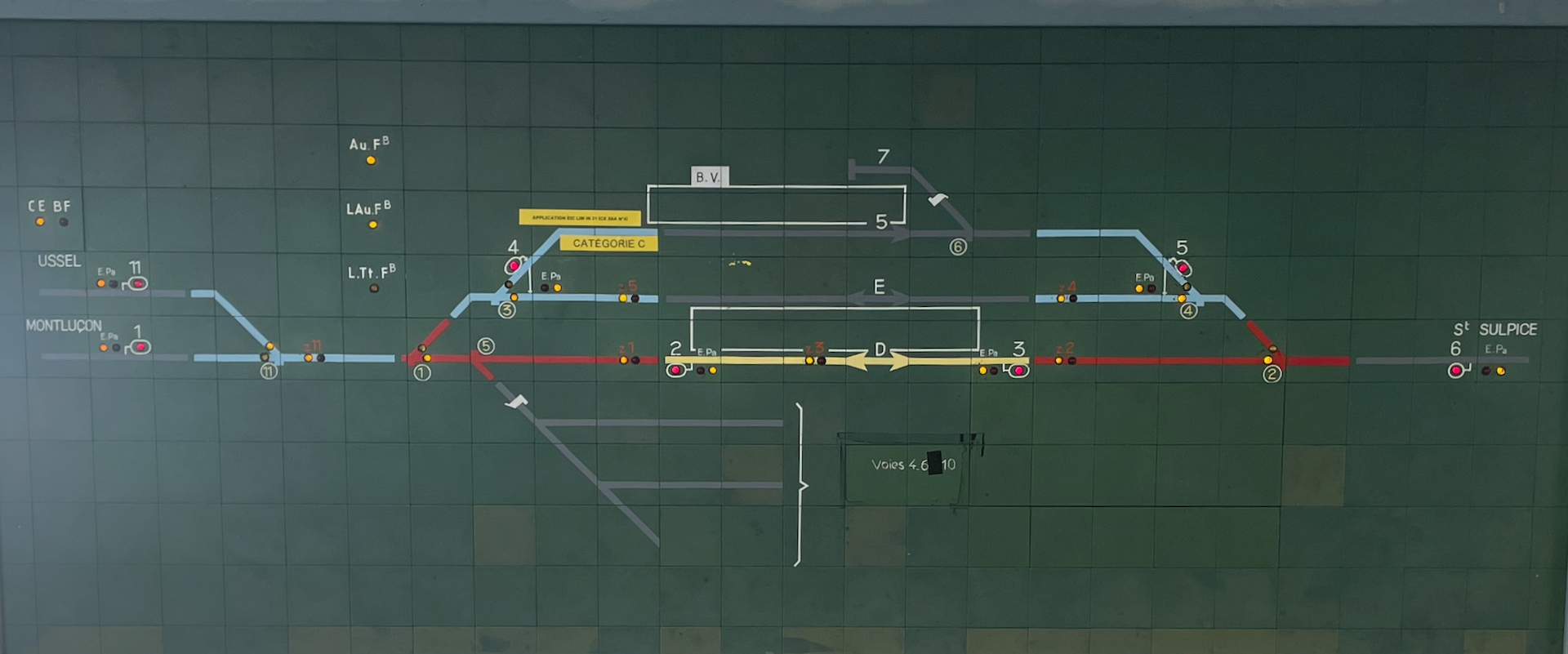
After a welcome coffee in the Hotel Terminus outside the station I then took a one hour 50 minute trip north-west to Limoges (TER line 26) which left with just three of us aboard the single railcar at 10.41, but quickly filled up at intermediate stations along the picturesque route, which passed through the charming towns of Eymoutiers and St. Léonard de Noblat.
For anyone tempted to visit this delightful area before the end of rail services to Felletin, a local society is operating a series of special trains along the doomed branch line using a vintage X2800 series railcar on Thursdays in July and August, the last one being on 28 August, just three days before closure. For details and bookings, go to http://www.autorail-creusois.fr
If events take their predicted course then the last ever services at Felletin on Sunday, 31 August, will be the 17.28 departure for Limoges (arriving at 19.25) and the 19.10 arrival from Limoges (17.10). One other service on that final Sunday is a departure from Limoges at 09.15 that reaches Felletin at 11.19.

 RailwayWorld.net
You must be logged in to post a comment.