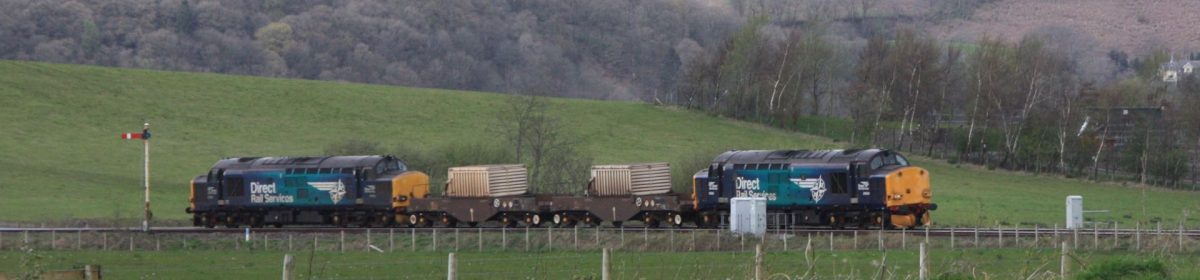
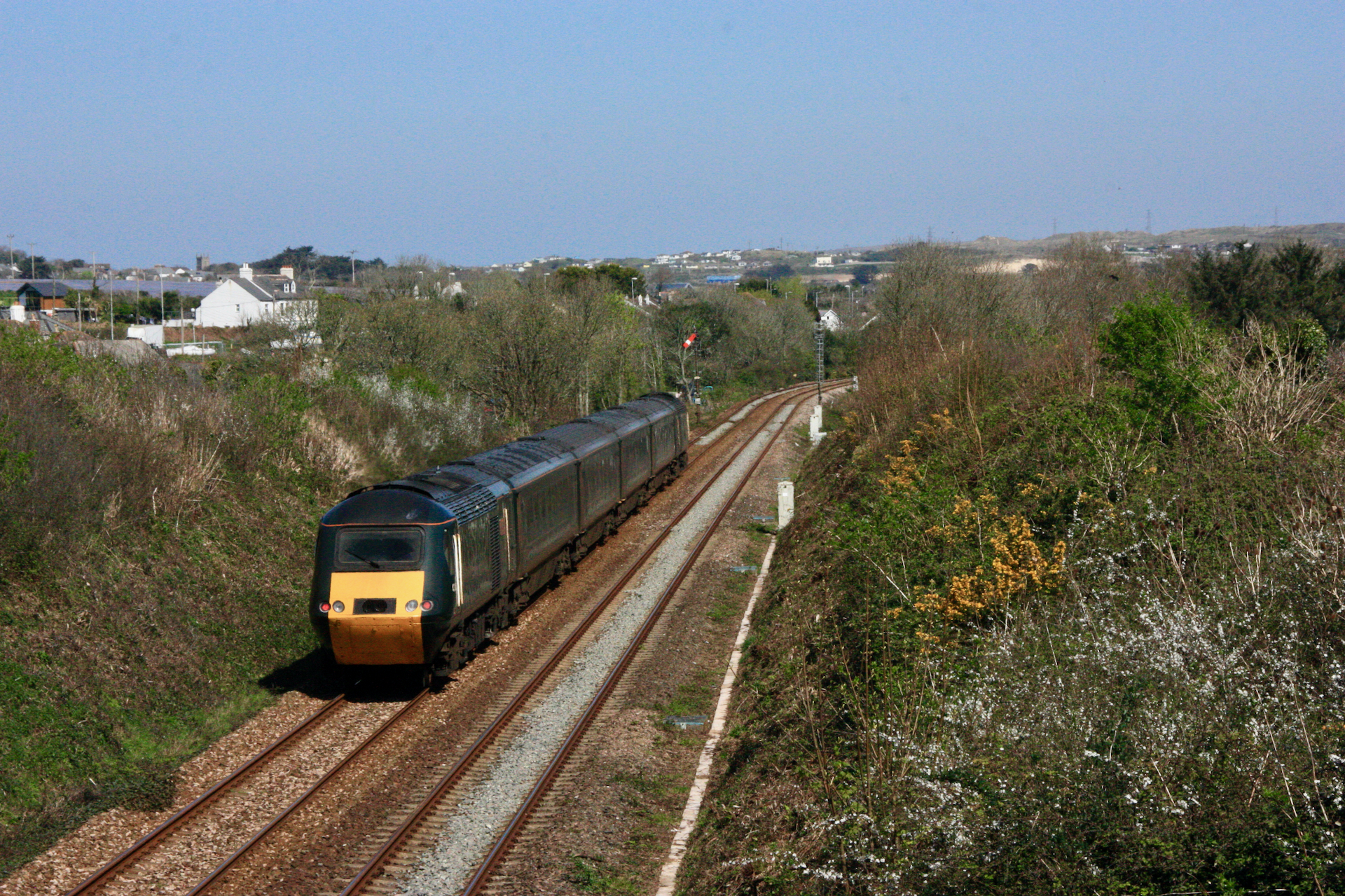
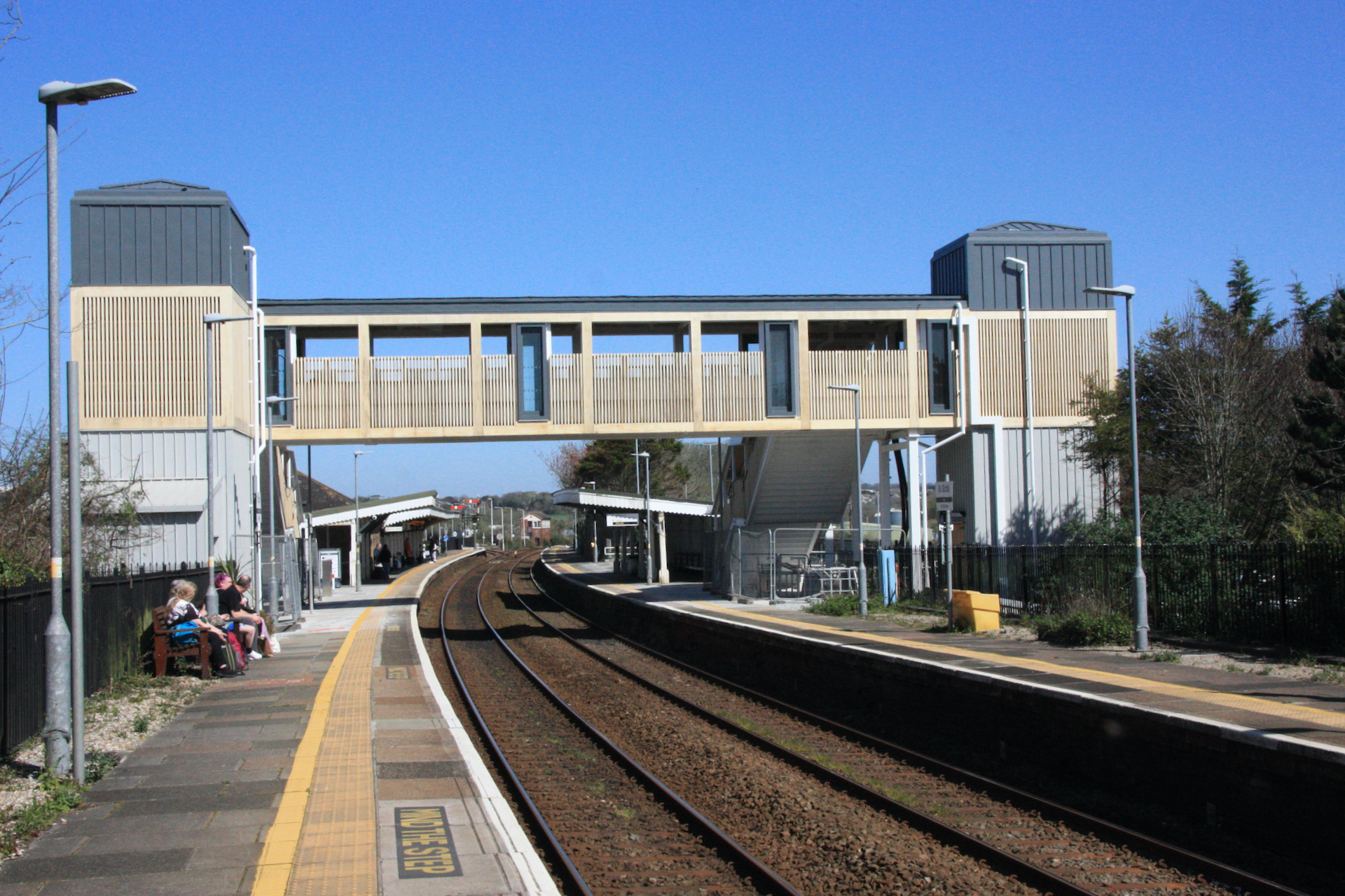
Exactly a year on since my last visit and the prospect of Spring sunshine tempts me to pay a return visit to St. Erth on 7 April 2025, one of only two locations on the Cornish main line to retain semaphore signalling, but one that has sadly lost its historic footbridge since my April 2024 visit.
This is almost certain to be the final year of GWR HST Castle set workings between Plymouth and Penzance, so my lunchtime arrival would hopefully give me a chance to see two of the three Castle sets in action that day, after taking a 15-minute walk from the station to Rosengrouse Road over-bridge (321 miles 46.25 chains).
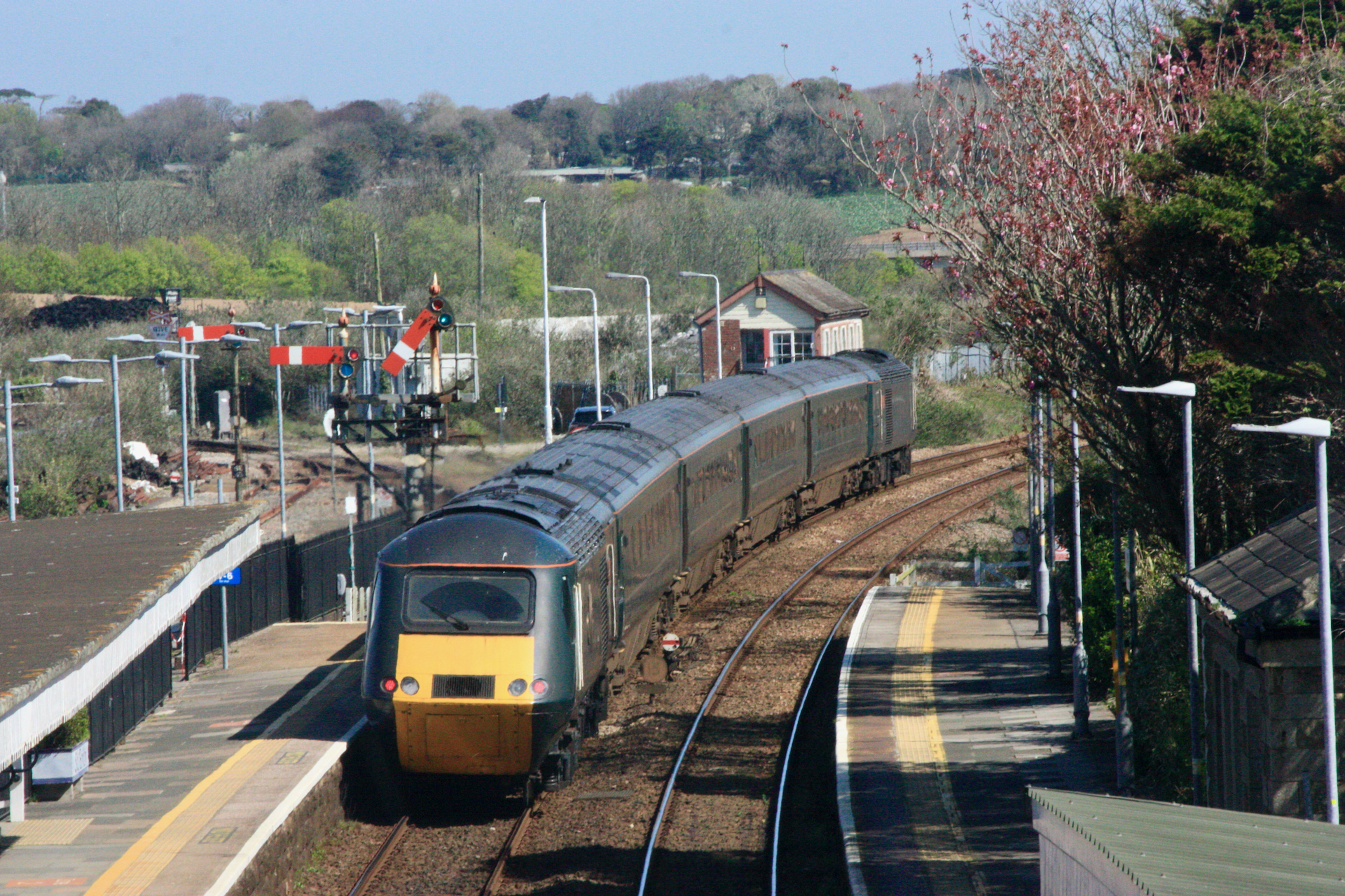
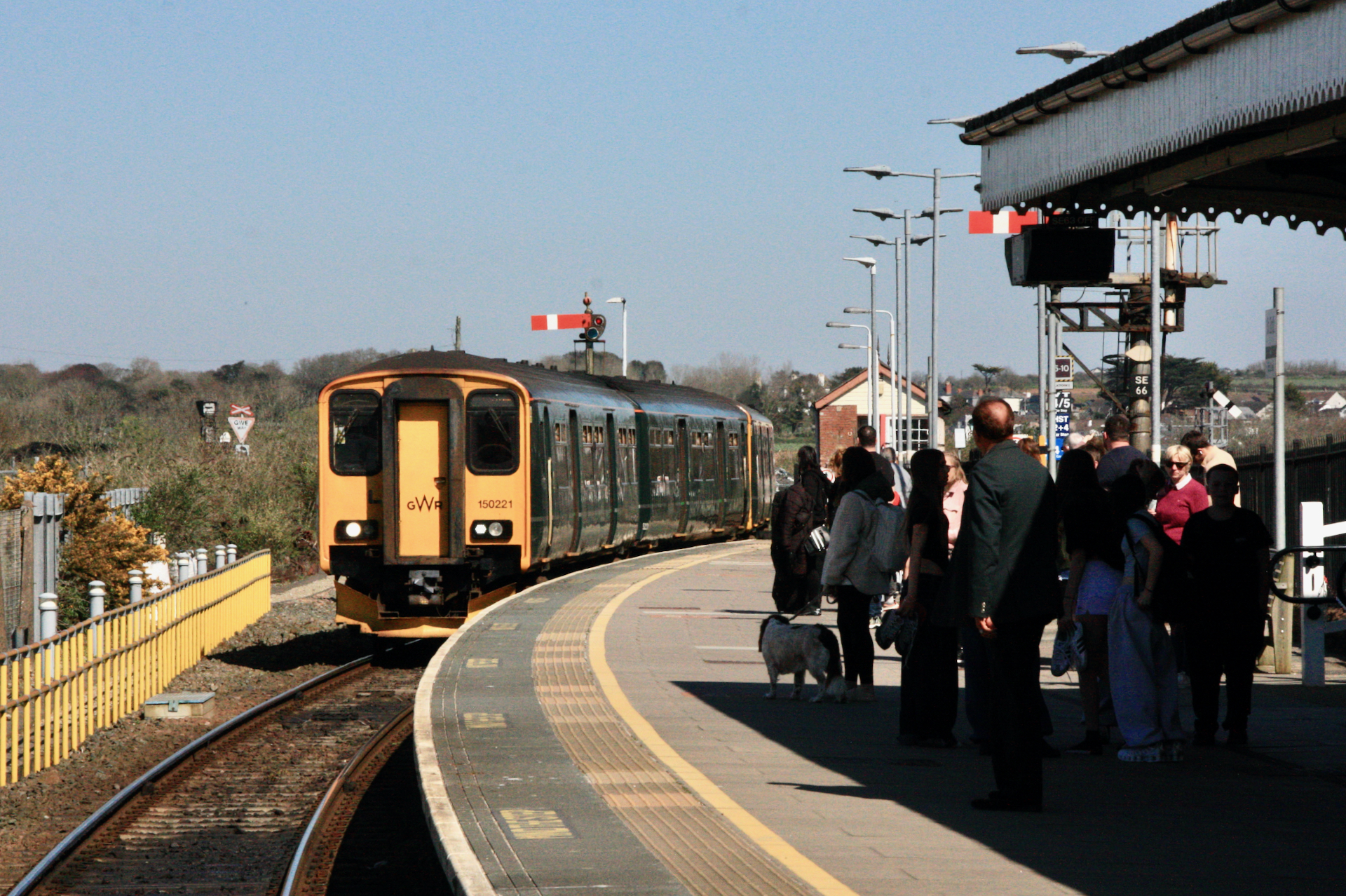
Arriving into St. Erth on time at 12.57 I was able to get a shot of 43093/187 (Set GW09) from the new footbridge, which helpfully has viewing windows on each side, as they departed with 2P15 from Penzance (12.50) to Plymouth.
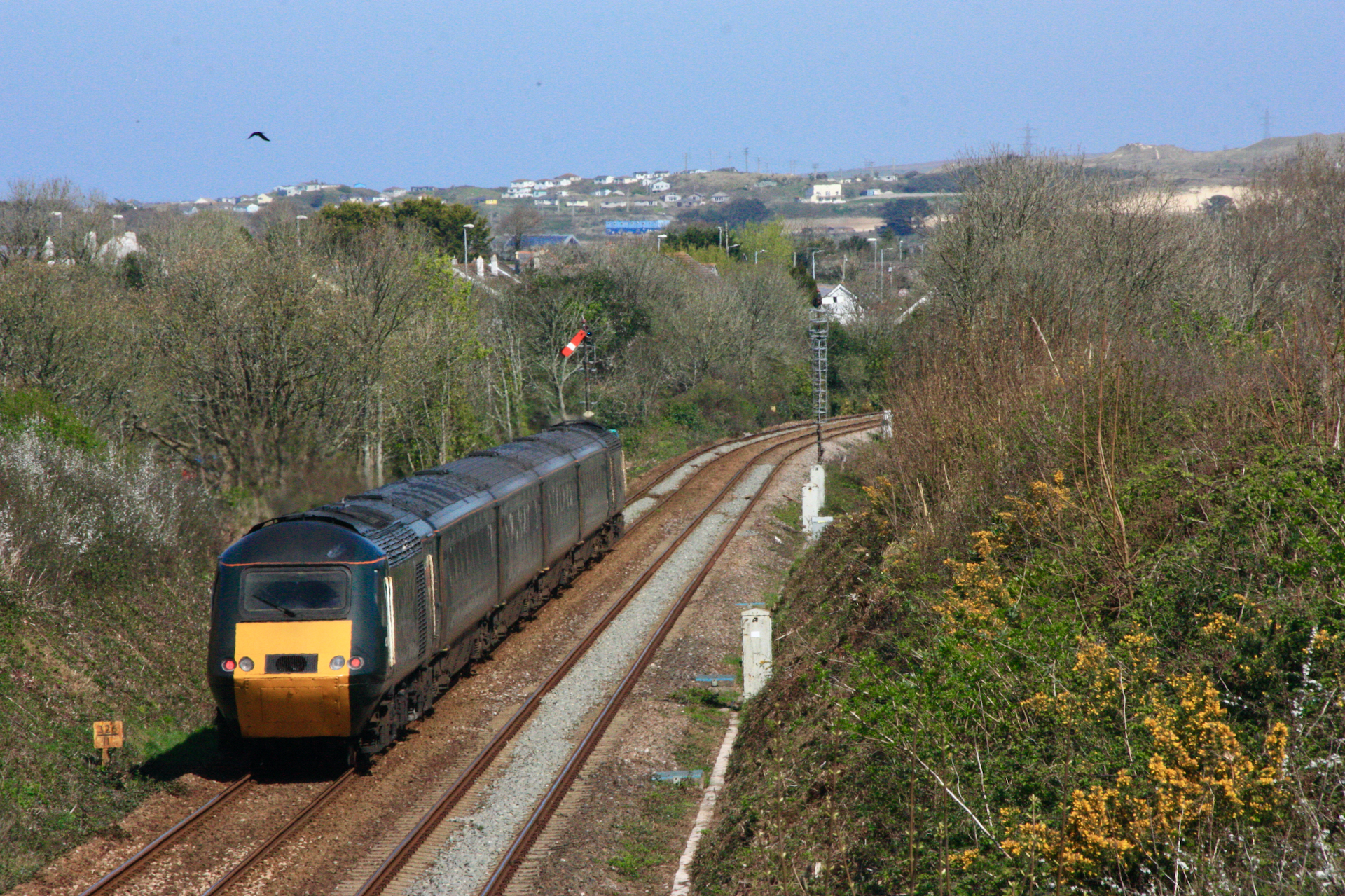
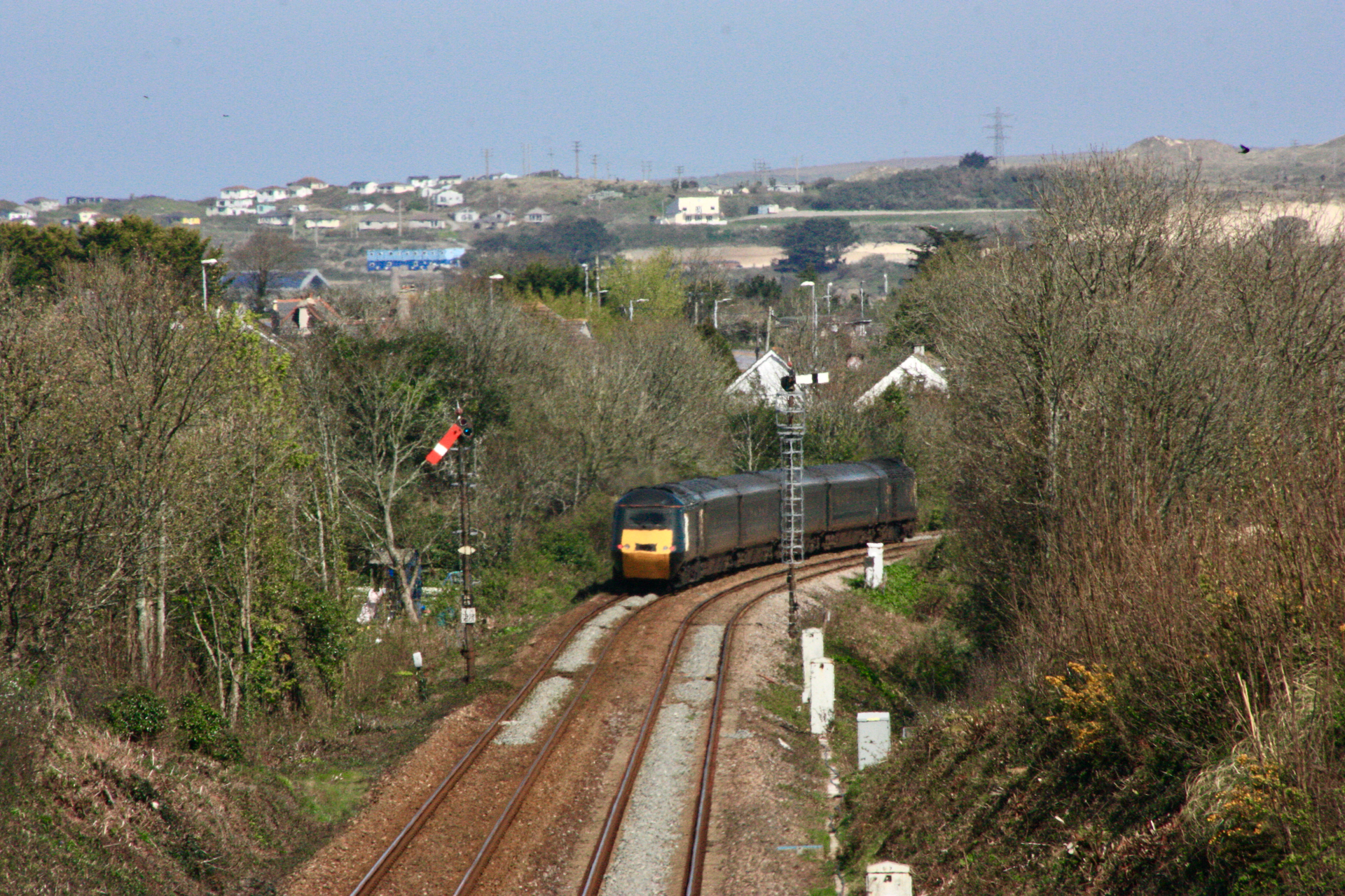
But set GW07 was failed before departure from Plymouth (door problem) with 2C68 (11.42) so I was unable to see 43198/097 in action on this service and the 13.50 return from Penzance (2P17) meaning my only HST sighting from the road bridge was 43186/188 (GW08) with 2P16 (13.15 from Penzance).
As I have written before, a total of 11 semaphore arms are controlled by the 1899-vintage GWR signal box at St. Erth, comprising three each on the up and down main lines and a down starter (SE54) at the south end of up platform two, to allow a train to depart for Penzance, with four others controlling access to, or on, the St. Ives branch.
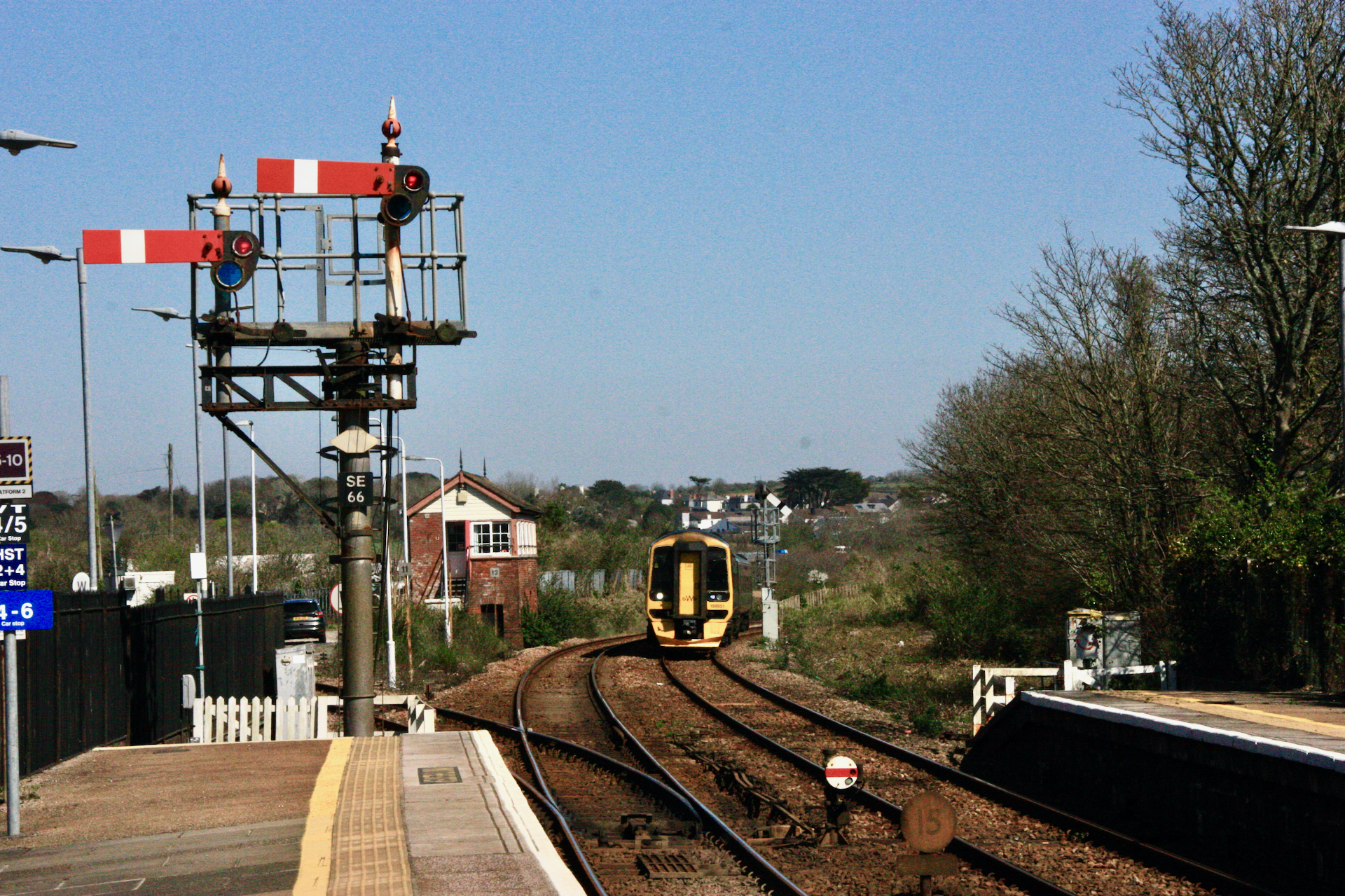
Standing on the station and looking north towards the signal box, the four semaphores in view are down home signal SE2 (sadly minus its finial) and a bracket housing up home SE66 alongside SE64 for access to the St. Ives branch, with exit from the St. Ives bay platform (3) controlled by SE63.
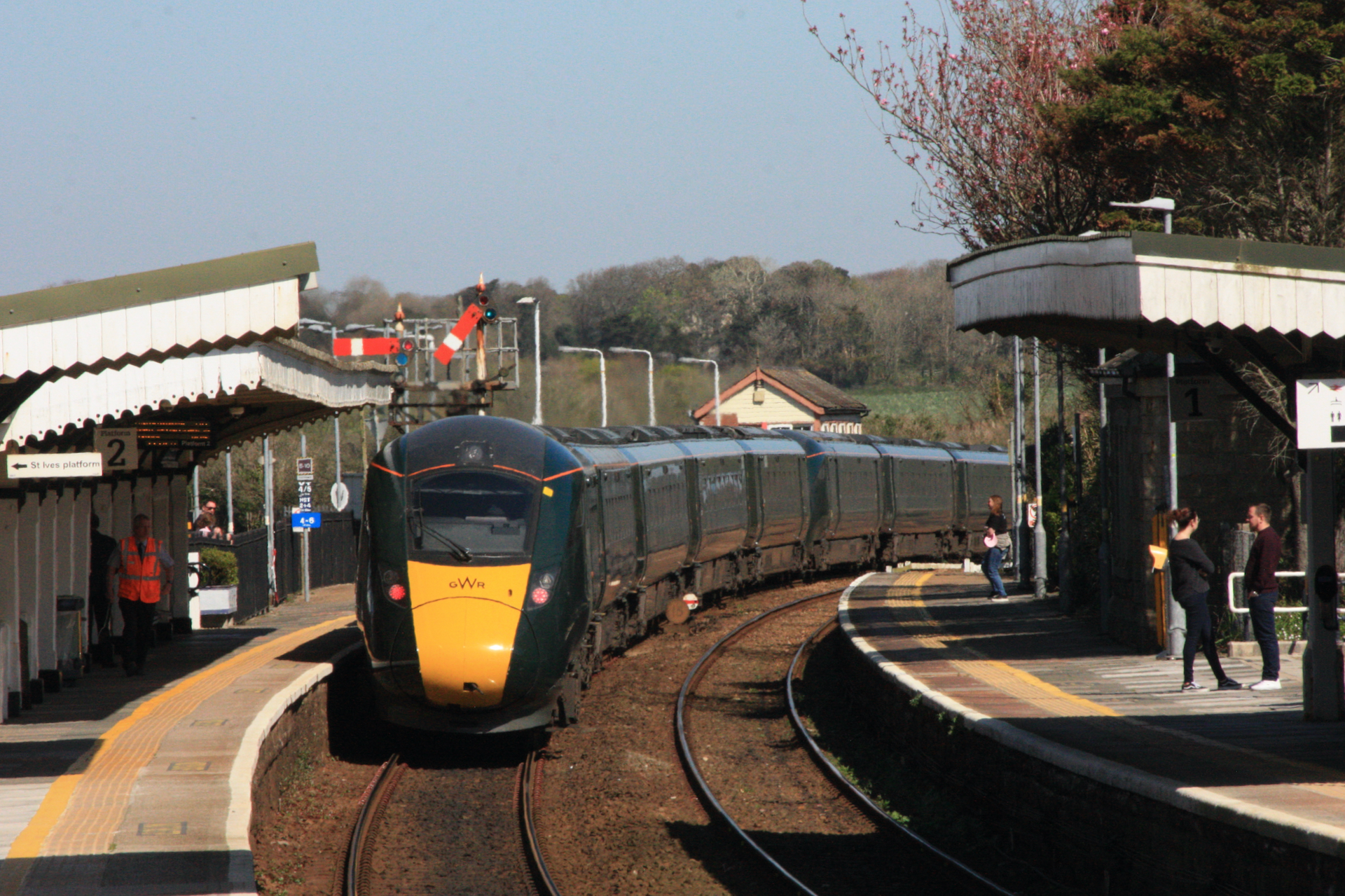
The trio of signals in view looking south are down starter SE6 on a short post at the platform end, alongside SE54 for down trains departing from up platform 2 and up intermediate home signal SE67 some way beyond, also missing its finial. Two semaphores out of sight on the St. Ives branch are down section signal SE62 and up home SE9, the latter standing close to the platform at Lelant Saltings.
From the remote over-bridge on Rosengrouse Road there is a chance to see trains passing the final two and Britain’s most southerly semaphores, namely the St. Erth down section signal SE7 and up outer home signal SE68.
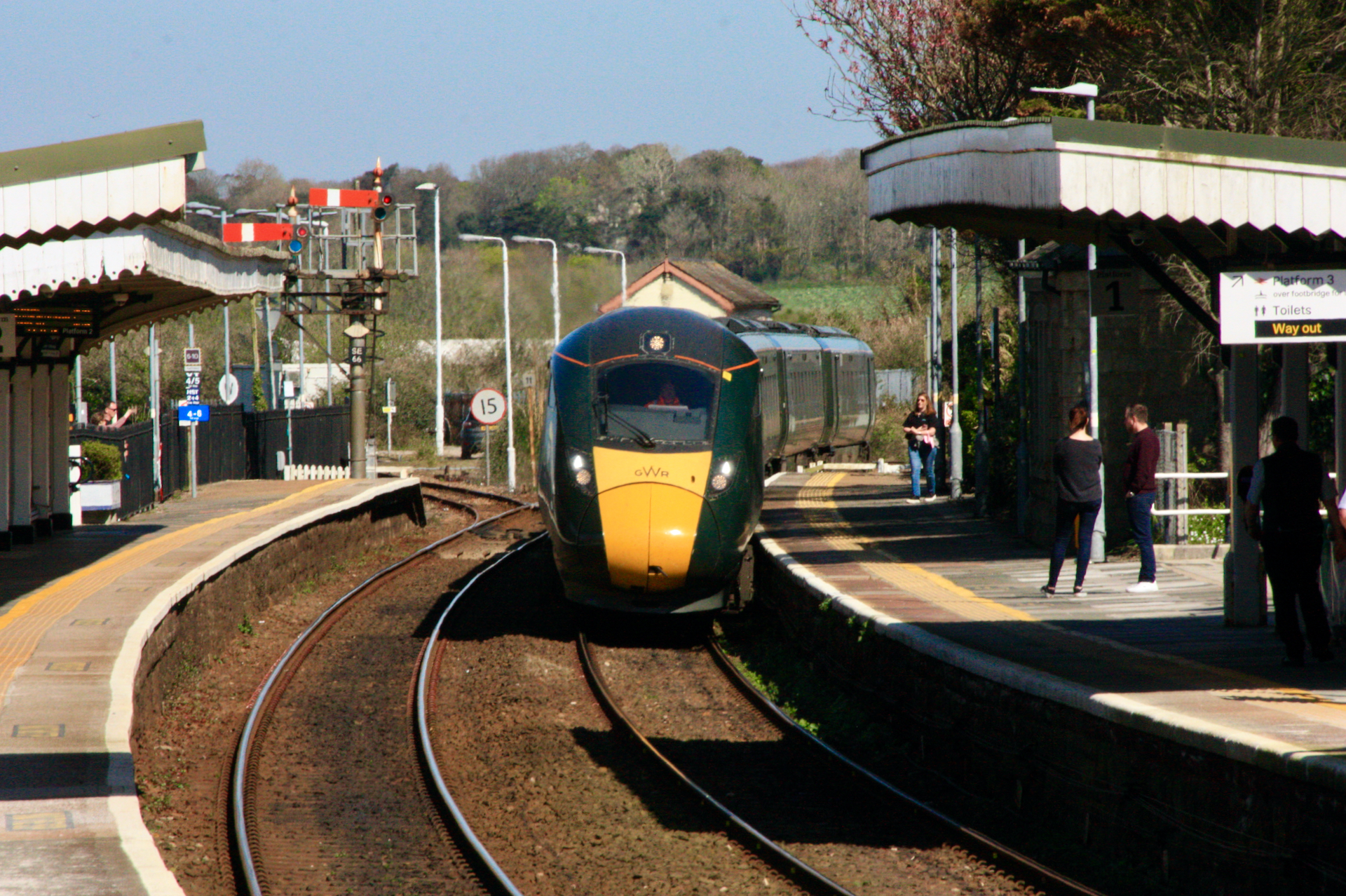
Despite the loss of its historic footbridge – now relocated to Cranmore on the East Somerset Railway – St. Erth remains a delightful and busy junction, with its immaculately-maintained Grade II Listed station building and the St. Ives branch train coming and going from bay platform 3 every 30 minutes.
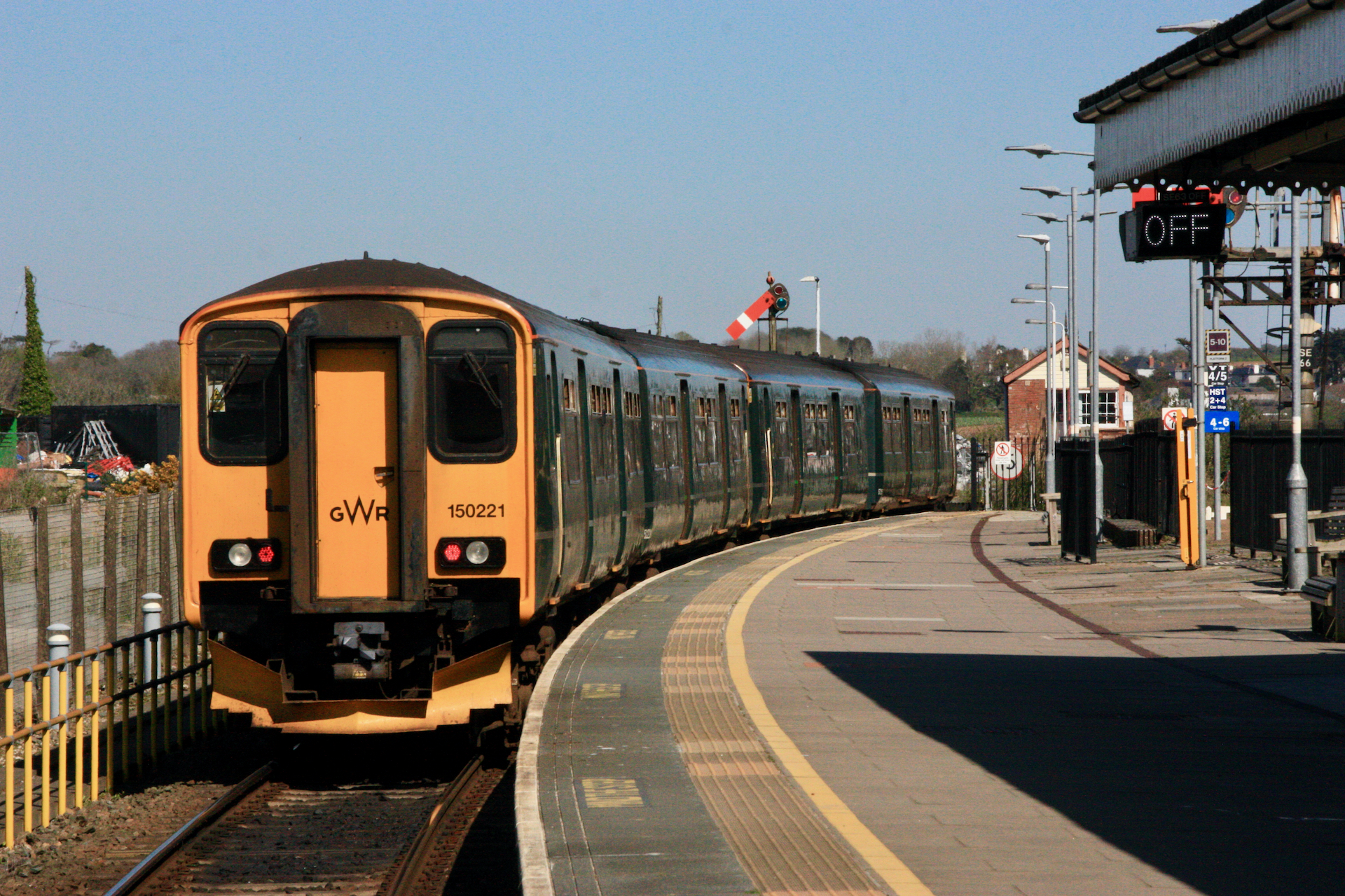
A year on from the loss of semaphores and signal boxes at Par, Lostwithiel and Truro (March 2024) and mechanical signalling in the Royal Duchy is now confined to St. Erth and Liskeard (last featured here in March 2025) o the main line, along with St. Blazey and Goonbarrow Junction on the Newquay branch.
Returning from St. Erth to Reading aboard 1A96 (16.15 from Penzance) meant the rare treat of being able to savour GWR Pullman Dining and my first sampling of the Spring menu (three courses for £46), from which I can highly recommend the sumac roasted pumpkin starter, the chicken cacciatore main course and the apple and blackberry crumble.
 RailwayWorld.net
You must be logged in to post a comment.