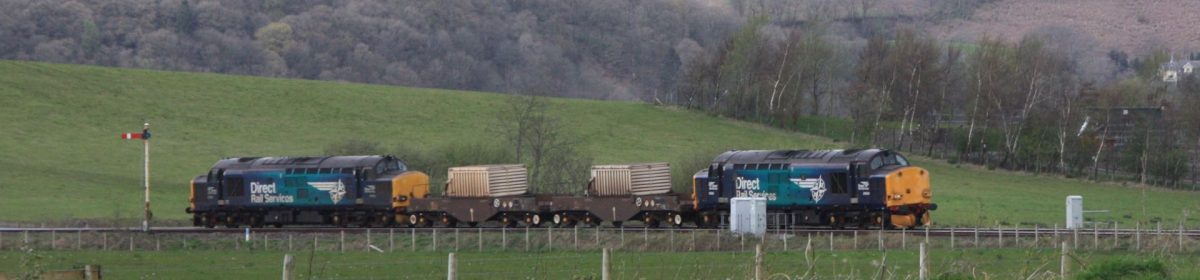
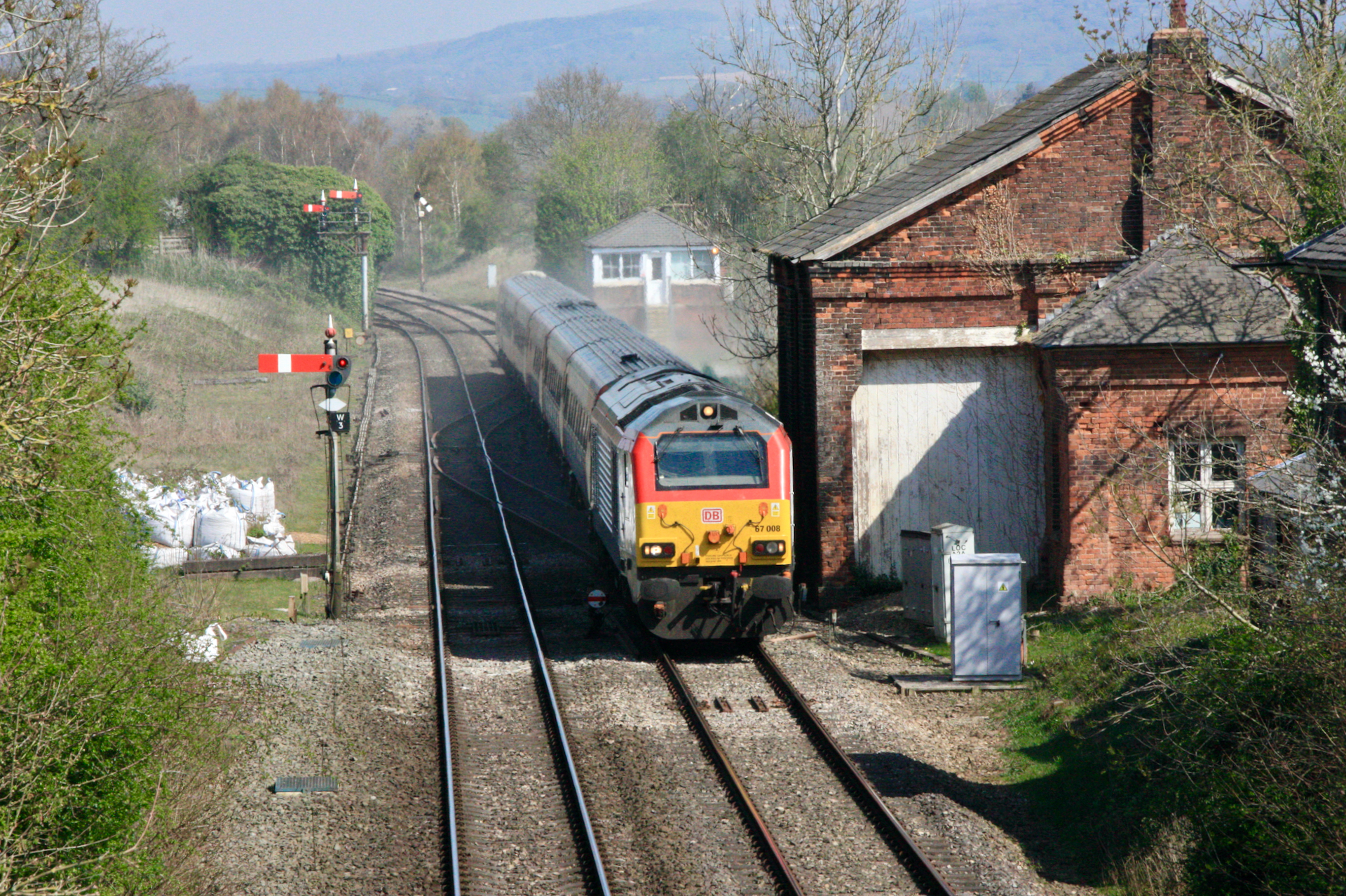
There are a remarkable five signal boxes among the 14 controlling the busy Marches Line between Shrewsbury and Newport that date from the early 1870s, and two of that number are celebrating 150th birthdays in 2025, namely those at Leominster and at nearby Woofferton Junction.
While Leominster has just two remaining semaphores – both in the down (southbound) direction – there is rather more to appreciate at Woofferton, seven miles to the north, where there are a total of eight semaphores controlled from its 39-lever frame, with three in each direction on the main line, plus entry and exit signals for an up loop.
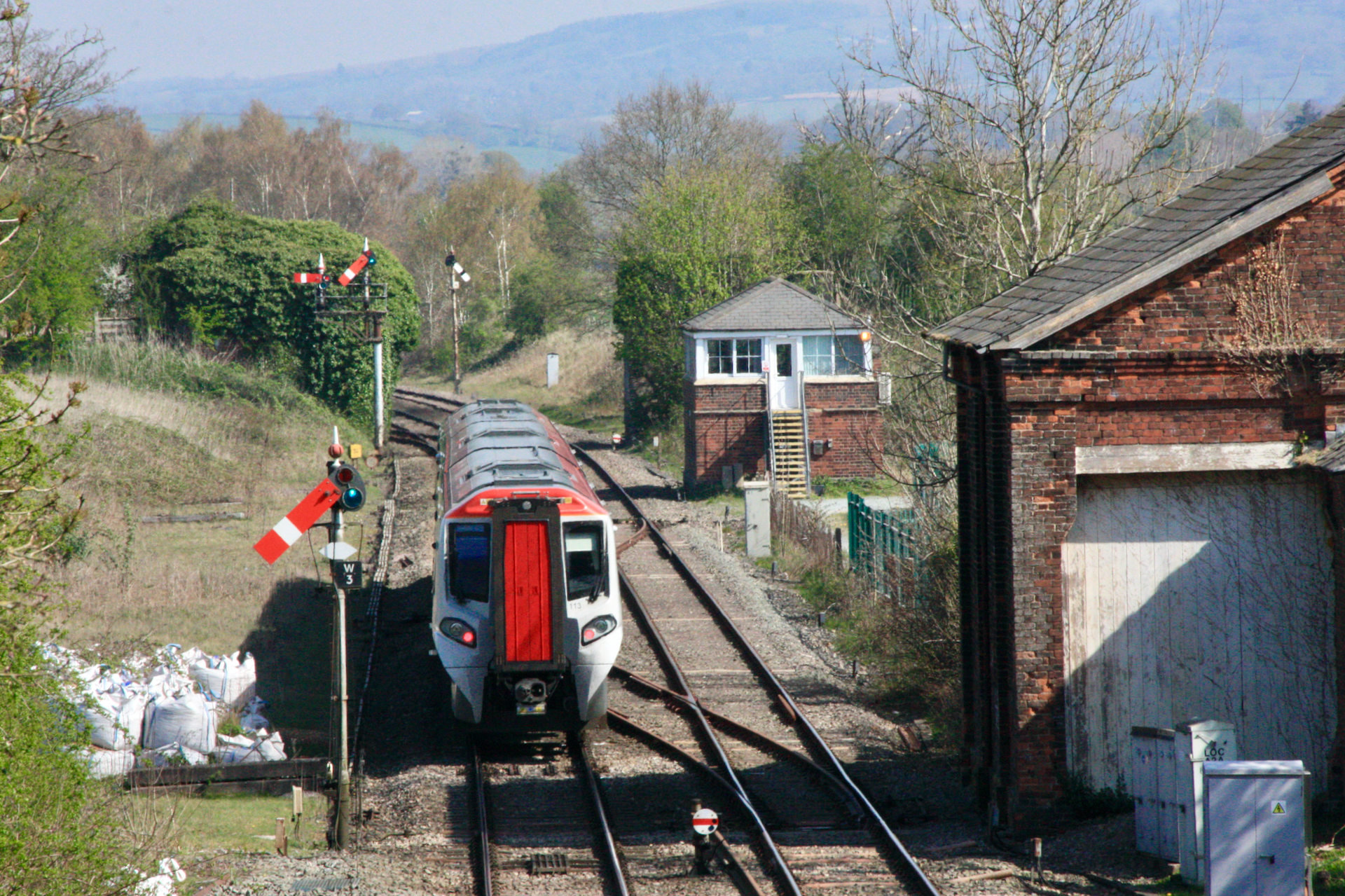
Like Leominster, the box at Woofferton Junction is a LNWR/GW joint design, as are the other trio of 1870s boxes along the Marches Line, at Dorrington, Marsh Brook and Bromfield. It was refurbished in 1996, according to my Signalling Atlas, when uPVC windows were installed to near-original design.
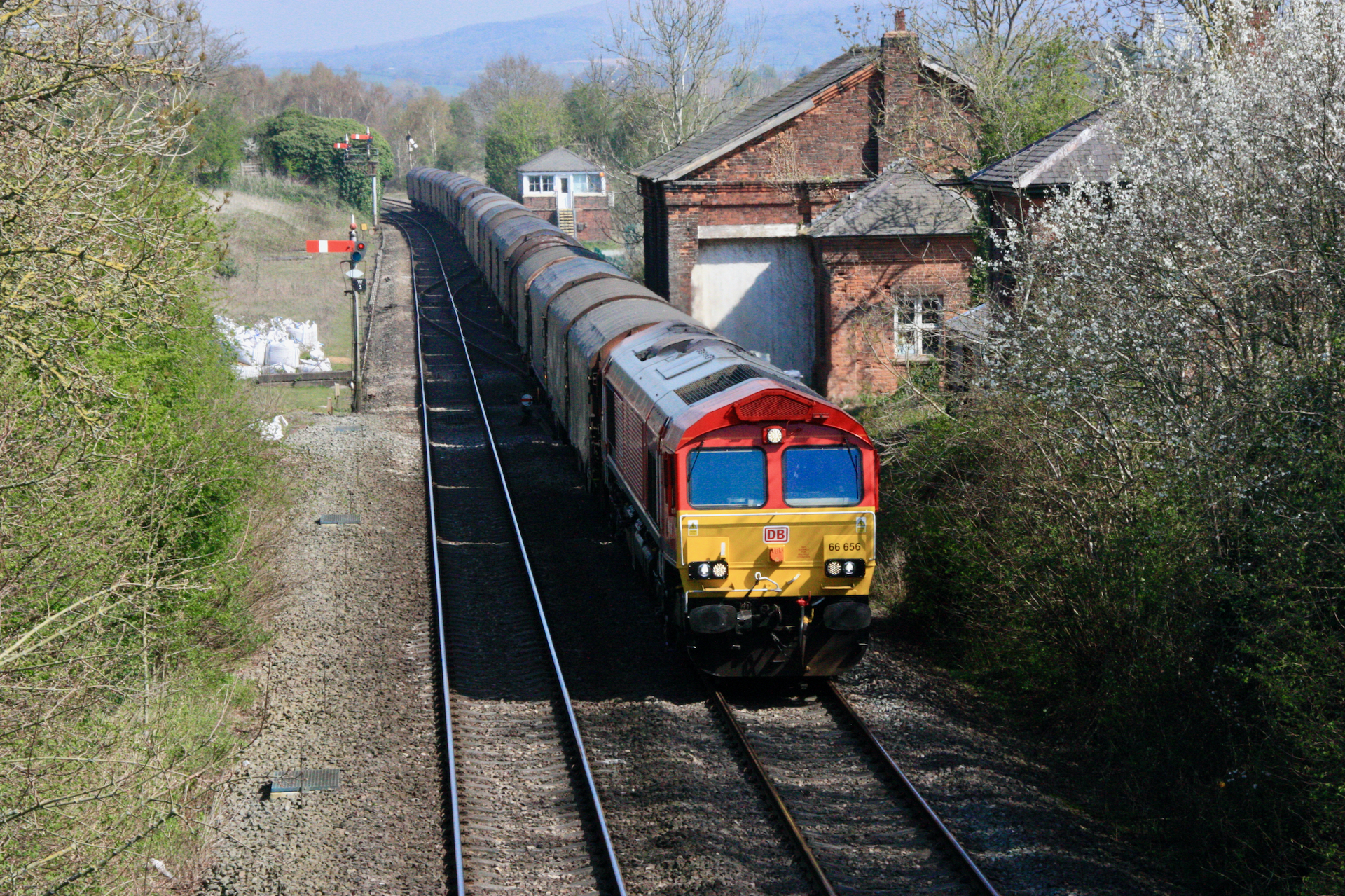
Despite its name, it is almost 64 years since Woofferton ceased to be a junction, when the route from here to Tenbury Wells was closed on 31 July 1961. Services from Tenbury Wells to Bewdley, now on the preserved Severn Valley Railway, lasted one more year, before withdrawal on 1 August 1962.
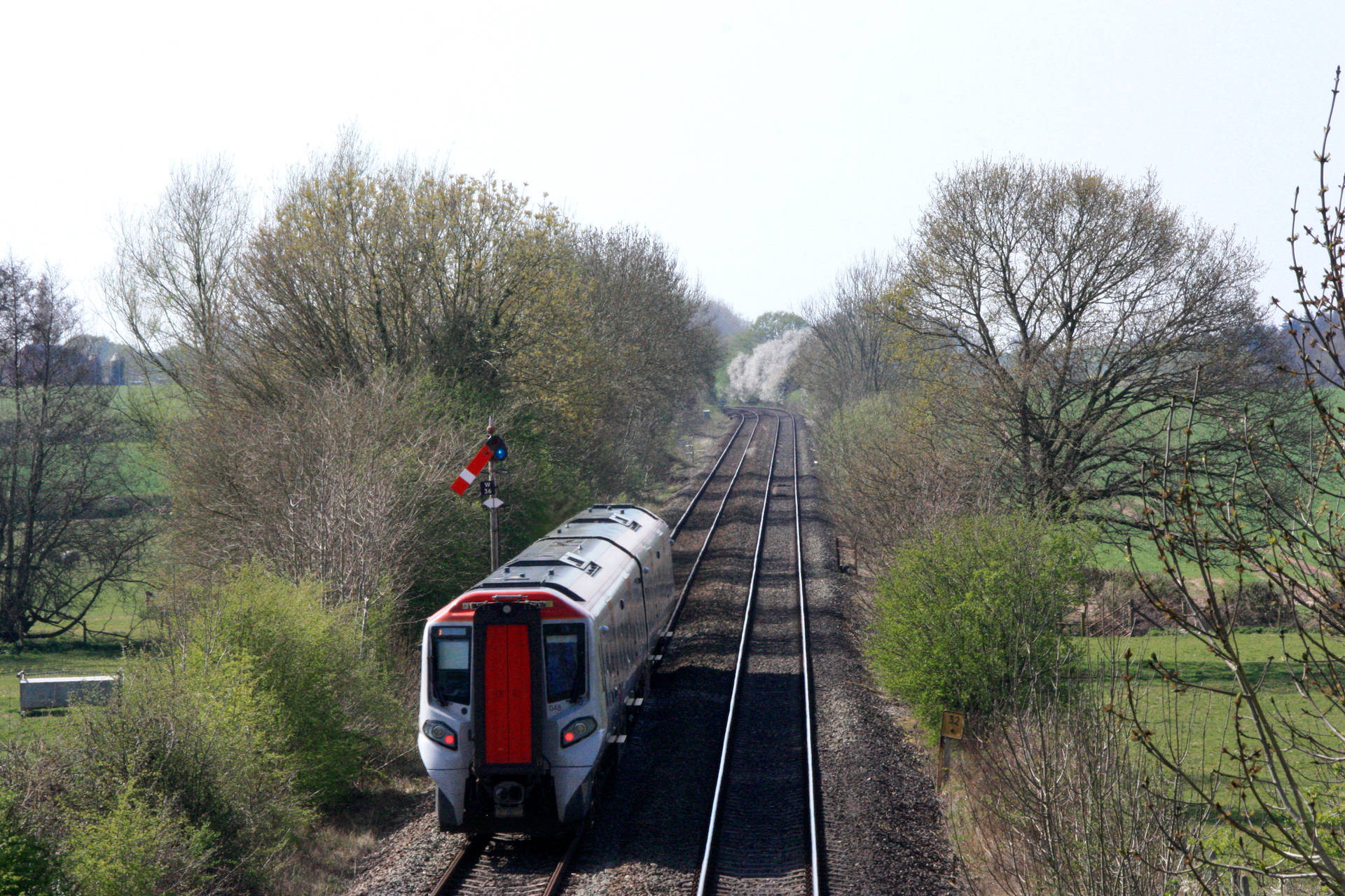
Paying my first visit to Woofferton since March 2021, on 9 April 2025, my starting point, and a place with the best view of the signal box and many of its signals, was from a road bridge carrying the B4632, which leads west off the busy north-south A49. From here there is view looking south of down section signal W36.
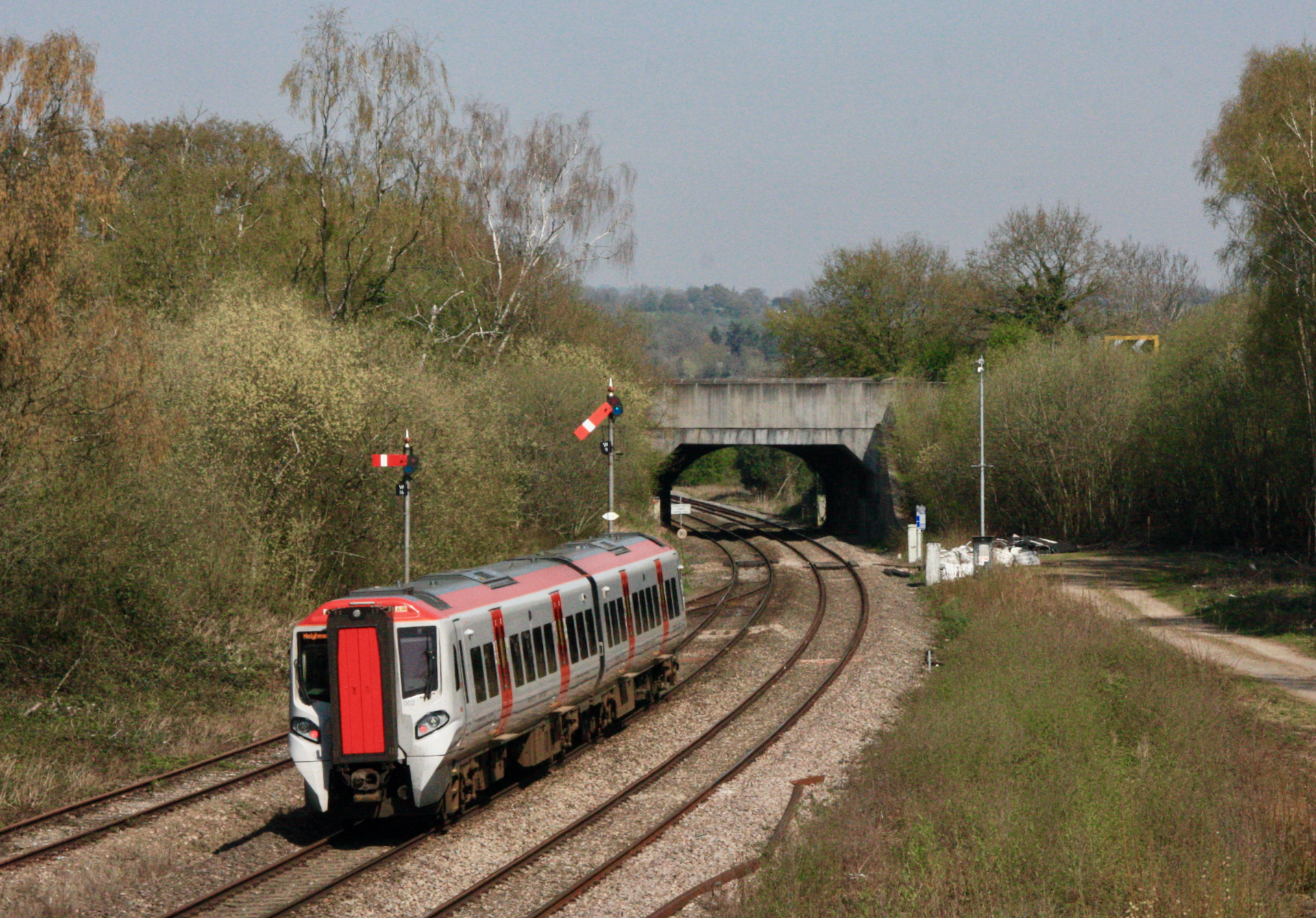
Looking north towards the former station site there is a good view of the box and four of its semaphores, up home W3 being closest, with a bracket holding up starter W7 and up junction (loop line) arm W8 almost opposite the box and down home W37 beyond the abutments of a former bridge over the line.
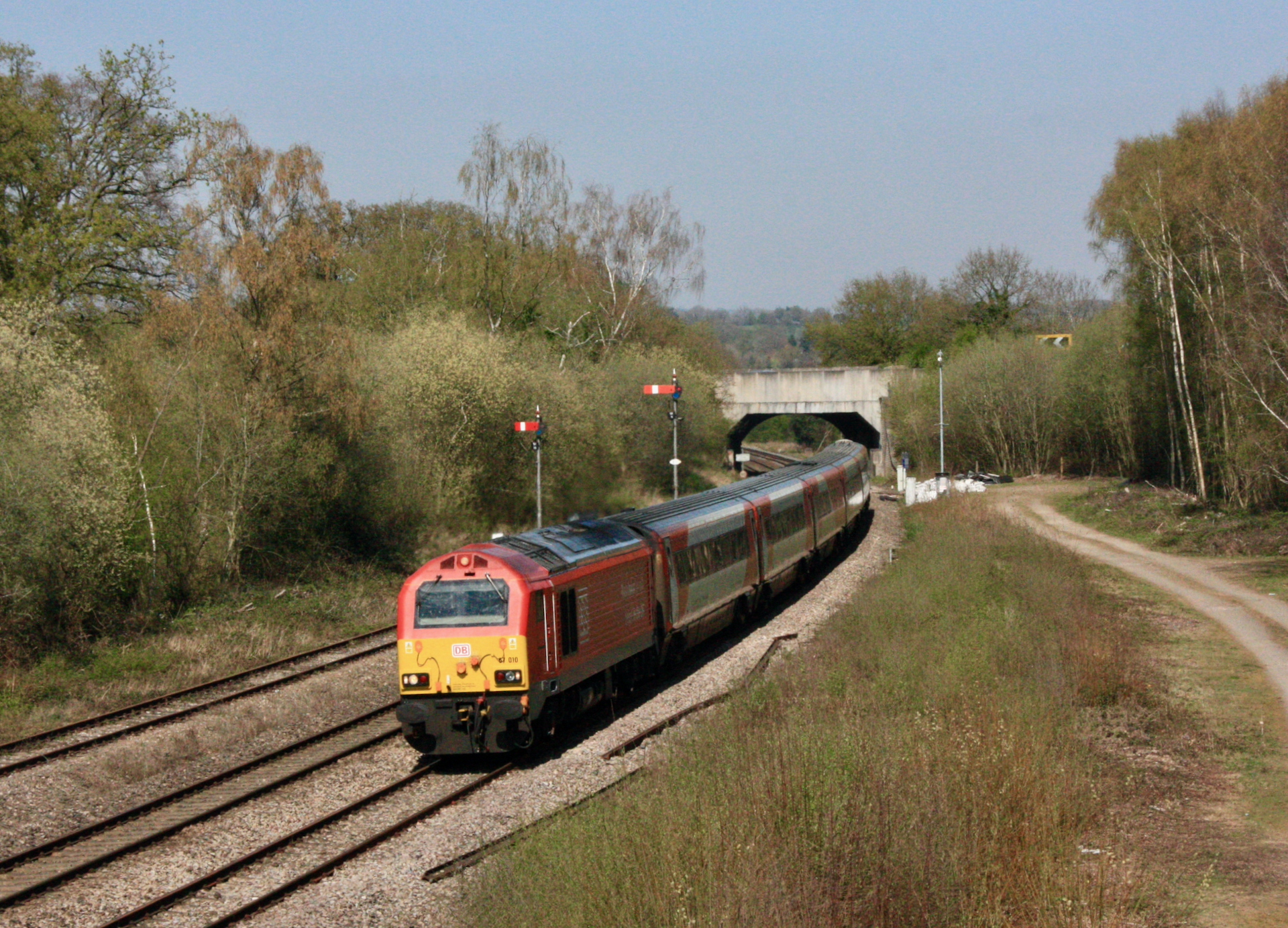
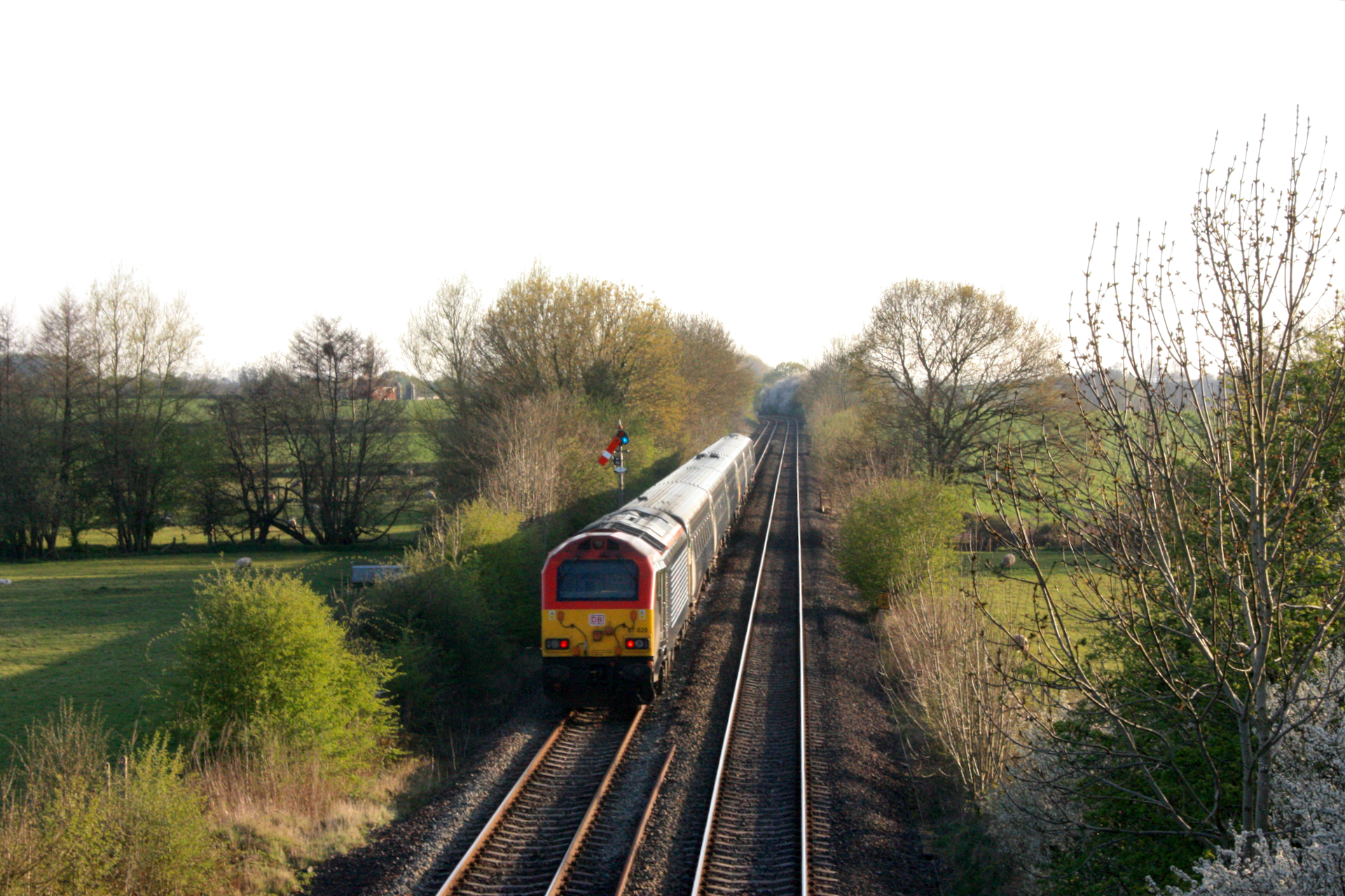
There is another good vantage point at Woofferton from an over-bridge north of the village on a road called Park Lane. This is roughly at the mid-way point of little-used up loop and offers a view of southbound trains passing down home W37 and those heading towards Shrewsbury passing up section signal W9 and the north end of the loop.
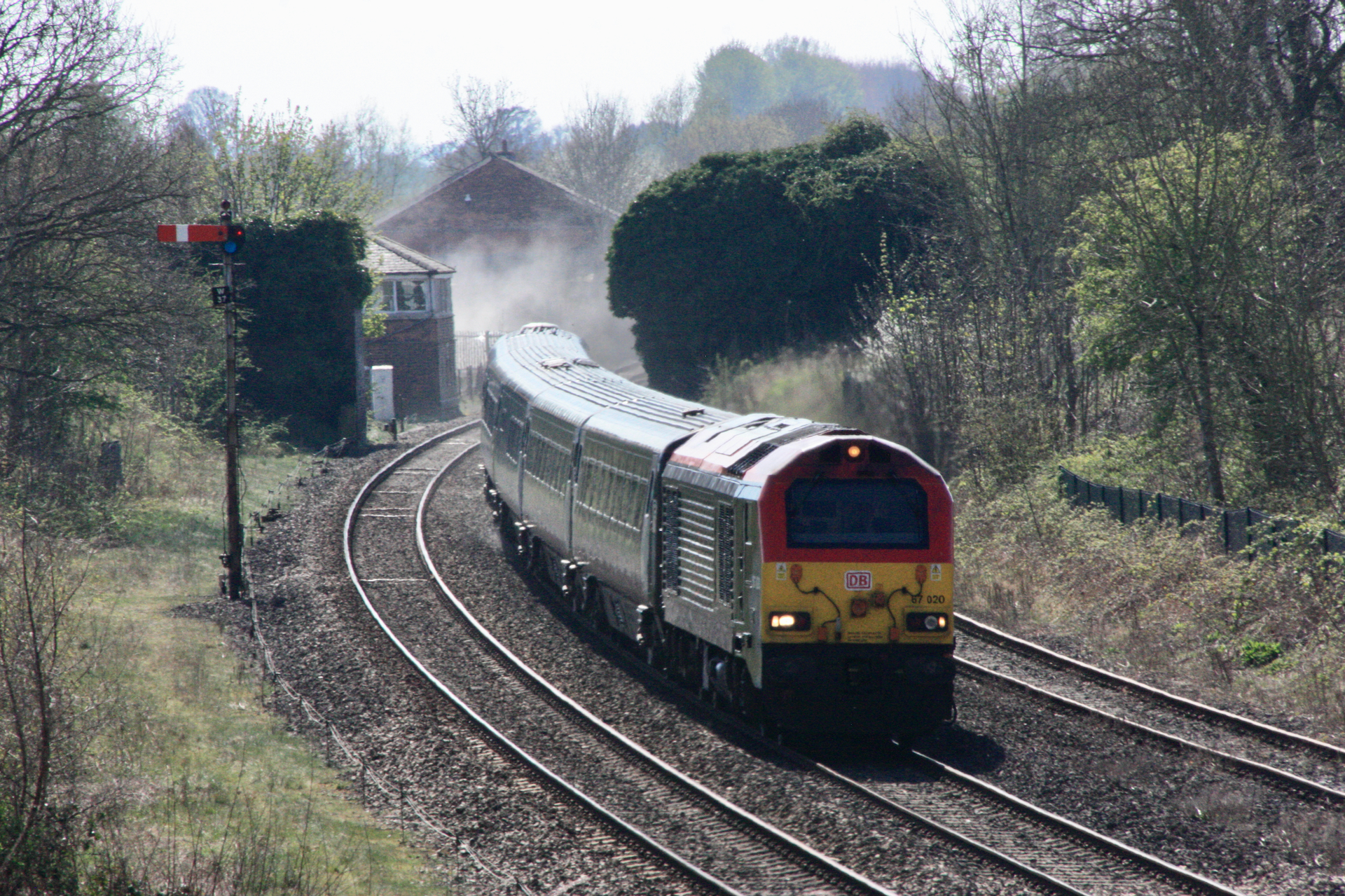
Out of sight to the north of this pair, and just beyond the A49 over-bridge, stands down outer home signal W38, which is too close to the road bridge to be photographed and has a sighting board behind the signal arm, making a rear view impossible.
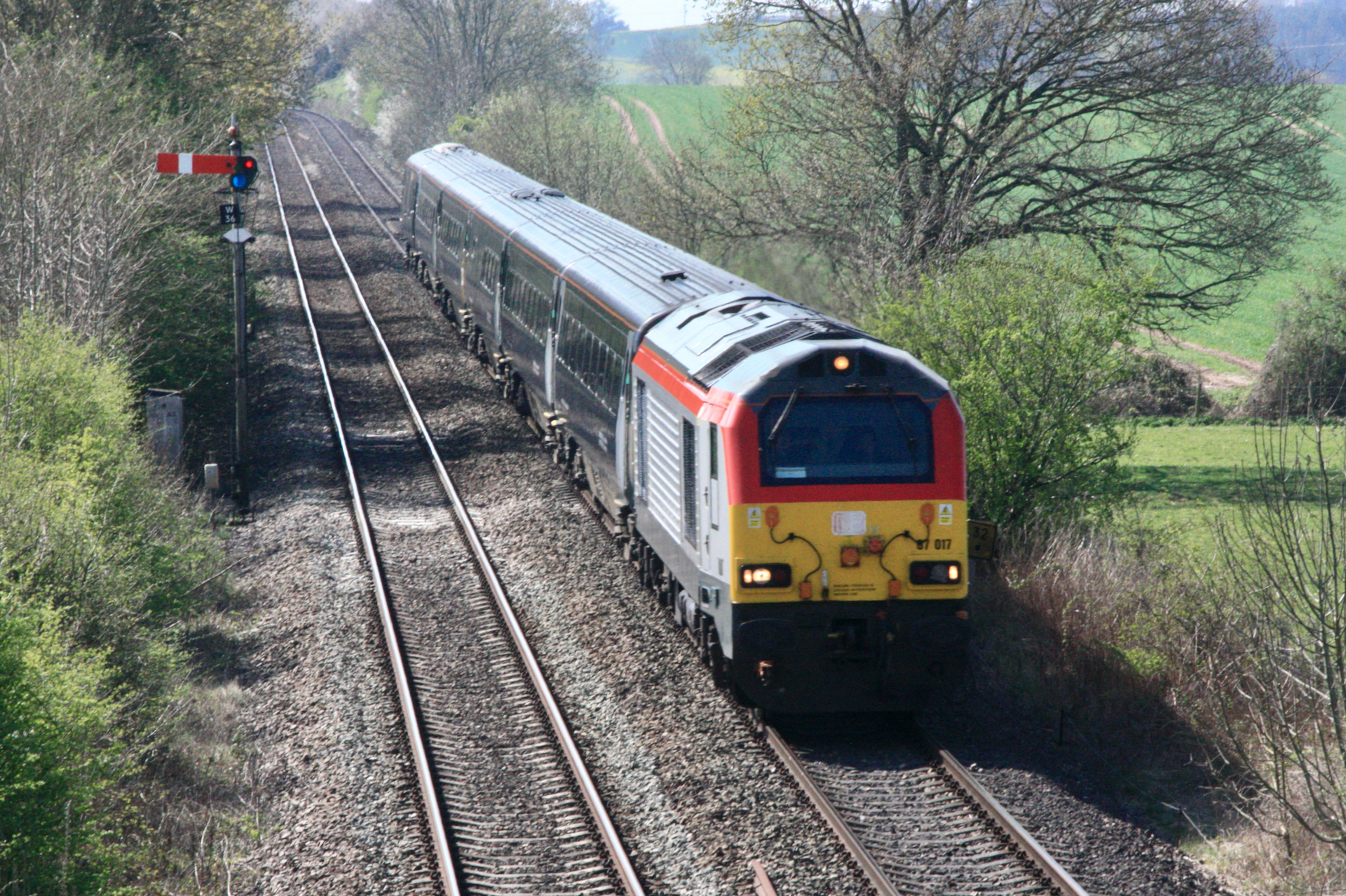
One very heartening feature of my few hours at Woofferton was seeing that all the TfW Cardiff-Manchester services scheduled to be formed by a Class 67 loco and MkIV coaches were actually running – so at Woofferton that meant seeing both north and southbound workings every two hours, with the services passing only a matter of minutes apart.
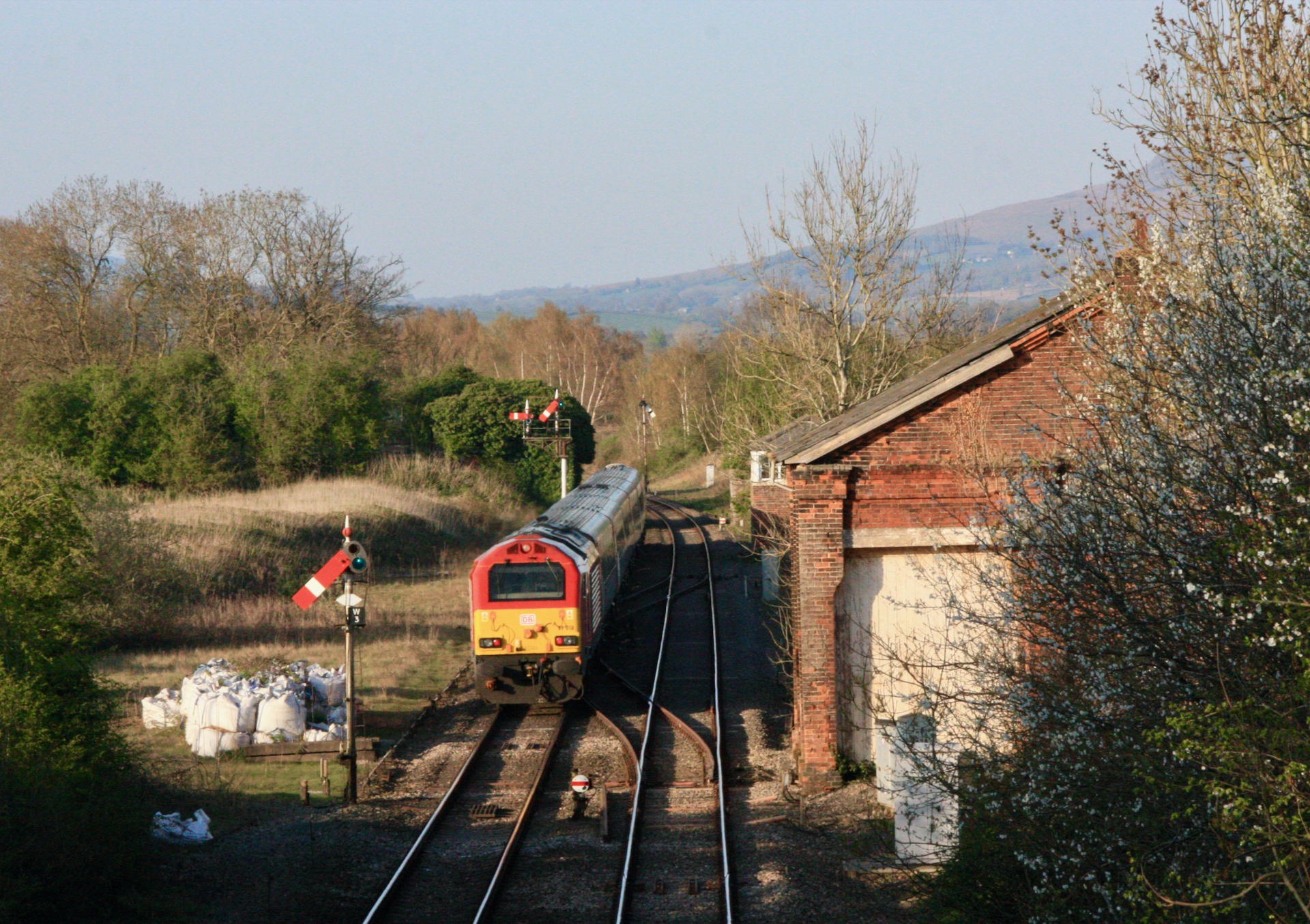
But what makes photographing these rare loco-worked services a challenge is not knowing if the Class 67 will be pulling or pushing. On the day of my visit my first sighting was of 67008 at the south (Cardiff) end of its service, closely followed by 67017 and black-liveried coaches, with the loco at the north end. Two hours later it was the same story, with 67010 at the head of its southbound train closely followed by 67020 at the Manchester end of its train.
Apart from the loco-powered workings, all TfW passenger services are now formed of Class 197 units, in formations varying from two to six cars, while freight activity on the day of my visit was confined to the regular Dee Marsh to Margam working (6V75) which passes Woofferton at midday.
 RailwayWorld.net
You must be logged in to post a comment.