Having travelled the entire Merseyrail network using a day ticket (April 2022) and then repeated the feat with Manchester’s Metrolink (August 2022) it seemed about time to tackle the UK’s original light rail system and see how easy and interesting it would be to ride the whole Tyne and Wear Metro network in a single day.
I have long been a fan of day rover or ranger tickets as a way of covering an entire route or area in a single day, and checking the Nexus website it was good to see that there was no weekday time restriction on its day tickets, unlike the Merseyrail and Metrolink equivalents with their 09.30 weekday start time.

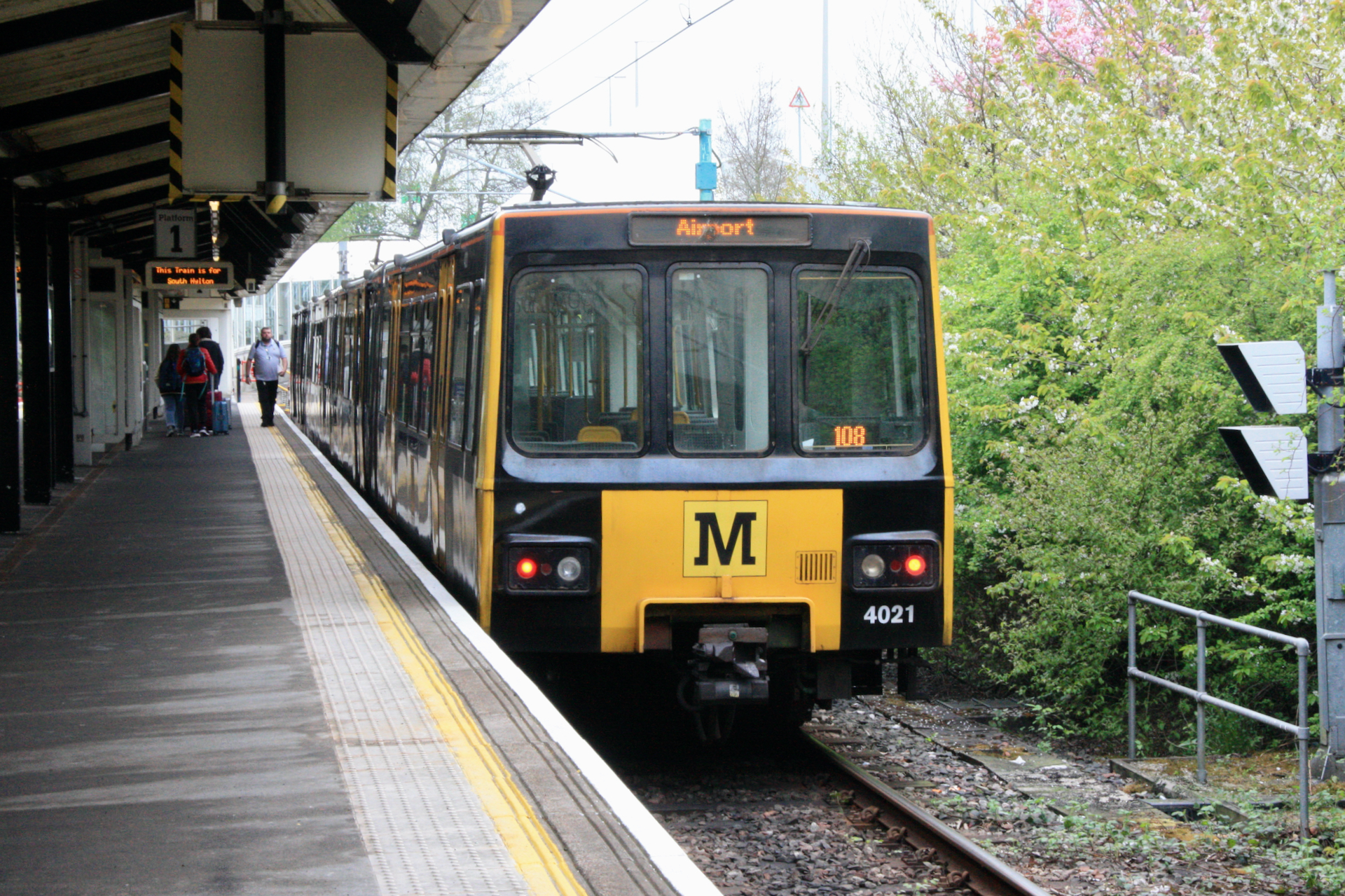
So armed with a £5.90 All Zones day ticket I began my adventure at Newcastle Central station at 08.15 on 23 April 2025 and headed to the city’s airport on the Green Line, before partially retracing my tracks as far as South Gosforth, from where I would go clockwise around the Yellow Line loop via Tynemouth and back to the city centre terminus of St. James.
Then my plan was to return to the interchange station at Monument, before heading across the Tyne, south to Sunderland and westwards to the terminus at South Hylton on the Green Line. I would then return north as far as Pelaw before heading east on my final stretch of Metro (Yellow Line) to South Shields, before sampling the ferry to North Shields and returning from there to the city centre.

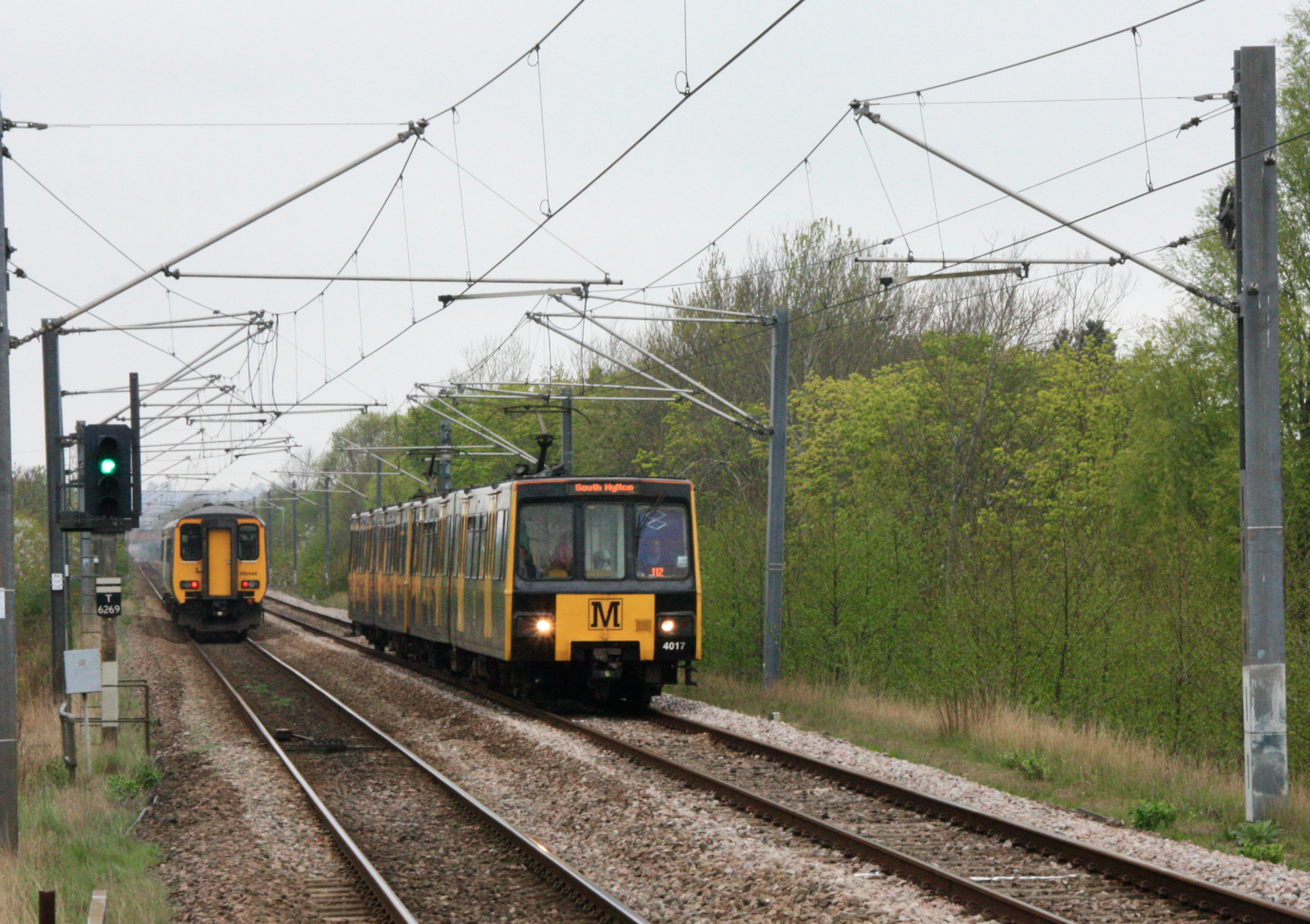
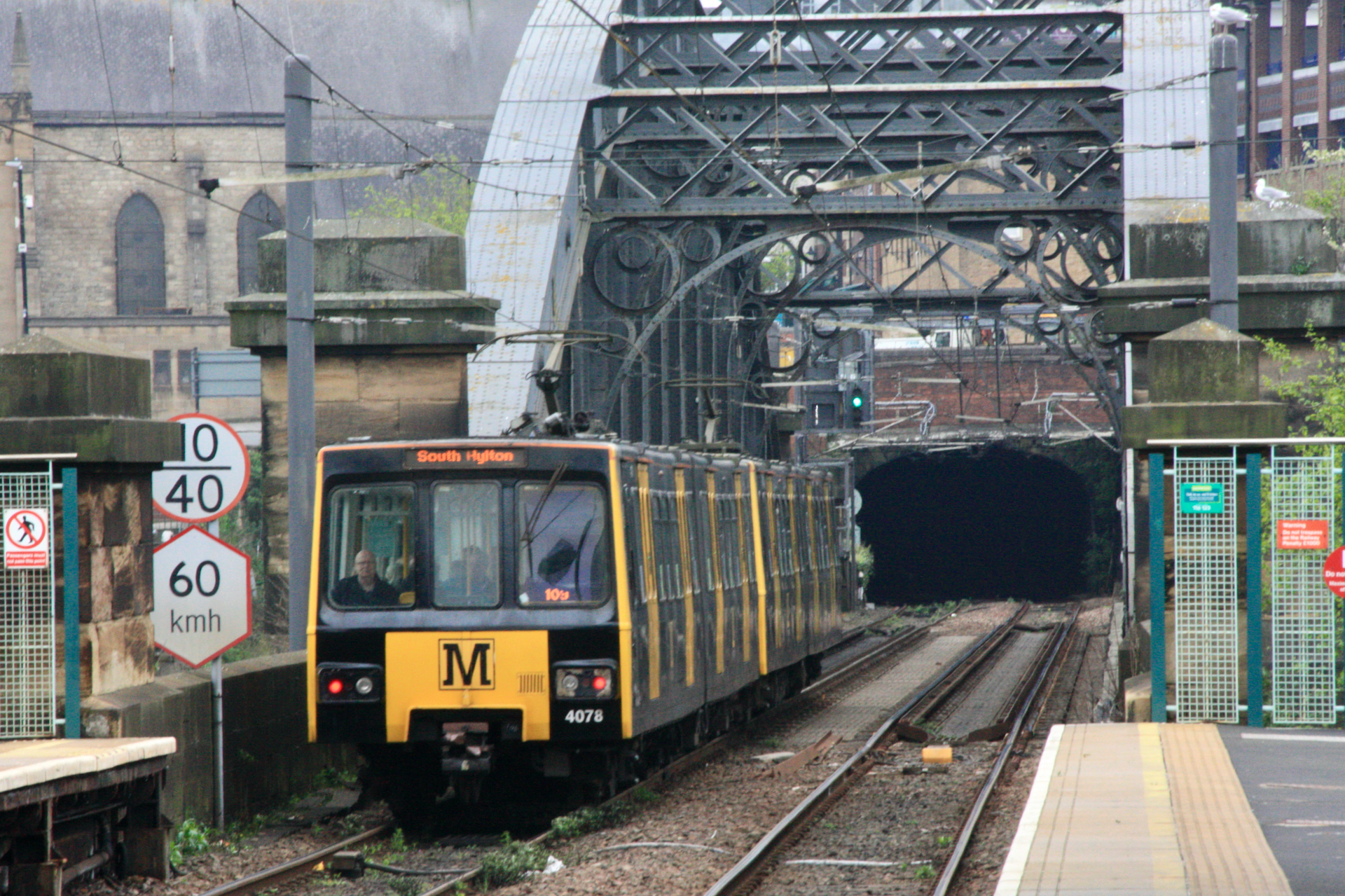
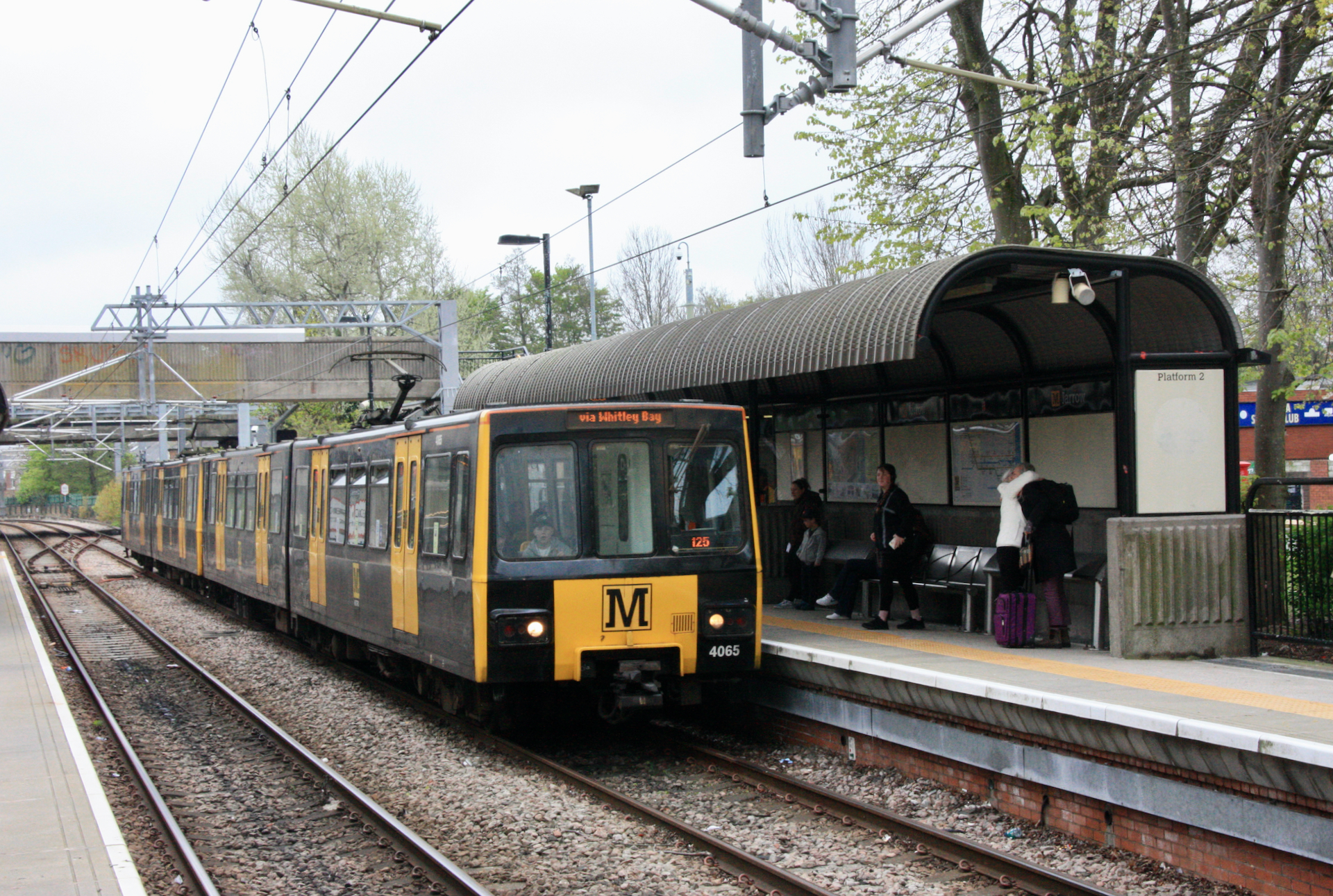
Just as Merseyrail was starting to replace one generation of rolling stock (Class 507/8 units) with a new generation of trains (Class 777) at the time of my 2022 visit, so the same is currently true on the Tyne and Wear Metro, where the original fleet of two-car Class 599 Metrocars that date from 1978-81 (numbered 4001-4090) is slowly being replaced by a fleet of 46 five-car sets built by Stadler Rail (Class 555).
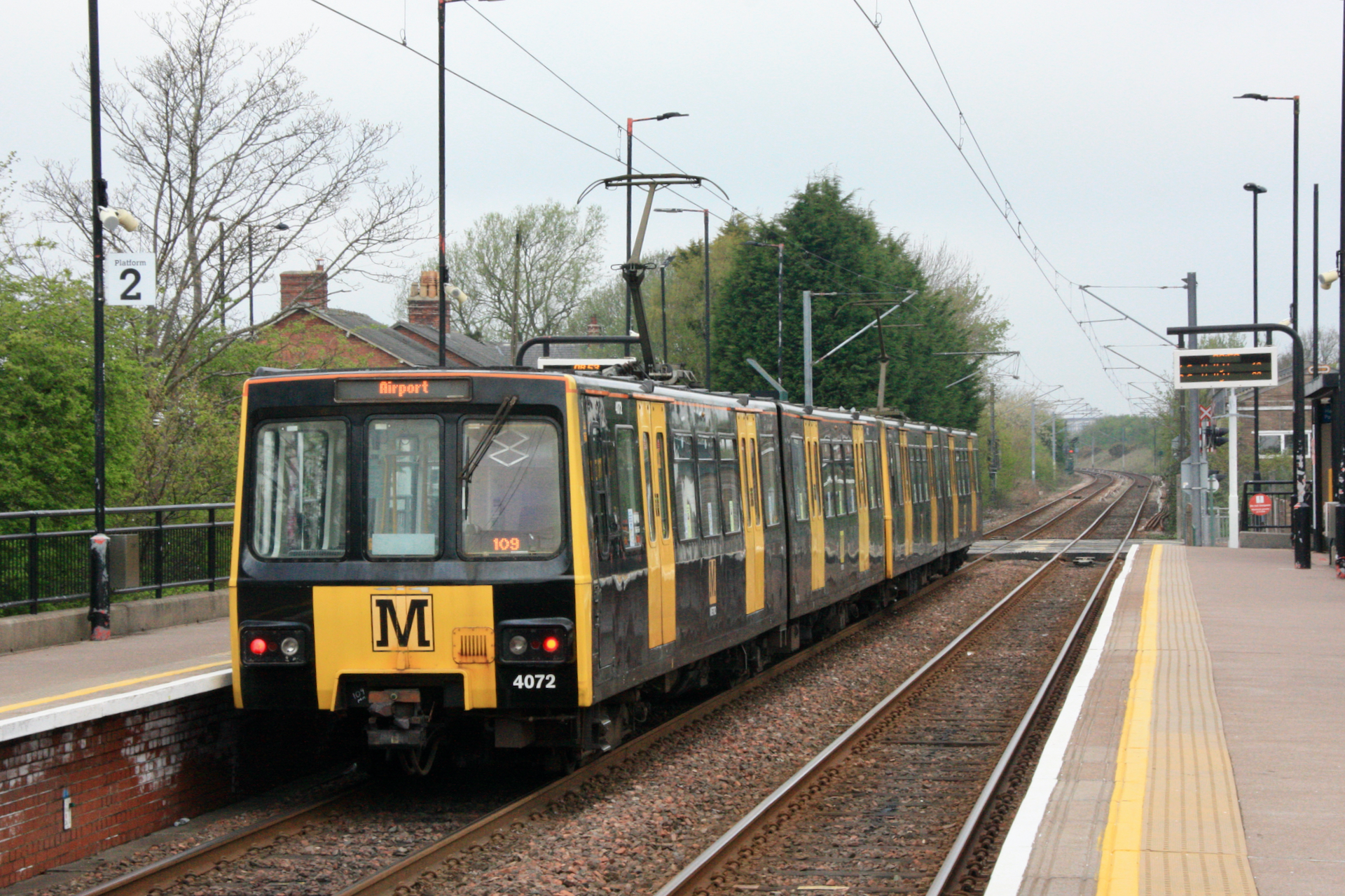
Consulting a very helpful schedule of the Metrocar fleet status on the Rail Forums website I learn that, as of early April 2025, a total of 67 of the original 90 sets remain in service, with 18 having been scrapped, three withdrawn and two stored. One of the stored units is unit 4001, which is scheduled for preservation on the North Tyneside Steam Railway, while another unit still in service (4020) is destined preservation, this one at Beamish Open Air Museum.

While the new Class 555 fleet was all originally due to have been in service by the end of 2024, things have moved rather slowly. The first new unit was delivered in February 2023 and testing of three units had been completed by August 2024, but the first unit to enter service only took to the rails on 18 December 2024 and complete replacement of the existing Metrocar fleet is expected to take two years.

What seemed quite bizarre on my 23 April tour was the total absence of any new Class 555 units on the network. I counted at least six of the new fleet when passing the depot at South Gosforth, but services remained entirely with Metrocars and I noted a total of 50 sets in operation during the day.
Tyne and Wear Metro today is owned and operated by a public sector organisation called Nexus (Tyne and Wear Passenger Transport Executive) and extends to a total of 77kms (48 miles). After numerous extensions since its original opening in August 1980 there are a total of 60 stations, and annual ridership is around 30 million.

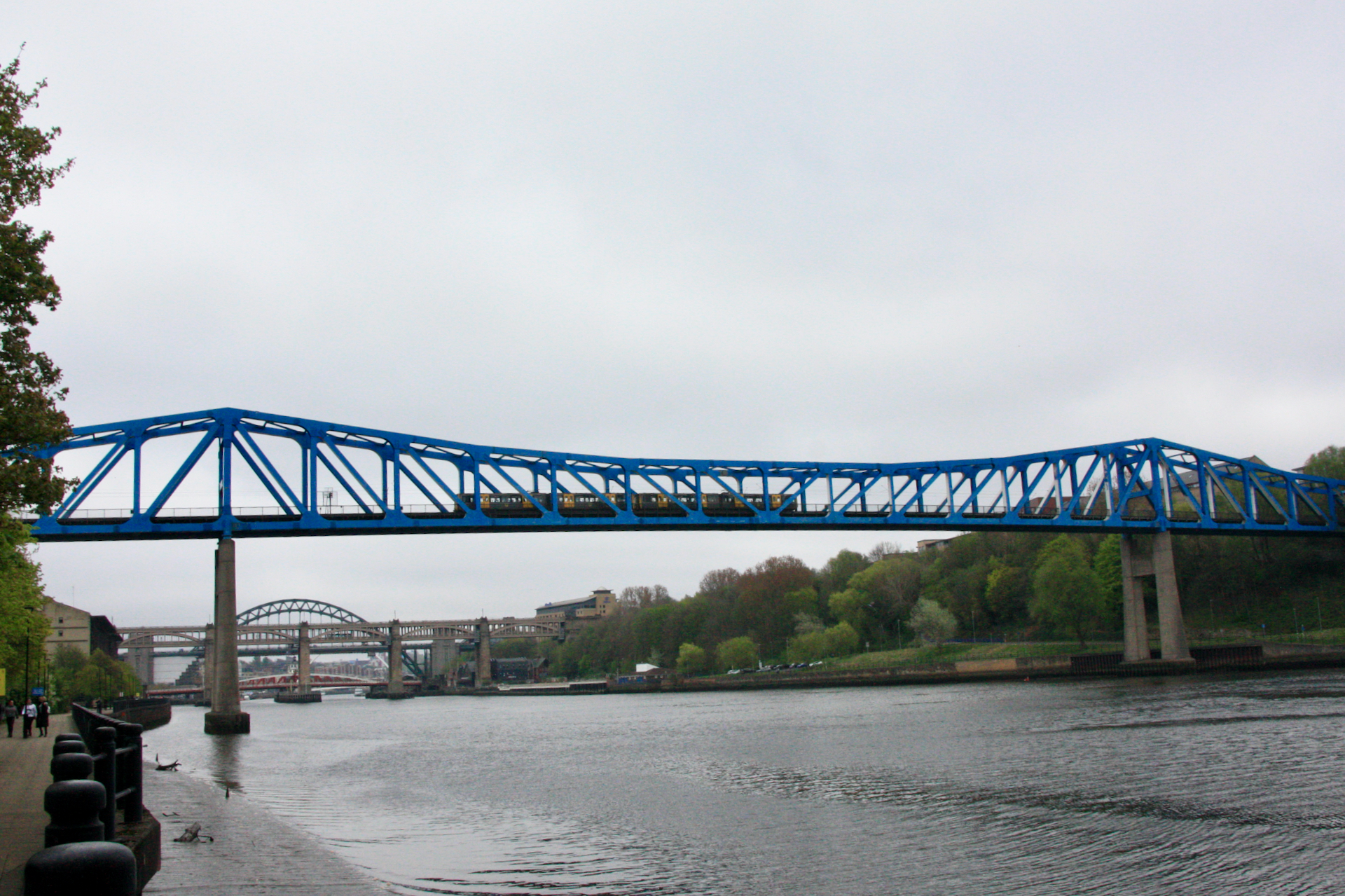
Much of the network runs along former BR routes, including those once served by Tyneside Electrics, but there was significant new construction during creation of the Metro system, including four miles of tunnelling under Newcastle city centre and two major structures, the 1,150ft long Queen Elizabeth II Bridge over the River Tyne and Byker Viaduct (2,674ft long), between Byker and Manors stations.
Standard weekday service frequency on both Yellow and Green Lines is one train every 12 minutes (five trains an hour), but a scheme called Metro Flow was launched in March 2020, with extensive infrastructure work being undertaken in order to allow an increase in frequency from five to six trains per hour, as well as cutting journey times.
My day out begins with a journey out to Newcastle Airport, to the north-west of the city centre, which was only completed a decade after the system’s original opening (in November 1991), having been built between South Gosforth and its initial terminus at Bank Foot, then later towards the airport, on the alignment of a long-closed railway route to Ponteland.

Having returned from the airport to South Gosforth, I then took a Yellow Line train around what was the North Tyneside Loop, one of two existing passenger railway routes along with a branch line to South Shields, to have been converted from heavy rail to light rail use with the opening of the Metro network.
On my way to the coast at Whitley Bay I alighted briefly at the Northumberland Park stop, to see how work was progressing on construction of an interchange station between the Metro and the highly successful and newly-reopened Northumberland Line between Newcastle and Ashington, whose station here is due to open later in 2025, but still looks far from completion.
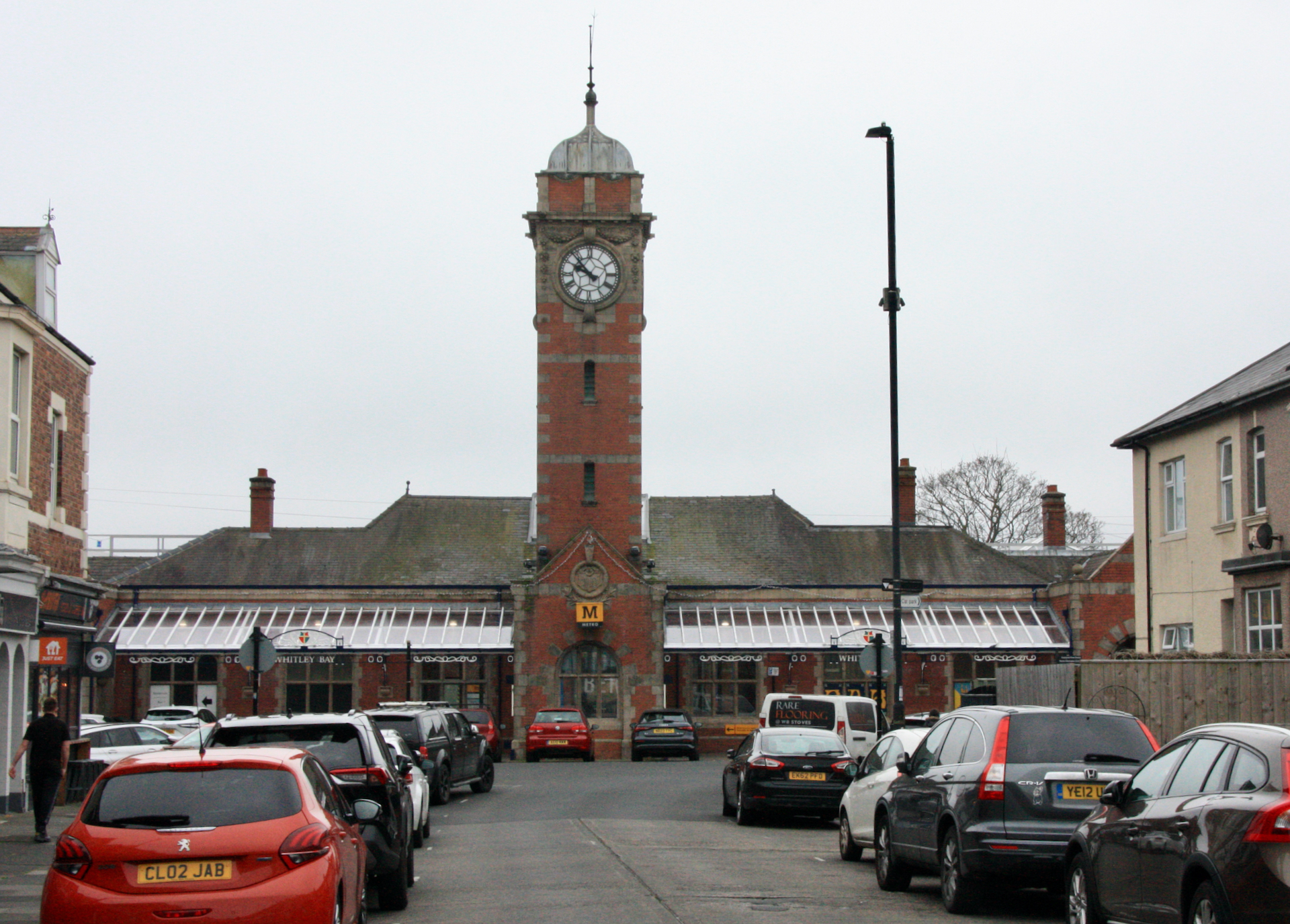
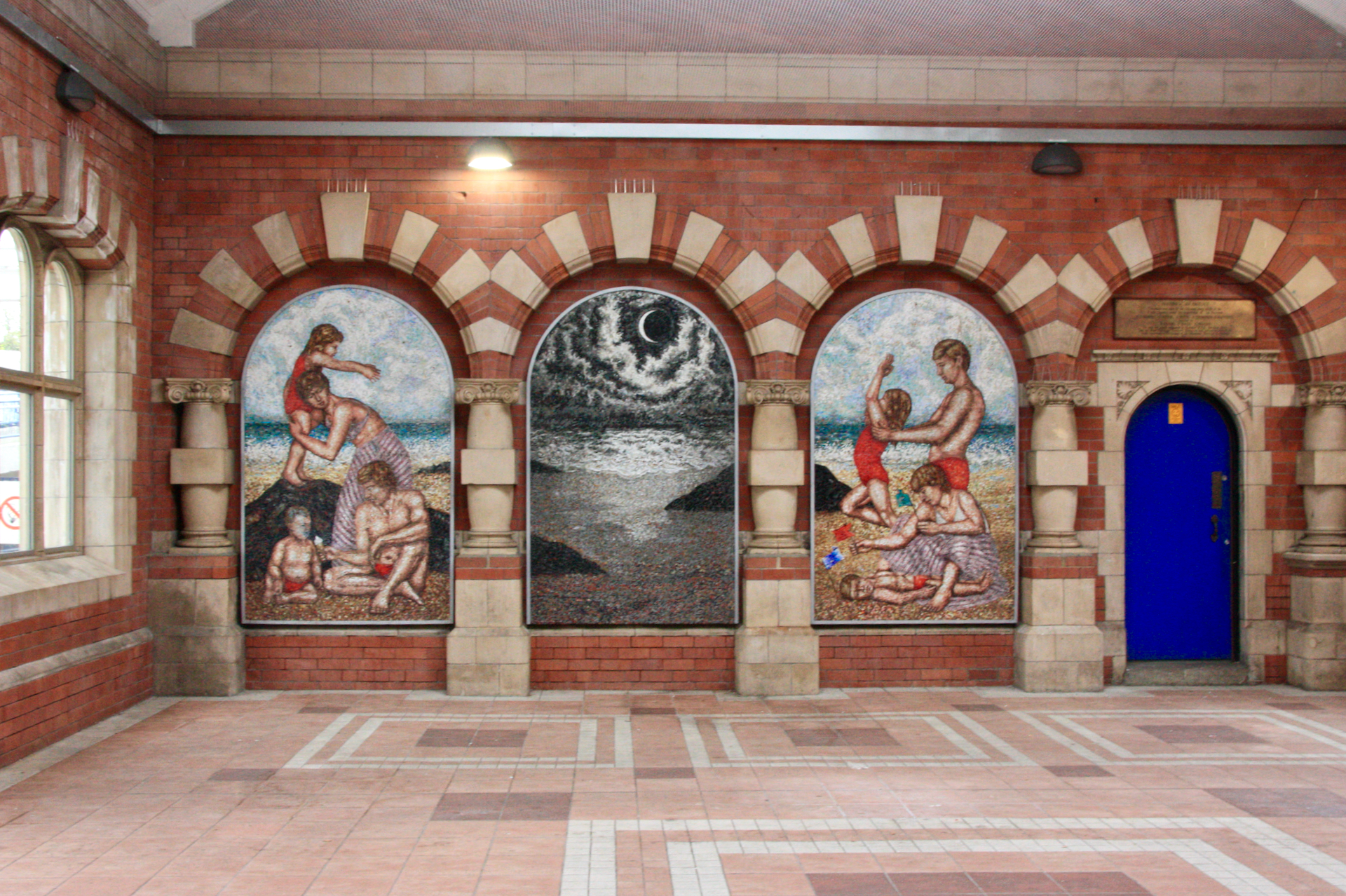
After my break at Northumberland Park I decided to pause at Whitley Bay, an area I have only previously seen in past episodes of the ITV drama Vera. Unlike many other stops along the Metro, Whitley Bay is a fine Grade II Listed building, complete with overall roof, an impressive clock tower and colourful historic murals.
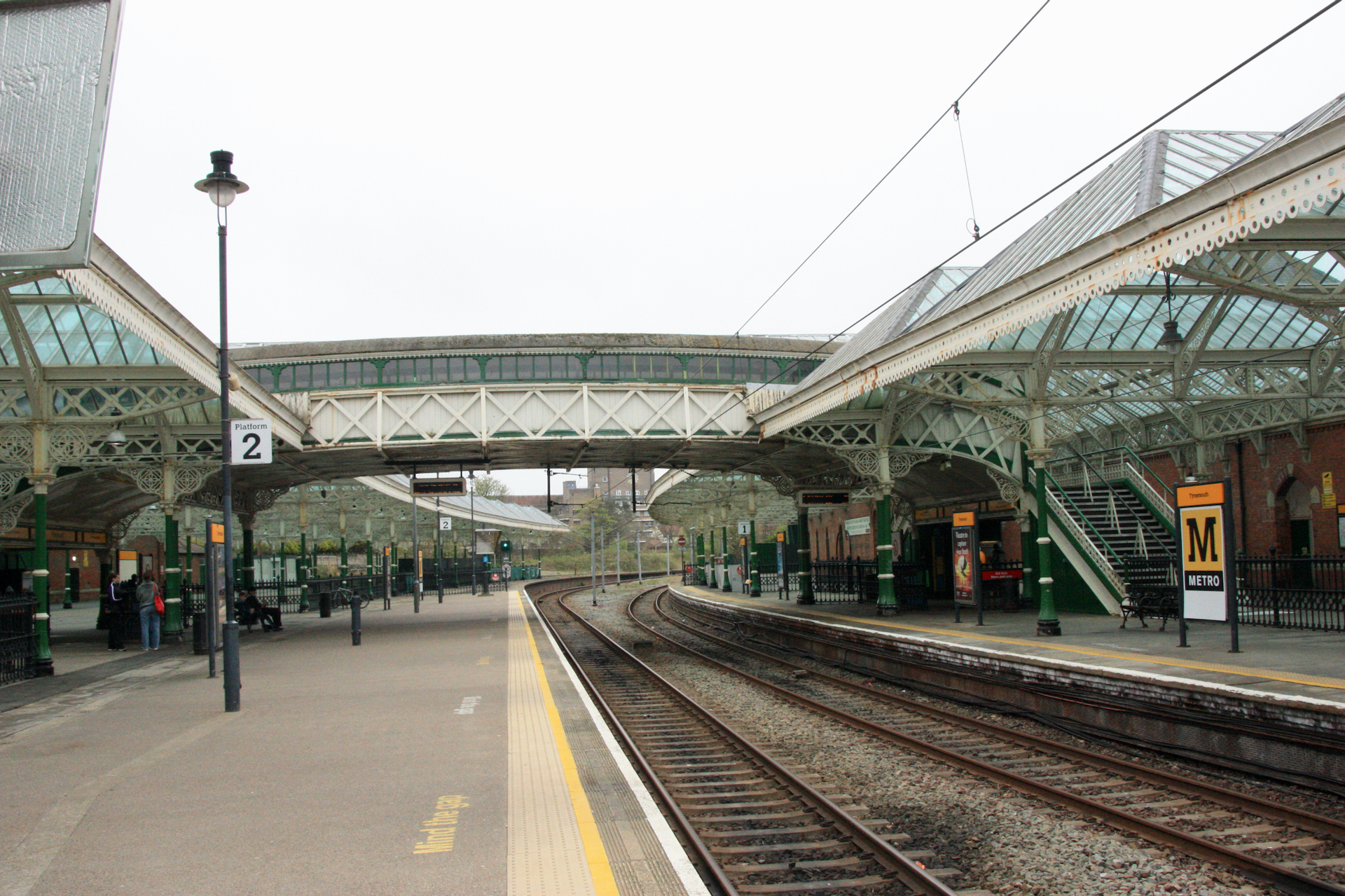
Two stops on from Whitley Bay and another architectural gem is the large Grade II listed station at Tynemouth, which was saved from demolition before the Metro came along and whose filled in bay platforms now play host to a popular weekend market.

Returning to the city centre terminus at St. James, I then went back to the interchange at Monument before heading south on the Green Line to Sunderland and its terminus at South Hylton on the south bank of the River Wear.
Pausing again at Sunderland’s subterranean station, the noisy arrival of a Grand Central Class 180 reminds me that this is my first visit here since crack of dawn on 18 December 2007, when I was working with the Open Access operator and was here to travel on the inaugural GC service to London King’s Cross.
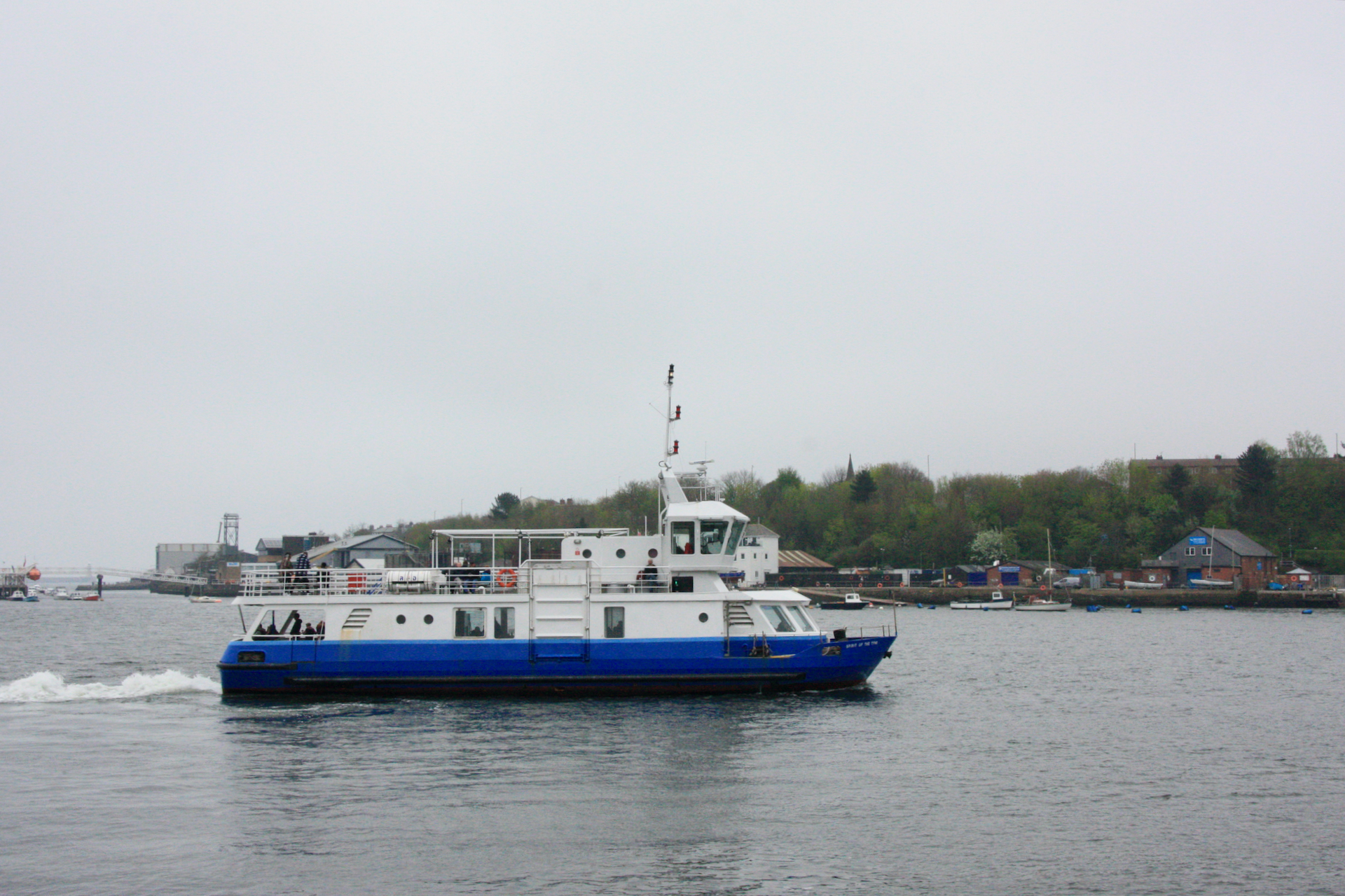
Returning towards Newcastle I retrace my travels as far as Pelaw, making brief photo stops at the St. Peter’s and Fellgate stops. From Pelaw I complete my network tour with a seven stop journey to South Shields, then a ten minute walk to the riverside. From there I take the “Spirit of the Tyne” ferry to North Shields (included in the all zones fare) before return to the city centre with a second journey along the North Tyne route via Wallsend and Byker.

For anyone tempted to spend some time seeing the local area, and riding the Metrocars before their eventual replacement, I can highly recommend a day on the Metro, where it took me just over five hours to complete my tour of the system and six hours to get back to the city centre after my ride on the ferry to North Shields.
 RailwayWorld.net
You must be logged in to post a comment.