Almost three years on from my visit to the two southernmost outposts of mechanical signalling on the spectacular Settle-Carlisle Line (Settle Junction and Hellifield, September 2022) and time for a long overdue return to the northern end of the S&C. My quest this time is to capture some loco-hauled action at Appleby and also pay a brief visit to Kirkby Stephen.
Since its reprieve from closure in 1989 the S&C has developed into a major tourist artery, with active support from the Settle-Carlisle Railway Development Company, which provides guides on certain trains, a refreshment trolley service between Settle, Appleby and Carlisle and buffet services at a couple of stations.
Besides its magnificent scenery, the S&C has a lot to offer those with an interest in our signalling heritage, with a total of nine signal boxes between Carlisle and Hellifield, to the south of Settle, retaining at least some semaphore signalling.
Head south along the line from Carlisle and you will pass isolated boxes at Howe & Co’s Siding, Low House Crossing and Culgaith, but the first easily accessible opportunity to appreciate the route’s semaphores comes at Appleby, its second most important intermediate station (Settle being the busiest).
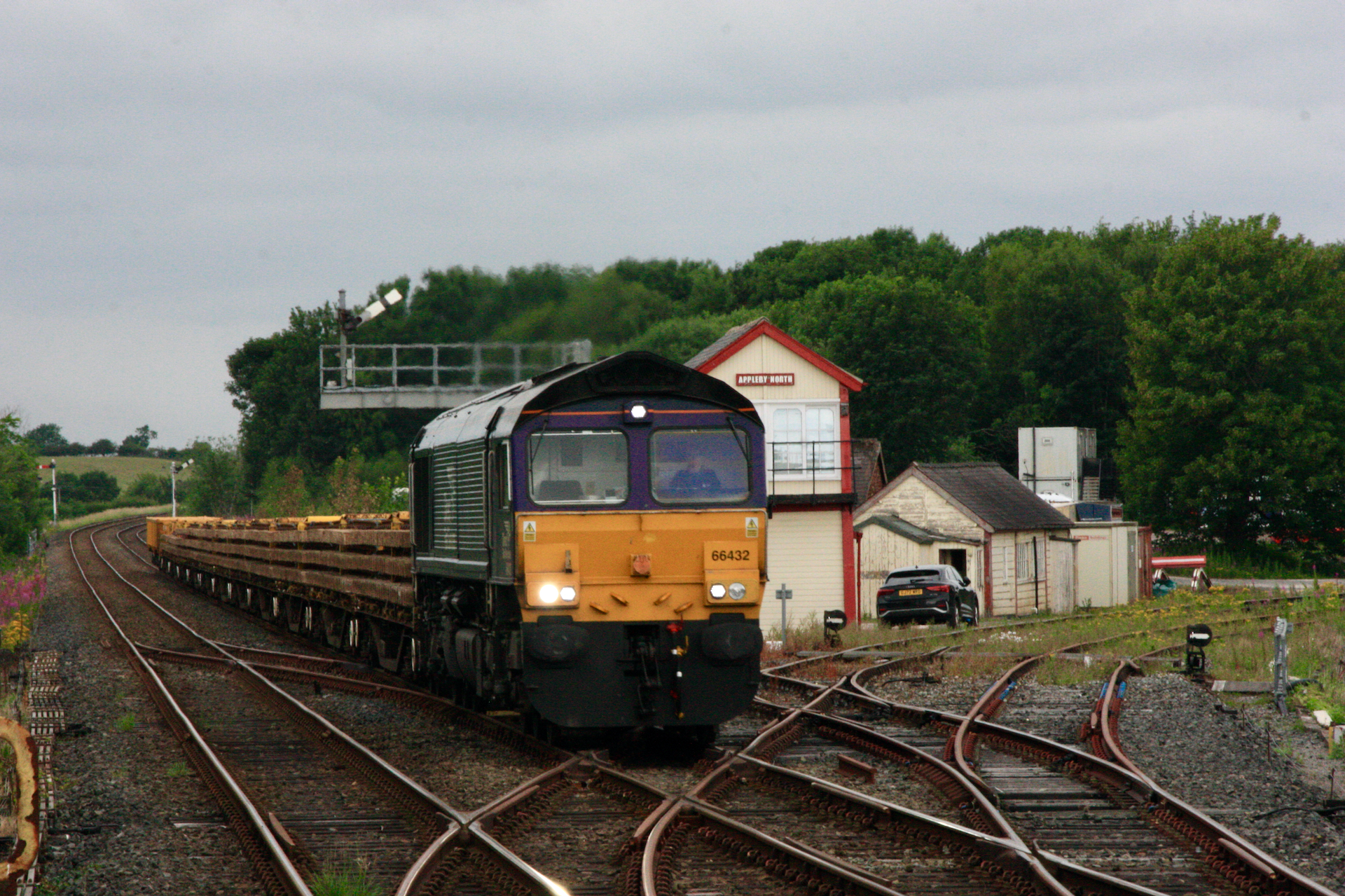
While Appleby somehow managed to miss out on the heatwave covering much of Southern England during my visit (30 June-2 July 2025), my three days there in sometimes very wet and cloudy weather produced a fascinating variety of special workings, and no less than six different classes of loco.
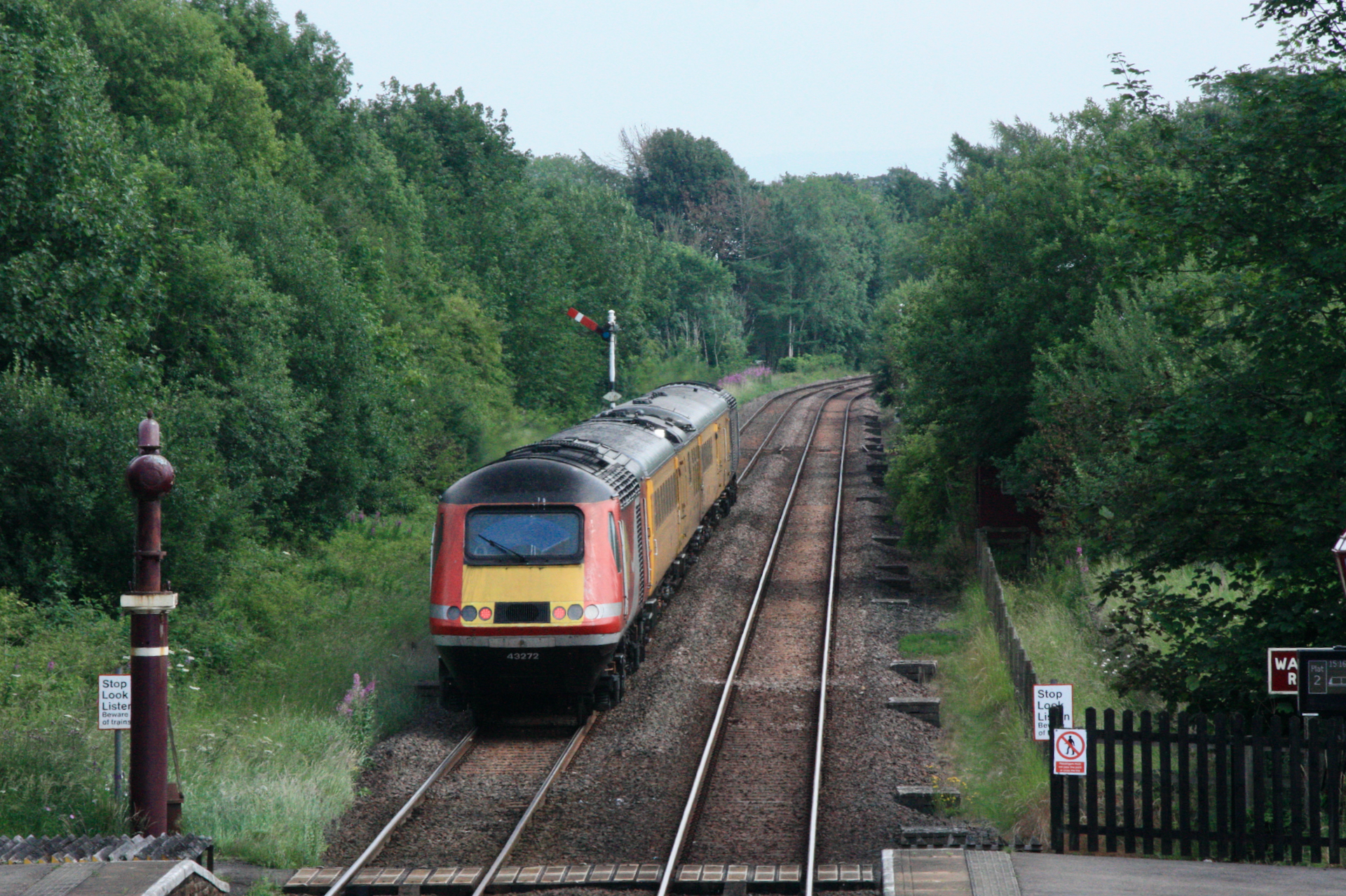
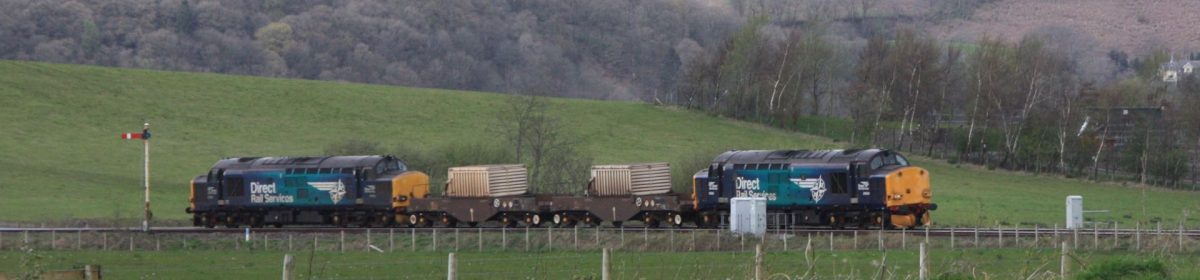
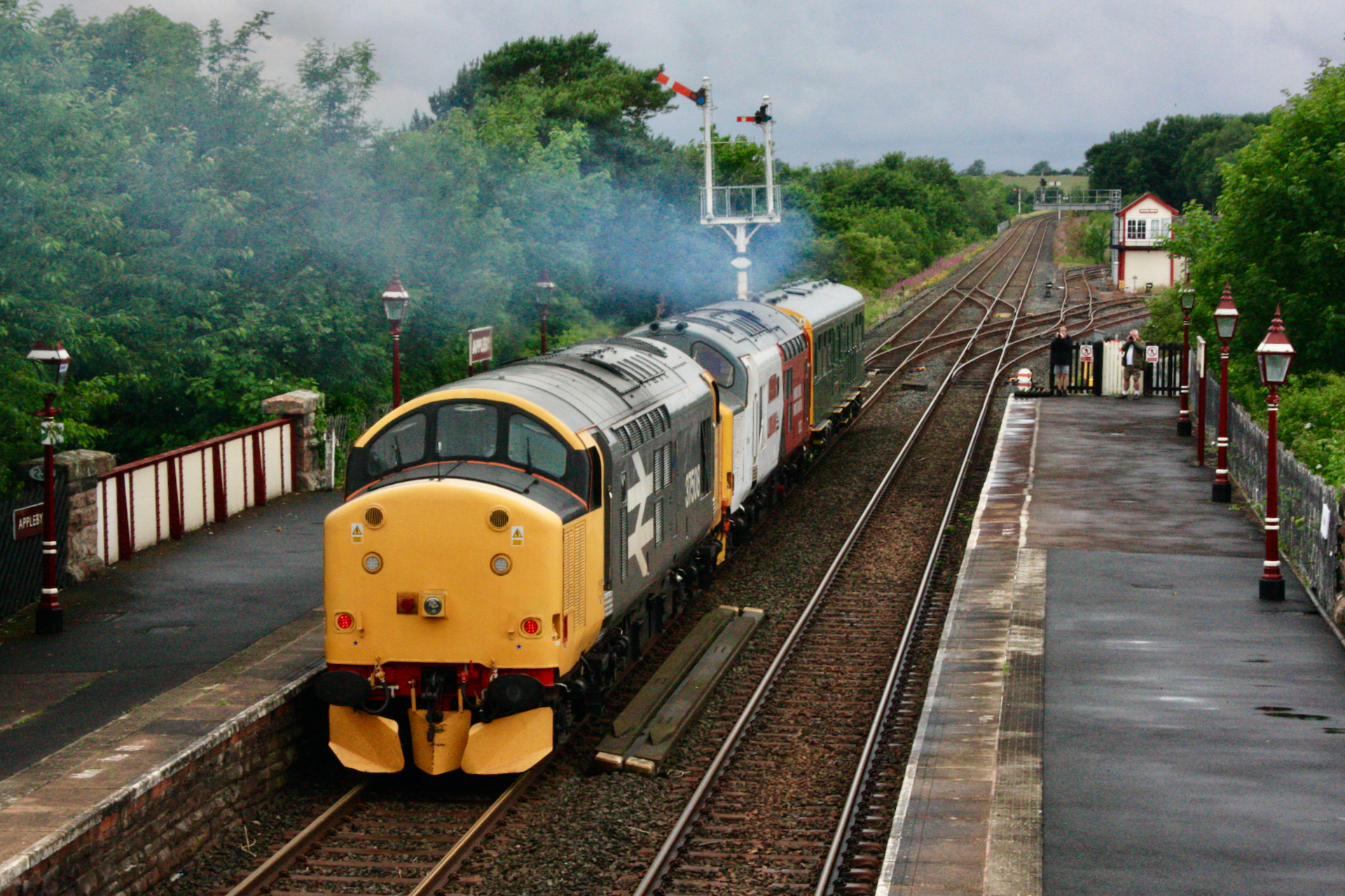
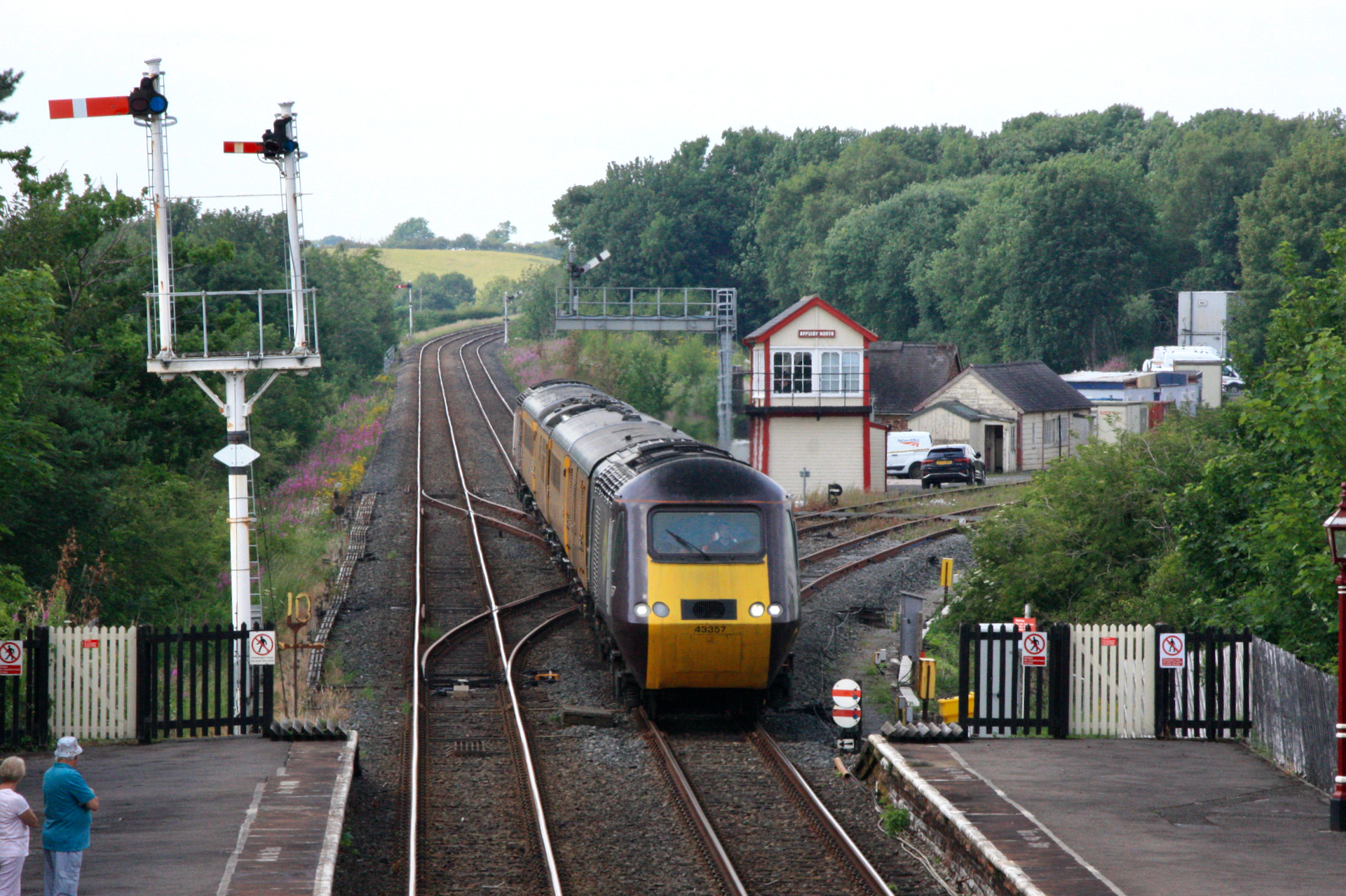
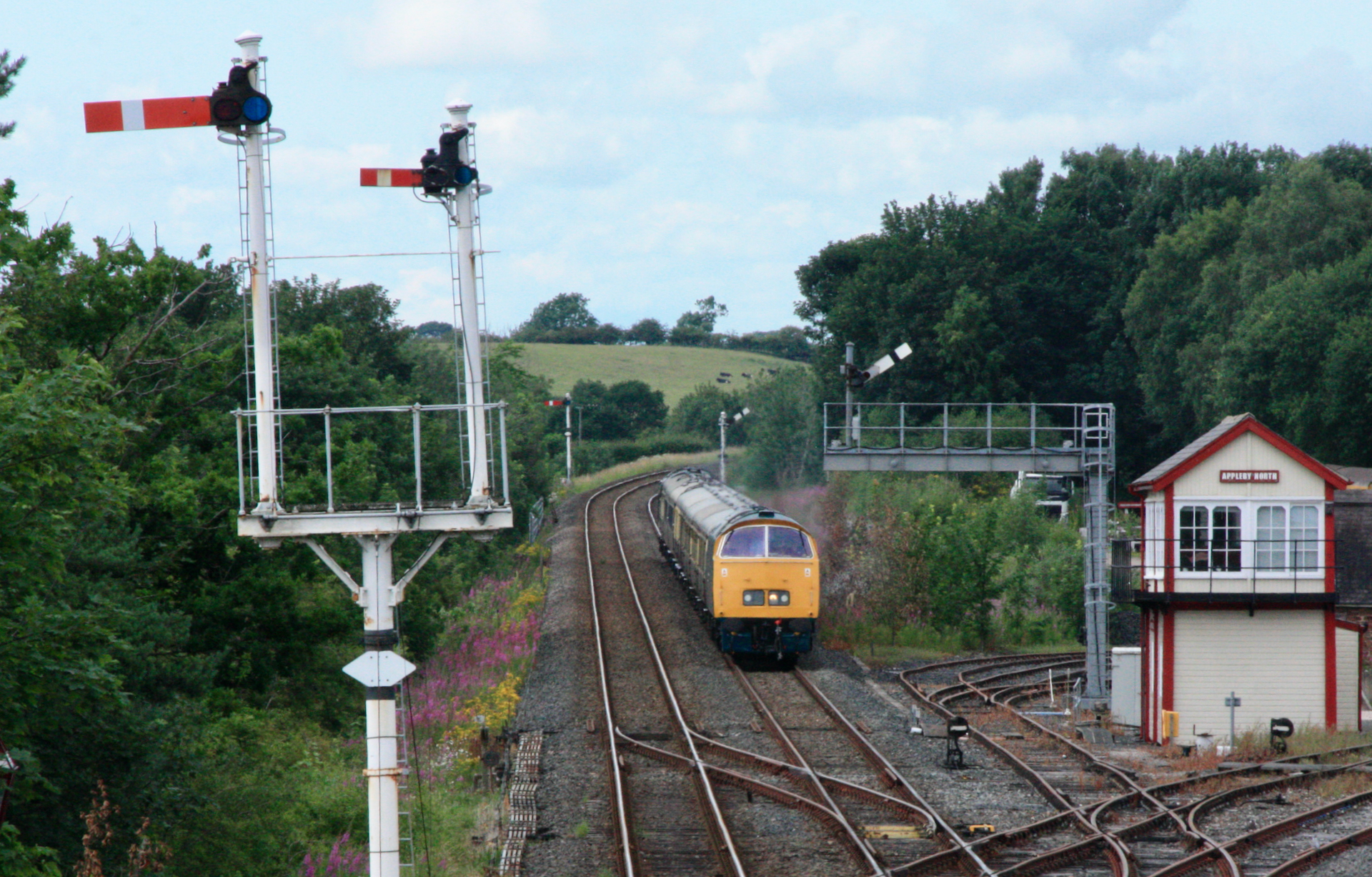
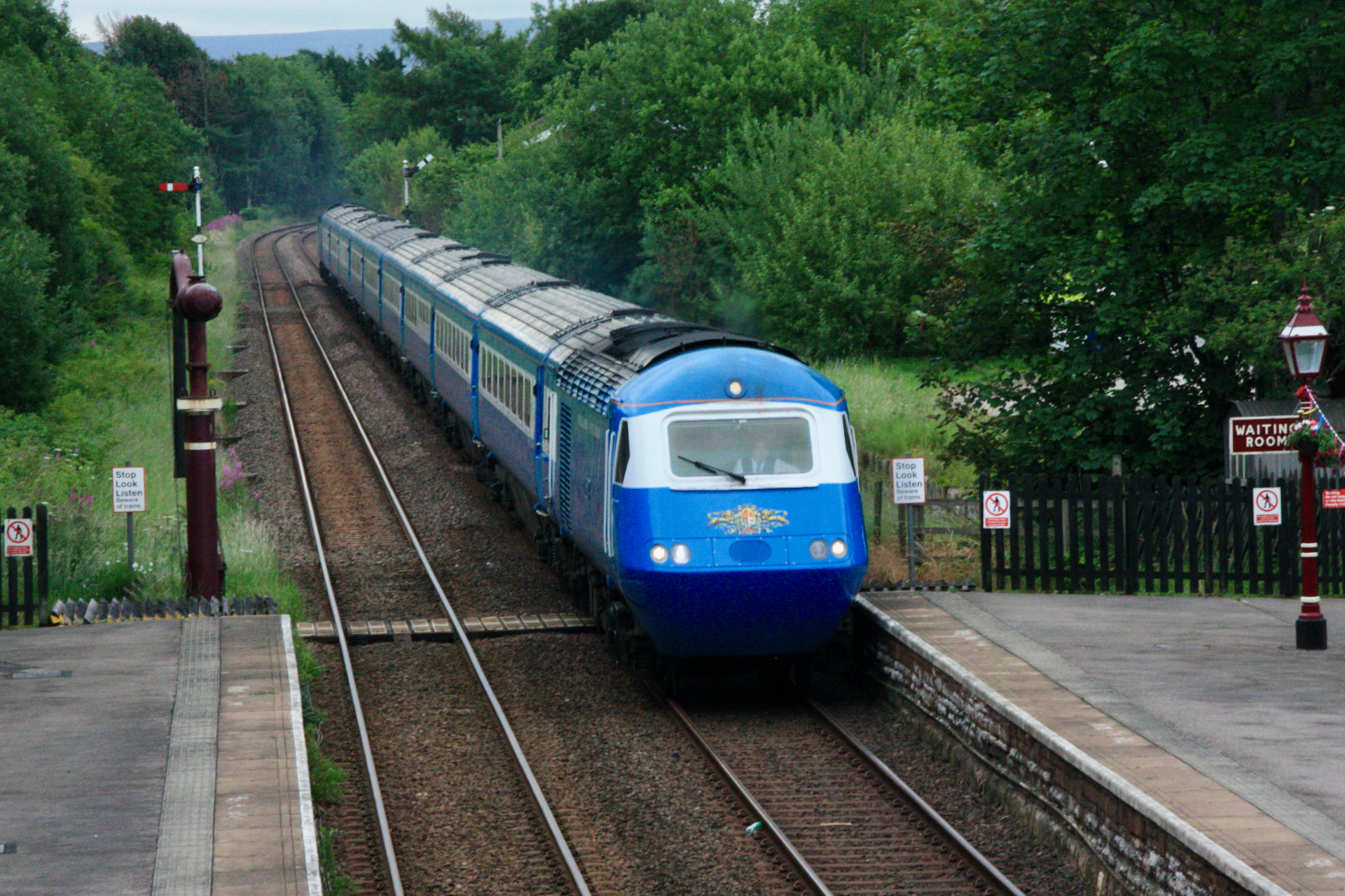
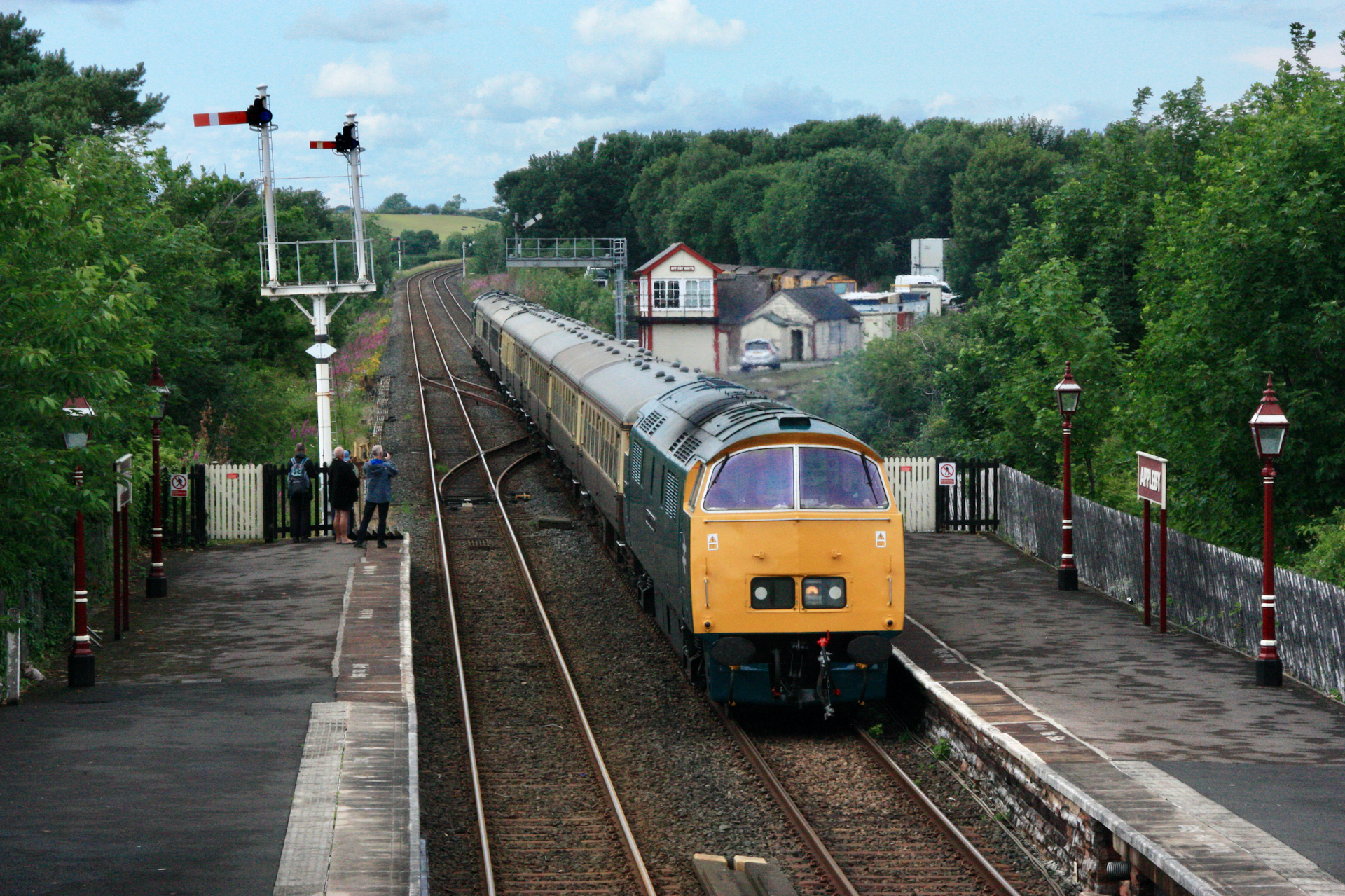
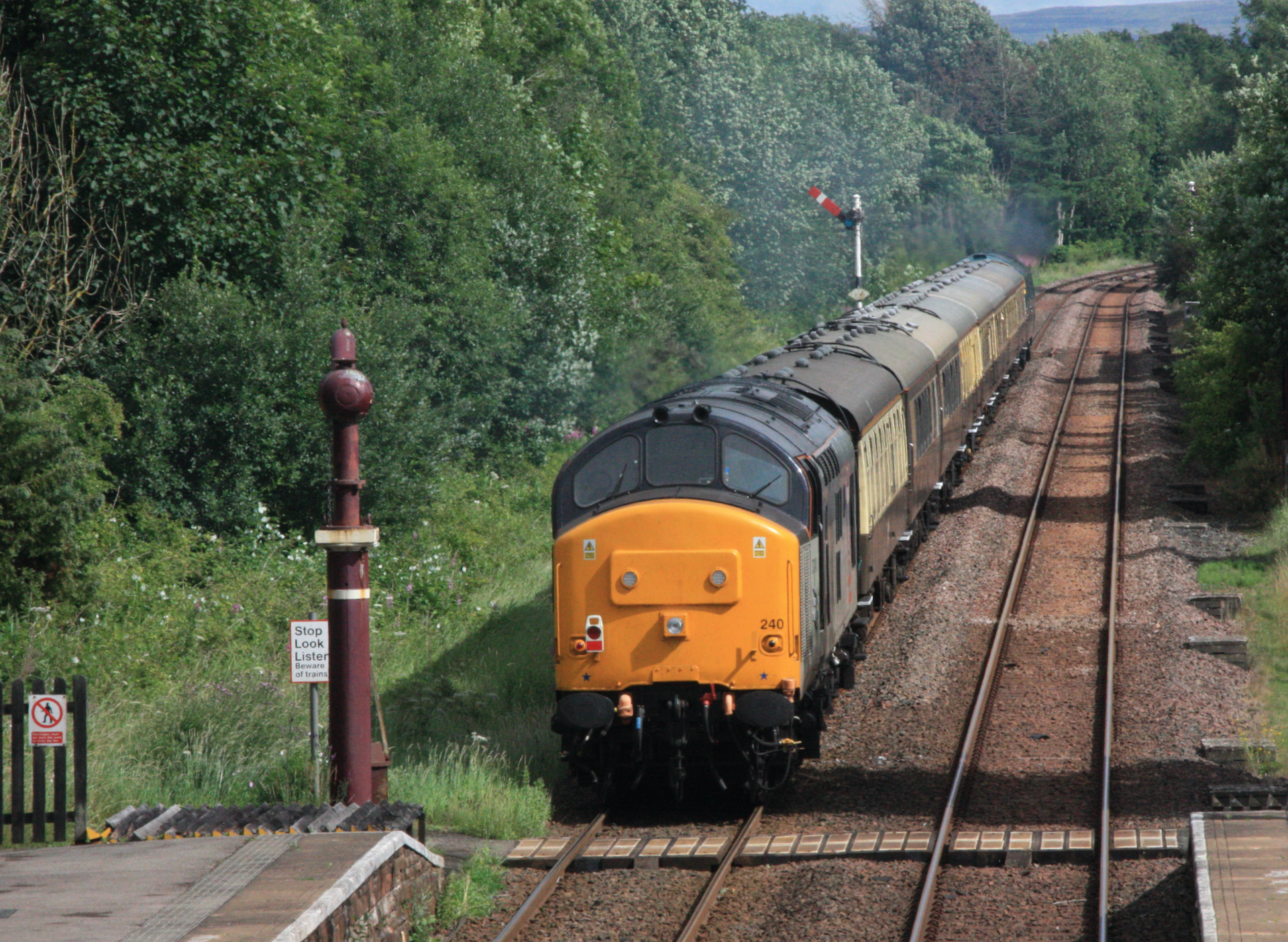
The four special workings passing Appleby were a HST Class 43-powered test train working from Carlisle to York (1Q18), the Class 43-powered Midland Pullman, with a Derby-Carlisle special, a pair of Class 37s propelling Inspection saloon Caroline from Derby to Preston (2Z01) and Class 52 D1015 Western Champion with a return special “The Western Mountaineer” “from Carlisle to Birmingham.
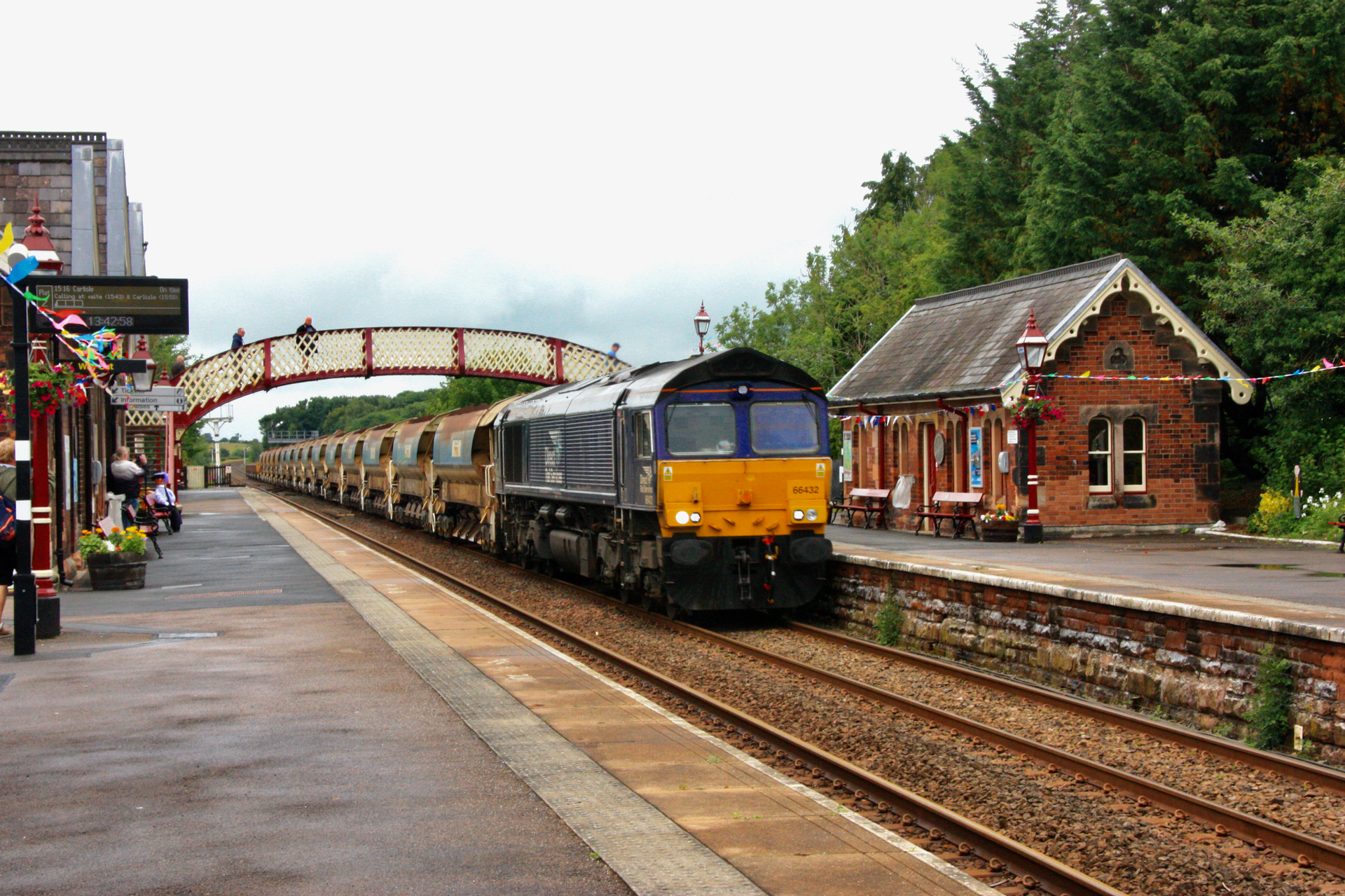
Freight traffic passing through Appleby is very limited, with the only regular commercial flows being the lengthy trainload of logs from Carlisle to Chirk Kronospan (6J37), which ran on two of my three days in the area, and the trainload of cement tanks (4N00) from Carlisle to Clitheroe Castle Cement, which ran on only one of the three days I spent in Appleby.
But there are some regular departmental workings, notably 6K05 from Carlisle to Basford Hall at Crewe, which is scheduled to pass at lunchtime, shortly before the logs train, and ran on each of the three days I spent in Appleby. There was also a bonus working on 2 July when Colas Rail 56302 appeared with two empty wagons working from Gascoigne Wood to Carlisle (6C01).
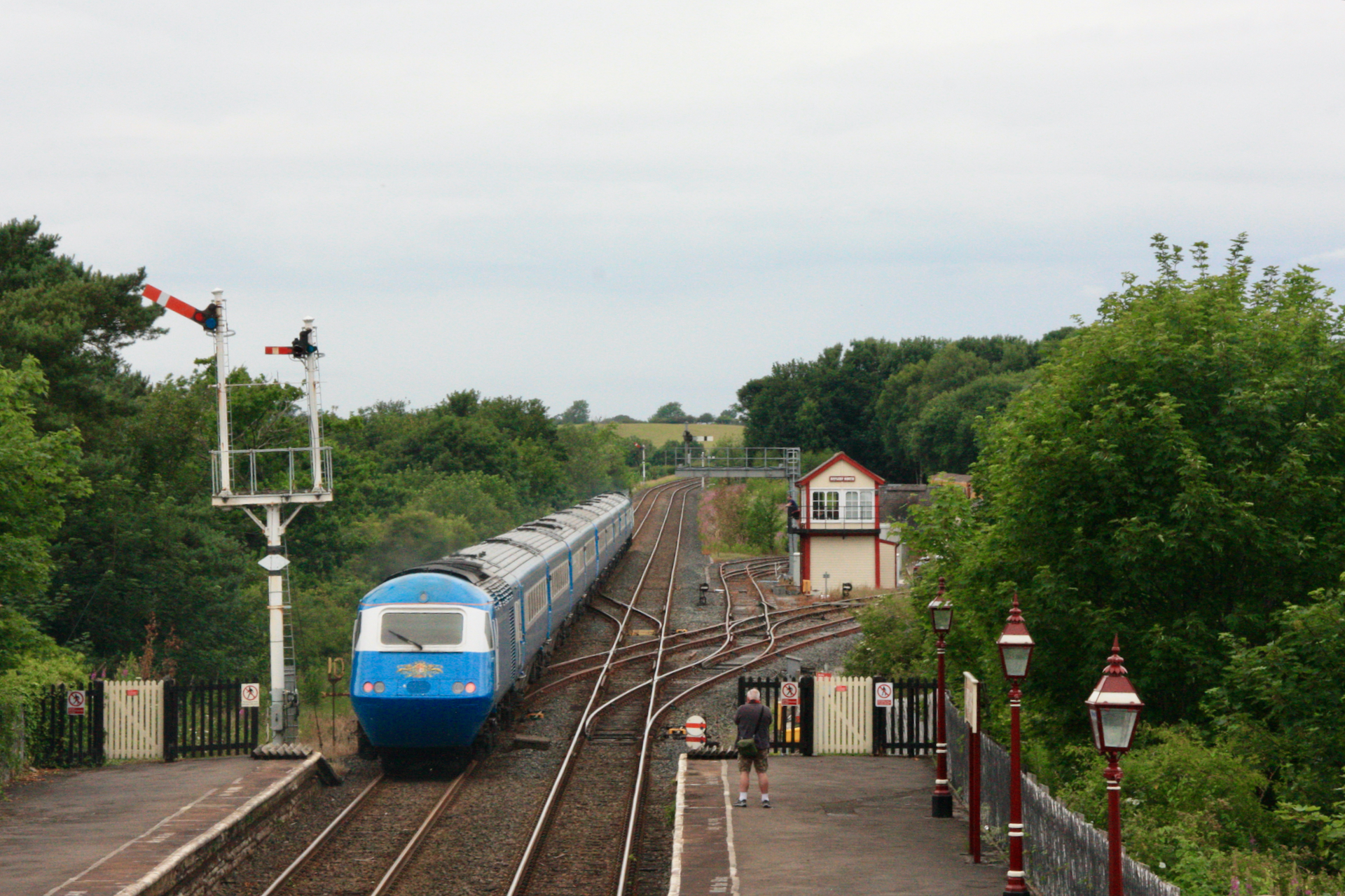
Regular passenger services between Carlisle and Leeds are all formed of Northern Class 158 units, either as two, three or four car (2×2-car) sets.
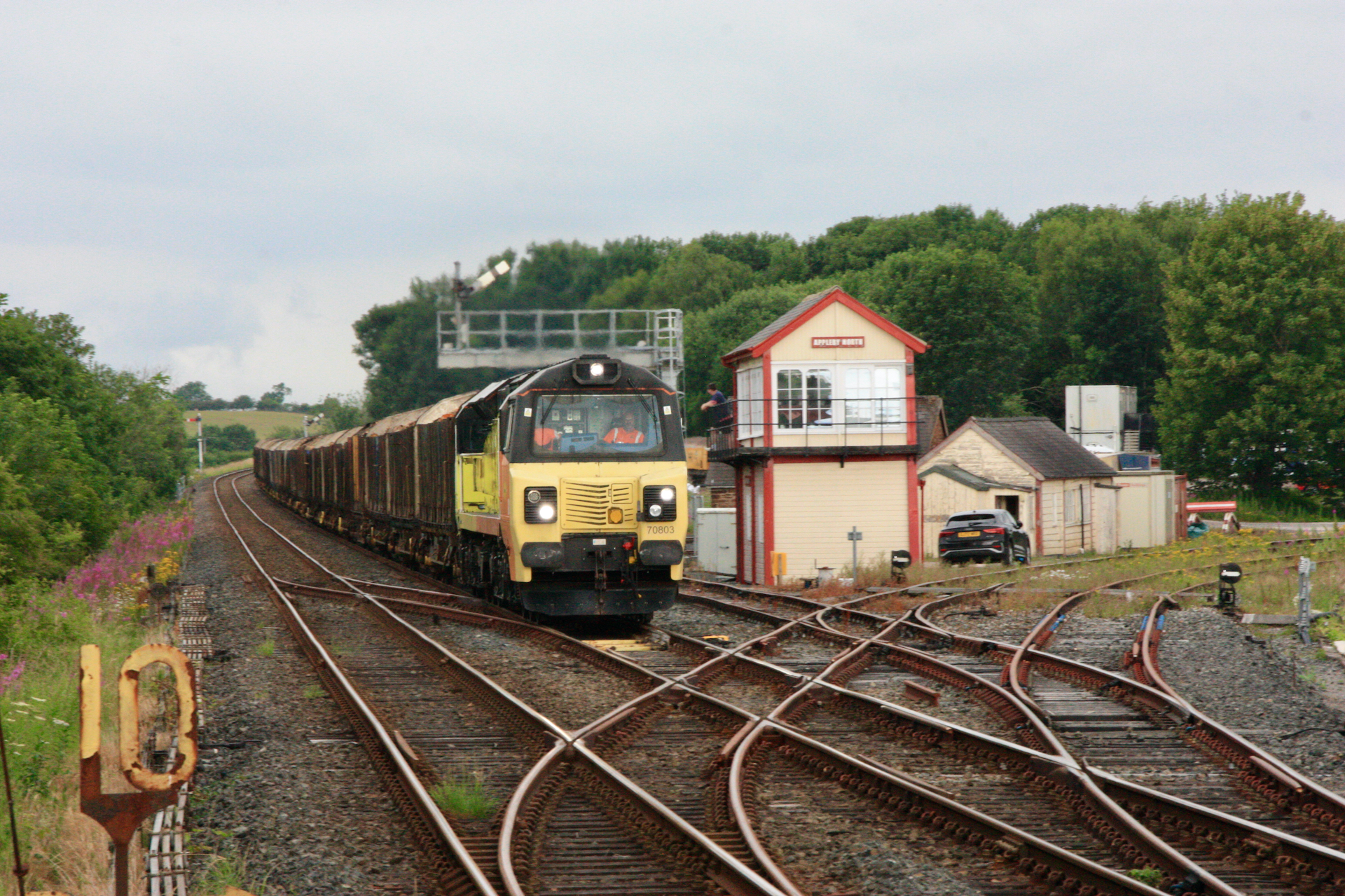
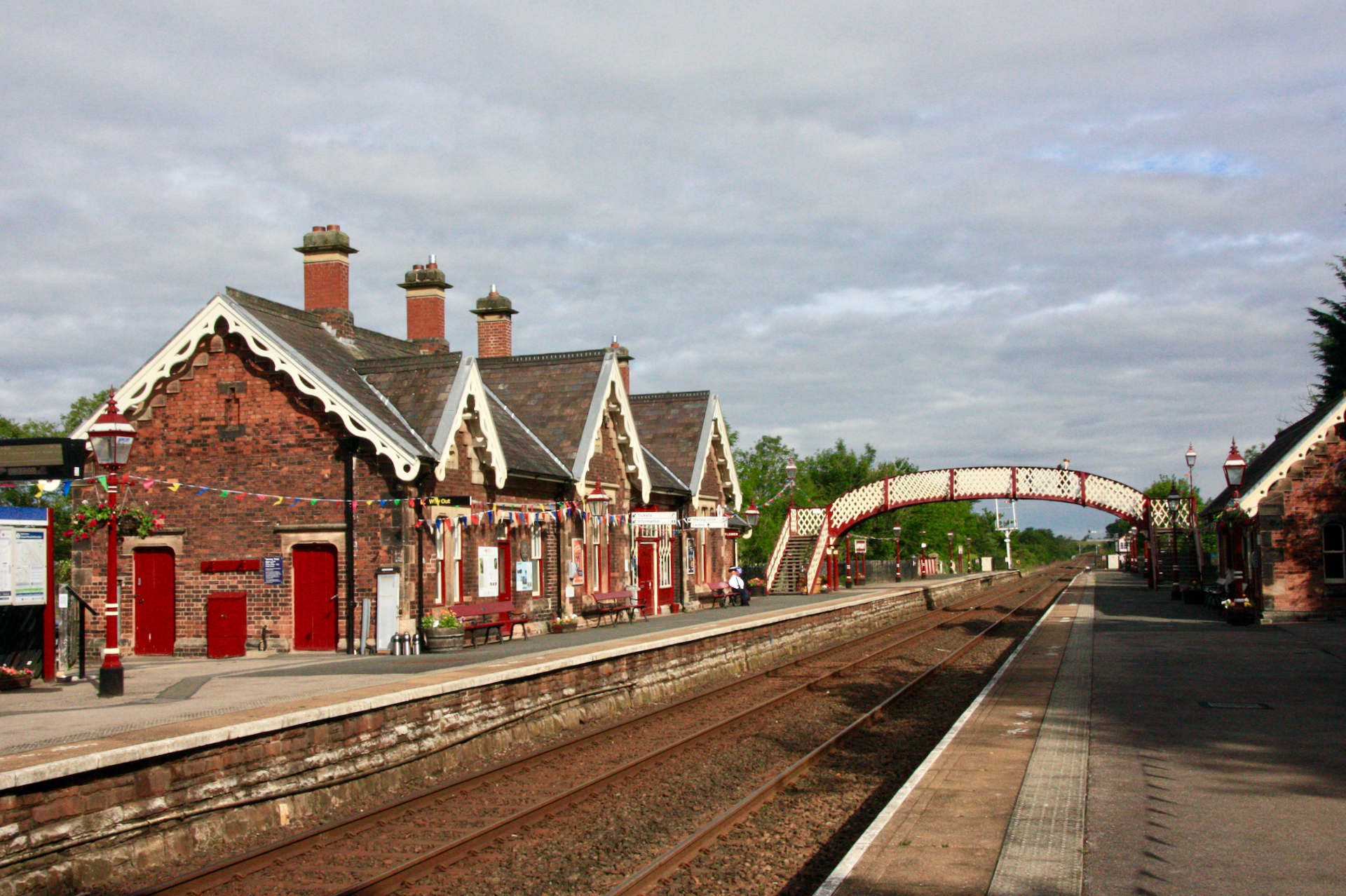
Appleby station (formerly Appleby West) is superbly preserved Midland Railway (MR) station retaining a huge amount of period detail, such as historic lamp standards on the platforms and a working water tank and crane at the south end of up platform 2 that is used by steam locos hauling special trains to take water during a stop here.
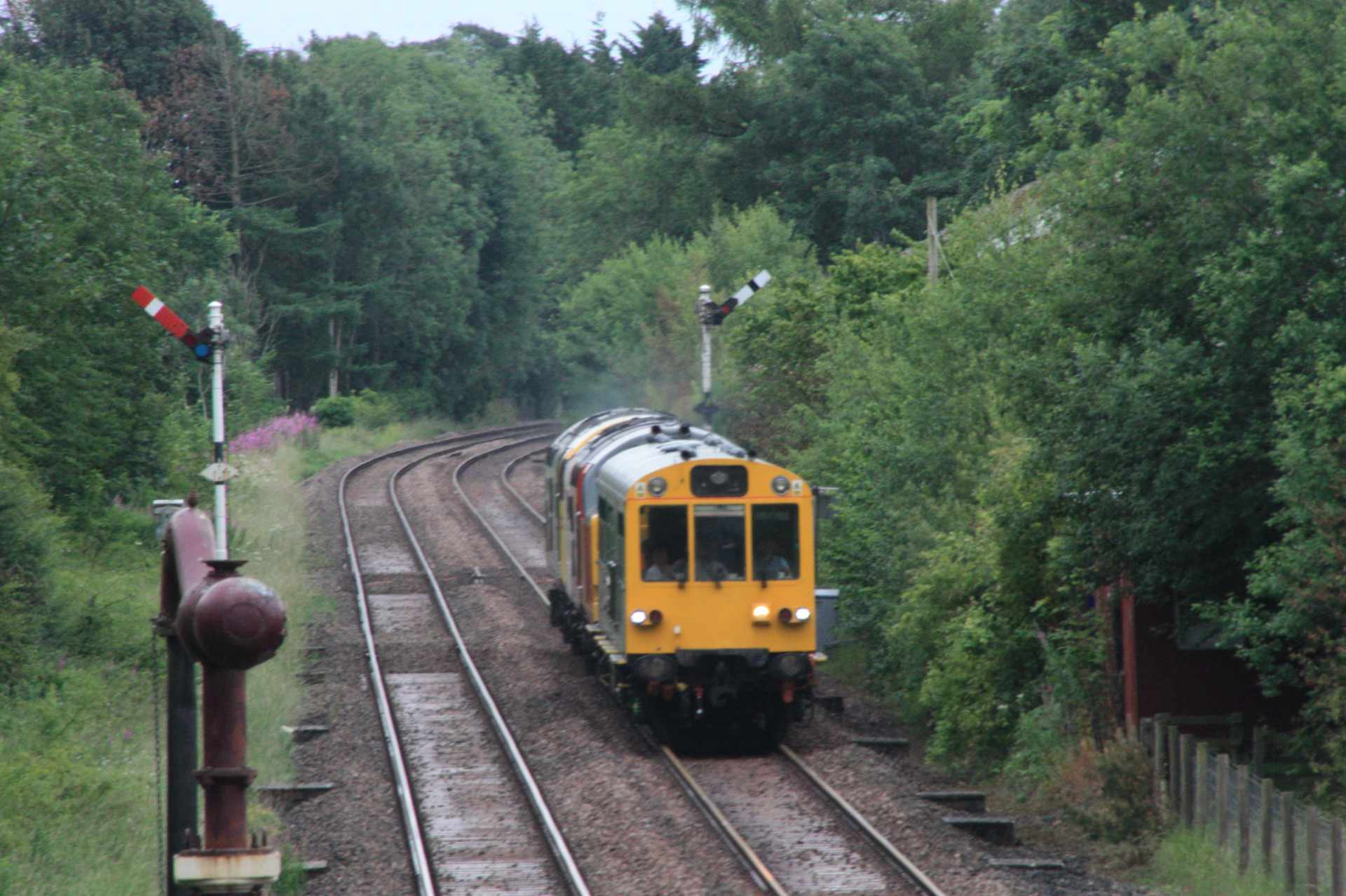
On the down (northbound) platform stands the original 1876 station building, with ticket office and waiting room, while there is another 1876 waiting room on the southbound platform that is reached by crossing a wrought iron lattice footbridge, from which there is a good view looking north of the signal box and semaphores. Both the station buildings and the footbridge are Grade II-Listed.
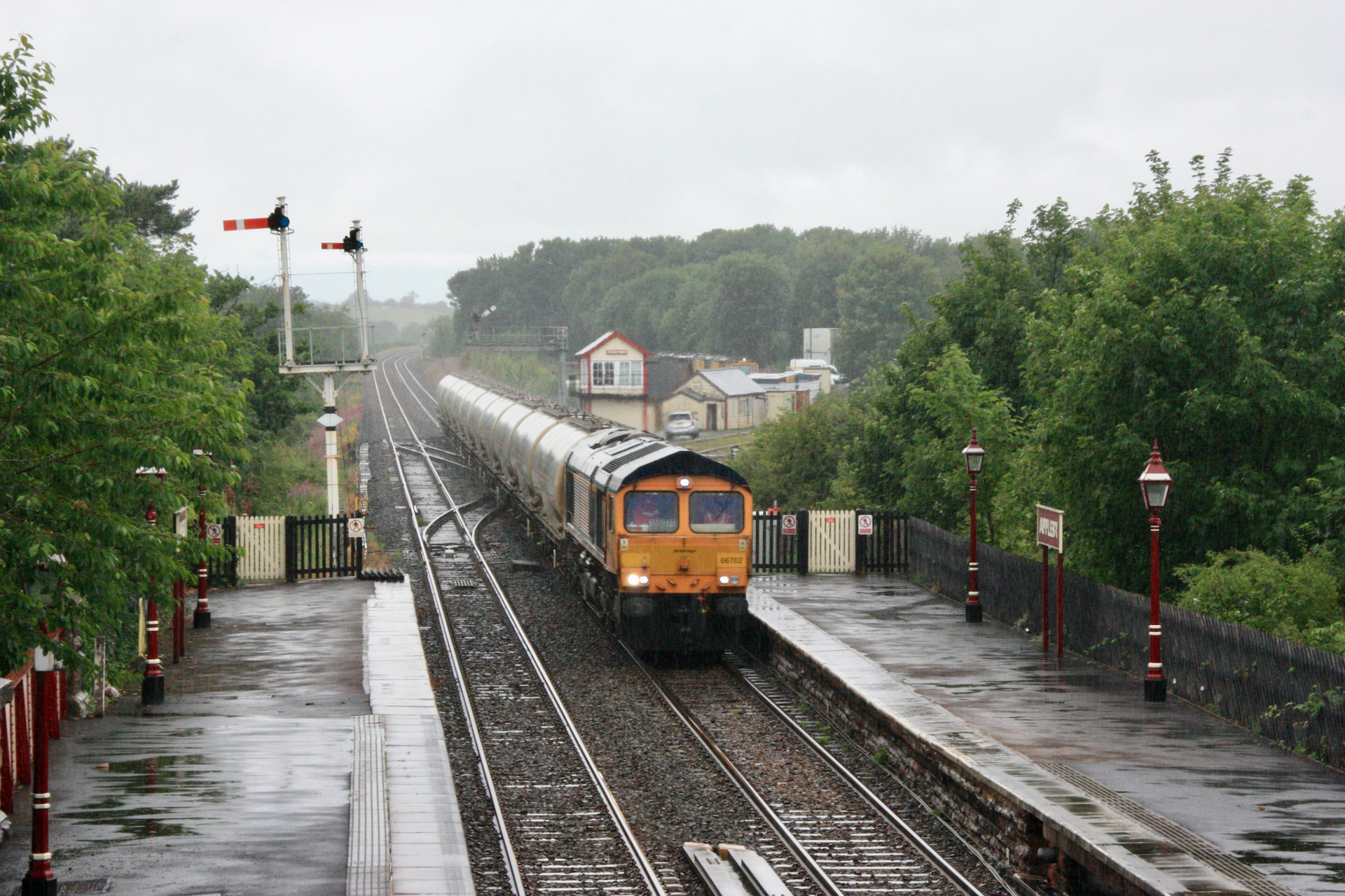
Appleby North Signal Box is a relatively modern and opened in 1951 to replace an earlier structure that had been destroyed by fire. It stands a short distance to the north of the station platforms on the east side of the line, controlling the station area and sidings that also form a physical link with the partly-preserved Eden Valley Darlington to Penrith route (closed in 1962) that served nearby Appleby East station.
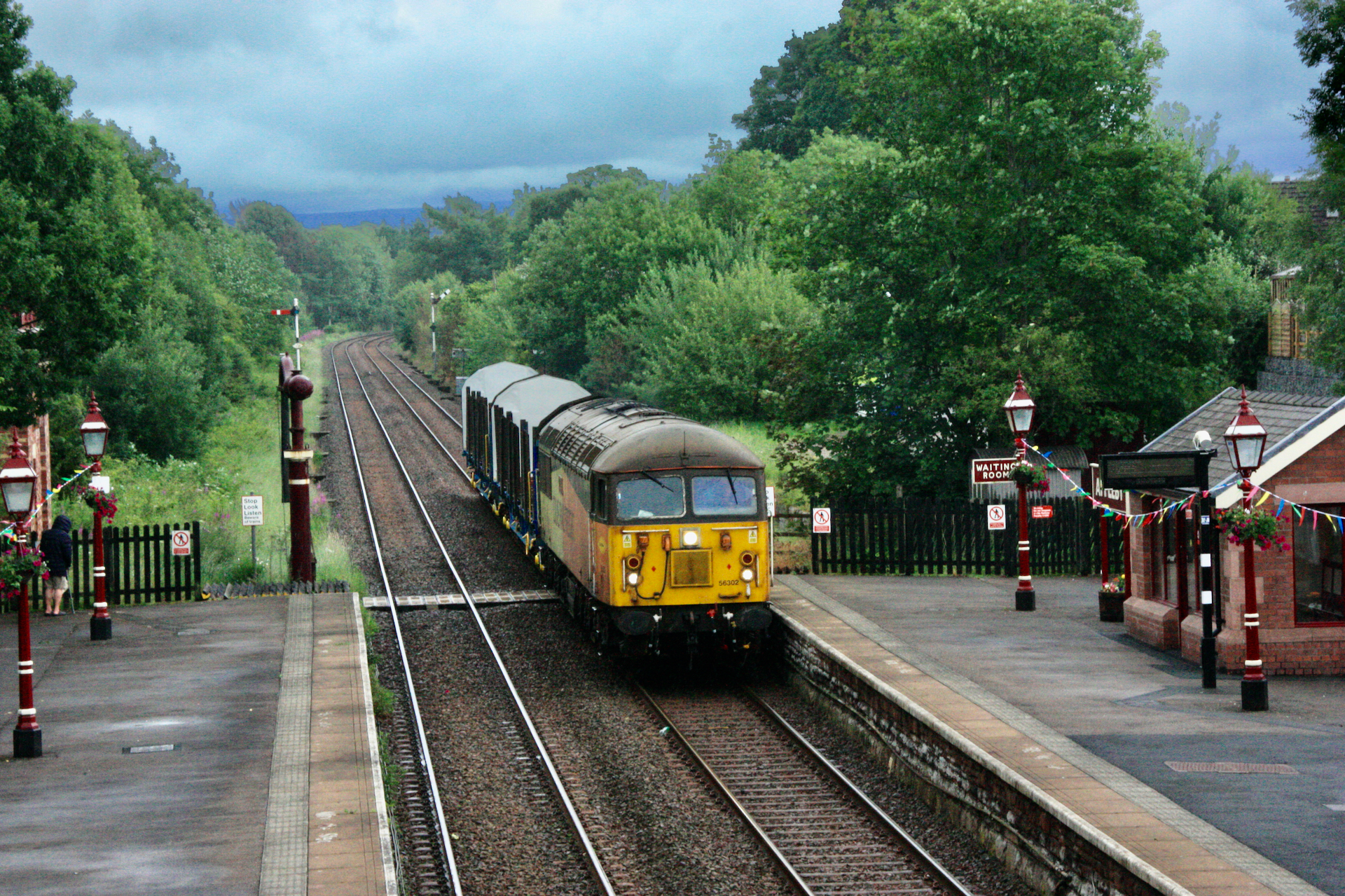
Semaphore signalling at Appleby comprises a total of six arms on the main line, with a shunt signal mounted alongside the down home signal for access to sidings near the box and to the Eden Valley route. Looking north from the station the furthest signals are down section signal AN22 and up outer home signal AN2, with up home signal AN3 on a bracket immediately adjacent to the signal box.
Looking south from the station platforms you will see the final two Appleby North semaphores, with up section signal AN4 some 200 yards south of the platform end and down outer home signal AN24 just beyond and close to sheds housing a variety of preservice rolling stock.
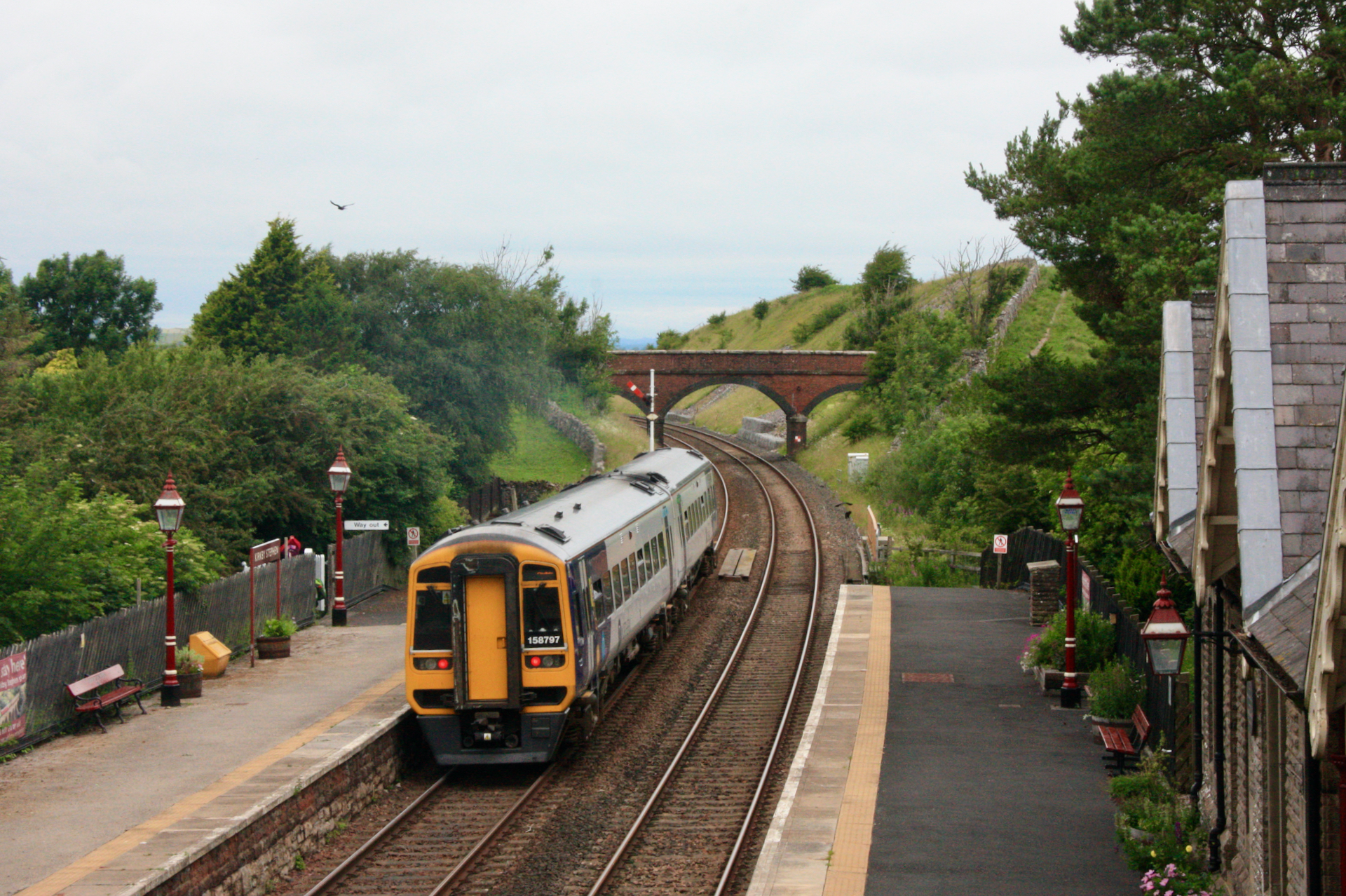
Taking a 13-minute ride south over one of the most scenic stretches of the line brings you to remote Kirkby Stephen, or Kirkby Stephen West, as it was once known. Like Appleby, Kirkby Stephen is another fine MR station that has been superbly restored, with waiting rooms on both platforms, more traditional lamp standards, and the main station building now used as holiday accommodation.
A modern BR (LMR) 1974-vintage box stands just south of the station where there are sidings on both sides of the line and an old goods shed beyond. Three of its four remaining semaphores can be seen from the station, with down home signal KS19 opposite the box, and section signal KS18 some distance north of the platform.
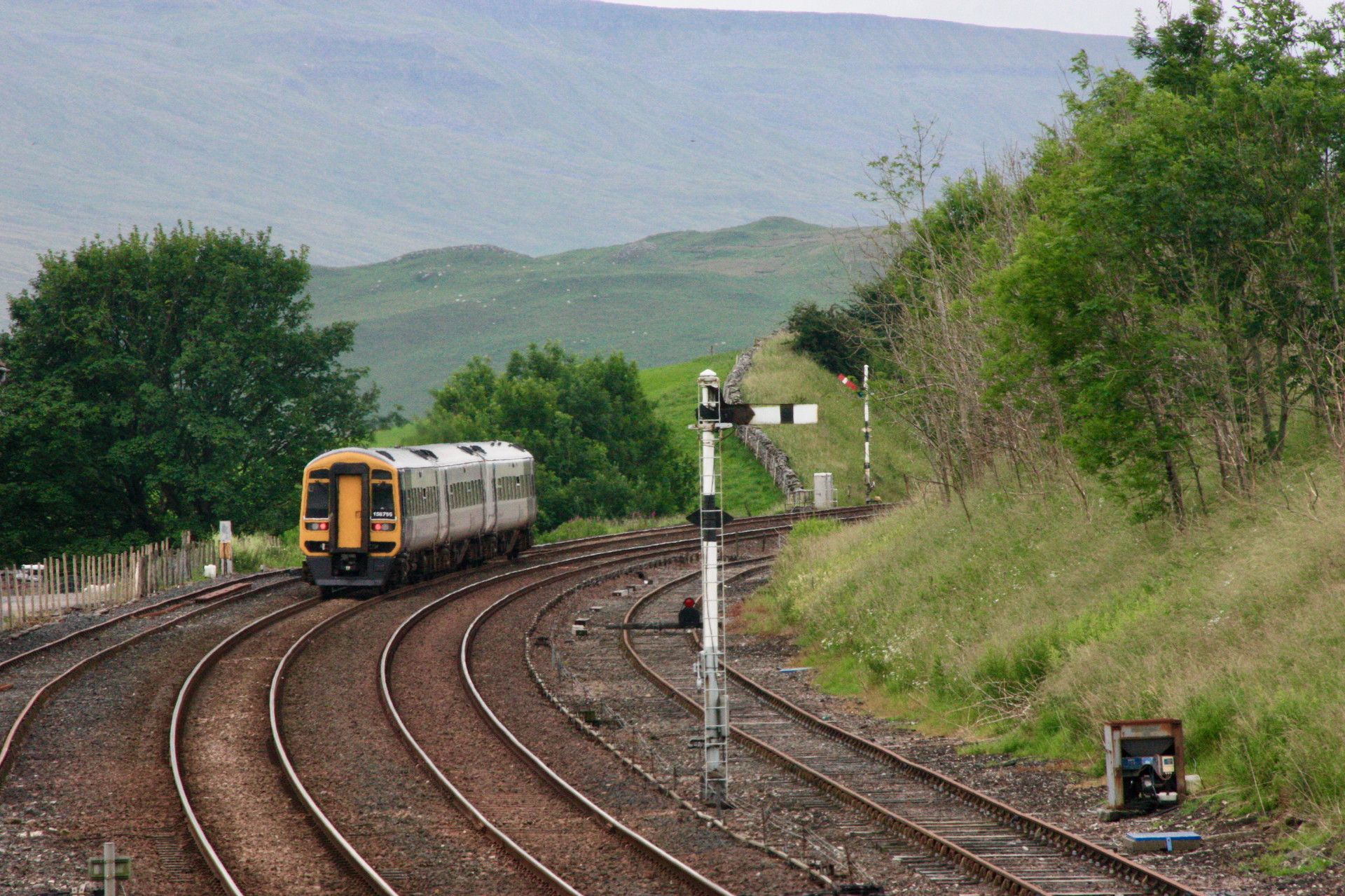
In the up direction, home signal KS2 stands behind a brick bridge carrying a farm track just north of the station, while up section signal KS3 stands some way south of the station and round a curve beyond the old goods shed, but can be seen from the station footbridge – as seen above.
Appleby is a rather delightful town in which to spend a few days, and for a comfortable place to stay I can recommend the Royal Oak, at the eastern edge of the town, but handily located, as it is a stop on the Stagecoach bus 563, which took me to Penrith station on my return journey via the WCML to London Euston and also serves Kirkby Stephen station.
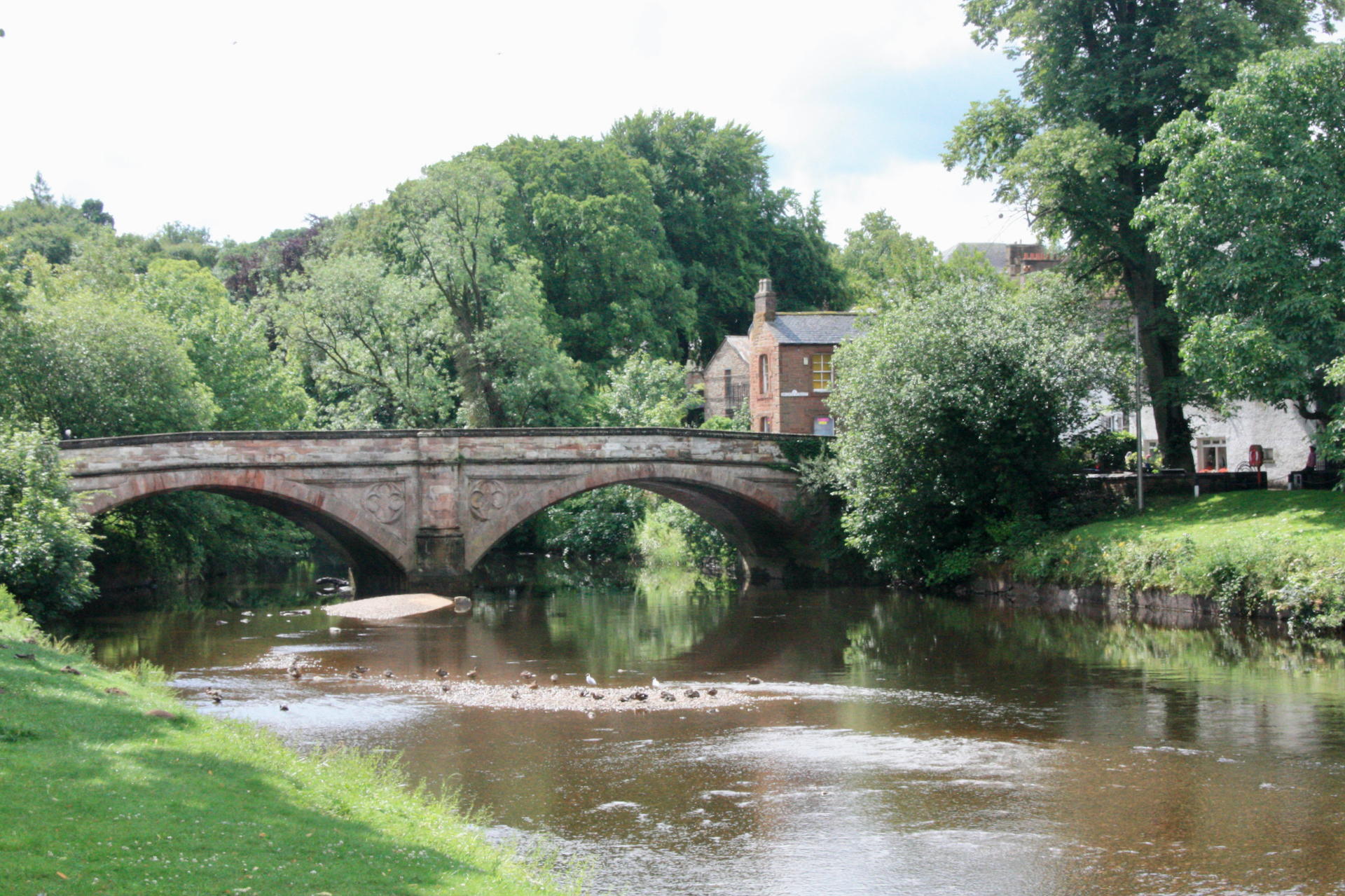 For a break from the railway action in Appleby I can highly recommend a walk downhill to the attractive town centre, which takes you over the River Eden (pictured above) to Boroughgate at the heart of the town, where my pick of the two pubs was the Hare and Hounds, on the left as you approach it, for a fine pint of Purity Brewery Mad Goose Pale Ale (4.2%/£4.60)
 RailwayWorld.net
You must be logged in to post a comment.