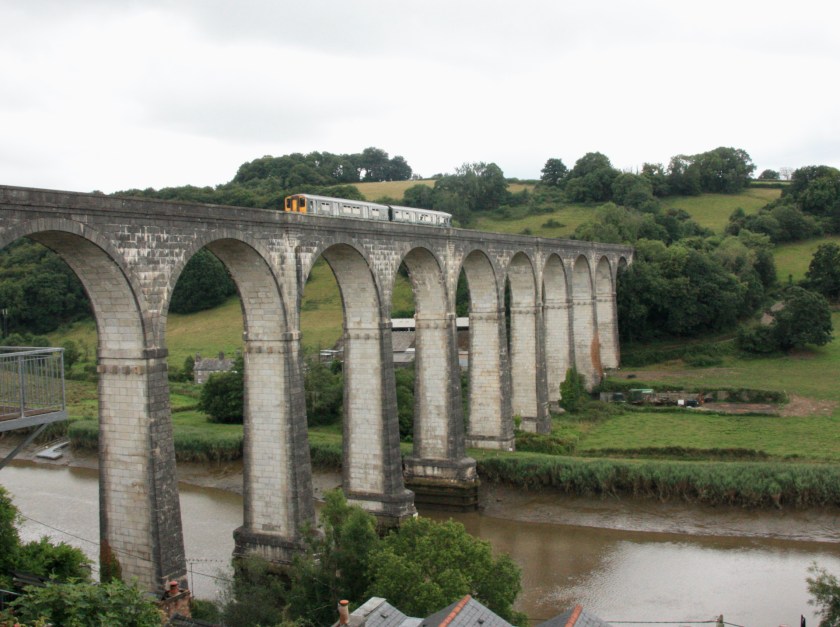
VIADUCTS are one of the most dramatic features of our railway network and make for great photos, particularly if being crossed by a train, so after some recent successes with the fabulous Moorswater Viaduct near Liskeard, I am now heading to a remote corner of South-East Cornwall to capture trains on the magnificent Calstock Viaduct.
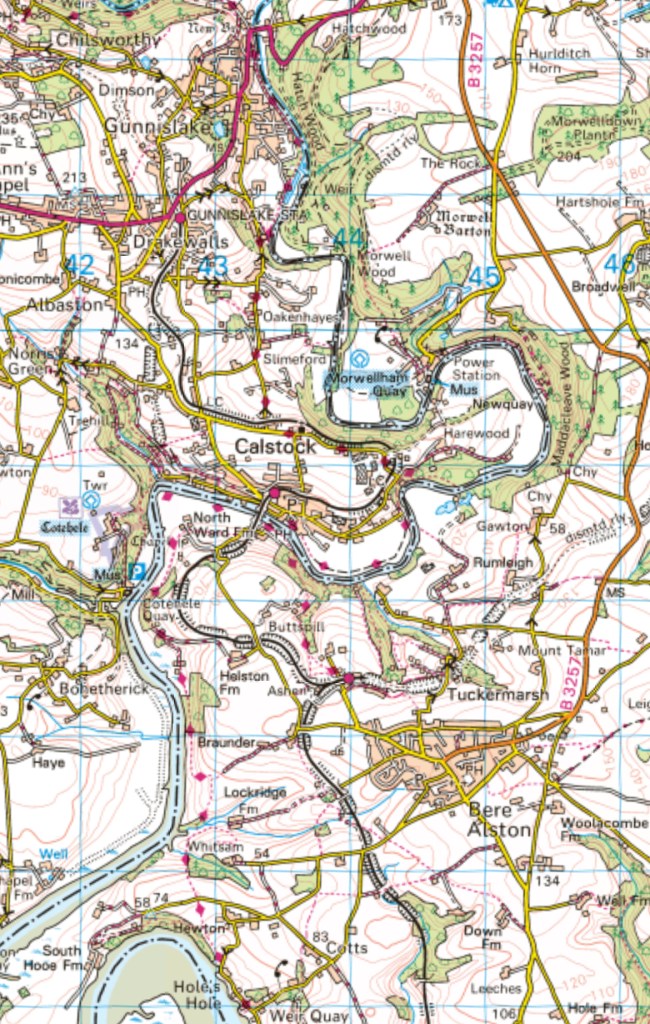
Calstock Viaduct is the most impressive feature on the 12-mile long Tamar Valley Line, and part of a branch line that once ran from a junction at Bere Alston to Callington, was recommended for closure in the 1963 Beeching report, but was reprieved as far as Gunnislake, due to the inadequate local roads.
More than six decades after publication of the infamous Beeching report the Tamar Valley Line remains a vital link to Plymouth for the residents of two Cornish villages, Gunnislake and Calstock, as well as being an important tourist route to the attractive Tamar Valley and is rated as one of Britain’s most scenic railway lines.
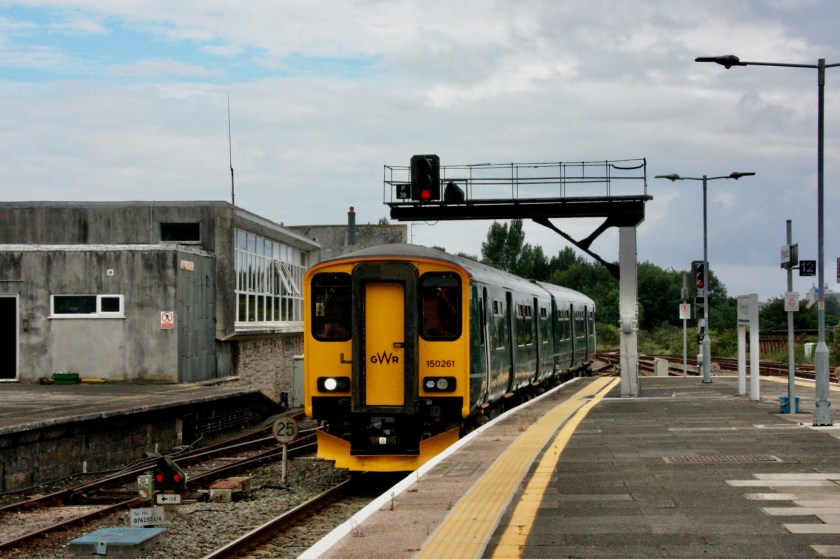
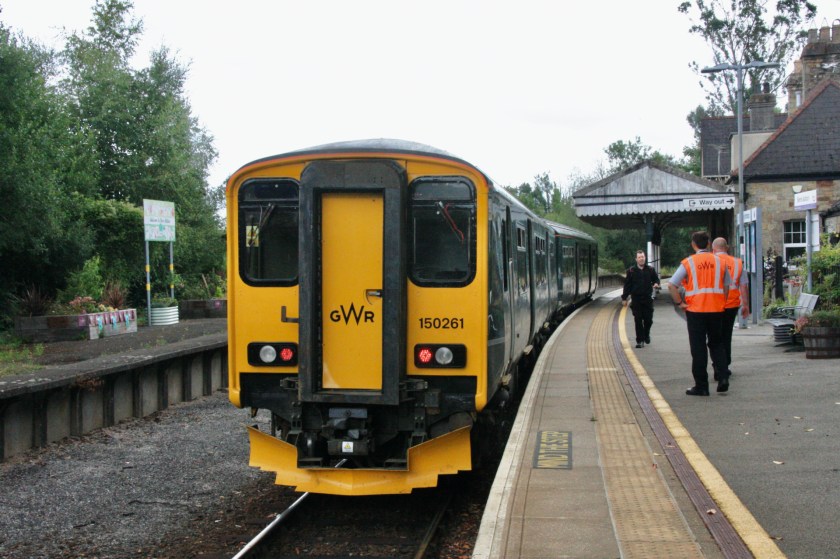
There are nine GWR Class 150-worked services each weekday along the Tamar Valley Line, which heads north along part of the former London & South Western Railway (LSWR) route from Plymouth to Exeter through the charming and isolated village and station at Bere Ferrers before reaching Bere Alston, where the train will reverse before heading on to Gunnislake.
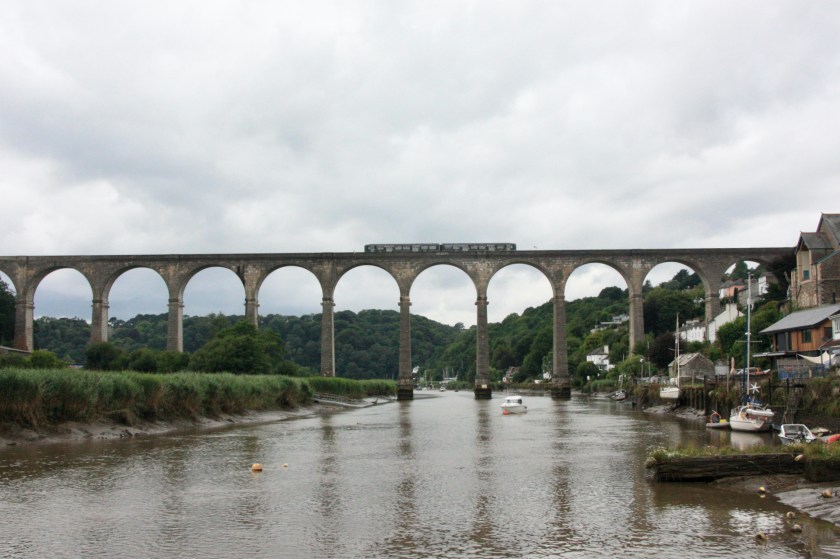
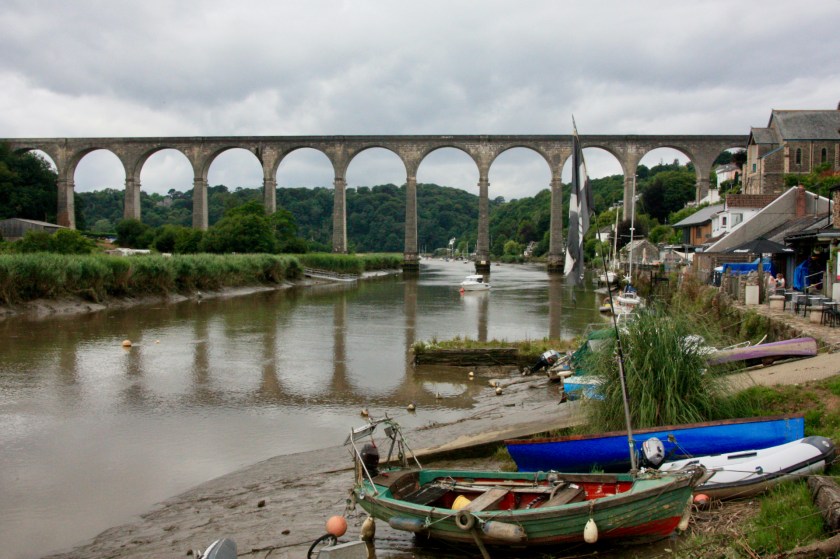
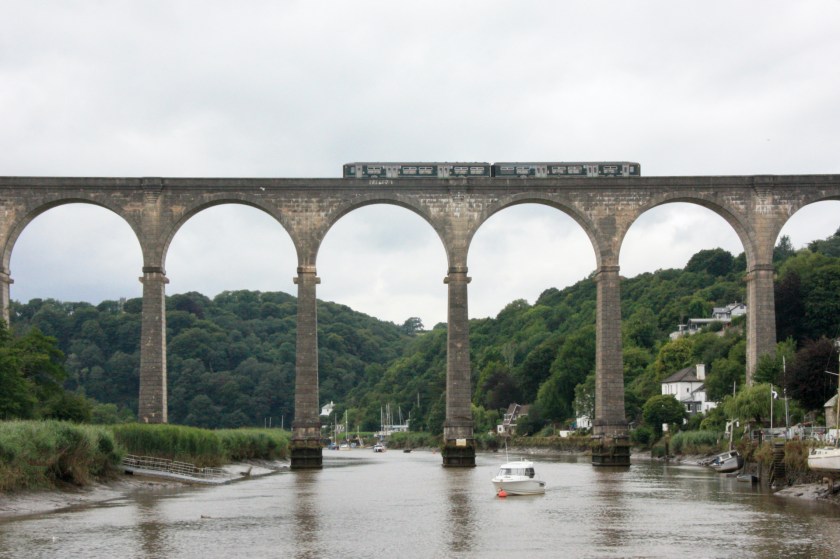
The 800ft long viaduct at Calstock is the first Tamar crossing north of the road and railway bridges at Saltash and towers 120ft high, above the river and village, comprising a total of 12 60ft wide arches. It was completed in 1908, is the largest structure ever built using concrete blocks, and has enjoyed a Grade II* Listing since January 1968.
Travelling slowly over the magnificent viaduct is an undoubted highlight of the
45-minute journey from Plymouth to Gunnislake, with Calstock village below, a glimpse of a National Trust property called Cotehele to the left, and a panoramic view of the village and the Tamar Valley, a designated Area of Outstanding Natural Beauty.
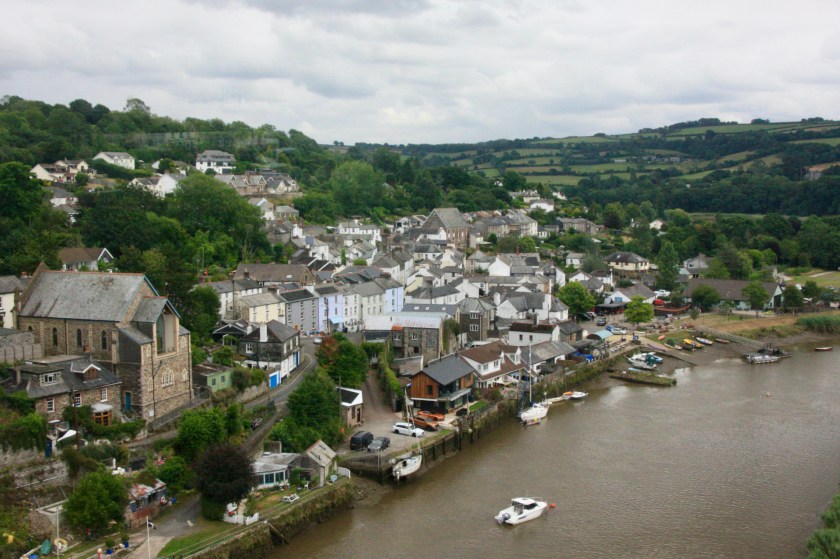
From Calstock station it is a fairly steep five-minute walk down to the delightful village and riverside, seen above, from where the best side-on view of the magnificent viaduct is from the walkway leading from the river bank to the new solar-powered Calstock Ferry, which is only able to operate when the tide is in.
Before arrival of the railway ended its importance as a port, Calstock was an important port, handling a wide range of goods, including locally-mined silver, as well as fruit, flowers, copper and tin. During the 1890’s around 20 cargo ships operated on the Tamar, and the village also became a destination for tourists travelling on paddle steamers from Plymouth.
Until the long talked about re-building of the LSWR route from Bere Alston to Tavistock happens the Tamar Valley Line operates on a “one engine in steam” basis, with drivers collecting the branch train staff from a locked cupboard on the platform at St. Budeaux Victoria Road station on their northbound journey and returning it to the cupboard on the trip back to Plymouth, when they will also call the signaller for route clearance.
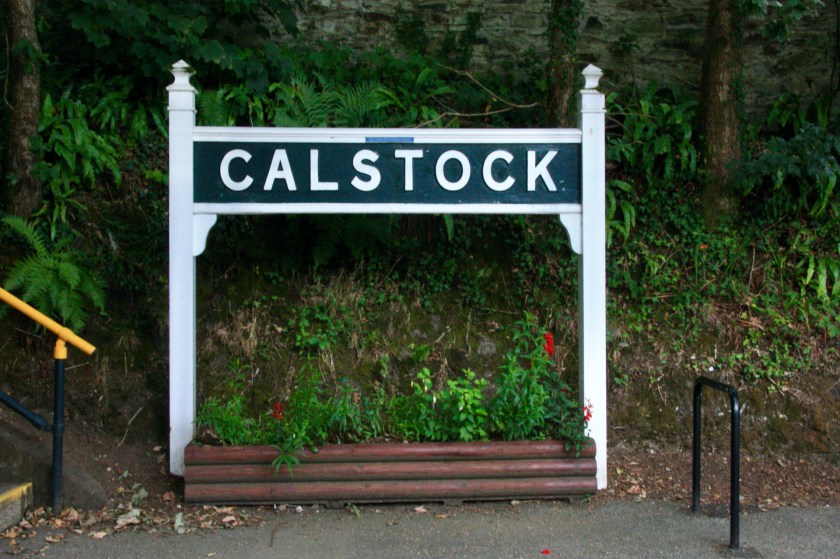
It was very disappointing not to find any tourist publicity for the Tamar Valley Line at Plymouth station, but passenger numbers seem pretty healthy, if my experience on 28 July 2025 was any guide. Calstock is a really delightful place to visit, and while visiting the waterside I can recommend The Tamar Inn, where I enjoyed a fine pint of St. Austell Brewery Cornish Best (3.4% / £5.20).

 RailwayWorld.net
One thought on “A call at Calstock”
Comments are closed.