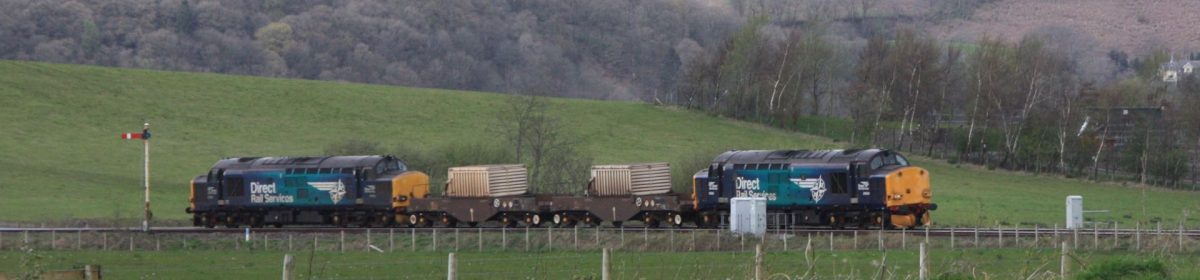
Loss of the semaphore signalling at Pembrey & Burry Port and Ferryside in October 2025 has left just two mechanically-signalled locations west of Cardiff in South Wales, at Tondu on the Bridgend-Maesteg branch line and at Pantyffynnon on the Heart of Wales Line from Llanelli to Craven Arms.
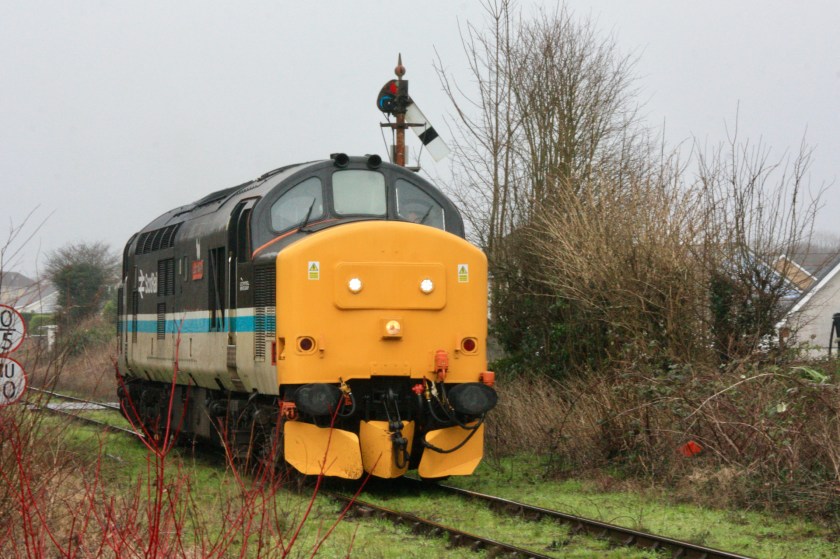
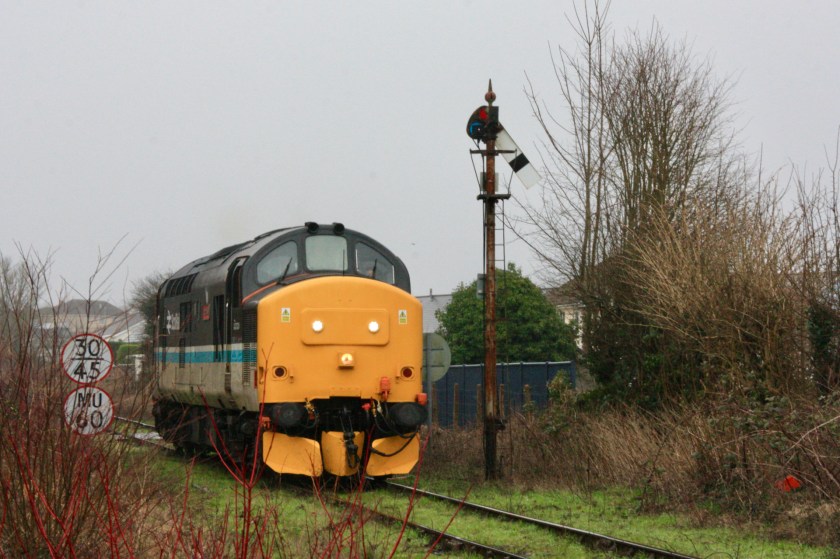
Having enjoyed time at Pantyffynnon when travelling the full length of Wales’ most scenic railway line in October 2024, I am tempted to make a return visit on 23 February 2026, after discovering that there is the prospect of capturing a LSL-owned Class 37 (37409) on a route-learning run from Crewe to Landore.
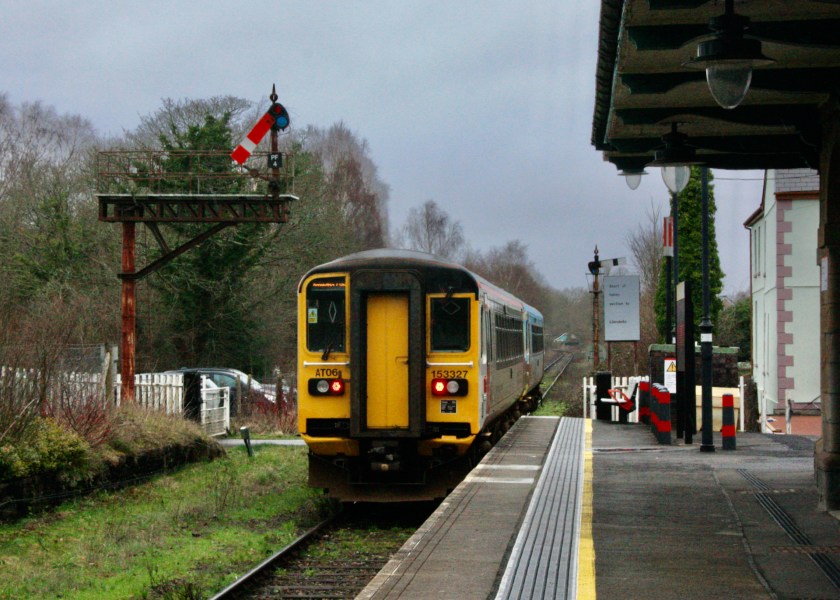
As I wrote after my previous visit, Pantyffynnon boasts a superbly restored and Grade II listed station building, along with a Grade II listed signal box (GWR, 1892) to the south, which is the nerve centre of the route, controlling a handful of semaphores around the station area, and monitoring numerous user-worked crossing along the entire line.
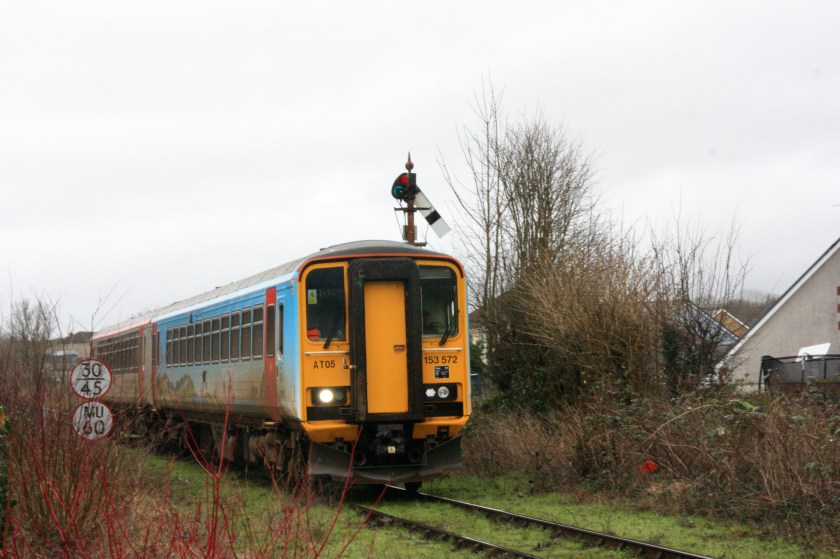
Pantyffynnon Signal Box also oversees 78½ miles of the Heart of Wales Line north to its junction with the Marches Line at Craven Arms, along which there are five stations with passing loops, where the train driver will alight and exchange tokens from a cupboard on the platform, under a system of working called No Signalman (Key) Token Remotely Controlled (NSTR).
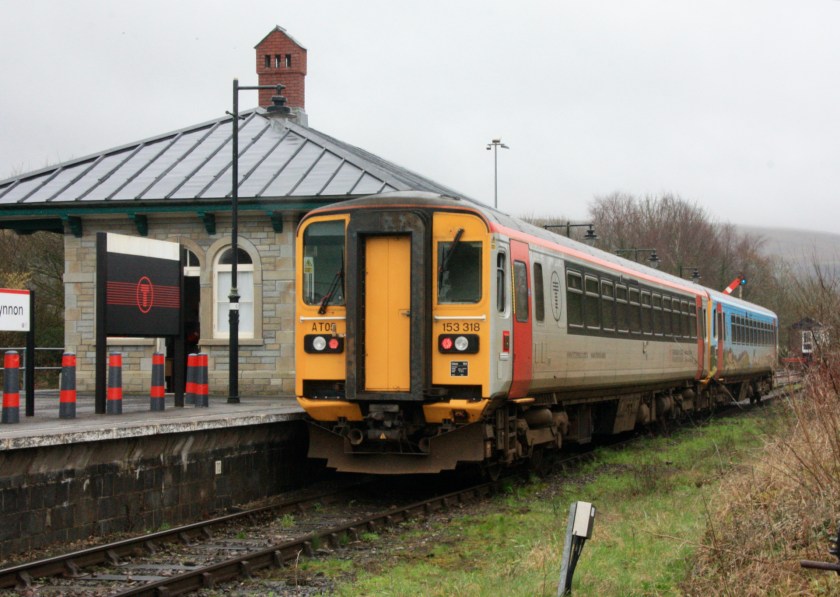
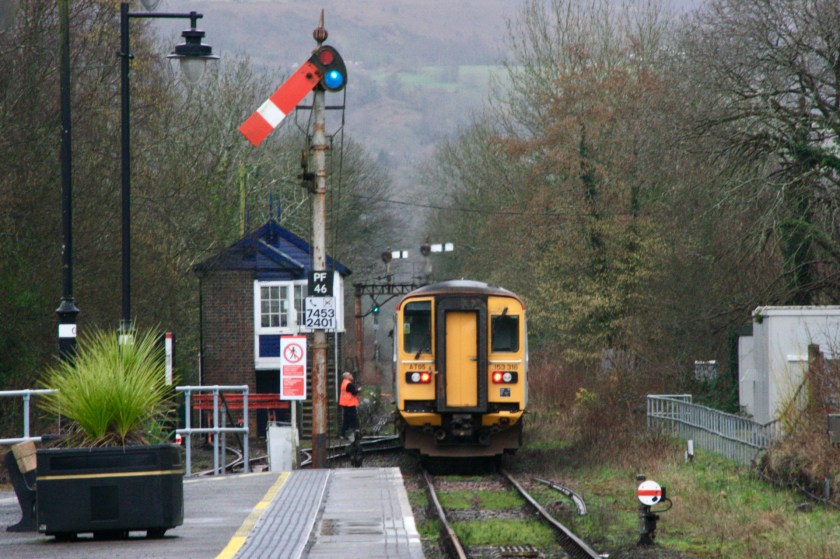
There are a total of six semaphore arms controlled from its 49-lever frame, with two in the southbound direction comprising outer home signal PF47 to the north of a level crossing next to the station and home signal PF46 at the south end of the station platform, just north of the signal box.
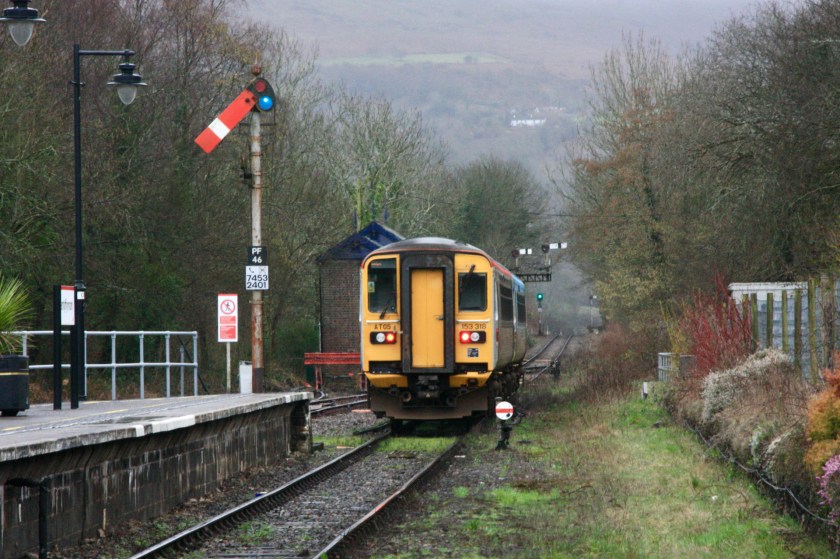
In the northbound direction is an outer home signal (PF2) then a bracket housing main home PF3 and subsidiary PF5 for access to the mothballed route to Gwaen-cae-Gurwen, and finally a bracket next to the level crossing for section signal PF4. All passing trains will all halt alongside the signal box to collect or surrender a token for the first NSTR section north to Llandeilo.
My last sighting of 37409 “Loch Awe” had been a month earlier (14 January 2026) when I captured it being towed with classmate 37401 through remote Garsdale on the Settle-Carlisle Line, en route from Carlisle for repair at Barrow Hill. But passing Pantyffynnon the BR ScotRail-liveried loco sounded great and was clearly back to full working order.
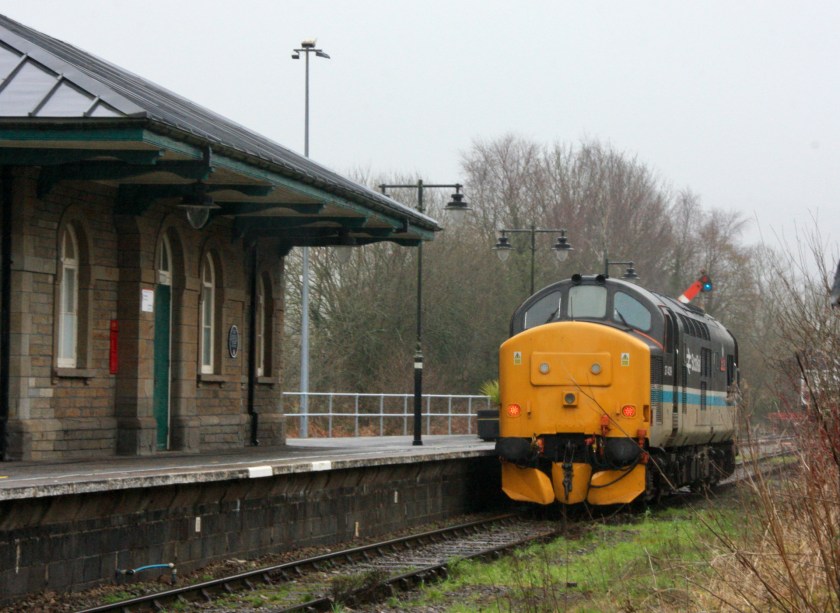
The LSL-owned loco was having a busy few days, according to its schedule on Realtime Trains, with an overnight stop at Landore depot followed the next day by two runs to Cardiff via the Vale of Glamorgan Line (Barry) before returning to Landore. Then on Wednesday (25 February) it was scheduled for a run up to Craven Arms and back via the Heart of Wales Line, before taking the same route again to return to Crewe on 26 February.
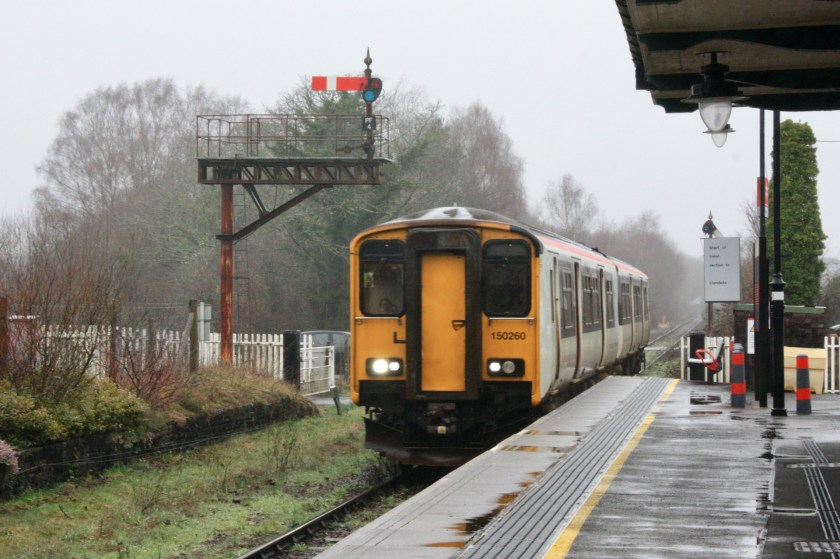
Regular TfW passenger services along the highly-scenic Heart of Wales Line comprise five weekday journeys along the full length of the route, with one short early morning working at the southern end of the route between Llandovery and Swansea and another at the northern end between Llandrindod and Shrewsbury. Saturday just sees the five full length journeys, while there are two full length round trips on Sundays.
Trains along the route are formed either of two-car Class 150 units, whose ranks with TfW are fast diminishing, or one of the six Active Travel (AT) pairings of two single car Class 153 units, one of which will have been converted for the carriage of ten bicycles or e-bikes. An issue of concern to cyclists, however, seems to be uncertainty over which services will be worked by AT sets and which by Class 150 units, which only have two cycle spaces.
 RailwayWorld.net
You must be logged in to post a comment.