Hello again, Helsby

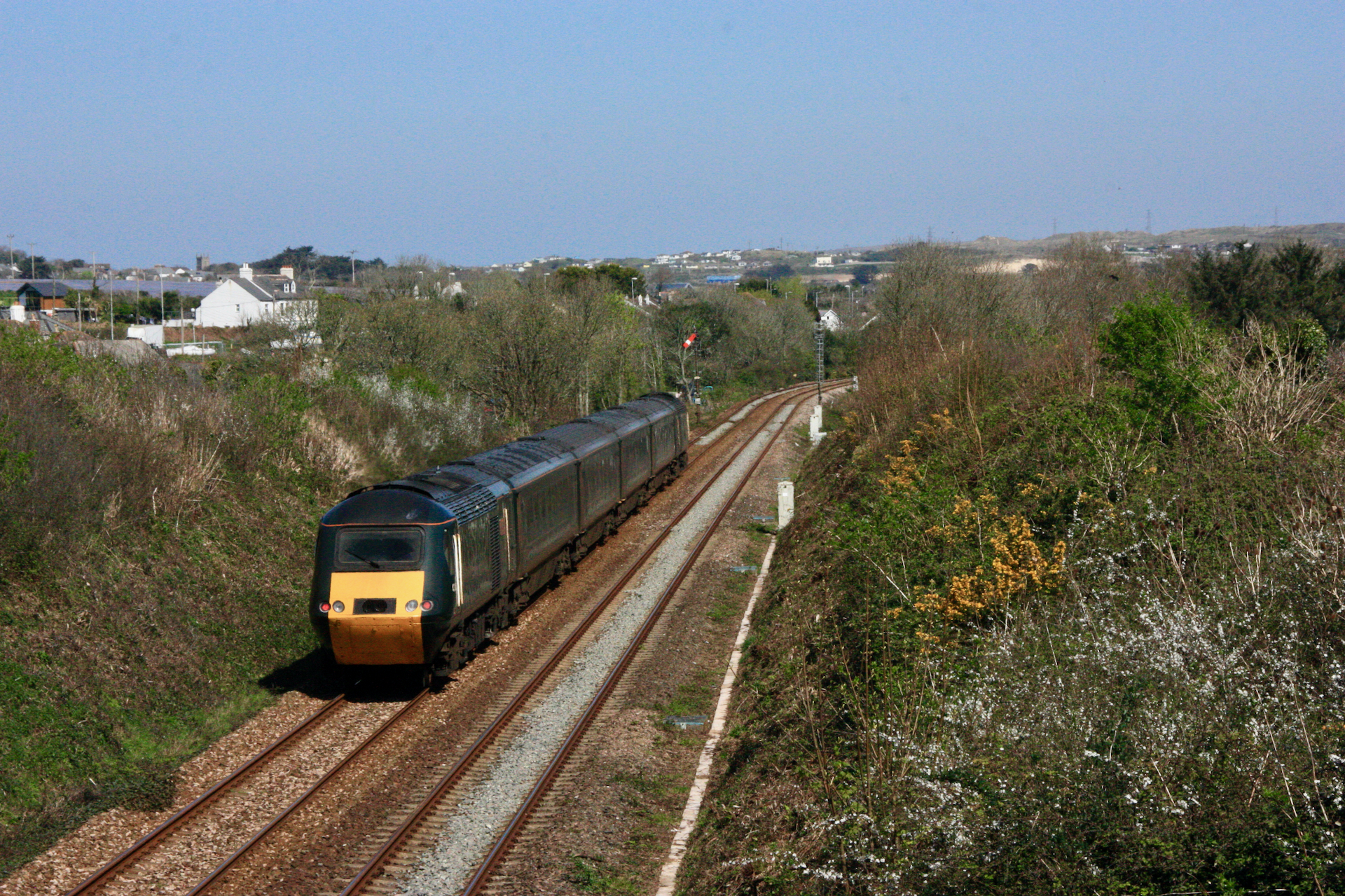
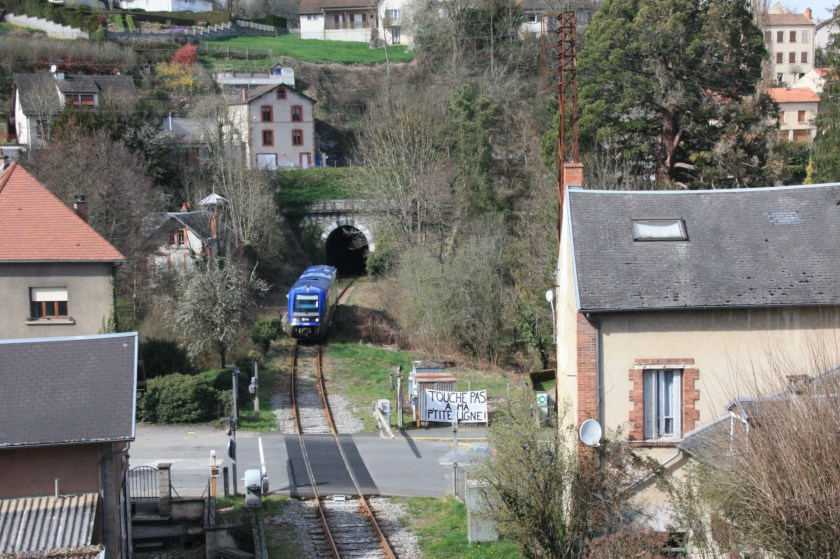
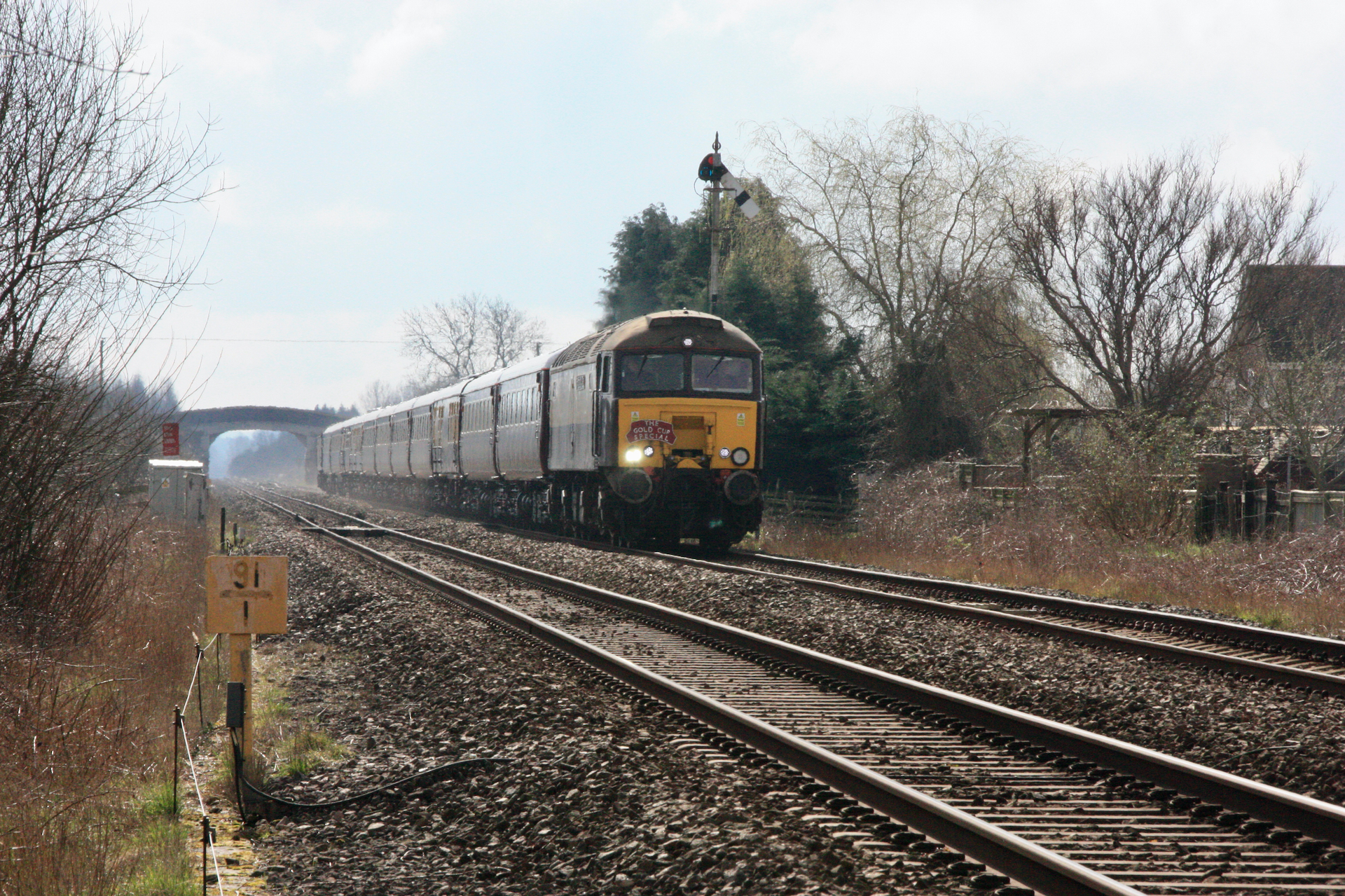
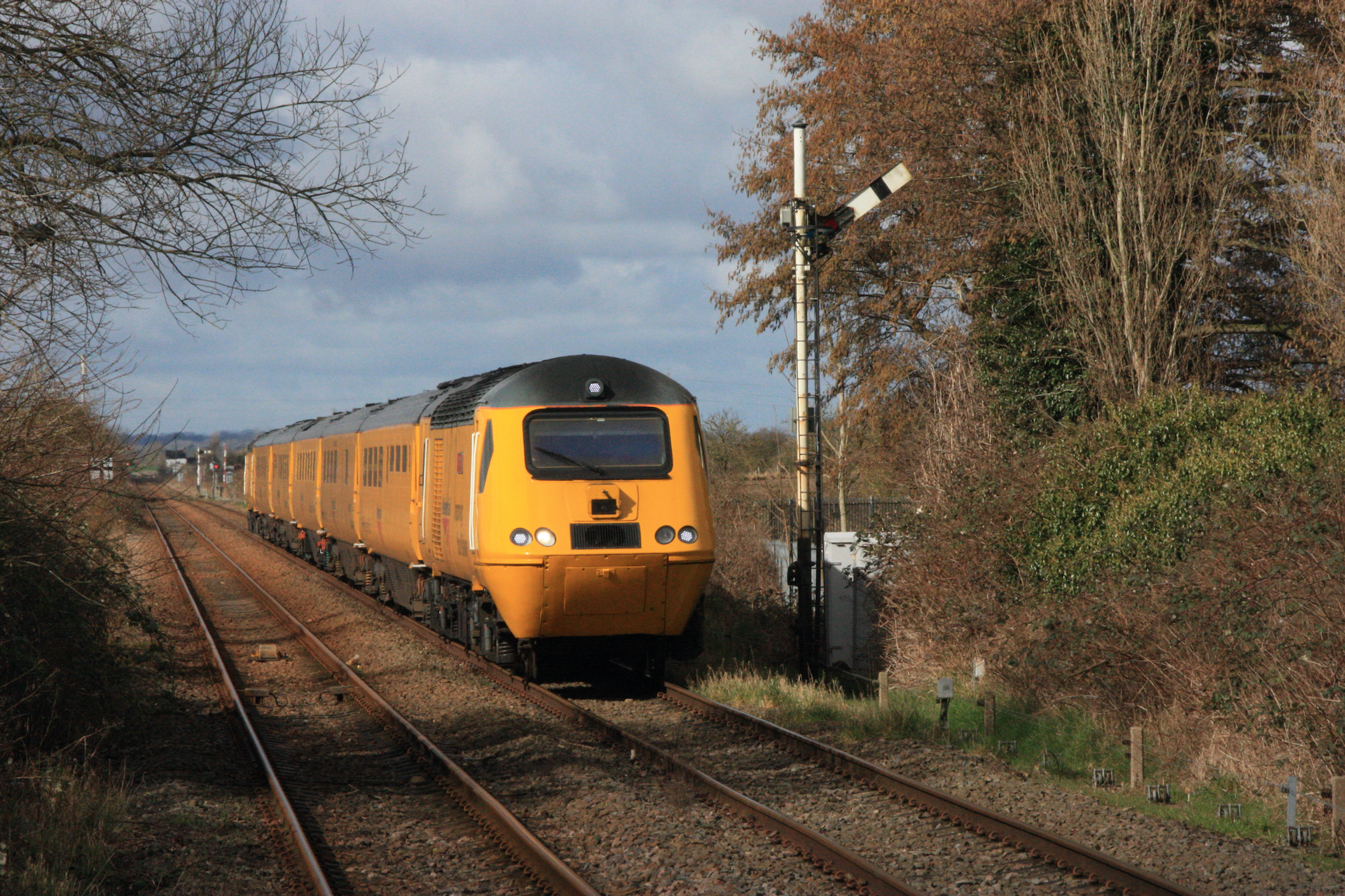
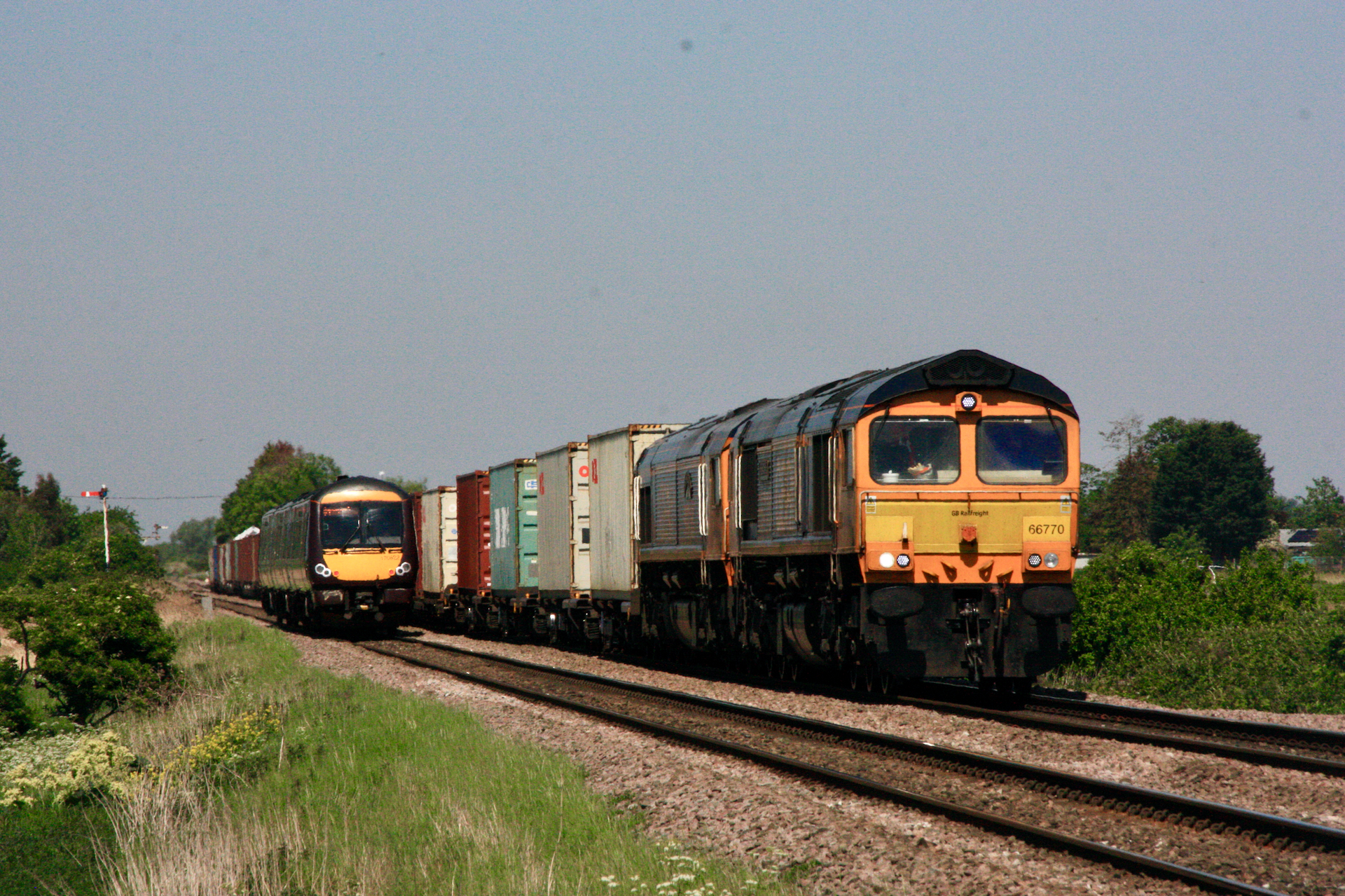
Freightliner 66601 passes co-acting signal HY38 with 6F91 from Ince & Elton to Basford Hall

Almost four years have passed since my last visit to Helsby Junction in April 2021, so it seemed high time to pay a return visit (Monday, 17 February 2025) to this charming, and last remaining, outpost of mechanical signalling along the route from Warrington Bank Quay to Chester.

Helsby boasts a Grade II-Listed London & North Western Railway (LNWR) Type 4 signal box that opened in 1900 as replacement for an earlier 1870s box. It stands on platforms 2/3 and shares its listing with the station building and waiting shelter dating from 1849. Following its renovation, the box won a National Railway Heritage Award in 2004.

Continue reading “Hello again, Helsby”

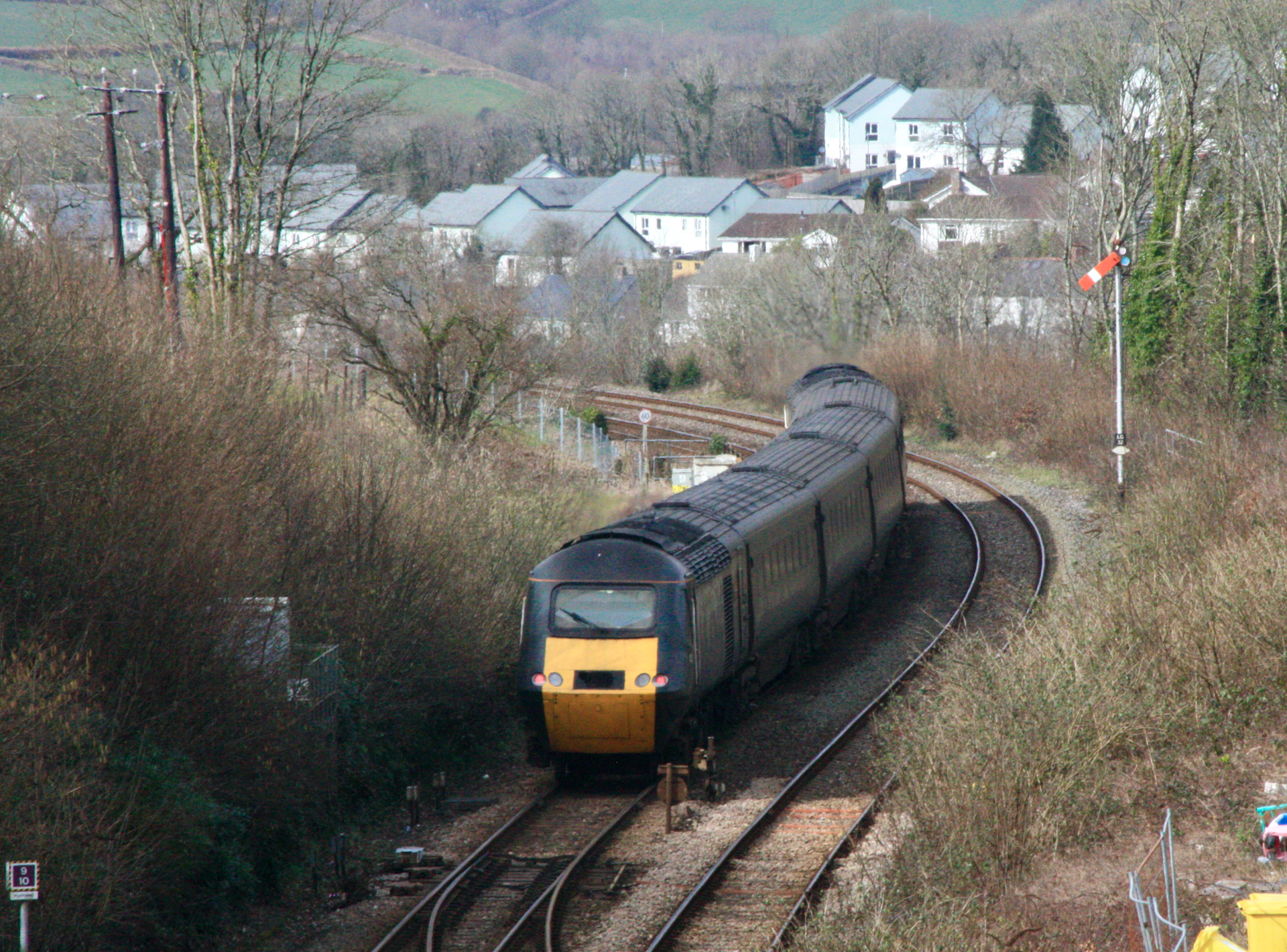
HST test train at Pembrey

Colas Rail 43303/357 accelerate away from Pembrey with NR test train 1Q16 to Derby RTC

A forecast of dry weather and the monthly visit of an HST-powered NR test train is enough to persuade me to pay another return visit to Pembrey & Burry Port on 12 February 2025, at the start of what is claimed by Network Rail (NR) will be the final year for its semaphore signals.

At the time of a previous visit to West Wales in October 2024, I had been told by the infrastructure owner that its aim was to have the over-running Port Talbot West 2 (PTW2) re-signalling project completed “by the end of 2025” although there is still very little evidence of work taking place.

Continue reading “HST test train at Pembrey”

The final days of Wherry Line semaphores

On the final day of semaphore control of the Great Yarmouth route (31 January 2020) 755327 approaches the Chapel Road Level Crossing down distant signal (CR1) with the 10.36 Norwich – Great Yarmouth service

Sunday, 2 February 2025 marked exactly five years since the 23.35 Lowestoft-Norwich service (2J99) brought the curtain down on a remarkable outpost of mechanical signalling, by being the last service to be signalled by the six signal and gate boxes between Lowestoft Central and Brundall Junction.

Having paid numerous visits to the charming Wherry Lines during the final weeks of mechanical signalling, this notable fifth anniversary seems like an appropriate excuse to look back at the fine collection of signal boxes and semaphores that had lasted many years longer than expected.

Continue reading “The final days of Wherry Line semaphores”

South Coast semaphores soldier on


Almost two years after the local authority granted Network Rail listed building consent to remove the two semaphore signal brackets at Bognor Regis there is still no sign of any replacement activity, and they continue to safely signal trains out of the South Coast resort, along with another pair at nearby Littlehampton.

My repeated attempts to get an official update on any re-signalling plans from Network Rail proved unsuccessful, but what was intriguing was to hear from one of the Bognor platform staff that the signal heads there had been replaced in the last few months, while those at Littlehampton also looked rather new.

Continue reading “South Coast semaphores soldier on”

Winter sunshine on the Isle of Wight

Four years after its promised transformation was begun with the pensioning off of the 1938-vintage Class 483 units on 3 January 2021, it is fair to say that things have not gone too well with rail services on the charming Isle of Wight.

An investment of £26 million in the 8½-mile route from Ryde Pier Head to Shanklin and the arrival of a new five strong fleet of two-car Class 484 units – created from former London Underground District Line D78 stock – were meant to herald a bright new future for Island Line.

Continue reading “Winter sunshine on the Isle of Wight”

Images of 2024

43188/042 depart Par on 19 January 2024 with 2P17 from Penzance (13.50) to Plymouth

This is my sixth annual look back at a year on our railway, as seen through the lens of my trusty Canon camera, a year that began with the sad loss of mechanical signalling at Par, Lostwithiel and Truro in Cornwall and ended in a chance to travel on the first weekday services to run on the Northumberland Line, one of two lines to re-open on our network during the course of the year.

It was a year too, when I paid visits to two locations where there is nothing but freight action and semaphore signalling, as well as paying return visits to a number of my favourite photographic locations, including Kingussie and Auchterarder in Scotland, the Poacher Line to Skegness, the Cumbrian Coast Line, Burry Port and Holyhead. Continue reading “Images of 2024”

A trip on the Northumberland Line

A near perfect reflection in the waters of the River Wansbeck as 158845 crosses North Seaton Viaduct (the Black Bridge) on 17 December 2024 with 2T18 from Ashington (10.00) to Newcastle

Railway re-openings look like being a thing of the past if the Labour Government continues to snub all the longstanding revival plans that had been coming to fruition, so after a trip earlier in the year to Leven I felt compelled to take a trip on the only other section of line to be re-opening in 2024.

Like the link to Leven in Scotland, the 18-mile Northumberland Line from Newcastle to Ashington has been the subject of a longstanding revival campaign, in this case stretching back more than a decade, and first raised by a former local Labour MP, Denis Murphy in 1999 and then in a Commons debate in January 2007.

Continue reading “A trip on the Northumberland Line”

Four South Wales signal boxes on borrowed time

A view of the vast 83-lever frame at Pembrey Signal Box with active levers at each end of the box

Re-signalling of the South Wales Main Line between Swansea and Carmarthen is running late, so after my latest feature on the surviving semaphores at Pembrey & Burry Port, it is a great pleasure to be invited by Network Rail to take a look at all four of the signal boxes that will be closed when the Port Talbot West 2 (PTW2) project is completed.

This is a remarkably varied quartet, with the most traditional being Pembrey and Ferryside, which both retain lever frames and semaphores, one at Kidwelly that is a curious hybrid, where a 1950s top has been built on an 1885 GW base, and finally the most modern of all being a BR (WR) structure from 1956 at Carmarthen Junction.

Continue reading “Four South Wales signal boxes on borrowed time”

New and old in North Wales

The new order at Holyhead: 805003/011 depart on 28 November 2024 with 1A26 (08.53) to Euston

One year on from my last visit and the lure of seasonally cheap hotel accommodation tempts me to chance my luck with the weather and spend a couple of days in North Wales, to witness the ever-changing railway scene and some of its surviving semaphore signals.

Basing myself at the Holyhead Travelodge (27-29 November 2024) my aim was to photograph some of the new Avanti (AWC) Class 805 Evero bi-mode units that are now replacing Class 221 Super Voyagers on Euston-Holyhead services, along with the seasonal Class 56-worked RHTT and an HST-powered NR test train.

Continue reading “New and old in North Wales”

Working semaphore distant signals at Heckington

Down distant signal HN15 is pulled off as the Network Rail test train 1Q49 passes on its trip  to Skegness

More than three years after my last visit (June 2021), the irregular appearance of a Class 43-powered Network Rail test train makes the perfect excuse to pay an overdue return on Thursday, 21 November 2024 to delightful Heckington, first station east of Sleaford on the Poacher Line to Boston and Skegness.

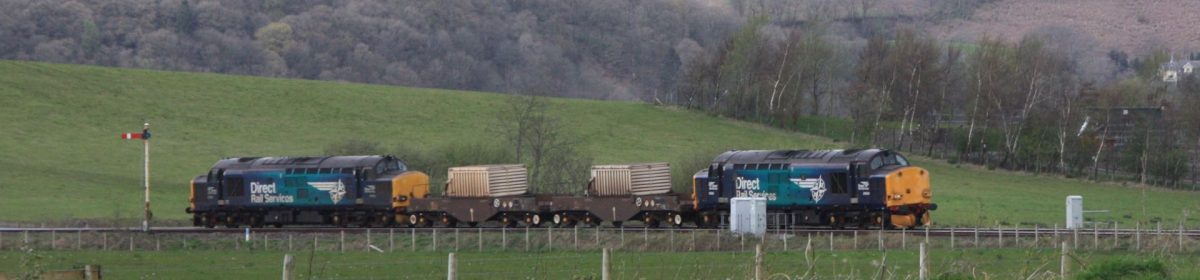
Having been lucky enough to see another NR test train, the Class 37-powered Ultrasonic Testing Unit (UTU) at Skegness in October, my main aim this time was to photograph a different type of test working passing both the down distant signal, which is only pulled off for trains not calling at Heckington, and the up distant signal some way east of the station.

Continue reading “Working semaphore distant signals at Heckington”