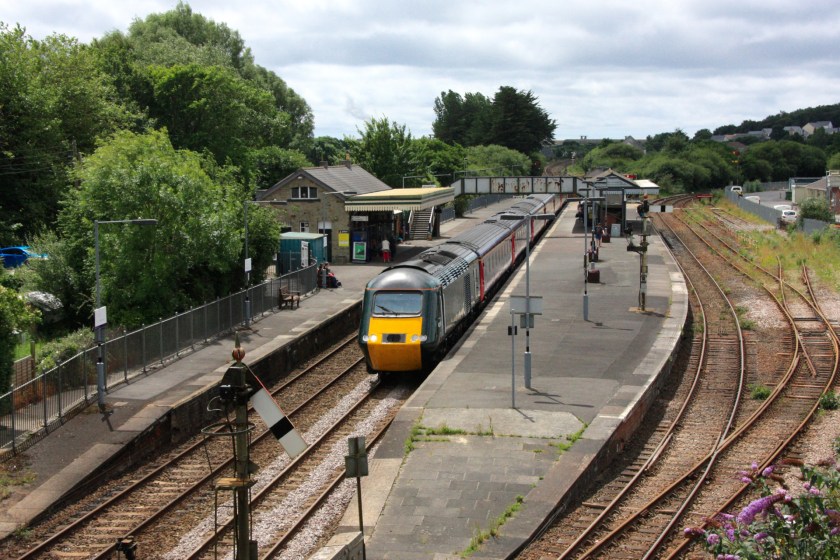
 Par is one of four junction stations in Cornwall that is still controlled by manual signalling (along with Liskeard, Truro and St. Erth) but arguably the most important as there are numerous through trains onto the 20 3/4 mile Newquay branch on summer Saturdays, with one on high summer weekdays (The Atlantic Coast Express) and two on Sundays.
With its listed signalbox at the south end of platforms 2 and 3 and numerous semaphores to be seen from the station platform and nearby road bridge, it makes a great spot to spend some time, particularly with the nearest signal box and photo spots being at St Blazey, less than ten minutes’ walk away. Continue reading “Favourite photo-spots: Par & St Blazey”
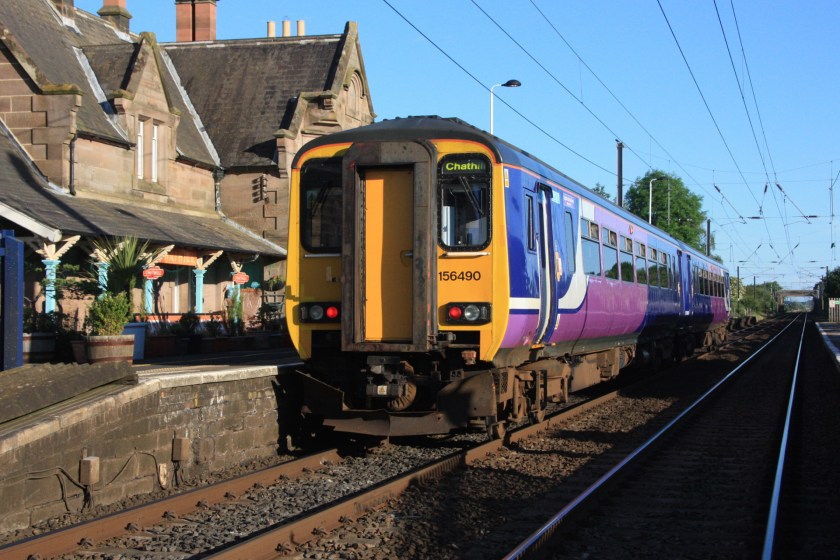 Every morning at around 06.45 an empty two-coach train arrives at the remote, and delightfully preserved, Northumbrian station of Chathill – 11 1/4 miles north of Alnmouth on the East Coast Main Line and the most north-easterly place to be served by Northern Rail. After a brief pause it carries on many miles northwards to cross over onto the up line at a former station called Belford, before returning to become the 07.08 commuter service from Chathill to Newcastle.
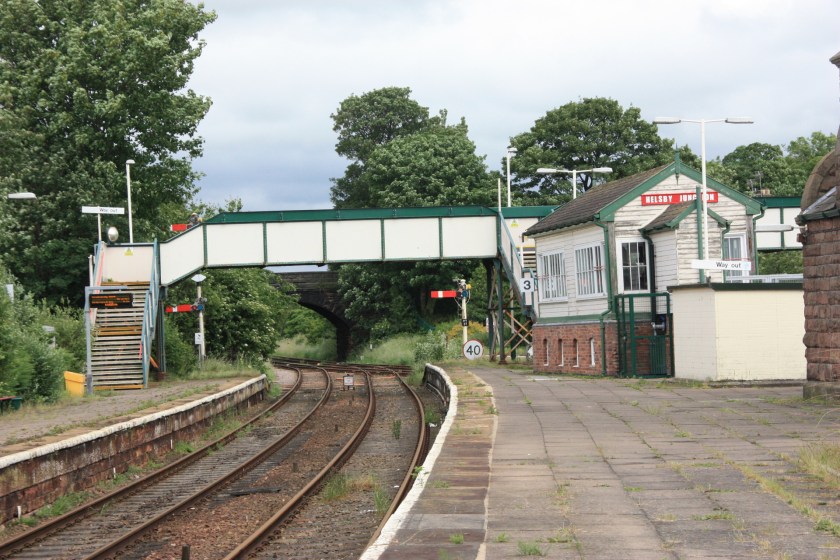 Co-acting signals were once a reasonably common feature on the UK rail network – that is signal posts with two arms, one at low level and one located much higher up, so that drivers could always see one or other of the signal arms when there was an obstruction, such as the station footbridge (pictured above), which would obscure the driver’s sight line to a signal at conventional height.
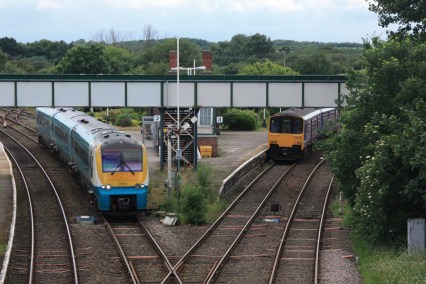 Today there are only three such signals left on the whole of Network Rail, and having previously had the chance to visit the ones at Cantley, on the Norwich-Lowestoft line in East Anglia and one at Greenloaning, just north of Stirling in Scotland, it was a great pleasure to be able to see and photograph the third of this trio at Helsby, a delightful and unspoiled junction station, roughly midway between Warrington and Chester.
 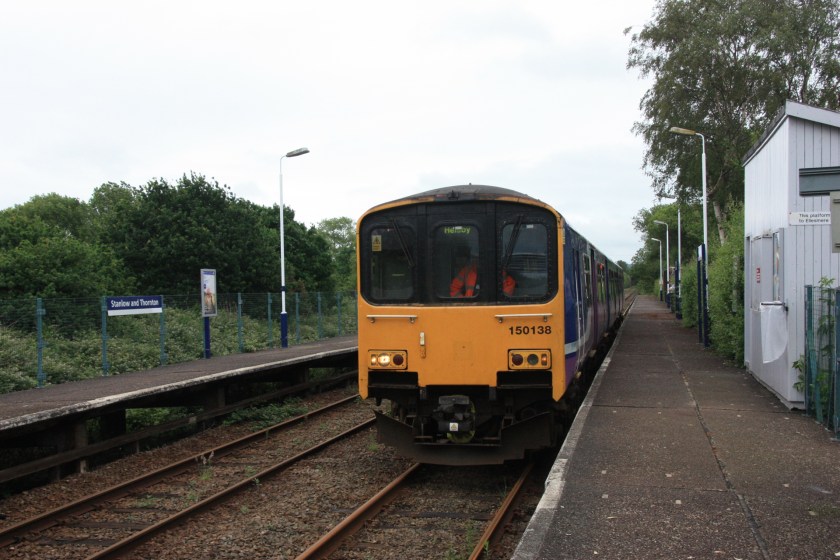 Anyone fed up with fighting for a seat on their daily commute, or their longer distance journey, would be amazed if they were to take a trip by train to a station serving the huge Essar Energy oil refinery at Stanlow on the south bank of the Manchester Ship Canal. Stanlow & Thornton station is officially one of Britain’s least used stations, recording a total of just 88 passengers in 2015/6, or little more than one a week.
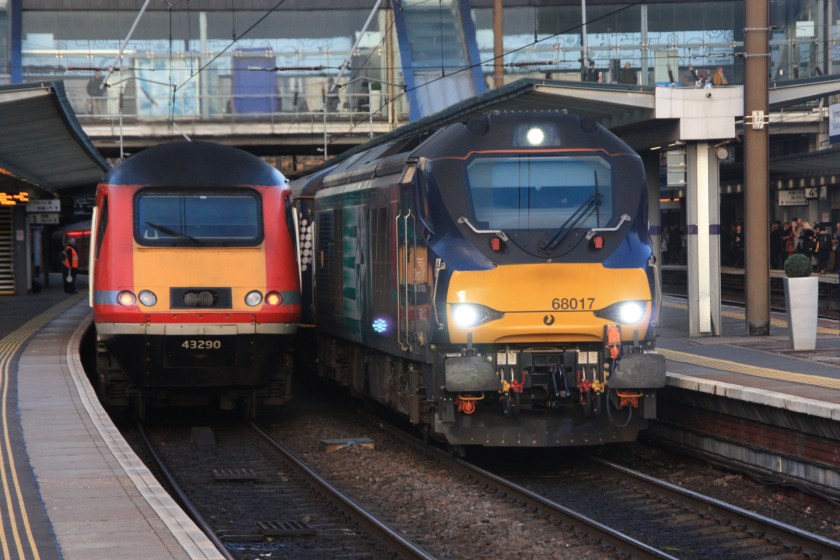 Transport has hardly captured headlines in an election campaign dominated by Brexit, dementia tax and NHS funding, yet there are some interesting comments and pledges within the partly manifestoes, notably the Labour Party’s proposal to renationalise the railway network by progressively resuming control of passenger services through not re-letting franchises as they expire. This is a theme echoed by the Green Party, which simply pledges a return of the railways to public ownership, without any detail whatsoever about how this might happen, or what it might cost.
 RailwayWorld.net
You must be logged in to post a comment.