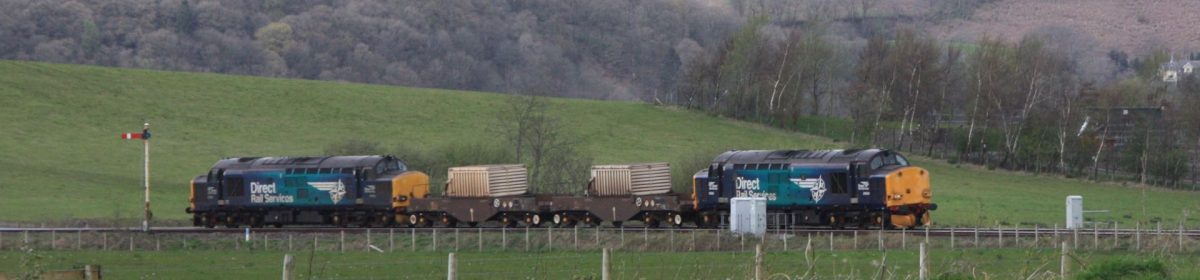
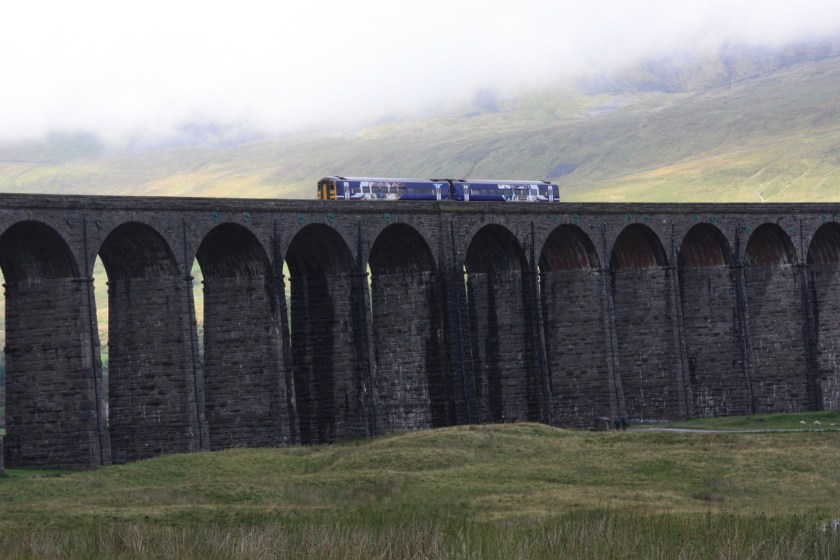
 My nationwide quest to photograph Britain’s last mechanical signalling, in connection with a new book project, has brought me back to the Settle & Carlisle line, that amazing 72 miles of line between Settle in North Yorkshire and Carlisle in Cumbria, which 30 years ago was under sentence of death.
Reprieve in 1989 has been followed by many years of effort by the Friends of the Settle & Carlisle Railway to sustain the interest which that closure threat generated, and to build a new generation of travellers, both tourists and local users of the many stations on the line that were re-opened, and which now play a key role is sustaining and developing this remarkable tourist corridor. Continue reading “Mixed traffic on the Settle-Carlisle line”
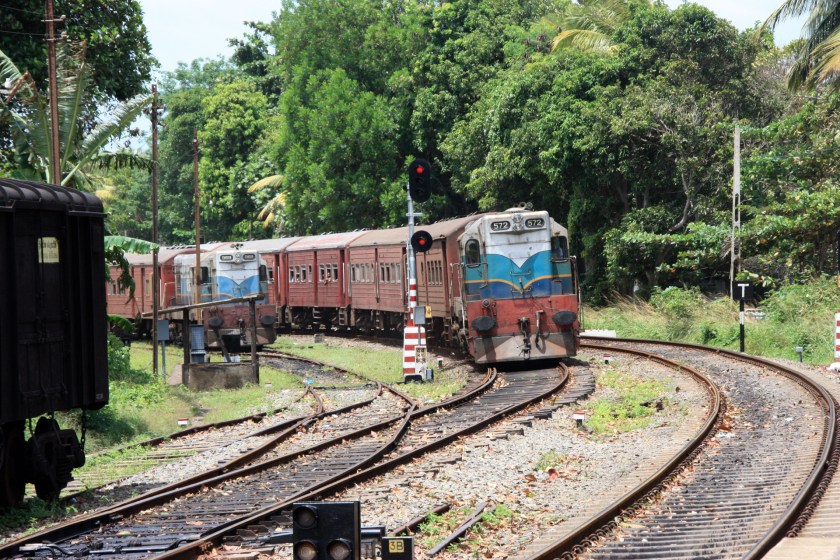 Sri Lanka’s extensive broad gauge (5’ 6”) railway network not only boasts a great deal of classic mechanical signalling (see my earlier “Eye Kandy” post) but also offers some magnificently scenic rail journeys at absurdly cheap fares, and an interesting variety of rolling stock, imported from places as far afield as the US and Japan.
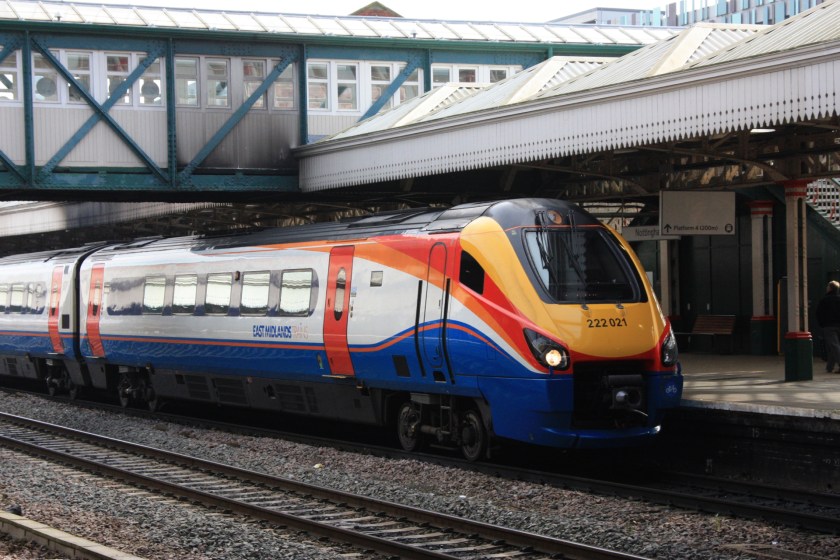 Citizens of Nottingham, Leicester and Derby now know the true cost of High Speed Two. After an endless on/off saga they now know that they will not be able to travel on modern high speed electric trains to the capital and that their Midland Main Line will become the only major route from London that is not electrified.
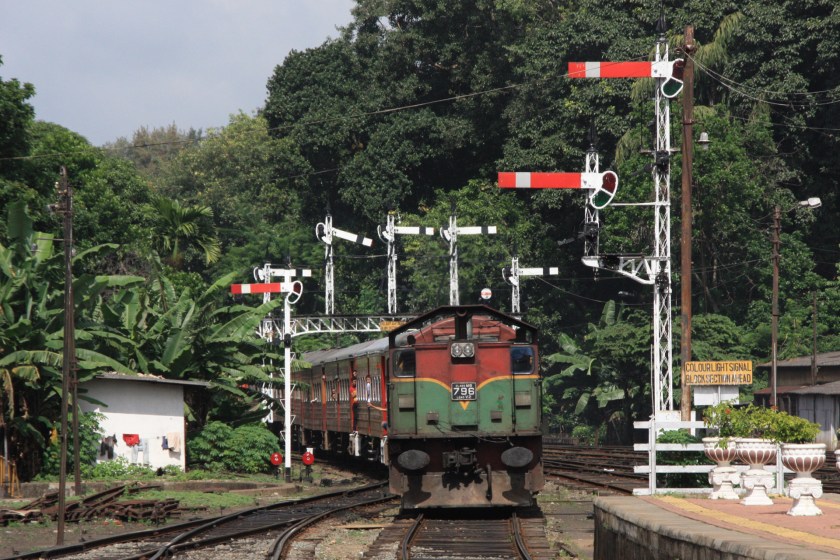 Take a three hour train trip from Colombo’s Fort station to Sri Lanka’s second city, Kandy, and there are plenty of reminders of the amazing legacy which Victorian railway pioneers left to this former outpost of the British Empire. While the train itself is likely to be one of the modern Chinese-built S12 diesel units dating from 2012, the bargain priced ticket (190 Rupees second class, or just under £1.00) will be a classic Edmondson card, like all the tickets issued at ticket offices throughout the country.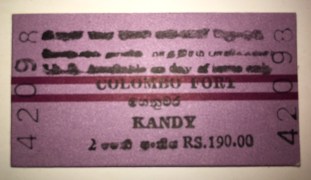
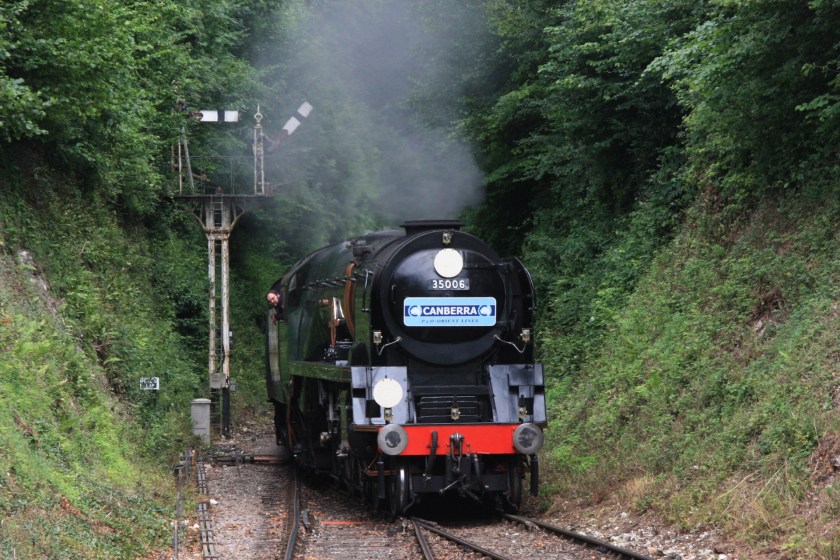 Fifty years ago this week-end – on Sunday, 2 July 1967 – I stood by the line close to Basingstoke station while my father photographed the farewell to Southern steam specials from London Waterloo to Bournemouth, hauled by Merchant Navy Class locos 35008 Orient Line, 35028 Clan Line and West Country Class loco 34025 Whimple.
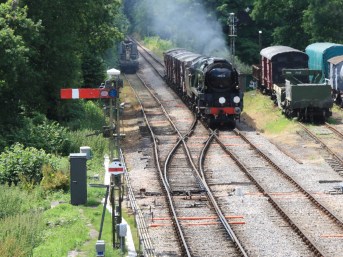 Half a century on there was a fabulous reminder for me of that fateful day, at the Summer Steam Gala on the Mid-Hants Railway (Watercress Line), where in less than two hours at Medstead & Four Marks station – at 652 feet the highest station in southern England – it was possible to see even more Bulleid Pacific action than I had watched from the line-side on that day back in 1967.
 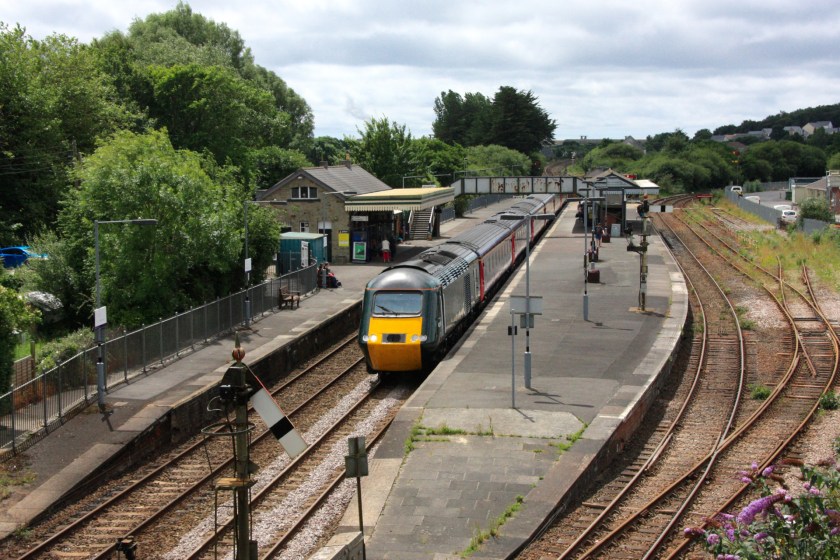 Par is one of four junction stations in Cornwall that is still controlled by manual signalling (along with Liskeard, Truro and St. Erth) but arguably the most important as there are numerous through trains onto the 20 3/4 mile Newquay branch on summer Saturdays, with one on high summer weekdays (The Atlantic Coast Express) and two on Sundays.
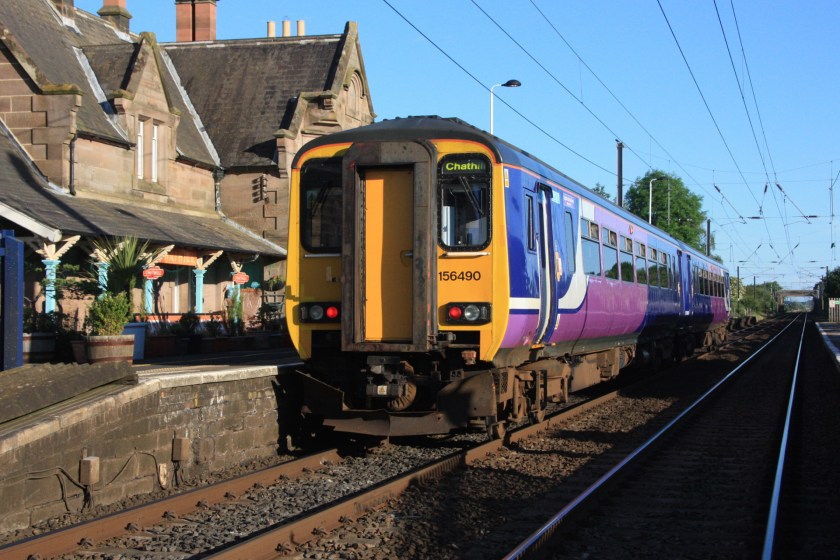 Every morning at around 06.45 an empty two-coach train arrives at the remote, and delightfully preserved, Northumbrian station of Chathill – 11 1/4 miles north of Alnmouth on the East Coast Main Line and the most north-easterly place to be served by Northern Rail. After a brief pause it carries on many miles northwards to cross over onto the up line at a former station called Belford, before returning to become the 07.08 commuter service from Chathill to Newcastle.
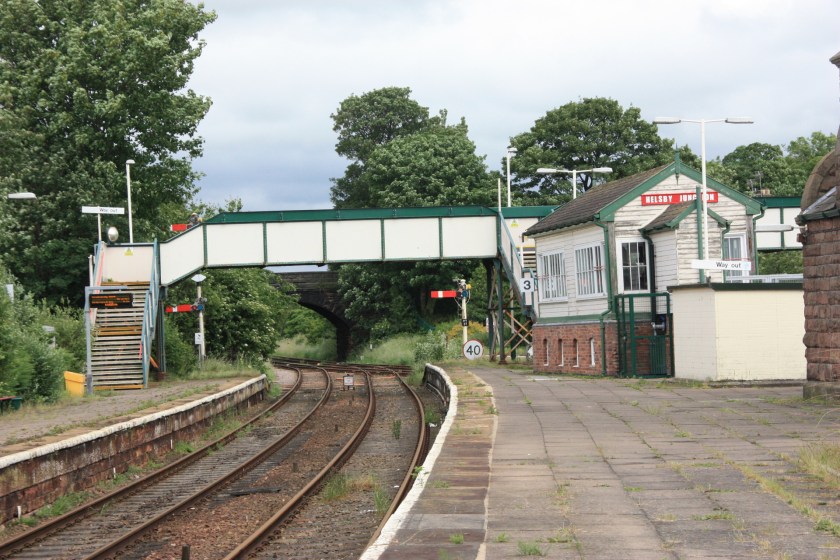 Co-acting signals were once a reasonably common feature on the UK rail network – that is signal posts with two arms, one at low level and one located much higher up, so that drivers could always see one or other of the signal arms when there was an obstruction, such as the station footbridge (pictured above), which would obscure the driver’s sight line to a signal at conventional height.
 Today there are only three such signals left on the whole of Network Rail, and having previously had the chance to visit the ones at Cantley, on the Norwich-Lowestoft line in East Anglia and one at Greenloaning, just north of Stirling in Scotland, it was a great pleasure to be able to see and photograph the third of this trio at Helsby, a delightful and unspoiled junction station, roughly midway between Warrington and Chester.
 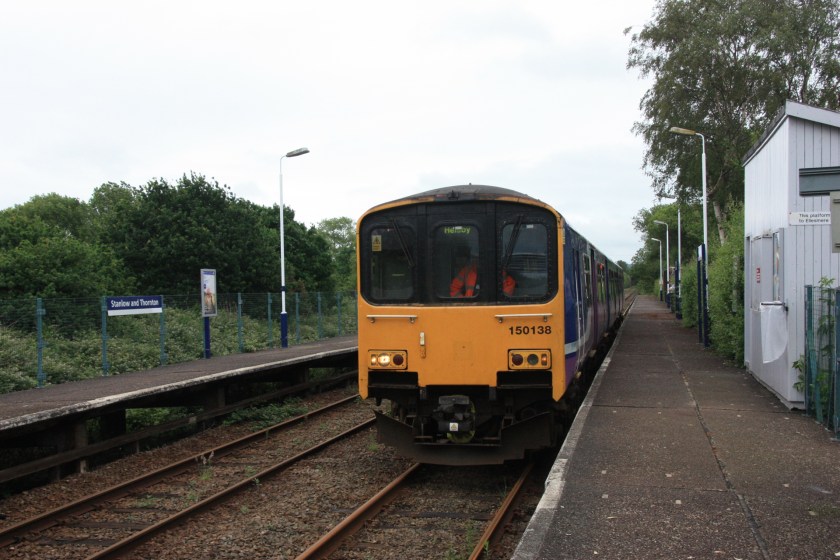 Anyone fed up with fighting for a seat on their daily commute, or their longer distance journey, would be amazed if they were to take a trip by train to a station serving the huge Essar Energy oil refinery at Stanlow on the south bank of the Manchester Ship Canal. Stanlow & Thornton station is officially one of Britain’s least used stations, recording a total of just 88 passengers in 2015/6, or little more than one a week.
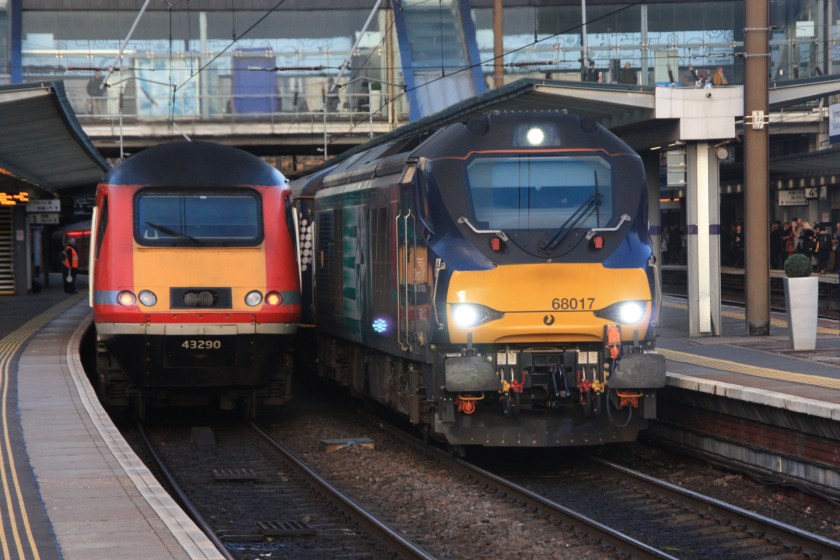 Transport has hardly captured headlines in an election campaign dominated by Brexit, dementia tax and NHS funding, yet there are some interesting comments and pledges within the partly manifestoes, notably the Labour Party’s proposal to renationalise the railway network by progressively resuming control of passenger services through not re-letting franchises as they expire. This is a theme echoed by the Green Party, which simply pledges a return of the railways to public ownership, without any detail whatsoever about how this might happen, or what it might cost.
 RailwayWorld.net
You must be logged in to post a comment.