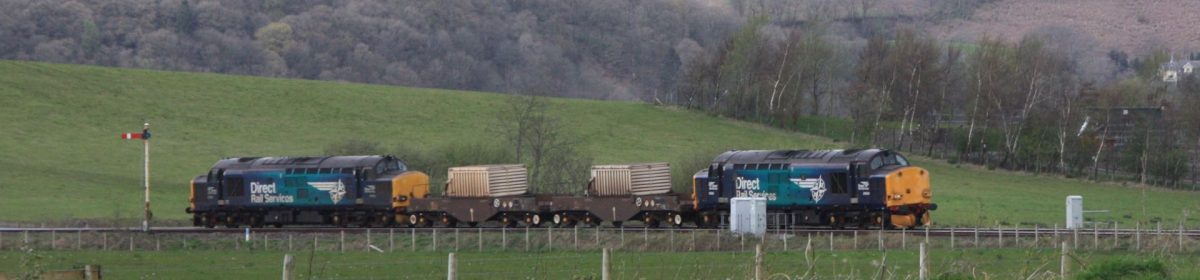
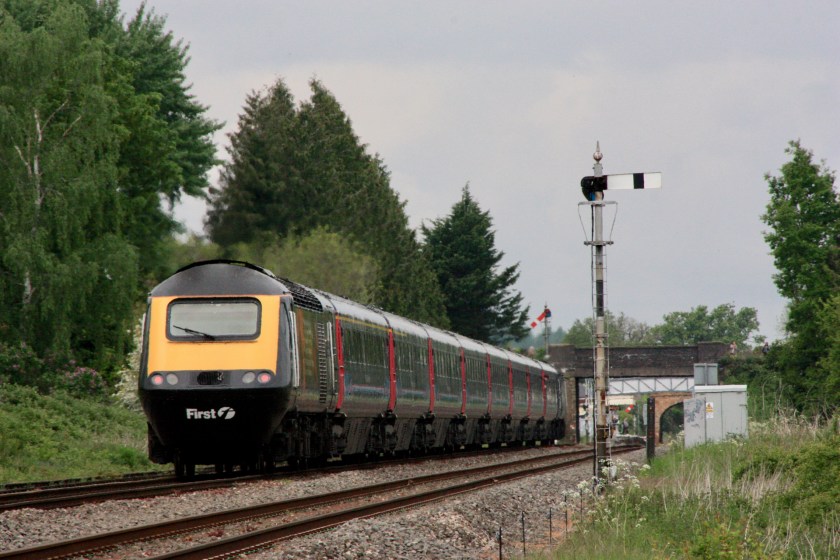
Bidding farewell to the GWR HSTs on Saturday, 18 May, I decided to avoid the crowds at Paddington for the four evening departures. Instead, I opted to witness last day operations on the two routes that I know best, the Cotswold Line from Oxford to Worcester and the Golden Valley route from Swindon to Cheltenham Spa.
First up was a trip to Moreton-in-Marsh, a place I featured last month with its current IET Class 80x series-operated services. My aim was to get there early enough to photograph the 11.22 ex-Paddington from a good vantage point I had discovered south of the station then photograph its 15.29 return departure, as the last-ever up HST service from Moreton. Continue reading “Cotswold lines bid HSTs good-bye”
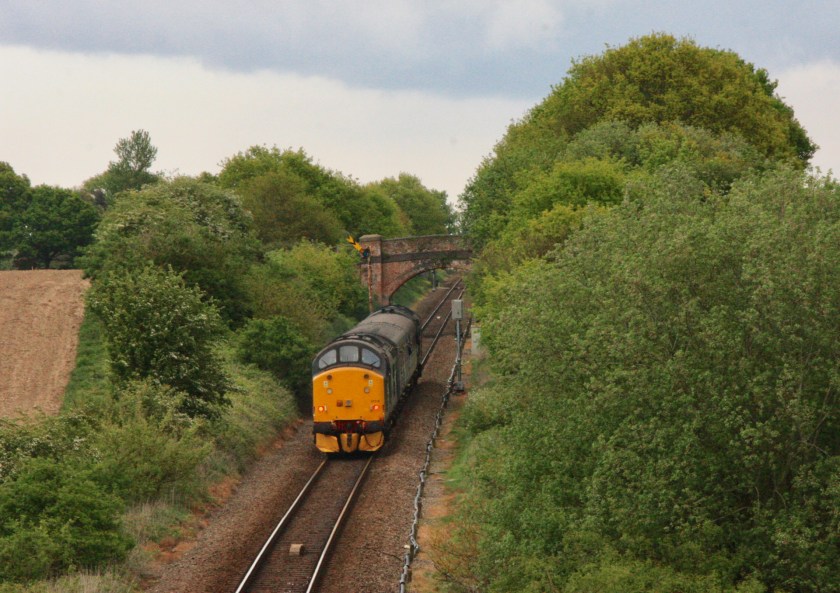 While the wait goes on for its newly-installed colour light signalling to be commissioned (see my previous post “A Wherry big delay”), one feature to savour on the Wherry Lines in Norfolk is the remarkable number of working semaphore distant signals.
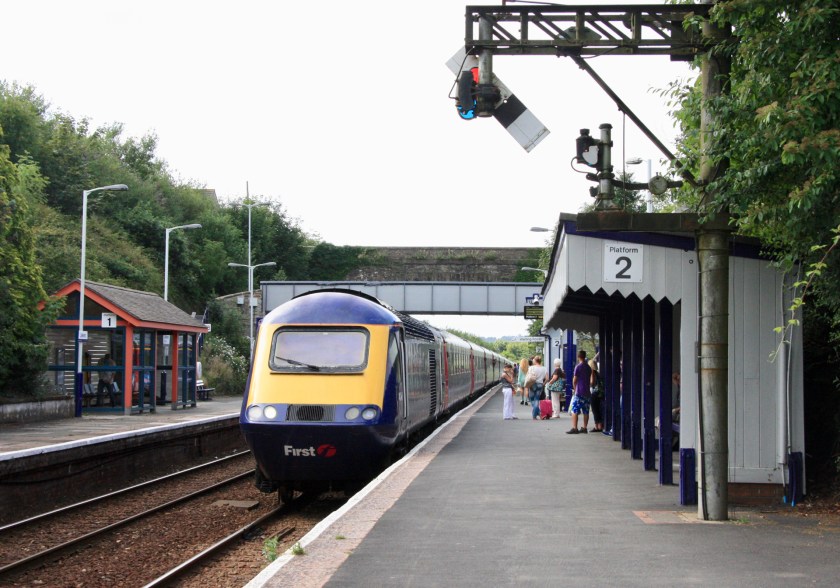 Hard to believe after 40 years, but in less than three weeks’ time long-distance High Speed Trains (HSTs) will make their final journeys on the GWR network, going out in style with a planned four departures from Paddington between 18.03 and 18.30 on Saturday, 18 May 2019.
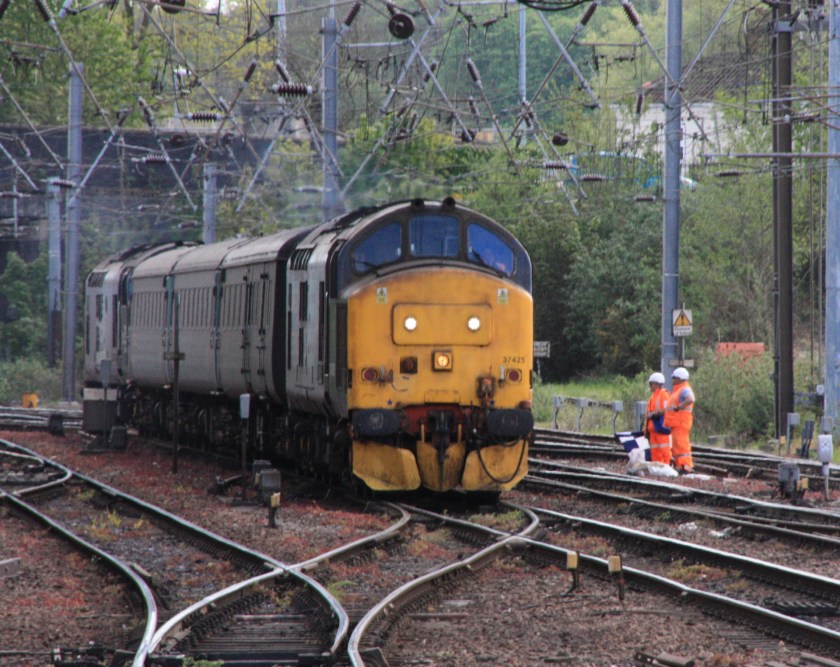 Re-signalling of the charming Wherry Lines in Norfolk was due to be completed about now, but this £67m project has joined Crossrail and Great Western electrification in falling hopelessly behind schedule.
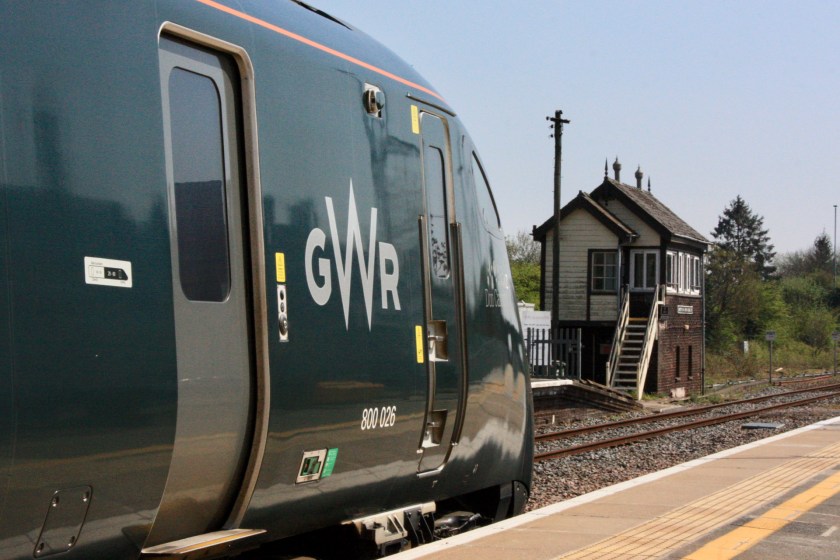 Paying an Easter Saturday (20 April 2019) visit to Moreton-in-Marsh there had been a fair bit of change since my last visit almost two years ago, when the rolling stock featured in photos accompanying my August 2017 blog included Class 166 and 180 units as well as the now fast-disappearing HSTs.
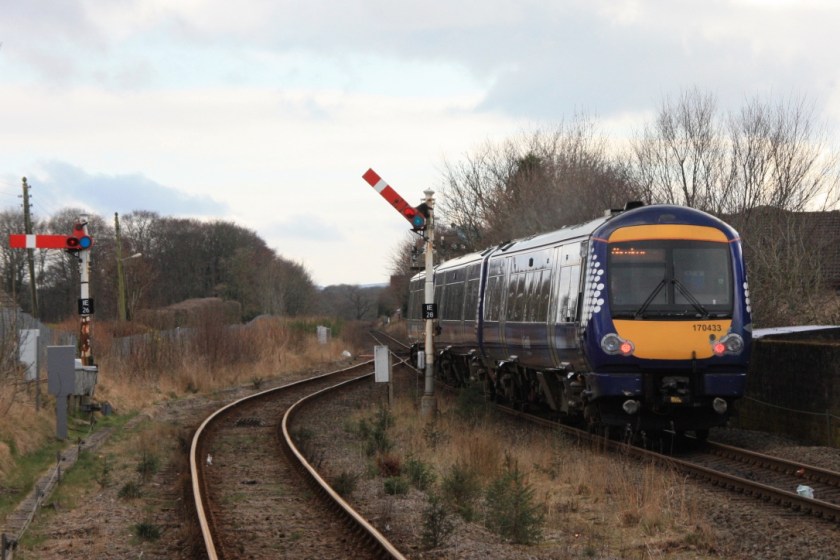 After the recent completion of re-signalling at Pitlochry and Aviemore, another of Scotland’s wonderful manual signalling outposts will disappear this summer, when completion of Phase One of a £170 million programme to upgrade the Aberdeen to Inverness route will see the loss of semaphores at Inverurie.
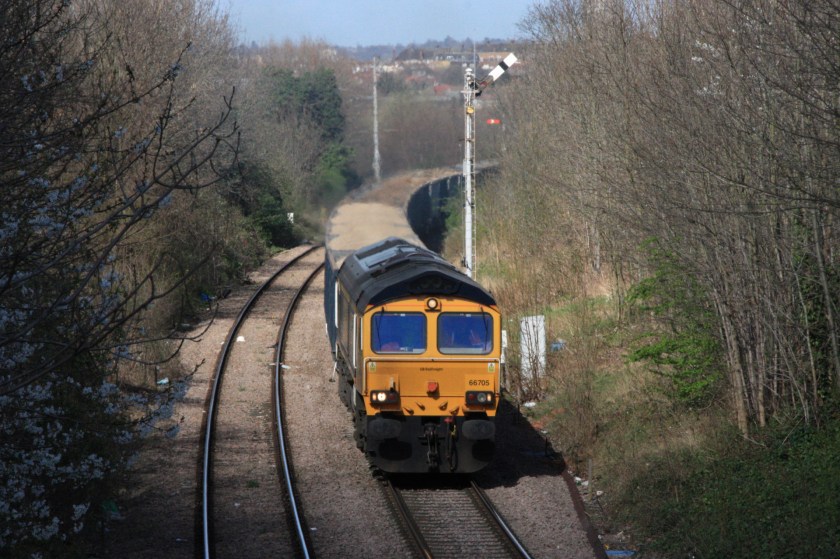 There are very few places to watch the flow of freight traffic along one of London’s forgotten arteries – the four-mile long Dudding Hill Line from Acton to Cricklewood – but pick of the bunch must be the bridge on Craven Park just north of Harlesden station.
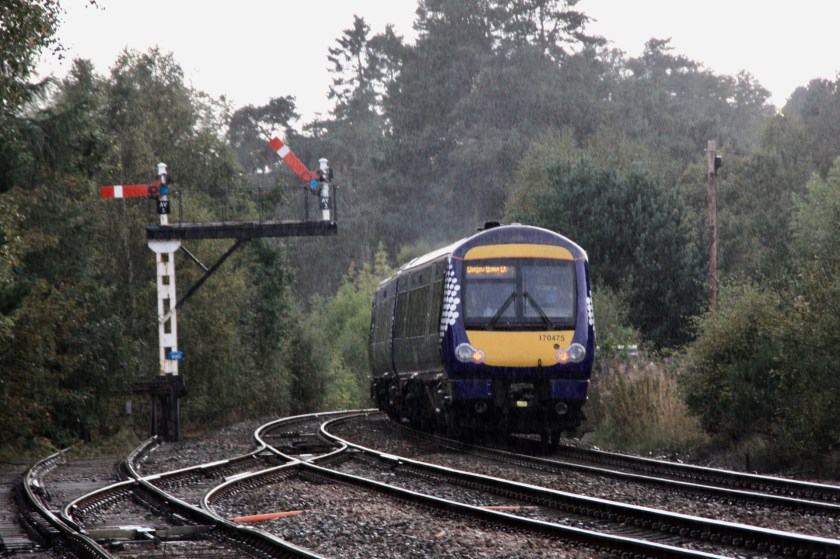 Completion this month of what is known as Highland Main Line Upgrade Phase Two will see the disappearance of semaphore signalling at two locations along the magnificent route from Perth to Inverness.
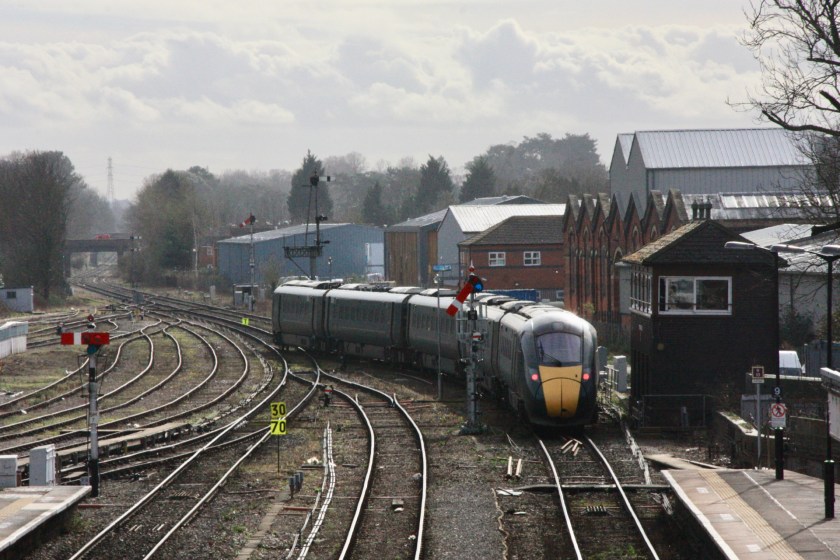 For a chance to savour Britain’s finest collection of lower quadrant semaphore signals, and a number of other unique historic features, it is well worth spending a few hours on and around Worcester’s two stations, Shrub Hill and Foregate Street.
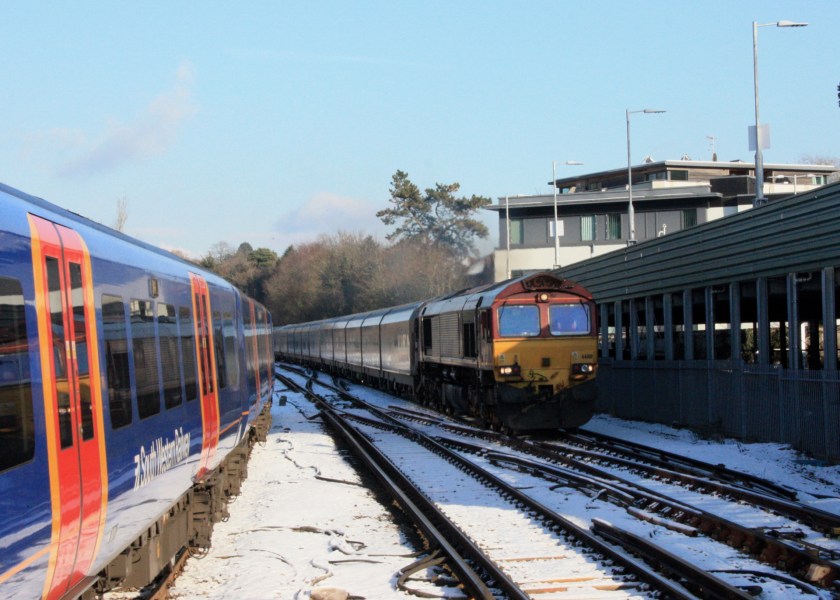
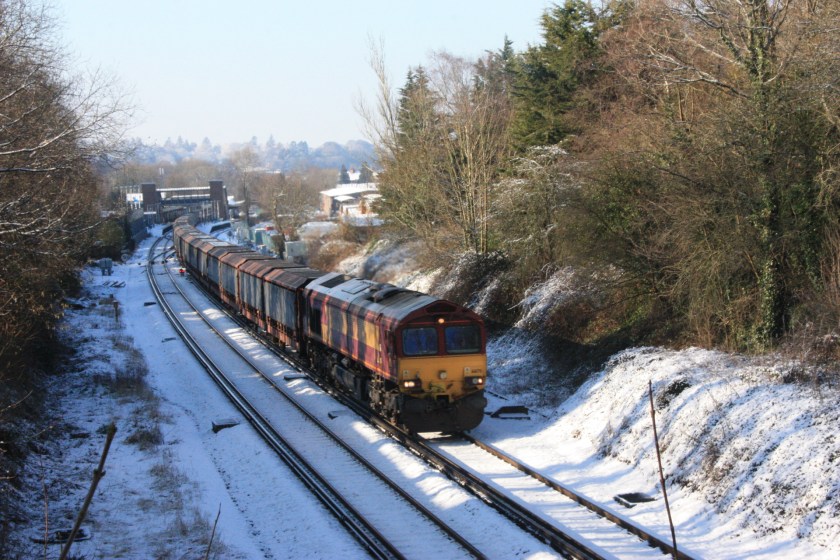
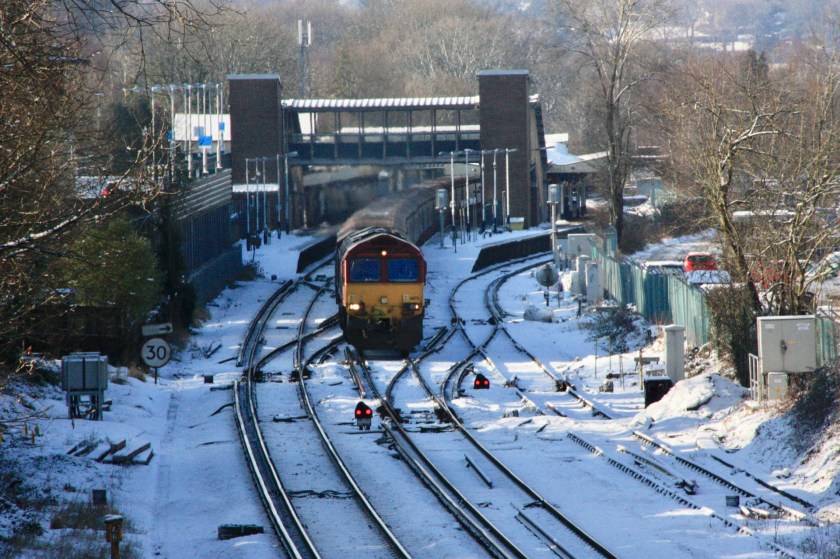 Freight services made a re-appearance on the Portsmouth Direct Line on Saturday (2 February), when engineering work in the Southampton area led to a handful of car-carrying services to and from Southampton Docks being diverted along the route through Haslemere and Guildford.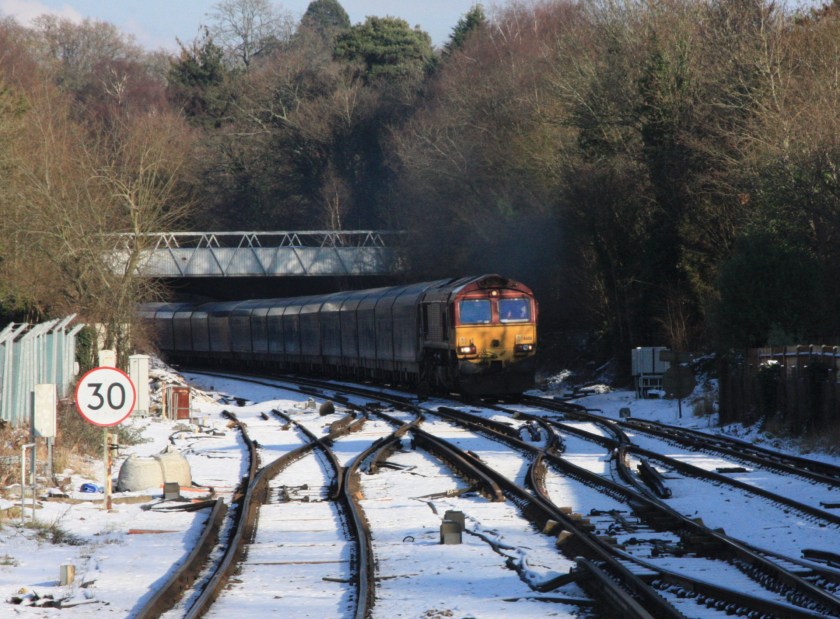
 RailwayWorld.net
You must be logged in to post a comment.