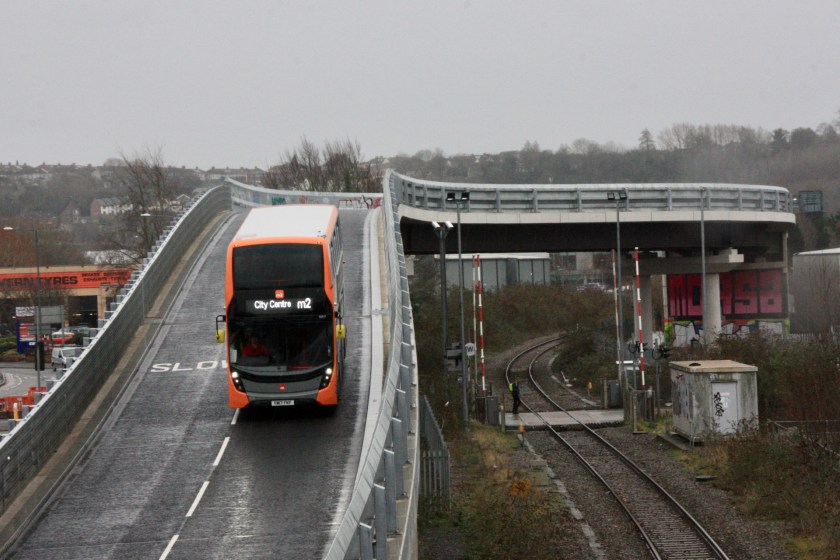
Anyone who had spent one hour 50 minutes on a bus travelling the ten or so miles from Cribbs Causeway shopping centre to Temple Meads station, as I did this week, would realise how serious Bristol’s traffic congestion has become.
Whilst my choice of a 73 bus, rather than the shiny new m1 metrobus and its route via the M32 motorway, inevitably slowed my journey, it still took around half an hour longer than scheduled and underlines the need for some radical action. Continue reading “Metrobus yes, but where’s the metro train?”
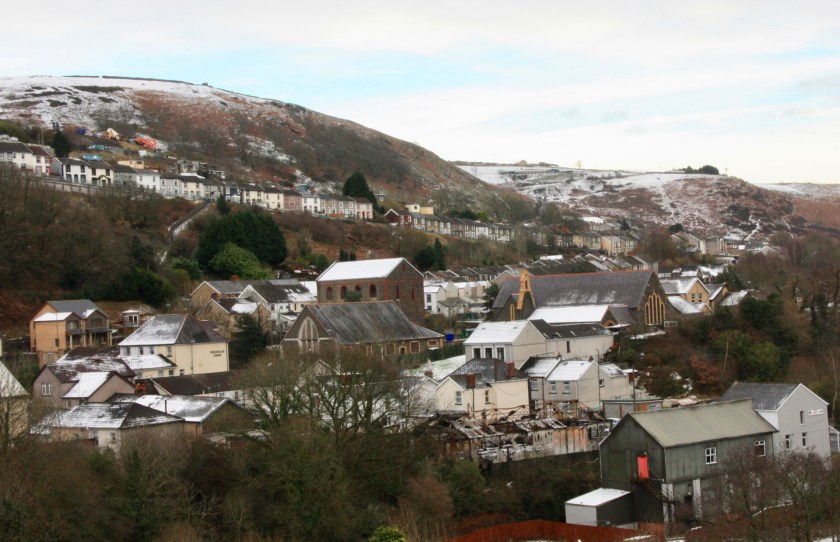
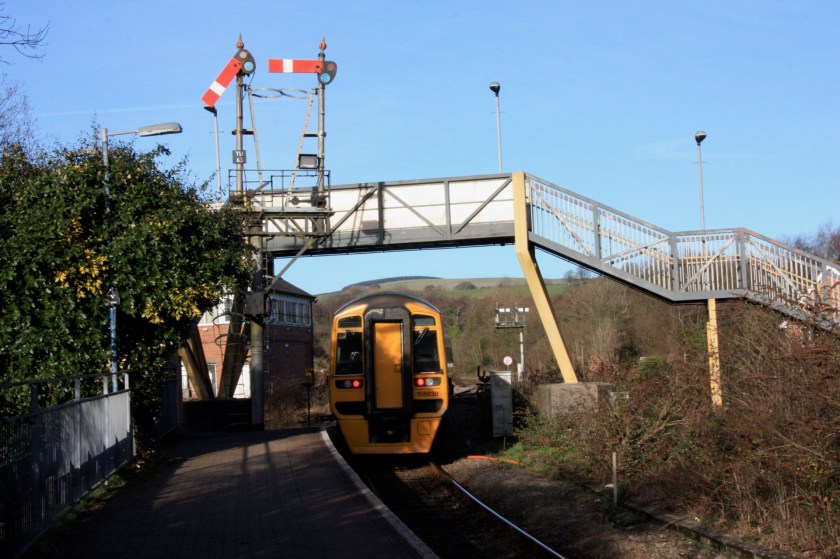
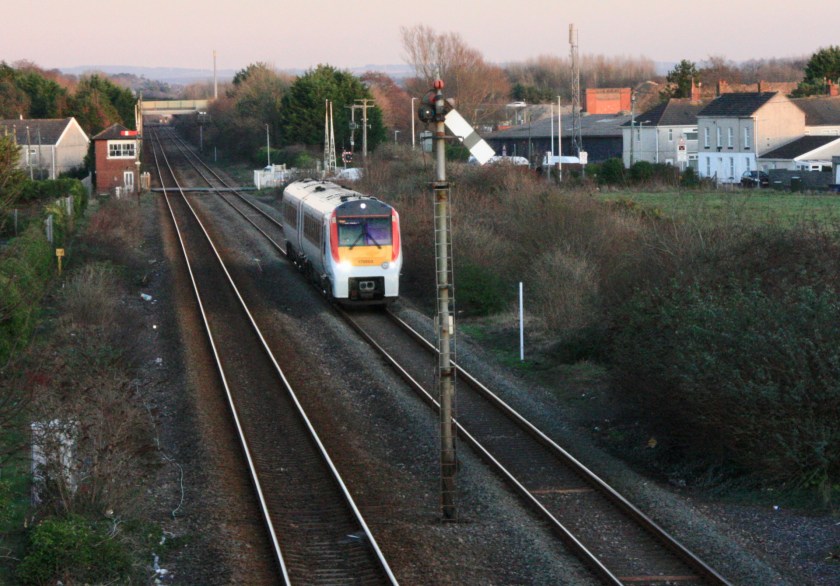
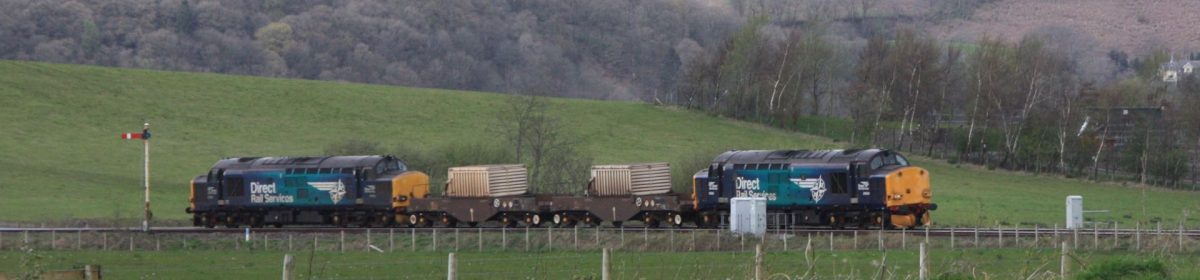
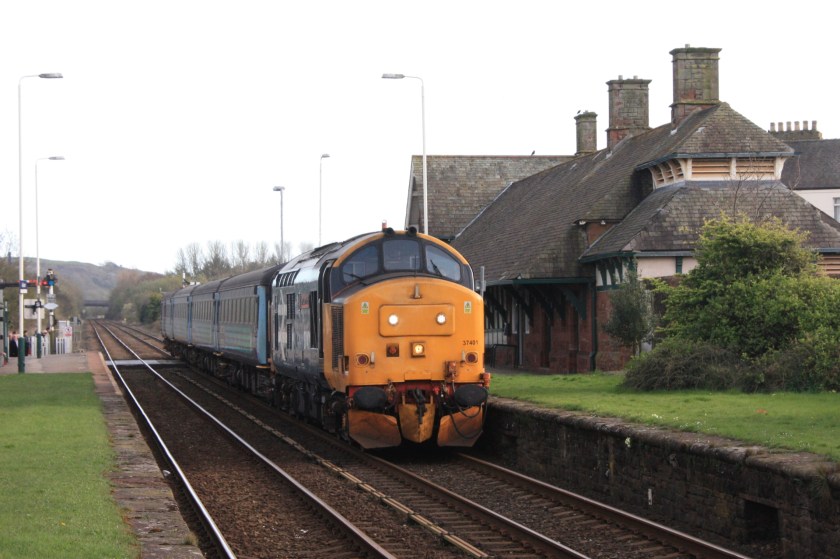 As operation of Class 37-hauled passenger services along the wonderful Cumbrian Coast is due to end on 28 December 2018, this seems a good moment to post a few images from a memorable week in Barrow during early April 2017, when I was visiting locations along the route to get photos and background for my forthcoming book on Britain’s last semaphores.
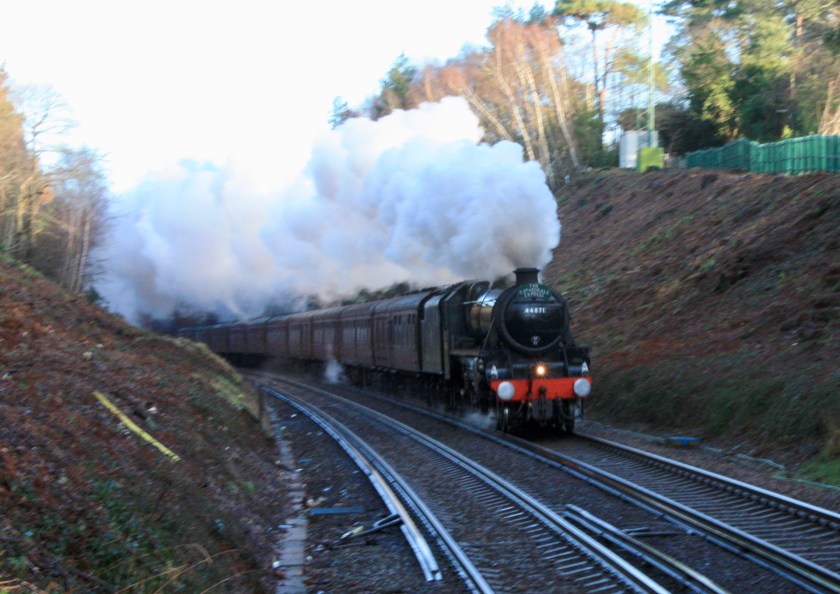 What started out as a planned hour long trip to capture some rare steam action on the Portsmouth Line today (17 December) became a three-hour epic that exposes the total inadequacy of real-time information screens on stations, National Rail’s live trains app and the use of a station help point to get accurate information about the impact of serious service disruption.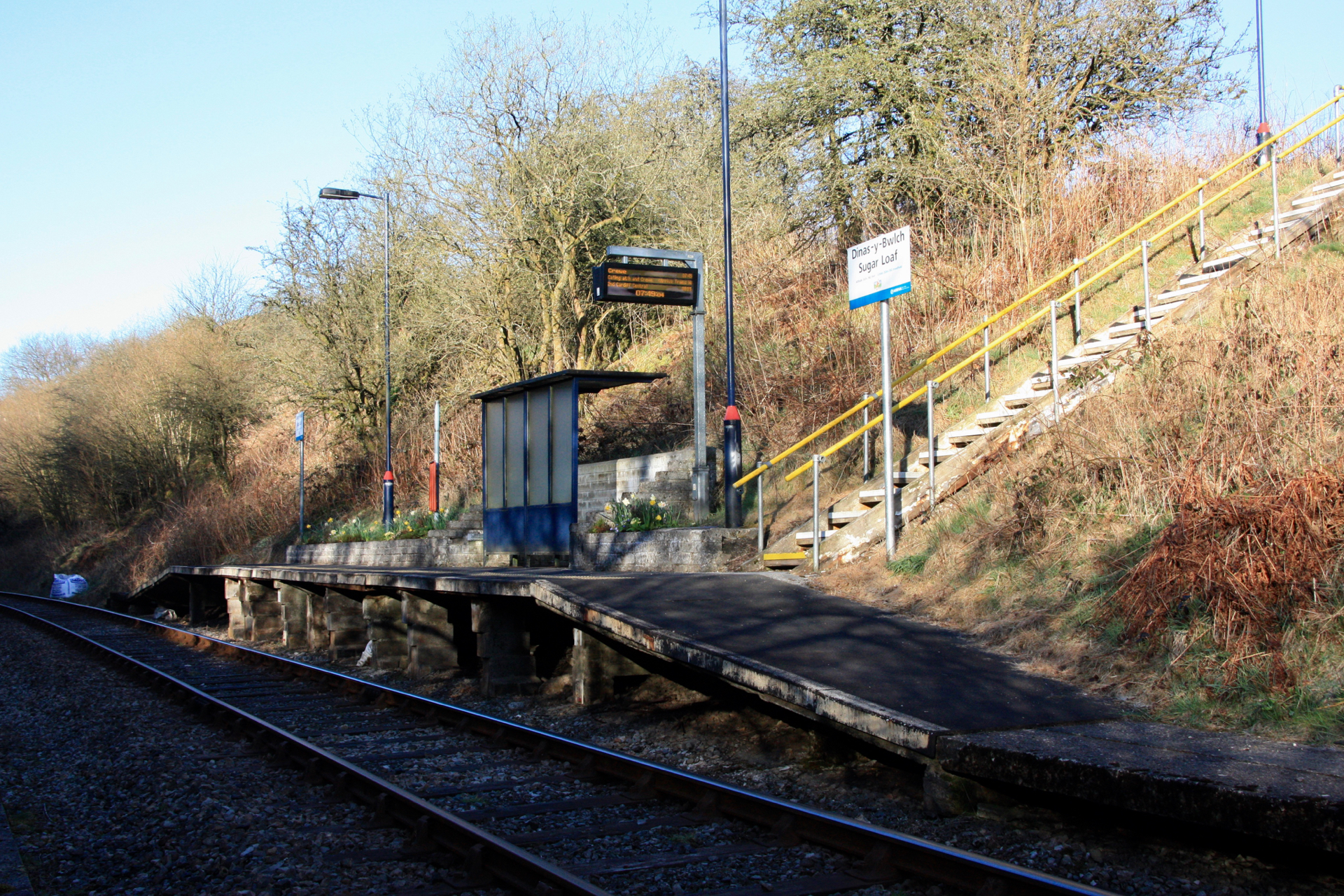
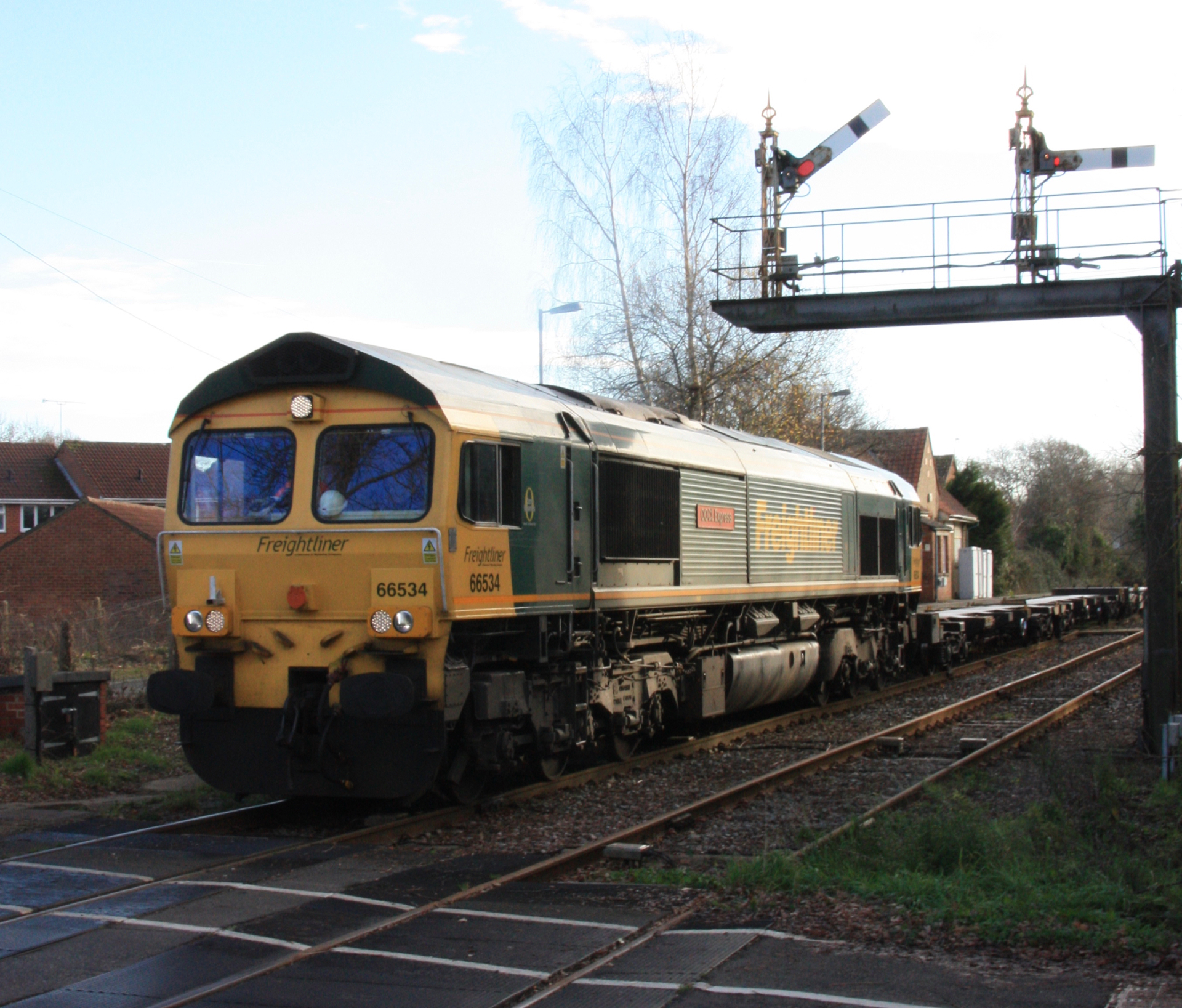
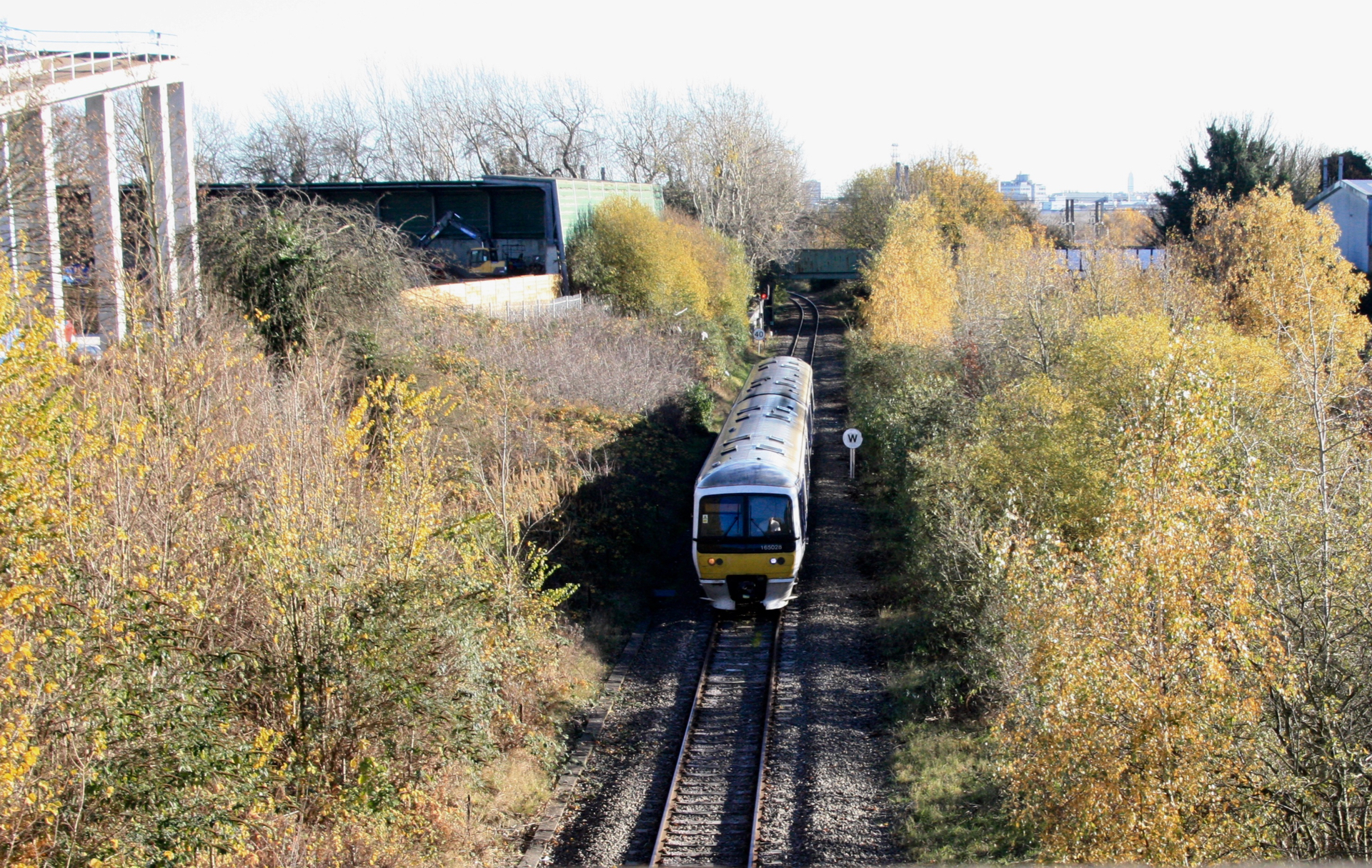 A strategically significant 11-mile stretch of London main line became the first victim of HS2 on Friday (7 December 2018) when train 2M29, the 11.35 Chiltern Railways service from London Paddington to High Wycombe, became the last scheduled service to travel over the Acton to Northolt line, a route running alongside the London Underground’s Central line and extending from Old Oak Common to South Ruislip.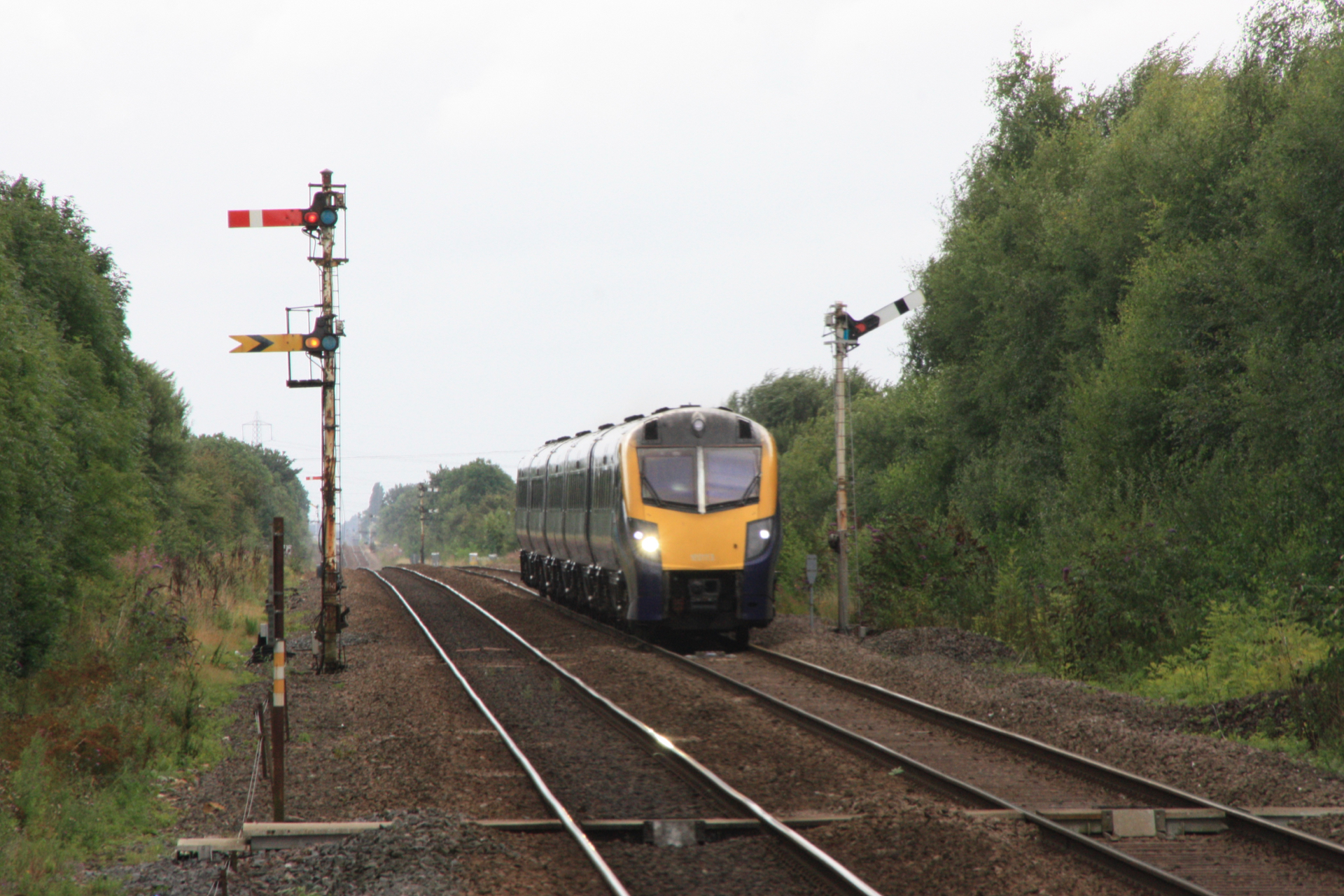
 RailwayWorld.net
You must be logged in to post a comment.