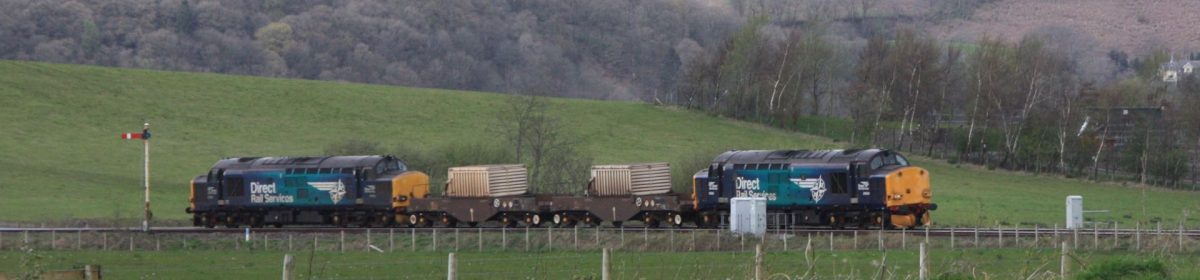
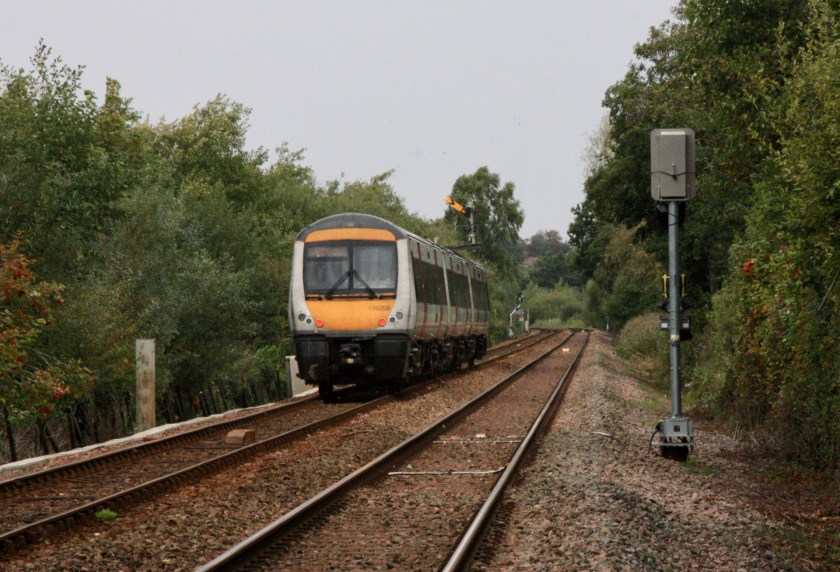
 Class 37-haulage may finally be at an end on the Wherry Lines, but there are still a few months left to appreciate another charming aspect of these routes from Norwich to Great Yarmouth and Lowestoft.
What operator Abellio describes in its timetable leaflet as a “Victorian era signalling system” was due to have been replaced in the Spring, but the usual delays in any railway infrastructure project means the semaphore signals will now survive until a three-week shut-down in February 2020. Continue reading “Nine Wherry distants signalling the line”
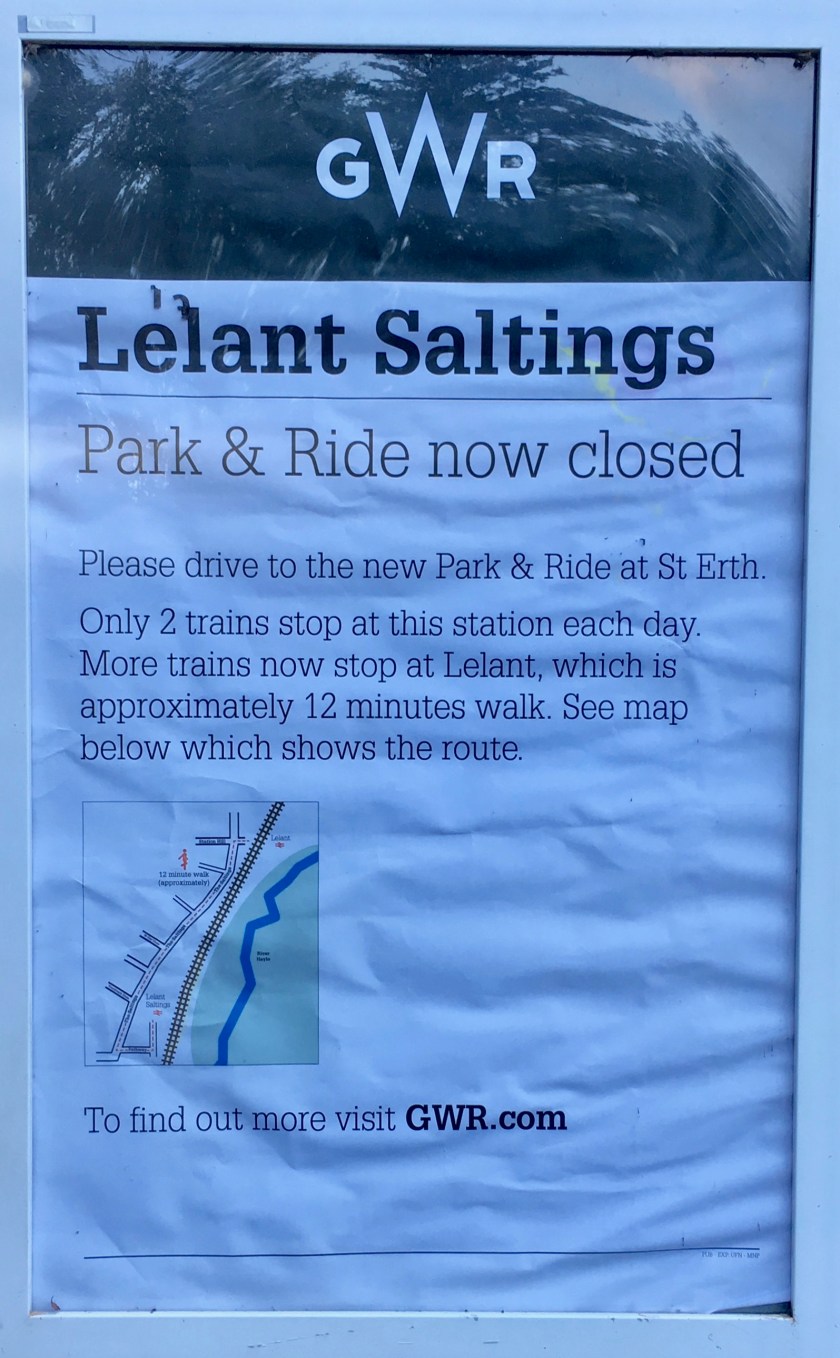 Built and opened in 1978 for a bargain price of just £50,000, Lelant Saltings Park & Ride was an instant success, and for more than four decades it was the place where thousands of visitors to St Ives left their cars and took a scenic four-mile train ride to the bustling artistic capital of Cornwall.
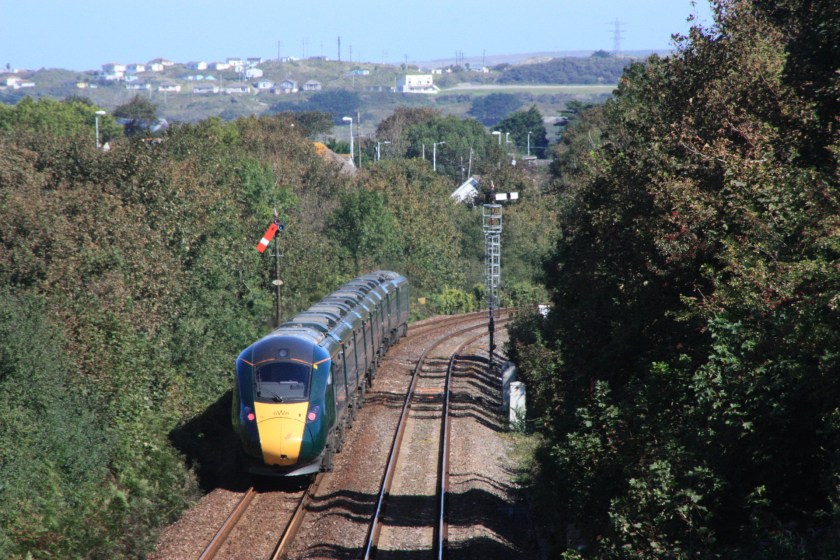 Closure of the former Park & Ride site at nearby Lelant Saltings, and development of a large new car park south of the station, has seen some significant changes at St. Erth station, that delightful junction in South West Cornwall for the branch line to St. Ives.
 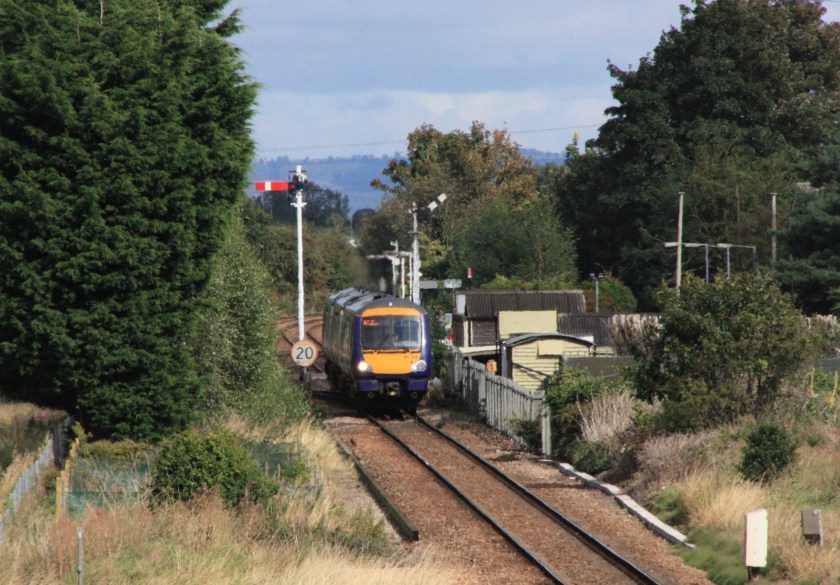 Just three miles from the National Railway Museum is the start of one of Britain’s finest remaining outposts of mechanical signalling, the 17½ miles of railway route between Harrogate and Poppleton, a growing village north-west of York city centre.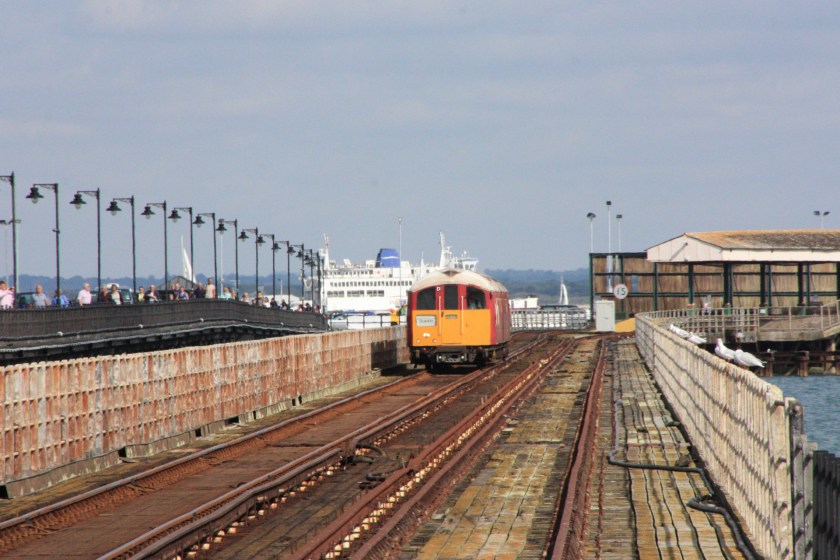
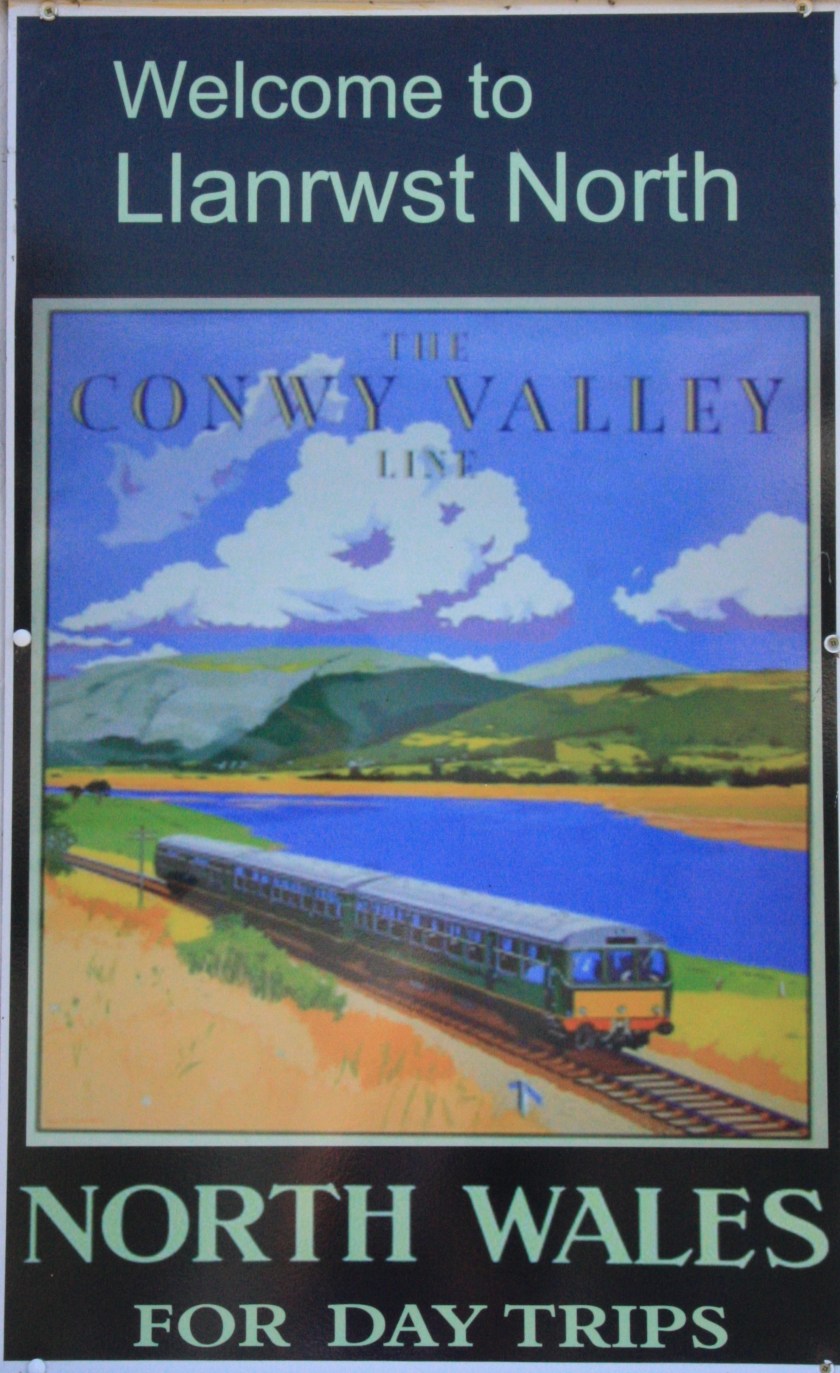 Only three weeks after its re-opening following a four-month closure to repair extensive flood damage, a week in North Wales working on the Ffestiniog Railway gave me an opportunity to sample summer Sunday services on the picturesque Conwy Valley line from Llandudno to Blaenau Ffestiniog.
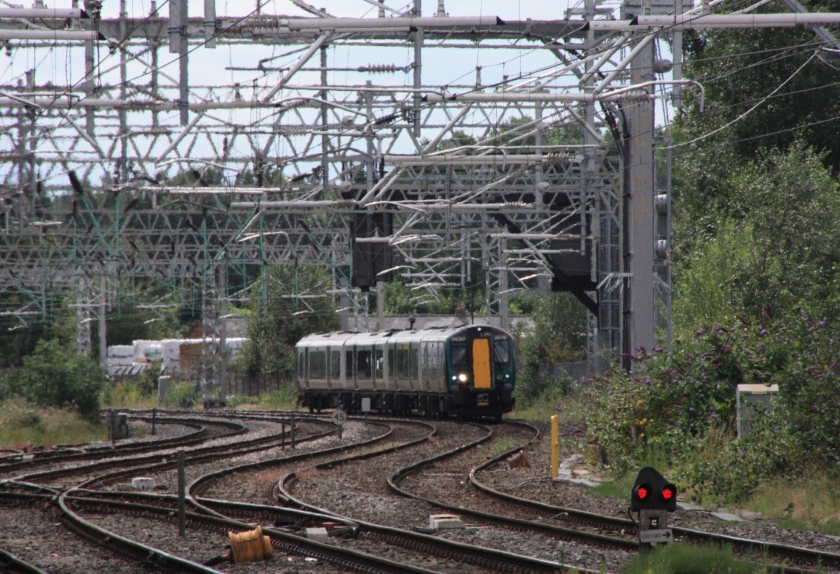 When it comes to provincial railway revivals in England, there cannot be anything to match the scale of transformation that has taken place on the 15½-mile long Chase Line in Staffordshire over the 30 years, since an initial ten-mile section from Walsall to Hednesford was re-opened in 1989.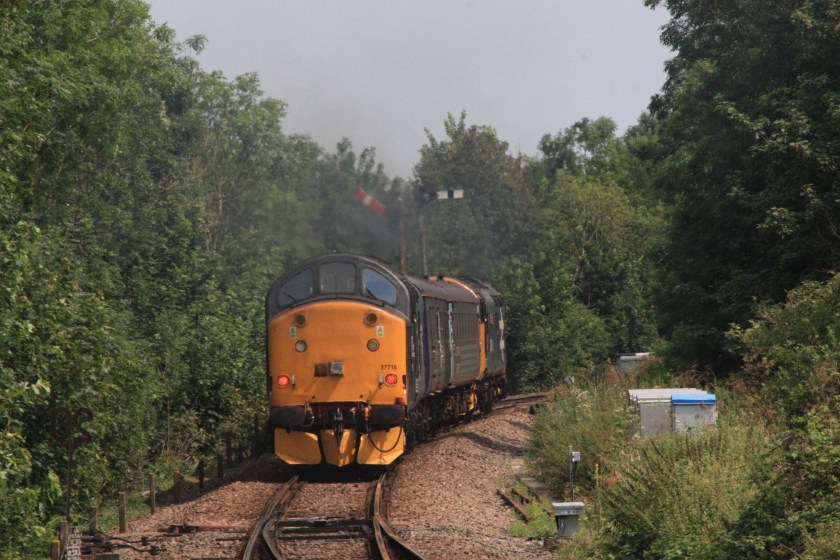
 Just three weeks after my previous failed attempt to sample the summer Saturday SWR service to Weymouth and Corfe Castle (6 July), it is profoundly disappointing to have suffered a similar experience again on Saturday (27 July)
 A day-out by train from Cheltenham Spa to Bridgnorth, on the wonderful Severn Valley Railway, meant another chance to spend an interesting time waiting for my connecting train at Worcester Shrub Hill, where the usual diet of West Midlands Class 170 units coming and going was interspersed with the chance to see some rare freight action.

You must be logged in to post a comment.