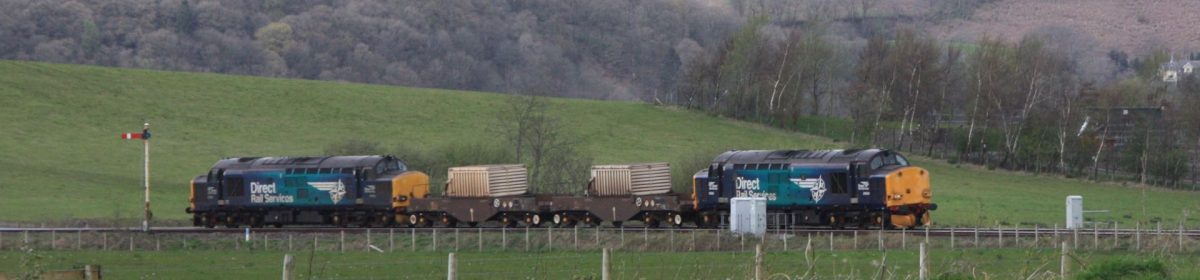
 Henwick Signal Box is probably best known as the place where trains were famously delayed one day almost five years ago (in February 2013), when a luckless signaller got trapped in the toilet! Happily it now has another distinction.
Work is nearing completion near the box on reinstating a turnback siding, to allow services terminating at nearby Worcester Foregate Street to clear the station before returning towards Birmingham or London, with exit from the siding being controlled by new signal HK9. Continue reading “Britain’s newest semaphore set for service”
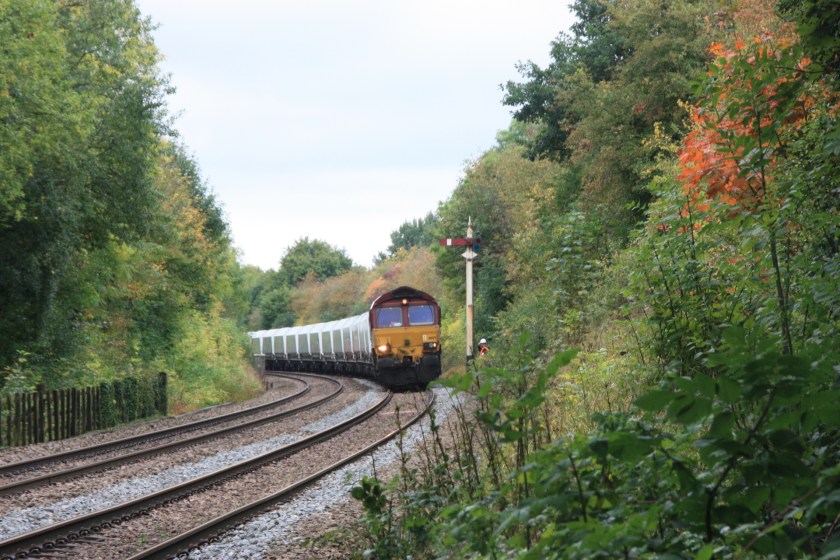 2017 was supposed to have been the year that re-signalling of the Leicester to Peterborough line saw its last mechanical signalling swept away, with closure of the nine remaining signal boxes along this important cross-country route.
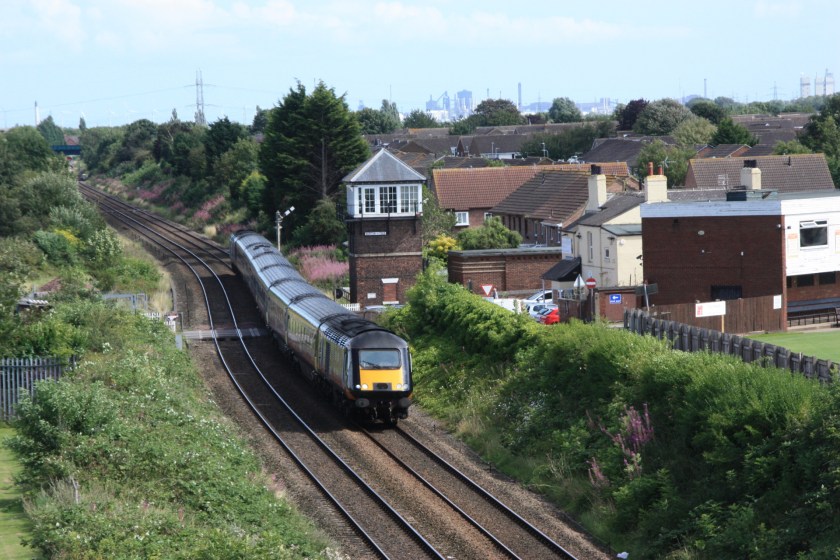 Ten years ago today (18 December 2007) Grand Central Railway Company (GC) finally got onto the national railway network, when its first scheduled passenger service left Sunderland for London Kings Cross.
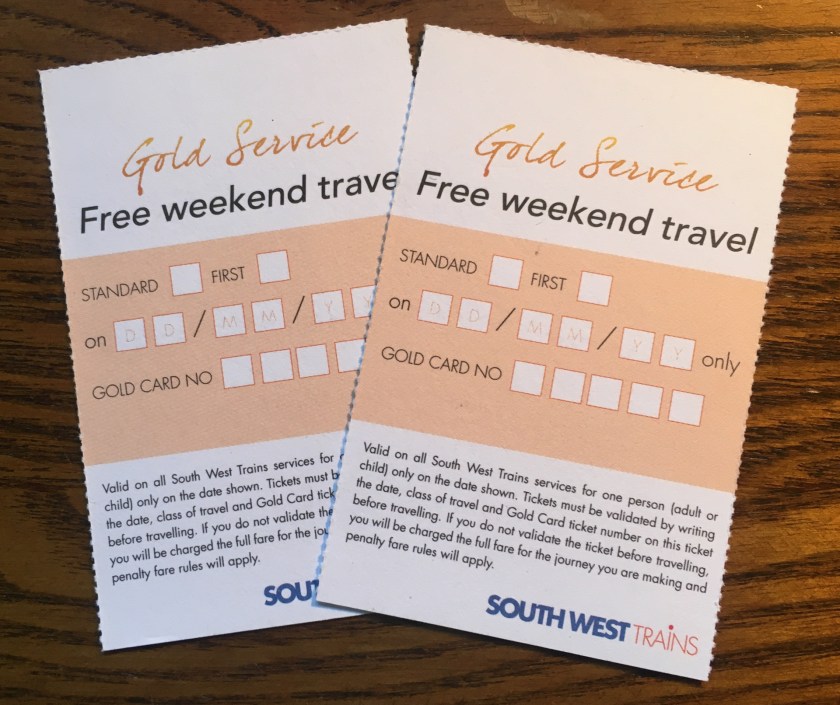 Gold Card (annual season ticket) holders in what is now the South Western Railway (SWR) franchise area have, without warning, lost a great perk of their long-term loyalty to the railway.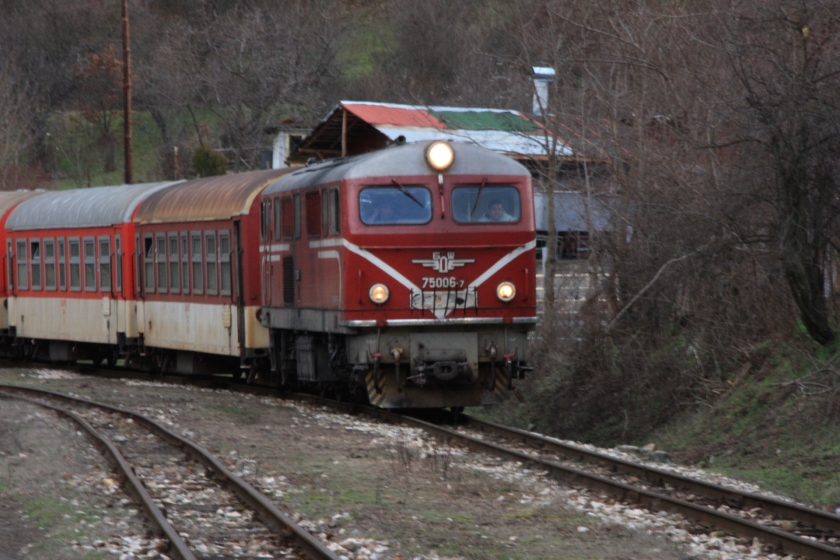
 My round trip once again took me from Stansted to Plovdiv, for a night in the splendid Alliance Hotel, a five-minute stroll from the railway station, before a 30-minute trip the following day to Septemvri. From here there are four round trips a day on the narrow gauge line, the earliest of which leaves at the unearthly hour of 02.05, with the most civilised departure being my chosen service, the Mesta, at 13.10 (all services on this route are named).
 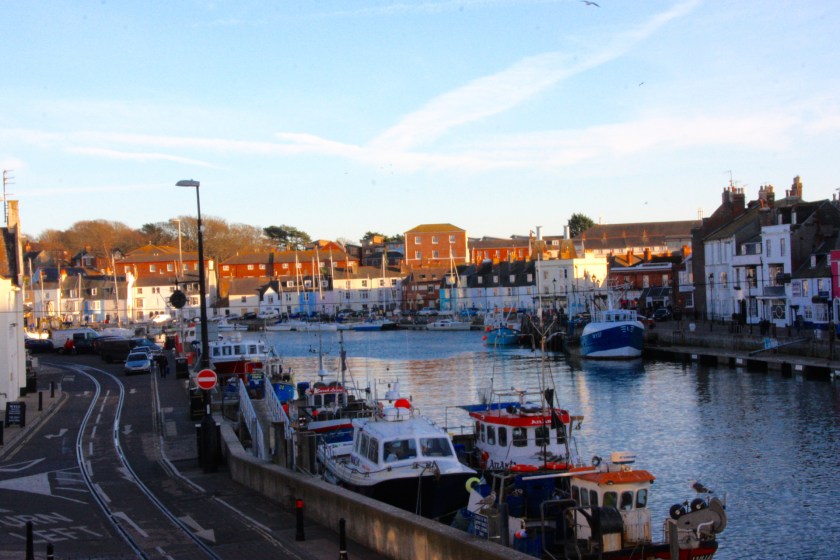 A bright red aspect still shines out from signal DR205, more than 30 years after the last scheduled train passed it in order to make its way towards Weymouth Quay station, by travelling along what must surely be the finest and most wasted section of railway line in Dorset – the 1.2 mile long Weymouth Harbour Tramway.
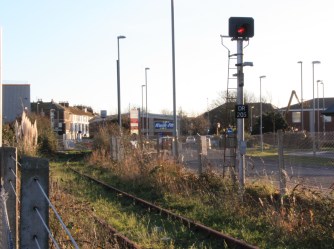 For a route last used when a charter train passed over it in May 1999, the Harbour Tramway remains remarkably intact, still signalled at its junction north of Weymouth’s Town station and surprisingly free of obstructions, such as the parked cars that were once literally bounced out of the way when the Channel Isles Boat Express made its sedate progress along Commercial Road and Custom House Quay.
 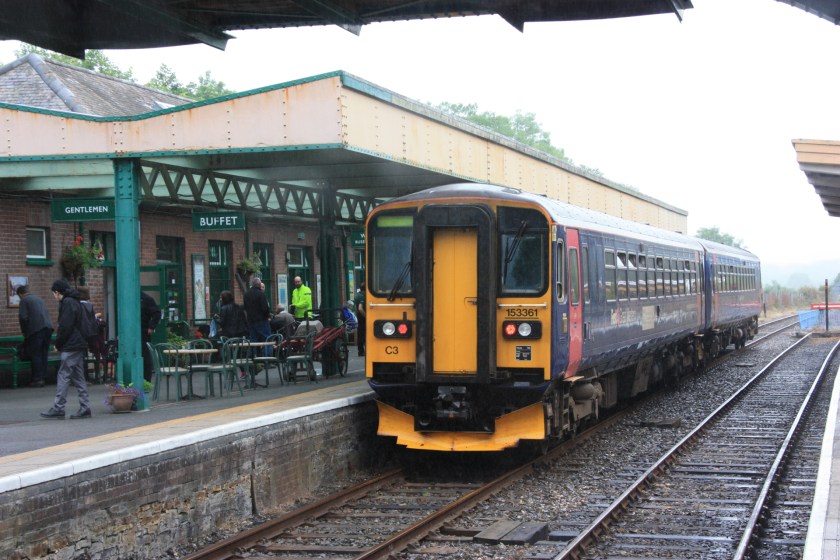 Comments made by Transport Secretary Chris Grayling and widely reported today suggest the he, at least, may finally have seen the light and realised that re-opening closed rail links to fast-growing towns and areas that have developed significantly over the past 50 years is far better value than committing infinite sums to HS2.
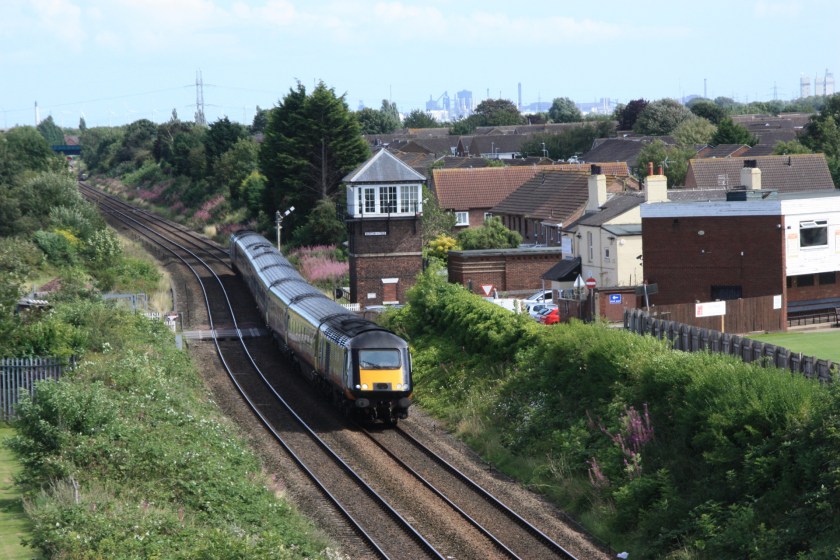 Among surviving outposts of mechanical signalling in North East England, one of the most fascinating and photogenic is the 4½-mile section of line between Stockton-on-Tees and Billingham on the Durham Coast route from Thornaby to Sunderland and Newcastle.
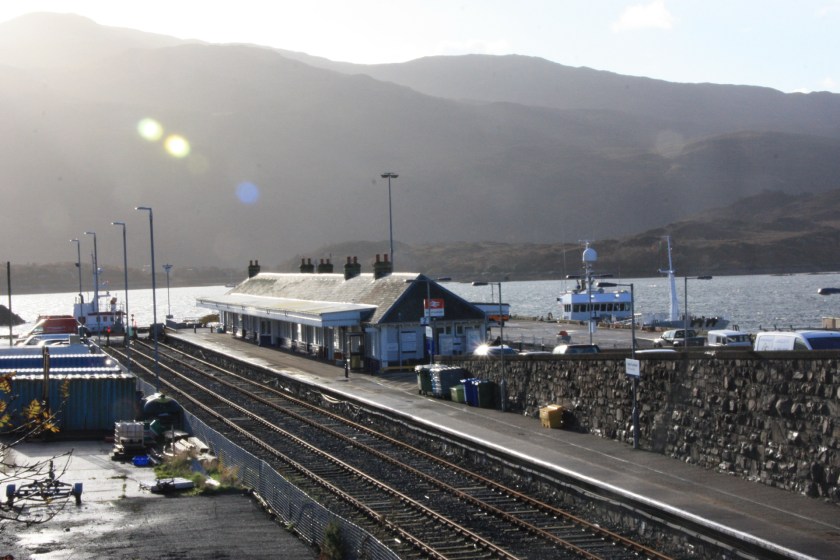 Tourists are pretty thin on the ground during November in the West Highlands so, ever anxious to avoid crowds, and taking the opportunity offered by ScotRail’s seasonal Club 50 £17.00 flat fare (remarkable value for a 514-mile round trip from Edinburgh) it seemed a good time to make a long overdue return to Kyle of Lochalsh.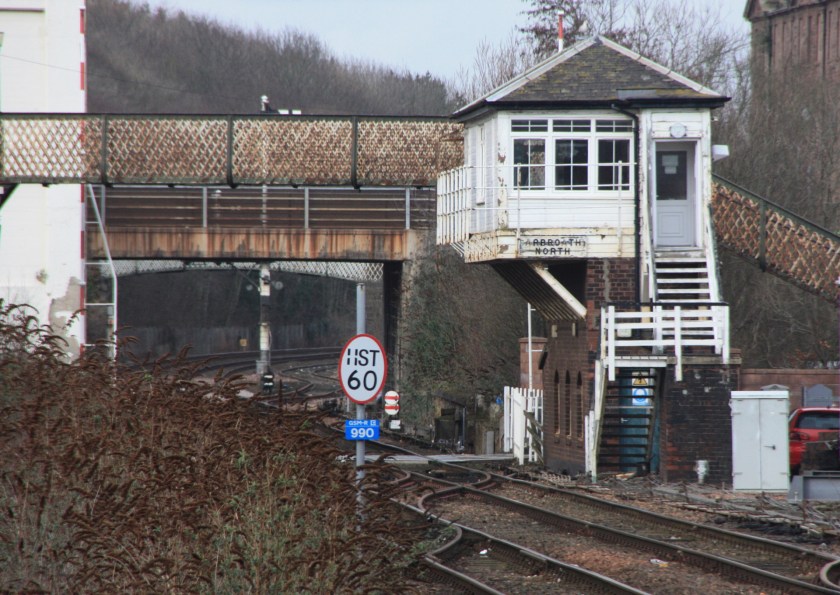
 This impressive box can easily be seen from the platform ends at the north end of the station, but can also be viewed at close quarters only a short walk from the station, at the level crossing it controls. From here it is well worth walking through the car park of a large Morrisons superstore to a bridge over the line on the A933 road.
  RailwayWorld.net
You must be logged in to post a comment.