 Just three weeks after my previous failed attempt to sample the summer Saturday SWR service to Weymouth and Corfe Castle (6 July), it is profoundly disappointing to have suffered a similar experience again on Saturday (27 July)
Despite an assurance given to me the previous day from the SWR media team (who had kindly given me a ticket after the previous debacle) that the service would be running as planned, it was once again terminated at Salisbury due to “crew shortage”. Continue reading “SWR cancels its seaside special again”
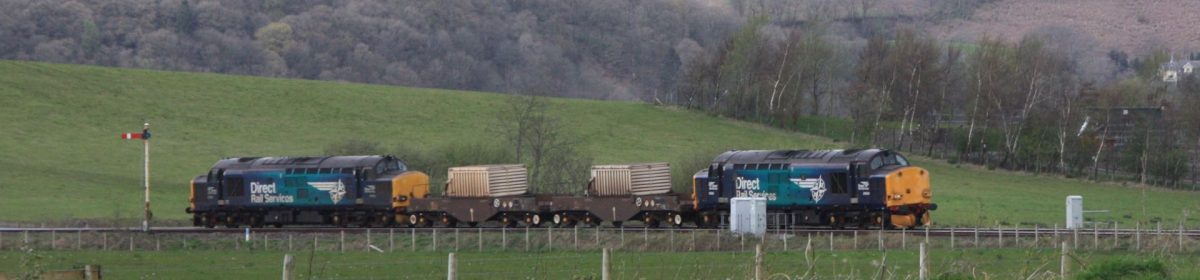
 A day-out by train from Cheltenham Spa to Bridgnorth, on the wonderful Severn Valley Railway, meant another chance to spend an interesting time waiting for my connecting train at Worcester Shrub Hill, where the usual diet of West Midlands Class 170 units coming and going was interspersed with the chance to see some rare freight action.
 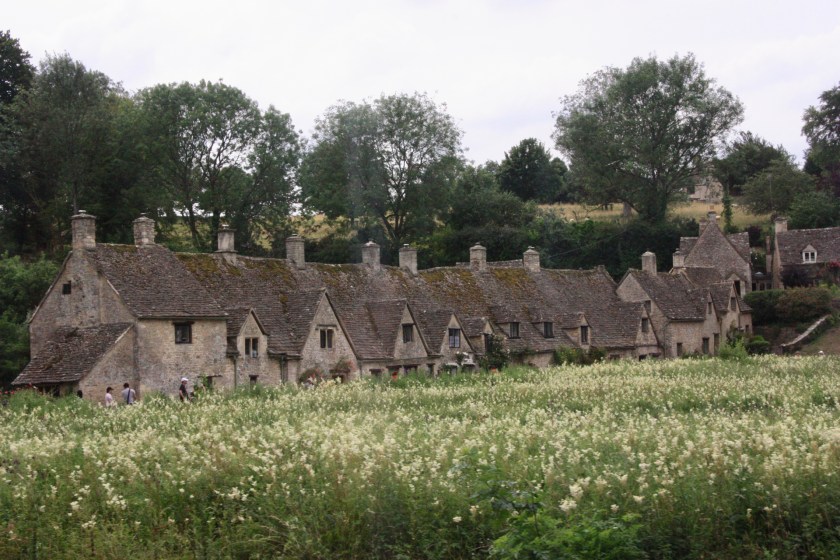 Rover and ranger tickets are a great way to see parts of the country by public transport at a bargain price so, having once travelled the entire 268-mile Cornish rail network in a single day for the price of a Ride Cornwall ticket (£10.00 at the time), I felt it was high time to try something similar in the charming Cotswolds.
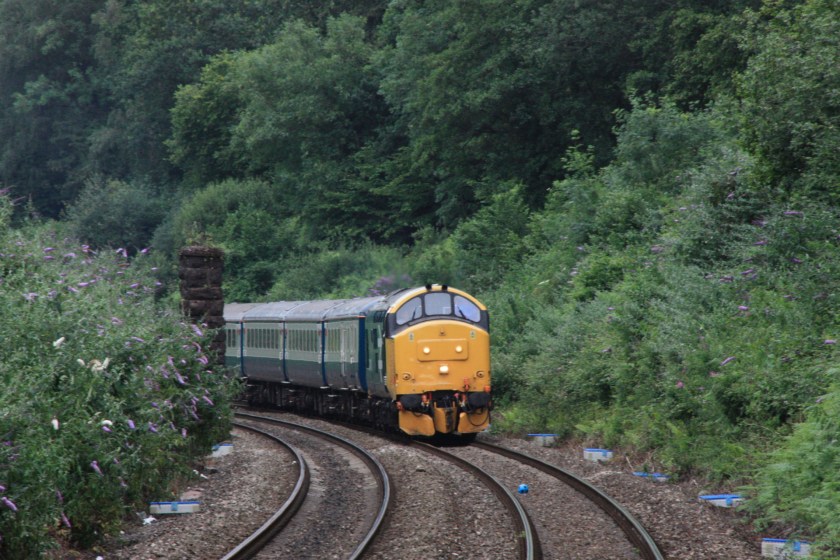
 A year after its experimental summer Saturday services to Corfe Castle were heavily blighted by RMT industrial action, this year’s resumption seems to have got off to a pretty dismal start.
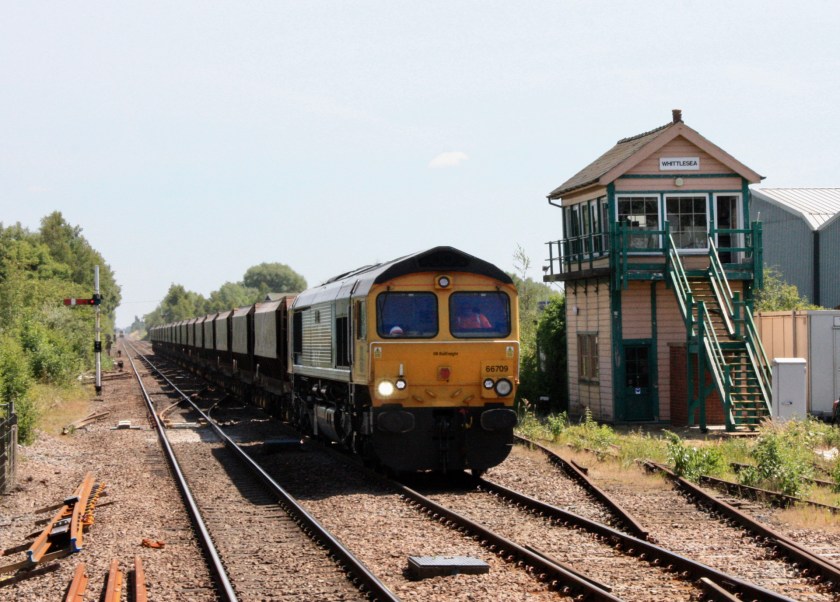 It has been described by local Railfuture campaigners as “one of the strangest and most unwelcoming stations in East Anglia” but is nevertheless a place well worth visiting for its signalling interest and for the frequency and variety of passing rail traffic.
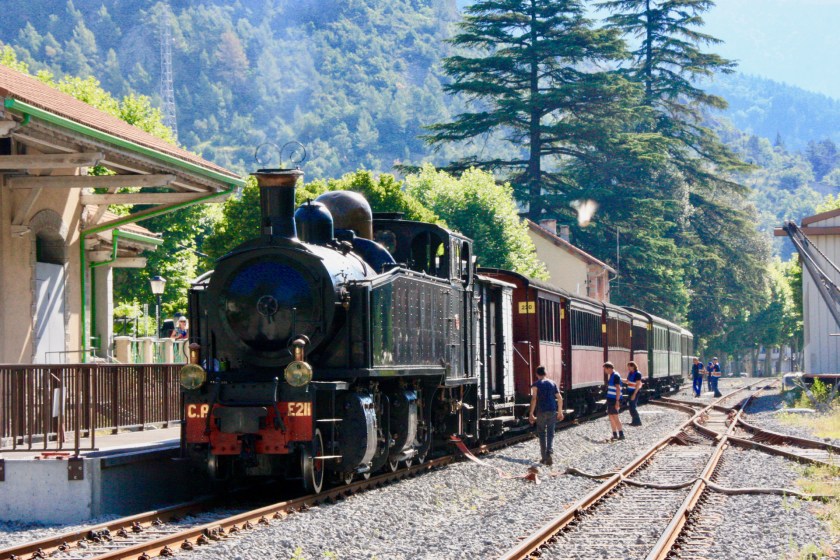 There is something rather special about a trip on France’s longest narrow gauge railway, particularly when it means the chance of a front seat view from a 1970s railcar, as it snakes along the banks of the picturesque River Var.
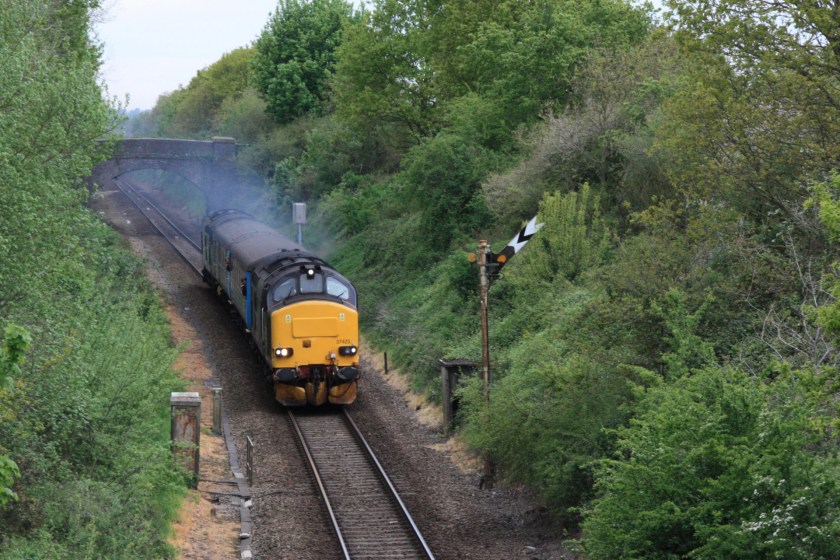 Any day now the wonderful sight and sound of Class 37s top-and-tailing two or three coaches on services between Norwich, Great Yarmouth and Lowestoft will finally come to an end, as the new Stadler Class 755 bi-mode units enter service.
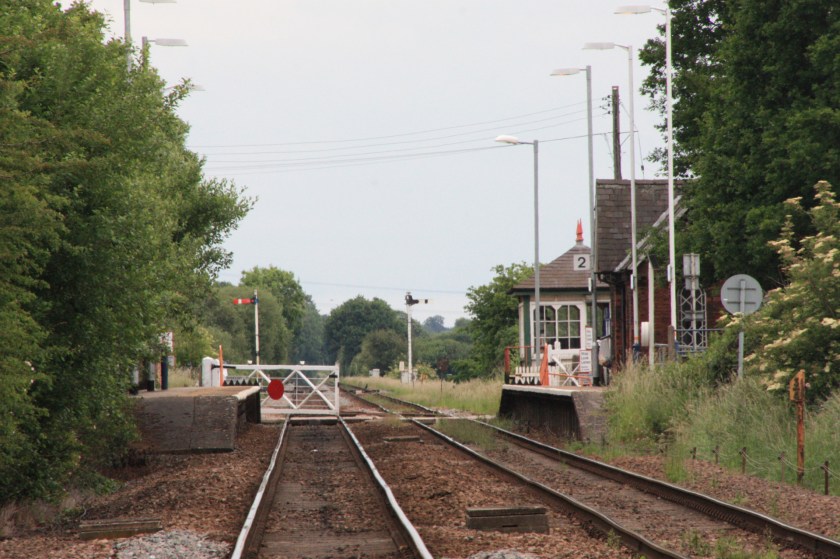 Travelling around Lincolnshire in search of mechanical signalling to feature in my new book, I spent some time on the wonderful Poacher Line from Grantham to Skegness, as well as visiting Gainsborough and New Holland, but somehow overlooked another fine working signal box.
 RailwayWorld.net
You must be logged in to post a comment.