Having reviewed the many railway re-opening prospects around Britain for my book Railway Renaissance, one of the most compelling candidates is unquestionably the Avon Rail Link – a missing nine miles of line that would give Stratford-upon-Avon a southern link to Oxford, London and the South-West – by reinstating a section of line that has been the subject of re-opening efforts for decades.
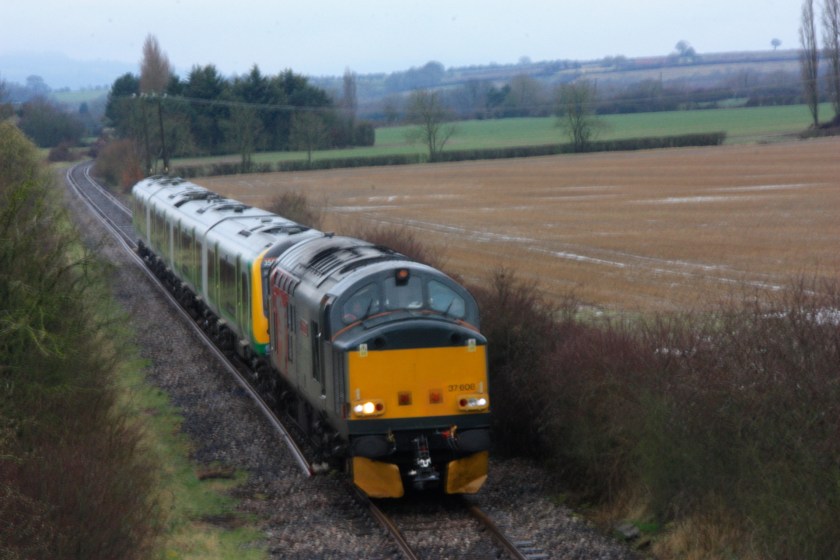
Pictured above is 37608 approaching Long Marston on 31 March 2018 towing EMU 350263, which formed 535Z, the 08.55 from Northampton EMD, with the EMU being taken to Long Marston for corrosion repair work
Shakespeare’s birthplace has been a terminus to passengers on local services from Birmingham and Leamington Spa ever since the end of services to Evesham and Worcester on 5 May 1969, yet its attraction as one of the UK’s foremost tourist destinations meant that more than a million passengers passed through its station in 2016/7, the first time that seven-figure total had ever been achieved. Continue reading “Avon Rail Link: it’s time for action”

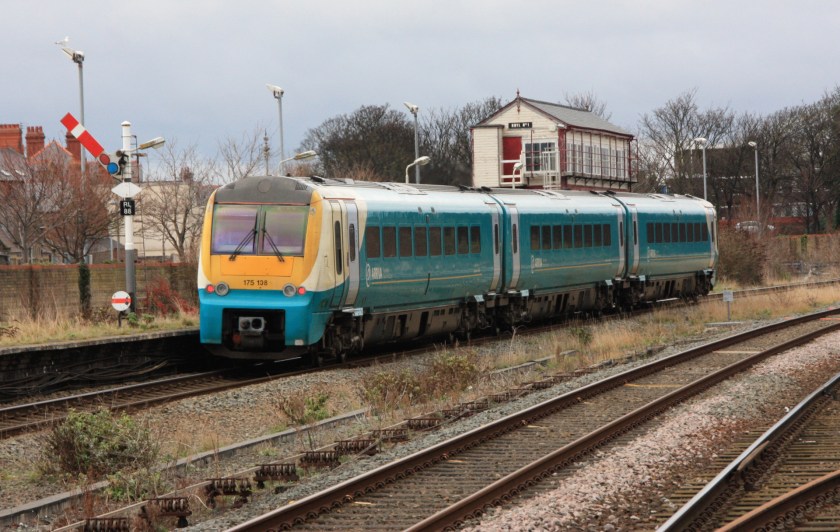 Readers of my previous blogs will know that in less than a week’s time the North Wales Main Line will be closing for the week-end as new signalling is commissioned and five mechanical signal boxes between Talacre and Abergele & Pensarn will be signalling their last trains before final closure.
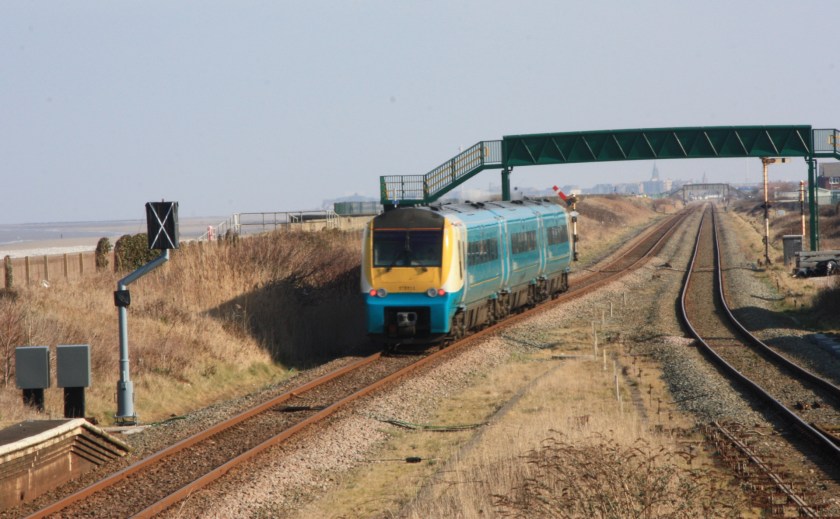
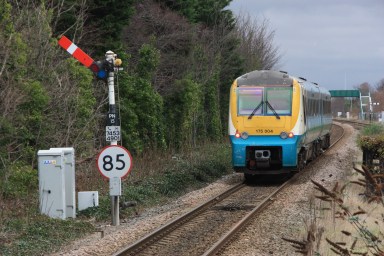 Having already featured the boxes at Prestatyn, Rhyl and Abergele, following a visit kindly arranged for me by Network Rail, this seems a timely moment to take one final look at the signalling that is about to disappear from these locations, as captured on last month’s visit (23 February 2018) and on my previous visit to North Wales one year earlier, in February 2017.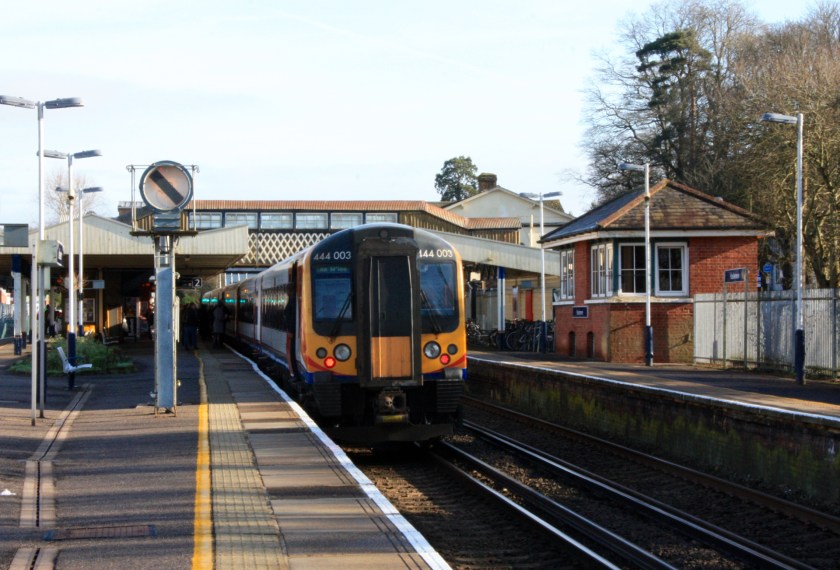
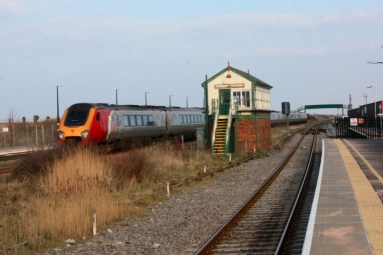 On the day of a visit last month to Rhyl No. 1 box (featured in my previous post) I was also fortunate to be able to visit two of the other doomed boxes, those at Abergele & Pensarn and at Prestatyn.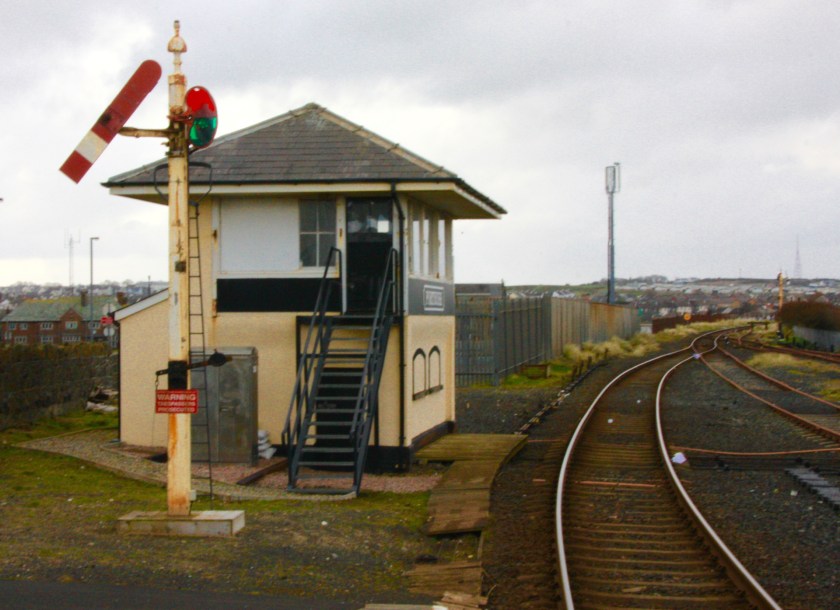
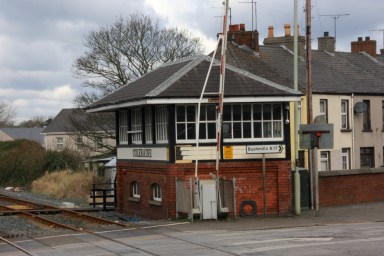 Pay a visit to Portrush, at the end of a short branch line from Coleraine, on the Belfast to Londonderry main line, and you are in for a signalling treat.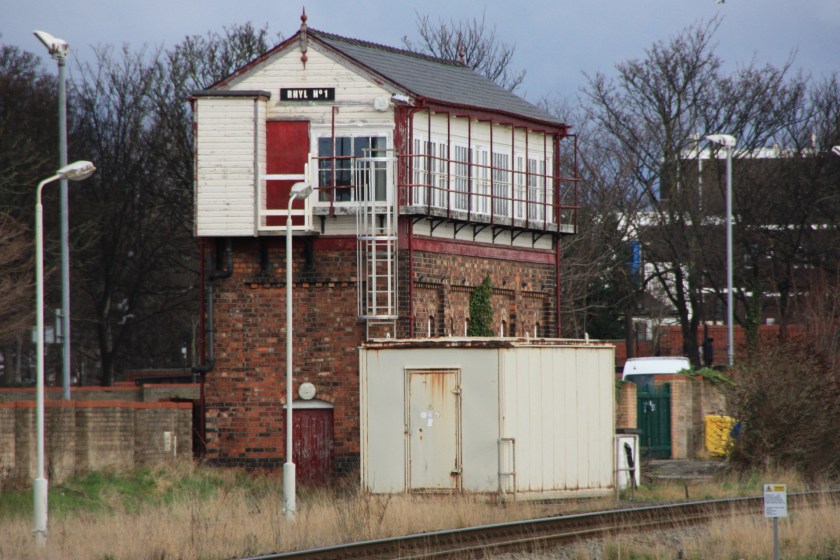
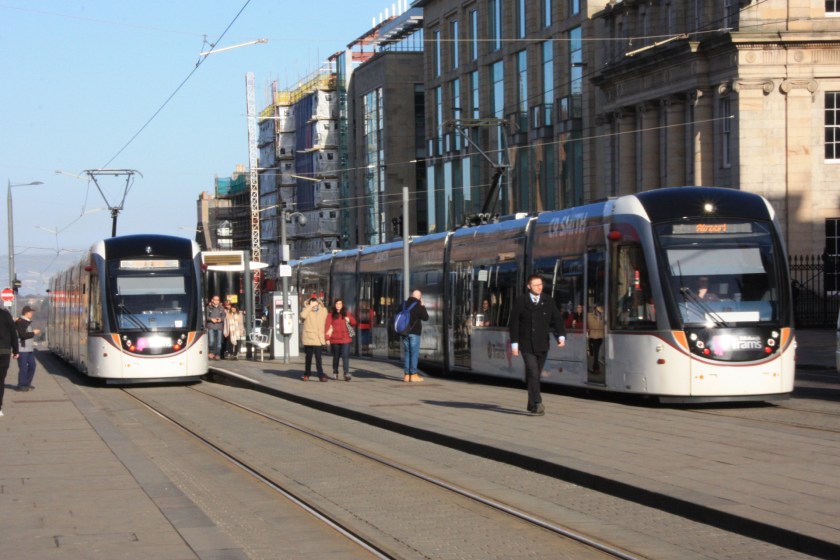
 While it is good to see that a pair of junction signals from Stirling (SN18/SN11) have pride of place in the National Museum of Scotland, there is scope for much more, so it seems high time to consider a magnificent and listed building that stands in an ideal location, within a stone’s throw of Princes Street.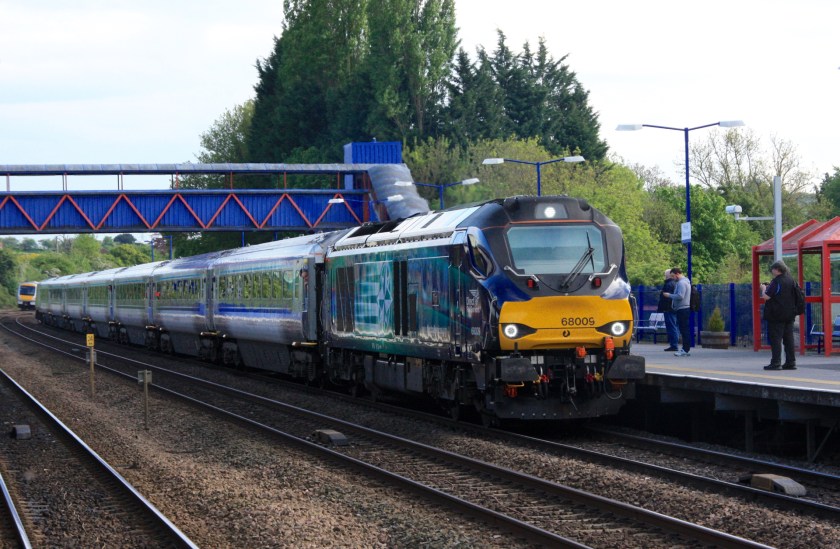
 London to Birmingham is by far the cheapest long-distance rail journey in the UK because it is pretty much the only one on the franchised railway where there is genuine on-rail competition between operators.
 For a route that has seen only freight traffic since its closure to passengers in 1964, the line heading north east from Newcastle to Bedlington and Ashington has done remarkably well to retain its traditional infrastructure.
 RailwayWorld.net
You must be logged in to post a comment.