 Poland has been totally transformed over the past three decades since the drab and sinister days of communist rule were overthrown by Lech Walesa and his brave shipyard workers, and nowhere is that change more evident than on PKP, the national railway network.
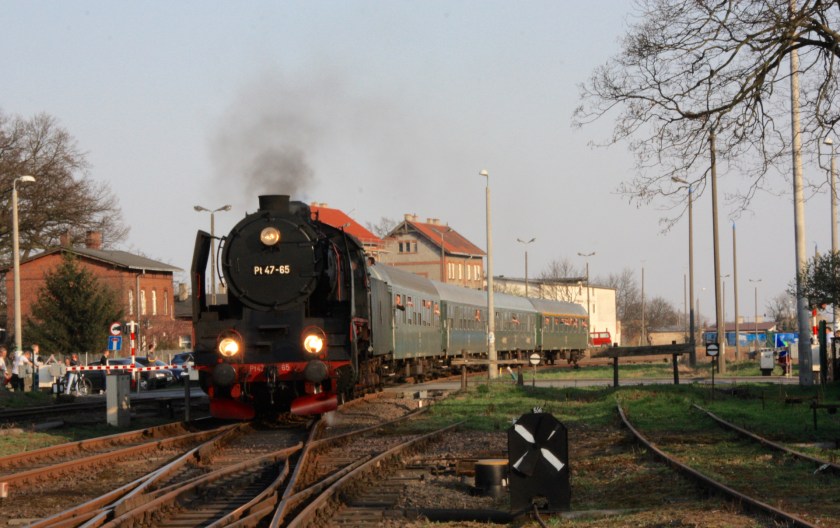
Pictured above is Pt47-65 arriving at Chełmża on 13 April 2018 during the first day of its trip to Hel and back.
Having been the last European country to retain steam traction, 1988 marked withdrawal of the last true main line class, the Pt47, with steam then rapidly disappearing over the next three years and eliminated entirely by 1992, except at the remarkable museum depot in Wolsztyn. Continue reading “Steam-hauled to Hel and back”
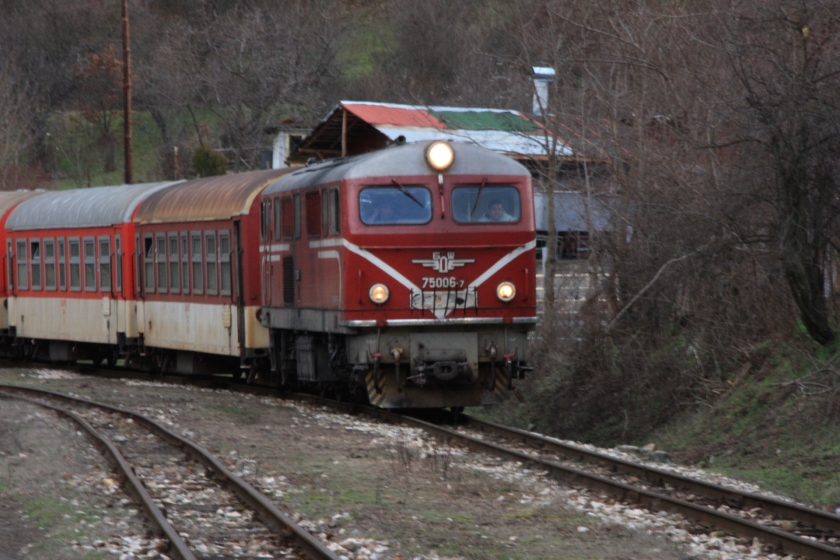
 My round trip once again took me from Stansted to Plovdiv, for a night in the splendid Alliance Hotel, a five-minute stroll from the railway station, before a 30-minute trip the following day to Septemvri. From here there are four round trips a day on the narrow gauge line, the earliest of which leaves at the unearthly hour of 02.05, with the most civilised departure being my chosen service, the Mesta, at 13.10 (all services on this route are named).
 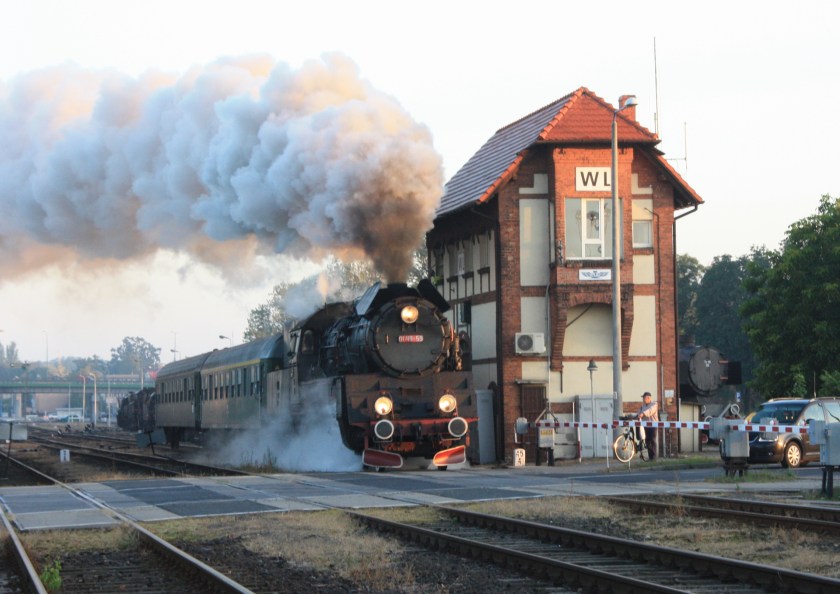 More that three years after its March 2014 suspension, (see my earlier post “Last steam to Leszno”) scheduled standard gauge steam returned to Europe in May 2017, when two return weekday services from Wolsztyn to Leszno in Western Poland returned to steam haulage.
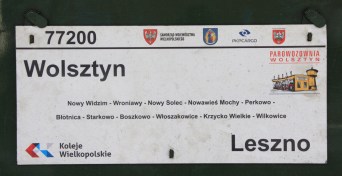 This followed the agonisingly slow setting up of a trust to own and manage the famous steam depot at Wolsztyn, the return to traffic of two locomotives and the sourcing of suitable coaches to operate the service, which should also see two Saturday round trips between Wolsztyn and Poznan, once track renewal work has been completed later this year.
 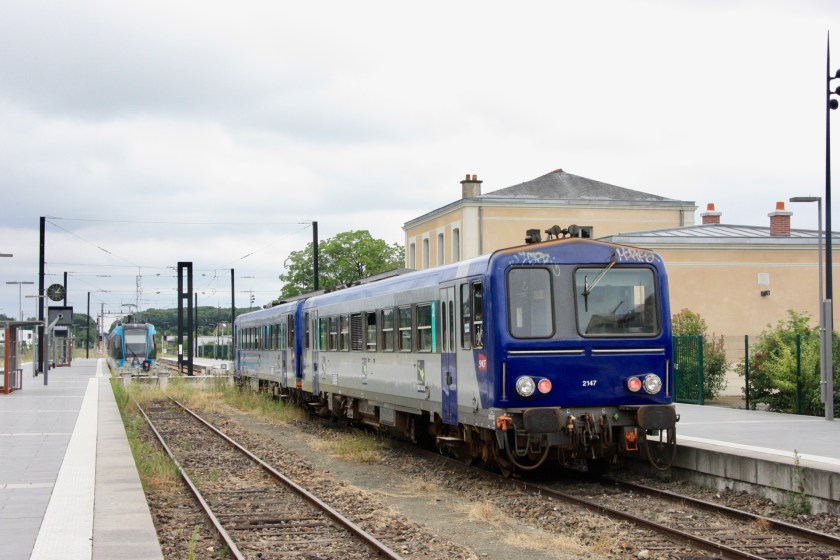 In summer 2016, Brittany remained one of only three regions in France to see local services still worked by single car X2100 units, which were in service alongside the new generation X73500 units on the branch line heading south from Rennes to Chateaubriant.
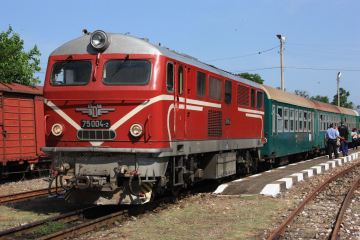 This is a truly remarkable railway that traverses some fabulous scenery and feels like a step back in time when you are able to look out of the window and see horse-drawn ploughs being used in the fields. With the four daily round trip hauled by diesel locos dating from the mid-1960s, it is a trip not to be missed.
 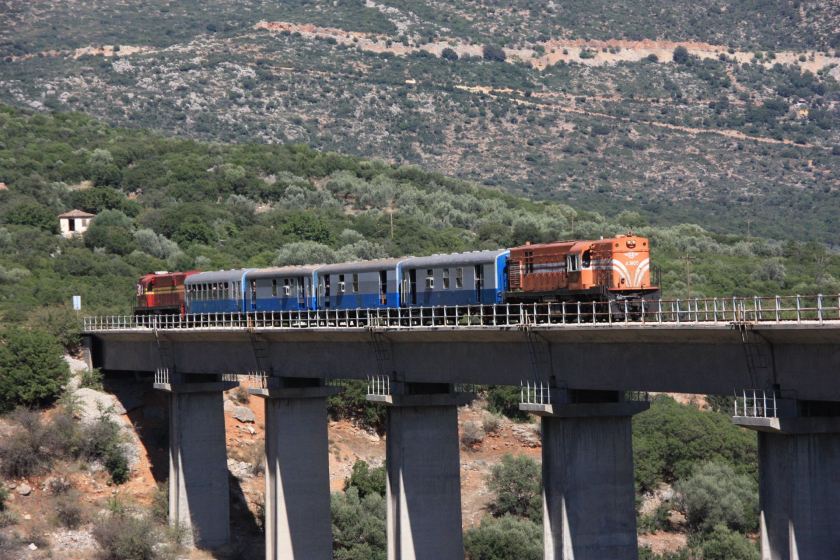 My interest in the extensive metre-gauge network around the Peloponnese Peninsula in Greece had been aroused during a summer-time visit in 1979, when I had travelled a few sections of the remarkable route, from Athens to Korinthos (Corinth), Mycenae to Tripolis and Olympia to Patra, while on a low-budget student month touring Greece and Greek islands.
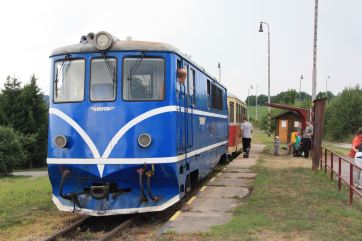 What these two 760mm (2’ 6”) systems have in common is regular steam operations during the summer months and being home, for the moment at least, of a fleet of aged Tu47 Czech-built Bo-Bo diesel locomotives, dating from 1954-59 and currently the mainstay of daily scheduled passenger services.
 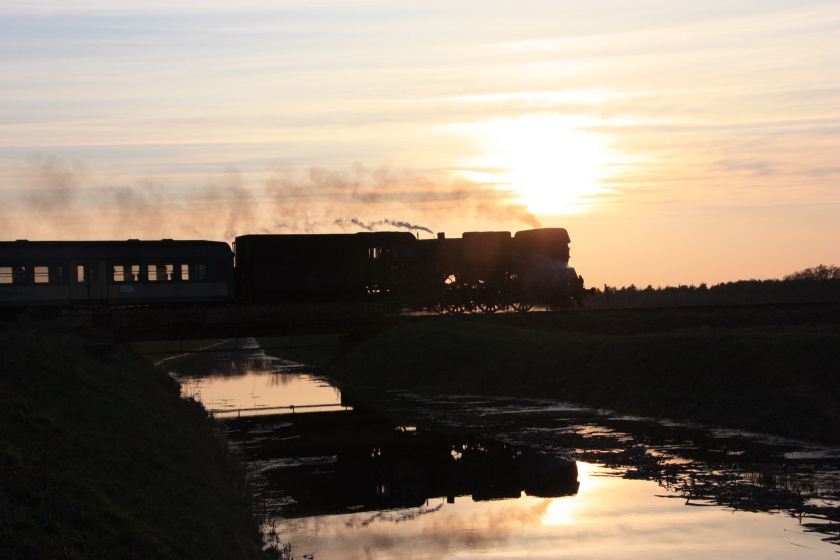 Scheduled steam working at Wolsztyn in western Poland out-lasted the rest of the country by more than two decades, thanks principally to the efforts of Howard Jones MBE and his Wolsztyn Experience, which helped fund continued use of steam on services from the town to Poznan and Leszno by offering footplate experience courses, that have attracted enthusiasts from all over the world.
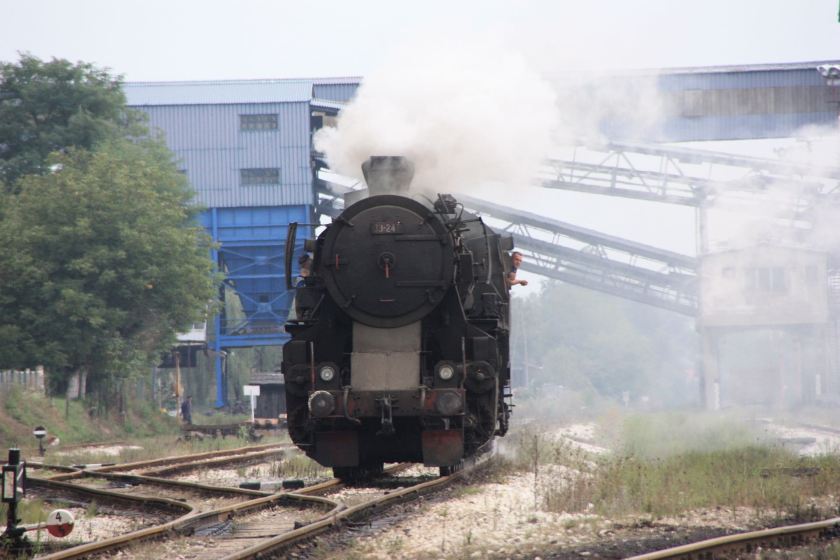 It became a byword for violent disorder during three years of devastating civil war between 1992 and 1995 and the massacre that took place during that bloody conflict, but the industrial town of Tuzla, in north-eastern Bosnia-Hercegovina has acquired a new distinction, as home to the last working industrial steam locomotives anywhere in Europe.
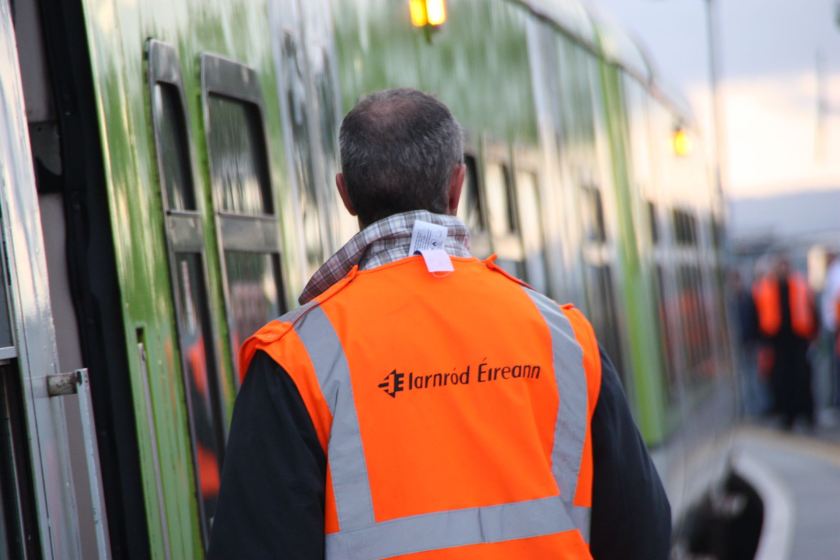 Despite a long and bitter local campaign, the 30-mile long route from Rosslare Europort to Waterford, in the south eastern corner of the Irish Republic, was closed on Saturday, 18 September 2010 and now remains “mothballed”, with state rail operator Iarnród Éireann (IE) required to maintain the line, in the unlikely event of its future re-opening.
 RailwayWorld.net
You must be logged in to post a comment.