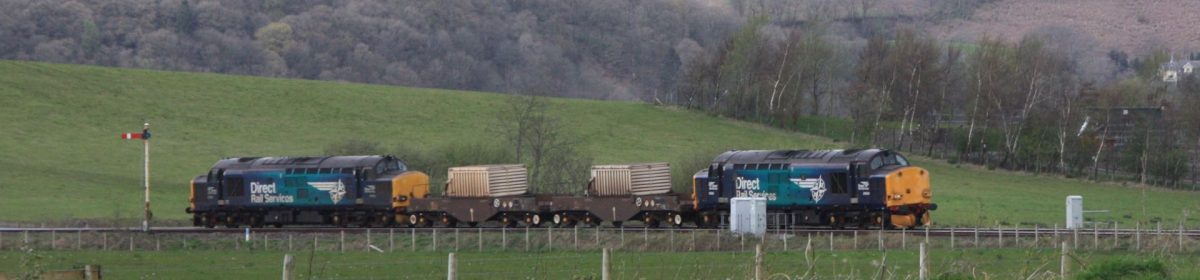
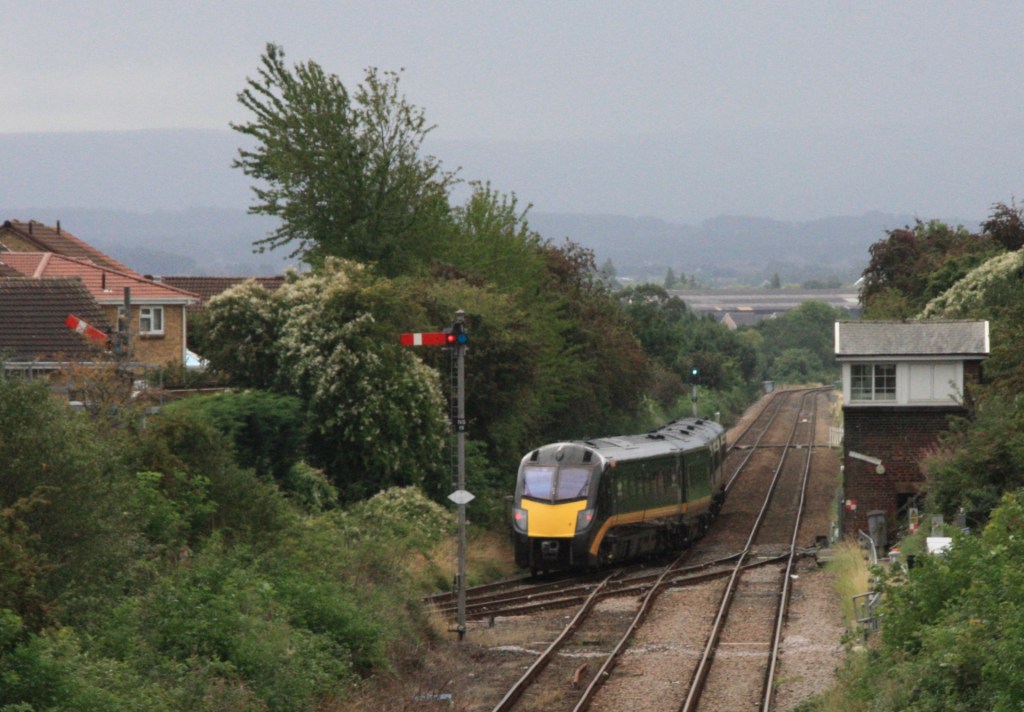
Delays caused by the COVID-19 pandemic mean that a re-signalling project on Teesside due to be completed this month (September 2020) has slipped to early next year, granting a stay of execution to Britain’s oldest working signal box.
Re-signalling a 4½-mile stretch of the Durham Coast Line from north of Stockton-on-Tees to Billingham has been deferred until February 2021, according to information given to me by Network Rail, meaning another few months’ working life for the 1870-vintage box at Norton South.
Along with nearby Norton East, which is normally boarded up and switched out, this is the oldest working signal box on the national network, but only the East box currently enjoys Grade II listed status, ensuring its future preservation.
Continue reading “Temporary reprieve for Britain’s oldest working signal box”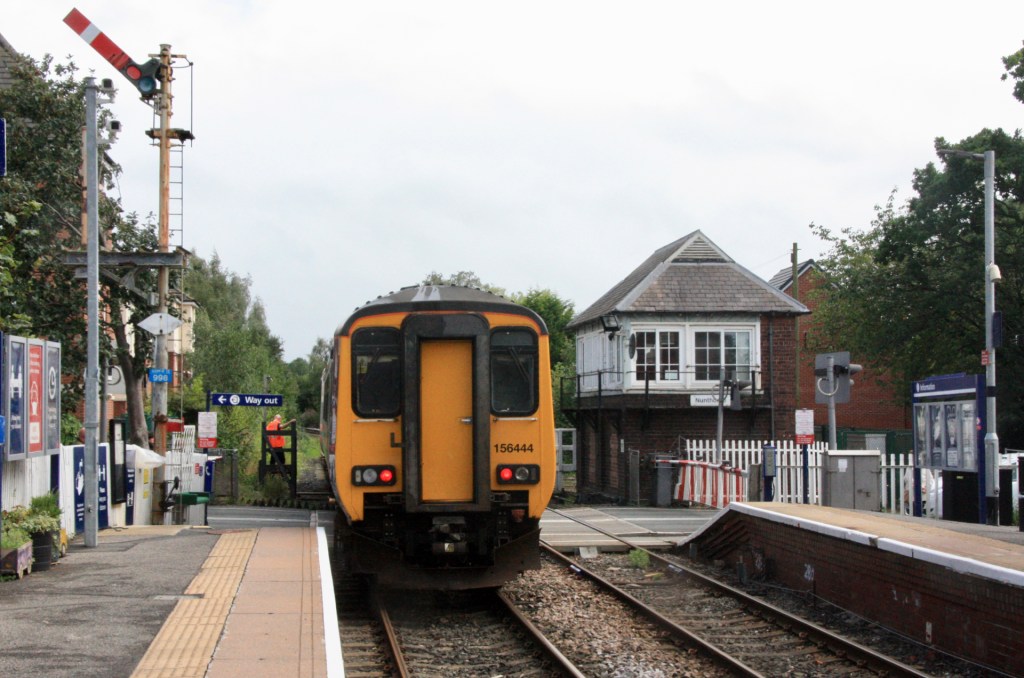
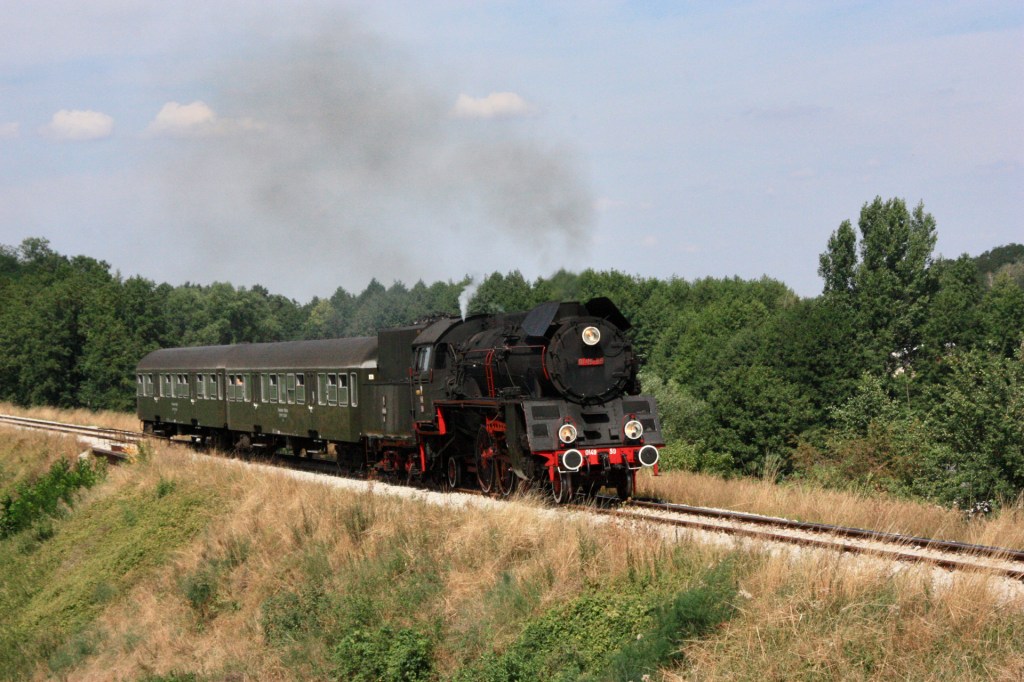
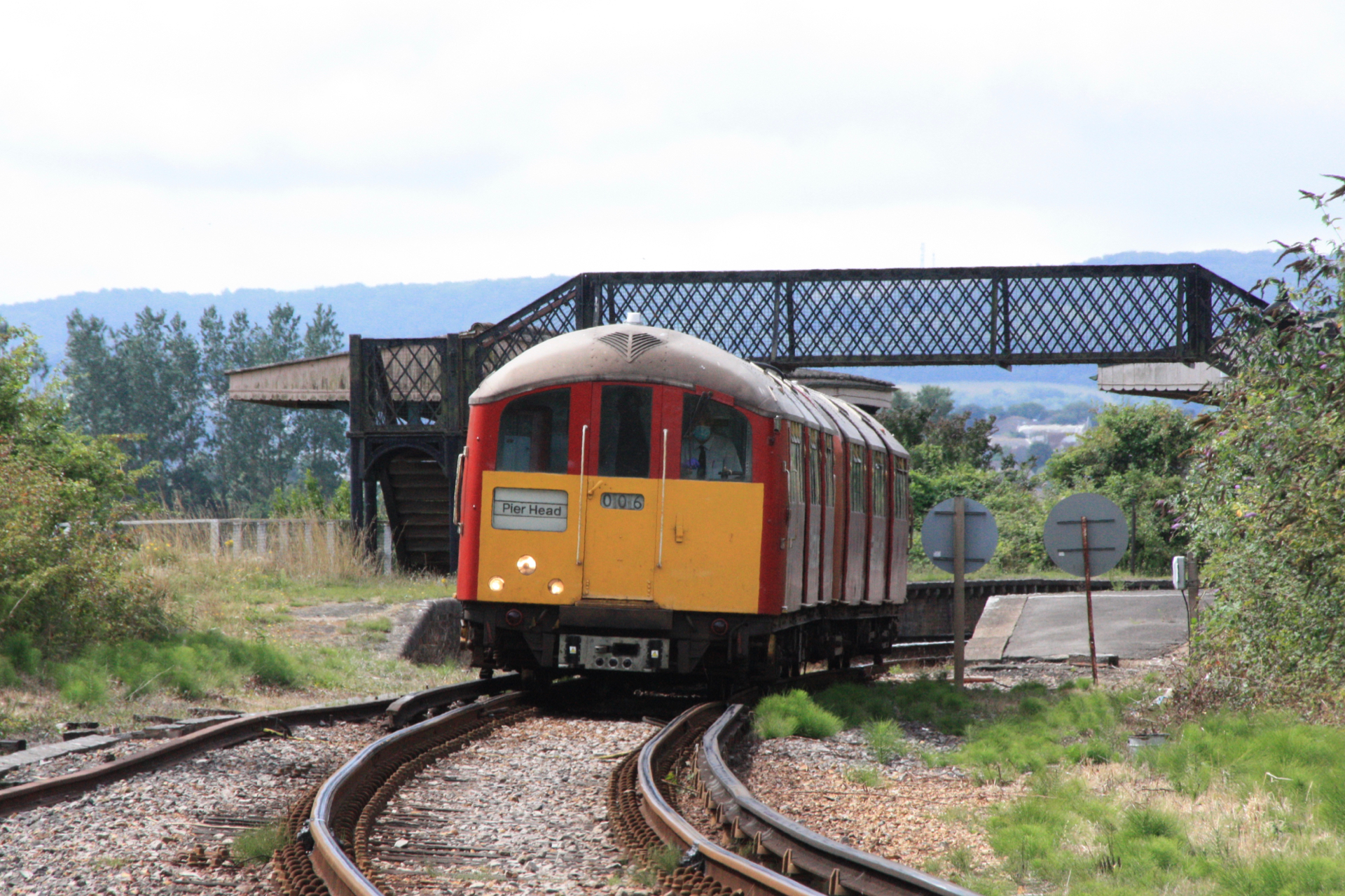
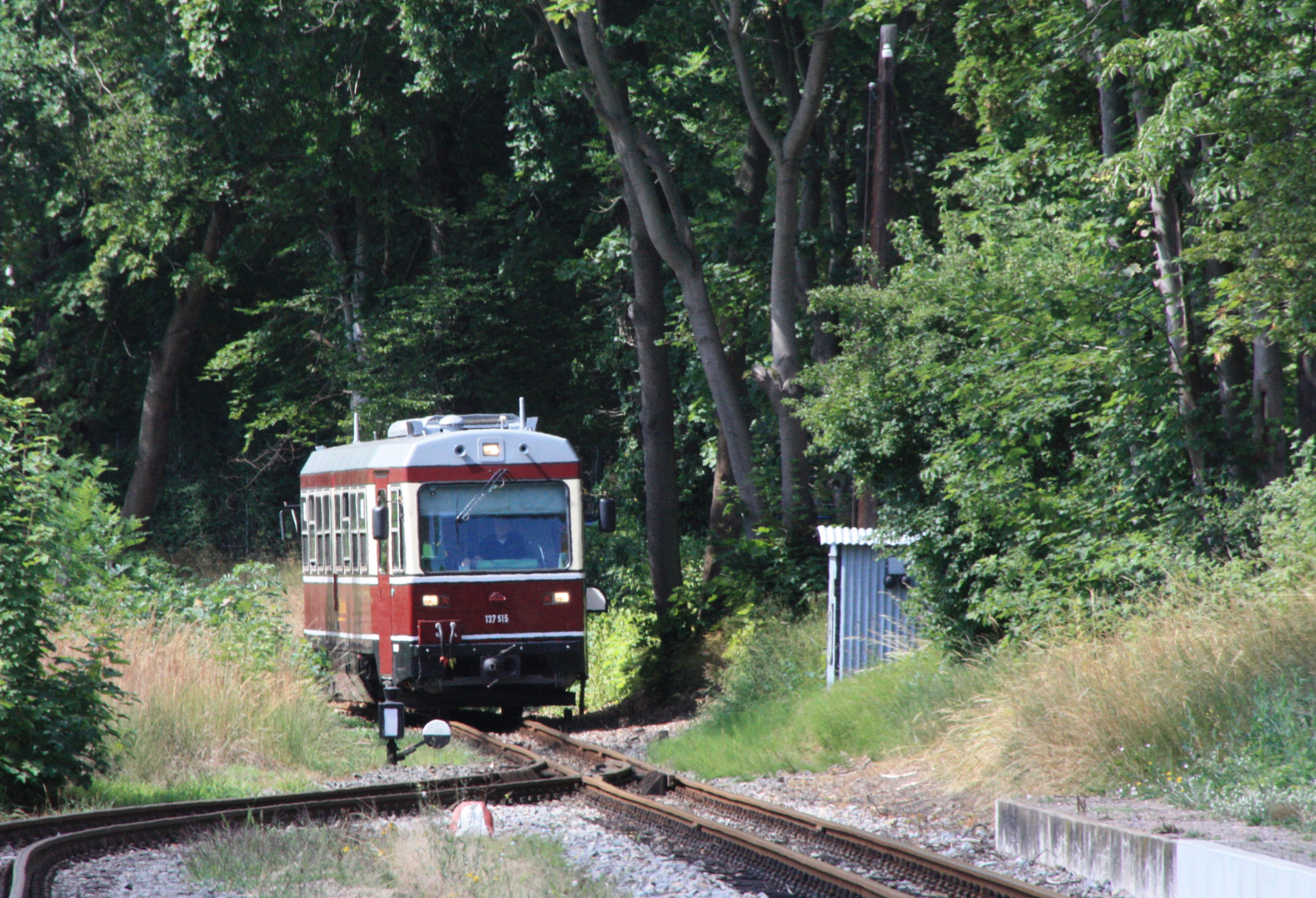 An enforced overnight stay in Berlin, as a result of easyjet cancelling most of its flights to and from London, gave me the chance on my return to the German capital by train from the Zittauer Schmalspurbahn to pay a visit to another of the narrow gauge lines in Saxony, the rather delightful Döllnitzbahn.
 After a January visit to see narrow gauge steam on the German/Czech border between Cranzahl and Kurort Oberwiesenthal, my first post-lockdown rail excursion to Europe takes me to another remote corner of SE Germany and the splendid 750mm narrow gauge system based in the charming city of Zittau.
 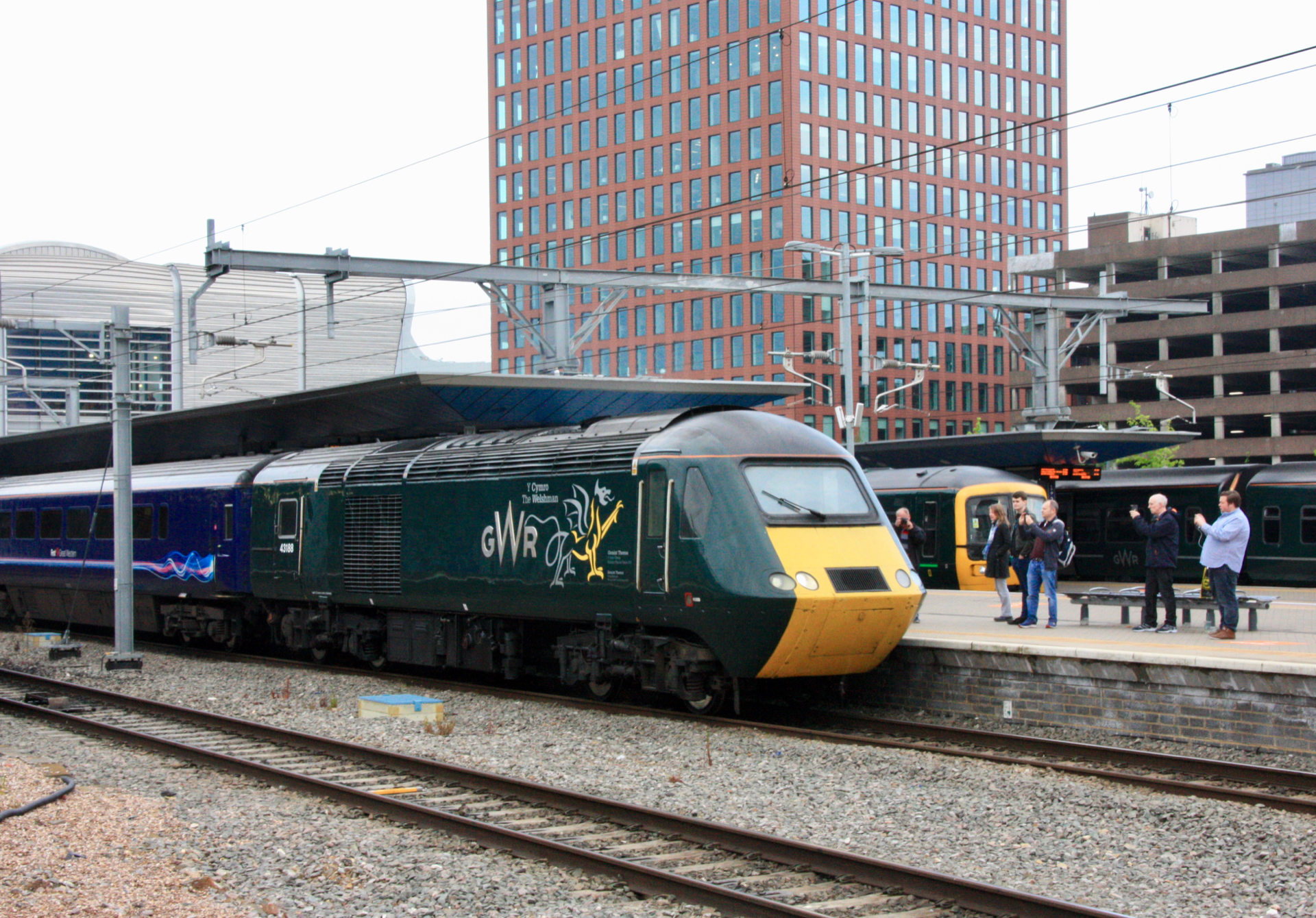 When Great Western Railway trumpeted a fastest ever rail journey from Cardiff to London of one hour 33 minutes 44 seconds in October 2019 by one of its new InterCity Express (IET) trains it was being somewhat economical with the truth about the fastest rail journey between the two capitals.
 HOLIDAY plans for many of us have been thrown into disarray by the pandemic, so this seems like a timely moment to look back at two memorable July holidays from years gone by, when I was able to sample and photograph one of Europe’s most remarkable railway networks.
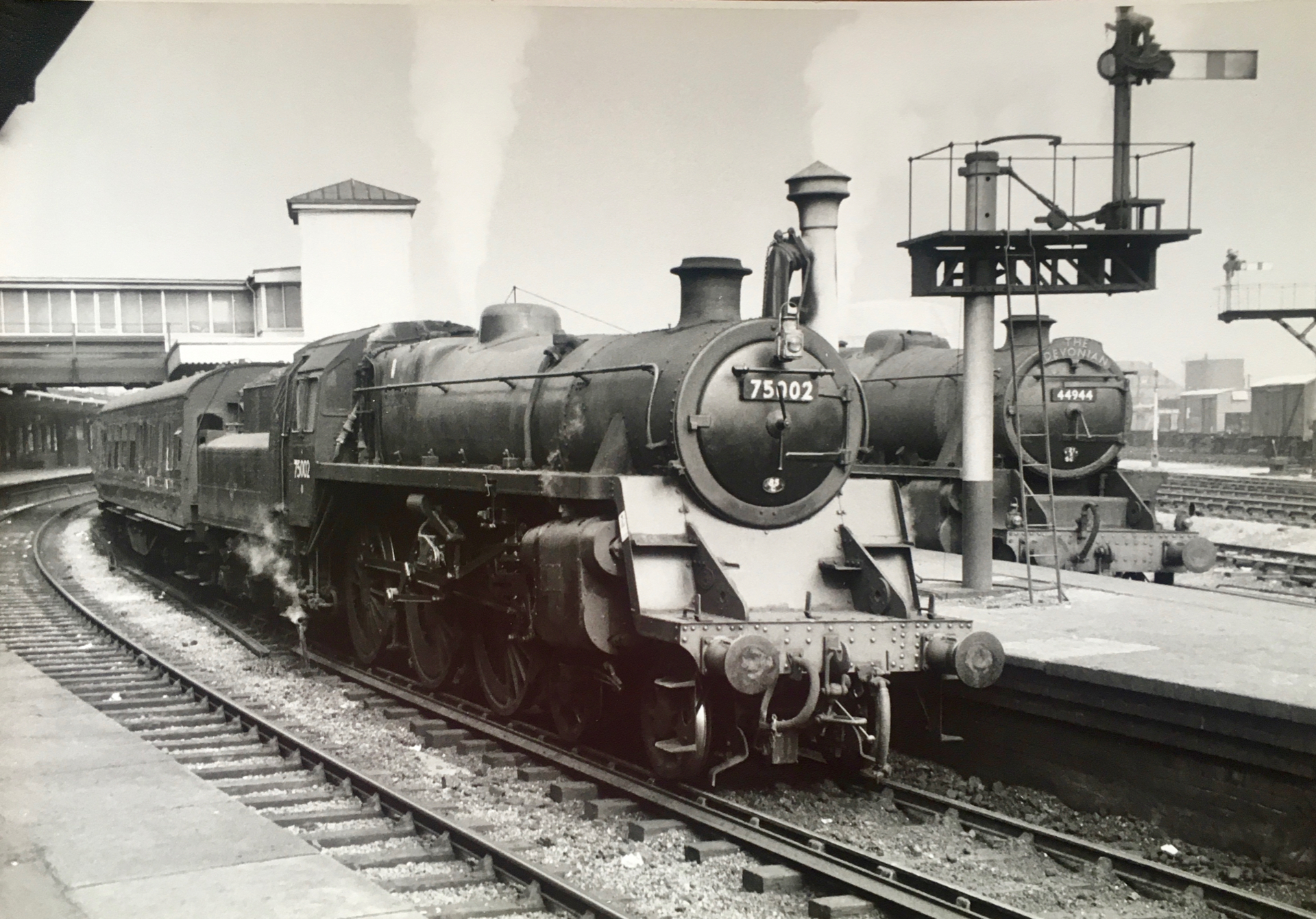
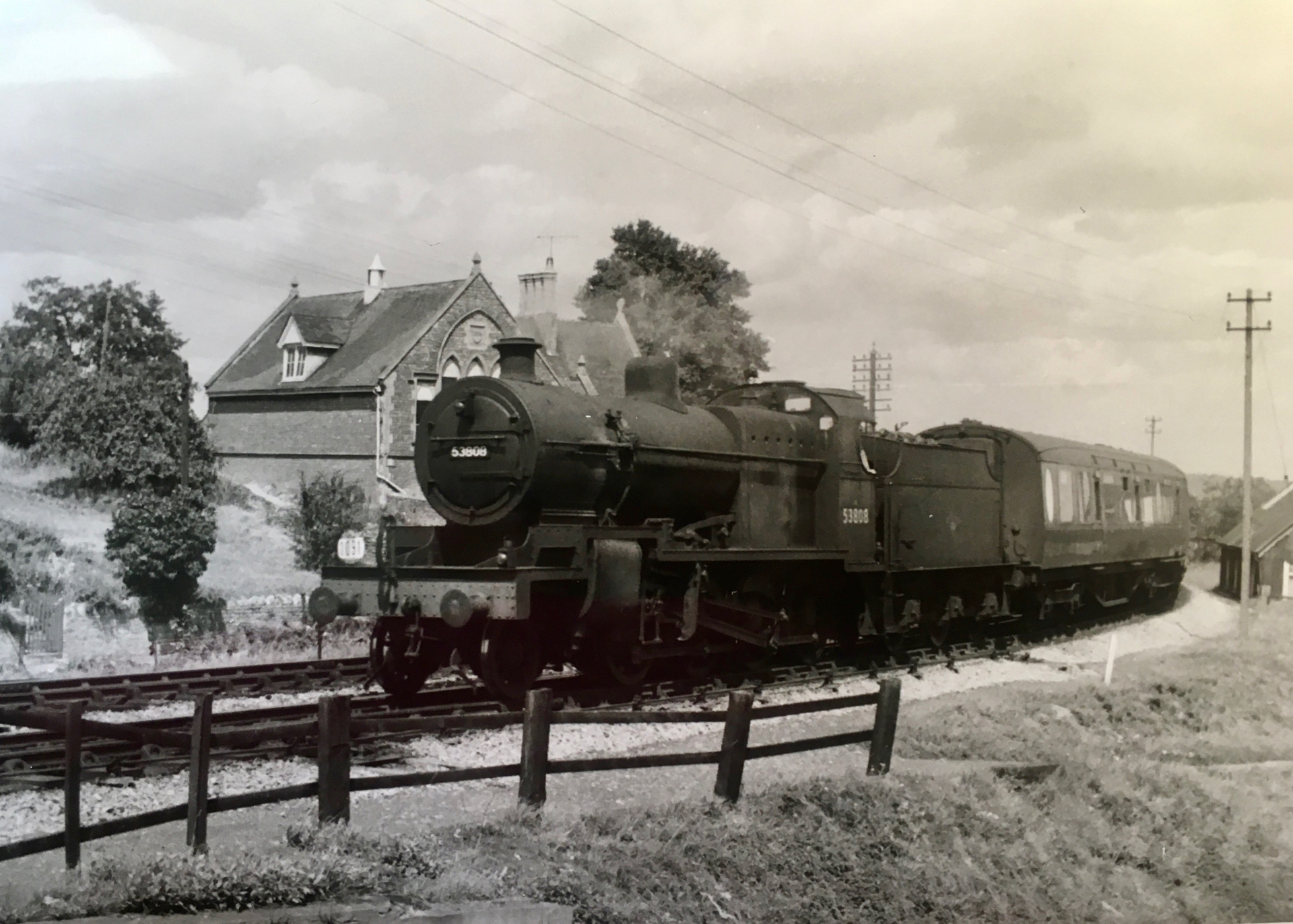 Features on my late father’s railway travels in Wales and across Gloucestershire during the early 1960s attracted a good deal of interest, so for one final dip into what remains of his photo archive, here are a few shots of the famous Somerset & Dorset Joint line from Bath (Green Park) to Bournemouth in the summer of 1962.
 CONSIDERABLE interest was aroused by the account I published last week of my late father’s 1961 rail travels in Wales so, for what will hopefully prove to be one of my final lockdown retrospectives, this is a look through his lens at steam action in Gloucestershire during the early 1960s.
 RailwayWorld.net
You must be logged in to post a comment.