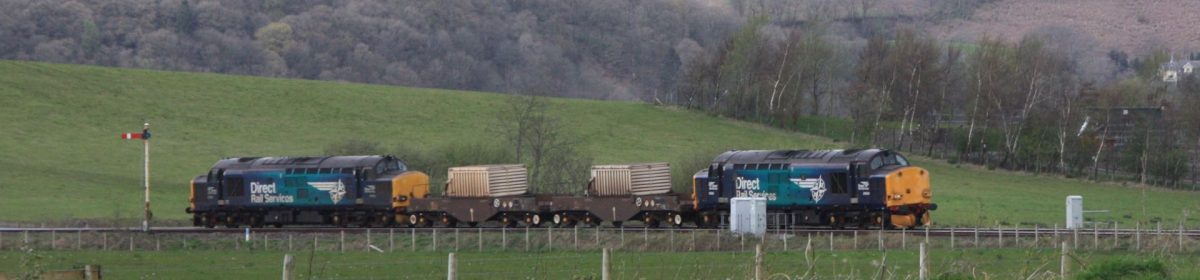
 After last year’s return to Stranraer Harbour, it is time to pay another visit to south-west Scotland and to the four southernmost outposts of mechanical signalling on the Glasgow & South Western main line between Glasgow and Carlisle.
Three of the quartet are Glasgow & South Western Railway (G&SWR) designs, but a fascinating exception is the box at Thornhill, one of the few surviving and working examples on our rail network of a fortified war-time (LMS, 1943) ARP signal box. Continue reading “Semaphores in south-west Scotland”
 After last week’s trip along the scenic Furness Line, it is now time to head north from Barrow-in-Furness and take a look at some of the many delightful spots that retain their mechanical signalling along the route through Whitehaven and Workington as far north as Wigton.
 Among all the many trips I went on three years ago in the quest for photos and text for my signalling book, most memorable of all was the week I spent during April 2017 at Barrow-in-Furness, while I explored the wonderful Furness and Cumbrian Coast Lines.
 Taking heed of Government advice to avoid making all but essential rail journeys, the current potentially dismal and very challenging period seems like a good moment to look back to better times, when we were all free to travel at will.
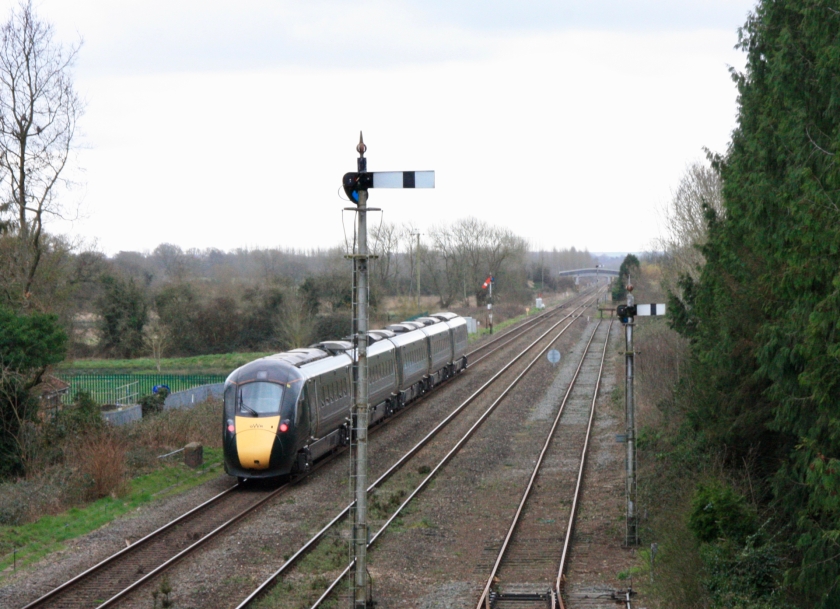
 Completion of the Wherry Lines re-signalling in February 2020 means that there are now just two outposts of mechanical signalling in the whole of East Anglia, both of which are on the busy cross-country route between Ely and Peterborough.
 Contrary to what Greta Thunberg and many Millennials and Generation Z-ers might care to believe, the idea of trying to avoid harmful pollution by making less use of the private car is also deeply ingrained in some of us who date from earlier generations.
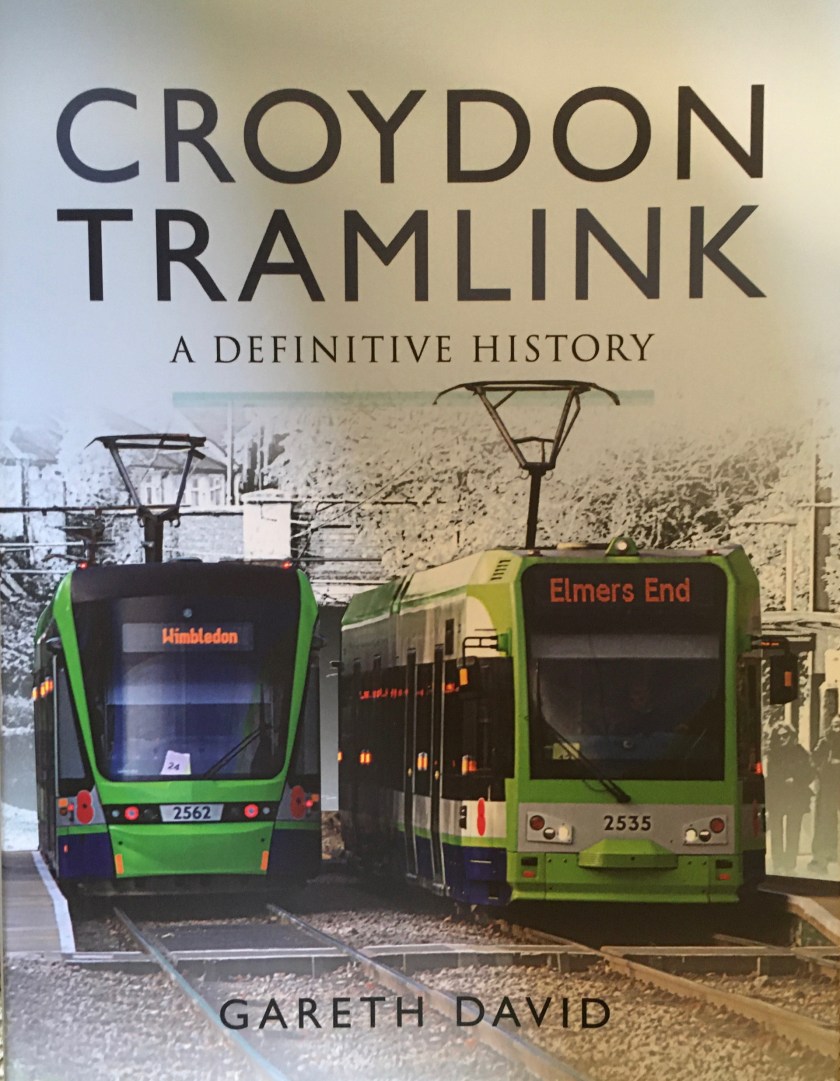
 To mark publication next month (April 2020) of my new book – a history of Croydon (London) Tramlink – this is the first in an occasional series taking a look at Britain’s urban light railways, and begins with a visit to Birmingham and a trip on its fast-expanding West Midlands Metro.
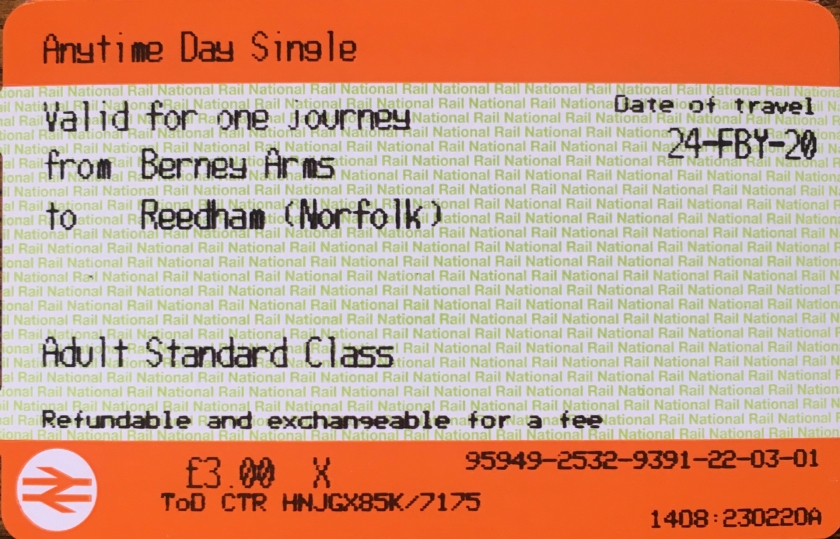 England’s remotest station is back in business, almost a year and a half after its longer-than-planned temporary closure, as part of the Wherry Lines re-signalling programme.
 Confirmation that HS2 is to go ahead raises fundamental questions about the way in which every other railway revival project around the country is treated in future, given that the traditional economic case for HS2 has always been distinctly questionable.
 RailwayWorld.net
You must be logged in to post a comment.