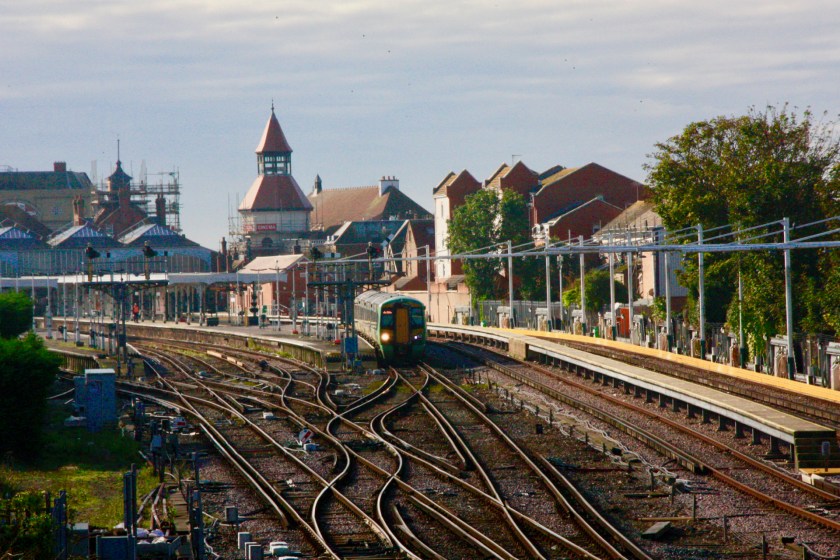
 Two remarkable outposts of mechanical signalling are the neighbouring West Sussex resorts of Bognor Regis and Littlehampton, which have somehow outlived a re-signalling of the Mid-Sussex Line south of Horsham.
That 2014 exercise saw the elimination of signal boxes at Billingshurst, Pulborough and Amberley, but left the two coastal termini untouched and consequently stuck in a delightful time-warp, as seen in the following photos taken on 22 October 2019. Continue reading “Sun and semaphores on the South Coast”
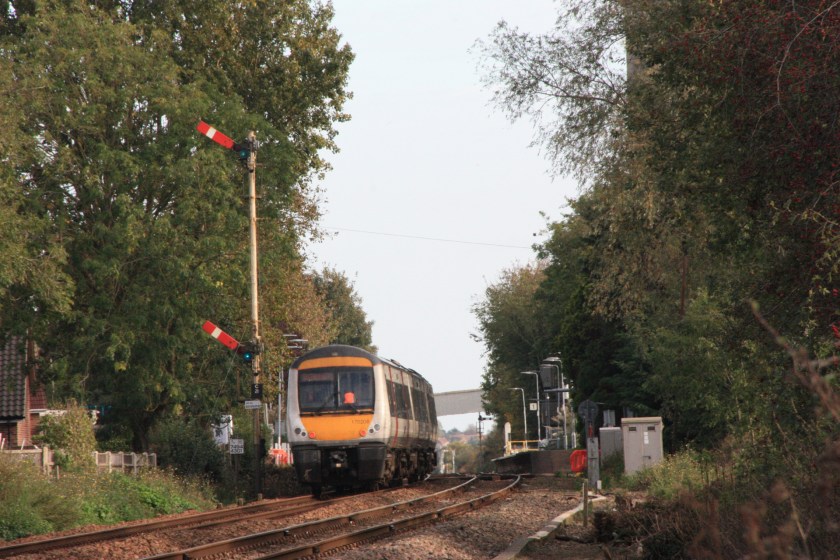 Co-acting signals were once a fairly common feature of our railways, but are now an endangered species. There are only three remaining examples on the national network, of which one will disappear early next year and another is threatened by potential electrification and re-signalling.
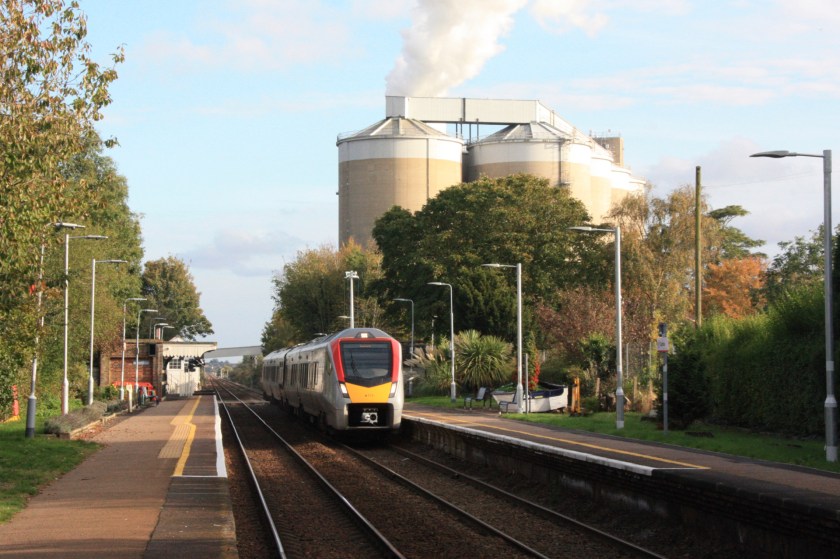 Paying a return visit to the Wherry Lines, principally to photograph Cantley’s famous co-acting signal, it was good to see more evidence of the new Class 755 units than on my visit to Lowestoft at the beginning of the month.
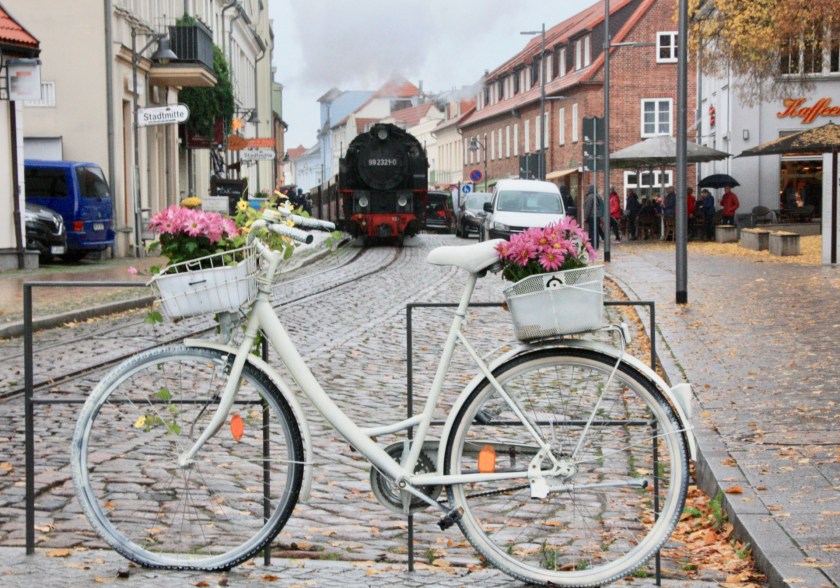 Last month’s return to the wonderful Harz metre-gauge network prompted me to pay a long-overdue first time visit to two more of the steam-worked narrow gauge railways in eastern Germany, both on the country’s attractive Baltic coast.
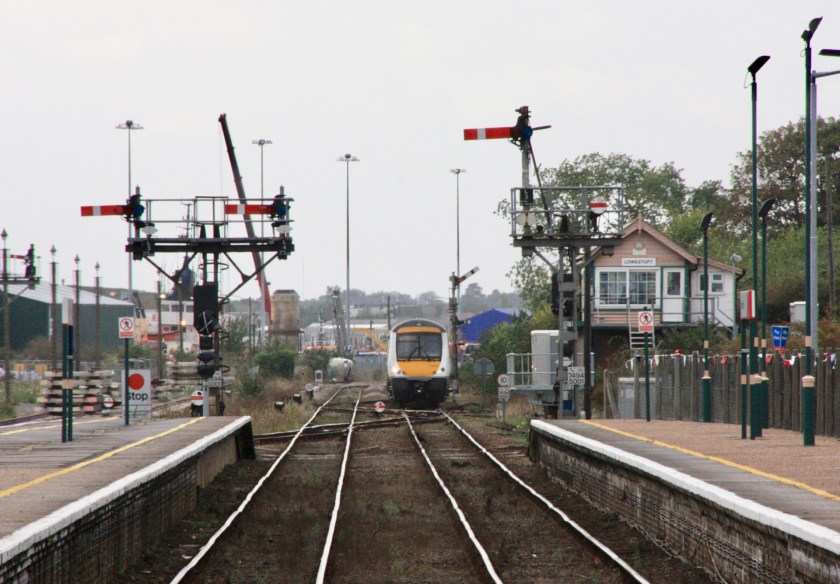 After my return last month to Britain’s most southerly semaphores at St Erth in Cornwall, it was time for what will probably be my final visit to our most easterly semaphores, namely those at Lowestoft Central.
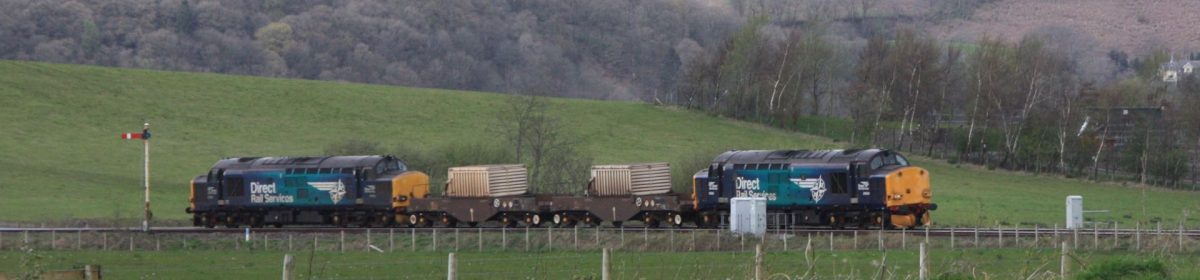
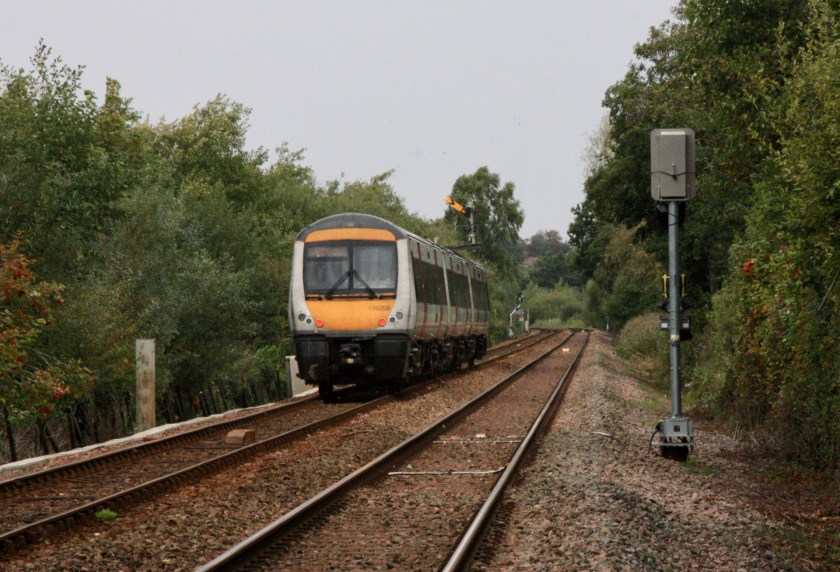 Class 37-haulage may finally be at an end on the Wherry Lines, but there are still a few months left to appreciate another charming aspect of these routes from Norwich to Great Yarmouth and Lowestoft.
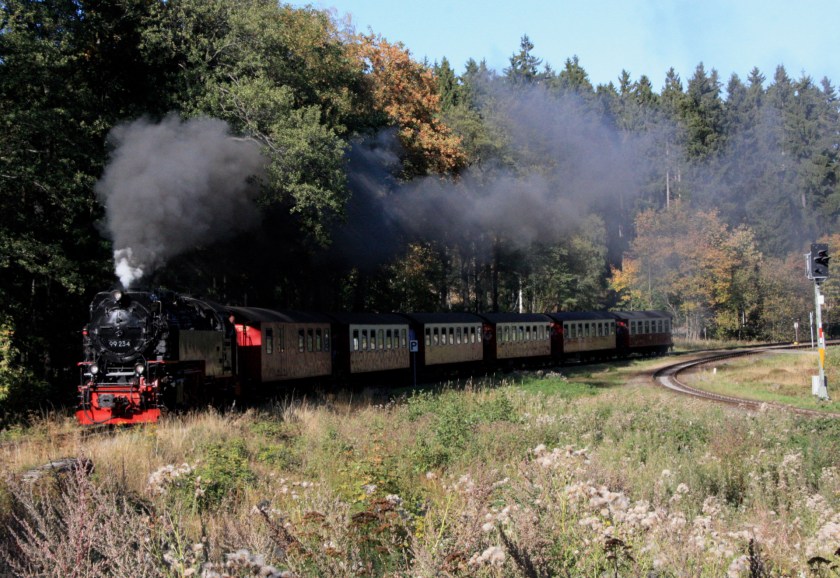 Imagine an attractive and rural corner of Central Europe where you can travel on your own steam-hauled narrow gauge train just as the sun is rising, and then spend all day riding a vast narrow gauge network for around £13 a day.
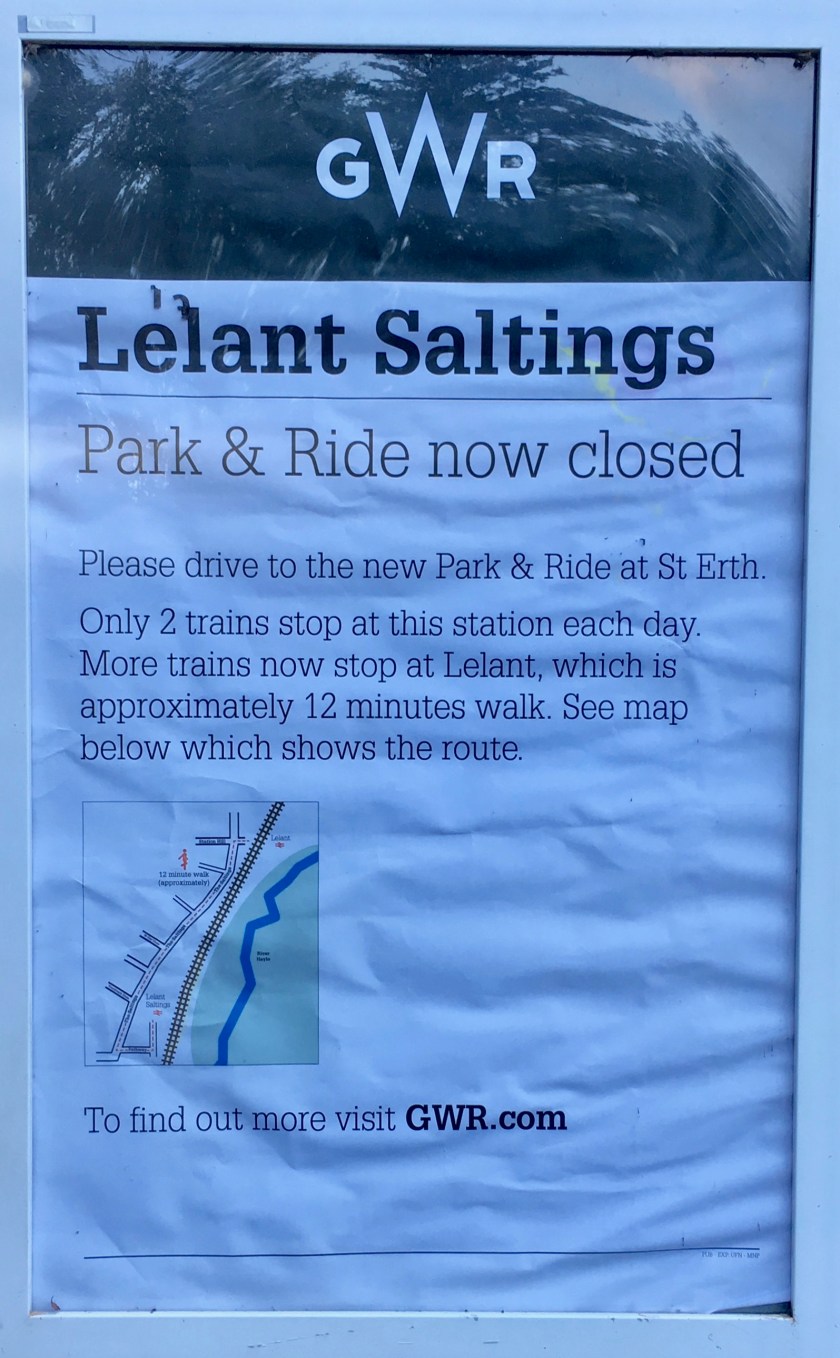 Built and opened in 1978 for a bargain price of just £50,000, Lelant Saltings Park & Ride was an instant success, and for more than four decades it was the place where thousands of visitors to St Ives left their cars and took a scenic four-mile train ride to the bustling artistic capital of Cornwall.
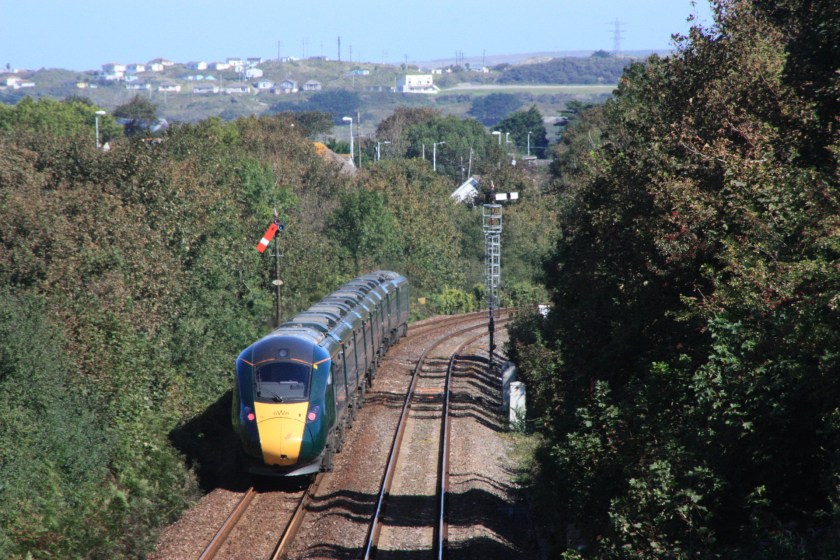 Closure of the former Park & Ride site at nearby Lelant Saltings, and development of a large new car park south of the station, has seen some significant changes at St. Erth station, that delightful junction in South West Cornwall for the branch line to St. Ives.
 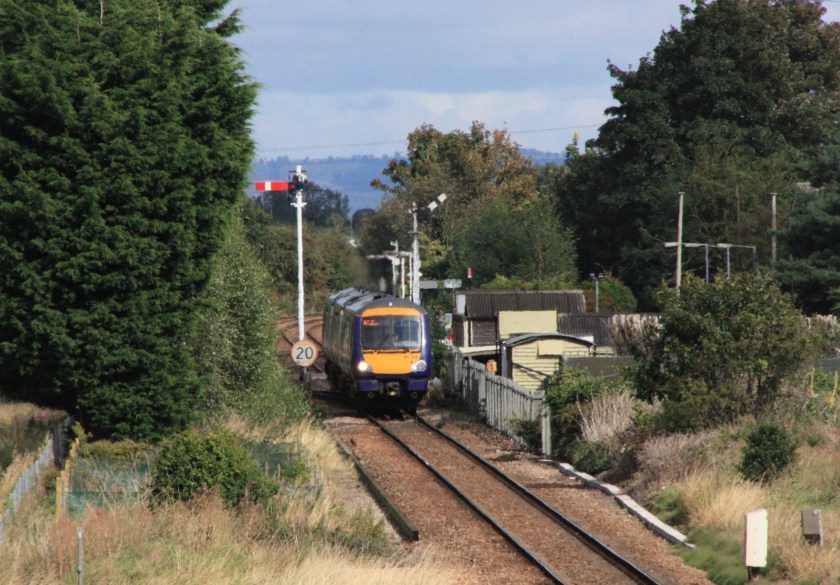 Just three miles from the National Railway Museum is the start of one of Britain’s finest remaining outposts of mechanical signalling, the 17½ miles of railway route between Harrogate and Poppleton, a growing village north-west of York city centre.
 RailwayWorld.net
You must be logged in to post a comment.