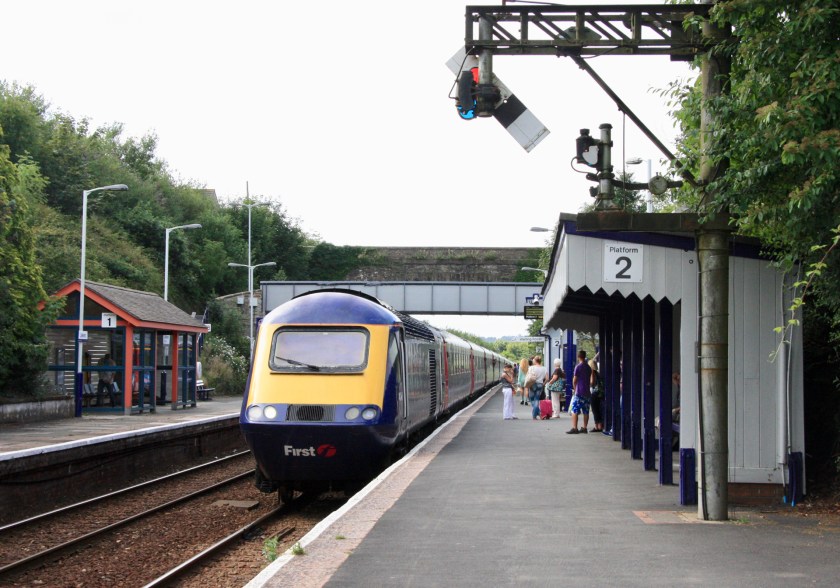
 Hard to believe after 40 years, but in less than three weeks’ time long-distance High Speed Trains (HSTs) will make their final journeys on the GWR network, going out in style with a planned four departures from Paddington between 18.03 and 18.30 on Saturday, 18 May 2019.
These Inter-City 125 trains transformed perceptions of rail travel following their introduction across the network in the 1970s, arresting the decline in passenger numbers and paving the way for the seemingly constant growth in travel by rail that is now somehow taken for granted. Continue reading “GWR HST Farewell”
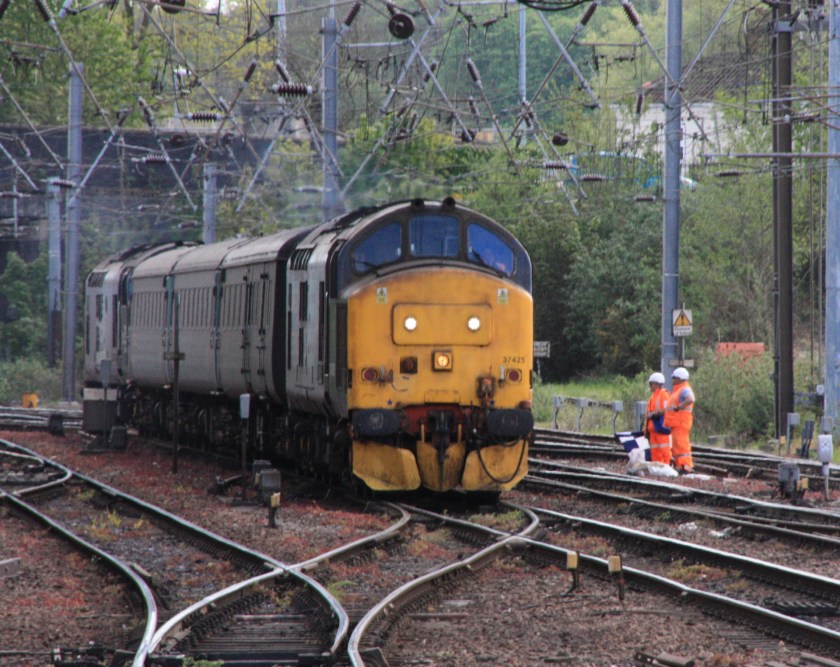 Re-signalling of the charming Wherry Lines in Norfolk was due to be completed about now, but this £67m project has joined Crossrail and Great Western electrification in falling hopelessly behind schedule.
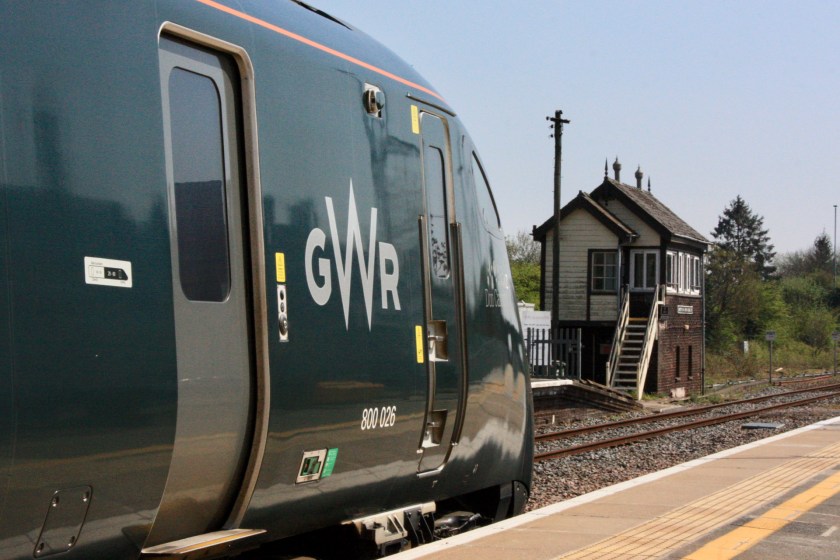 Paying an Easter Saturday (20 April 2019) visit to Moreton-in-Marsh there had been a fair bit of change since my last visit almost two years ago, when the rolling stock featured in photos accompanying my August 2017 blog included Class 166 and 180 units as well as the now fast-disappearing HSTs.
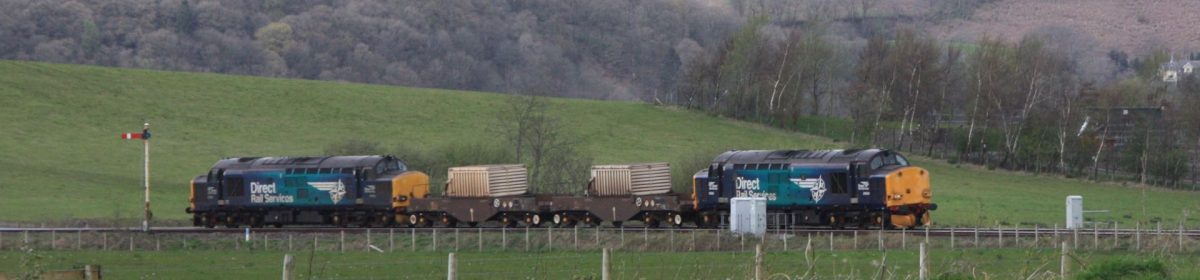
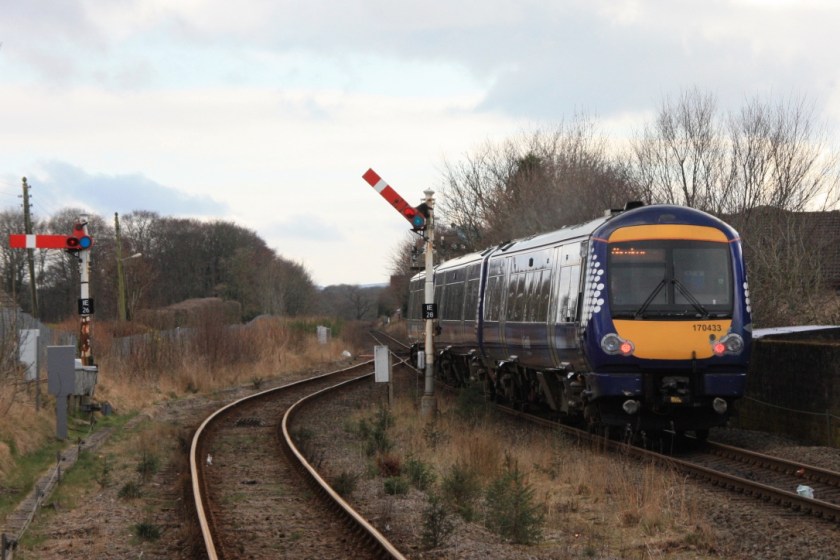 After the recent completion of re-signalling at Pitlochry and Aviemore, another of Scotland’s wonderful manual signalling outposts will disappear this summer, when completion of Phase One of a £170 million programme to upgrade the Aberdeen to Inverness route will see the loss of semaphores at Inverurie.
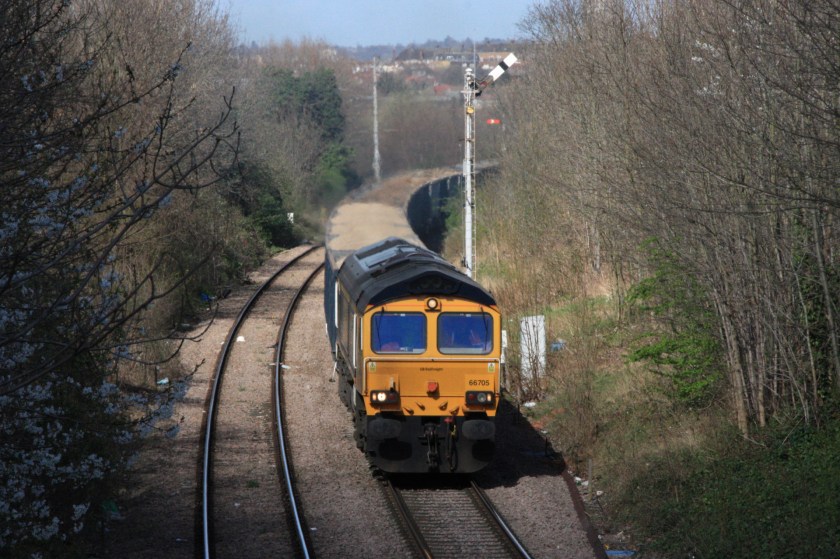 There are very few places to watch the flow of freight traffic along one of London’s forgotten arteries – the four-mile long Dudding Hill Line from Acton to Cricklewood – but pick of the bunch must be the bridge on Craven Park just north of Harlesden station.
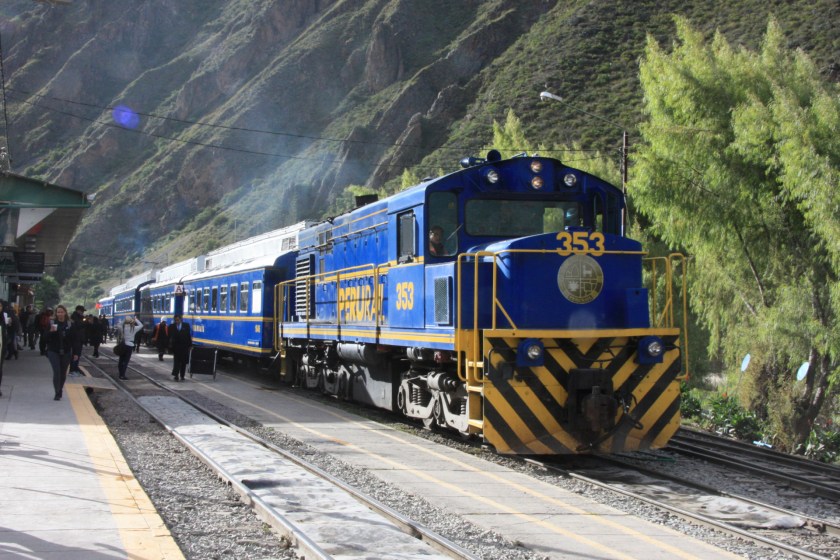 What must be one of the busiest and certainly the most expensive narrow gauge railway in the world is a 43km (27 mile) stretch of 3ft (914mm) gauge line which carries the vast majority of visitors to the world famous Inca citadel of Machu Picchu in Peru.
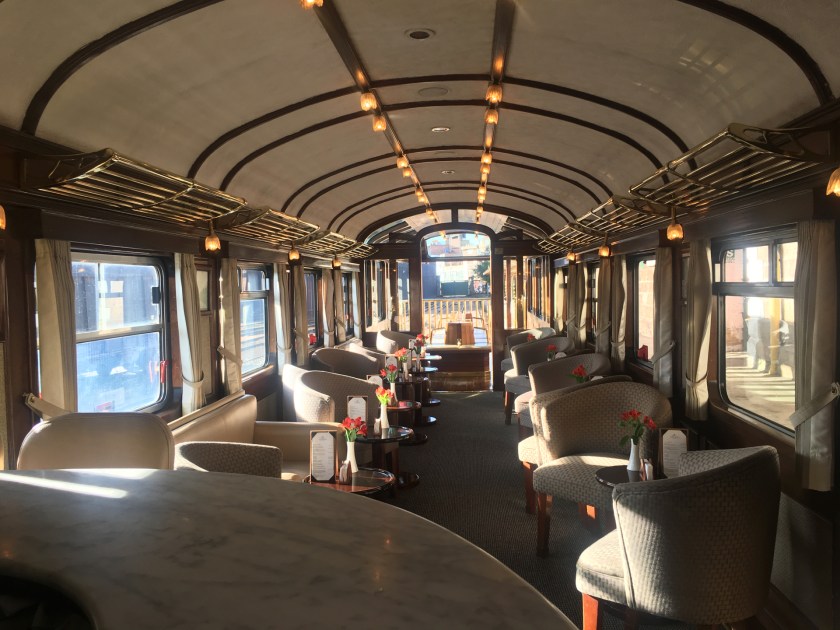 Rail travel in Peru is not something that the majority of its population ever gets to experience, but for the tourist wanting a bit of affordable luxury there is nothing to beat a day aboard the Titicaca Train on its thrice-weekly journey between Puno and Cusco.
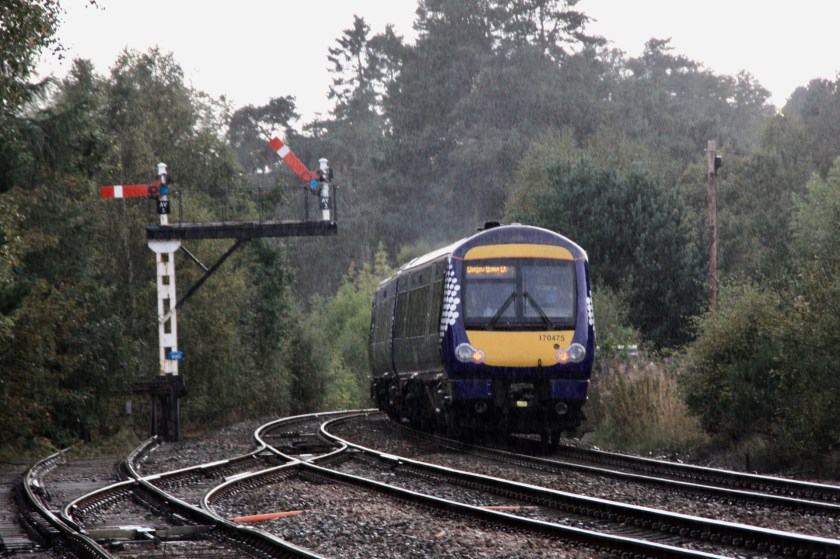 Completion this month of what is known as Highland Main Line Upgrade Phase Two will see the disappearance of semaphore signalling at two locations along the magnificent route from Perth to Inverness.
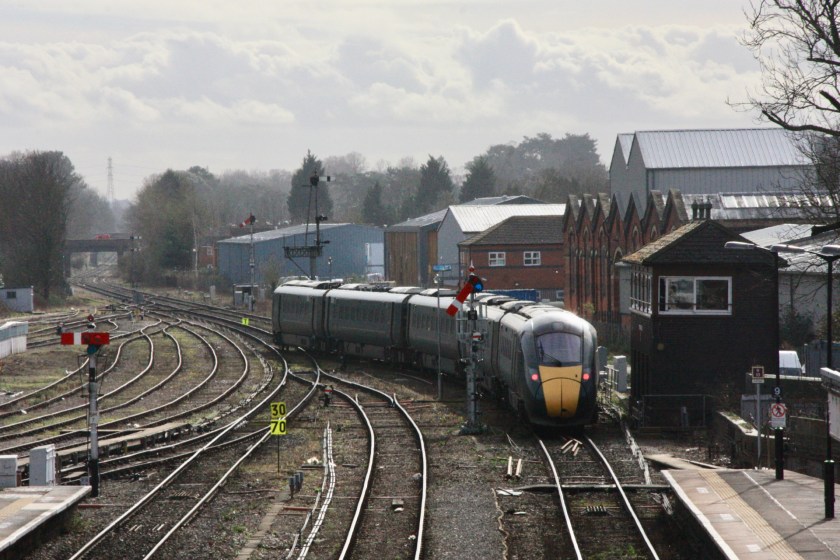 For a chance to savour Britain’s finest collection of lower quadrant semaphore signals, and a number of other unique historic features, it is well worth spending a few hours on and around Worcester’s two stations, Shrub Hill and Foregate Street.
 RailwayWorld.net
You must be logged in to post a comment.