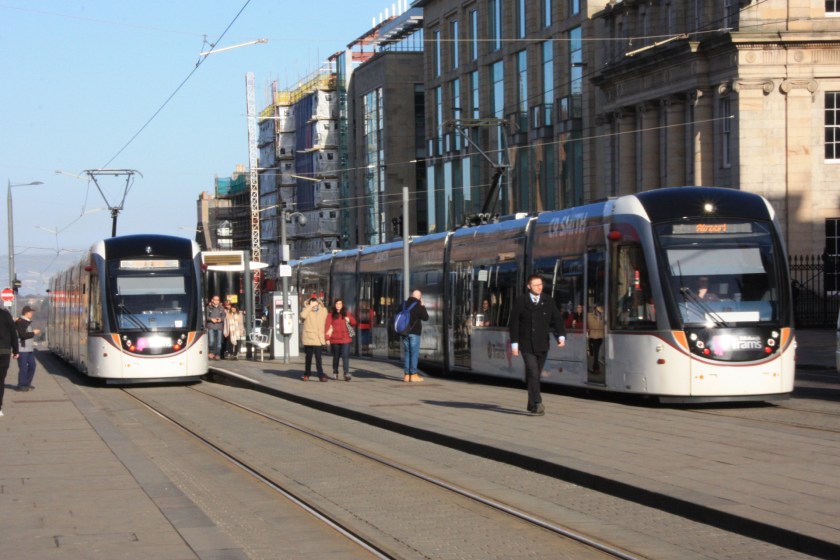
Edinburgh has pretty much anything a tourist could be looking for, with its castle, Royal Mile, Holyrood and a plethora of fine buildings and open spaces. What it does lack, though, is a railway museum, with the nearest being some way out of the city at Bo’ness, home to the Scottish Railway Museum.
 While it is good to see that a pair of junction signals from Stirling (SN18/SN11) have pride of place in the National Museum of Scotland, there is scope for much more, so it seems high time to consider a magnificent and listed building that stands in an ideal location, within a stone’s throw of Princes Street.
Waverley West Signal Box was built by the London & North Eastern Railway in 1936 to control early colour light signals on the western side of Waverley station. It lasted just 40 years before being decommissioned in November 1976, so has now stood empty and unloved for longer than it was actually in service. Continue reading “A railway museum for Edinburgh?”
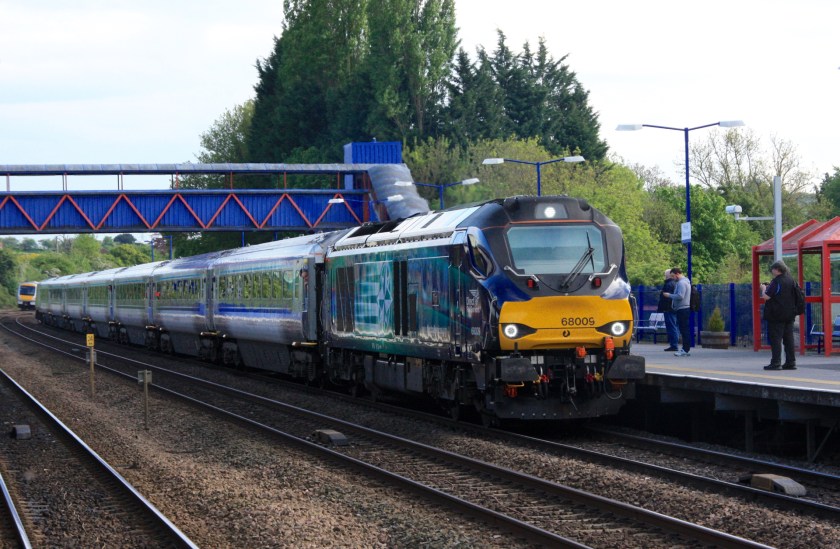
 London to Birmingham is by far the cheapest long-distance rail journey in the UK because it is pretty much the only one on the franchised railway where there is genuine on-rail competition between operators.
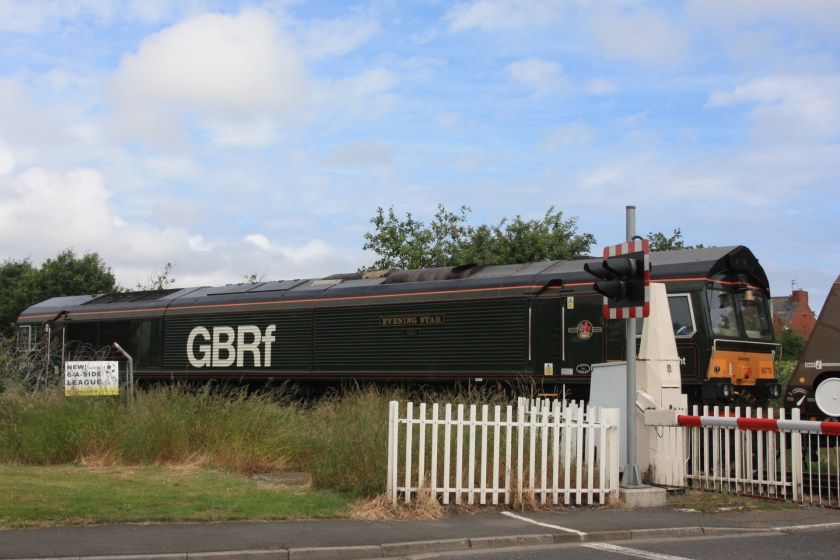 For a route that has seen only freight traffic since its closure to passengers in 1964, the line heading north east from Newcastle to Bedlington and Ashington has done remarkably well to retain its traditional infrastructure.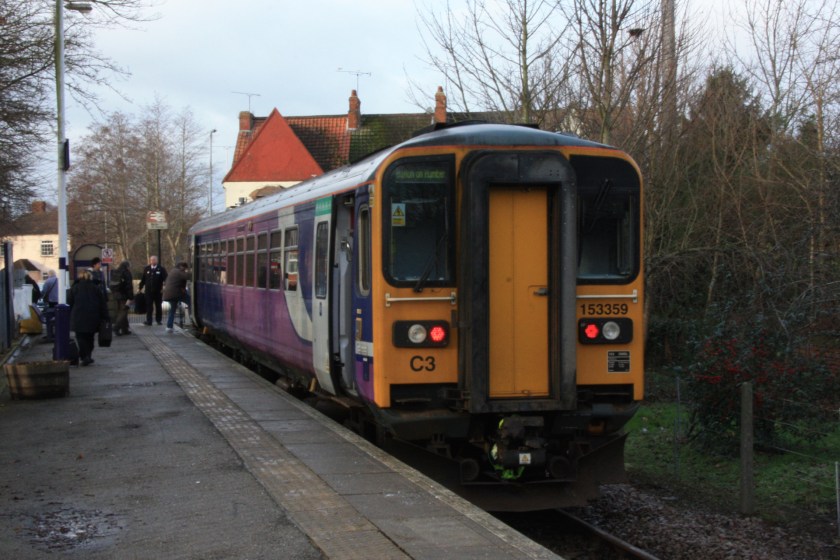
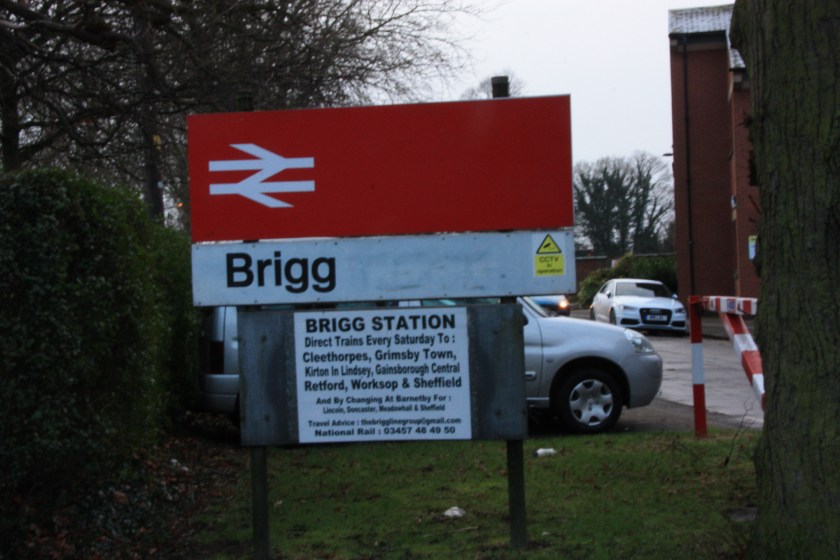
 Paying a long overdue return visit to a route I had not travelled since withdrawal of daily services, I was keen to see at first hand the Brigg Line Group’s success at building passenger numbers along the line. So, after an early morning bus ride from Barton-on-Humber to Brigg town centre, I made my way to the station for a trip on the first departure of the day, the 09.26 service to Cleethorpes.
  Greenford East Signal Box in north-west London is a remarkable survivor. This 1904-vintage Great Western Railway box is the last of its kind in Greater London, and the only place in the capital where the line is controlled by lower quadrant semaphore signals.
 Henwick Signal Box is probably best known as the place where trains were famously delayed one day almost five years ago (in February 2013), when a luckless signaller got trapped in the toilet! Happily it now has another distinction.
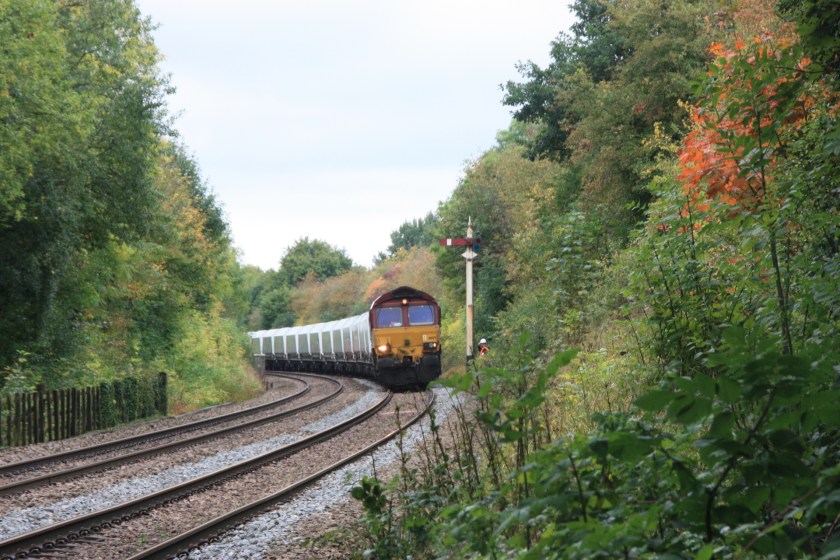 2017 was supposed to have been the year that re-signalling of the Leicester to Peterborough line saw its last mechanical signalling swept away, with closure of the nine remaining signal boxes along this important cross-country route.
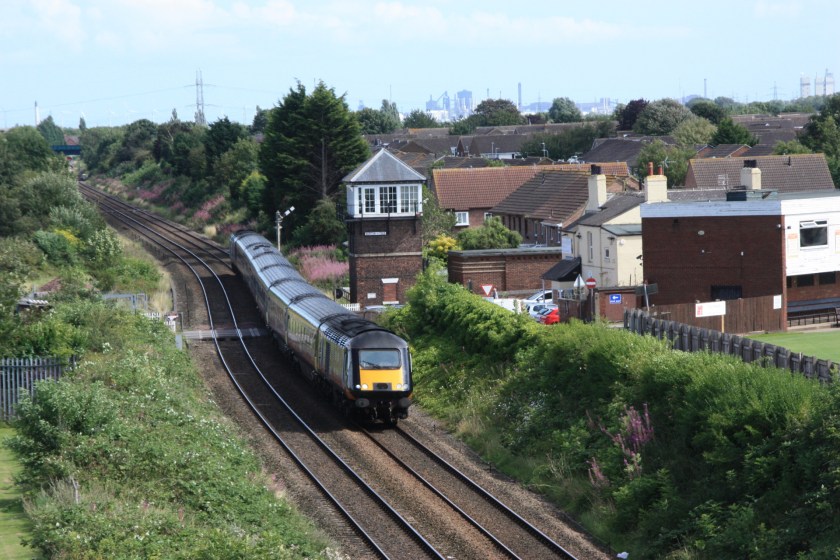 Ten years ago today (18 December 2007) Grand Central Railway Company (GC) finally got onto the national railway network, when its first scheduled passenger service left Sunderland for London Kings Cross.
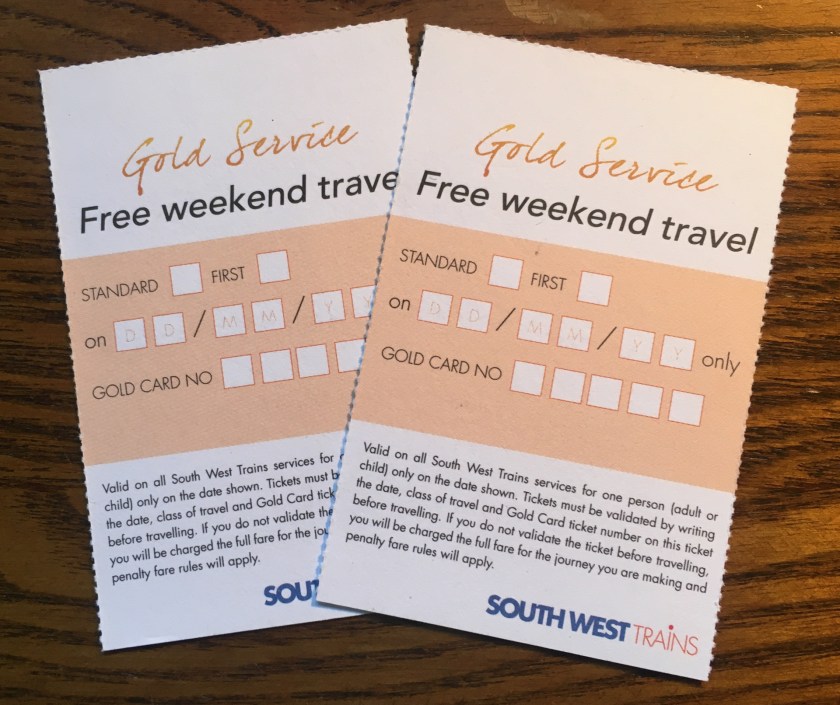 Gold Card (annual season ticket) holders in what is now the South Western Railway (SWR) franchise area have, without warning, lost a great perk of their long-term loyalty to the railway.
 RailwayWorld.net
You must be logged in to post a comment.