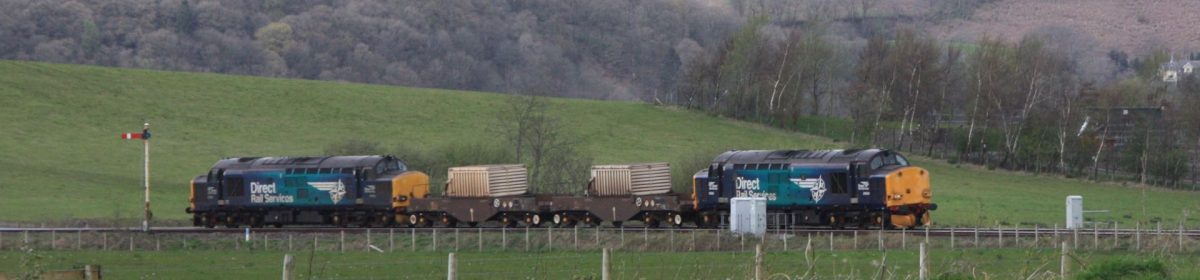
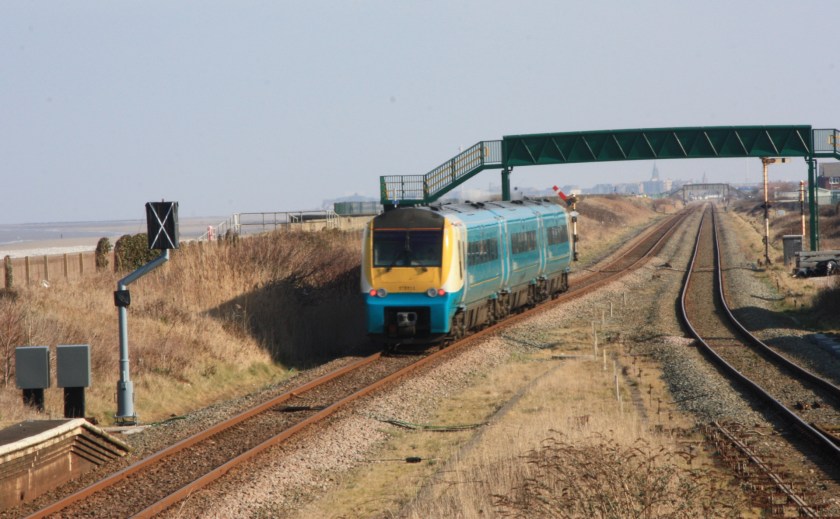
In less than three weeks’ time a key milestone will be reached in the £50 million North Wales Railway Upgrade, with closure of five mechanical signal boxes between Talacre and Abergele and the commissioning of new colour light signalling that will be controlled by the Railway Operating Centre in Cardiff.
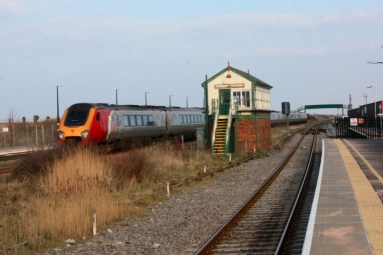 On the day of a visit last month to Rhyl No. 1 box (featured in my previous post) I was also fortunate to be able to visit two of the other doomed boxes, those at Abergele & Pensarn and at Prestatyn.
As with Rhyl No. 1, Abergele & Pensarn is another Grade II listed LNWR box, dating from 1902, which stands between the running lines at the eastern end of the Grade II listed, but unstaffed, station. Continue reading “Goodbye, Abergele, Farewell, Prestatyn!”
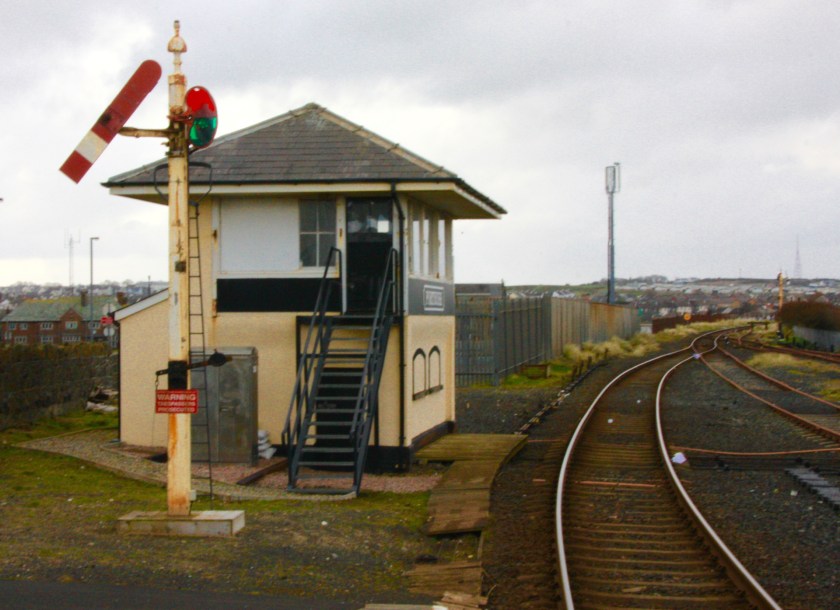
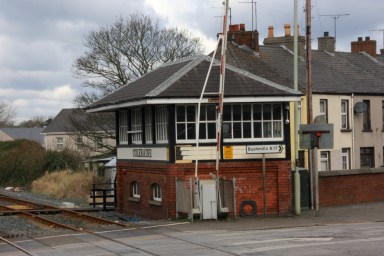 Pay a visit to Portrush, at the end of a short branch line from Coleraine, on the Belfast to Londonderry main line, and you are in for a signalling treat.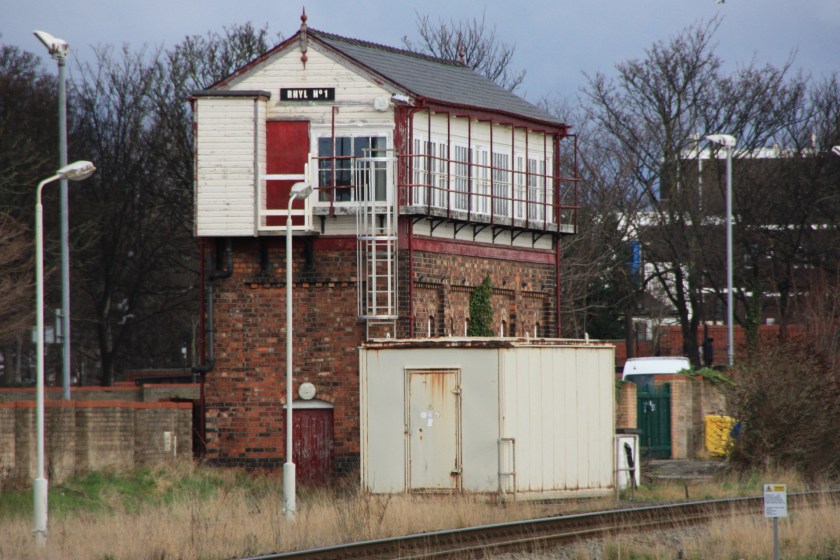
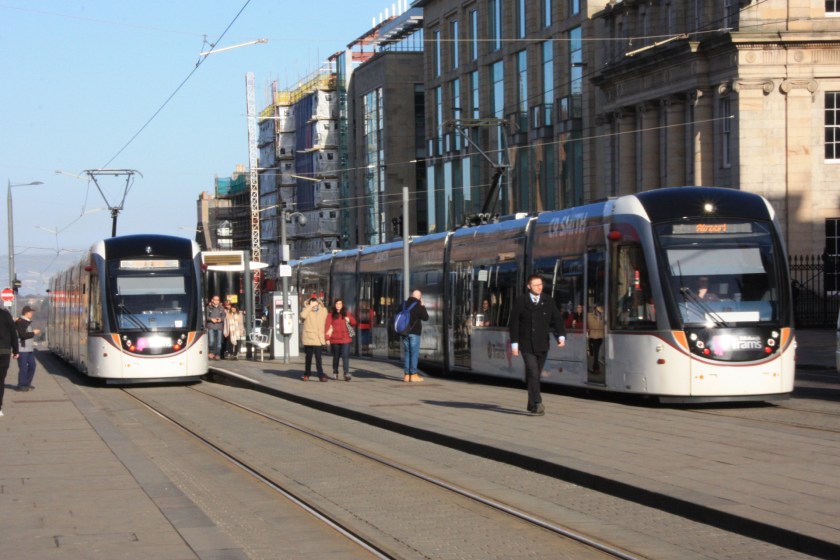
 While it is good to see that a pair of junction signals from Stirling (SN18/SN11) have pride of place in the National Museum of Scotland, there is scope for much more, so it seems high time to consider a magnificent and listed building that stands in an ideal location, within a stone’s throw of Princes Street.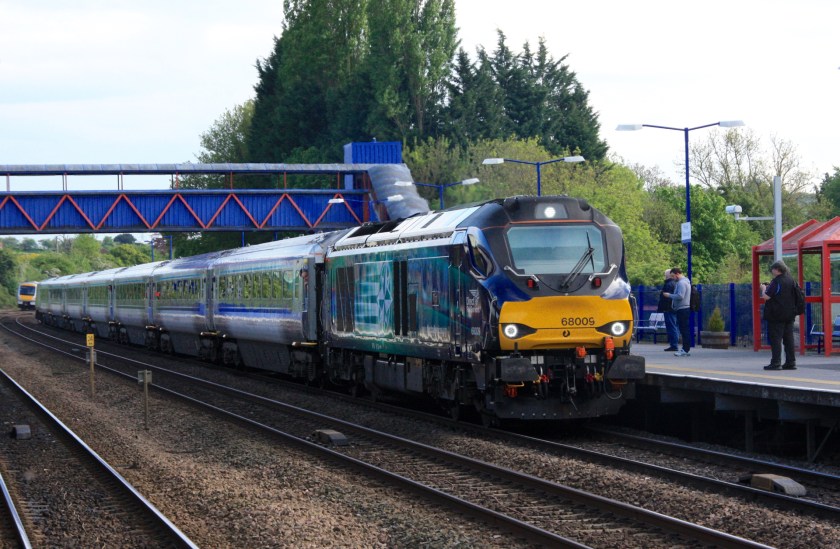
 London to Birmingham is by far the cheapest long-distance rail journey in the UK because it is pretty much the only one on the franchised railway where there is genuine on-rail competition between operators.
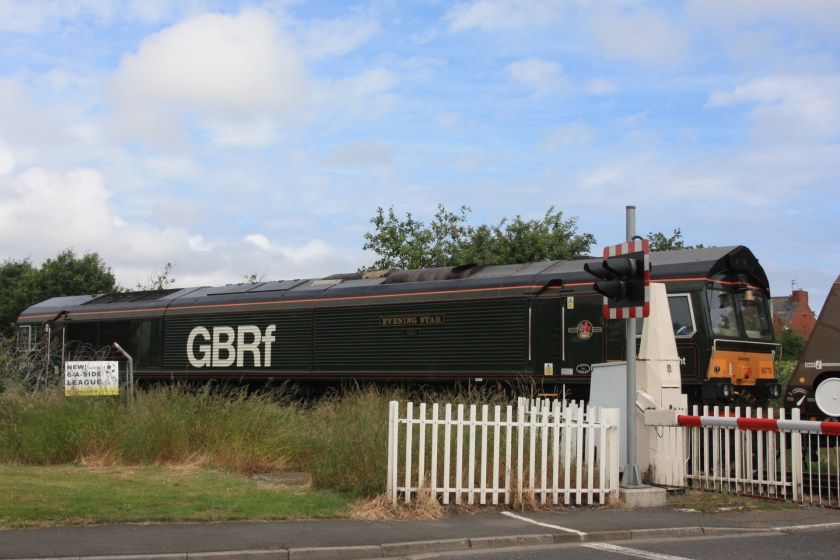 For a route that has seen only freight traffic since its closure to passengers in 1964, the line heading north east from Newcastle to Bedlington and Ashington has done remarkably well to retain its traditional infrastructure.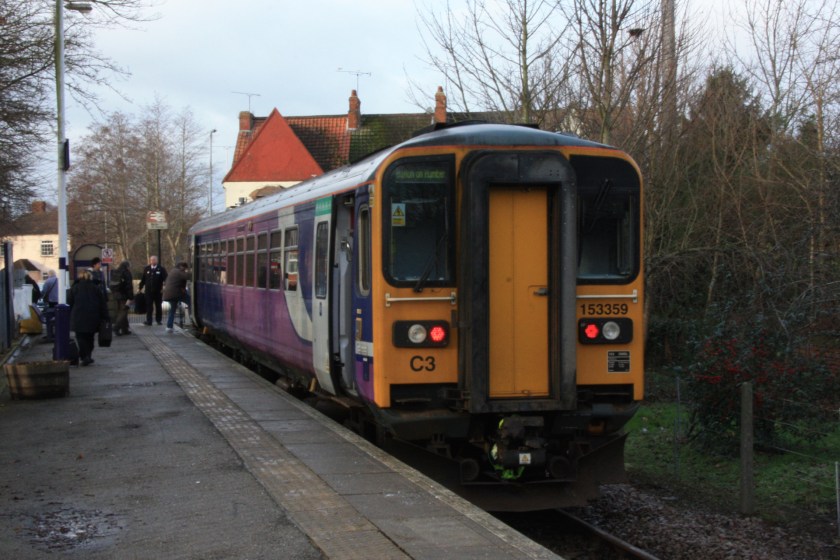
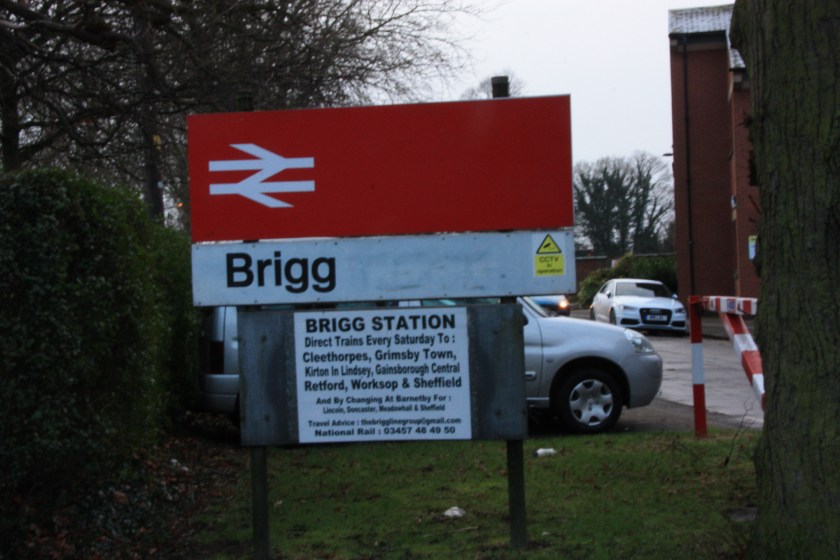
 Paying a long overdue return visit to a route I had not travelled since withdrawal of daily services, I was keen to see at first hand the Brigg Line Group’s success at building passenger numbers along the line. So, after an early morning bus ride from Barton-on-Humber to Brigg town centre, I made my way to the station for a trip on the first departure of the day, the 09.26 service to Cleethorpes.
  Greenford East Signal Box in north-west London is a remarkable survivor. This 1904-vintage Great Western Railway box is the last of its kind in Greater London, and the only place in the capital where the line is controlled by lower quadrant semaphore signals.
 Henwick Signal Box is probably best known as the place where trains were famously delayed one day almost five years ago (in February 2013), when a luckless signaller got trapped in the toilet! Happily it now has another distinction.
 RailwayWorld.net
You must be logged in to post a comment.