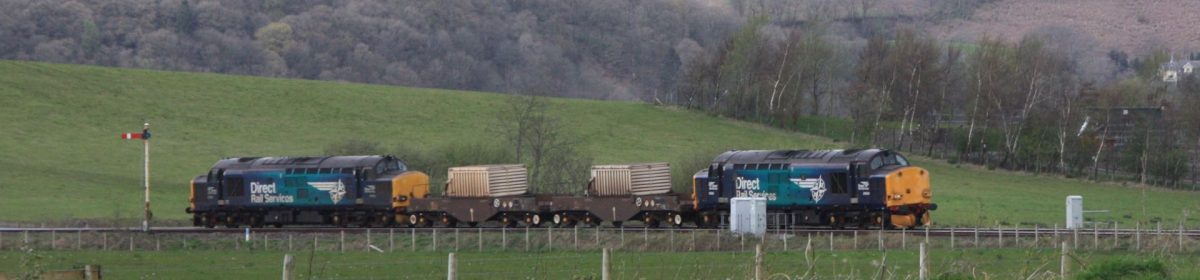
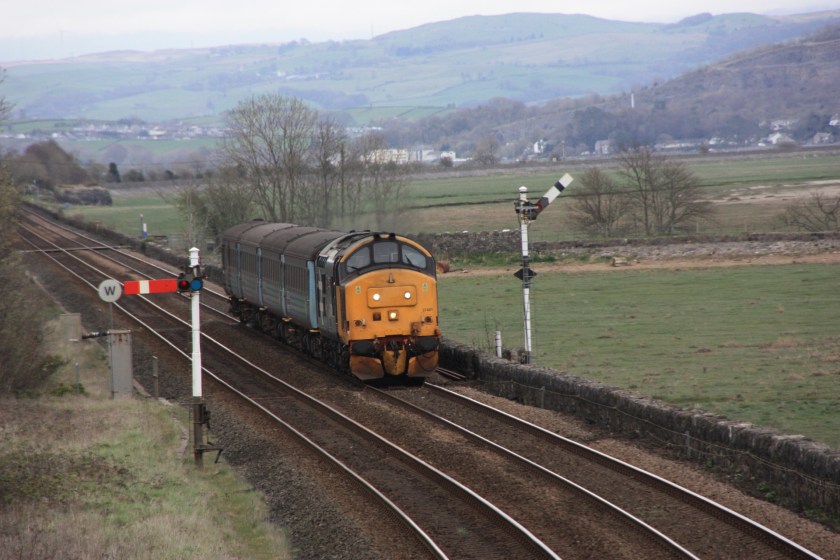
 Having spent much of last year touring the length and breadth of Great Britain in search of surviving semaphore signals to feature in my forthcoming book, I can confidently say that the finest stretch of mechanical signalling in Britain is the 94½ mile stretch of Cumbrian Coast from Arnside, north of Lancaster, along the Furness Line to Barrow-in-Furness, and then on up the Cumbrian Coast Line to Wigton, south-west of Carlisle.
This fascinating and scenic route, boasts no less than 17 signal boxes and two gate boxes controlling semaphore signals, most of which are at stations, and so easily accessible to the rail-borne traveller. Getting around is relatively straightforward (strikes permitting, of course) with Northern Rail services along the routes being roughly hourly from Carlisle to Barrow, with a slightly higher frequency between Barrow and Lancaster. Continue reading “Favourite photo-spots: Grange-over-Sands”
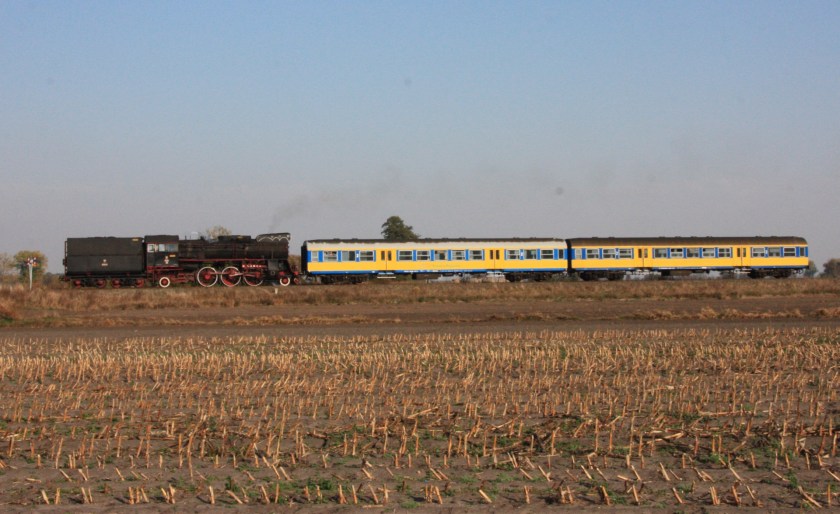 Europe’s last scheduled main line steam services look set to end in little more than a year’s time, with the timetable change on Saturday, 7 December 2019, when a three year agreement to maintain steam working from Wolsztyn in western Poland is due to expire.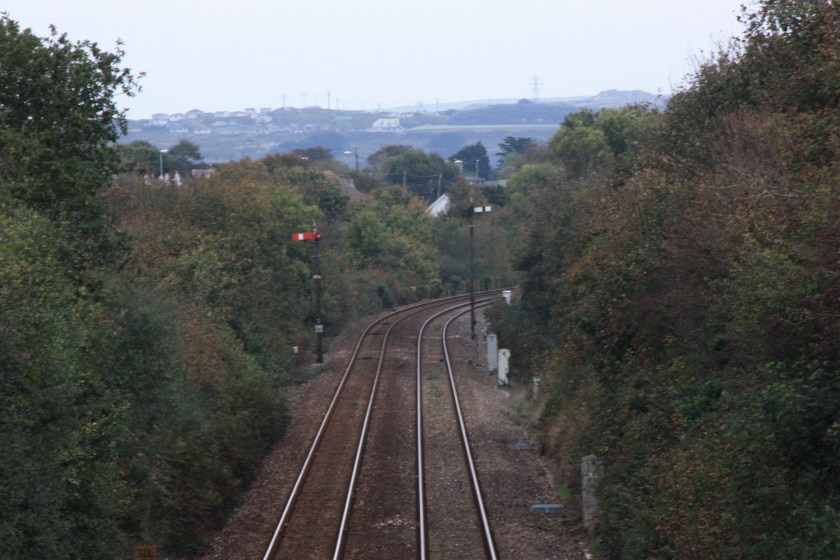
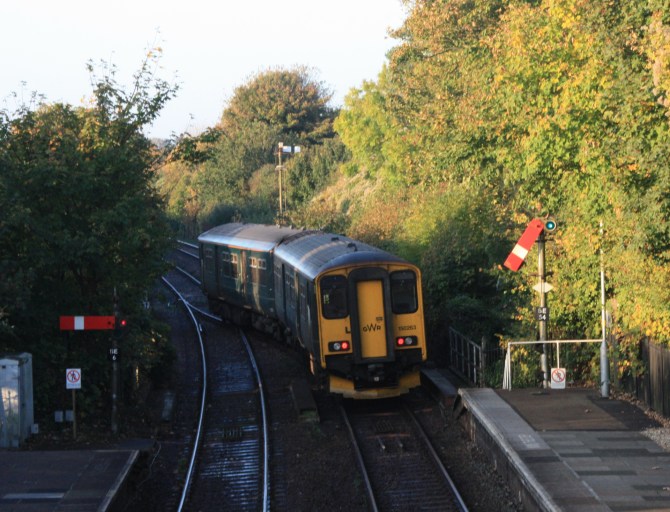 Take a walk down the A30 from St Erth station for a about half a mile, passing the closed Lamb & Flag pub, then head down a narrow lane signposted Rosevidney and you come to an over-bridge with a good, though distant view of the two elusive semaphores.
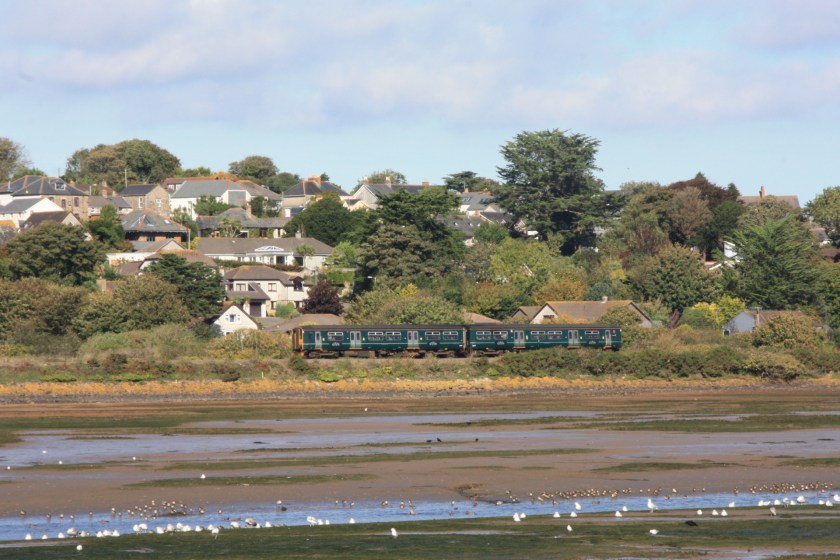 One of Britain’s finest long distance walking routes must surely be the 630-mile long South West Coast Path, which extends all the way from Minehead in Somerset to the Sandbanks Ferry near Poole in Dorset. But for those who like to mix their walking with some scenic rail travel the path offers few opportunities for what I call railway rambling, with one notable exception.
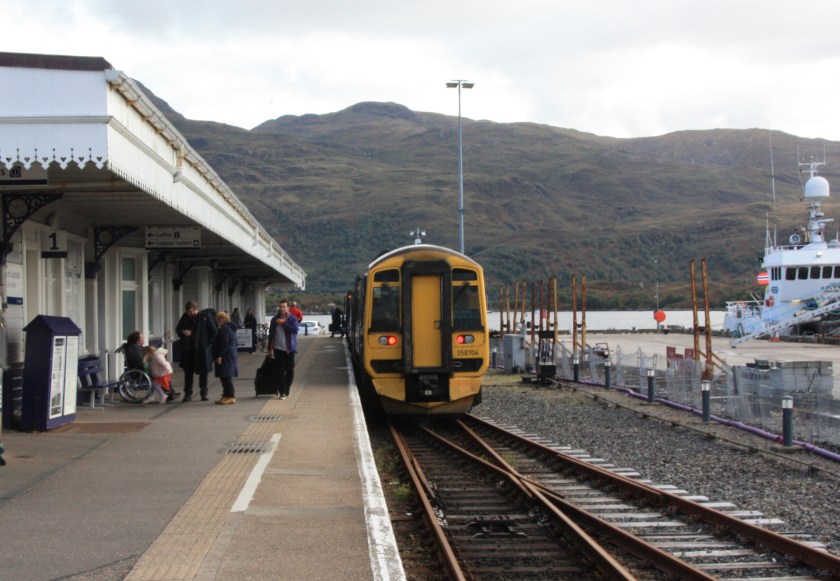 As spectacularly scenic railways go there is nothing anywhere in Britain to match the Scottish route from Inverness to Kyle of Lochalsh and the West Highland Lines from Glasgow to Fort William, Oban and Mallaig.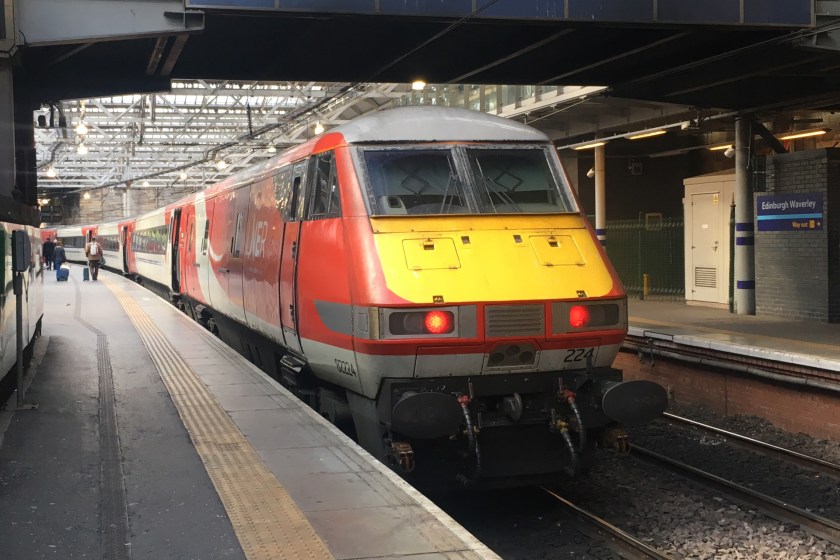
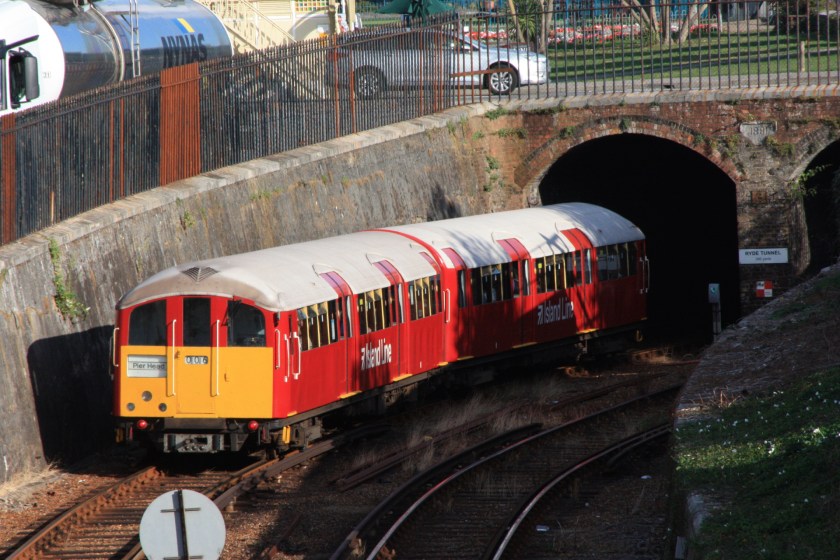 There is something rather special about a trip to the Isle of Wight. For many it is the charming scenery and fine beaches, for others it is the glorious countryside and fine walks.
 Control of colour lights by traditional lever frame is a reasonably common feature of Britain’s signalling infrastructure, but few signal boxes can surely match Haslemere, where 2018 marks 81 years since replacement of its semaphore signals by colour lights in 1937, to coincide with electrification of the Portsmouth Direct Line.

You must be logged in to post a comment.