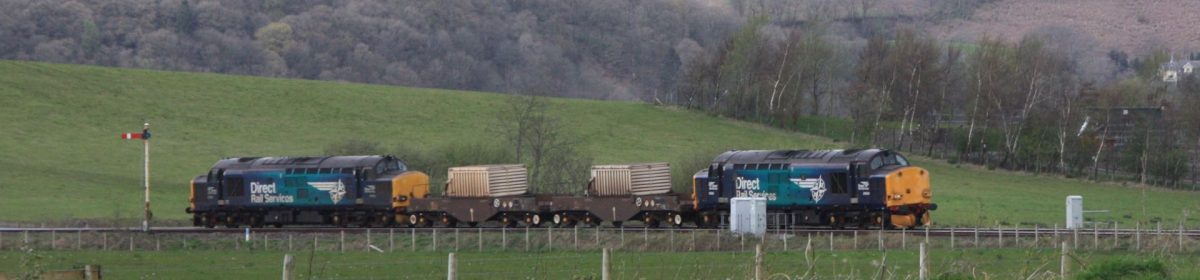
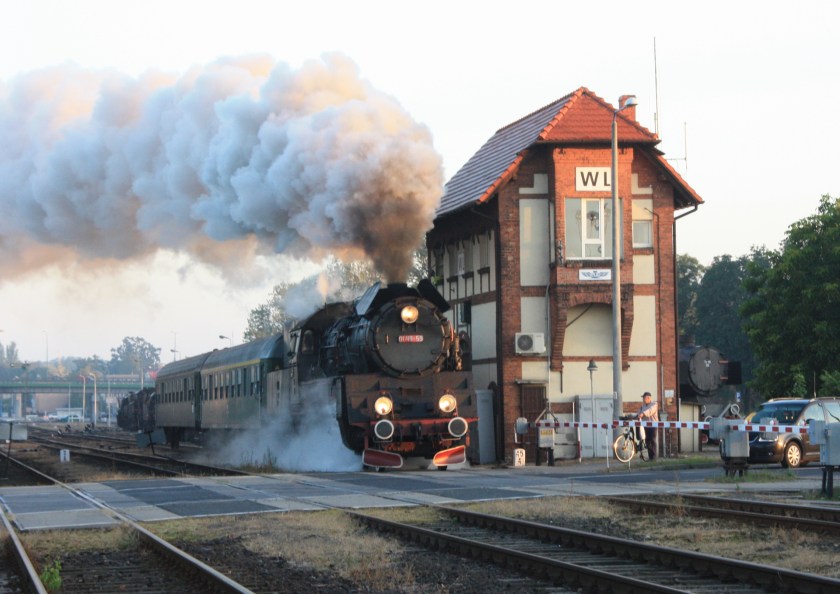
 More that three years after its March 2014 suspension, (see my earlier post “Last steam to Leszno”) scheduled standard gauge steam returned to Europe in May 2017, when two return weekday services from Wolsztyn to Leszno in Western Poland returned to steam haulage.
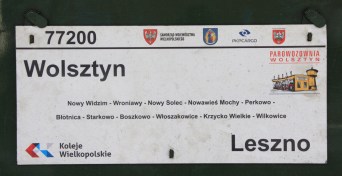 This followed the agonisingly slow setting up of a trust to own and manage the famous steam depot at Wolsztyn, the return to traffic of two locomotives and the sourcing of suitable coaches to operate the service, which should also see two Saturday round trips between Wolsztyn and Poznan, once track renewal work has been completed later this year. Continue reading “Steam-hauled return to Leszno”
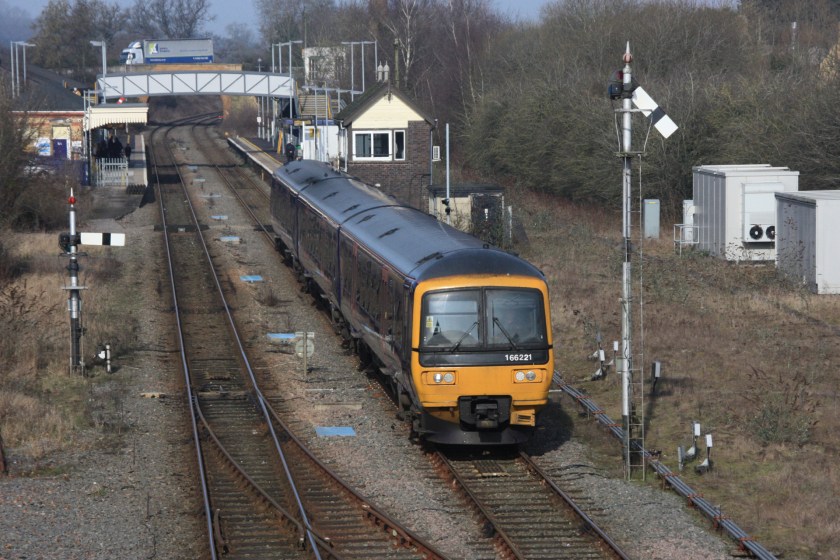 When Network Rail was completing a £67 million project to re-double two sections of the Cotswold Line between Oxford and Worcester in 2011 there was not enough left in the kitty to re-signal the two re-doubled stretches of line – four miles from Charlbury to Ascott-under-Wychwood and 16 miles of line from Moreton-in-Marsh to Evesham.
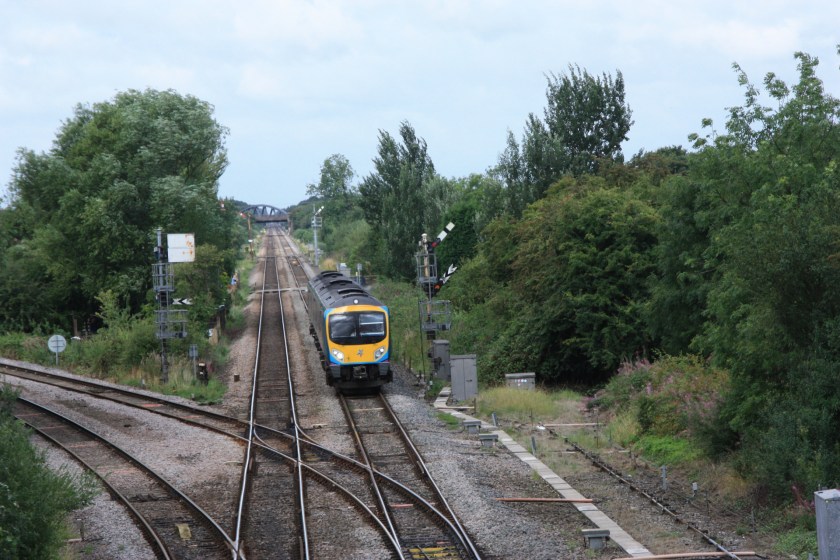 Rail-borne visitors to the UK’s 2017 city of culture could probably be forgiven for failing to spot during the latter stages of their journey what many enthusiasts would describe as some of the finest remaining semaphore signalling in England. It survives on a 9.5 mile stretch of line between Gilberdyke Junction and North Ferriby, but is being swept away in a £34.5 million upgrading project, due for completion in Spring 2018.
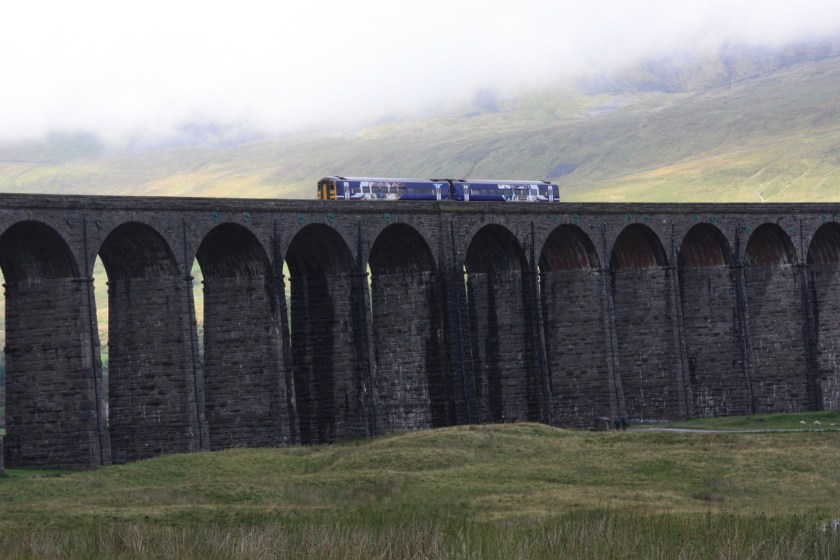 My nationwide quest to photograph Britain’s last mechanical signalling, in connection with a new book project, has brought me back to the Settle & Carlisle line, that amazing 72 miles of line between Settle in North Yorkshire and Carlisle in Cumbria, which 30 years ago was under sentence of death.
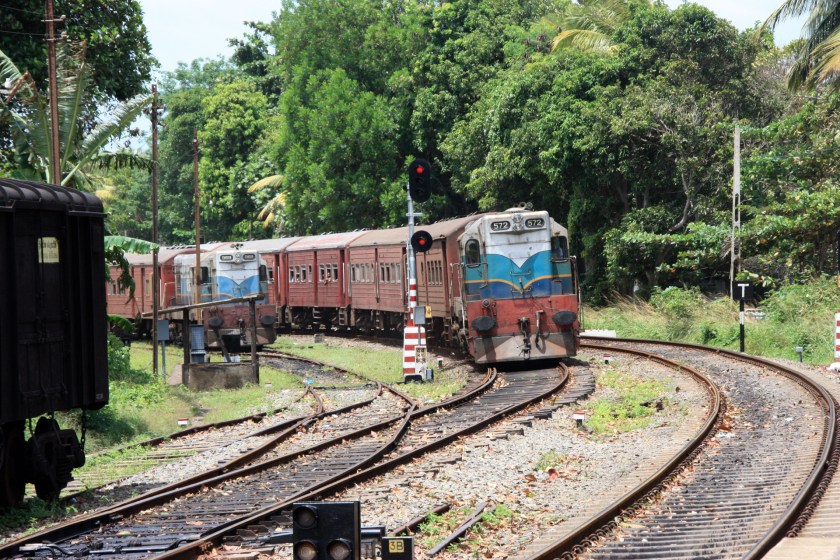 Sri Lanka’s extensive broad gauge (5’ 6”) railway network not only boasts a great deal of classic mechanical signalling (see my earlier “Eye Kandy” post) but also offers some magnificently scenic rail journeys at absurdly cheap fares, and an interesting variety of rolling stock, imported from places as far afield as the US and Japan.
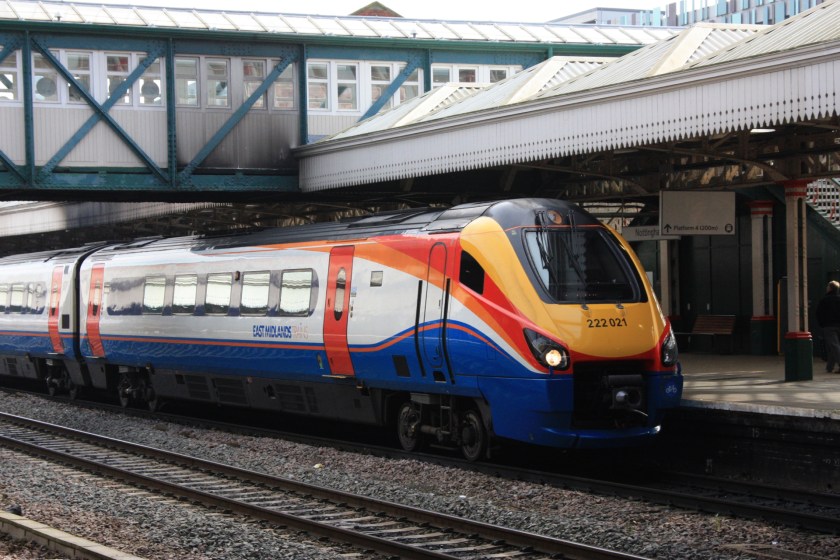 Citizens of Nottingham, Leicester and Derby now know the true cost of High Speed Two. After an endless on/off saga they now know that they will not be able to travel on modern high speed electric trains to the capital and that their Midland Main Line will become the only major route from London that is not electrified.
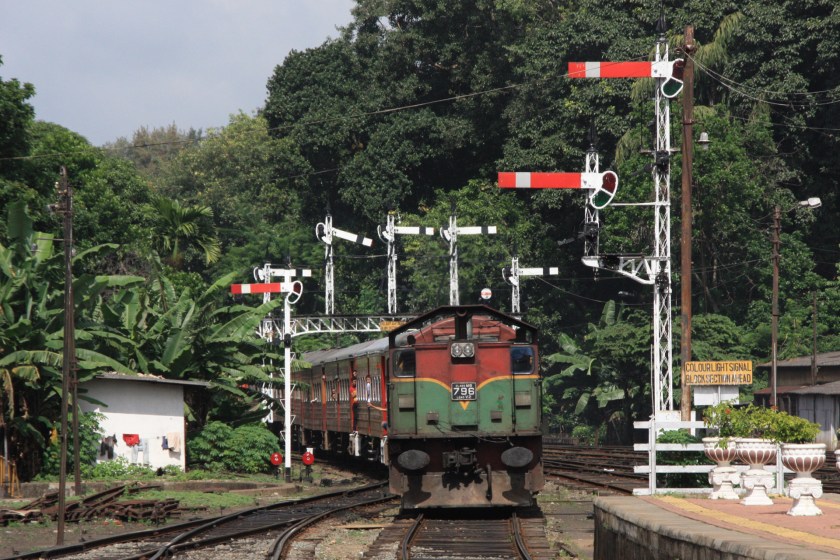 Take a three hour train trip from Colombo’s Fort station to Sri Lanka’s second city, Kandy, and there are plenty of reminders of the amazing legacy which Victorian railway pioneers left to this former outpost of the British Empire. While the train itself is likely to be one of the modern Chinese-built S12 diesel units dating from 2012, the bargain priced ticket (190 Rupees second class, or just under £1.00) will be a classic Edmondson card, like all the tickets issued at ticket offices throughout the country.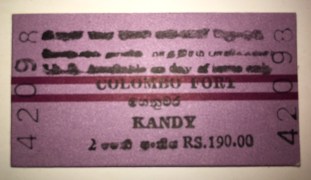
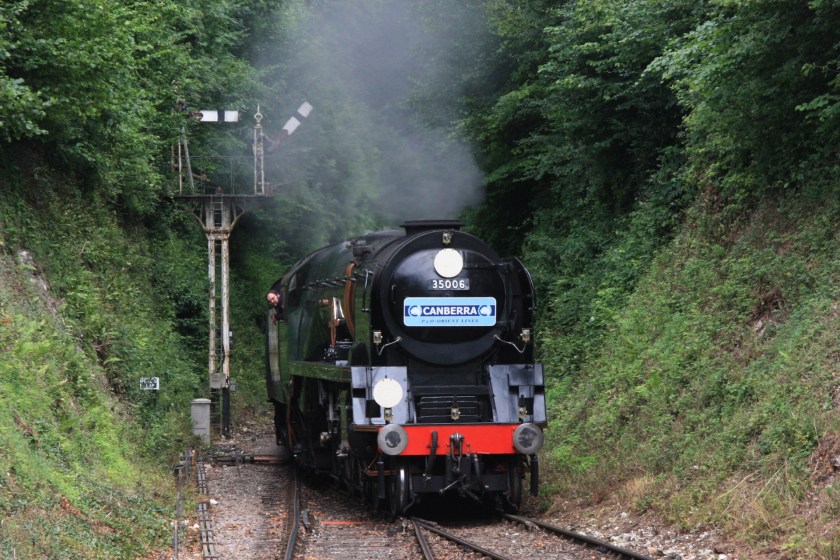 Fifty years ago this week-end – on Sunday, 2 July 1967 – I stood by the line close to Basingstoke station while my father photographed the farewell to Southern steam specials from London Waterloo to Bournemouth, hauled by Merchant Navy Class locos 35008 Orient Line, 35028 Clan Line and West Country Class loco 34025 Whimple.
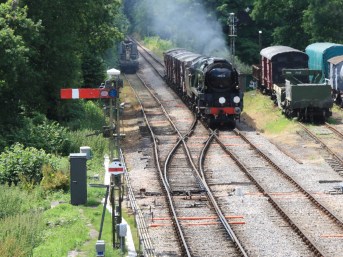 Half a century on there was a fabulous reminder for me of that fateful day, at the Summer Steam Gala on the Mid-Hants Railway (Watercress Line), where in less than two hours at Medstead & Four Marks station – at 652 feet the highest station in southern England – it was possible to see even more Bulleid Pacific action than I had watched from the line-side on that day back in 1967.
 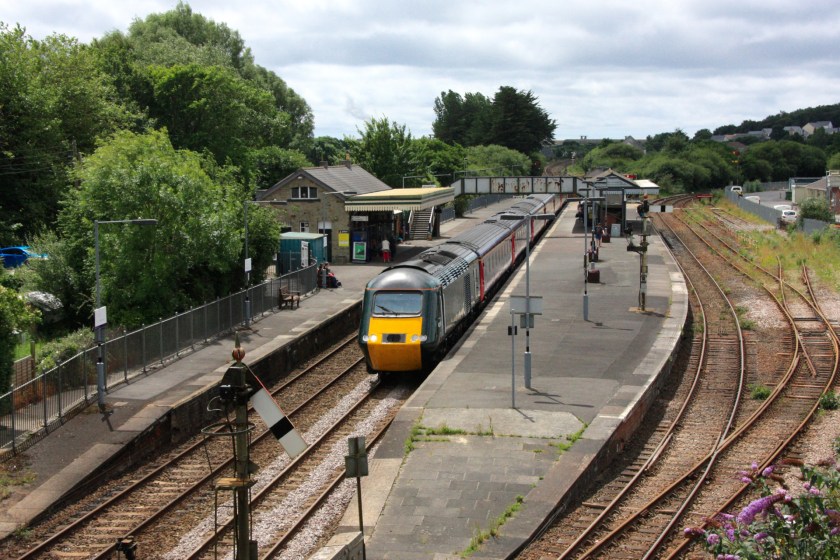 Par is one of four junction stations in Cornwall that is still controlled by manual signalling (along with Liskeard, Truro and St. Erth) but arguably the most important as there are numerous through trains onto the 20 3/4 mile Newquay branch on summer Saturdays, with one on high summer weekdays (The Atlantic Coast Express) and two on Sundays.
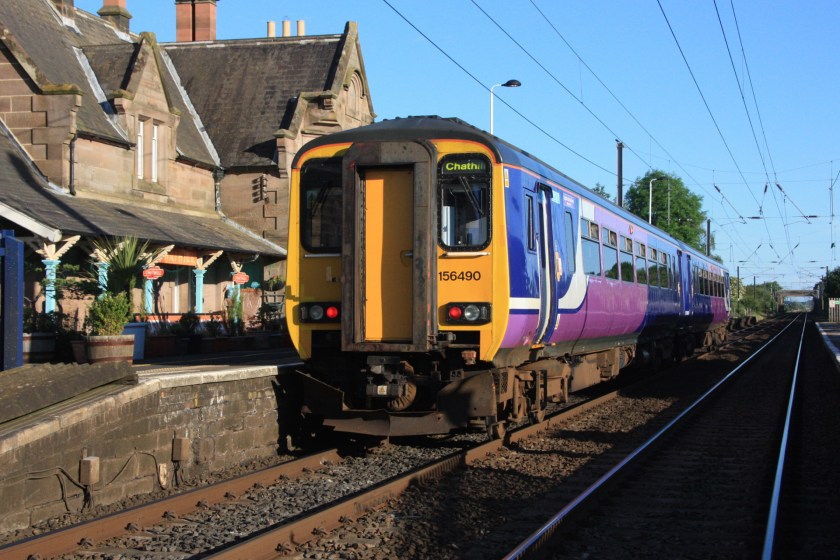 Every morning at around 06.45 an empty two-coach train arrives at the remote, and delightfully preserved, Northumbrian station of Chathill – 11 1/4 miles north of Alnmouth on the East Coast Main Line and the most north-easterly place to be served by Northern Rail. After a brief pause it carries on many miles northwards to cross over onto the up line at a former station called Belford, before returning to become the 07.08 commuter service from Chathill to Newcastle.
 RailwayWorld.net
You must be logged in to post a comment.