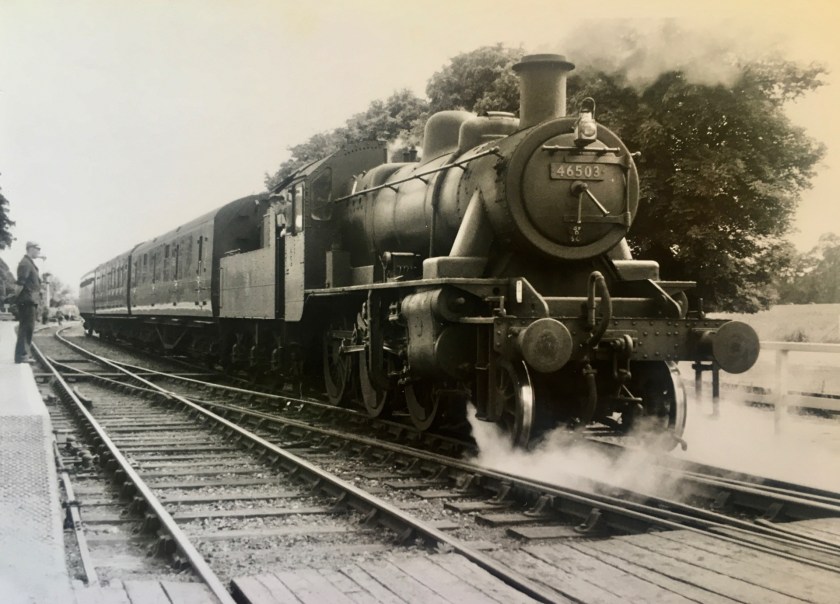
 CONSIDERABLE interest was aroused by the account I published last week of my late father’s 1961 rail travels in Wales so, for what will hopefully prove to be one of my final lockdown retrospectives, this is a look through his lens at steam action in Gloucestershire during the early 1960s.
As in Wales, closures across the county began well before Dr Beeching published his infamous report in March 1963, with the routes to Kingham and Andover Junction having already succumbed by the time The reshaping of British Railways was released, as seen in the chronological list below of lost railway routes and stations. Continue reading “Gloucestershire steam in the 1960s”
 During this week 59 years ago my late father, Trefor David, embarked on a remarkable week-long tour of Wales from his home near Cheltenham Spa, using a Freedom of Wales ticket that cost him £5 and an Area 9 Runabout ticket, giving unlimited travel between Cheltenham, Newport and Hereford, for 25/- (£1.25).
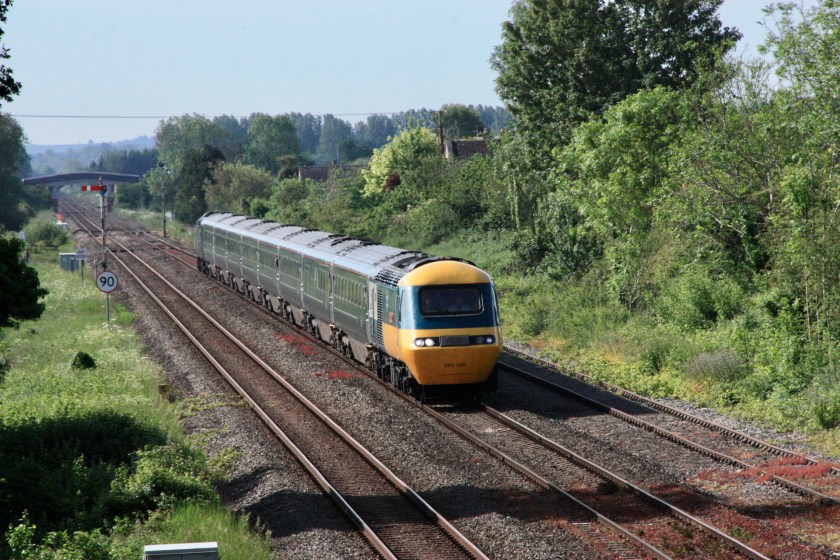 EXACTLY one year ago today (Saturday, 1 June 2019) the era of mainline HST operation across the West of England drew to a final close, with a special farewell tour of the GWR network by a set formed of power cars 43002/198, the former having been repainted in its original British Rail blue and white livery.
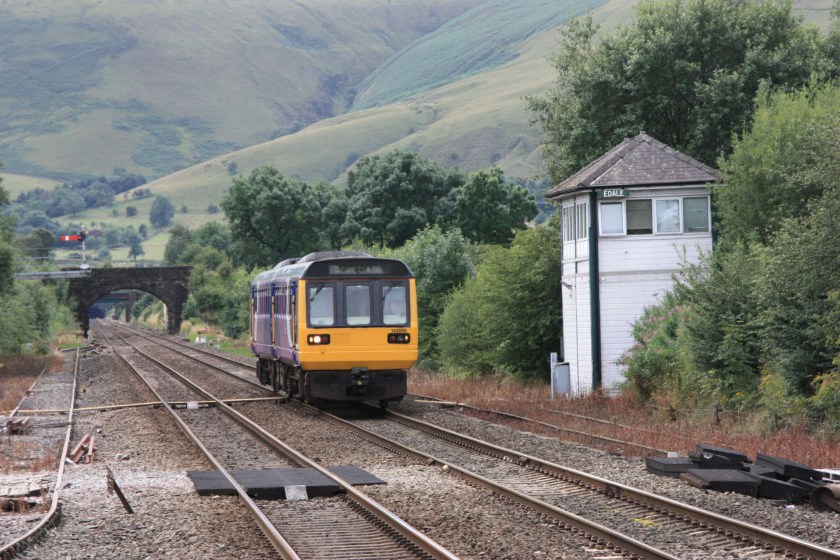 After last week’s look at mechanical signalling on the Buxton Line and at Peak Forest, it is now time to hop aboard the Hope Valley stopping service from Manchester Piccadilly to Sheffield take a look at three of the four semaphore-signalled locations on this busy, charming, and scenic route.
 After last month’s features on semaphore signalling along the wonderful Furness and Cumbrian Coast Lines, it is now time to take a trip to another significant outpost of mechanical signalling in North-West England, with a two-part look at the Buxton and Hope Valley lines.
 Shortly before 21.00 hrs. on Friday, 19 May 2017, a piece of railway history was made when the two 1960-vintage Class 121 “Bubble Cars” that had been in service with Chiltern Railways completed their last ever run from Princes Risborough to Aylesbury.
 Among the many memorable outings I had while researching my signalling book during 2017, one of the most enjoyable was a day spent visiting four semaphore-signalled locations along the delightful Tyne Valley line between Carlisle and Newcastle.
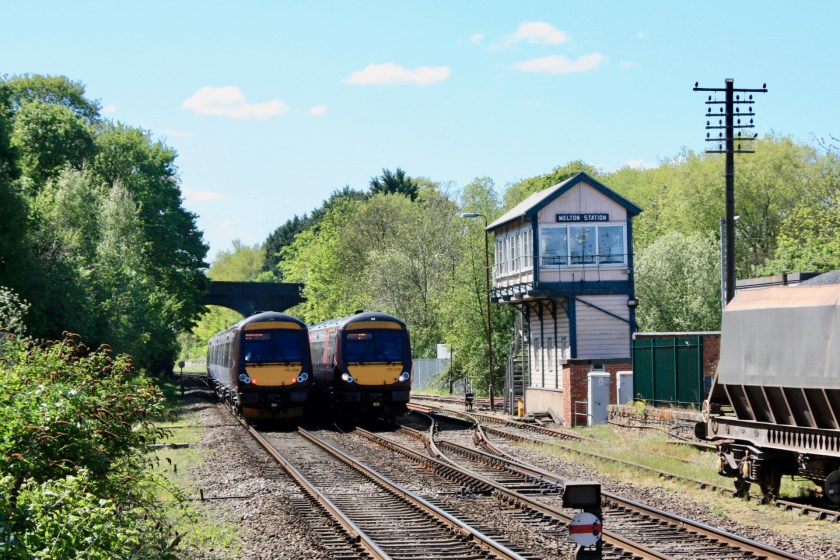 After my final pre-lockdown visit to the charming station at Manea, near Ely, it is now time to head further west, and take a look at the half dozen signal boxes which retain semaphore signalling interest on the busy cross-country route between Leicester and Peterborough.
 After last year’s return to Stranraer Harbour, it is time to pay another visit to south-west Scotland and to the four southernmost outposts of mechanical signalling on the Glasgow & South Western main line between Glasgow and Carlisle.
 RailwayWorld.net
You must be logged in to post a comment.