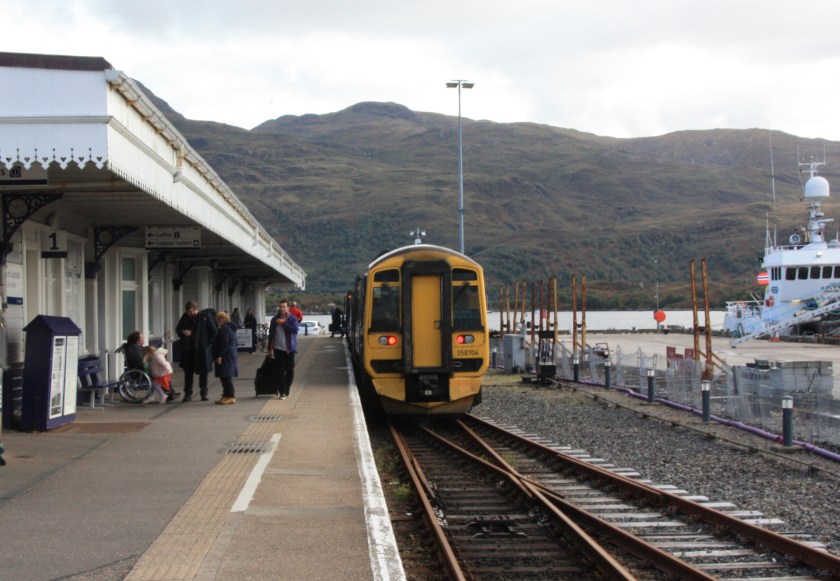
 As spectacularly scenic railways go there is nothing anywhere in Britain to match the Scottish route from Inverness to Kyle of Lochalsh and the West Highland Lines from Glasgow to Fort William, Oban and Mallaig.
Such is their appeal that ScotRail now markets a ticket known as the Scottish Grand Tour – a chance to travel a near 500-mile circular route encompassing both the Kyle and Mallaig lines, with bus and ferry links included.
Grand Tour tickets cost £89.00 (£58.75 with a railcard) for a single journey in either direction, giving you four days rail travel within eight consecutive days in which to complete the journey, at any time, except on departures from Glasgow or Edinburgh before 09.15 on weekdays.
But at this time of year, as well as in the spring months, there is a much cheaper way of doing the Grand Tour for holders of a ScotRail Club 50 Card (£15 a year and available to anyone over the age of 50). Continue reading “Scotland’s Grand Tour on the cheap”
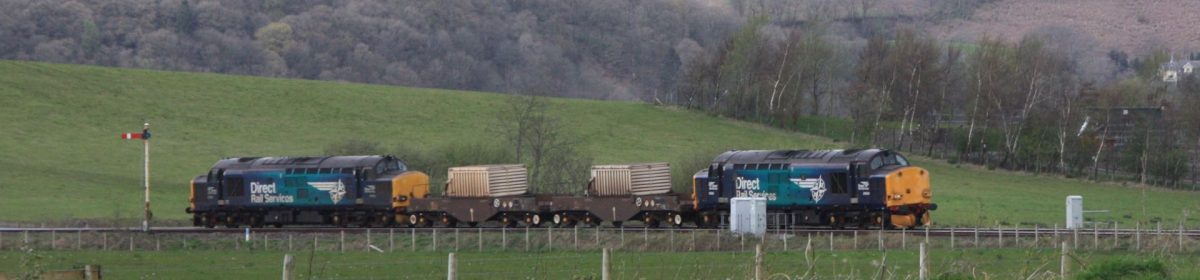
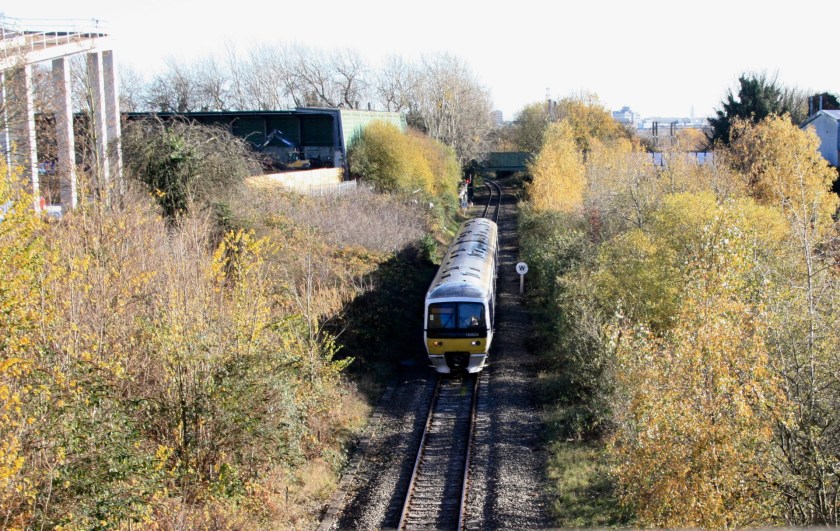 A strategically significant 11-mile stretch of London main line became the first victim of HS2 on Friday (7 December 2018) when train 2M29, the 11.35 Chiltern Railways service from London Paddington to High Wycombe, became the last scheduled service to travel over the Acton to Northolt line, a route running alongside the London Underground’s Central line and extending from Old Oak Common to South Ruislip.
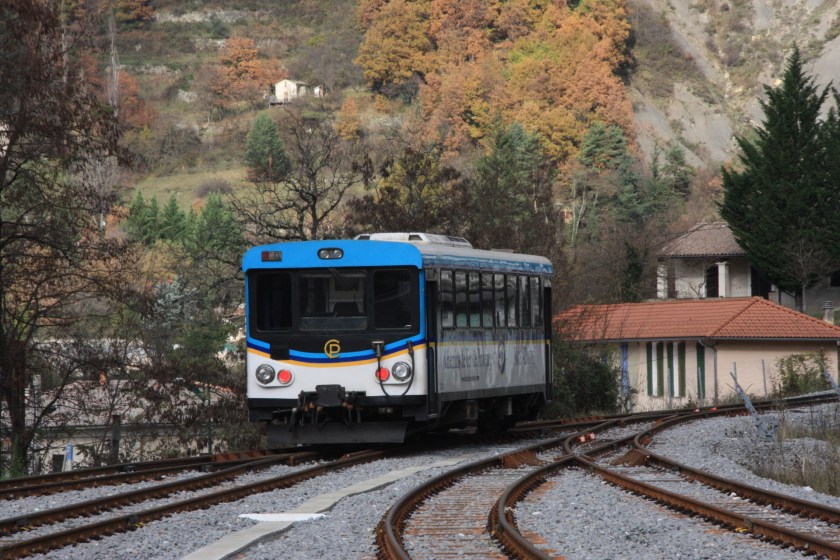 Paying a long overdue return to the remarkable Chemins de Fer de Provence (CP) metre-gauge line from Nice to Digne-les-Bains, almost exactly 30 years after my first visit, it was interesting to see how much has changed, but also what has not.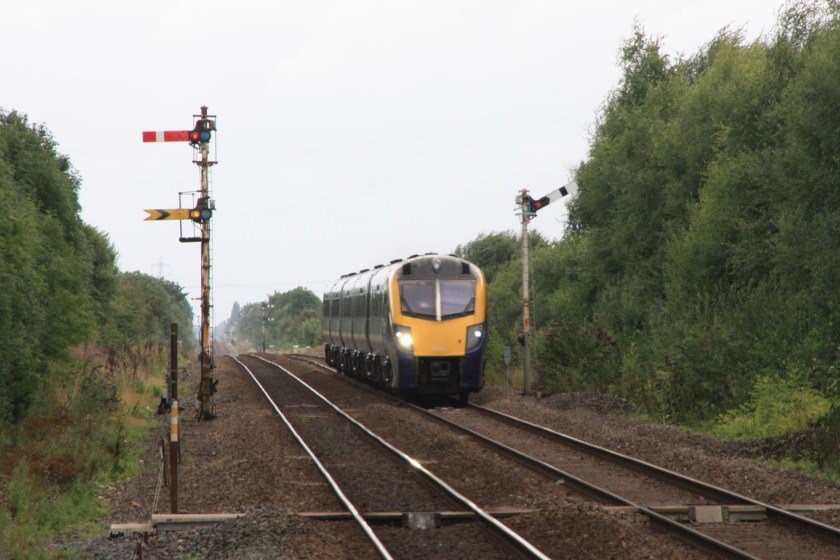
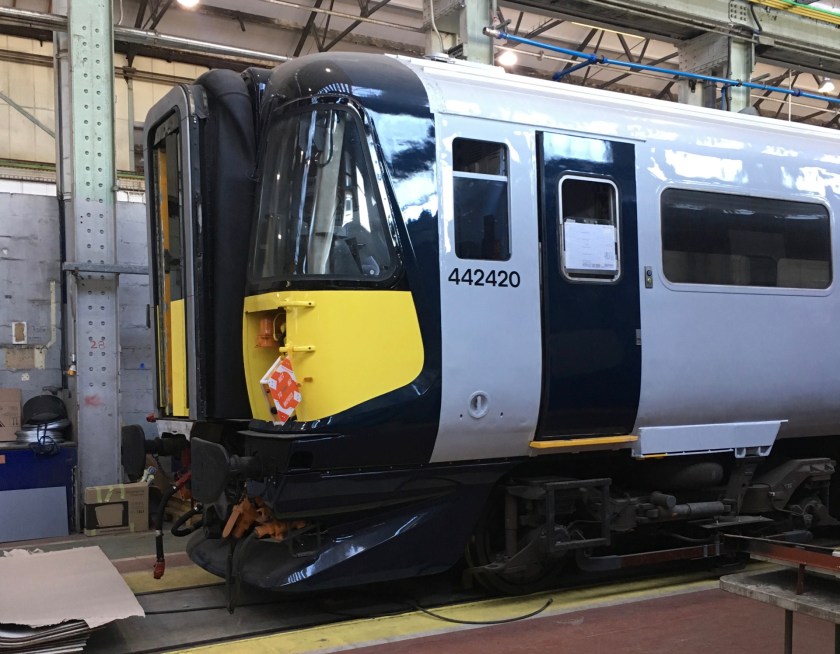 Work is well underway at Eastleigh on a major refurbishment of the first four Class 442 “Plastic Pigs”, which are due to be reintroduced onto the Portsmouth Direct Line next month, almost 12 years after their withdrawal in February 2007 by former franchisee South West Trains.
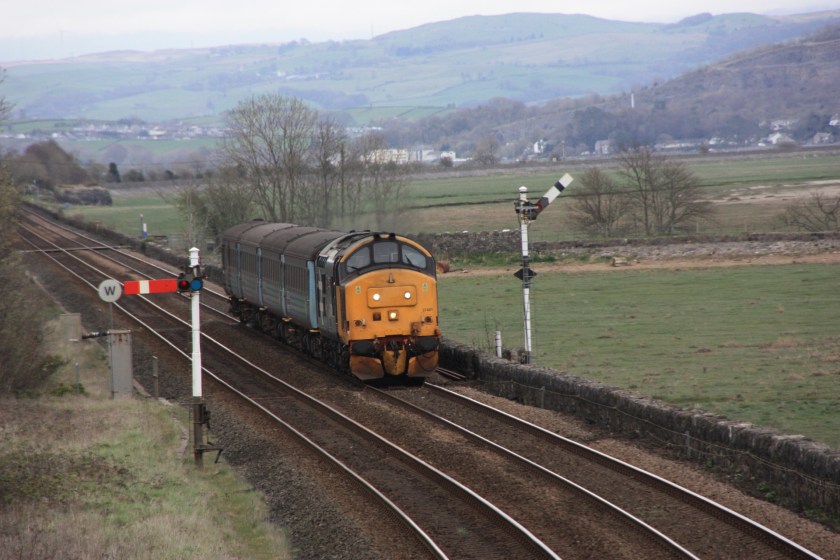 Having spent much of last year touring the length and breadth of Great Britain in search of surviving semaphore signals to feature in my forthcoming book, I can confidently say that the finest stretch of mechanical signalling in Britain is the 94½ mile stretch of Cumbrian Coast from Arnside, north of Lancaster, along the Furness Line to Barrow-in-Furness, and then on up the Cumbrian Coast Line to Wigton, south-west of Carlisle.
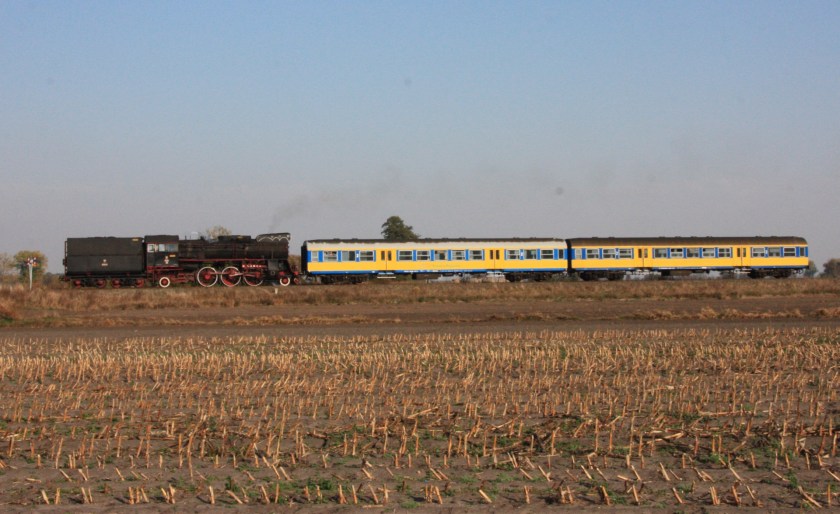 Europe’s last scheduled main line steam services look set to end in little more than a year’s time, with the timetable change on Saturday, 7 December 2019, when a three year agreement to maintain steam working from Wolsztyn in western Poland is due to expire.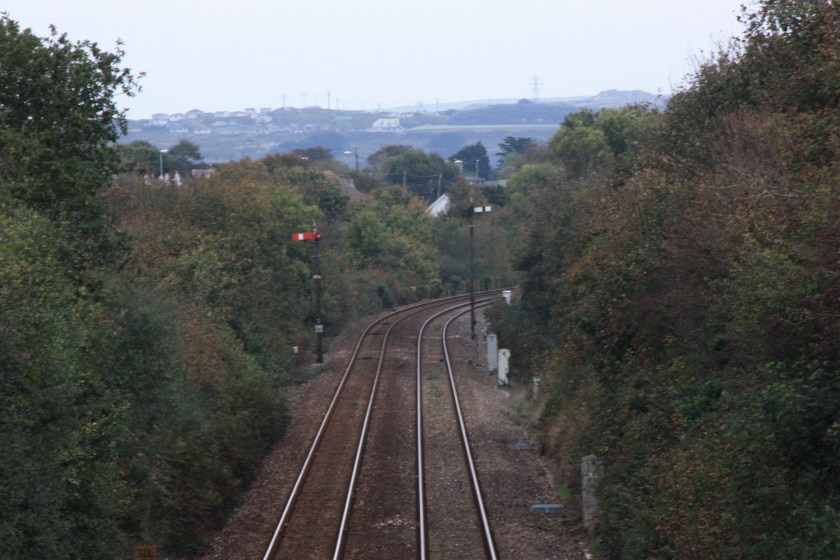
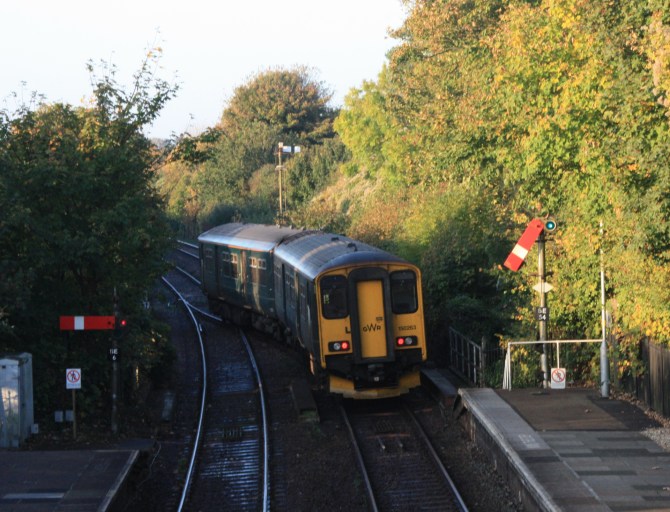 Take a walk down the A30 from St Erth station for a about half a mile, passing the closed Lamb & Flag pub, then head down a narrow lane signposted Rosevidney and you come to an over-bridge with a good, though distant view of the two elusive semaphores.
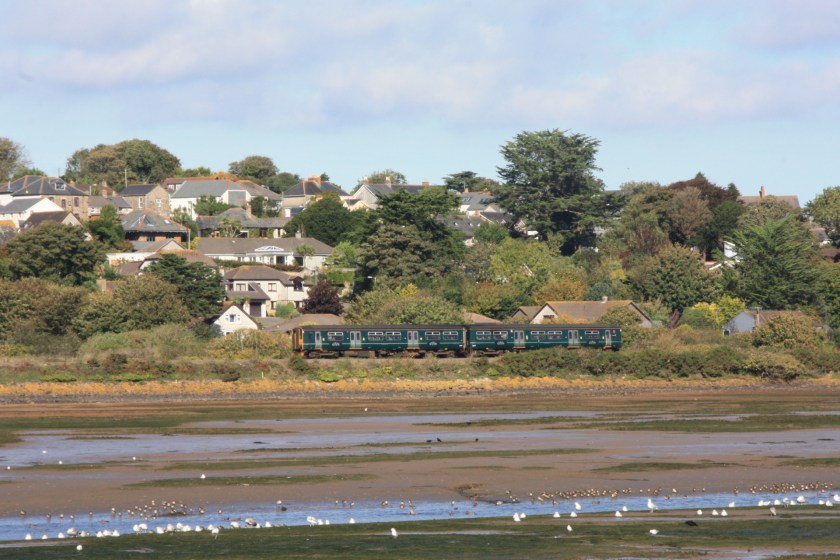 One of Britain’s finest long distance walking routes must surely be the 630-mile long South West Coast Path, which extends all the way from Minehead in Somerset to the Sandbanks Ferry near Poole in Dorset. But for those who like to mix their walking with some scenic rail travel the path offers few opportunities for what I call railway rambling, with one notable exception.
 RailwayWorld.net
You must be logged in to post a comment.