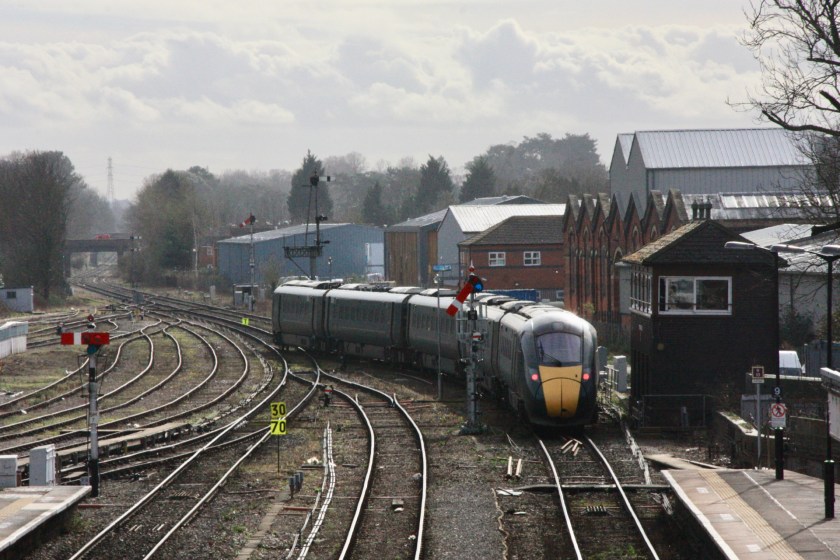
 For a chance to savour Britain’s finest collection of lower quadrant semaphore signals, and a number of other unique historic features, it is well worth spending a few hours on and around Worcester’s two stations, Shrub Hill and Foregate Street.
The triangular layout north of these two stations is controlled by signal boxes at Shrub Hill and Tunnel Junction at the far tip of this triangle, while signals west of Foregate Street and its up platform 1 starter are controlled by a third box, Henwick, standing out of sight on the opposite side of the River Severn. Continue reading “Favourite photo-spots: Worcester”
 In what could well be the final year of daily scheduled steam operation, a major change to the workings from Wolsztyn depot in western Poland is taking place immediately after its famous May Day “Parade” event, which occurs this year on Saturday, 4 May.
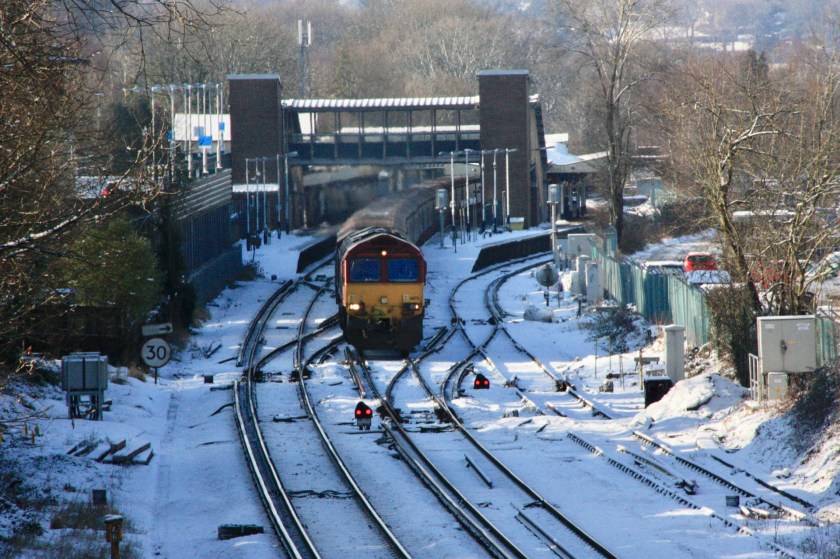 Freight services made a re-appearance on the Portsmouth Direct Line on Saturday (2 February), when engineering work in the Southampton area led to a handful of car-carrying services to and from Southampton Docks being diverted along the route through Haslemere and Guildford.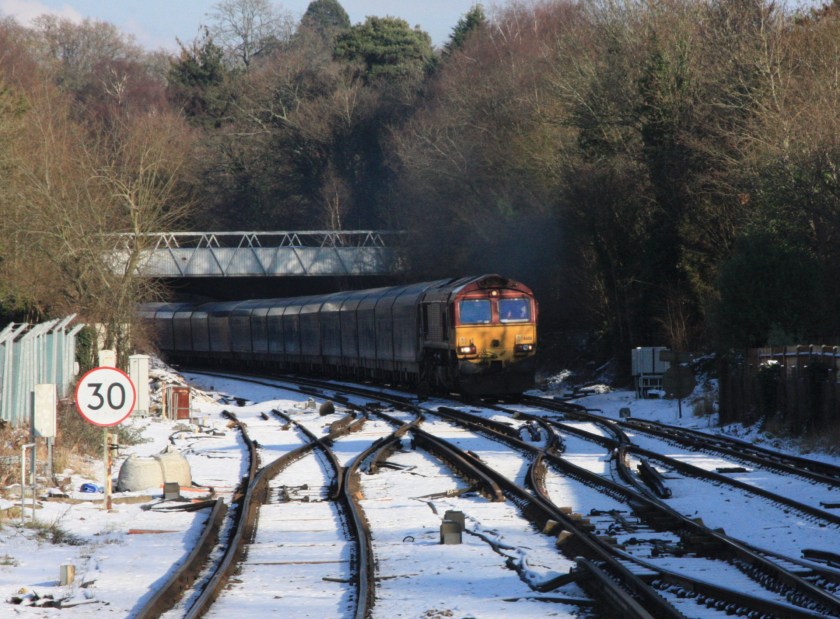
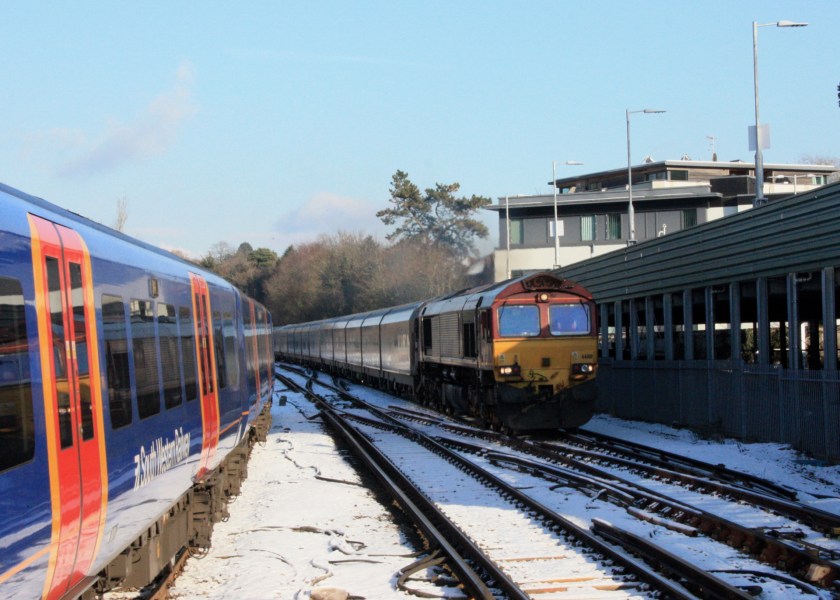
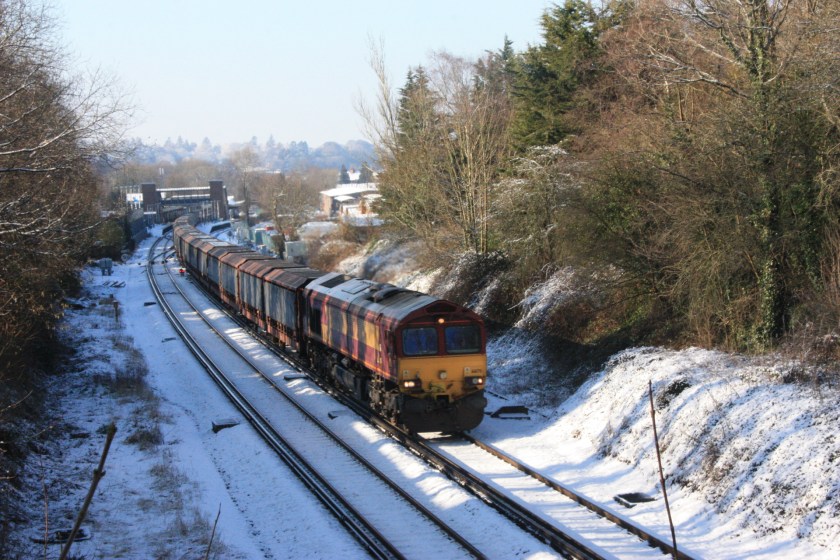
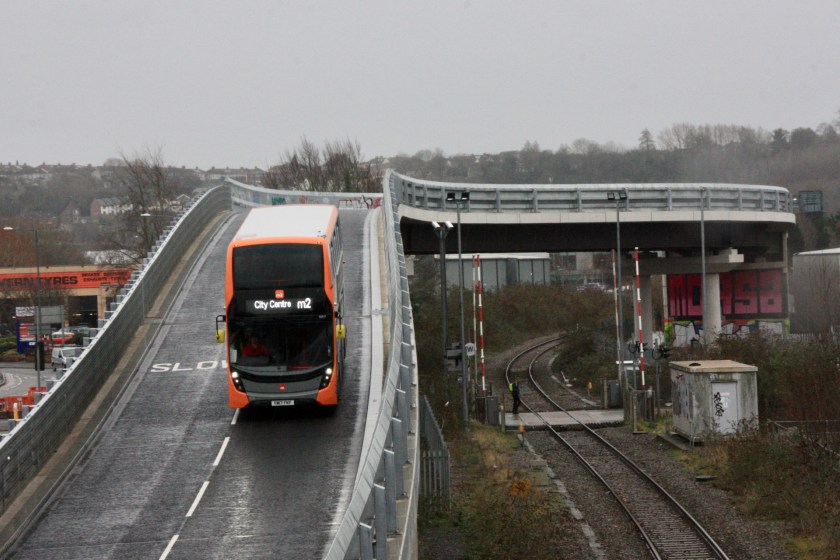
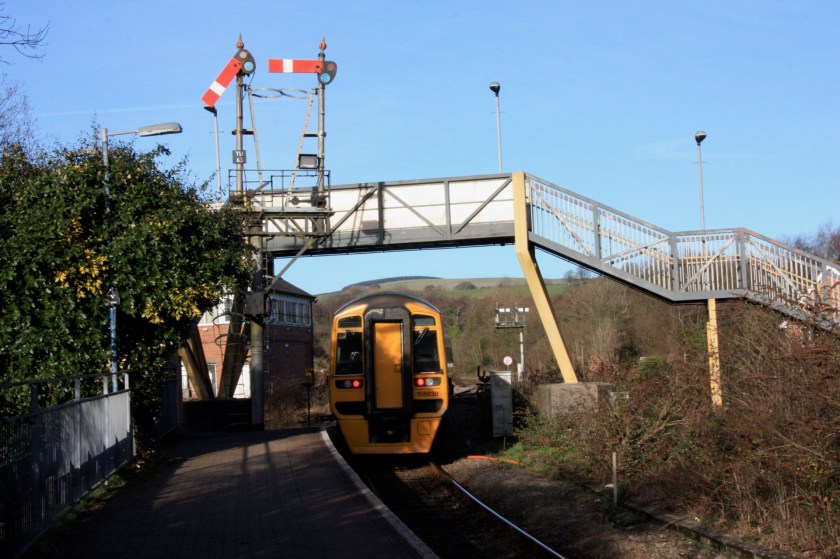
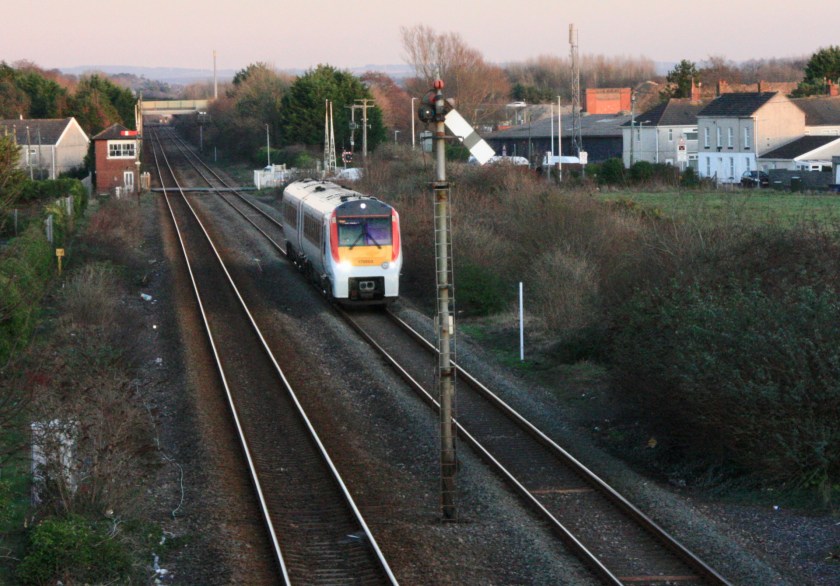
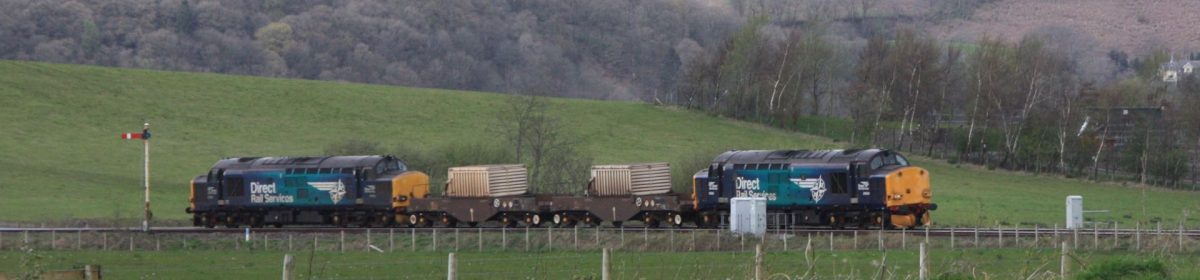
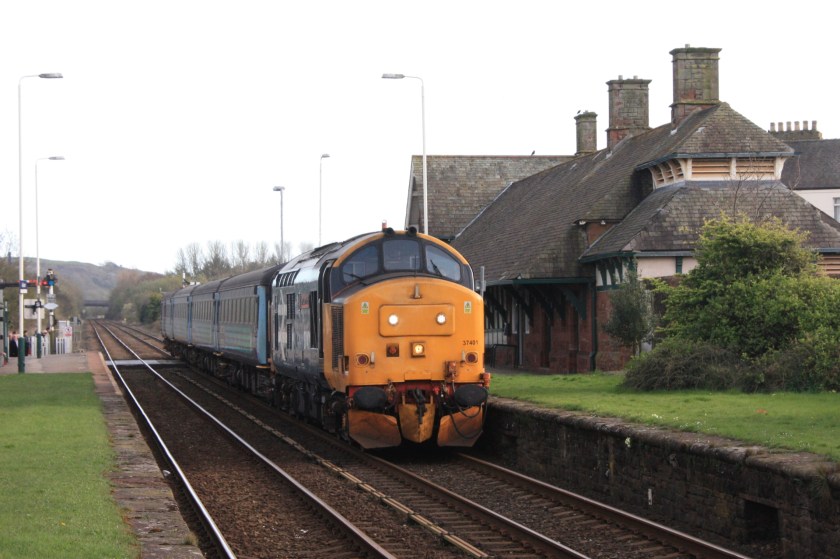 As operation of Class 37-hauled passenger services along the wonderful Cumbrian Coast is due to end on 28 December 2018, this seems a good moment to post a few images from a memorable week in Barrow during early April 2017, when I was visiting locations along the route to get photos and background for my forthcoming book on Britain’s last semaphores.
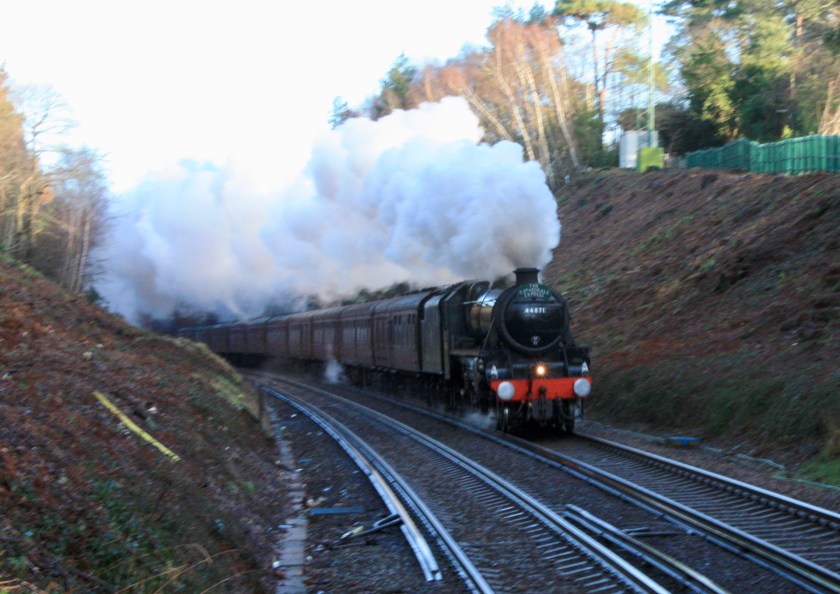 What started out as a planned hour long trip to capture some rare steam action on the Portsmouth Line today (17 December) became a three-hour epic that exposes the total inadequacy of real-time information screens on stations, National Rail’s live trains app and the use of a station help point to get accurate information about the impact of serious service disruption.
 RailwayWorld.net
You must be logged in to post a comment.