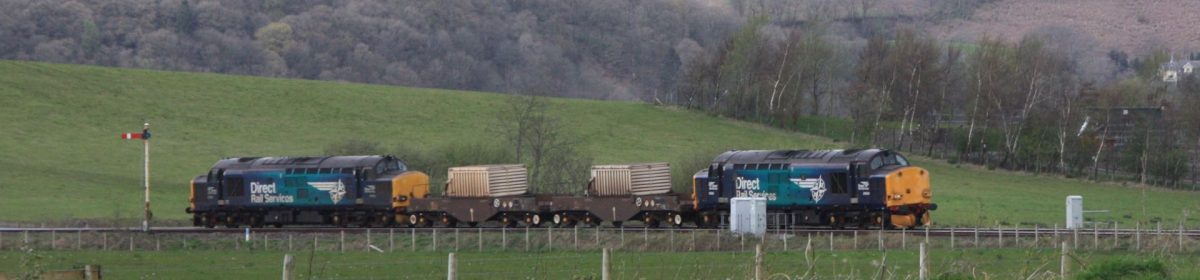
For lovers of traditional mechanical signalling there are three routes radiating from Shrub Hill station in Worcester that all retain some semaphore interest, in an area bounded by Droitwich Spa to the north and Norton Junction and Moreton-in-Marsh to the south and east.
Westernmost of the nine signal boxes to control mechanical signalling in the Worcester area is the tall Great Western Railway box at Ledbury in Herefordshire, which is one of four along the Worcester-Hereford route, dates from 1885 and boasts a 42-lever McKenzie & Holland frame.
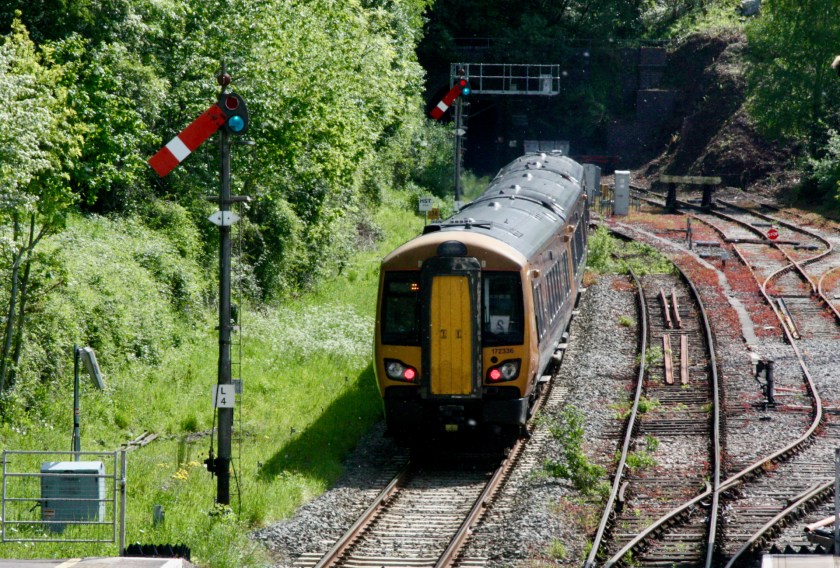
Ledbury Signal Box stands close to the western portal of the 1,323-yard long Ledbury Tunnel, with the box controlling the only passing place on a single track section of line from Malvern Wells Signal Box to Shelwick Junction, north of Hereford, where the Cotswold Line joins the Marches route from Shrewsbury to Newport.
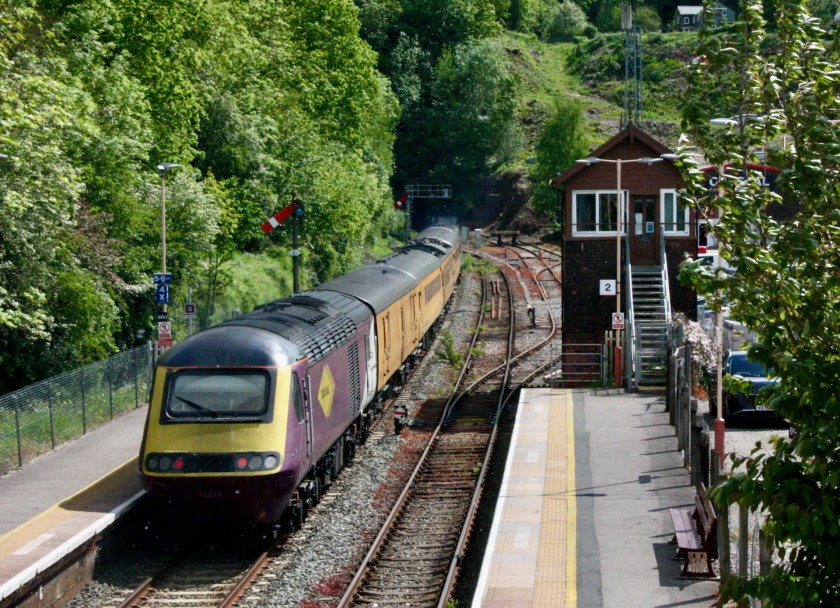
Standing on the station footbridge and looking east there is a good view of the tunnel mouth, the signal box at the end of the down (westbound) platform and of its two remaining semaphore signals, up home (L4) and, close to the tunnel mouth, up starting signal L5.
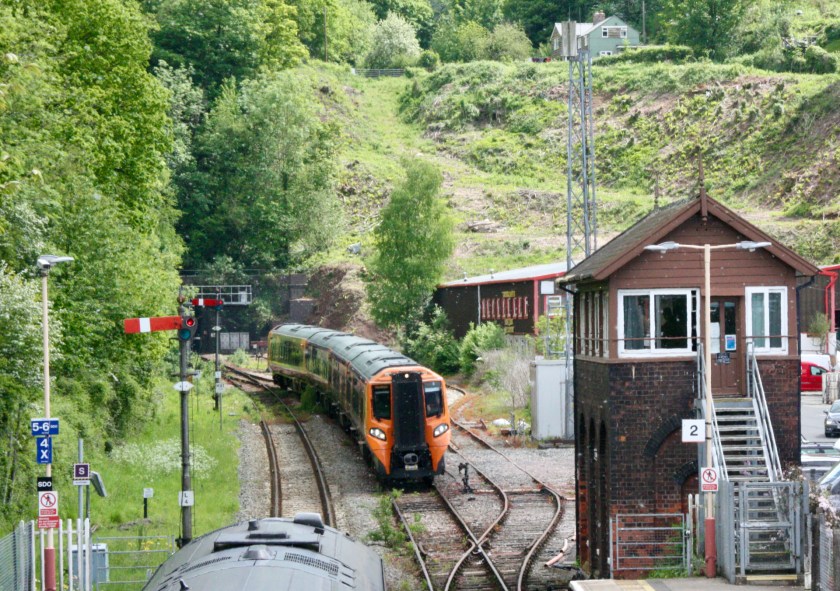
Like nearby Colwall, Ledbury is a rather barren station, with no facilities apart from waiting shelters. But the former station master’s house on the approach to the station forecourt is a Grade II listed building and, until fairly recently, the station was also home to one of the few privately-run booking offices on the British rail network.
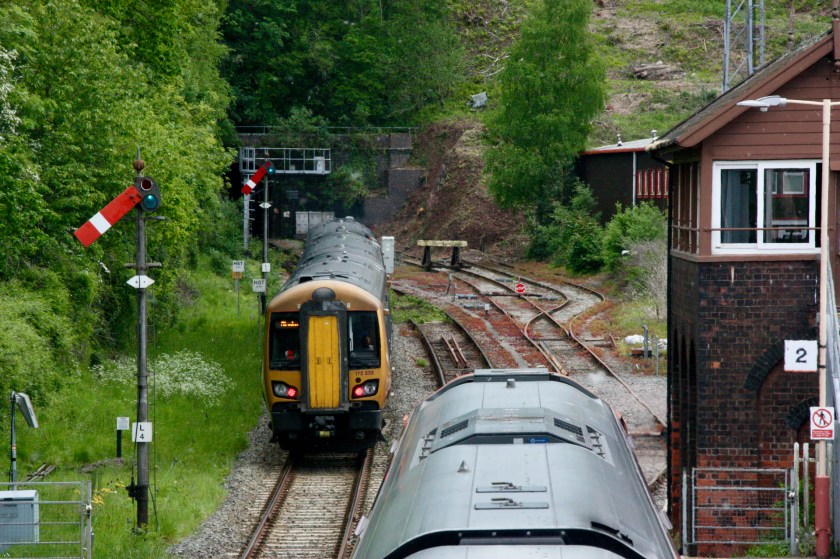
Passenger traffic serving Ledbury comprises hourly West Midlands Railway services between Hereford and Birmingham New Street, normally formed of three and four-car Class 172/196 units, along with a handful of GWR services between Hereford and London Paddington, formed of nine or five-car Class 80x IET units.
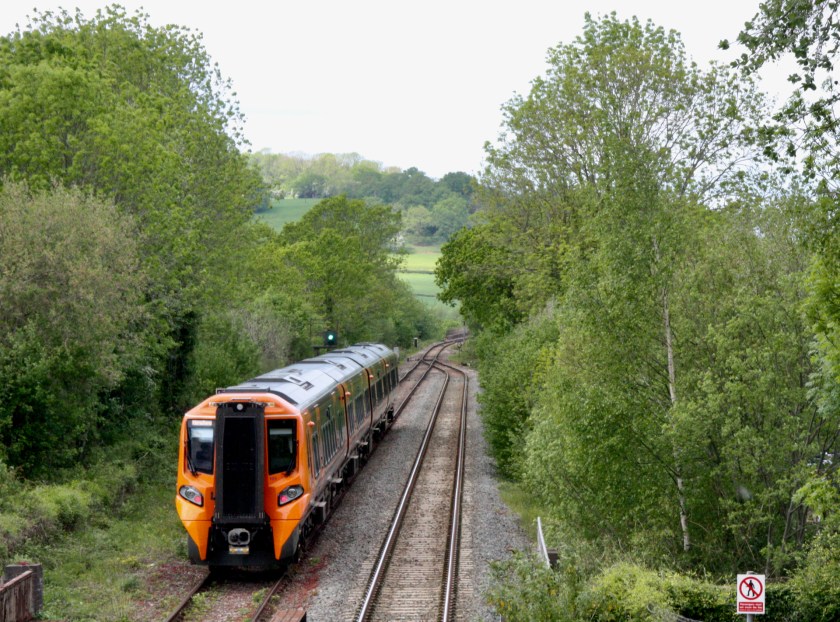
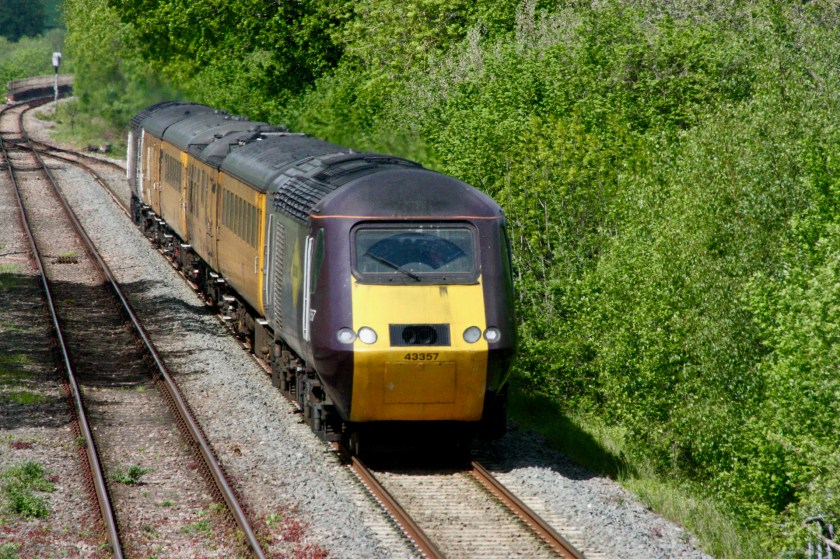
Having not visited Ledbury for a number of years, my visit on 5 May 2026 was prompted by the chance to photograph a rare non-passenger working, when Colas Rail-liveried HST power cars 43357/274 passed through the station with test train 1Q18 that had made a detour to Hereford and back while working from Derby RTC to Landore TMD.
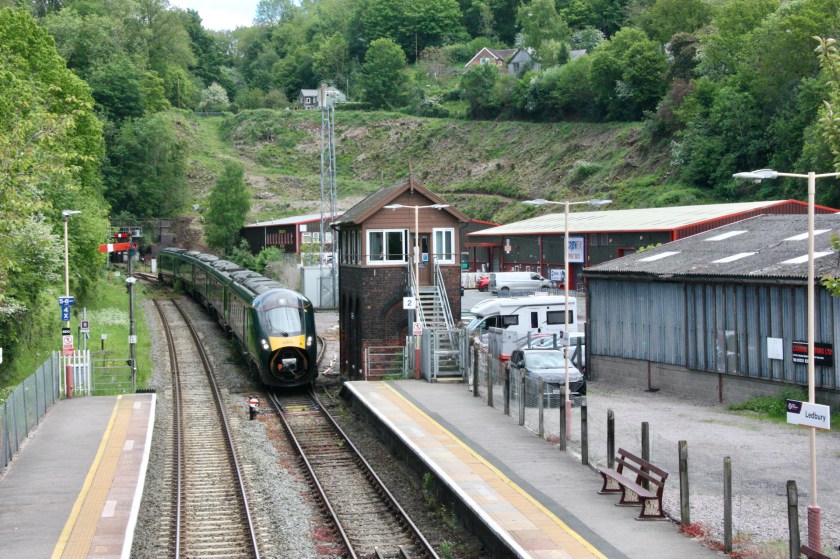
Ledbury station, 136 miles from Paddington, stands at the western edge of an attractive market town that is home to a sizeable number of mock Tudor timber-framed buildings. Its signal box, with levers unusually numbering from 0-41, dates from the year that a 17-mile branch line to Gloucester via Newent was opened – a route that succumbed to closure in 1959, four years before the Beeching Report was published in March 1963.
Singling of the route between Ledbury and Shelwick Junction in 1984 can cause knock-on problems when trains are delayed. On the day of my visit (5 May 2026) 1W01 from Paddington (09.52) to Hereford departed 12 minutes late, meaning an eight minute wait at Shelwick Junction for WMR 1P28 from Hereford (13.18) and a delayed journey all the way to Birmingham New Street.


You must be logged in to post a comment.