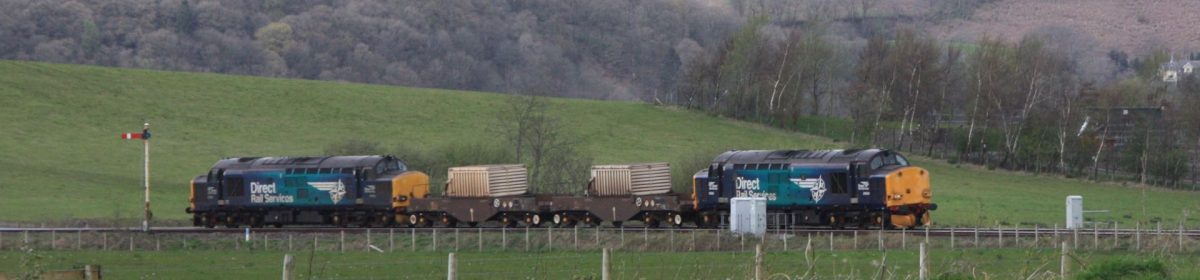
North Wales lost much of its mechanical signalling interest almost a decade ago, when a £50m upgrade project was commissioned in March 2018 and swept away seven signal boxes between Chester and Colwyn Bay, leaving just two notable outposts further west, towards Holyhead and Llandudno.
Having been lucky enough to visit and photograph the five historic signal and gate boxes on the Isle of Anglesey in November 2025, I am now indebted to Network Rail once again for the chance to visit the other outpost of semaphore signalling – a trio of signal boxes controlling the 31-mile long Conwy Valley Line.
When first conceived in 2013 the plan was to re-signal the entire Chester-Holyhead route in a two-phase programme. But curtailment of Phase One at Colwyn Bay meant a reprieve for the signal boxes at Deganwy and Llandudno. These would then have been included as part of Phase Two, along with re-signalling the main line west to Holyhead, but this has been postponed indefinitely.
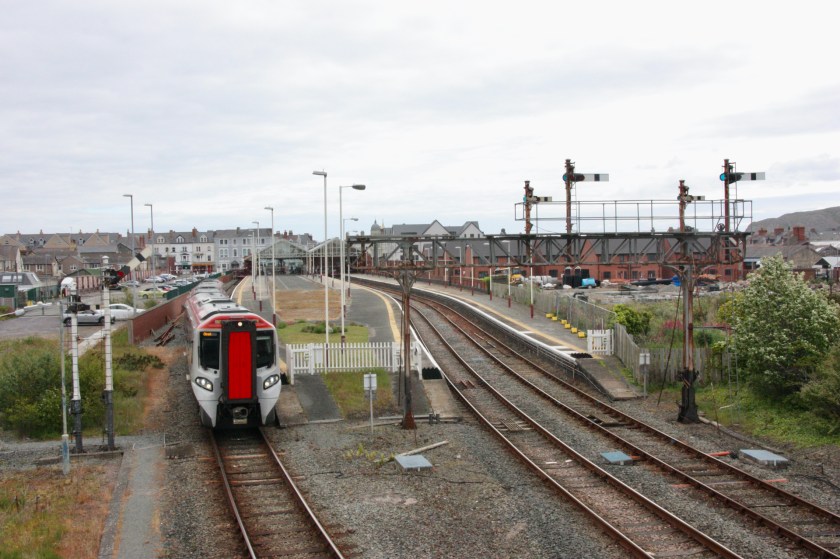
That leaves the current situation, where there remains a large and historic signal box and a fine set of semaphores at the seaside terminus of Llandudno, an attractive small and remarkably busy box at Deganwy – only intermediate station on the three-mile branch from Llandudno Junction – with oldest of the trio being Llanrwst, sole passing place on the 28-mile route south from Llandudno Junction to Blaenau Ffestiniog.
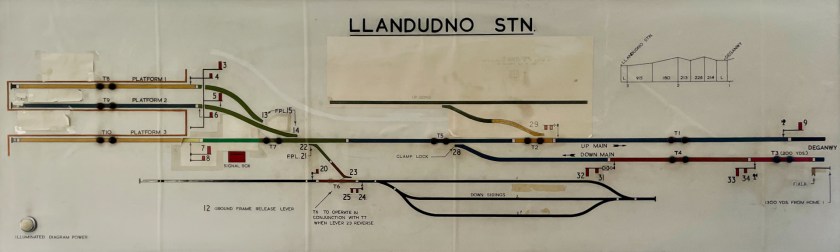
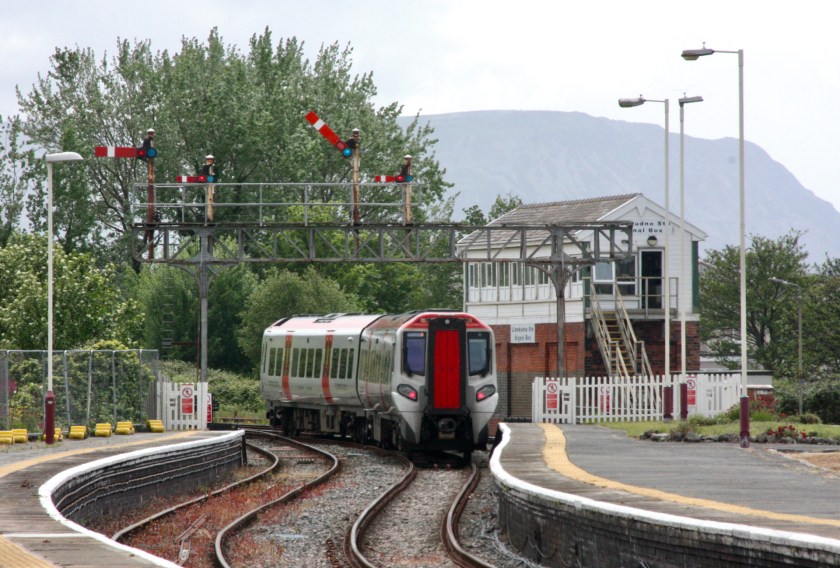
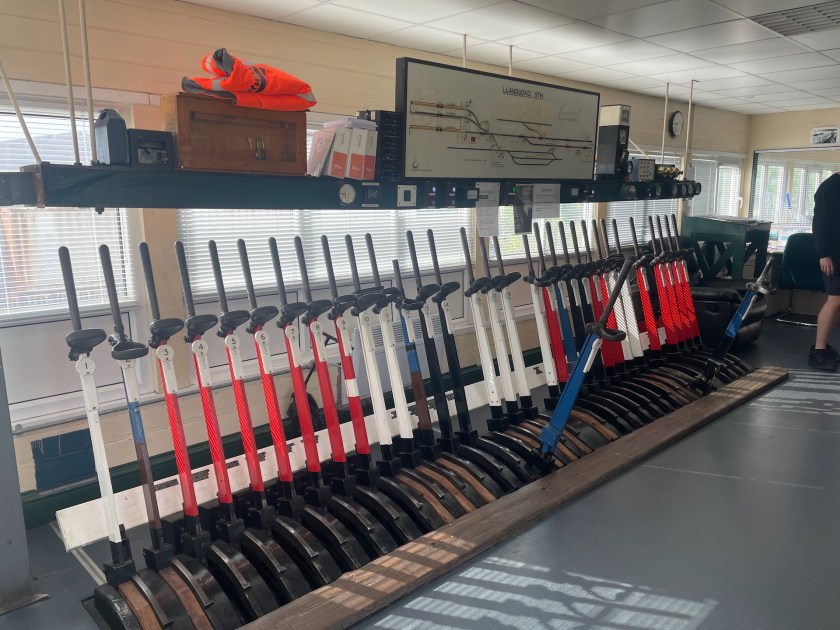
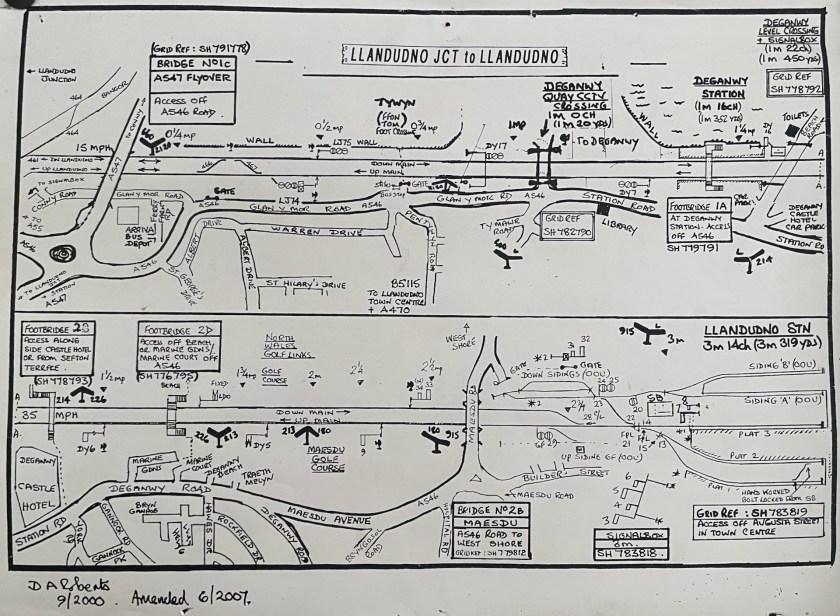
Llandudno Station Signal Box is an 1891-vintage London & North Western Railway (LNWR) Type 4 structure, with an original, but much truncated, frame of 34 levers of which 21 remain operational. It commands a good view of the three-platform station, where one notable and rare feature is a signal gantry spanning the south end of platforms one and two.
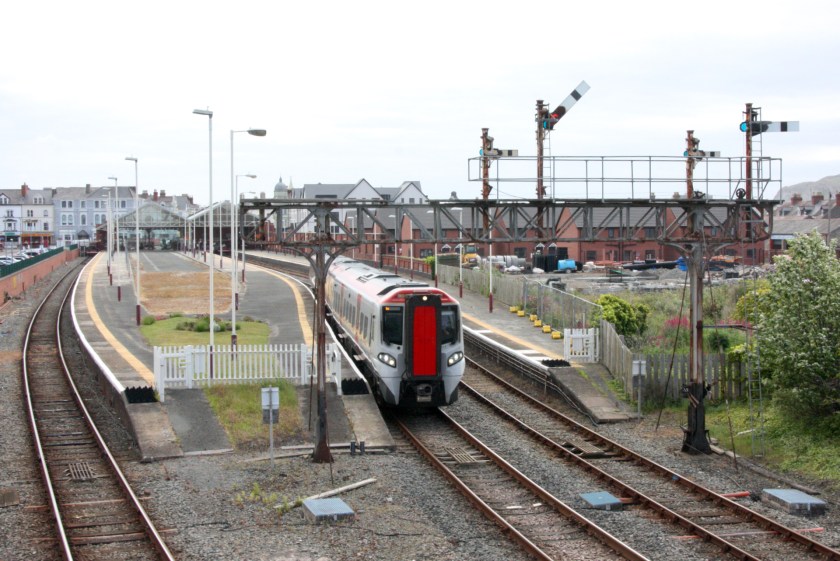
A significant change has been made to passenger services terminating at Llandudno in the 17 May 2026 timetable change, when along with an increase in the overall number of services the previous hourly services to and from Manchester Airport have been diverted to run to and from Holyhead instead of Llandudno and are replaced by an extension of the hourly services from Liverpool Lime Street to Chester.
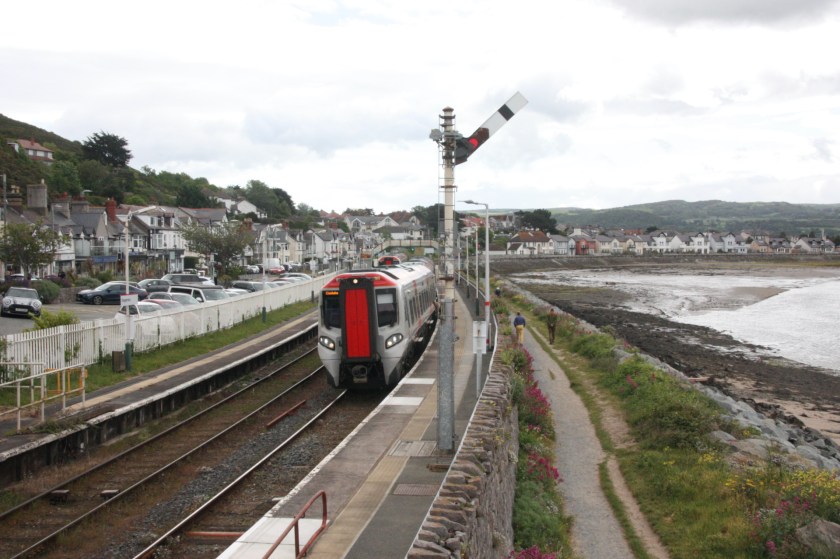
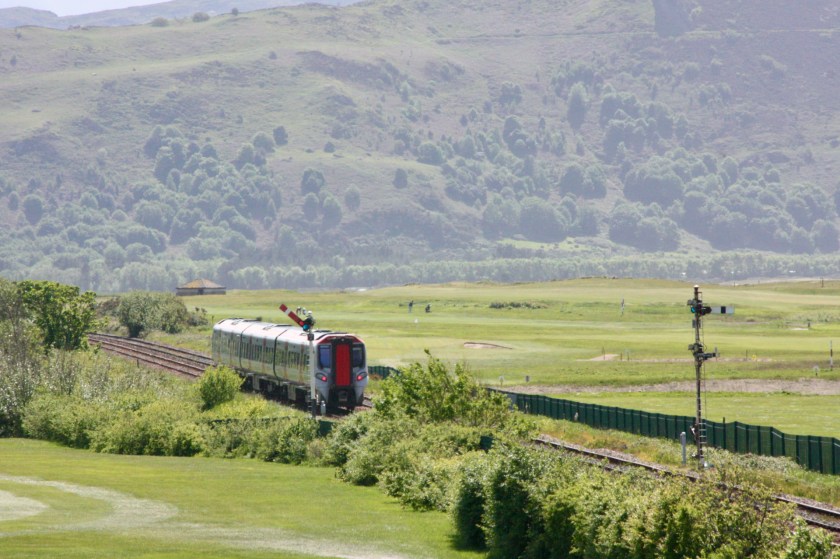
Together with the irregular Conwy Valley Line services and shuttles from Llandudno Junction, the half-hourly arrivals at Llandudno will first pass a fixed distant board between the town’s two golf courses, then down outer home signal LO33 and inner home signal LO32, where a platform indicator will show 1,2 or 3 below the signal arm.
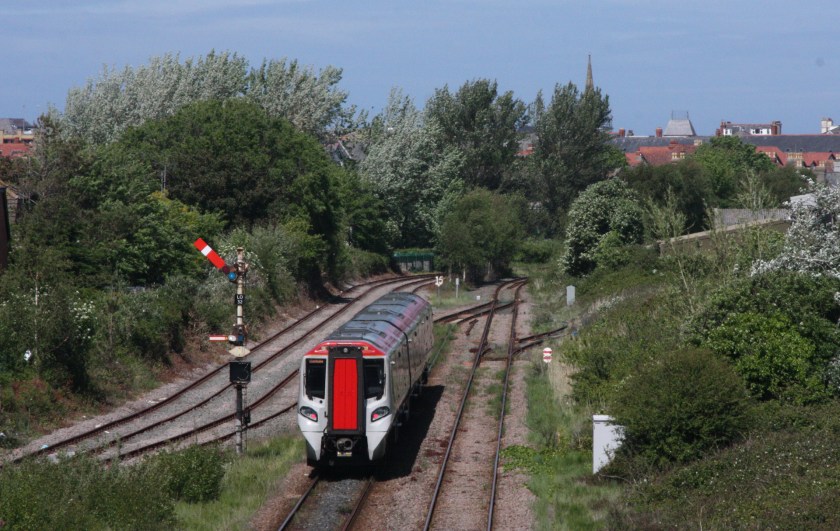
Both LO33 and LO32 also have short “calling on” arms below the main semaphore, for use when a train is approaching a platform that is already occupied by another train and, as I observed, for cautioning an incoming train when the short bi-directional section of single line just south of the station is occupied by departing service. On two occasions I noted trains being cautioned when “calling on” arm LO34 was pulled off instead of LO33, as seen below.
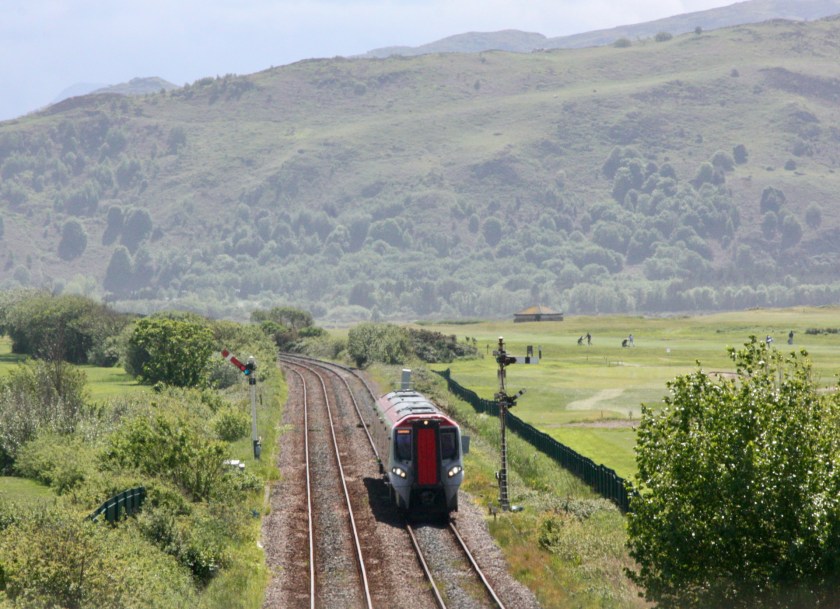
Trains leaving the terminus will pass one of three up home signals, LO3 (platform 1), LO5 (platform 2) or LO7 (platform 3) and then, most southerly of all the Llandudno signals, up section signal LO9, which stands some way south of LO33, between the two golf courses, and can be photographed from Bryniau Road over-bridge.
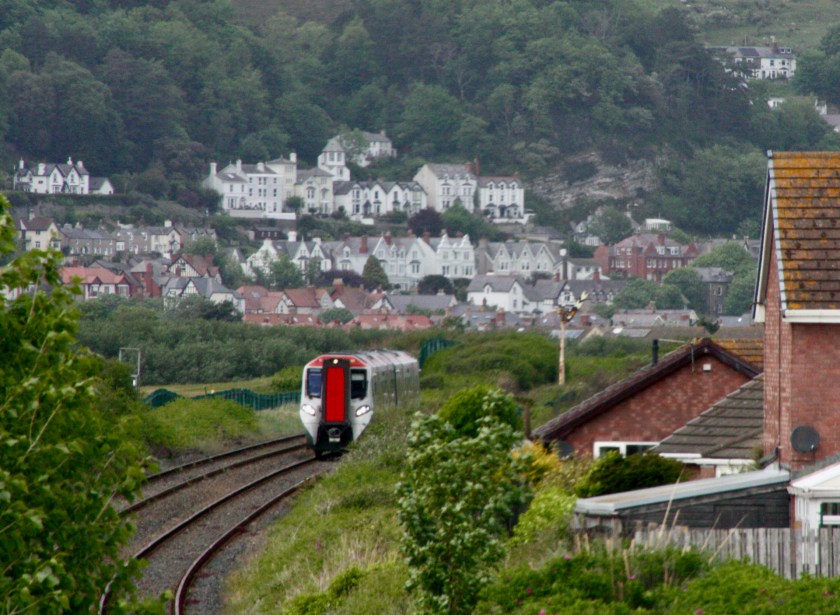
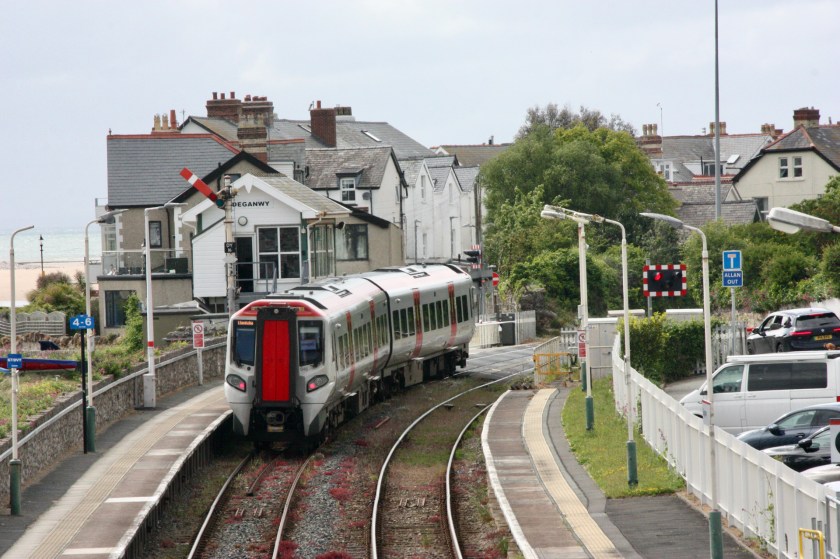
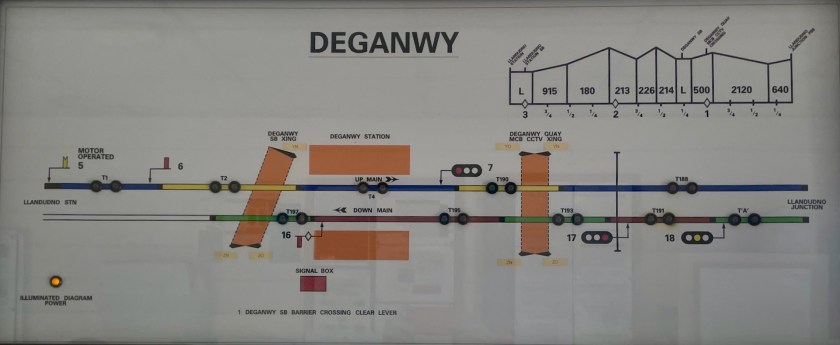
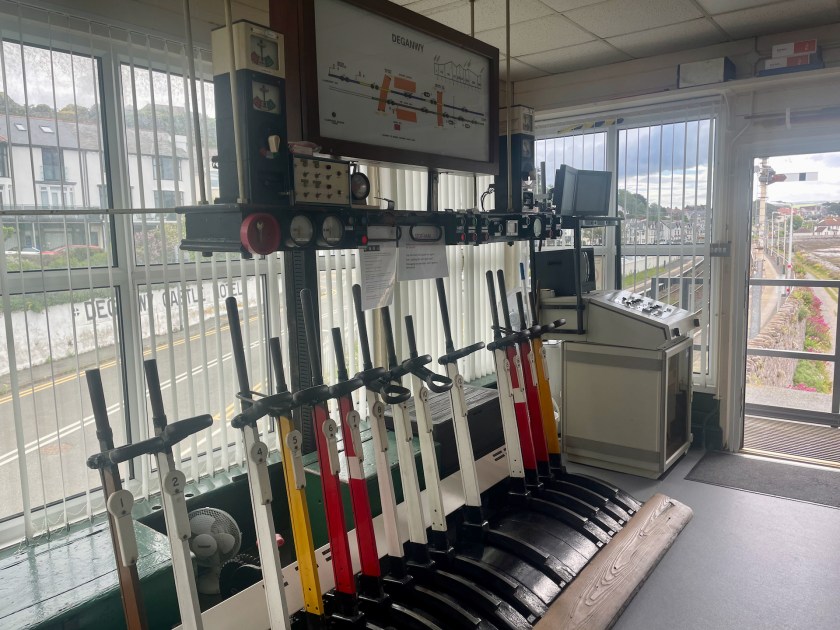
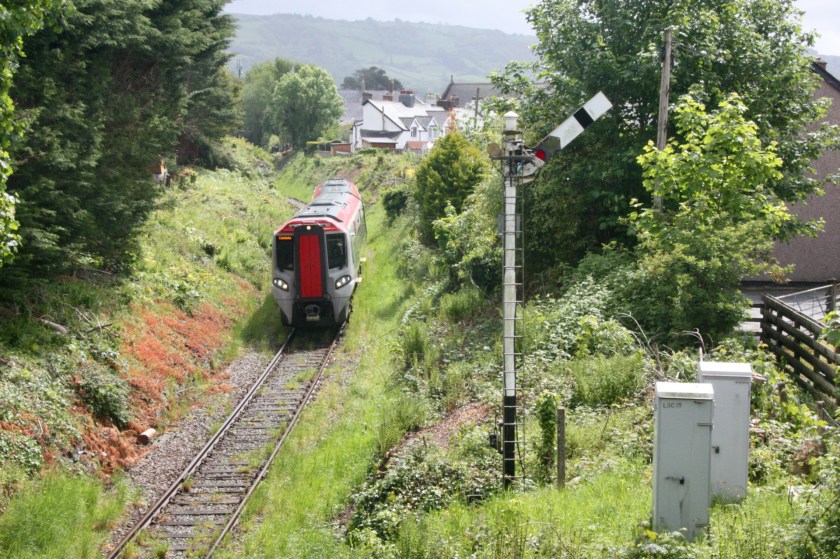
Just 1¾ miles south of Llandudno stands Deganwy Signal Box, which controls two level crossings and retains three semaphores on its 18-lever frame. This is the newest of the three surviving Conwy Valley signal boxes, being a LNWR Type 5 box that opened in 1914, with its remaining semaphores being down home signal DY16, up home DY6 and, most notable of all, a motor-worked up distant (DY5).
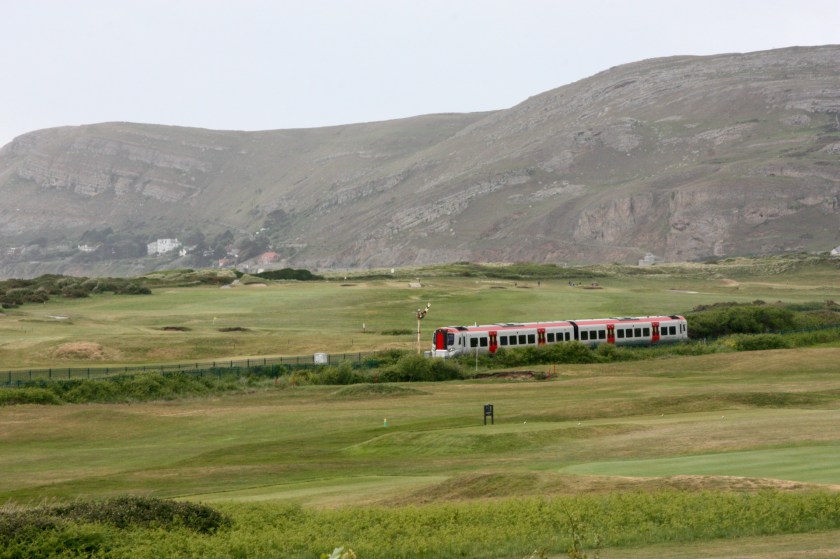
But change is coming at Deganwy where there are plans to remove its three semaphores later this year, apparently in order to make control of its two level crossings easier and more efficient, with the current signalling arrangement meaning some lengthy barrier closures at the important Deganwy Quay Level Crossing.
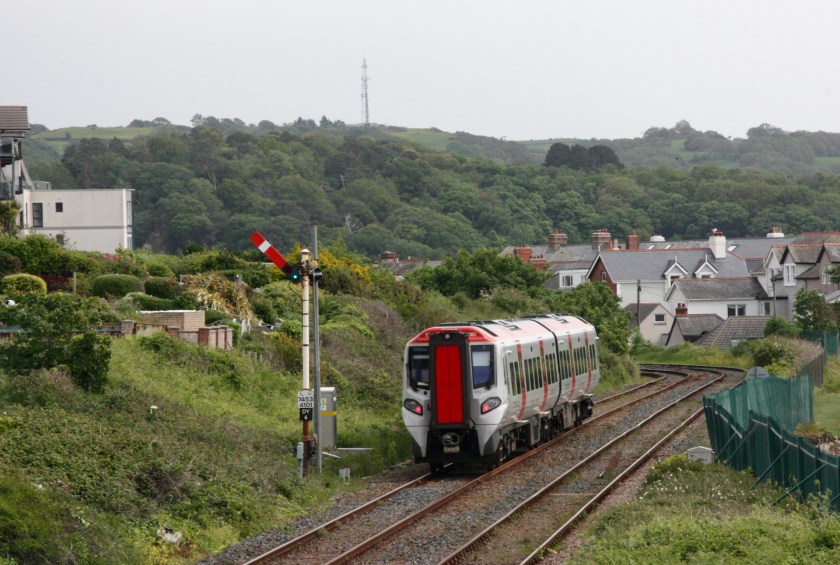
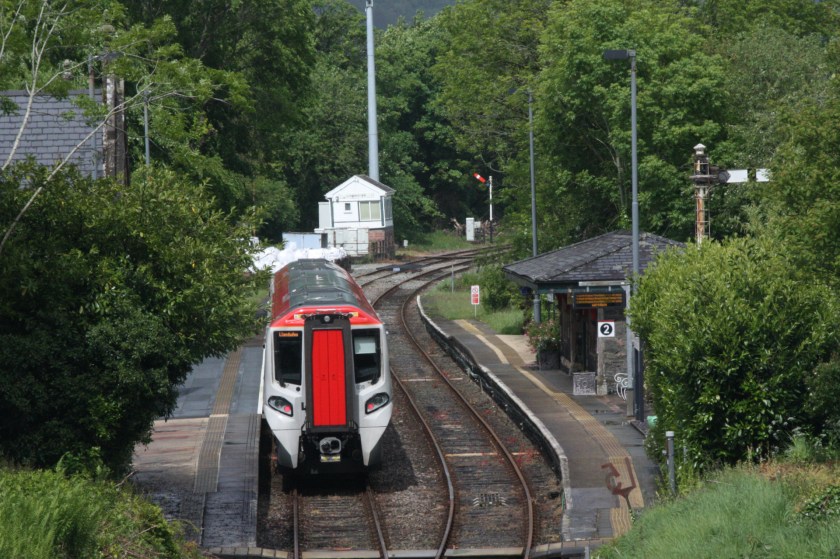
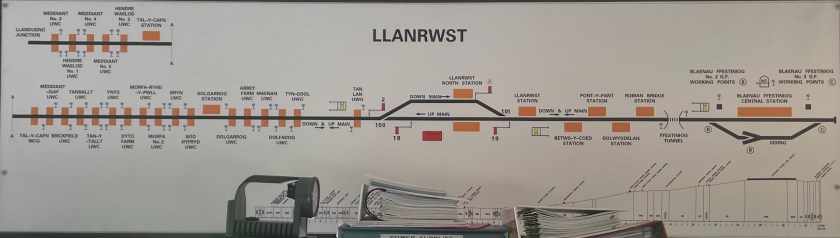
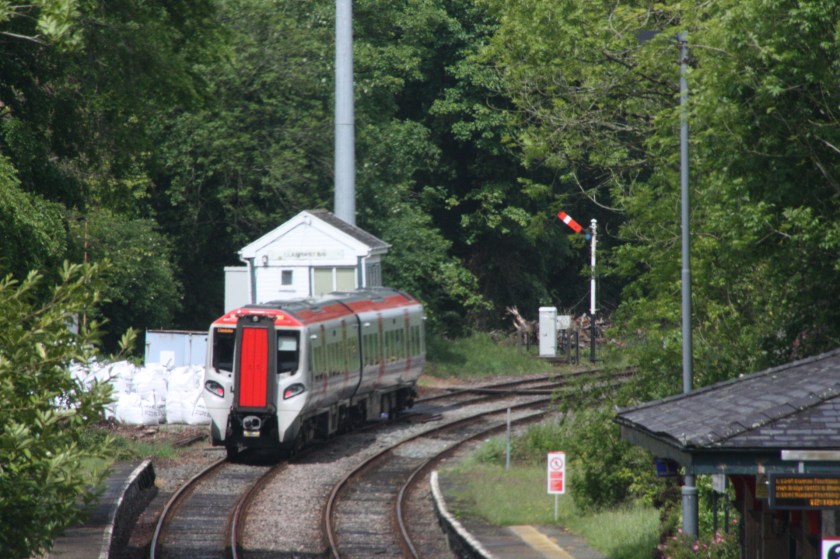
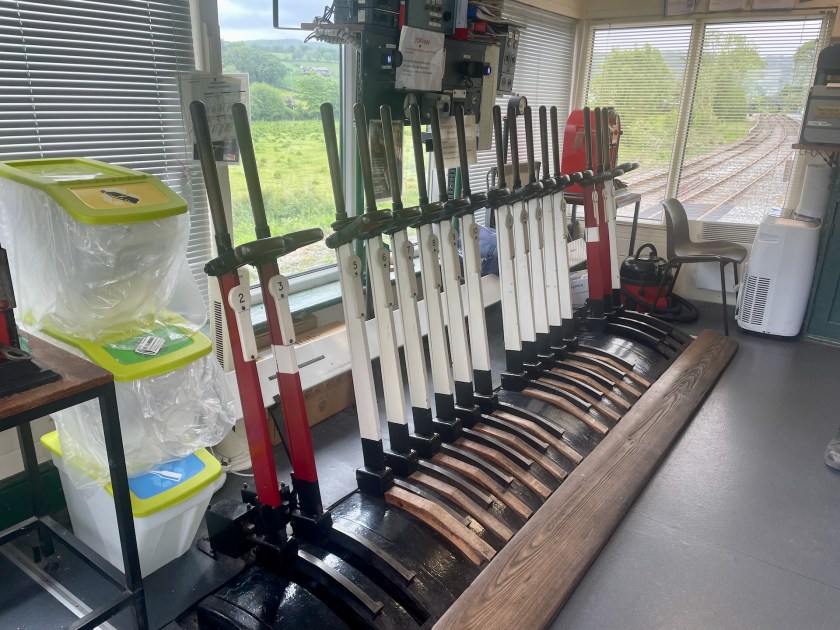
Oldest of the Conwy Valley’s three signal boxes is Llanrwst, dating from 1880 and, like Llandudno, a LNWR Type 4 box. Just four of its 20 levers remain in operation, comprising home and starter signals in each direction, with the points at each end of the station loop being sprung, so a southbound train will always pass the down (southbound) platform and a northbound train will be routed into the main platform.
Despite its status as the only passing place between Llandudno Junction and Blaenau Ffestiniog, with trains pausing at the signal box to exchange tokens, North Llanrwst station is now one of the route’s seven request stops, having been replaced as the town’s main railhead when a new station nearer the town centre opened in July 1989.
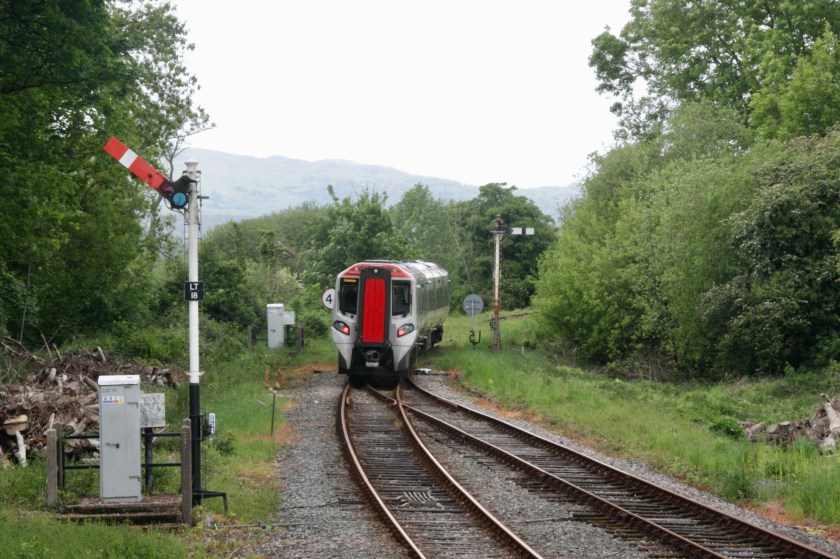
While Llanrwst appears to be quietest of the three surviving Conwy Valley Line signal boxes, it is responsible for overseeing a remarkable 20 user-worked crossings along the route, each equipped with a phone link to the signal box for users (other than pedestrians) to call and request permission to cross with their animals or tractors.
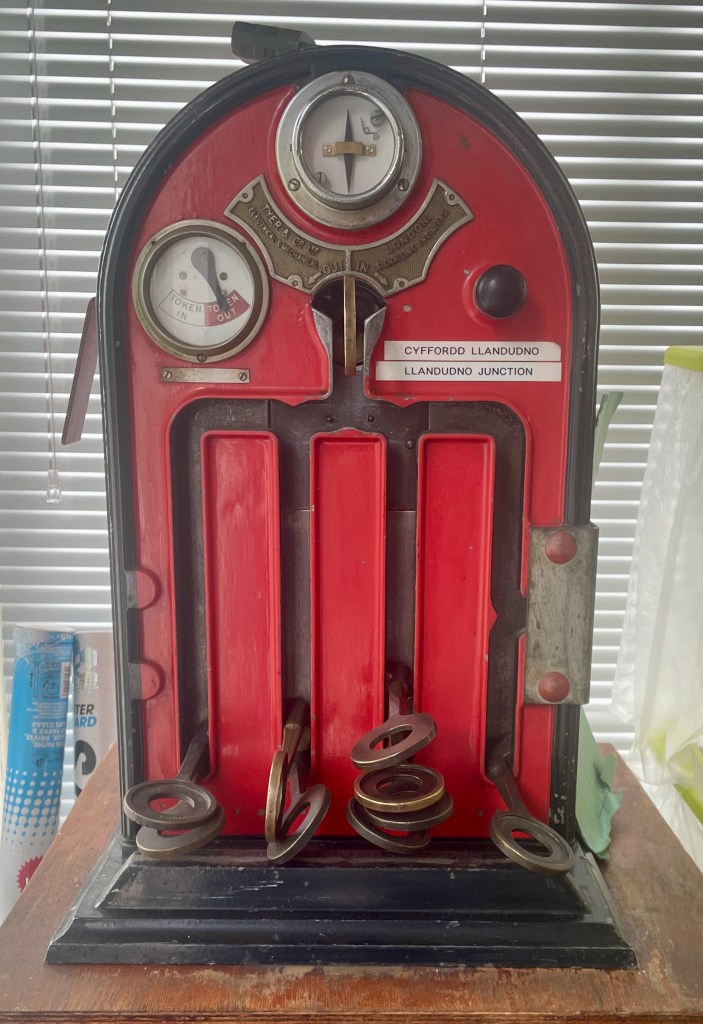
The box is also one of the few remaining on the network – other Welsh examples being Pantyffynnon, Tondu and Whitland – where the signaller will collect and exchange a token with the train driver, in this case its Tyer’s electric token key machines dispense one with a round hole for the section to Llandudno Junction and a triangular hole for the route to Blaenau Ffestiniog.
The delightful, but severely flood-prone, Conwy Valley Line was proposed for closure in the March 1963 Beeching Report, but owes its survival its to construction of a nuclear power station at Trawsfynydd, six miles south of Blaenau Ffestiniog, in the early 1960s. That created the need to maintain a rail connection for the safe transport of nuclear waste flasks for re-processing at Sellafield.
Trawsfynydd was on a former Greater Western Railway branch line from Blaenau Ffestiniog to Bala Junction, most of which had been closed in 1961 so that part of the route could be flooded to create the huge Llyn Celyn reservoir.
That led to a short new rail link being laid in Blaenau Ffestiniog between the then Conwy Valley Line terminus and the former Great Western Branch terminus, half a mile to the east, so nuclear traffic could travel from Llandudno Junction to reach a loading point adjacent to the new nuclear facility.
Use of the Conwy Valley Line for nuclear traffic from Trawsfynydd ensured its survival through the dark days of branch line closures in the 1960s and 1970s until its passenger potential was finally realised in 1982 when the re-built narrow gauge Ffestiniog Railway reached to Blaenau Ffestiniog, where a new joint station was opened on the site of what had been the town’s Great Western station.
The Conwy Valley Line is a scenic gem, passing through some delightful terrain from the Conwy estuary, just south of Llandudno Junction, through the two main settlements along the route – Llanrwst and Betws-y-coed – and a number of other small villages before reaching Blaenau Ffestiniog after going through one of the longest railway tunnels in Britain and, at two miles and 333 yards, the UK’s longest single-track rail tunnel.
Current services along the Conwy Valley Line comprise six weekday round trips, with four on Sundays, operated by two-car TfW Class 197 units. Despite retaining its passing loop, no trains are scheduled to pass at North Llanrwst, but it does allow for occasional excursions to travel down the line to Blaenau Ffestiniog, where the single-platform station includes a run-round loop.
For anyone tempted to visit this delightful corner of North Wales and looking for a budget-priced place to stay, I can recommend the New Alexandra Hotel in the centre of Llandudno, only a three-minute walk from the station, where I paid just £42.00 a night for a large en-suite double room.
As somewhere to drink, I can also recommend the rather magnificent Wetherspoon-owned Palladium, where real ales cost just £1.99 a pint from Monday to Wednesday and where I was able to indulge my taste for dark with Rudgate “Ruby Mild” from York (4.4%) on my first visit and Exeter Brewery “Darkness” (5.1%) on my second.
My sincere thanks to Emma Hutchins of the Network Rail Media Relations team in Cardiff for organising my 20 May 2026 visits, to Deputy Local Operations Manager Paul Wennington for hosting me, and to the helpful and friendly signallers I met on the day – John Williams at Llandudno, Steve Minter at Deganwy and Mark Hoysted at Llanrwst. A special mention, too, for Tal-y-cafn gatekeeper Gareth Edwards, who I also met on 20 May and who remembered me featuring him in March 2018, when he was the signaller at Abergele & Pensarn, weeks before closure of the signal box.


You must be logged in to post a comment.