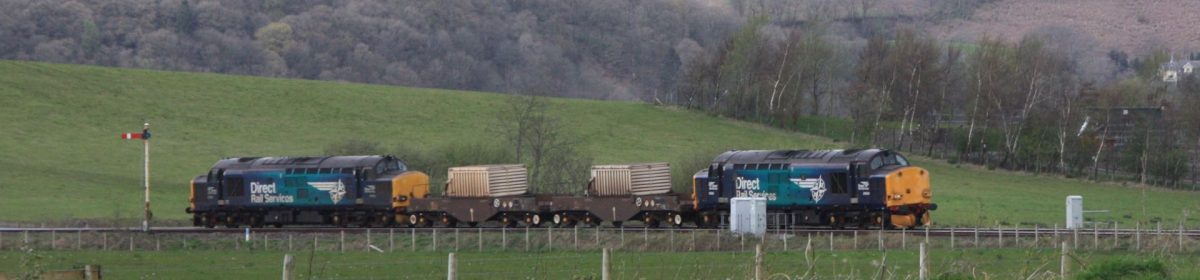
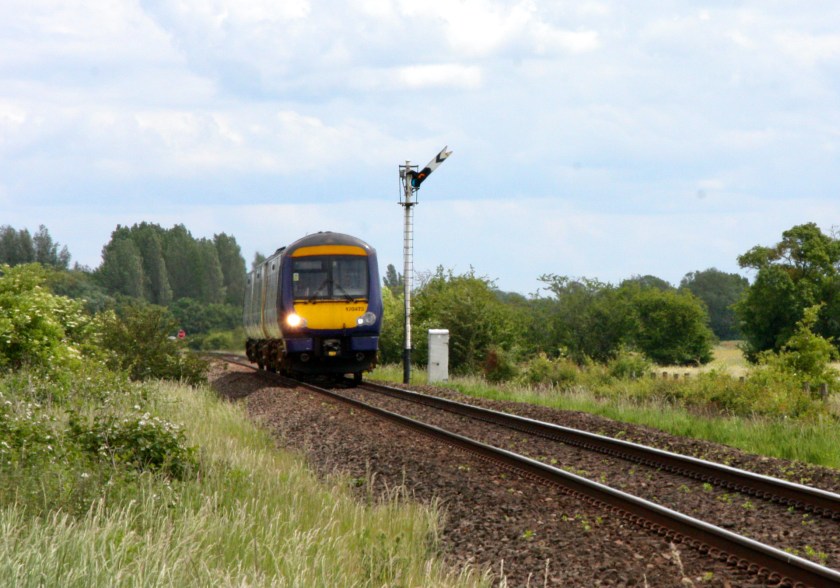
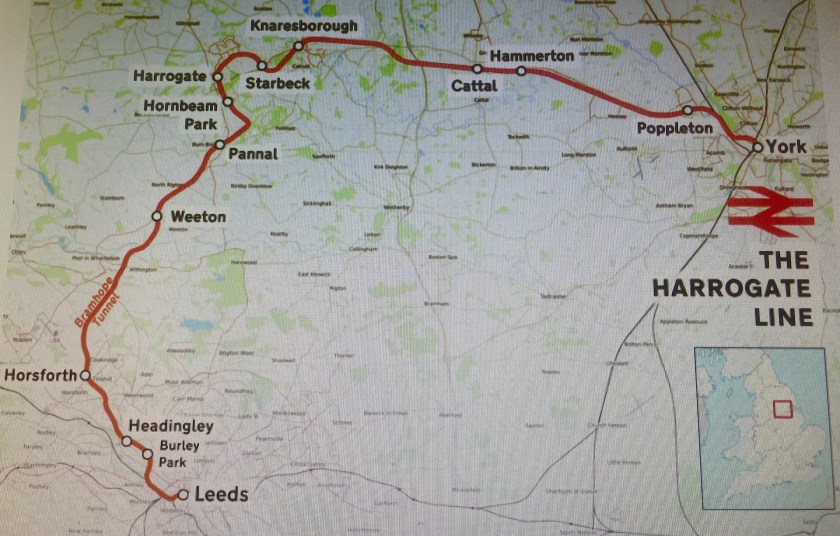
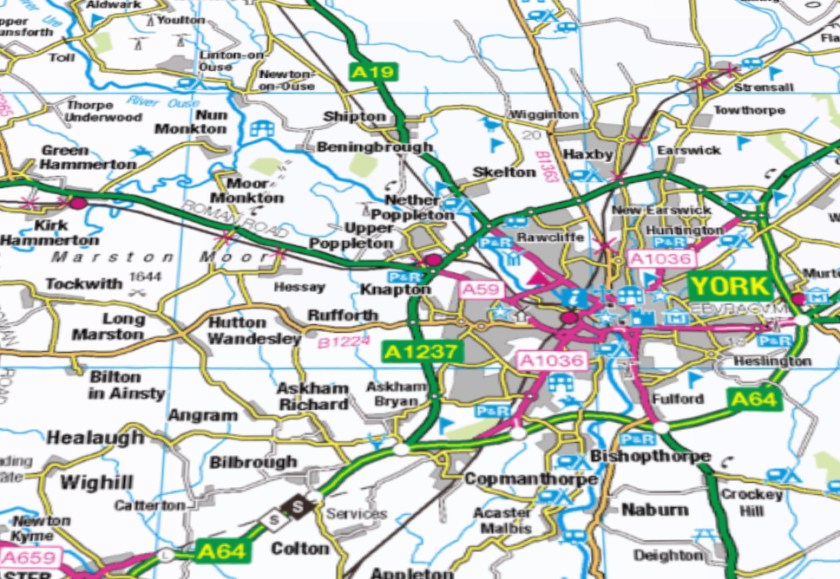
Plans for the automation of two level crossings on the York-Leeds “Harrogate Line” will mean a major reduction in semaphore signalling at the remarkable eastern end of this fascinating route, between Harrogate and Poppleton, a growing village three miles north-west of York city centre.
Over the course of 5¾ miles of single line between the stations of Hammerton and Poppleton the half-hourly trains between York and Harrogate will pass three level crossings – Wilstrop, Marston Moor and Hessay – each currently boasting gate boxes with up and down home and distant signals, all but one of which are semaphores.
But the increased frequency of trains on a route once threatened with closure after featuring in the March 1963 Beeching Report means Marston Moor and the nearby Hessay level crossing are up for replacement by automatic barriers, probably early in 2027, which would lead to the loss of eight semaphore signals, four at each location.
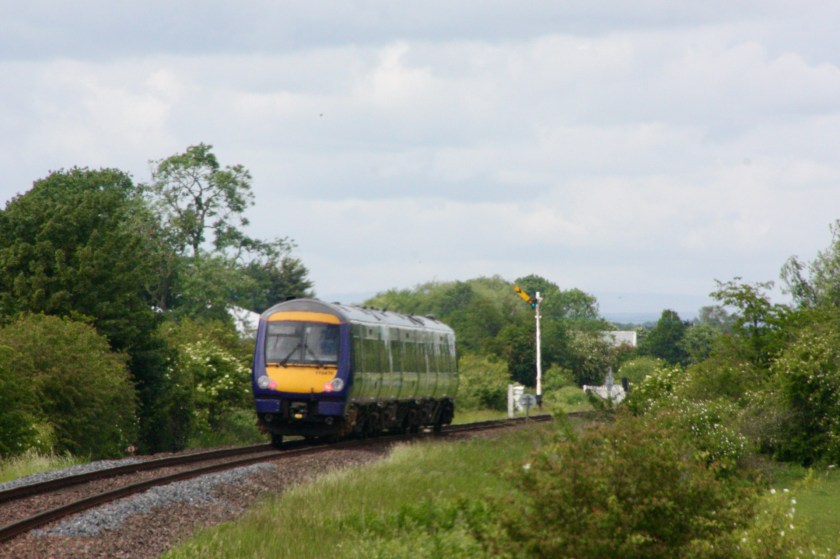
Recent years have seen piecemeal replacement of individual semaphore signals along the route at Poppleton, Hammerton, Cattal and Knaresborough, but the removal of Marston Moor and Hessay would represent a major loss, and include two of the route’s three combined home and distant signals.
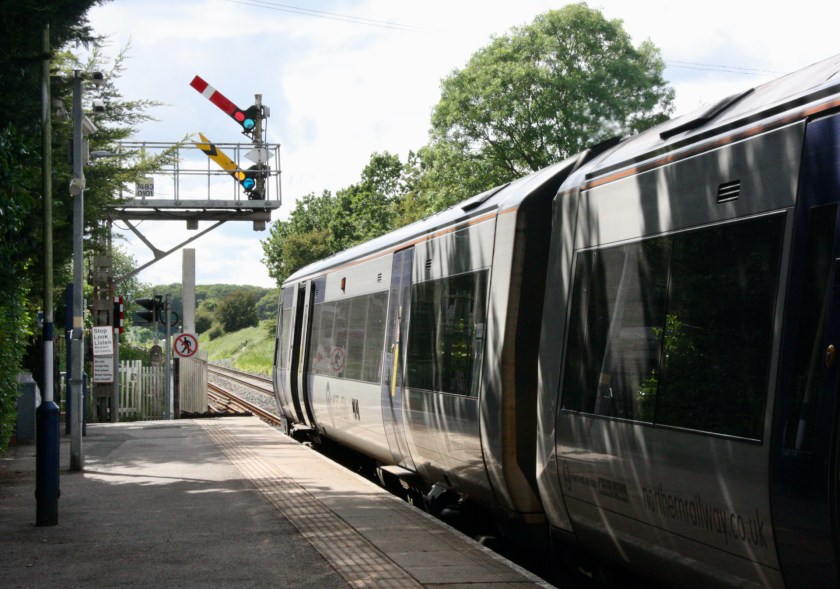
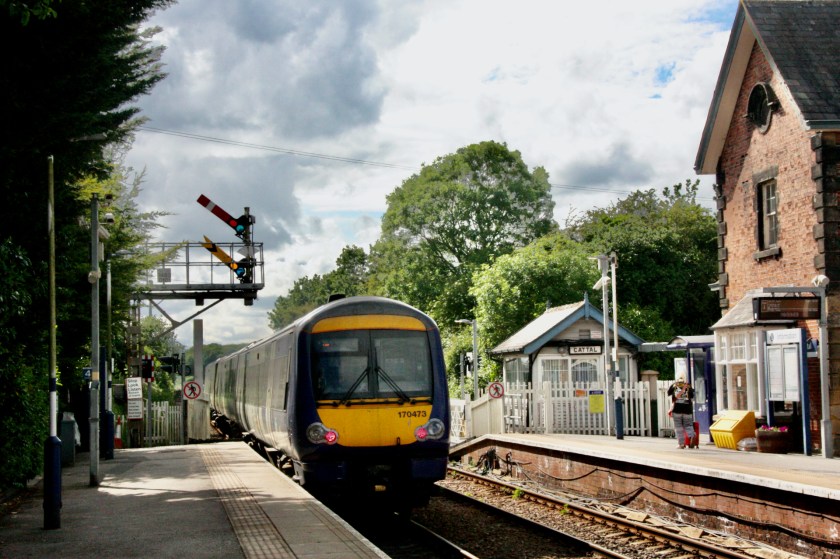
That would leave just the pair at Cattal on this route (as seen above) and reduce the total number of working home and distant semaphores on the national network from ten to eight, following other recent losses at Parbold Cabin, Chapel Lane Crossing and Elmton & Creswell. Besides Cattal, that surviving eight comprises Gainsborough Central, Langham Junction, Peak Forest South, Shrewsbury (lower quadrant) and a trio on the Cumbrian Coast Line at Kirksanton and Limestone Hall Level Crossings, near Millom.
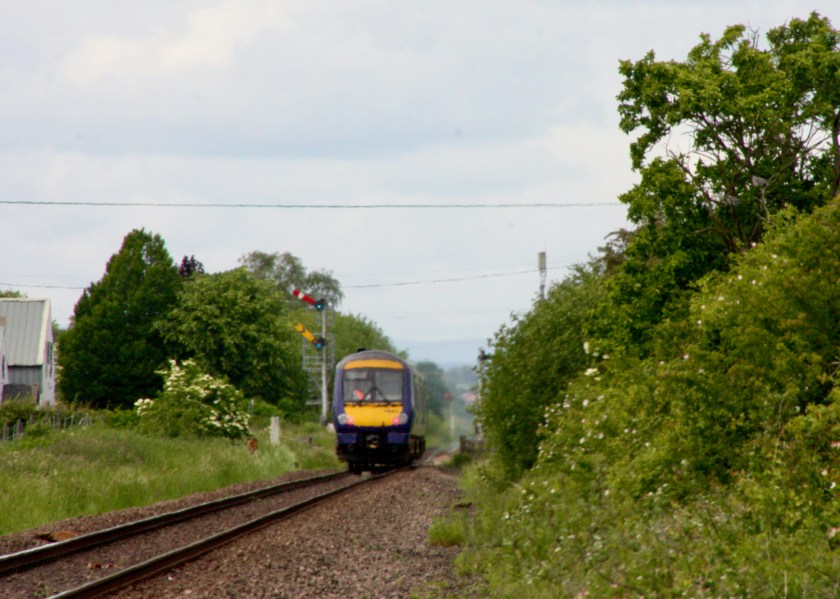
Keen as ever to capture historic railway scenes before they are swept away in the name of progress, I took a train from York to Poppleton on Sunday, 31 May 2026, then braved the busy A59 by setting out on foot to pause at two foot crossings on the way to Hessay Level Crossing, before heading on another mile or so along the A59 to the west and historic Marston Moor.
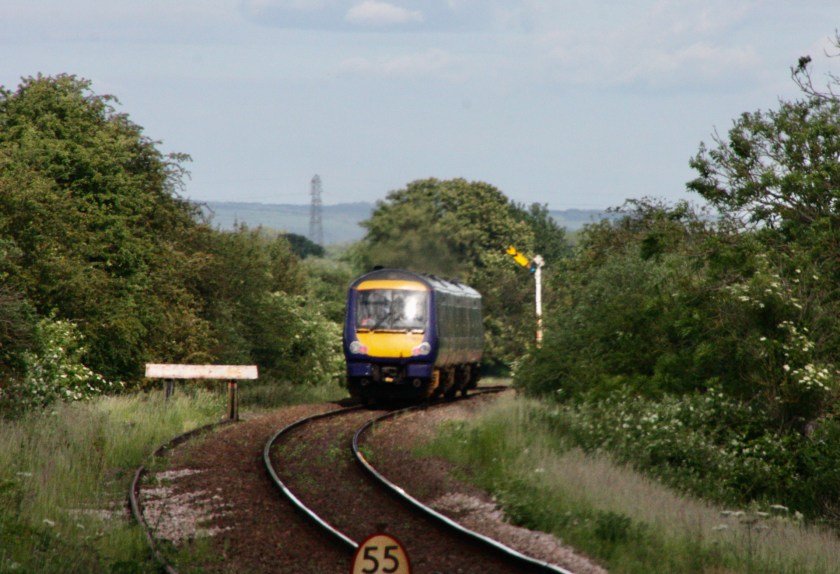
First up was a walk of around 1½ miles west along the A59 before taking a path to the south, leading to a foot crossing of the railway from where there is a view of the Hessay down distant signal (H5) and beyond it the combination of the Hessay down home (H4) above the Marston Moor down distant (21), just in front of Hessay Level Crossing.
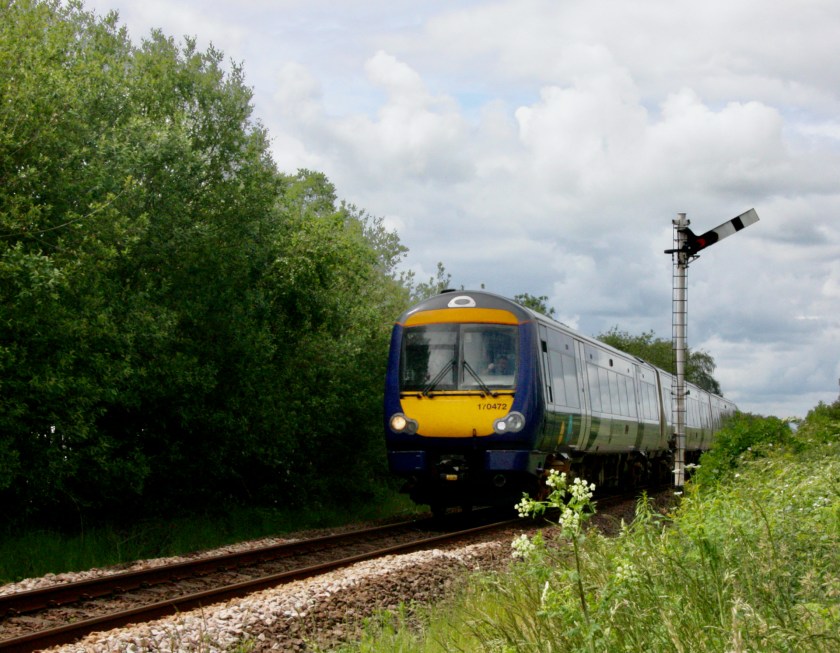
To get a rather better and closer view of these signals I then followed this path on towards Hessay before turning right and back up to the railway and another foot crossing of the line that is roughly mid-way between signals H5 and H4/21.
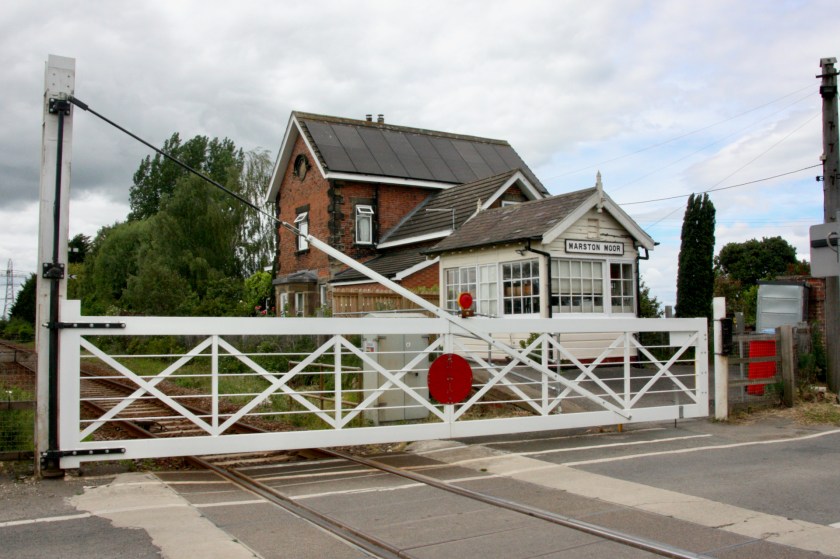
I then headed north and continued my perilous walk along the A59 until reaching a left turn for Hessay, where someway before reaching the village there is the level crossing. Here a well-preserved station building stands on the up side of the line, the station having closed to passengers on the same day as Marston Moor (15 September 1958).
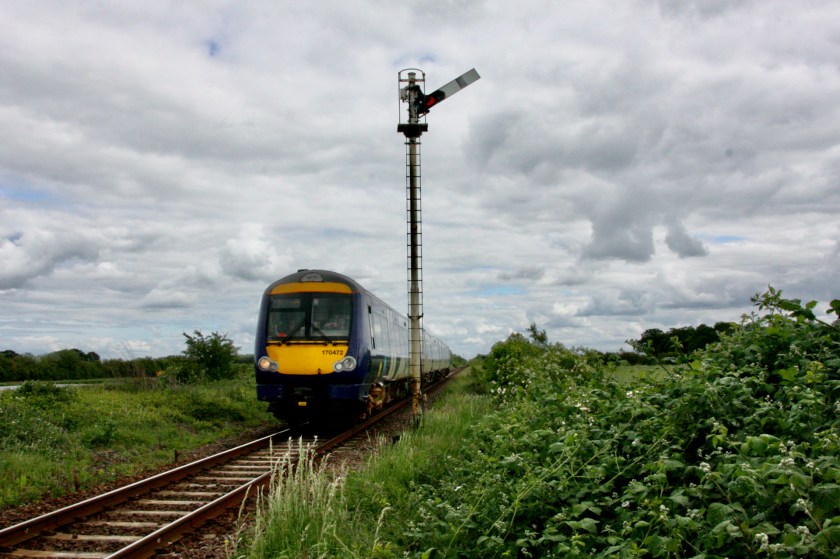
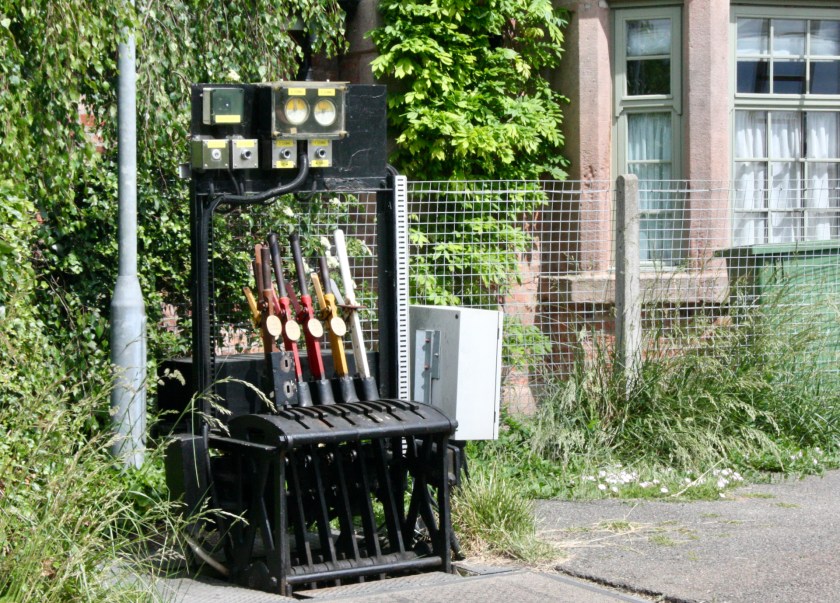
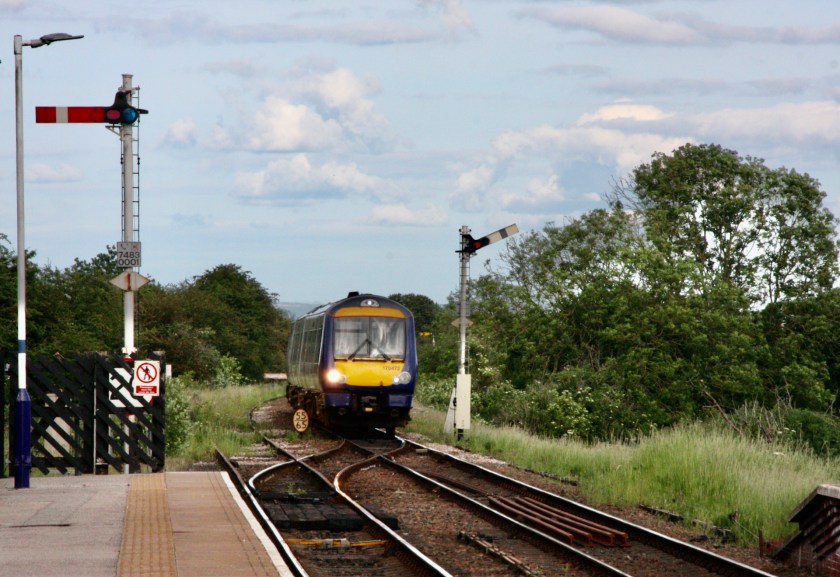
There was never a signal box here, so the signals are controlled from a small exposed lever frame that stands on the former up platform, with the combination of H4/21 visible to the east of the crossing and a single up home signal (H3) just to the west.
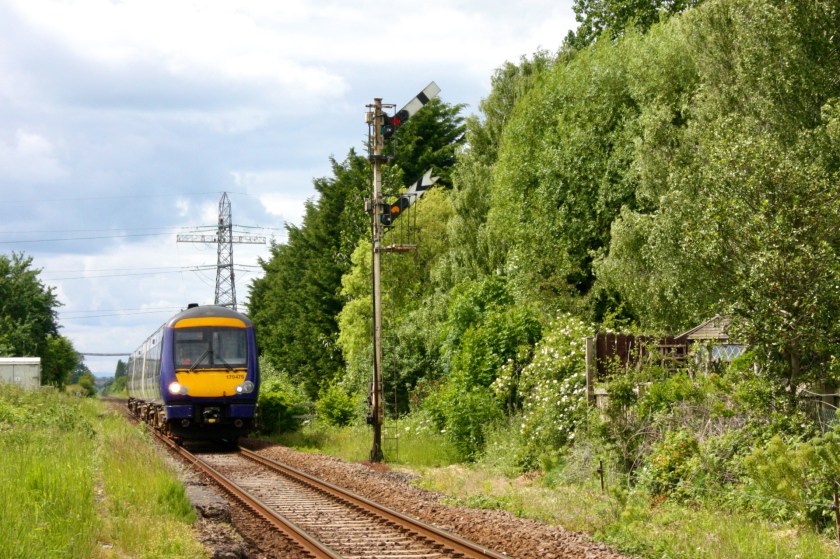
From Hessay Level Crossing I carried on up the lane to the north, before turning left and another scary mile along the A59 before a turn signed to the village of Long Marston that led to the most famous name on this route, Marston Moor, site of one of the most memorable battles of the English Civil War (2 July 1644).
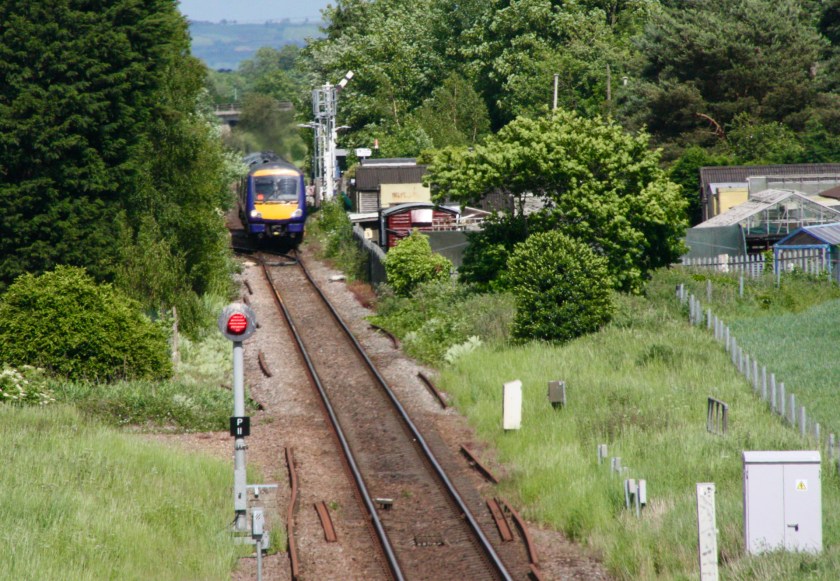
As at Hessay, the station building at Marston Moor survives in private ownership, with a well-preserved and Grade II-Listed 1910-vintage North Eastern Railway signal box standing at the eastern end of the former up platform. This was once a full signal box, but was demoted to a gate box when Hammerton-Poppleton was singled in 1972.
In the citation for its 2013 Listing, Marston Moor Signal Box was described as being a very little altered example of a ground level signal box that had undergone little alteration, retaining timber windows, finials and other original features such as part of its lever frame. It was described as very simple in design, and an effective piece of attractive architecture in terms of overall form, massing and simple detailing.
Looking west from the level crossing, the second combined home and distant signal on this section of line is the Marston Moor up home signal (14) above a motor-worked distant signal controlled by Hessay (H2), while in the down direction the Marston Moor home signal (4) stands close to the level crossing.
What becomes of the redundant signal box at Marston Moor is a question that will need to be addressed as part of the automation exercise. The wooden structure has apparently not seen any remedial work for many years, but could easily be removed from its present location and find a new home in a museum or on a preserved railway.
For those unfamiliar with the Harrogate Line, a 35-minute ride from York to Harrogate will take you through 11 locations that feature some semaphore signalling, comprising six signal boxes – Poppleton, Hammerton, Cattal, Knaresborough, Starbeck and Harrogate, and five gate boxes – Hessay, Marston Moor, Wilstrop, Whixley and Belmont.
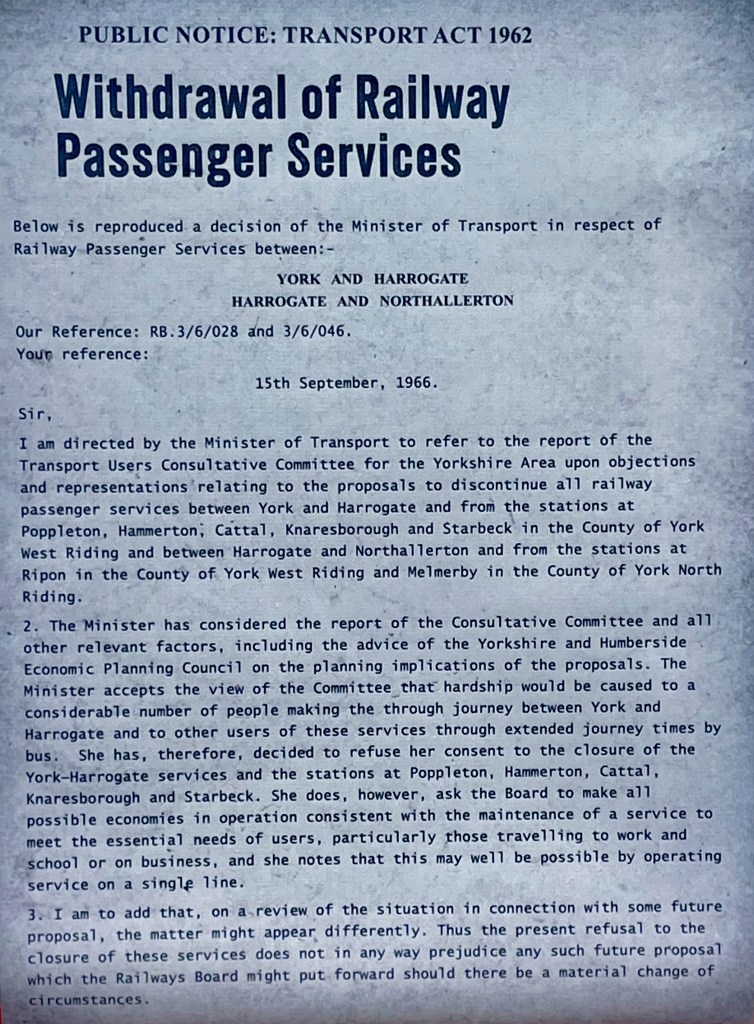
Having survived proposed closure by Beeching in the early 1960s and, after rationalisation in the early 1970s saw both the Hammerton-Poppleton and Knaresborough-Cattal sections reduced to single track, passenger traffic is buoyant, and there has even been talk of re-doubling and electrification.
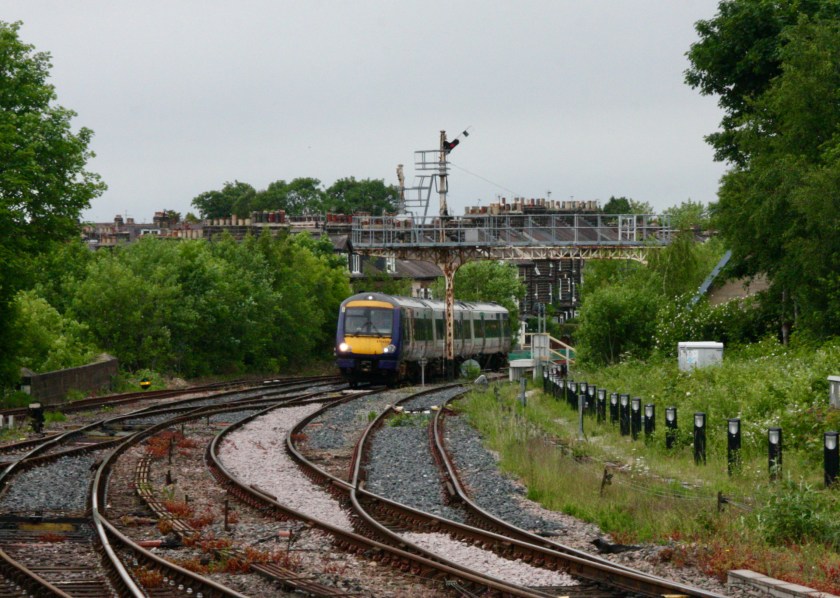
Returning from the two doomed level crossings, I paused on the A59 over-bridge to the west of Poppleton, from where there is a great view of the station, its level crossing and the sole remaining semaphore, a down home signal close to the 1870s signal box, with the up home having recently been replaced by a lollipop (P11).
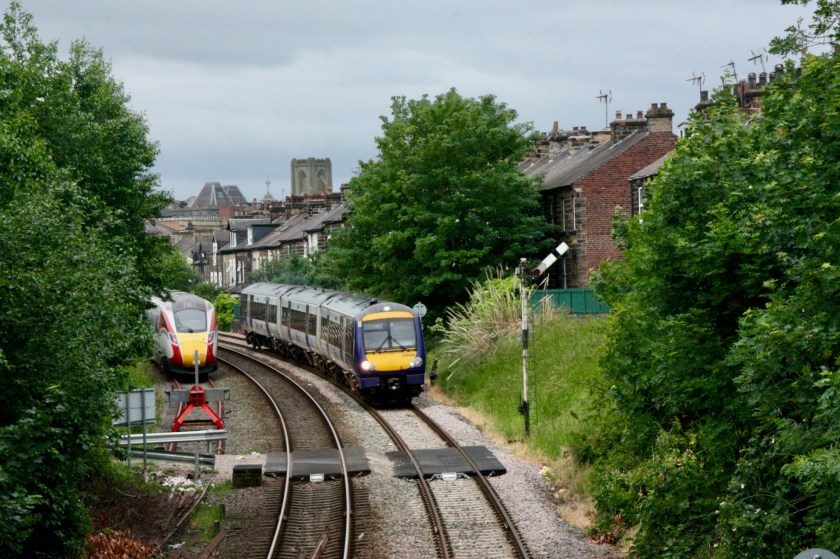
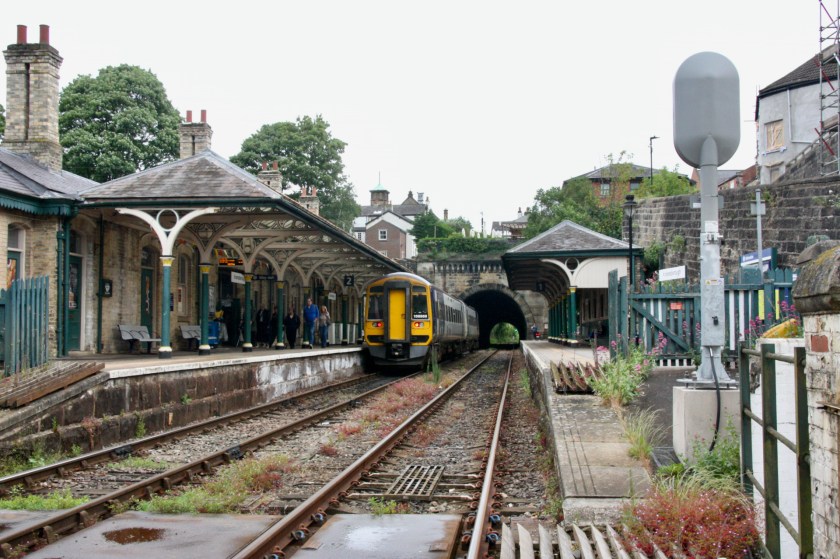
Taking a 35-minute train ride from York to Harrogate the day after my scary walk along the A59 to Marston Moor (1 June 2026) meant a chance to see another very recent change to signalling along this route, and the replacement of the bracket housing the Knaresborough down home signal (K9) with another lollipop, as seen below.
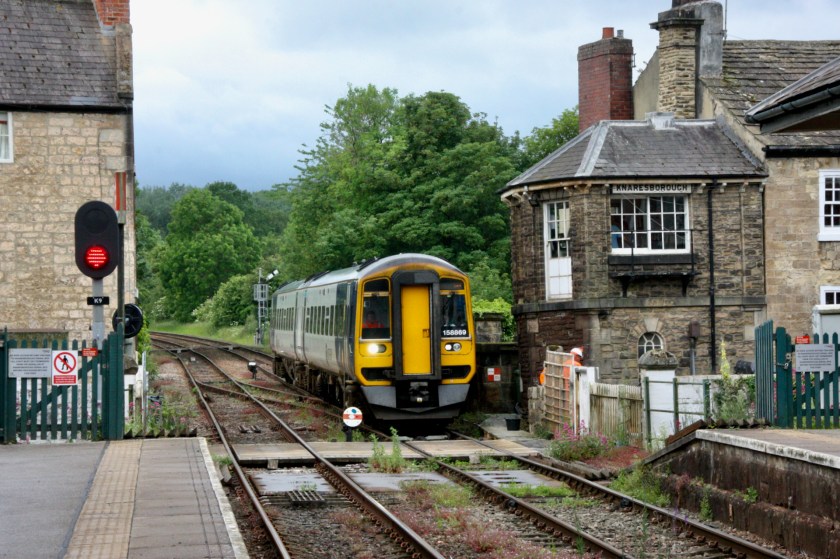
As seen above, Knaresborough boasts a remarkable and Grade II-Listed signal box that is built onto the end of a terrace of houses at the western end of the station and close to an impressive stone viaduct over the River Nidd, so it is rather sad to see how a modern and functional signal now features at an otherwise unspoiled and historic location.
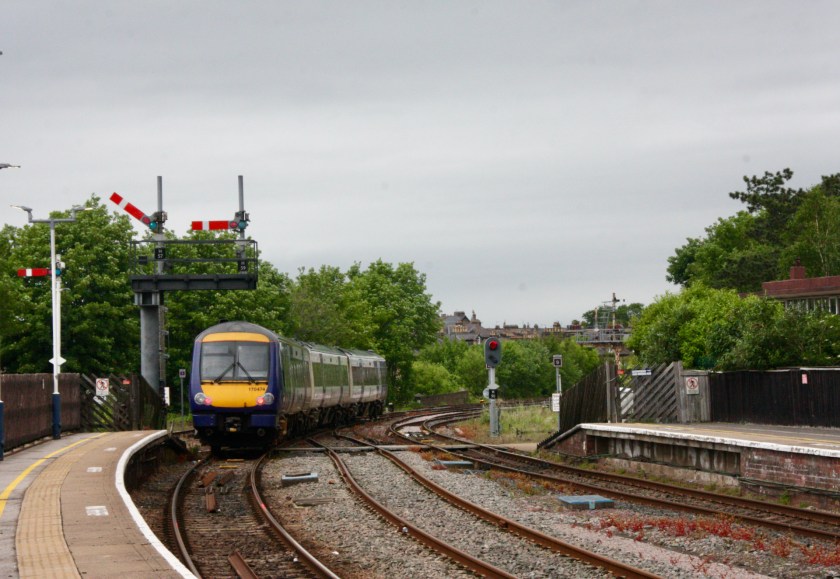
I had read suggestions that the handful of remaining semaphores at the north end of Harrogate station were being replaced, so it was a pleasant surprise so see that nothing has yet changed, with a total of four semaphore arms in view from the north end of up platform 1 and up section signal H56 easily photographed from a footbridge north of the station complex.


You must be logged in to post a comment.