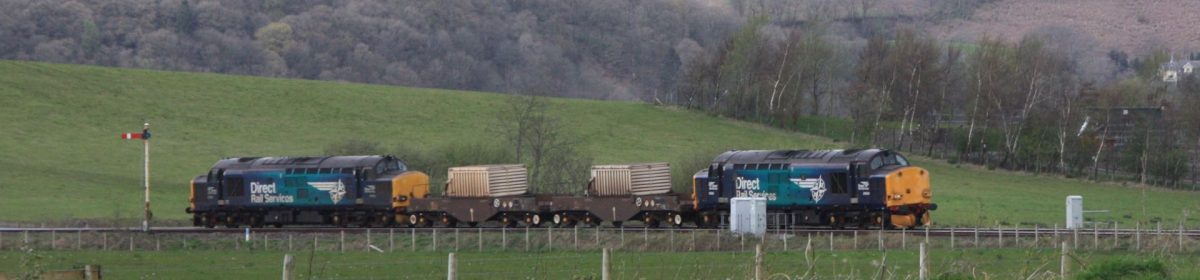
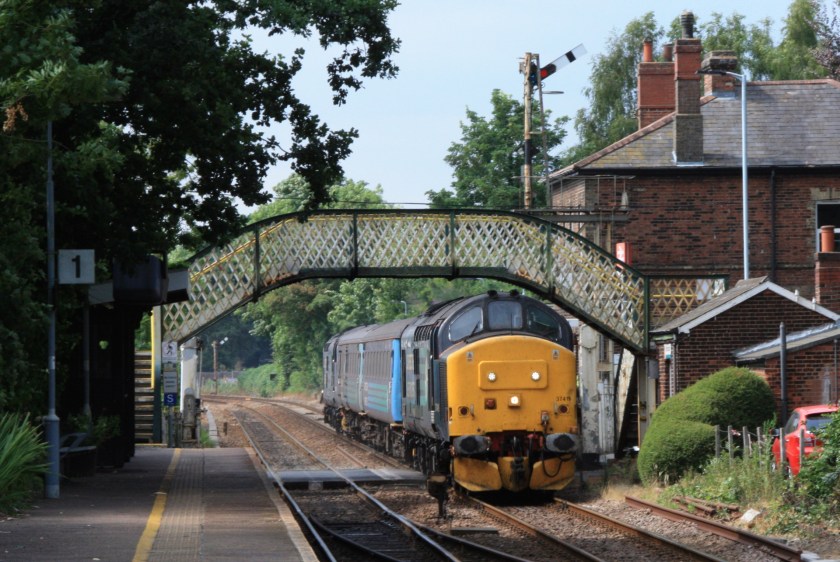
 Re-signalling of the Wherry Lines from Norwich to Great Yarmouth and Lowestoft continues apace – with “bagged lollipops” having already appeared at a number of locations, so after previous looks at Reedham and Oulton Broad North, it is time to pay a visit to the third mechanically-signalled junction on this fascinating network.
Brundall station stands 5¾ miles east of Norwich and is the point where a single line to Great Yarmouth via Acle diverges from the double track route to Lowestoft. It is served by hourly trains on the Acle line and by some, though not all, of the Lowestoft services. Continue reading “Favourite photo-spots: Brundall”
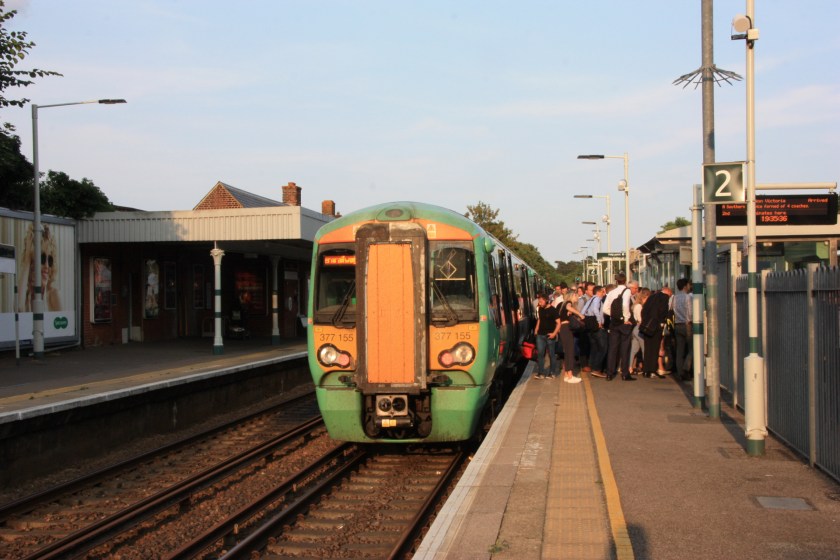 Chaos at Waterloo on the evening of Wednesday 18 July 2018 (body on the line at Clapham Junction apparently) and an invitation for passengers to take any reasonable route to get to their destination found me travelling to East Croydon and then Reigate, on my near four-hour trek home to Haslemere.
 Weymouth remains a great magnet for day trippers and holidaymakers, so on the first Saturday proper of the summer holidays, and with the added bonus of seafood festival, there was bumper traffic to the resort from Yeovil Pen Mill on 14 July 2018.
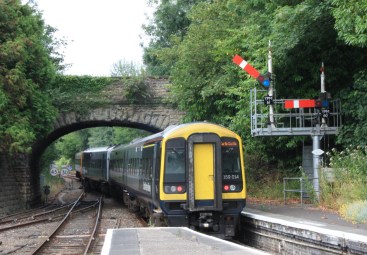 In less than 90 minutes during the mid-morning there are four services to the resort from Pen Mill, including the highly popular 09.50 SWR service from Basingstoke where three coaches of its five-car formation continue to Corfe Castle on the Swanage Railway (described in my earlier blog post). Here 158886 + 159014 (rear) depart for Weymouth and Corfe Castle.
 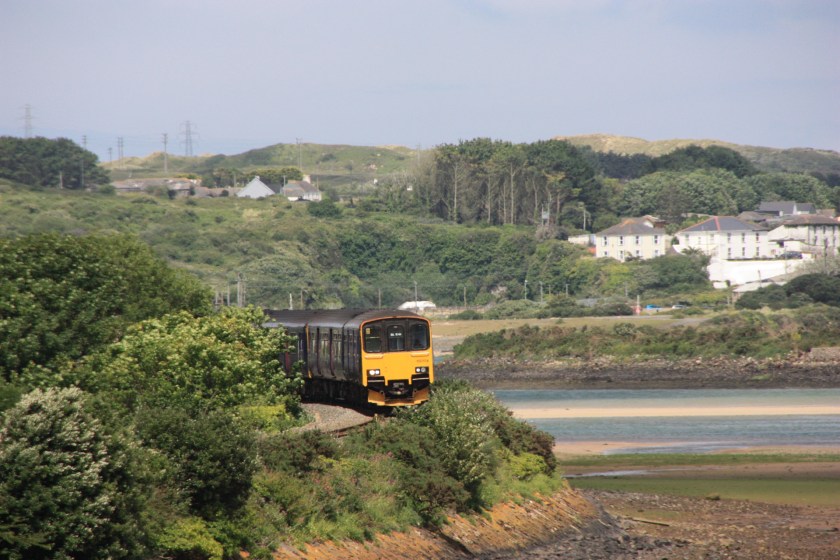 Cornwall remains a delightful and photogenic outpost of mechanical signalling, so after my earlier features on Par/St Blazey and Lostwithiel, it is time to pay a visit to Britain’s most south-westerly railway junction, St Erth, which lies 56 miles on from the Royal Duchy’s first semaphore signals at Liskeard, and 299½ miles from Paddington.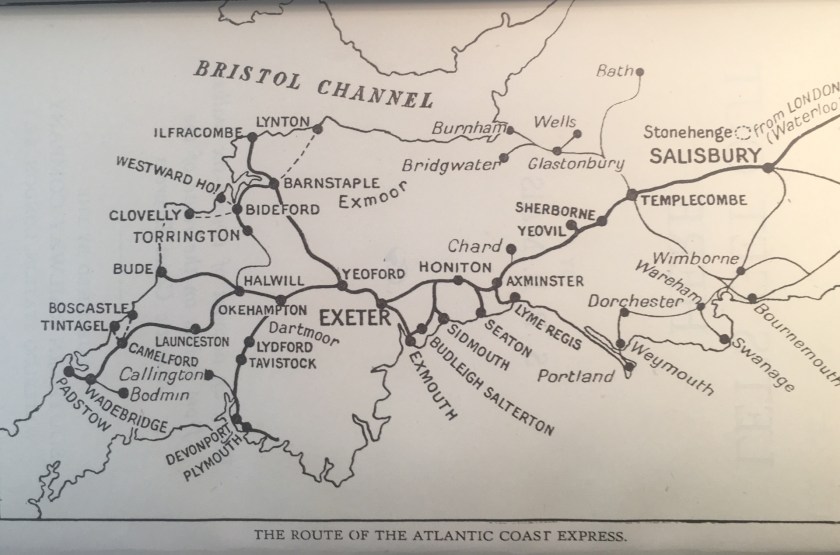
 Friday lunchtime on 29 June 2018 and the end of a scorching week in the sunny South West. Standing on platform 5 at Exeter St. David’s and waiting for the slightly delayed arrival of the 13.02 “Cornishman” to London Paddington, an announcement that the train is one coach short (a shortage of coaches, we are told!) and that the service is already “full and standing” is hardly the news any weary traveller wants to hear.
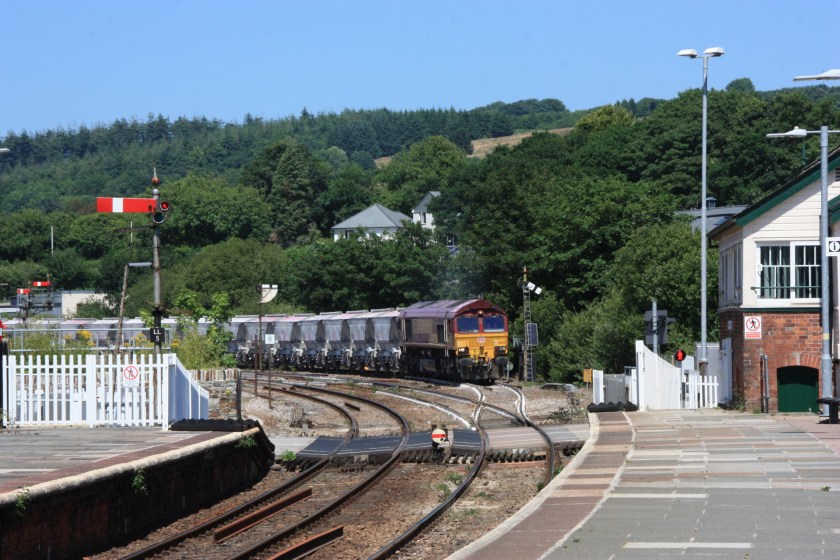 Among a number of marvellous locations in Cornwall to savour GWR-style lower quadrant signalling, one of the most attractive must surely be the delightful town of Lostwithiel, standing on the banks of the River Fowey, with its station and signal box situated just over the 16th century Lostwithiel Bridge from the town itself.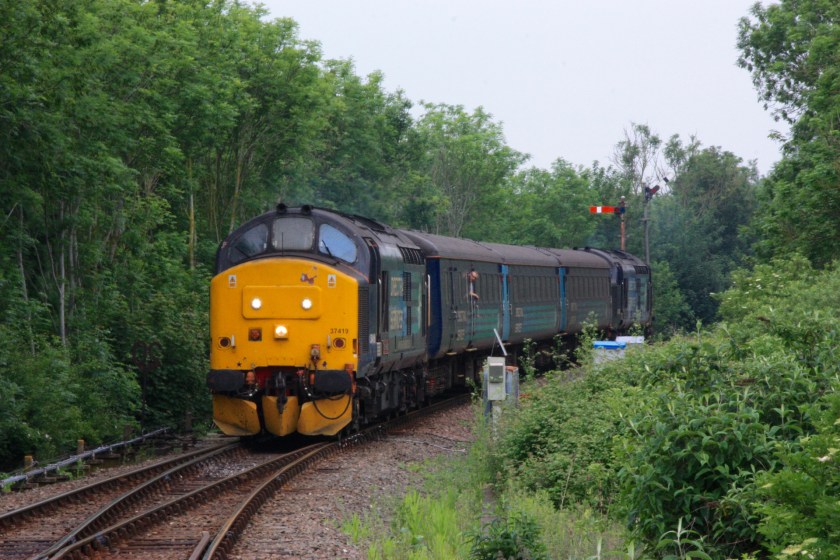
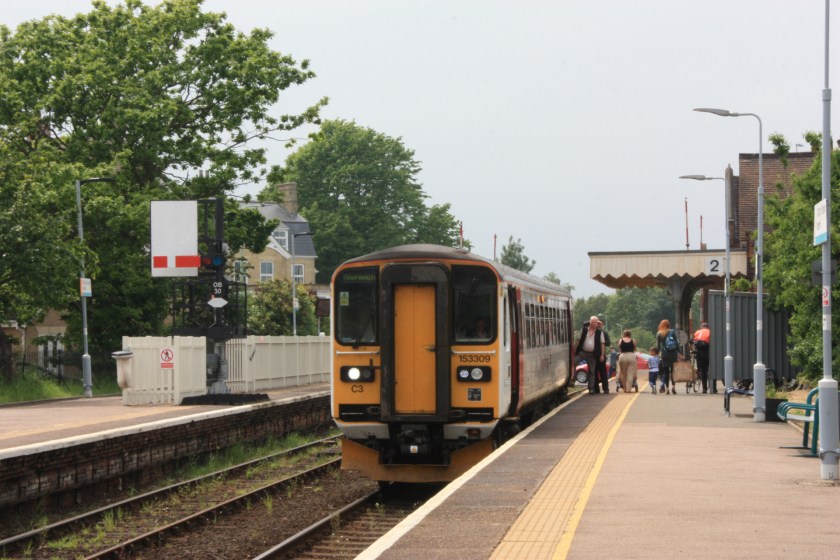 For its combination of manual signalling, interesting scenery and the regular chance of Class 37-haulage, there can be few places in England more attractive for rail enthusiasts than the Wherry Lines in Norfolk, linking Norwich with the seaside resorts of Great Yarmouth and Lowestoft.
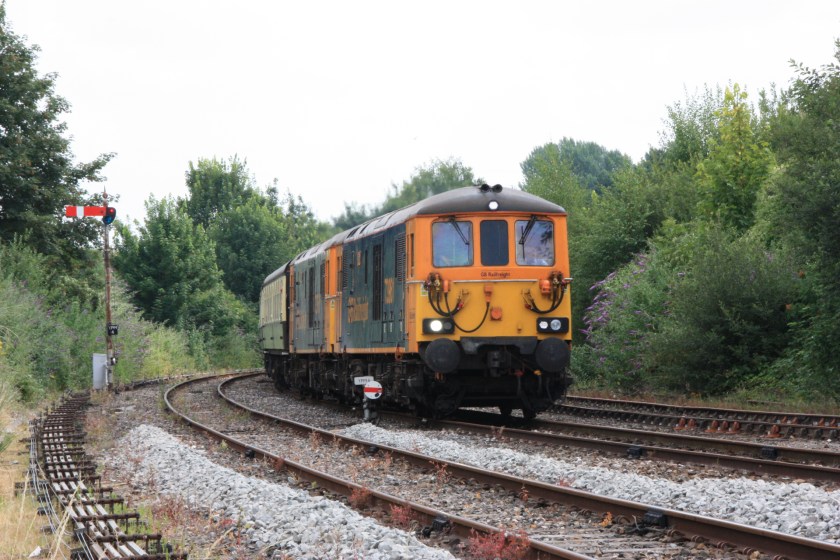
 Basingstoke to Wareham is 96 miles on the direct route via Southampton Central, but take a new summer Saturday “seaside special” and the distance becomes exactly 150 miles, while the journey time increases from around one hour 40 minutes on the main line to almost four hours!
 RailwayWorld.net
You must be logged in to post a comment.