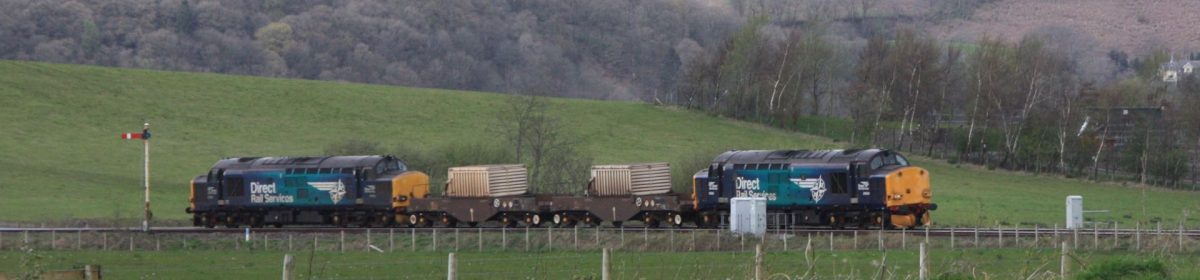

For rugged scenery and a remarkable number of tunnels and bridges, few routes in Europe can compare with the magnificent 89km (56 mile) Bohinj Railway in western Slovenia, which stretches from the town of Jesenice, near the Austrian border and 64kms (40 miles) north-west of Ljubljana, to Nova Gorica on the border with Italy.
The Bohinj Railway forms part of what is known as the Transalpina route, a link between Central Europe and the Adriatic Sea at Trieste that was authorised by the Parliament in Vienna in 1901 and was built between 1902 and 1906. Its most impressive feature is the 6327m (4.2 mile) long Bohinj tunnel, opened by the heir to the Austro-Hungarian throne, Franz Ferdinand, in 1906. Continue reading “Slovenian steam spectacular”
 Several locations on the national network can boast a mixture of upper and lower quadrant signals, but my shot today of a train passing successive upper and lower quadrant signals at Dorrington got me wondering if there are any other places where it is possible to see such a scene?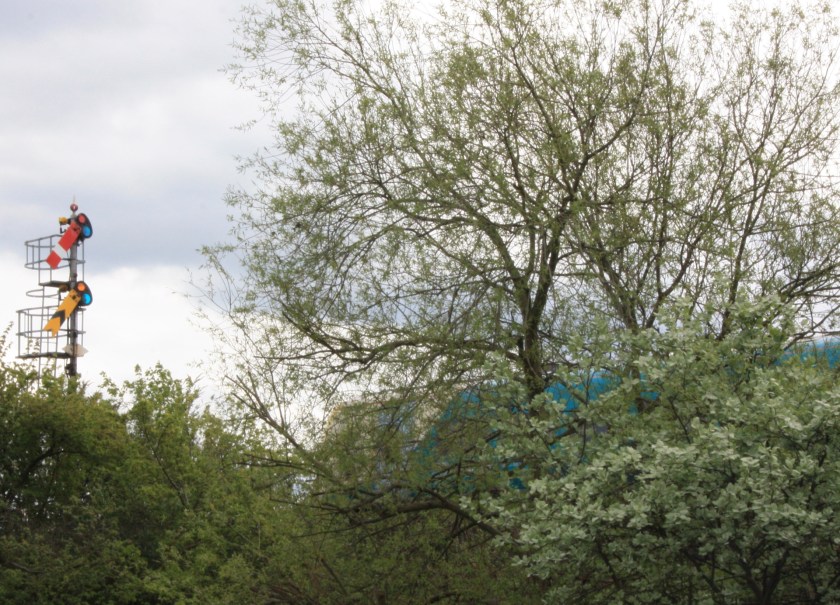
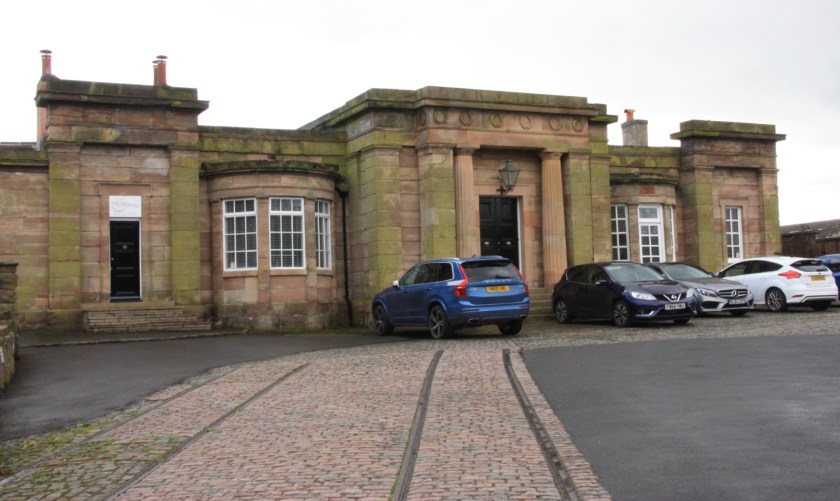 Among the many railway revival schemes around the country, one of the most longstanding and compelling is the 31-mile long “Ivanhoe Line” linking Burton-upon-Trent and Leicester.
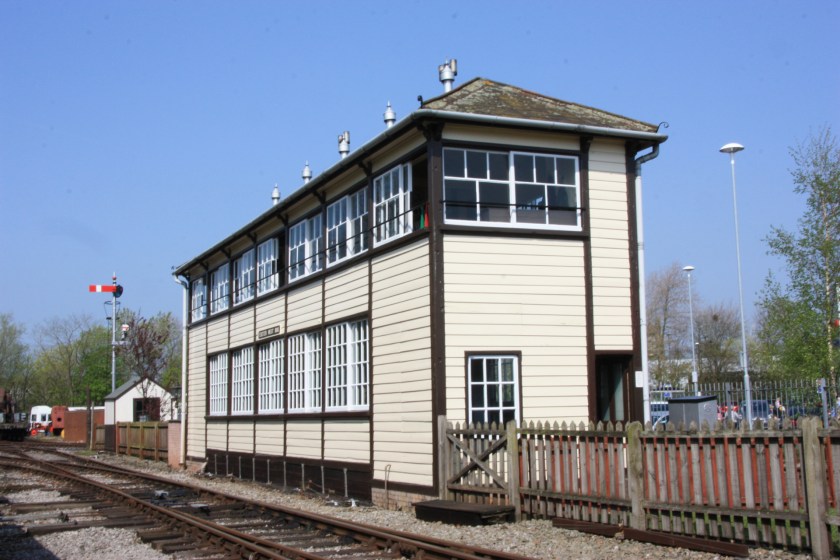 Finding new uses for redundant Signal boxes is often no easy matter. While some do find a new lease of life – cafes at York and Totnes being good examples – many other fine structures are simply boarded up and left unloved, where the years inevitably take their toll, or they eventually succumb to fire damage.
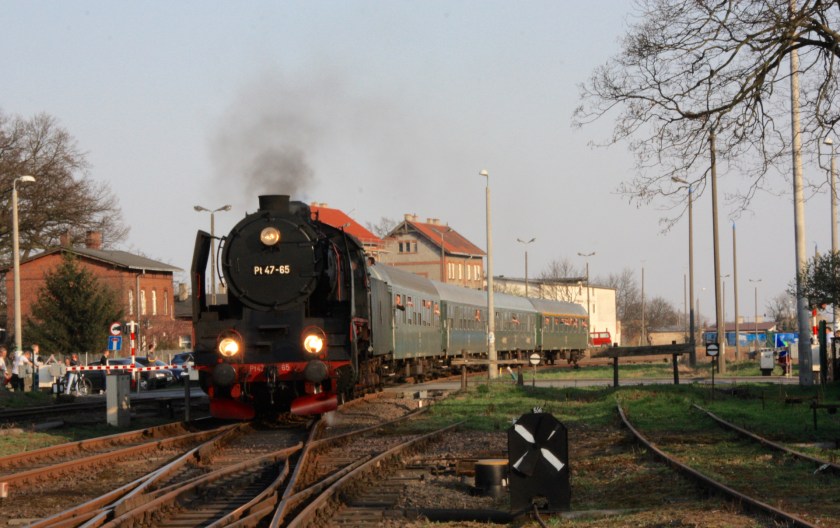 Poland has been totally transformed over the past three decades since the drab and sinister days of communist rule were overthrown by Lech Walesa and his brave shipyard workers, and nowhere is that change more evident than on PKP, the national railway network.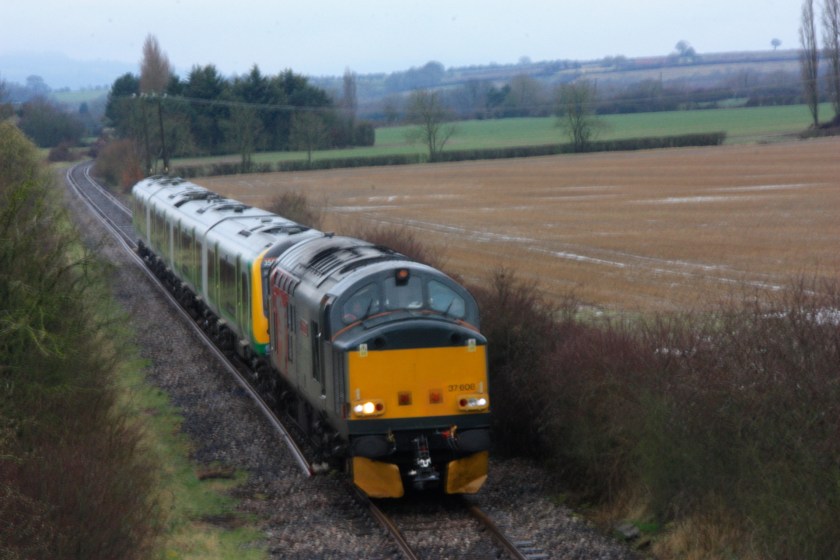

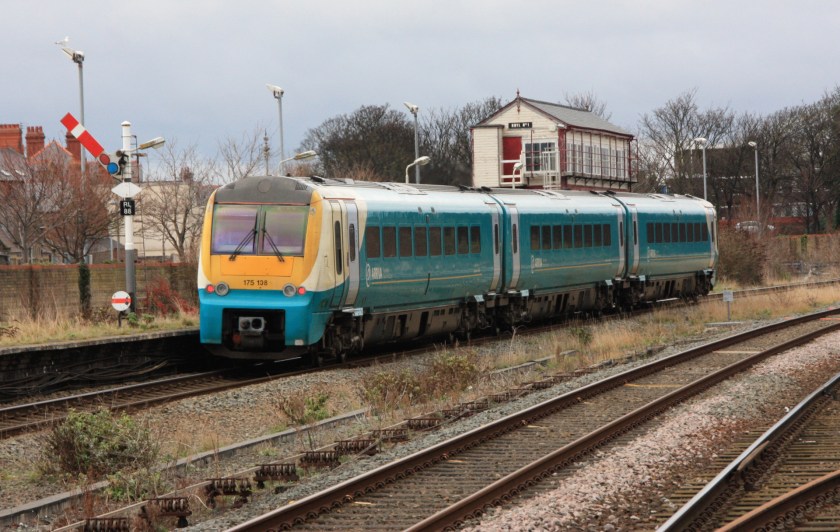 Readers of my previous blogs will know that in less than a week’s time the North Wales Main Line will be closing for the week-end as new signalling is commissioned and five mechanical signal boxes between Talacre and Abergele & Pensarn will be signalling their last trains before final closure.
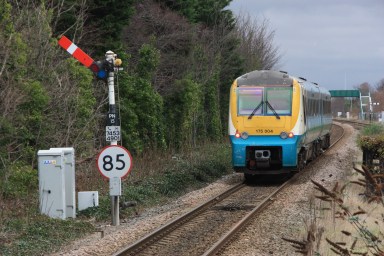 Having already featured the boxes at Prestatyn, Rhyl and Abergele, following a visit kindly arranged for me by Network Rail, this seems a timely moment to take one final look at the signalling that is about to disappear from these locations, as captured on last month’s visit (23 February 2018) and on my previous visit to North Wales one year earlier, in February 2017.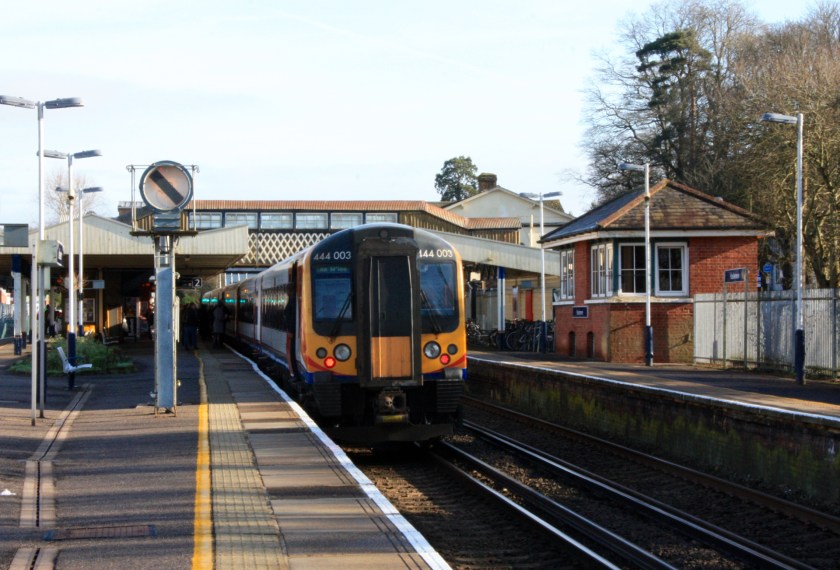
 RailwayWorld.net
You must be logged in to post a comment.