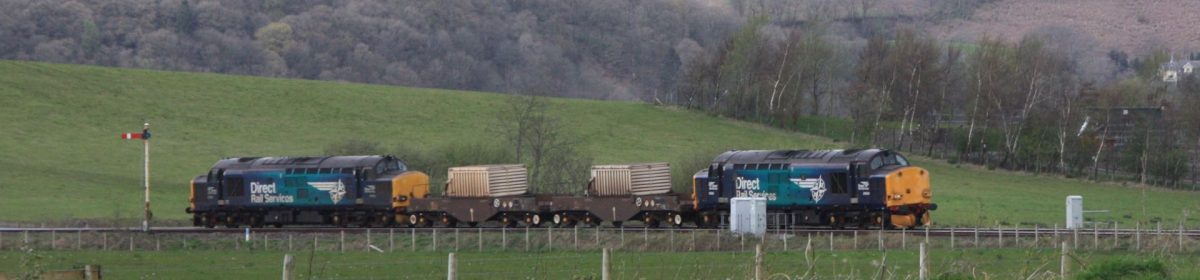
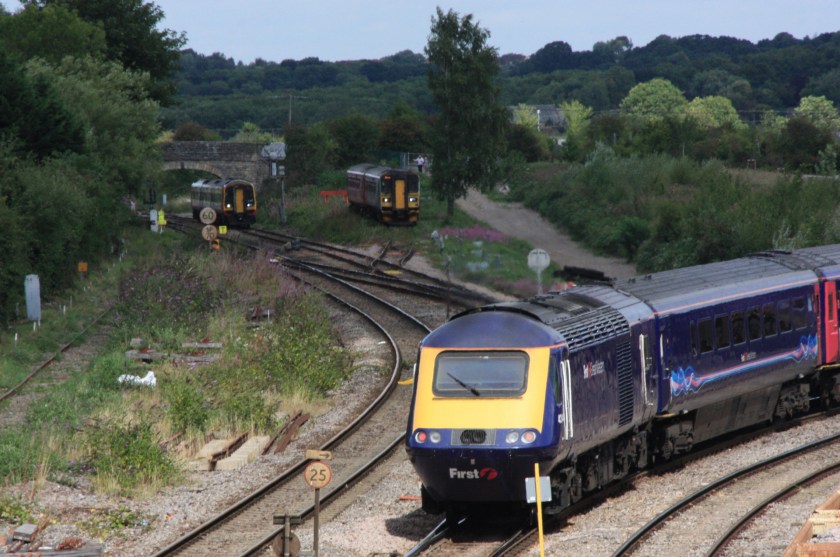
For variety of passenger and freight traction, there can be few places in the South of England to match Westbury, a small and unremarkable Wiltshire town best known for its White Horse, carved into the chalk hillside overlooking the town.
Westbury stands 109 miles from London Paddington and is a major junction on the Berks & Hants route via Newbury to the South West, being the point where it crosses the busy Bristol to Portsmouth line, while other services run from here to Swindon via Melksham.
Add the regular stone traffic originating at the nearby Merehead and Whatley quarries, and you are in for pretty much non-stop action on an average weekday, with the three hours I spent there on Friday (17 August) producing no less than five different classes of passenger unit and three different classes of freight loco. Continue reading “Favourite photo-spots: Westbury”
 Okehampton is one of those places where the argument for reinstating train services seems to have been won in spades, yet time marches on and, in spite of the right noises being made, nothing actually seems to happen.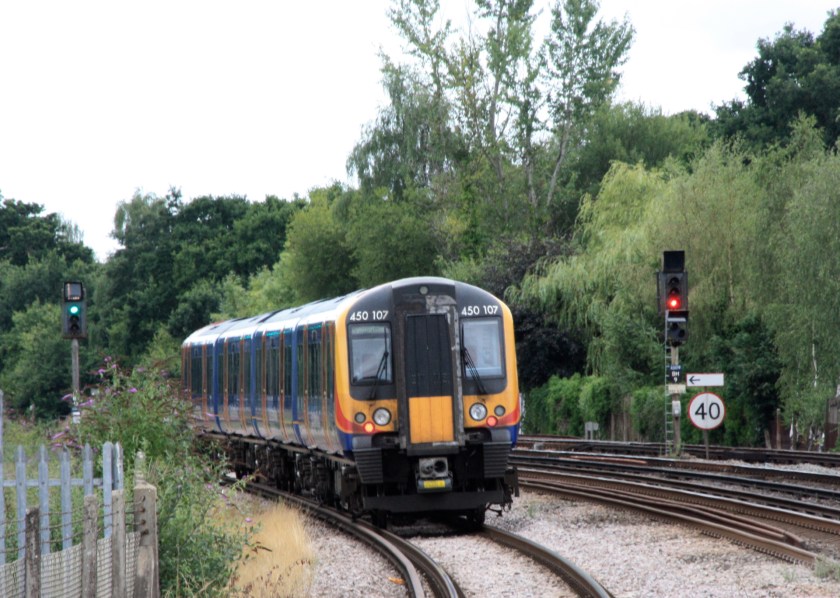
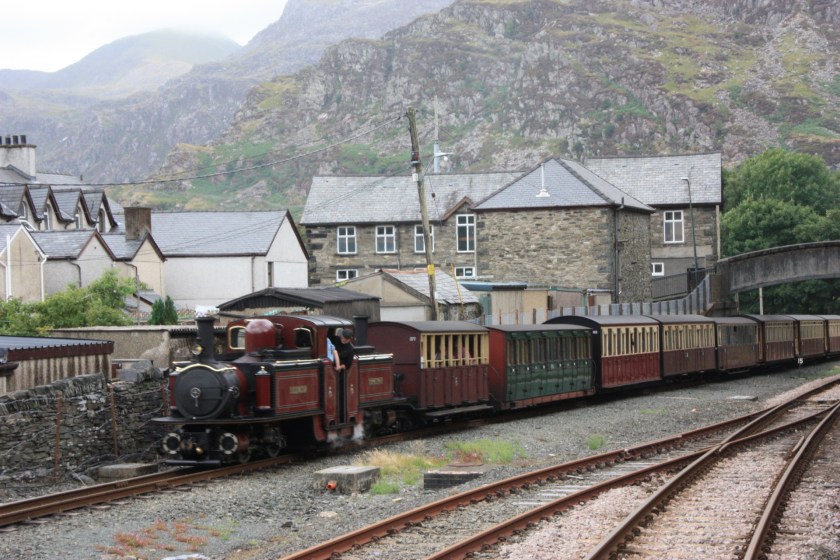
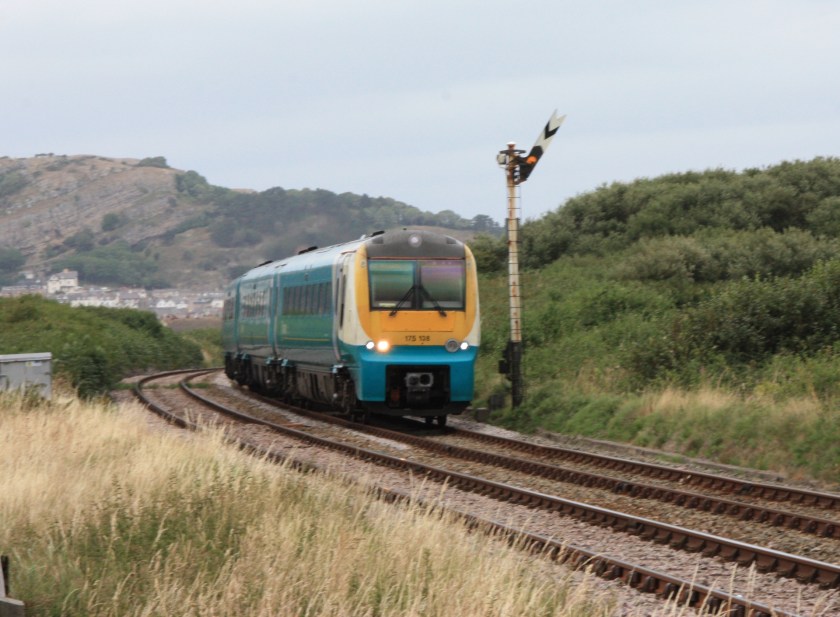
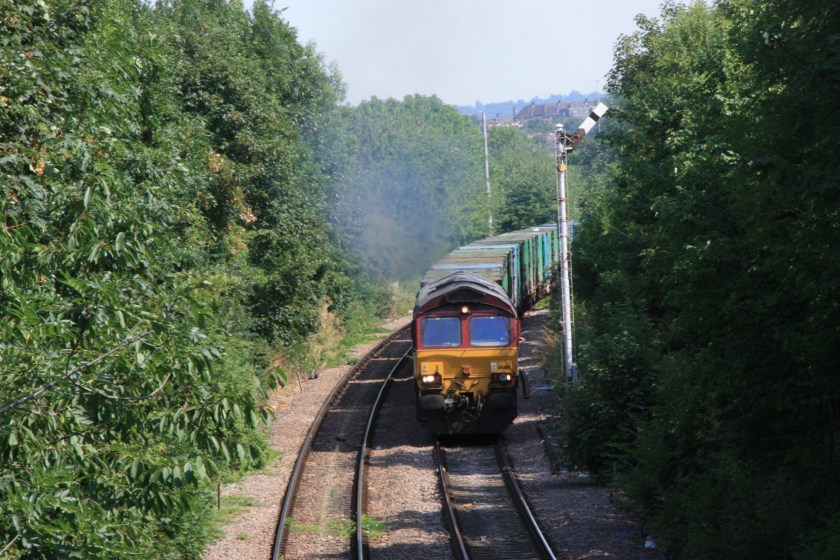 Photographing trains on the Dudding Hill Line is no easy matter. For a start services on north-west London’s Cinderella route are few and far between, but then the combination of extensive line-side vegetation and high bridge parapets makes decent vantage points very hard to find.
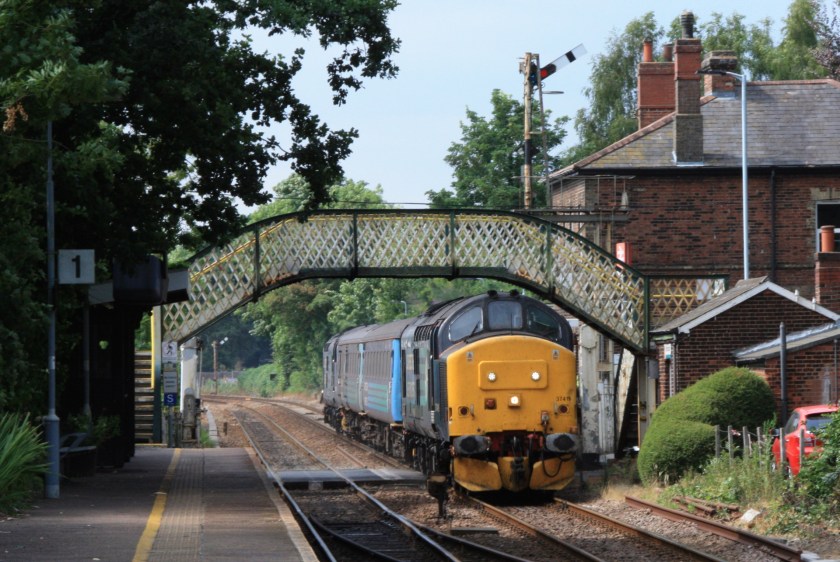 Re-signalling of the Wherry Lines from Norwich to Great Yarmouth and Lowestoft continues apace – with “bagged lollipops” having already appeared at a number of locations, so after previous looks at Reedham and Oulton Broad North, it is time to pay a visit to the third mechanically-signalled junction on this fascinating network.
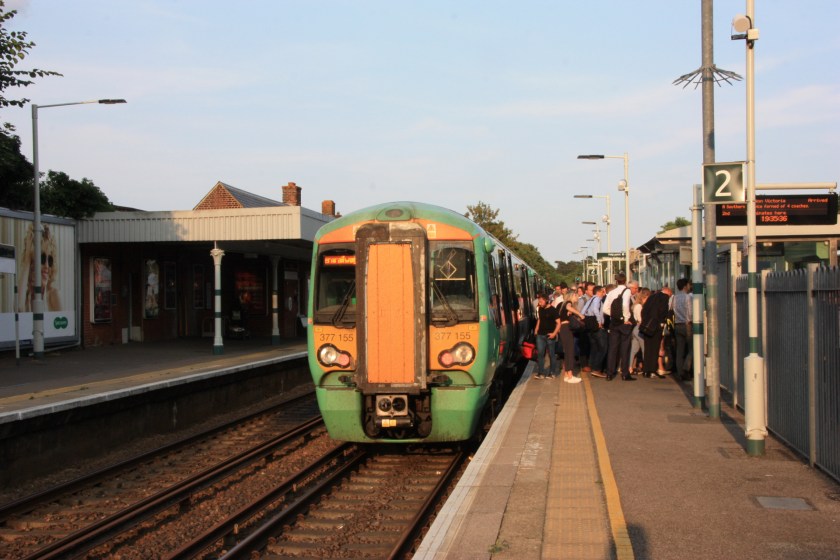 Chaos at Waterloo on the evening of Wednesday 18 July 2018 (body on the line at Clapham Junction apparently) and an invitation for passengers to take any reasonable route to get to their destination found me travelling to East Croydon and then Reigate, on my near four-hour trek home to Haslemere.
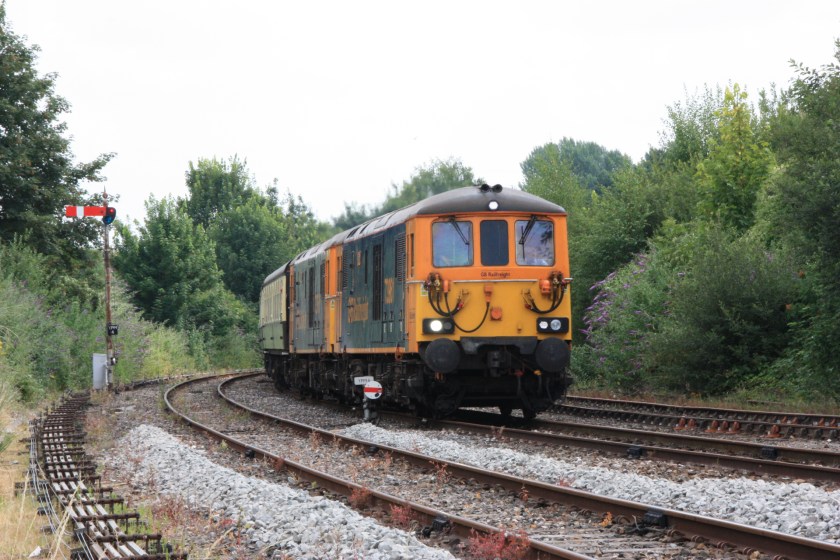 Weymouth remains a great magnet for day trippers and holidaymakers, so on the first Saturday proper of the summer holidays, and with the added bonus of seafood festival, there was bumper traffic to the resort from Yeovil Pen Mill on 14 July 2018.
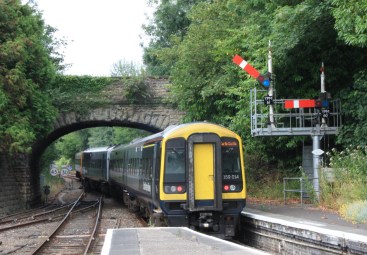 In less than 90 minutes during the mid-morning there are four services to the resort from Pen Mill, including the highly popular 09.50 SWR service from Basingstoke where three coaches of its five-car formation continue to Corfe Castle on the Swanage Railway (described in my earlier blog post). Here 158886 + 159014 (rear) depart for Weymouth and Corfe Castle.
 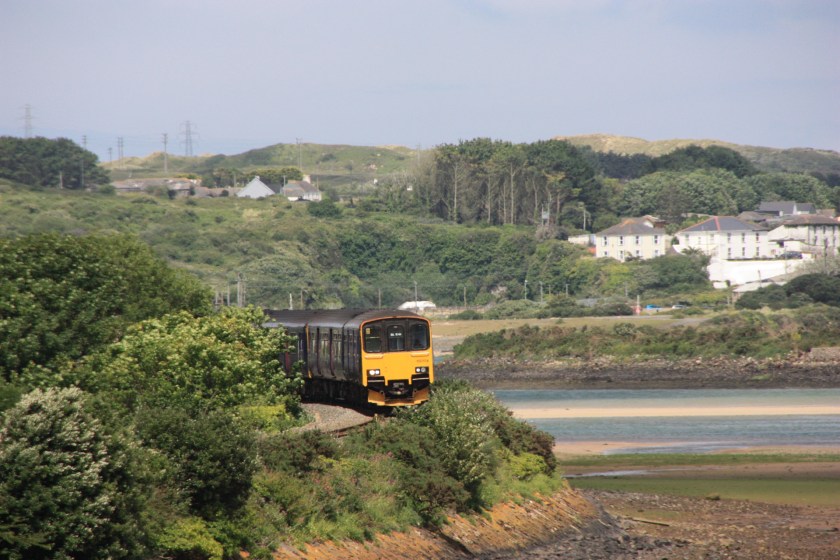 Cornwall remains a delightful and photogenic outpost of mechanical signalling, so after my earlier features on Par/St Blazey and Lostwithiel, it is time to pay a visit to Britain’s most south-westerly railway junction, St Erth, which lies 56 miles on from the Royal Duchy’s first semaphore signals at Liskeard, and 299½ miles from Paddington.

You must be logged in to post a comment.