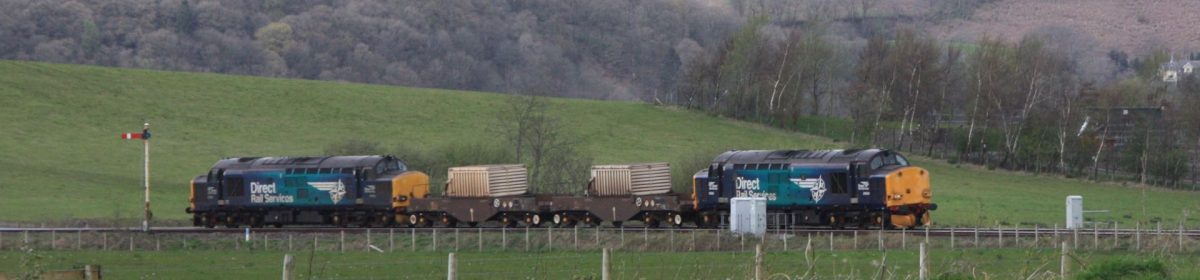
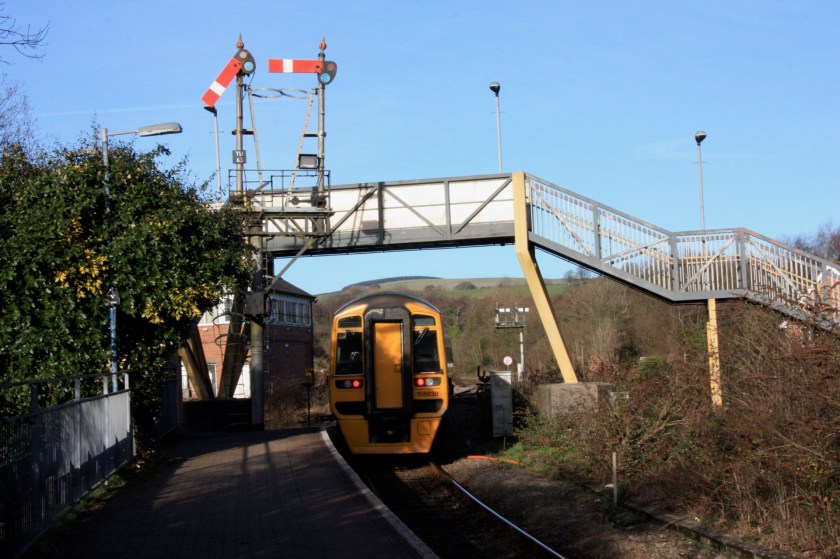
Along with those at Pembrey and Ferryside, featured in my previous post, another South Wales signal box potentially being replaced during Network Rail’s Control Period 6 (2019-24) is Tondu, sole passing place on the eight-mile branch from Bridgend to Maesteg.
The former Tondu Middle box is another Great Western Railway Type 3 design and dates from 1884 although, unlike Ferryside, has been subject to some subsequent alterations.
It stands immediately north of the station and controls a passing loop (currently out of use), as well as access to a seldom-used diversionary route to Margam and a remaining stub of the closed Blaengarw branch. Continue reading “A trip to Tondu”
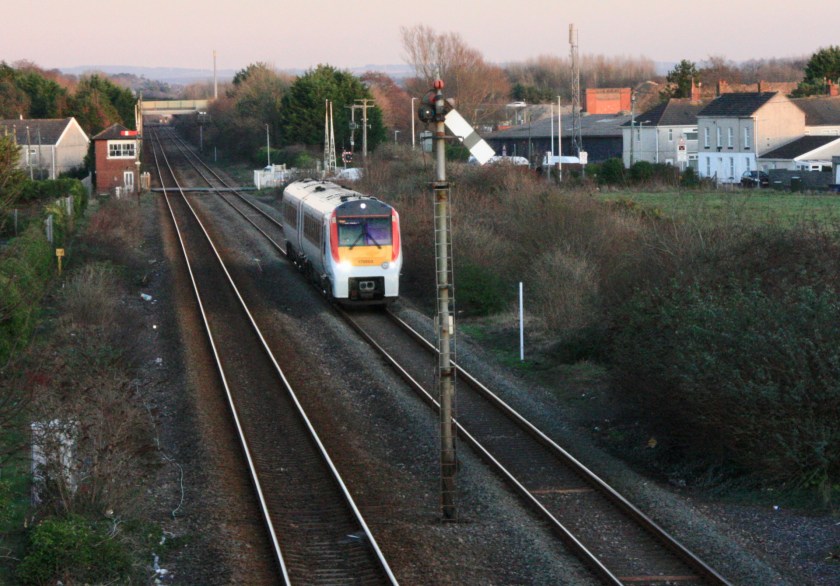
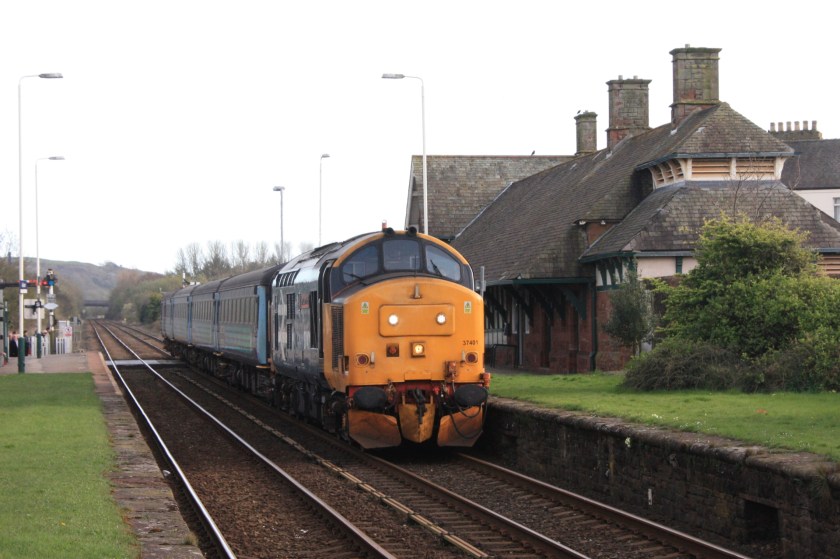 As operation of Class 37-hauled passenger services along the wonderful Cumbrian Coast is due to end on 28 December 2018, this seems a good moment to post a few images from a memorable week in Barrow during early April 2017, when I was visiting locations along the route to get photos and background for my forthcoming book on Britain’s last semaphores.
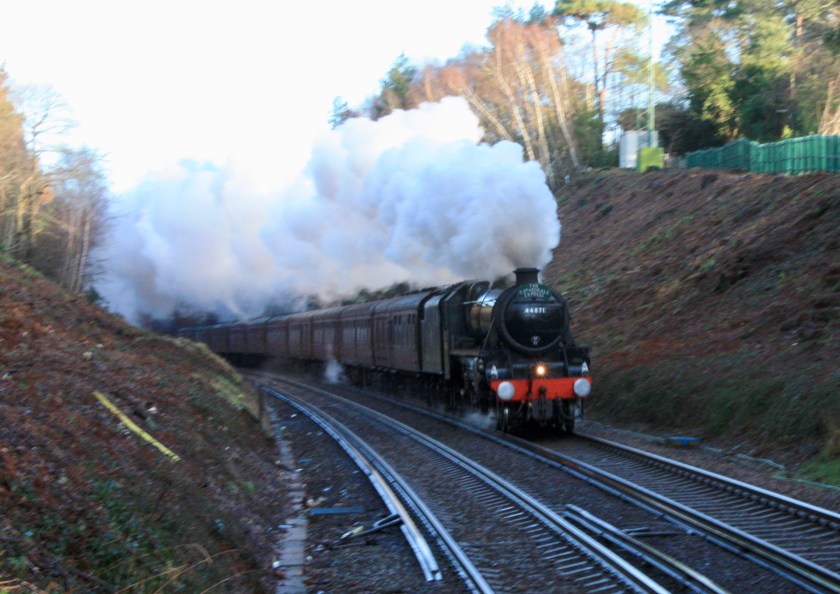 What started out as a planned hour long trip to capture some rare steam action on the Portsmouth Line today (17 December) became a three-hour epic that exposes the total inadequacy of real-time information screens on stations, National Rail’s live trains app and the use of a station help point to get accurate information about the impact of serious service disruption.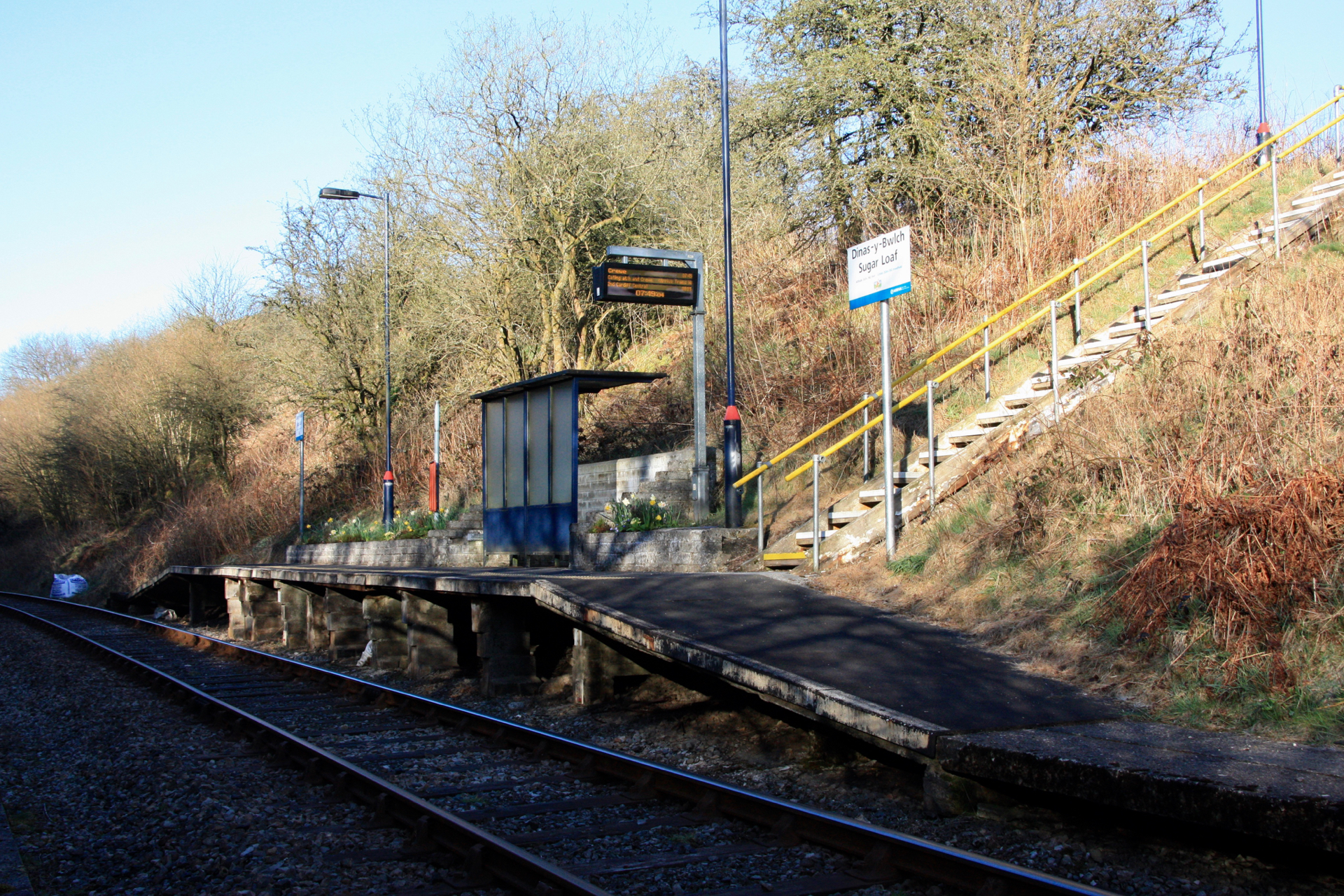
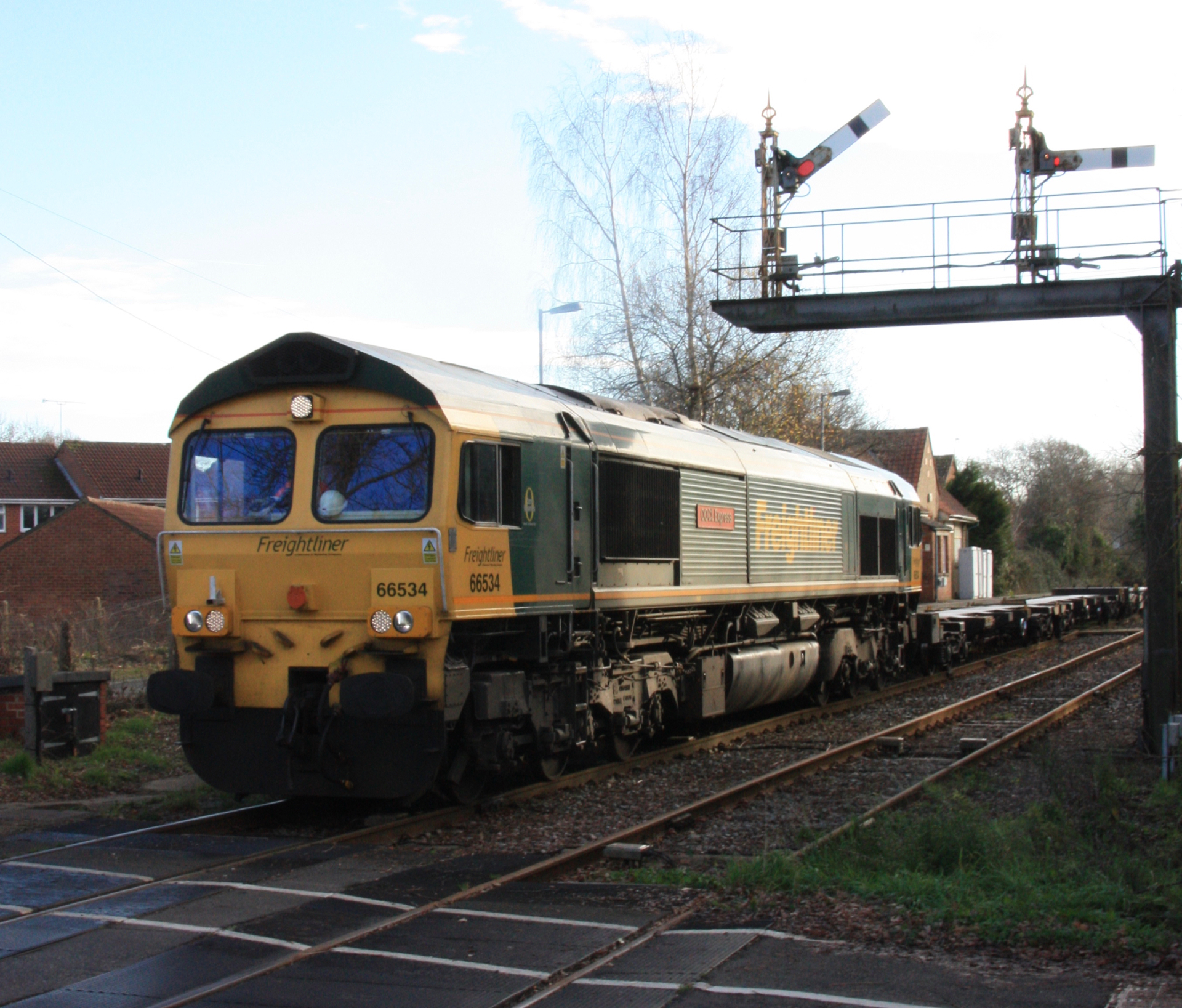
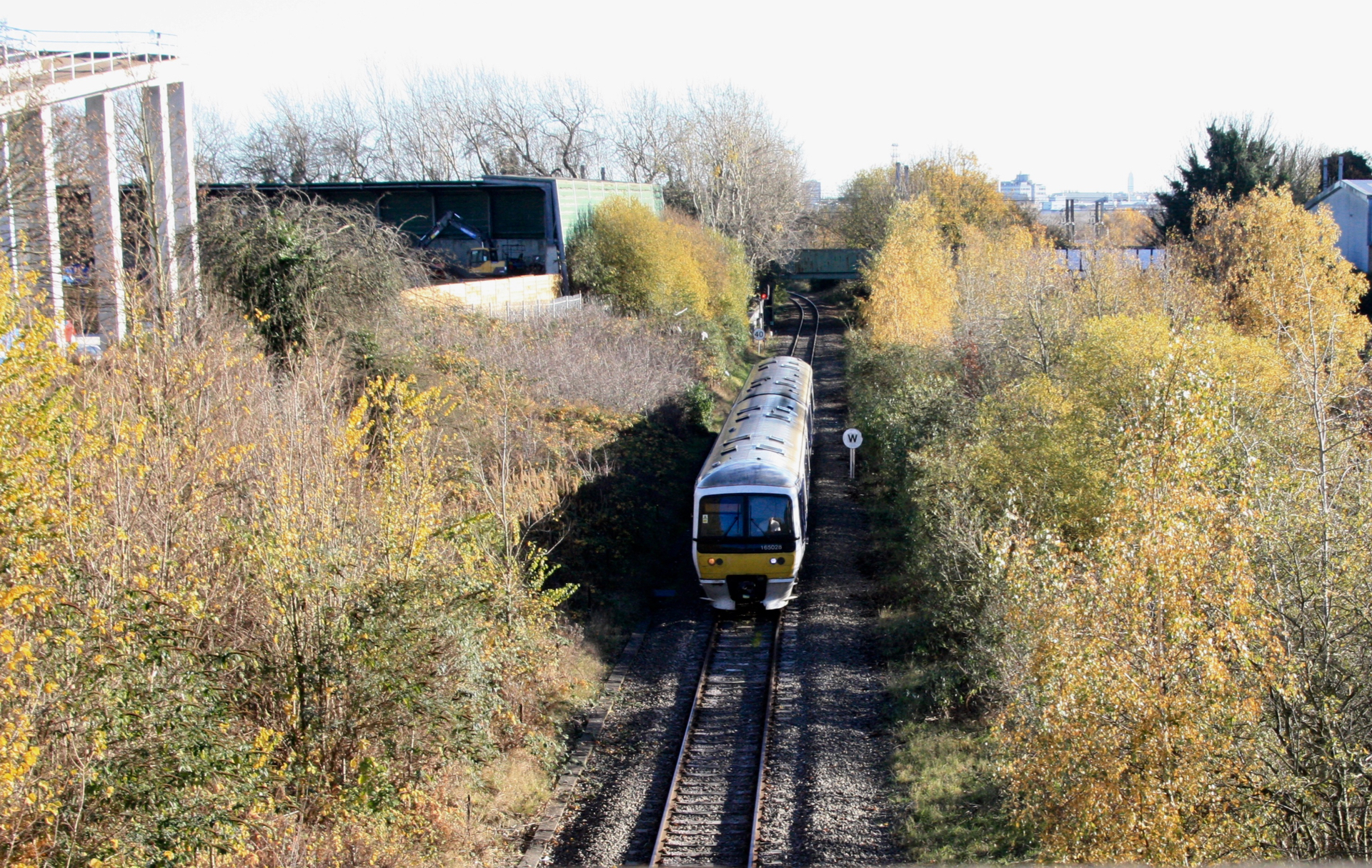 A strategically significant 11-mile stretch of London main line became the first victim of HS2 on Friday (7 December 2018) when train 2M29, the 11.35 Chiltern Railways service from London Paddington to High Wycombe, became the last scheduled service to travel over the Acton to Northolt line, a route running alongside the London Underground’s Central line and extending from Old Oak Common to South Ruislip.
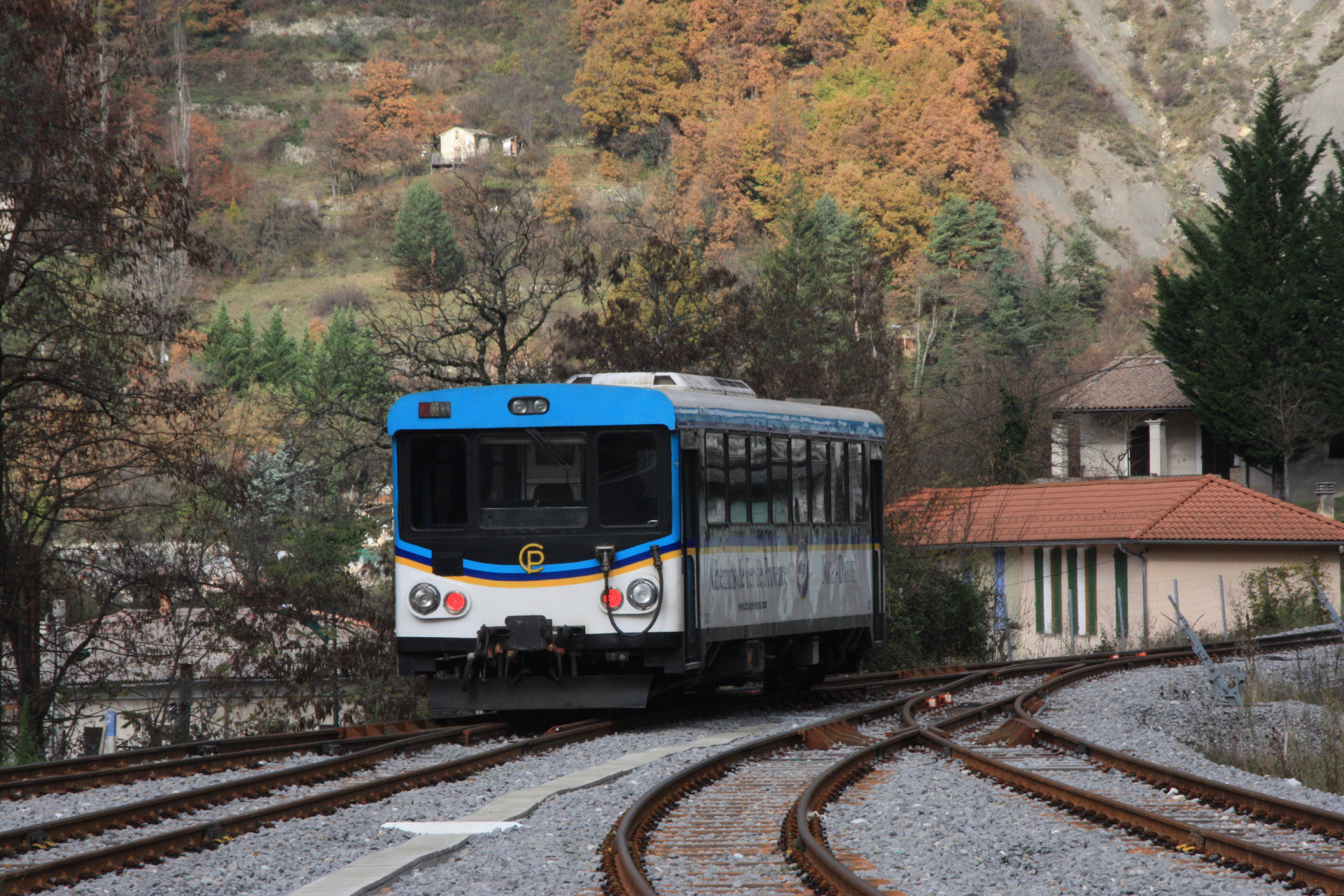 Paying a long overdue return to the remarkable Chemins de Fer de Provence (CP) metre-gauge line from Nice to Digne-les-Bains, almost exactly 30 years after my first visit, it was interesting to see how much has changed, but also what has not.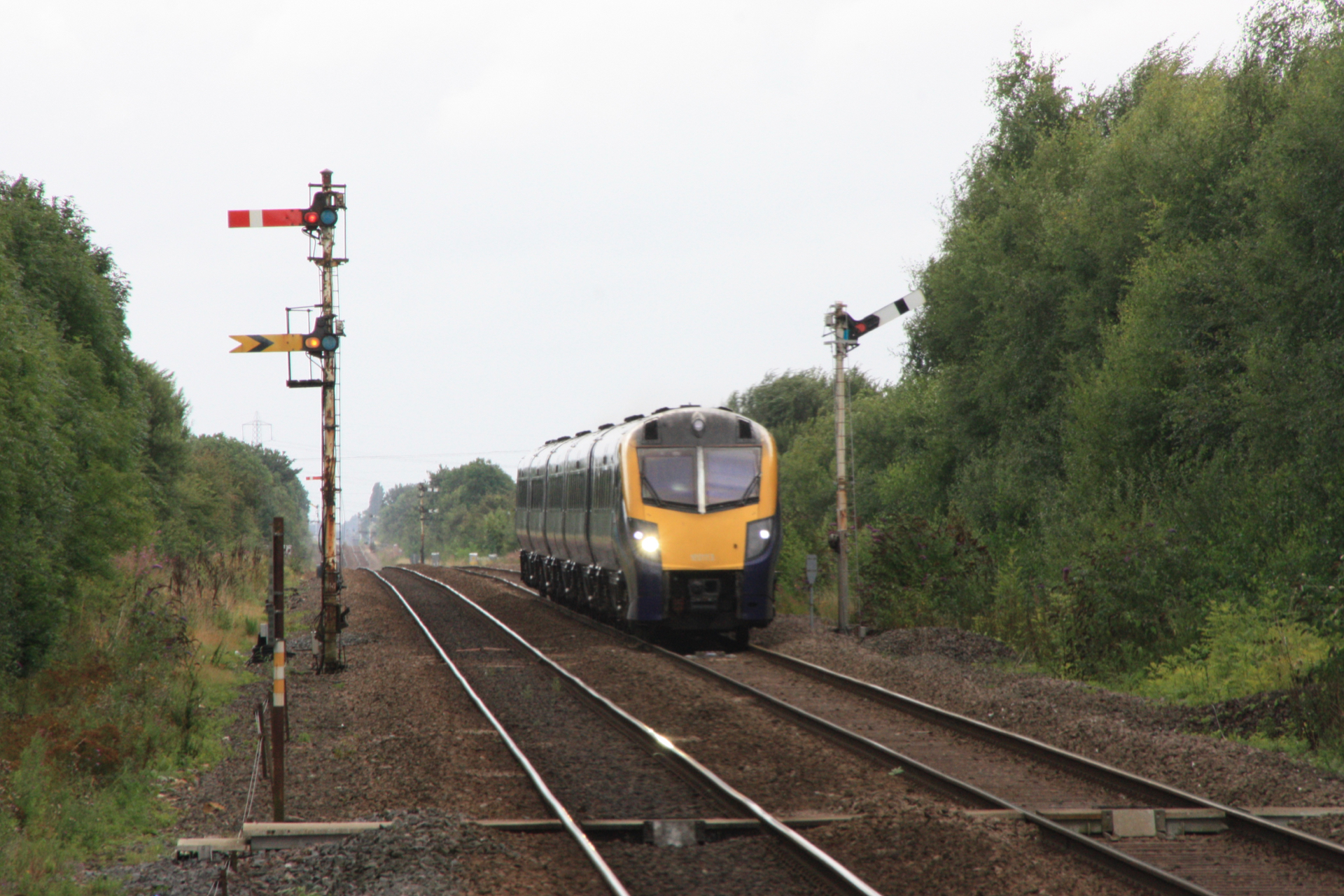
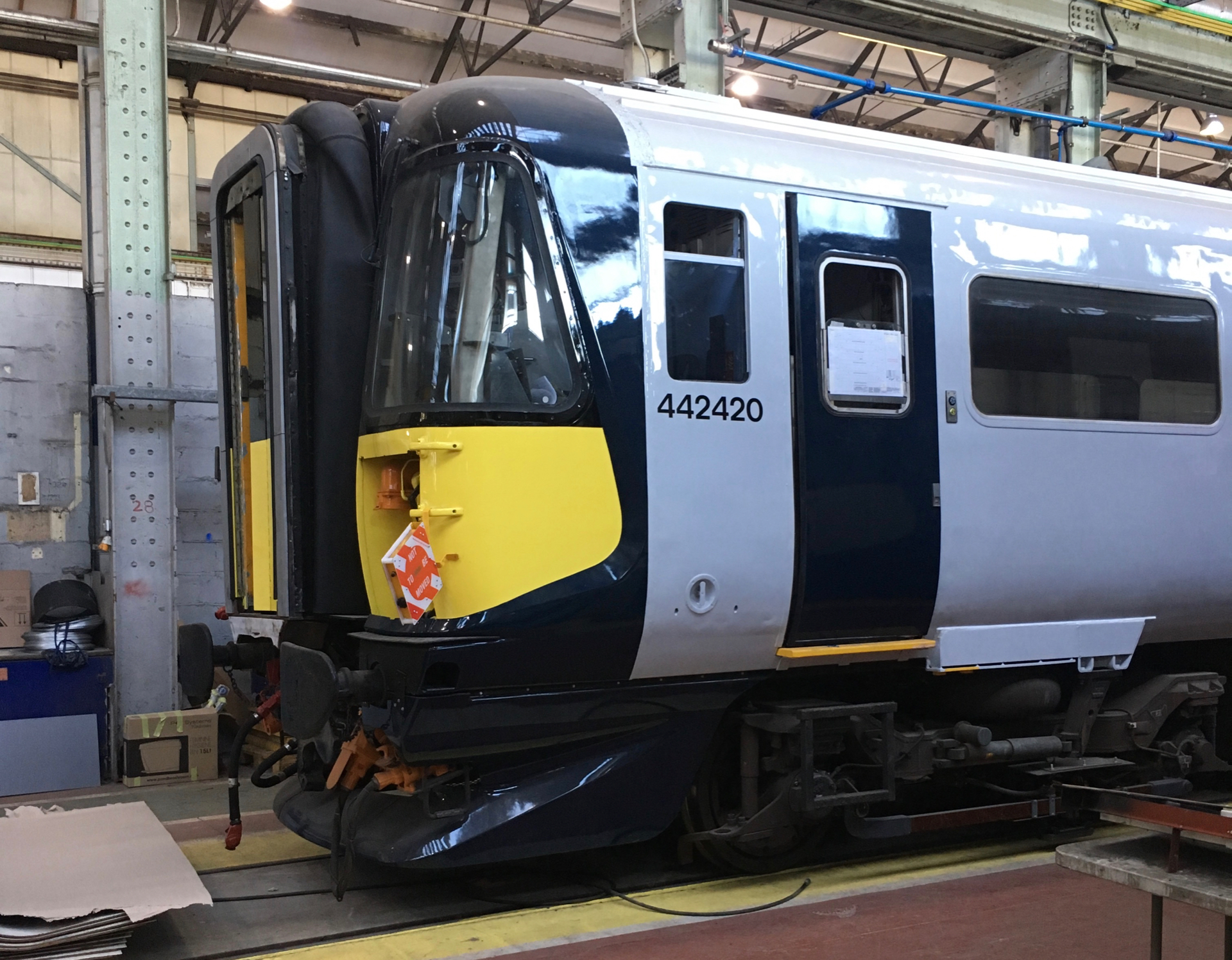 Work is well underway at Eastleigh on a major refurbishment of the first four Class 442 “Plastic Pigs”, which are due to be reintroduced onto the Portsmouth Direct Line next month, almost 12 years after their withdrawal in February 2007 by former franchisee South West Trains.

You must be logged in to post a comment.