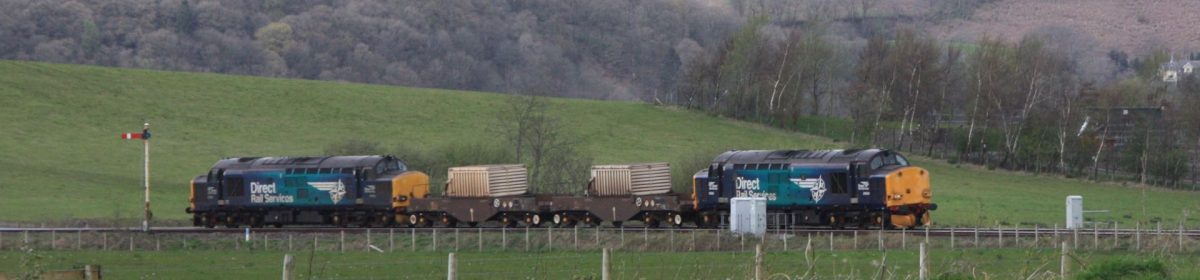
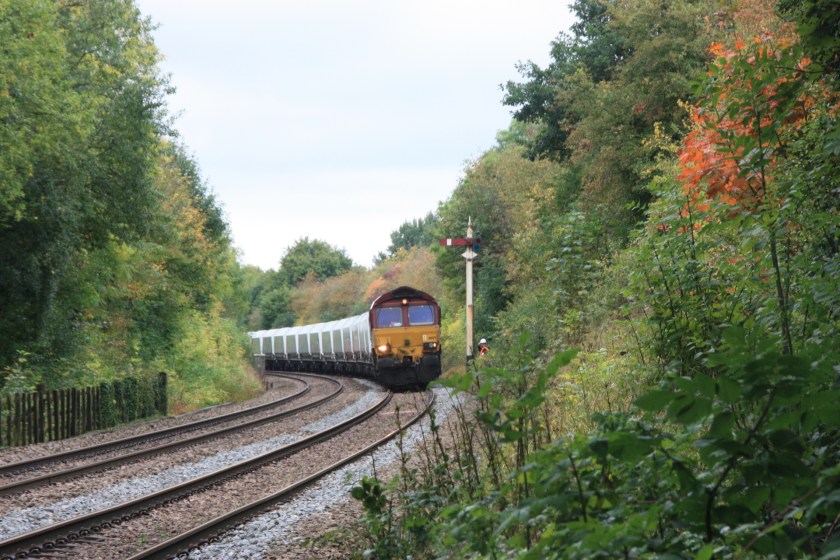
 2017 was supposed to have been the year that re-signalling of the Leicester to Peterborough line saw its last mechanical signalling swept away, with closure of the nine remaining signal boxes along this important cross-country route.
But as the year draws to a close, there is still no sign of any change to the status quo, and information supplied to me by Network Rail suggests that re-signalling of this route does not now even figure in its plans for Control Period 6 (2019-24). Continue reading “Britain’s rarest main line signal survives another year”
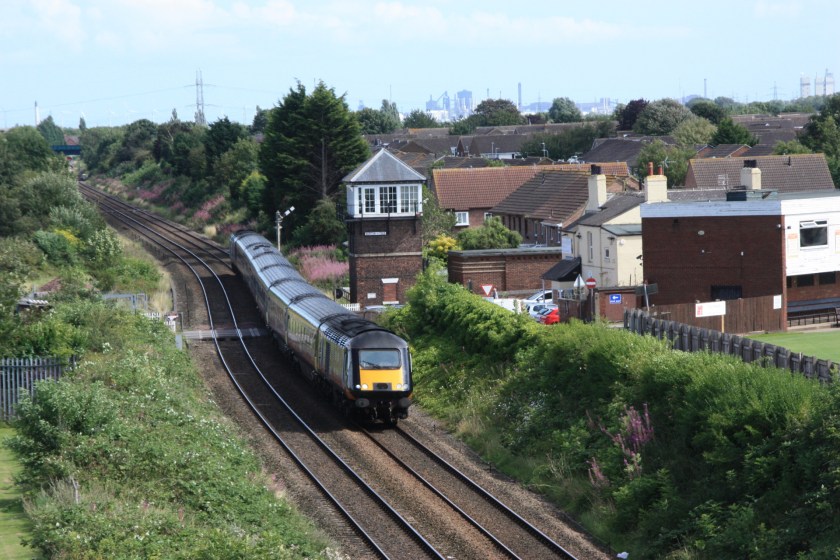 Ten years ago today (18 December 2007) Grand Central Railway Company (GC) finally got onto the national railway network, when its first scheduled passenger service left Sunderland for London Kings Cross.
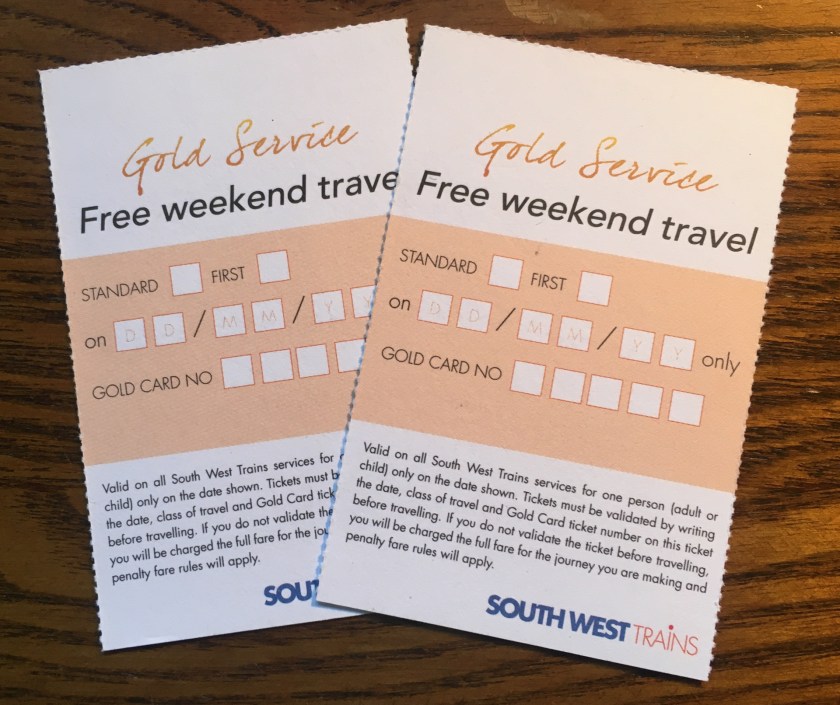 Gold Card (annual season ticket) holders in what is now the South Western Railway (SWR) franchise area have, without warning, lost a great perk of their long-term loyalty to the railway.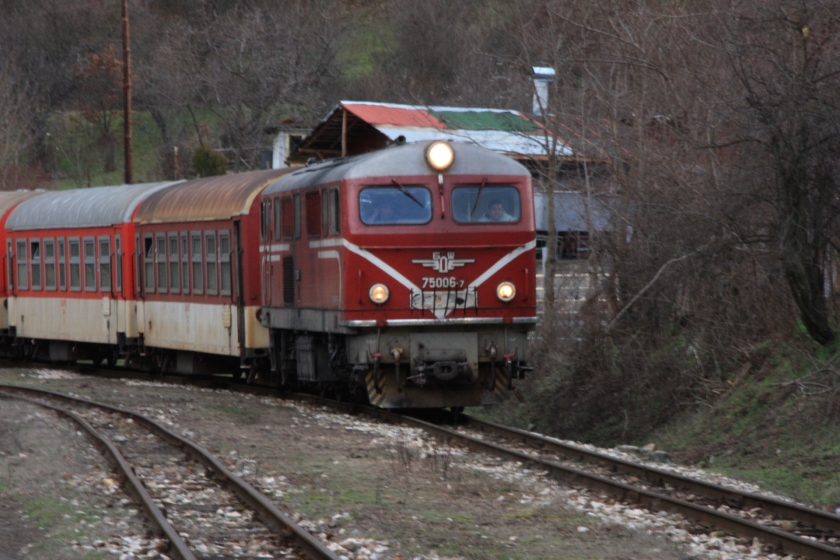
 My round trip once again took me from Stansted to Plovdiv, for a night in the splendid Alliance Hotel, a five-minute stroll from the railway station, before a 30-minute trip the following day to Septemvri. From here there are four round trips a day on the narrow gauge line, the earliest of which leaves at the unearthly hour of 02.05, with the most civilised departure being my chosen service, the Mesta, at 13.10 (all services on this route are named).
 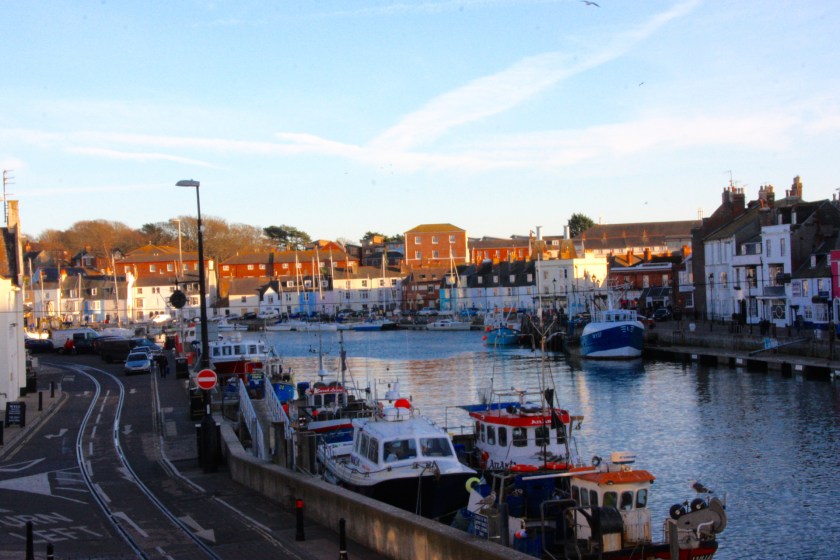 A bright red aspect still shines out from signal DR205, more than 30 years after the last scheduled train passed it in order to make its way towards Weymouth Quay station, by travelling along what must surely be the finest and most wasted section of railway line in Dorset – the 1.2 mile long Weymouth Harbour Tramway.
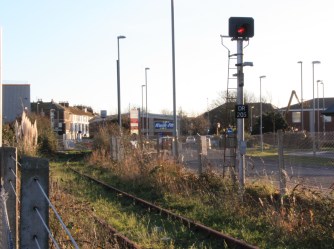 For a route last used when a charter train passed over it in May 1999, the Harbour Tramway remains remarkably intact, still signalled at its junction north of Weymouth’s Town station and surprisingly free of obstructions, such as the parked cars that were once literally bounced out of the way when the Channel Isles Boat Express made its sedate progress along Commercial Road and Custom House Quay.
 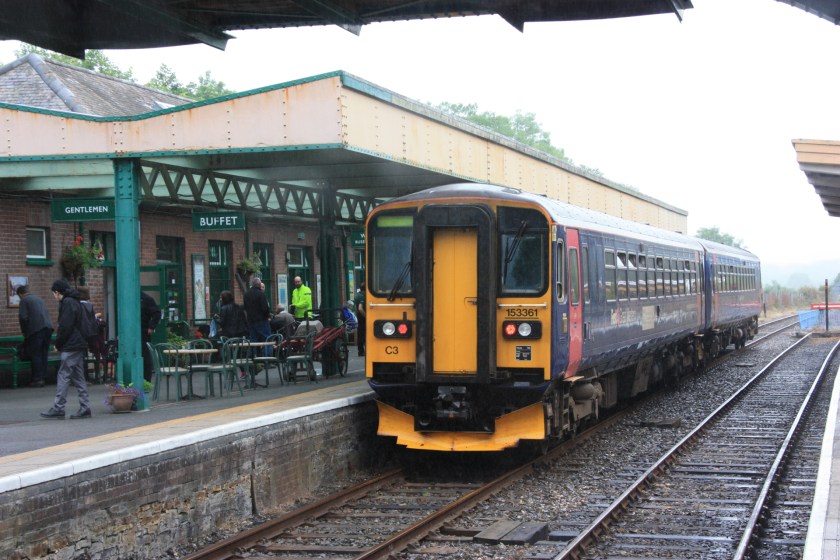 Comments made by Transport Secretary Chris Grayling and widely reported today suggest the he, at least, may finally have seen the light and realised that re-opening closed rail links to fast-growing towns and areas that have developed significantly over the past 50 years is far better value than committing infinite sums to HS2.
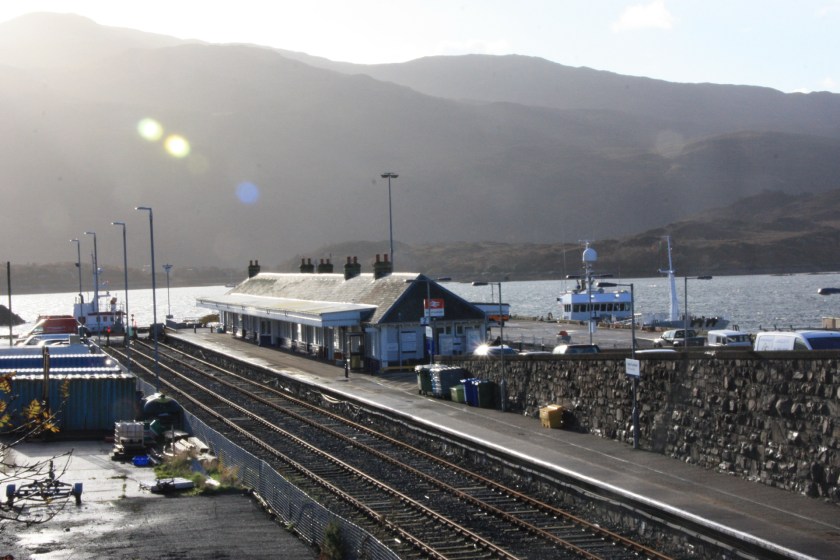 Tourists are pretty thin on the ground during November in the West Highlands so, ever anxious to avoid crowds, and taking the opportunity offered by ScotRail’s seasonal Club 50 £17.00 flat fare (remarkable value for a 514-mile round trip from Edinburgh) it seemed a good time to make a long overdue return to Kyle of Lochalsh.
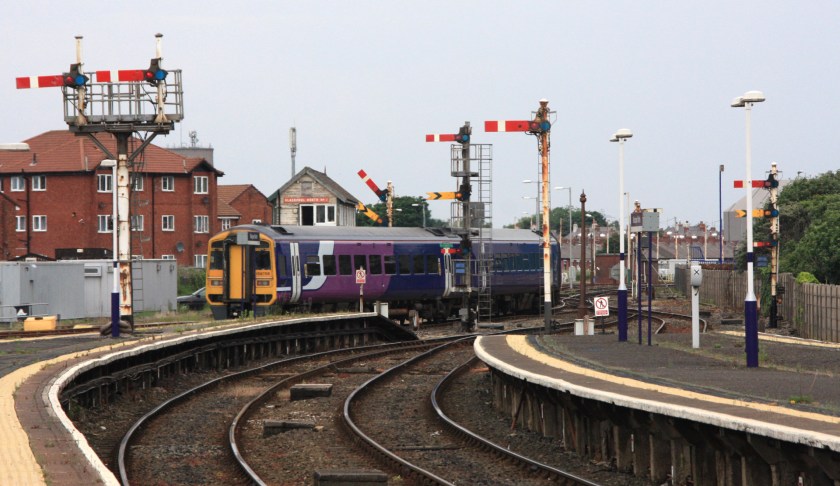 At 01.04 on Saturday 11 November 2017, the 23.30 hrs Northern Rail service from Manchester Airport will draw into Platform 6 at Blackpool North station and go down in railway history as the last train to be signalled into the station by Blackpool North No. 2 Signal Box and its splendid semaphore signals.
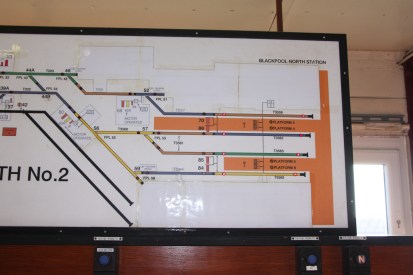 Once the empty stock has left the station, it will be closed for complete re-building, the signals and box demolished, and the 17.5-mile line from Preston shut to until next spring, as work begins in earnest on the route’s modernisation, electrification and re-signalling. This diagram inside the signal box shows the final truncated layout, with just four remaining platforms.
  My nationwide quest to visit every possible location in England, Scotland and Wales that still has semaphore signalling comes to a glorious end at a remarkable outpost of mechanical signalling, and one that for much of the year controls the daily movement of steam-hauled trains.
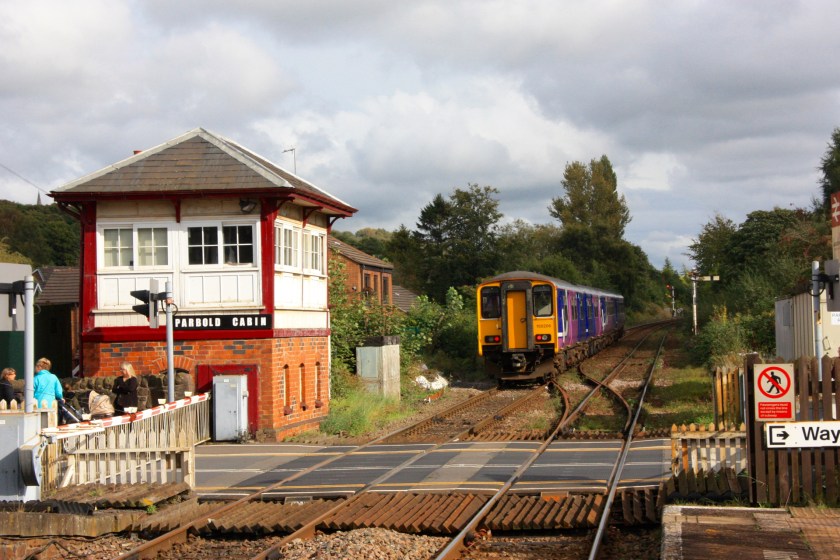 Parbold was a really delightful discovery in West Lancashire, a small town just over ten minutes travel time on a Southport-bound train from Wigan Wallgate, itself almost alongside the main Station, Wigan North Western, on the West Coast Main Line.
 RailwayWorld.net
You must be logged in to post a comment.