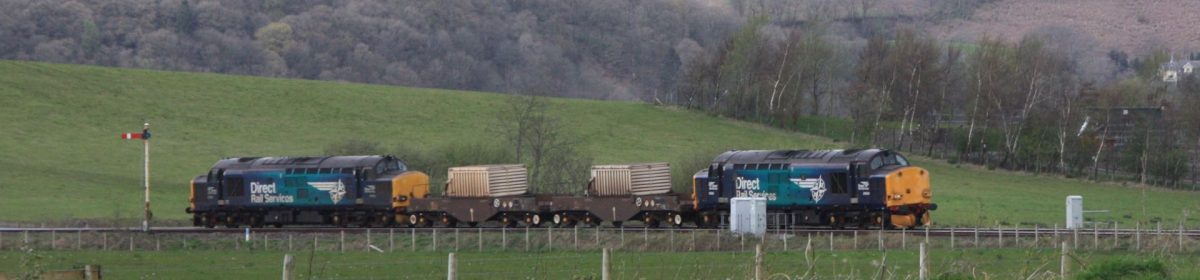
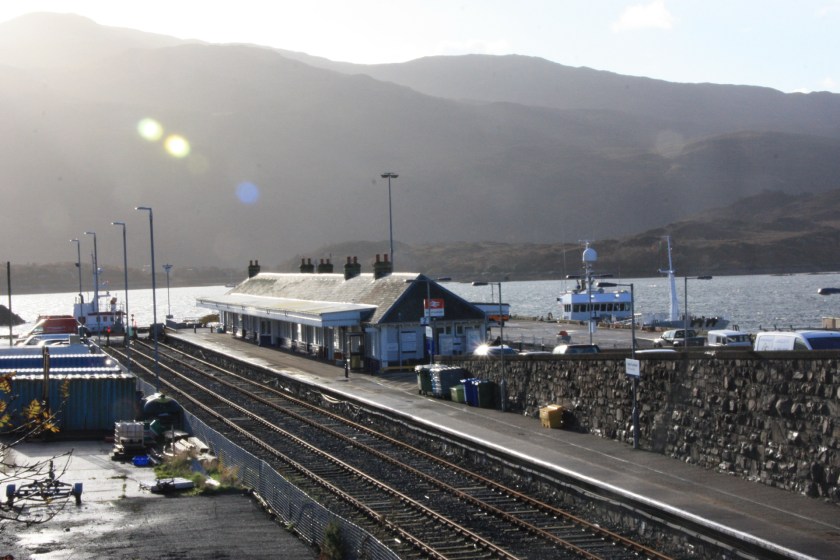
 Tourists are pretty thin on the ground during November in the West Highlands so, ever anxious to avoid crowds, and taking the opportunity offered by ScotRail’s seasonal Club 50 £17.00 flat fare (remarkable value for a 514-mile round trip from Edinburgh) it seemed a good time to make a long overdue return to Kyle of Lochalsh.
While the 82-mile route from Inverness has been hailed as the world’s most scenic rail journey, passenger numbers are distinctly modest out of the tourist season. I and my travelling companion were two of only ten passengers on board the 13.35 service from Inverness after leaving Dingwall on 14 November, with slightly more aboard the 12.08 ex-Kyle of Lochalsh a couple of days later. Continue reading “Off-peak return to Kyle of Lochalsh”
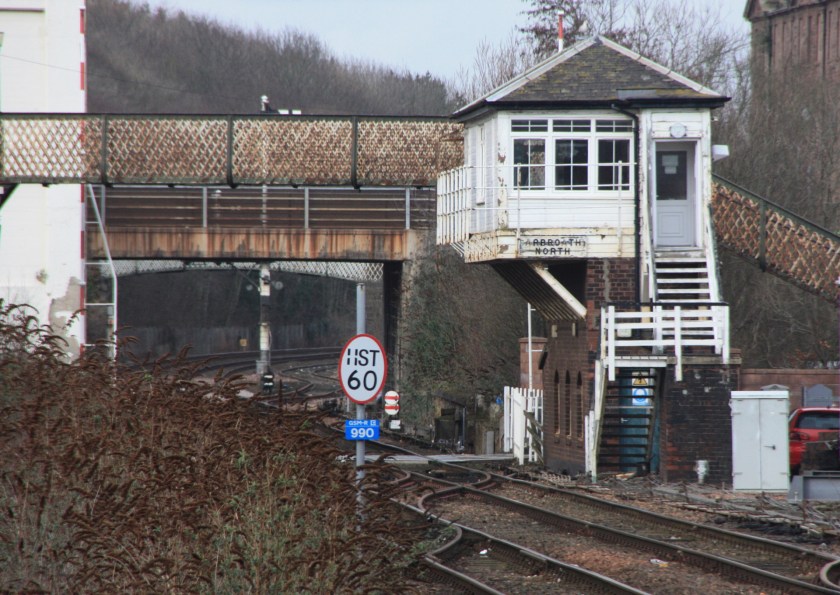
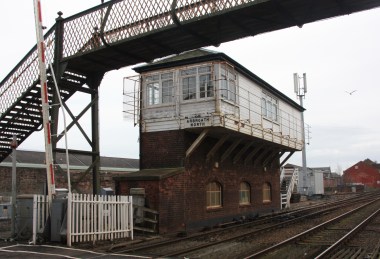 This impressive box can easily be seen from the platform ends at the north end of the station, but can also be viewed at close quarters only a short walk from the station, at the level crossing it controls. From here it is well worth walking through the car park of a large Morrisons superstore to a bridge over the line on the A933 road.
 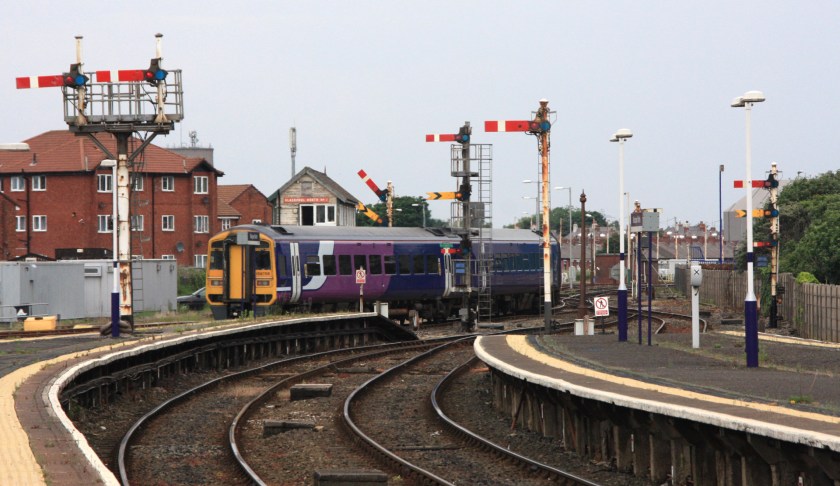 At 01.04 on Saturday 11 November 2017, the 23.30 hrs Northern Rail service from Manchester Airport will draw into Platform 6 at Blackpool North station and go down in railway history as the last train to be signalled into the station by Blackpool North No. 2 Signal Box and its splendid semaphore signals.
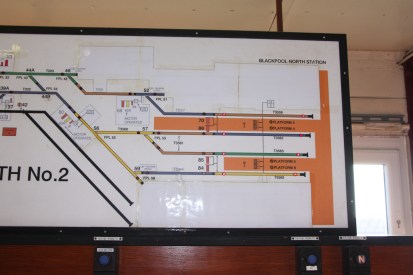 Once the empty stock has left the station, it will be closed for complete re-building, the signals and box demolished, and the 17.5-mile line from Preston shut to until next spring, as work begins in earnest on the route’s modernisation, electrification and re-signalling. This diagram inside the signal box shows the final truncated layout, with just four remaining platforms.
  My nationwide quest to visit every possible location in England, Scotland and Wales that still has semaphore signalling comes to a glorious end at a remarkable outpost of mechanical signalling, and one that for much of the year controls the daily movement of steam-hauled trains.
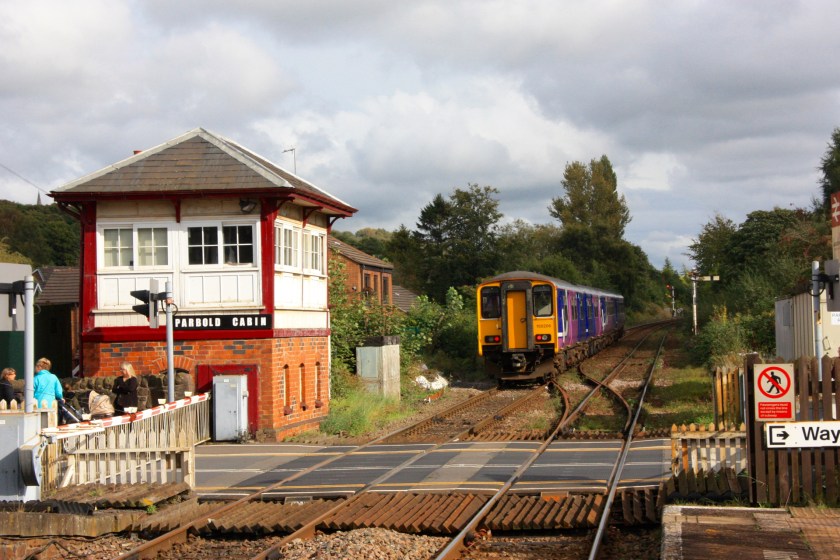 Parbold was a really delightful discovery in West Lancashire, a small town just over ten minutes travel time on a Southport-bound train from Wigan Wallgate, itself almost alongside the main Station, Wigan North Western, on the West Coast Main Line.
 Paying a brief return to Humberside’s fine semaphore signals (see my earlier post “Humberside’s semaphore swansong”) it is heartening – and not surprising – to hear that the timescale for completion of the resignalling project has slipped several months from the planned date of spring 2018.
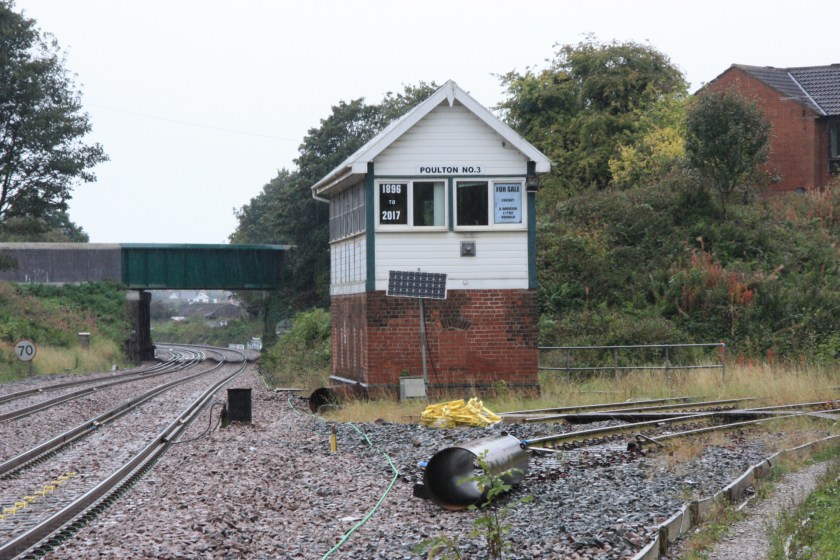 Veteran signaller Alan Hayward has put up a commemorative sign reading 1896-2017 in one window and is already counting down the handful of shifts he still has to work in Poulton No 3 Signal Box before its final closure – and his early retirement – in less than two months’ time, on Saturday, 11 November.
 Like four other remaining signal boxes on the 17.5-mile route from Preston to Blackpool North, the last of what were once five signal boxes at Poulton-le-Fylde will be swept away as the route is closed for its long-awaited electrification and re-signalling, a transformation set to take until at least next May to be completed.
  Work is expected to begin early next year on an ambitious £1 million eight-month long project to restore the historic Rewley Road Swing Bridge at Oxford, more than 30 years after the last freight train trundled across it in May 1984. Despite having long since lost its rail services, the bridge remains owned by Network Rail and stands close to the main railway line just north of Oxford station.
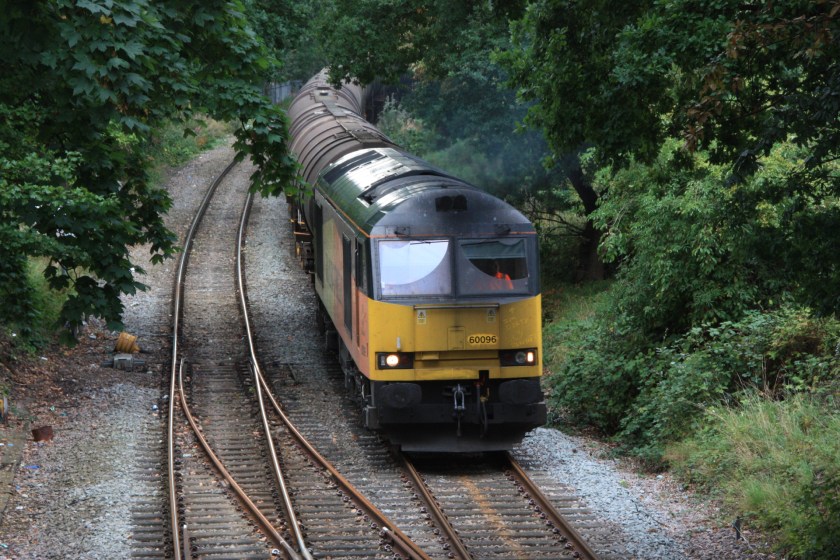 Looking at the massive success of London Overground in reinvigorating rail corridors around the capital, such as the North London, East London and South London Lines, it is perhaps remarkable that there is one short stretch of line in North London where time has seemingly stood still, with control by semaphore signals and a sparse traffic comprising the occasional slow-moving freight train and empty stock movements between the capital’s termini.
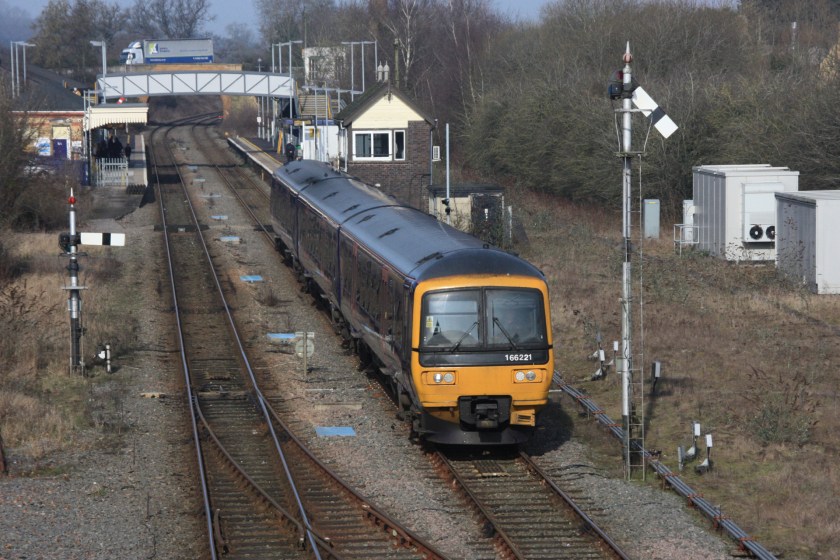 When Network Rail was completing a £67 million project to re-double two sections of the Cotswold Line between Oxford and Worcester in 2011 there was not enough left in the kitty to re-signal the two re-doubled stretches of line – four miles from Charlbury to Ascott-under-Wychwood and 16 miles of line from Moreton-in-Marsh to Evesham.
 RailwayWorld.net
You must be logged in to post a comment.