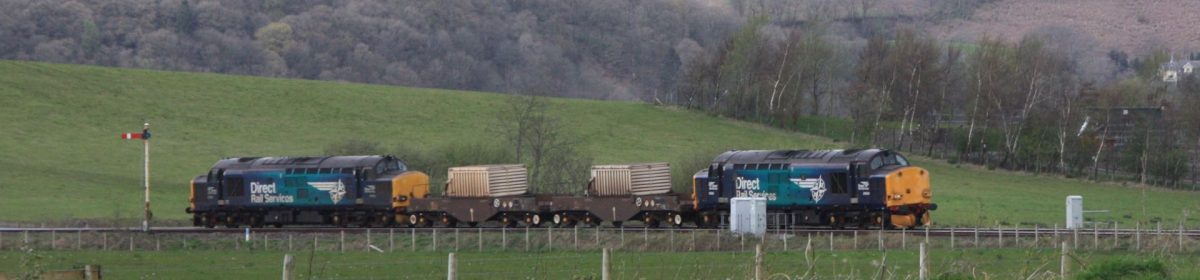
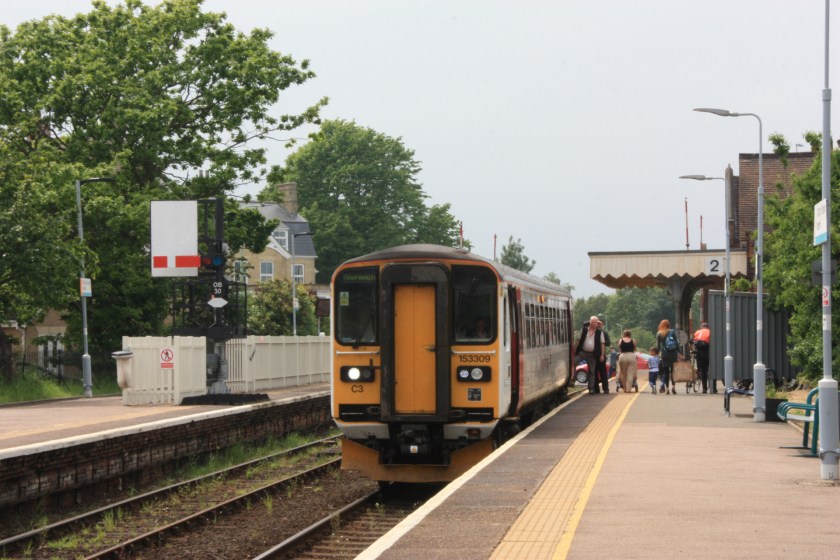
 For its combination of manual signalling, interesting scenery and the regular chance of Class 37-haulage, there can be few places in England more attractive for rail enthusiasts than the Wherry Lines in Norfolk, linking Norwich with the seaside resorts of Great Yarmouth and Lowestoft.
This 46¼-mile network features a total of nine manual signal boxes, two of which also operate swing bridges, a weekend-only request stop (Buckenham), and Berney Arms, one of the remotest and quietest stations (albeit without any signalling) in the whole of England. Continue reading “Favourite photo-spots: Oulton Broad North”
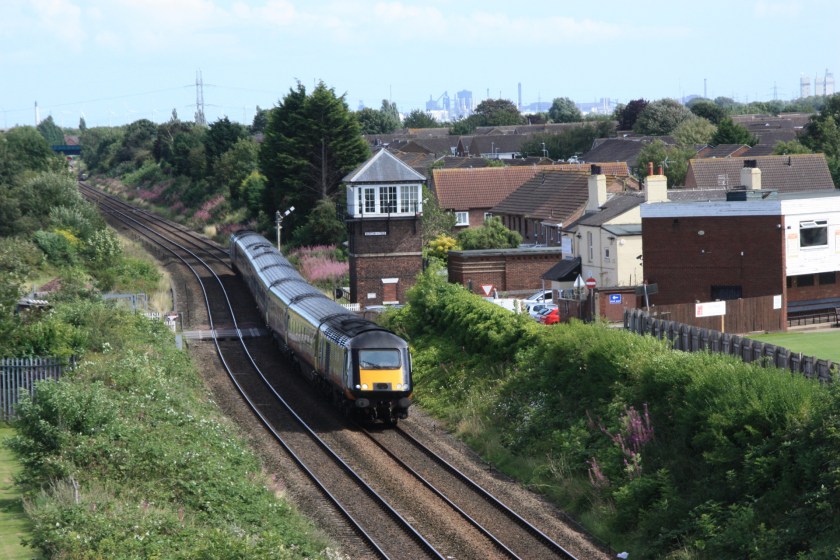 Among surviving outposts of mechanical signalling in North East England, one of the most fascinating and photogenic is the 4½-mile section of line between Stockton-on-Tees and Billingham on the Durham Coast route from Thornaby to Sunderland and Newcastle.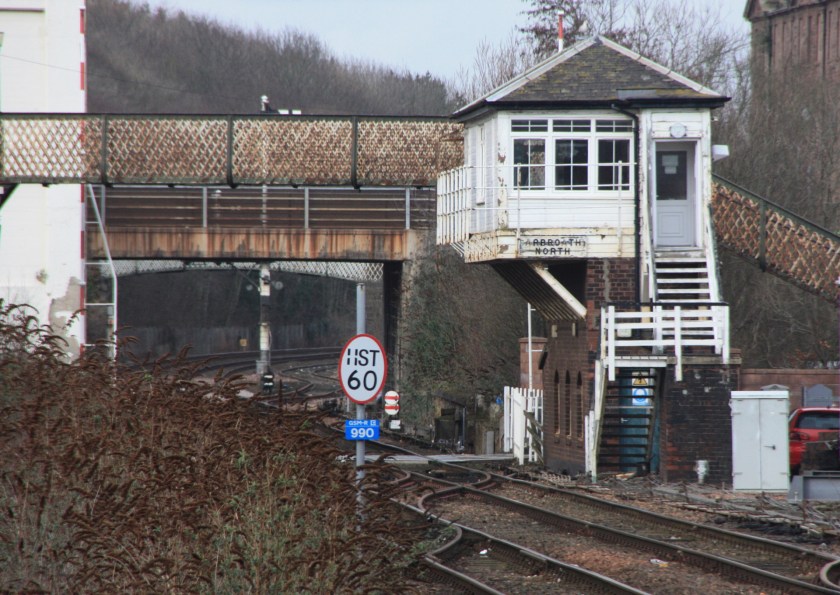
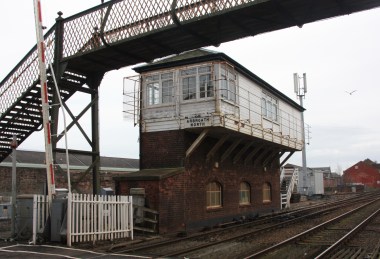 This impressive box can easily be seen from the platform ends at the north end of the station, but can also be viewed at close quarters only a short walk from the station, at the level crossing it controls. From here it is well worth walking through the car park of a large Morrisons superstore to a bridge over the line on the A933 road.
 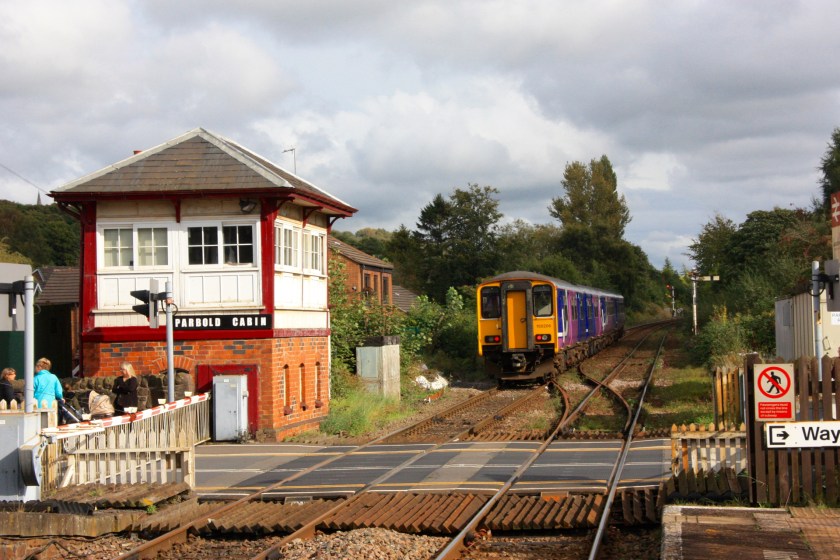 Parbold was a really delightful discovery in West Lancashire, a small town just over ten minutes travel time on a Southport-bound train from Wigan Wallgate, itself almost alongside the main Station, Wigan North Western, on the West Coast Main Line.
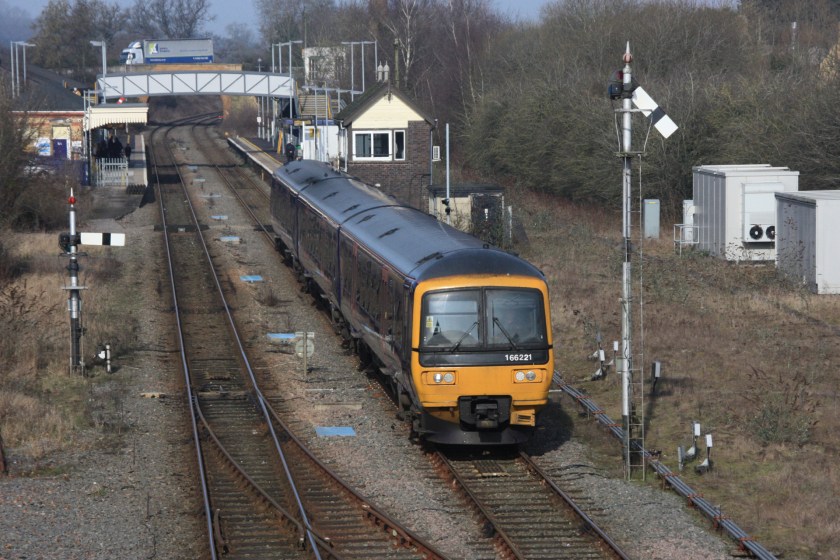 When Network Rail was completing a £67 million project to re-double two sections of the Cotswold Line between Oxford and Worcester in 2011 there was not enough left in the kitty to re-signal the two re-doubled stretches of line – four miles from Charlbury to Ascott-under-Wychwood and 16 miles of line from Moreton-in-Marsh to Evesham.
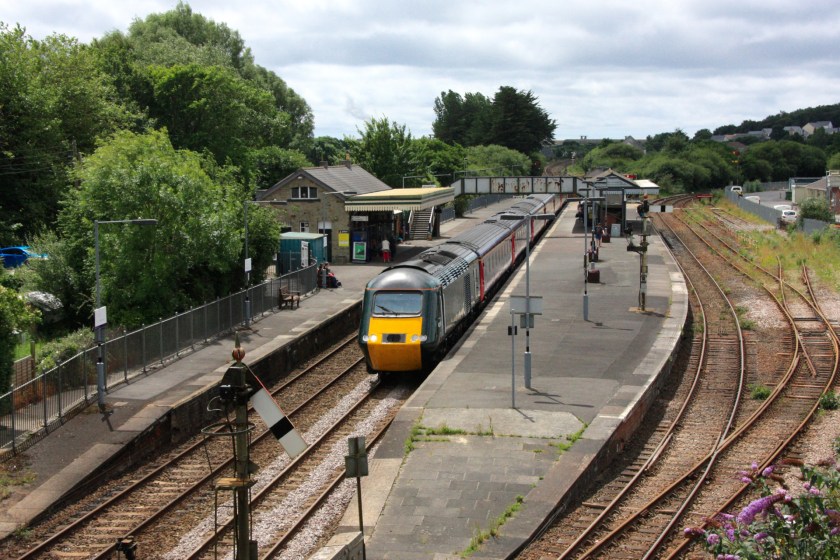 Par is one of four junction stations in Cornwall that is still controlled by manual signalling (along with Liskeard, Truro and St. Erth) but arguably the most important as there are numerous through trains onto the 20 3/4 mile Newquay branch on summer Saturdays, with one on high summer weekdays (The Atlantic Coast Express) and two on Sundays.
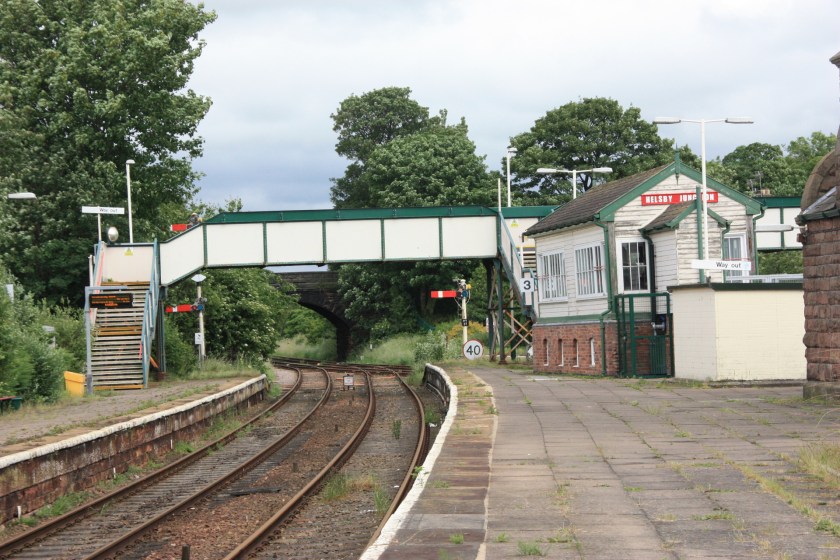 Co-acting signals were once a reasonably common feature on the UK rail network – that is signal posts with two arms, one at low level and one located much higher up, so that drivers could always see one or other of the signal arms when there was an obstruction, such as the station footbridge (pictured above), which would obscure the driver’s sight line to a signal at conventional height.
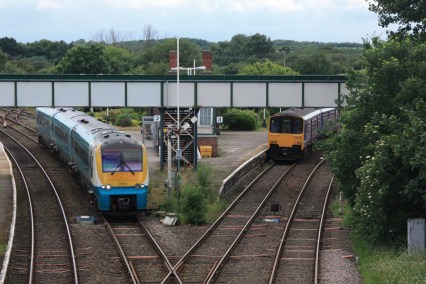 Today there are only three such signals left on the whole of Network Rail, and having previously had the chance to visit the ones at Cantley, on the Norwich-Lowestoft line in East Anglia and one at Greenloaning, just north of Stirling in Scotland, it was a great pleasure to be able to see and photograph the third of this trio at Helsby, a delightful and unspoiled junction station, roughly midway between Warrington and Chester.
 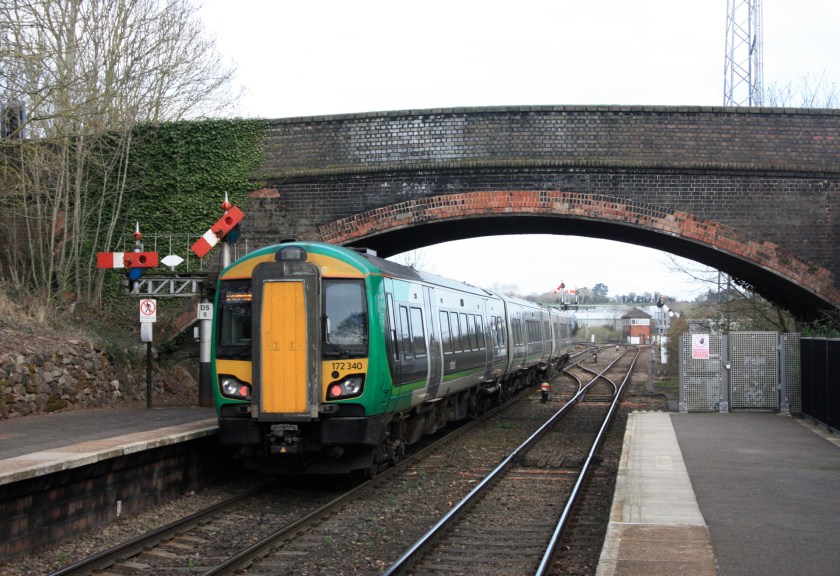 Droitwich Spa is the northern end of an oasis of semaphore signalling in the Worcester area, where there are a total of eight boxes with at least some mechanical signalling, as far south as Norton Junction and south west as far as Ledbury on the route to Hereford.
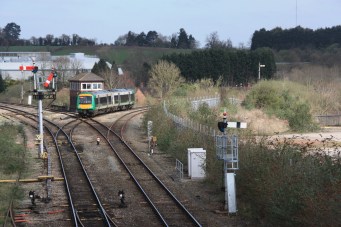 Like Shrewsbury and also Worcester Shrub Hill, Droitwich Spa has its celebrity signals – in this case it is the pair of down starting signals (DS8) which are of the centre pivot type (pictured above) similar to those on platform 7 at Shrewsbury.
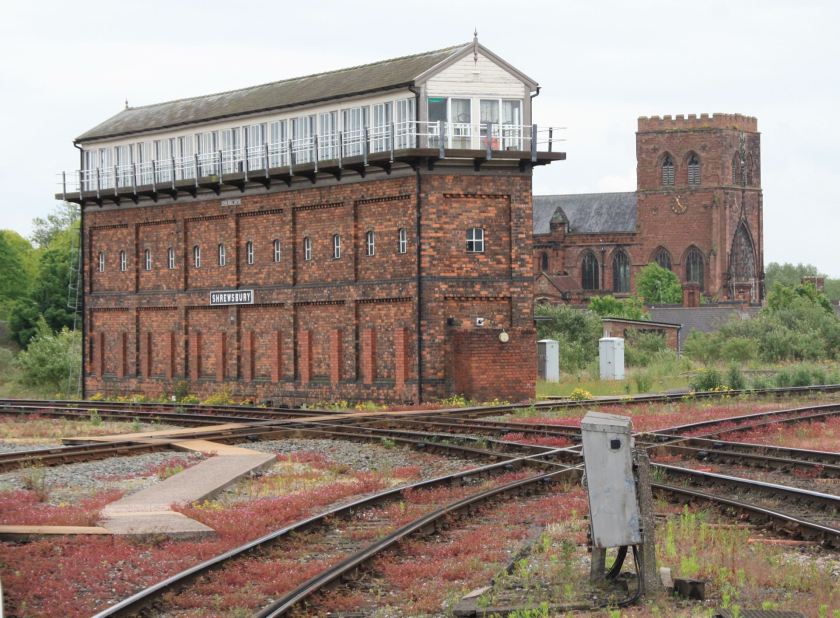 Anyone with an interest in our signalling heritage simply must pay a visit to Shrewsbury, home to the world’s largest working mechanical signal box, Severn Bridge Junction. This is one of three boxes that can be seen from the station platforms, along with more than two dozen working mechanical signals.
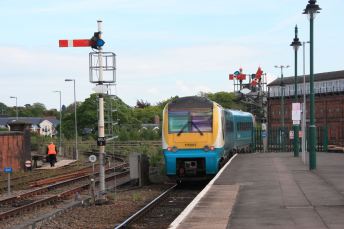 Amongst these, the real gem is SBJ11, a pair of extremely rare lower quadrant centre pivot signals controlling the southern end of platform 7. Severn Bridge Junction is one of two listed boxes at Shrewsbury, the other being the almost equally impressive Crewe Junction box at the north end of the station, where the route to Crewe diverges from the line to Chester.
 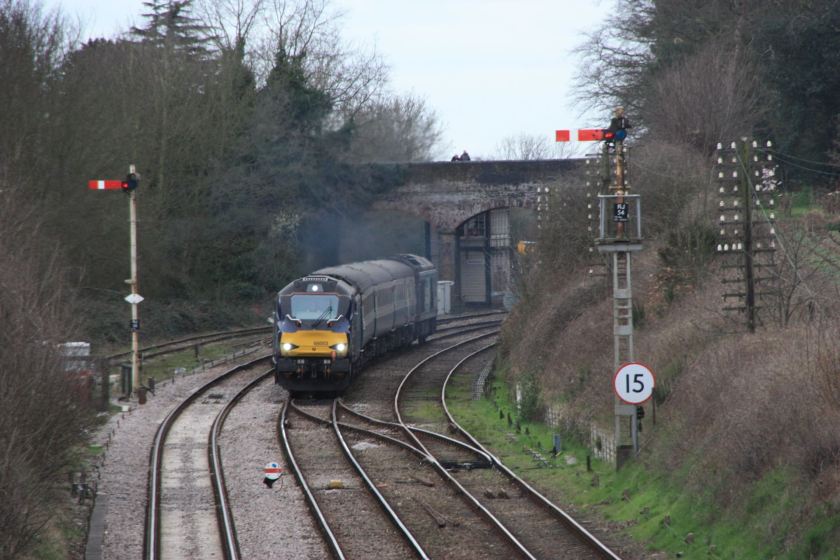 Reedham can claim to be one of the most picturesque places on the Norfolk Broads, but for me the real magic of the place is finding a country junction on the busy Wherry Lines route from Norwich to Lowestoft, where a branch diverges off for Berney Arms and Great Yarmouth, complete with fine signal box, an array of semaphore signals and a working swing bridge, with a very pleasant pub alongside.
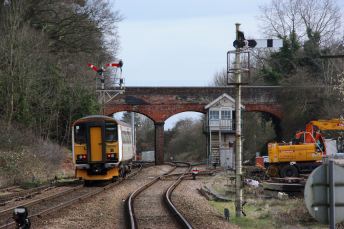 From a photographic point of view, Reedham has everything, with good vantage points from no less that three road over bridges, all within a mile of the station and one offering a view over the swing bridge, as well as panoramic views of trains as they head in a south easterly direction to and from the terminus at Lowestoft.
  RailwayWorld.net
You must be logged in to post a comment.