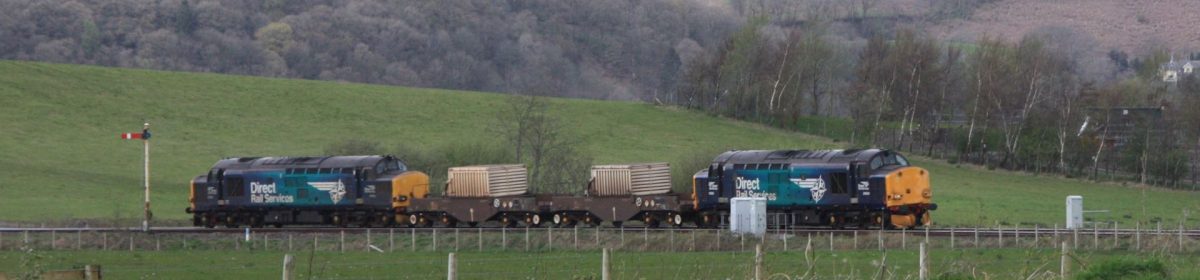
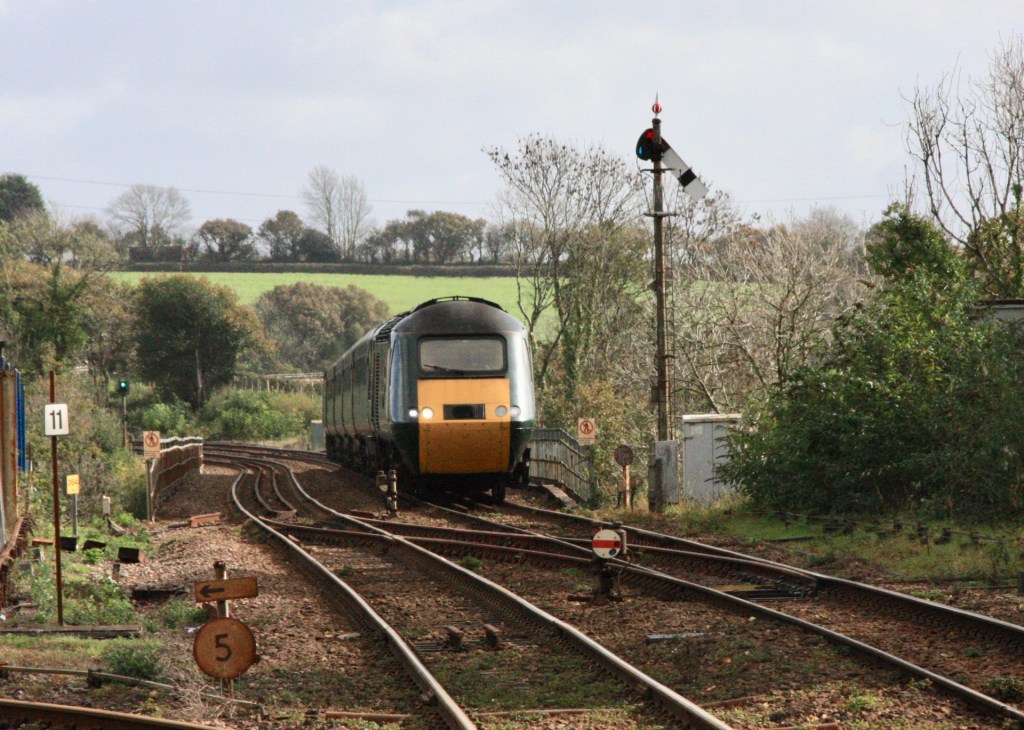
Dramatic scenery and numerous viaducts make Cornwall something of a dream for railway photography, with the added attraction of most local services now being formed of the ex-HST 2+4 “Castle” sets and semaphore signalling at five main-line stations within the Royal Duchy.
First up of this quintet is Liskeard, 264½ miles from Paddington (via Bristol) and home to a rare centre-pivot semaphore as well as being a junction for the scenic Looe Valley branch line, whose platform (3) stands as right-angles to the main line and is adorned with 1960s-style chocolate and cream signage.
Having spent time at Liskeard station in the past, I was keen to seek out the first of the six semaphore signals here, the down outer home (LD35) which westbound trains will pass on approaching the station before rounding a sharp left-hand curve that takes them onto Liskeard Viaduct and into the station.
Continue reading “Favourite photo-spots: Liskeard”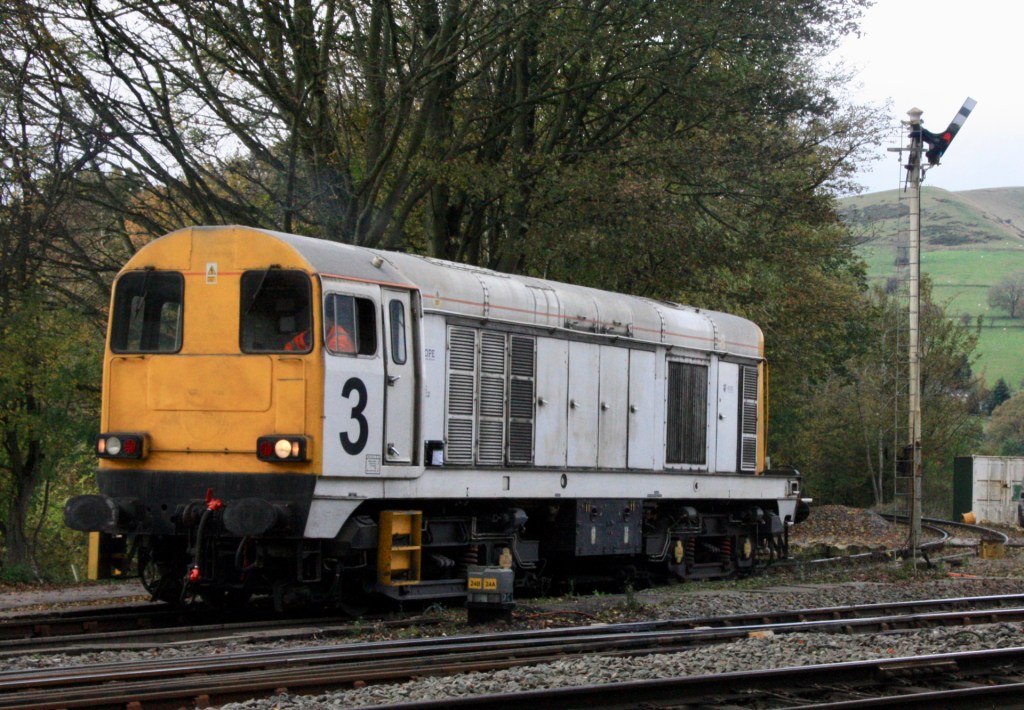
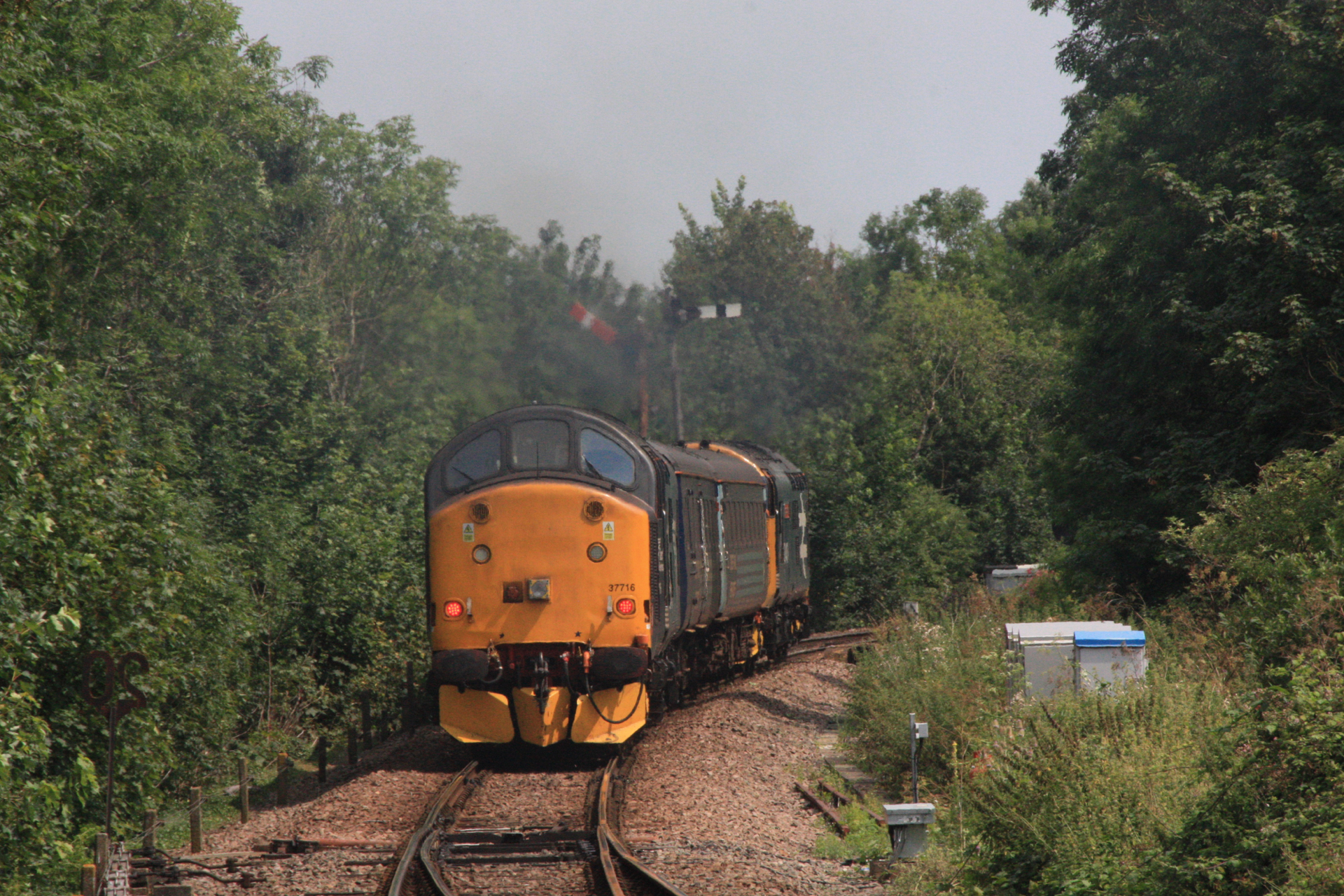
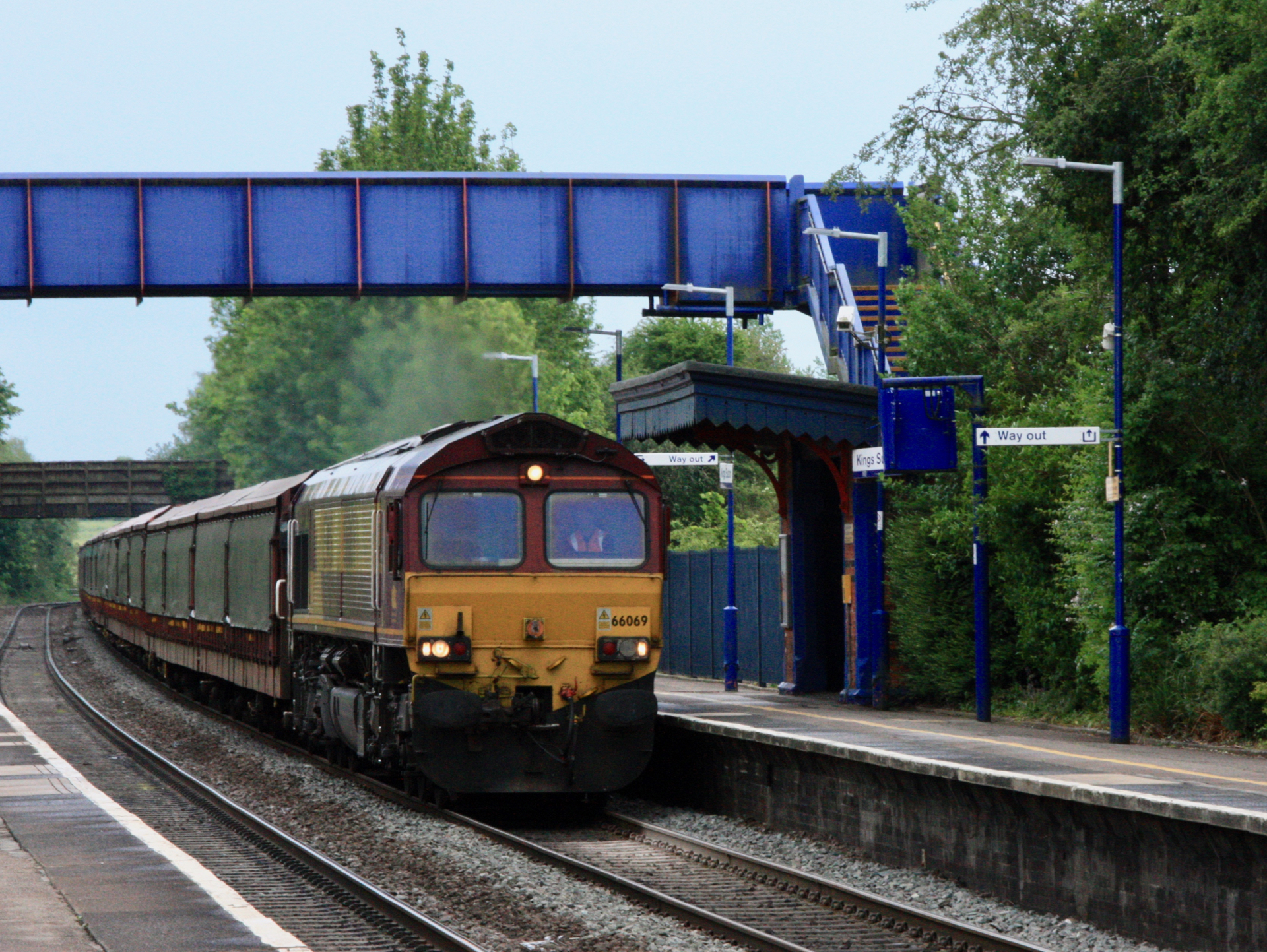 Not a place notable for its signalling interest, but a pleasantly rural spot that is worth a visit for the variety and frequency of traction passing through this very quiet station, four miles south of Banbury.
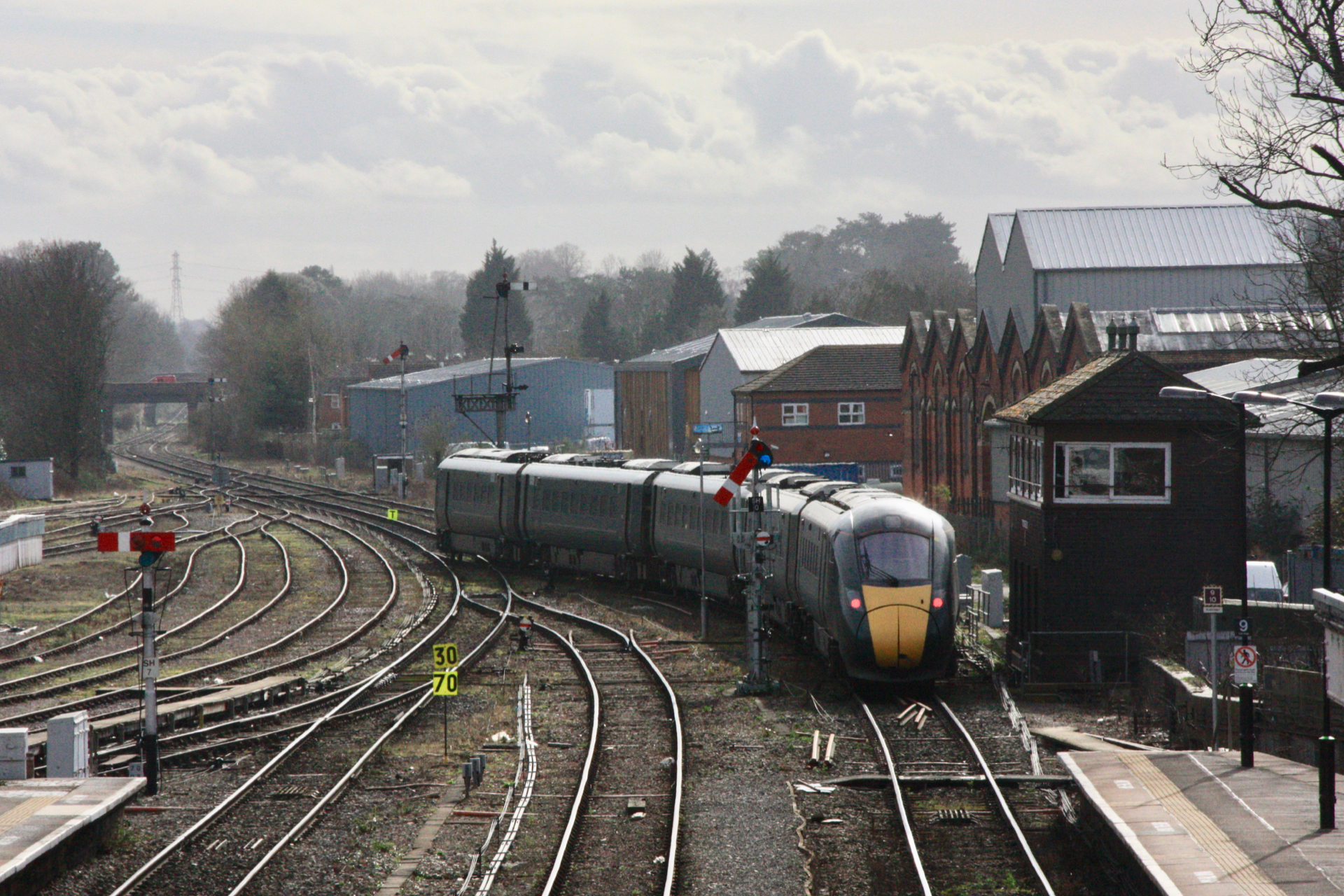 For a chance to savour Britain’s finest collection of lower quadrant semaphore signals, and a number of other unique historic features, it is well worth spending a few hours on and around Worcester’s two stations, Shrub Hill and Foregate Street.
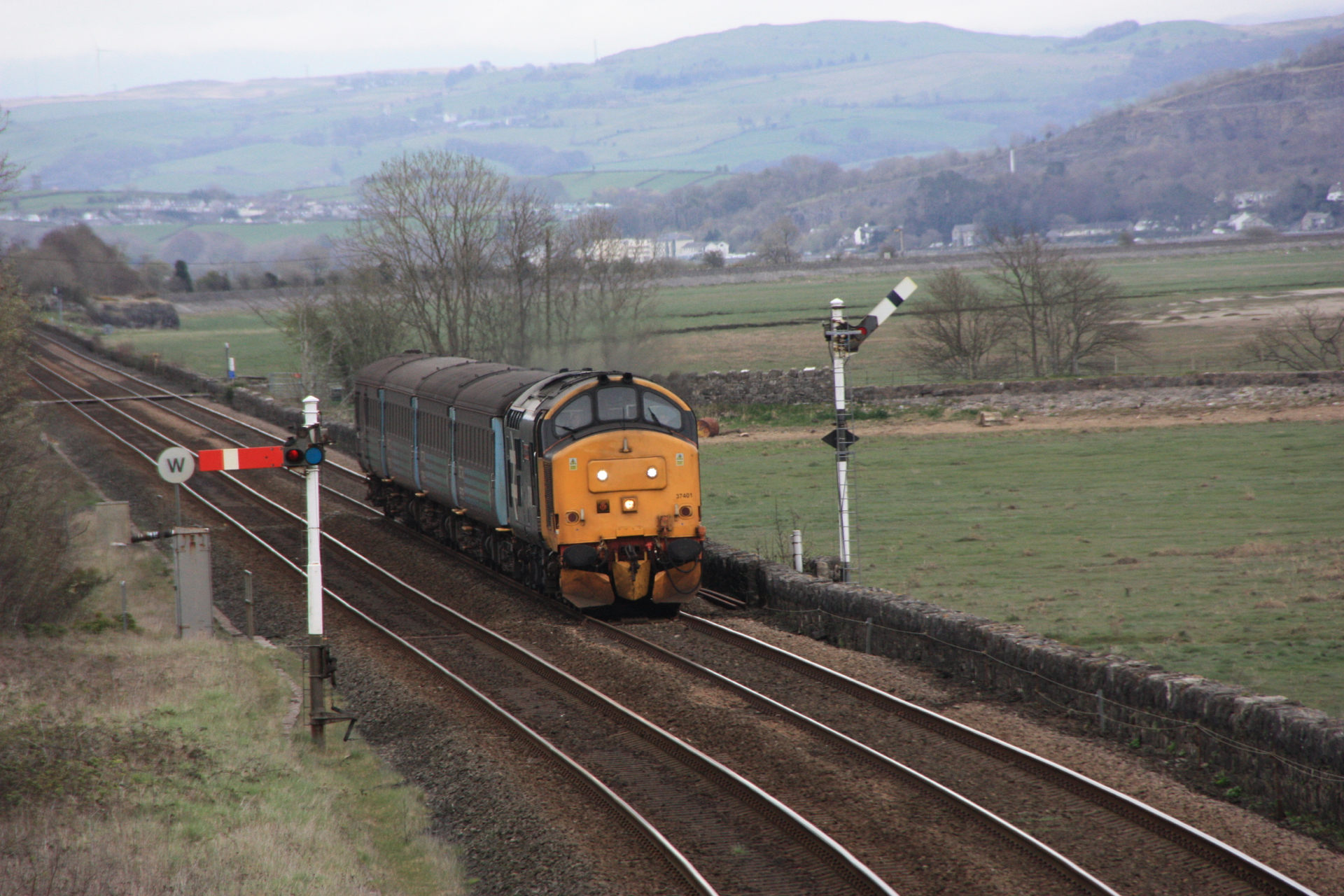 Having spent much of last year touring the length and breadth of Great Britain in search of surviving semaphore signals to feature in my forthcoming book, I can confidently say that the finest stretch of mechanical signalling in Britain is the 94½ mile stretch of Cumbrian Coast from Arnside, north of Lancaster, along the Furness Line to Barrow-in-Furness, and then on up the Cumbrian Coast Line to Wigton, south-west of Carlisle.
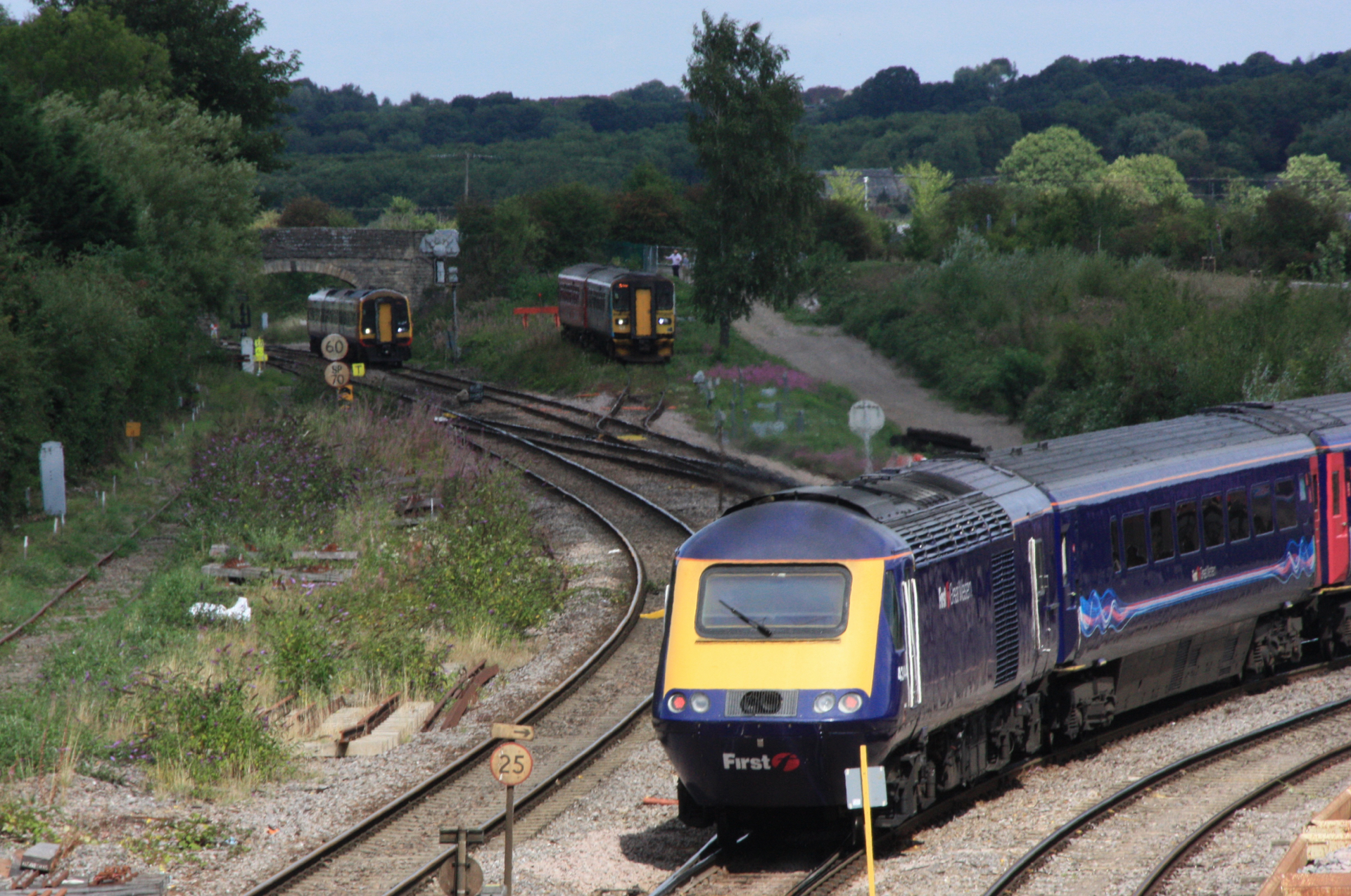
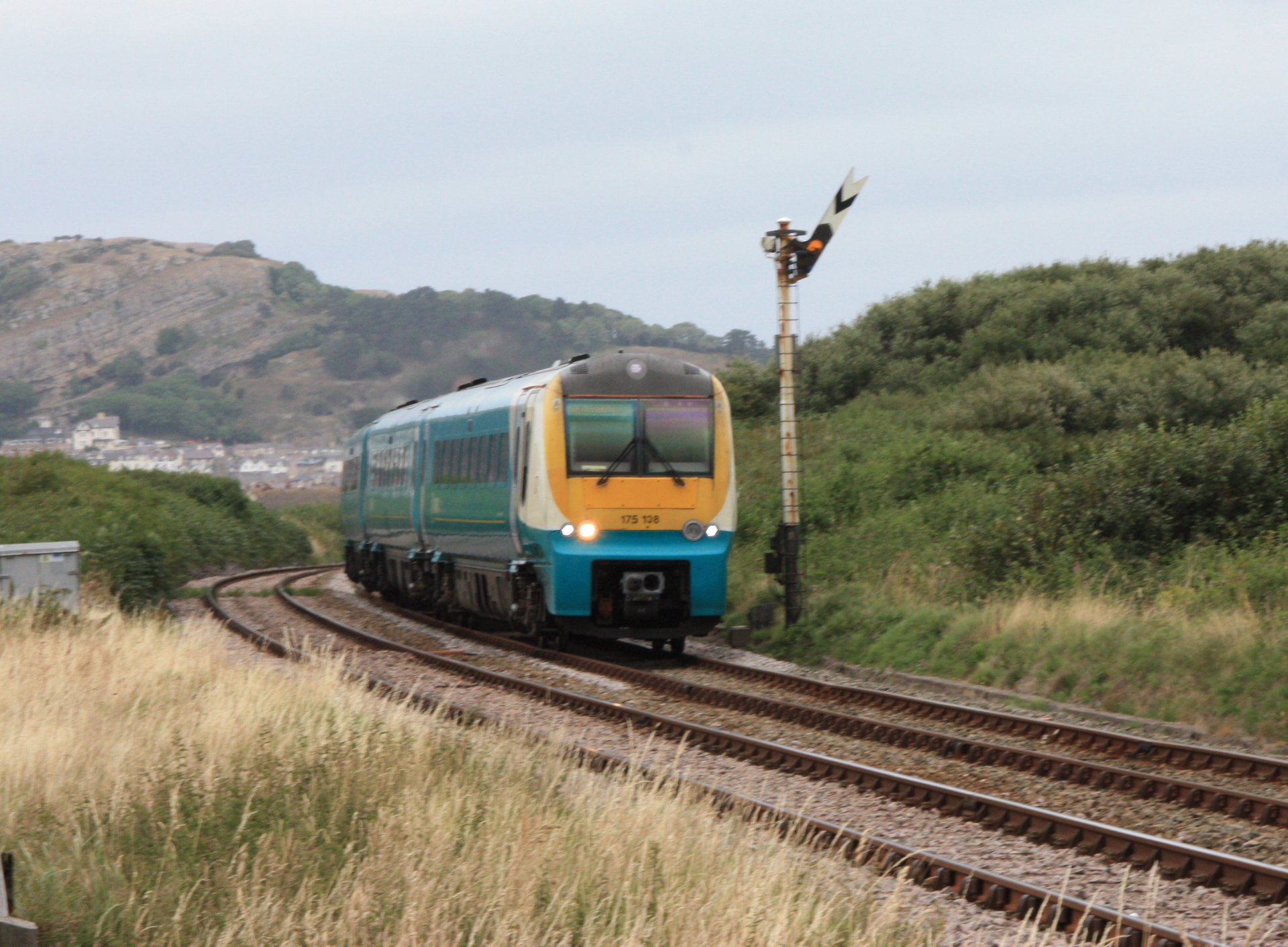
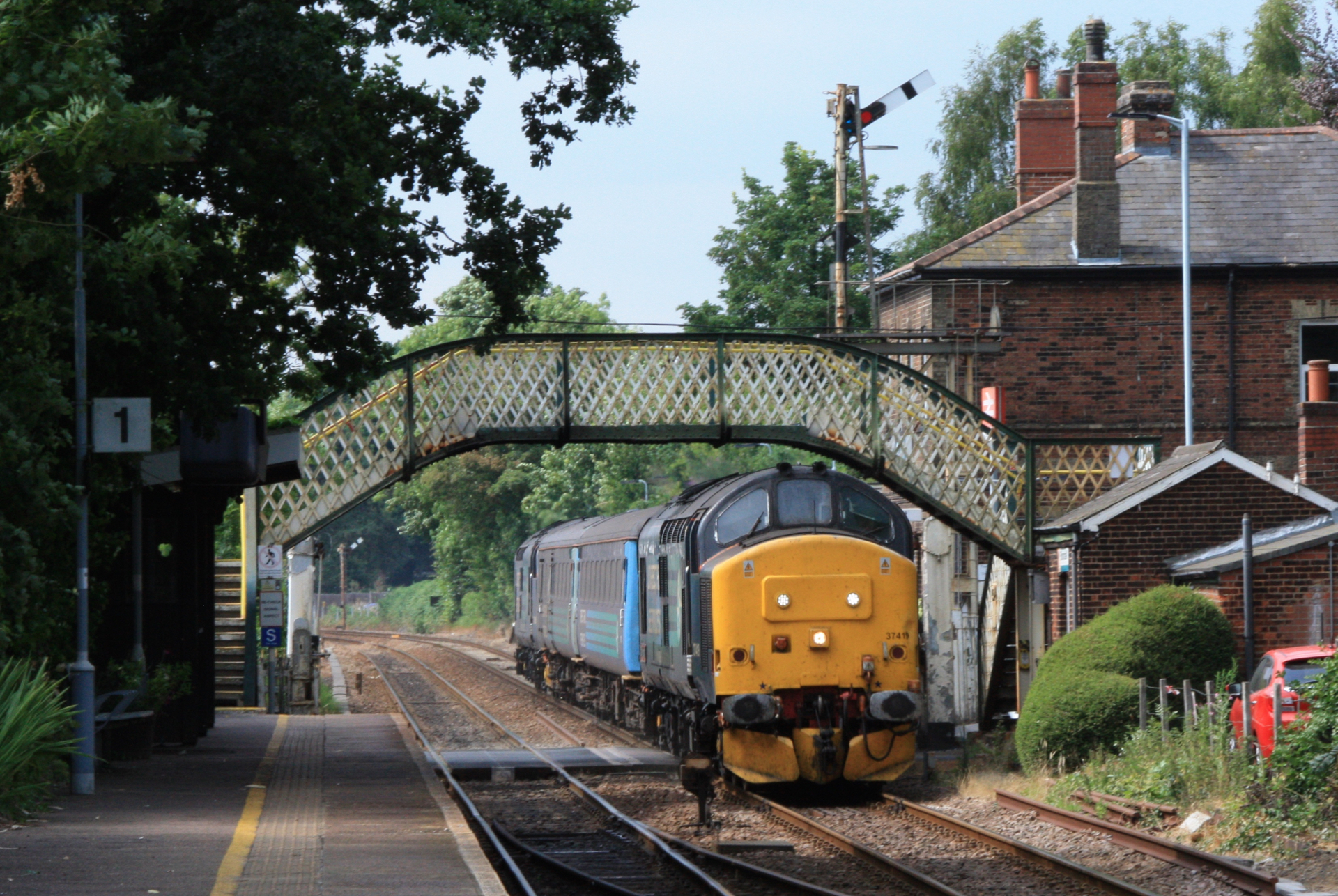 Re-signalling of the Wherry Lines from Norwich to Great Yarmouth and Lowestoft continues apace – with “bagged lollipops” having already appeared at a number of locations, so after previous looks at Reedham and Oulton Broad North, it is time to pay a visit to the third mechanically-signalled junction on this fascinating network.
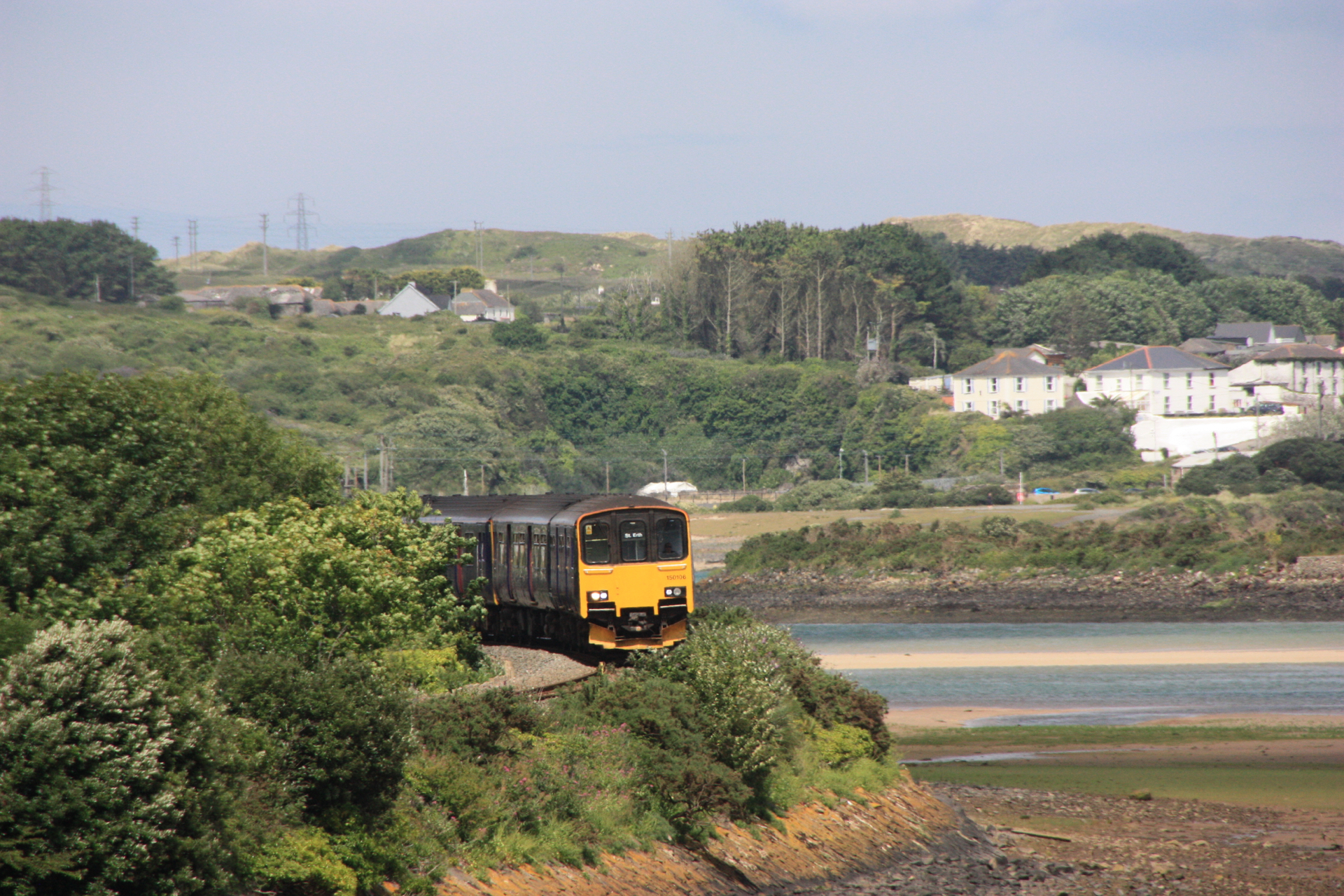 Cornwall remains a delightful and photogenic outpost of mechanical signalling, so after my earlier features on Par/St Blazey and Lostwithiel, it is time to pay a visit to Britain’s most south-westerly railway junction, St Erth, which lies 56 miles on from the Royal Duchy’s first semaphore signals at Liskeard, and 299½ miles from Paddington.


You must be logged in to post a comment.