 Transport and the railways was never going to take centre stage in an election that is dominated by Brexit and the NHS, but with all the manifestos now published there are a pretty wide range of promises being made to improve and expand our rail services.
So, without fear or favour, here is a review of what is being said by all the political parties on the future of our railways, looking in particular at four key topics, namely ownership and control, HS2, electrification and network expansion/re-openings. Continue reading “Railways and the 2019 General Election”
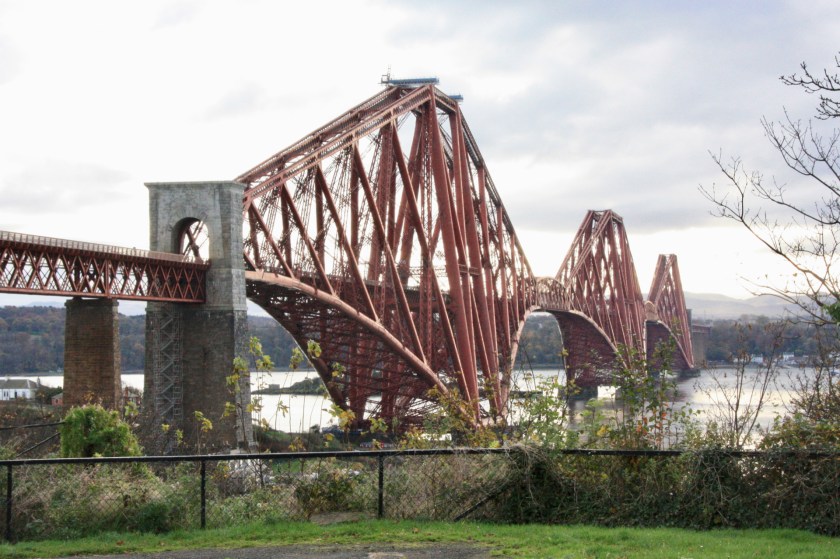 Having been to the same school as one of the two engineers who designed it (Sir Benjamin Baker), I have always had a special affection for what, three years ago, was voted Scotland’s greatest man-made wonder, the truly remarkable and iconic Forth Bridge.
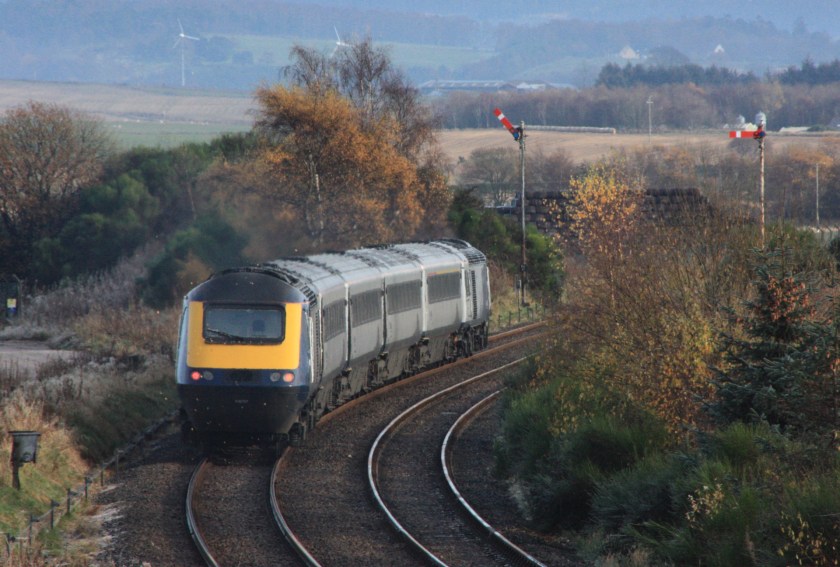 After recent visits to Britain’s most south-westerly semaphores (St. Erth) and our most easterly (Lowestoft), another bargain-price Scotrail Club 50 £17.00 flat fare offer gave me the chance to pay a welcome return visit to our most northerly outposts of mechanical signalling.
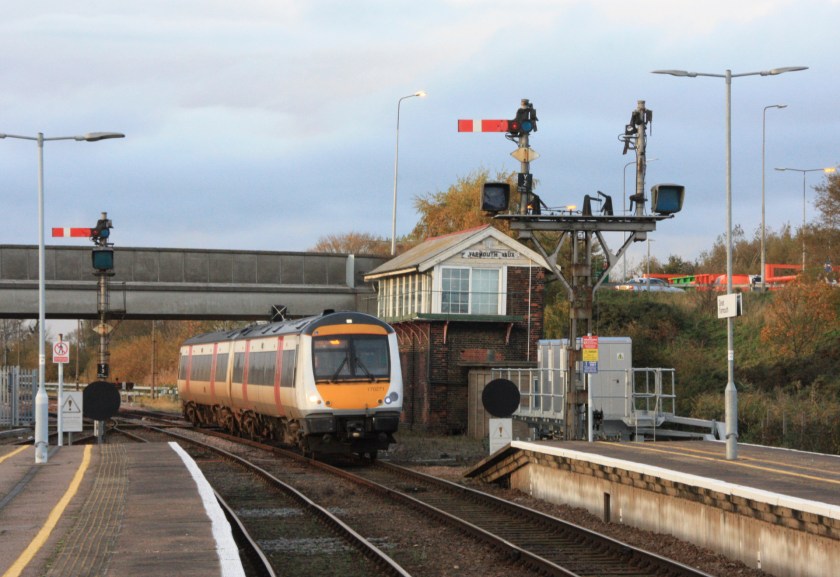 Grandest of the seven surviving signal boxes along the Wherry Lines from Norwich to Great Yarmouth and Lowestoft must surely be Yarmouth Vauxhall, a Great Eastern Railway type 4 Design that dates from 1884 and boasts a 63-lever Saxby & Farmer frame.
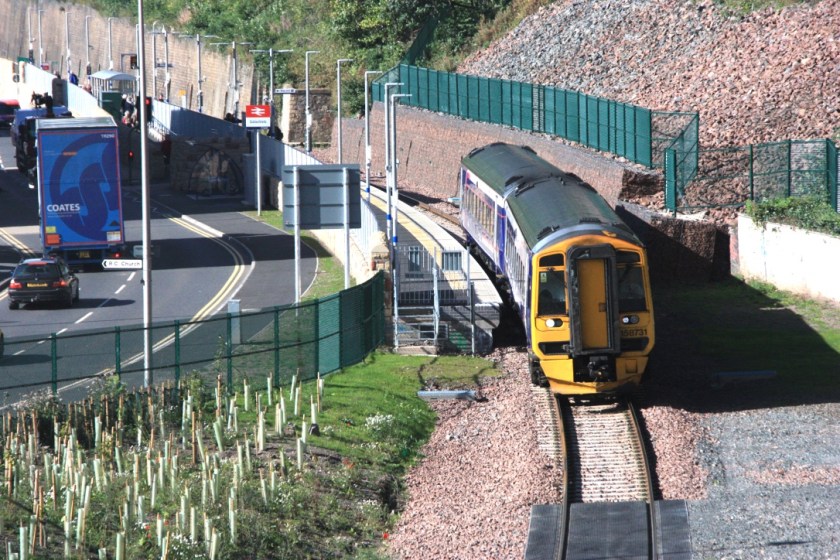
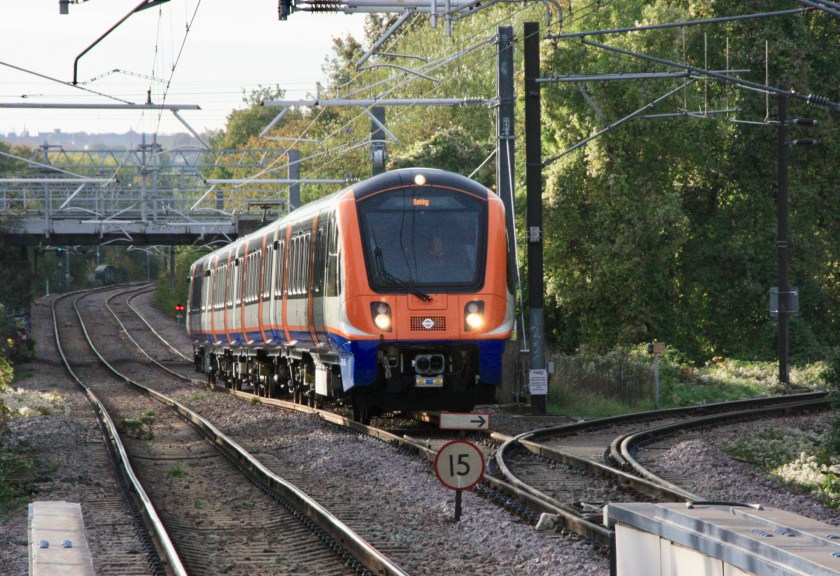 After what seemed like an interminable wait, users of the North London orbital rail service linking Gospel Oak with Barking finally have the train-set and services they have been waiting for, and a good service it seems too.
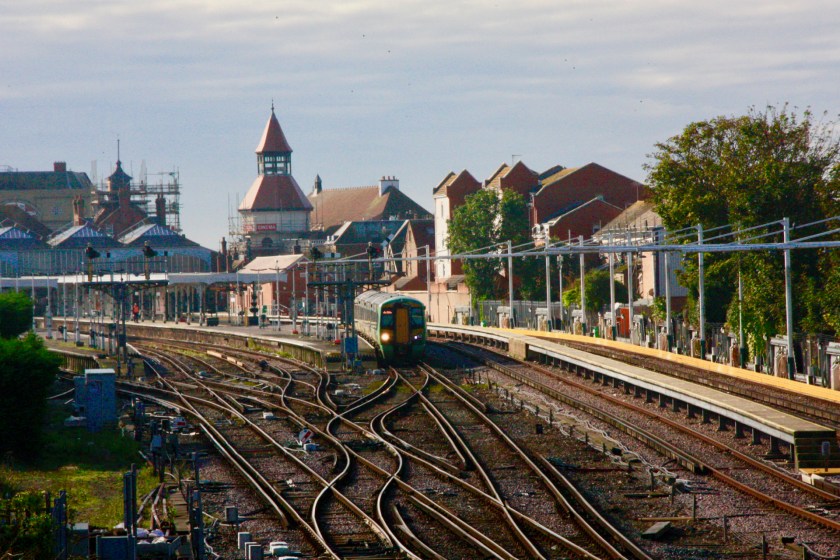 Two remarkable outposts of mechanical signalling are the neighbouring West Sussex resorts of Bognor Regis and Littlehampton, which have somehow outlived a re-signalling of the Mid-Sussex Line south of Horsham.
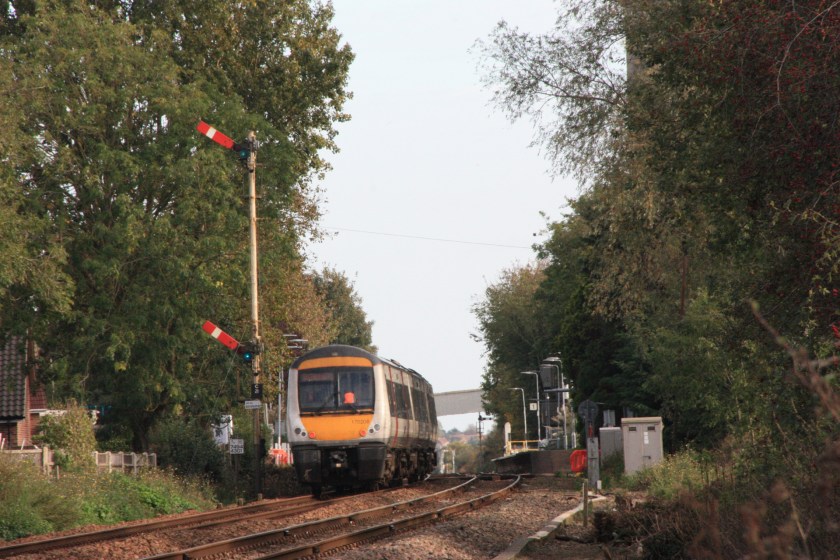 Co-acting signals were once a fairly common feature of our railways, but are now an endangered species. There are only three remaining examples on the national network, of which one will disappear early next year and another is threatened by potential electrification and re-signalling.
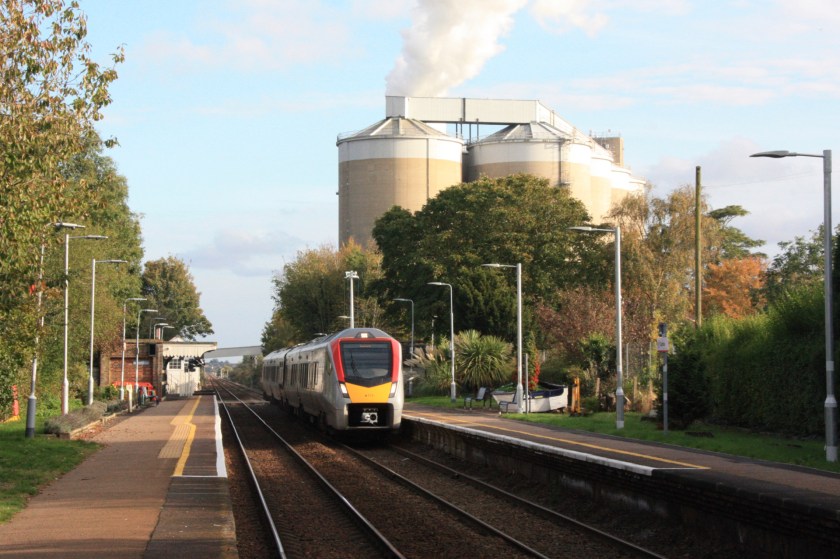 Paying a return visit to the Wherry Lines, principally to photograph Cantley’s famous co-acting signal, it was good to see more evidence of the new Class 755 units than on my visit to Lowestoft at the beginning of the month.
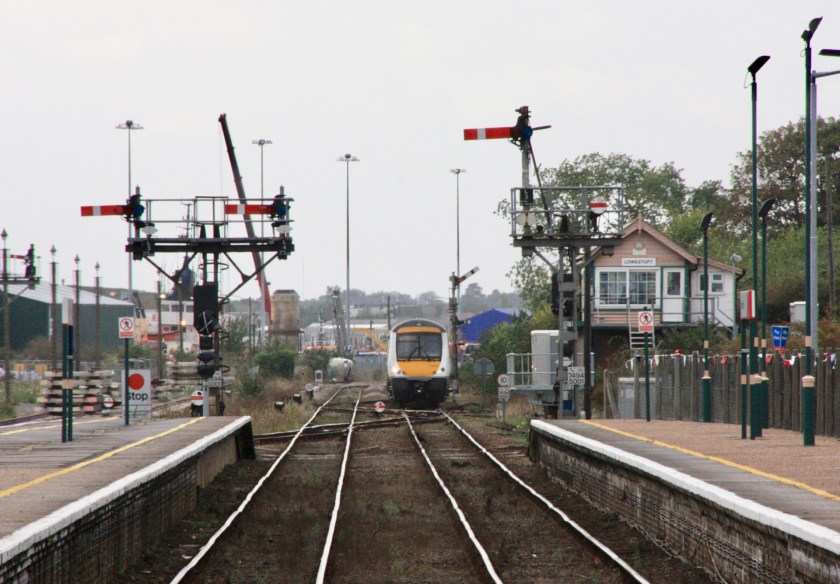 After my return last month to Britain’s most southerly semaphores at St Erth in Cornwall, it was time for what will probably be my final visit to our most easterly semaphores, namely those at Lowestoft Central.
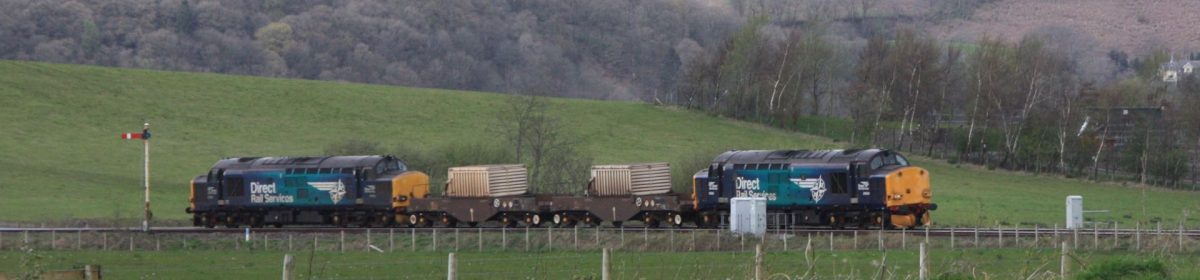
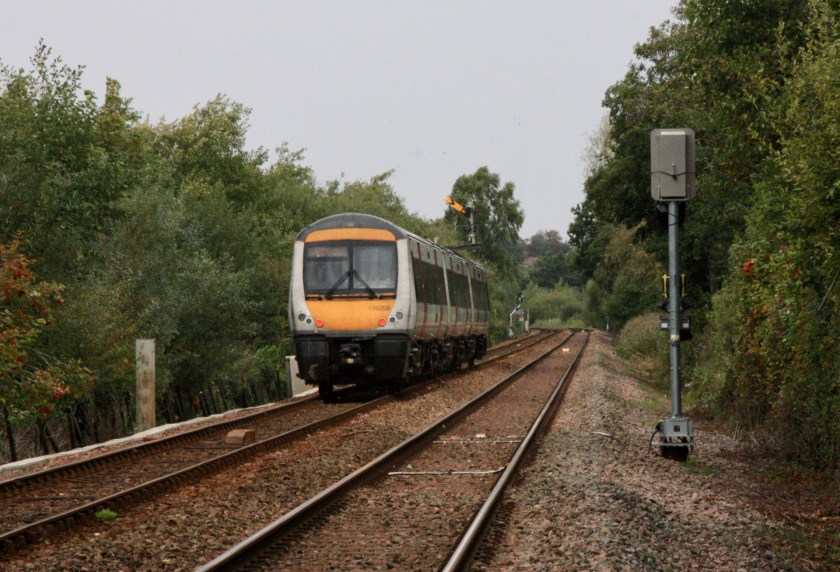 Class 37-haulage may finally be at an end on the Wherry Lines, but there are still a few months left to appreciate another charming aspect of these routes from Norwich to Great Yarmouth and Lowestoft.
 RailwayWorld.net
You must be logged in to post a comment.